The Usual Work Here
We run the truck out to Reading from our base in Woburn, about 4 miles down the road, so we're there inside the same morning for most calls. The town sits at the edge of the service area we already cover day to day, right alongside Wakefield and Stoneham, so the drive is never the reason a repair gets pushed to tomorrow.
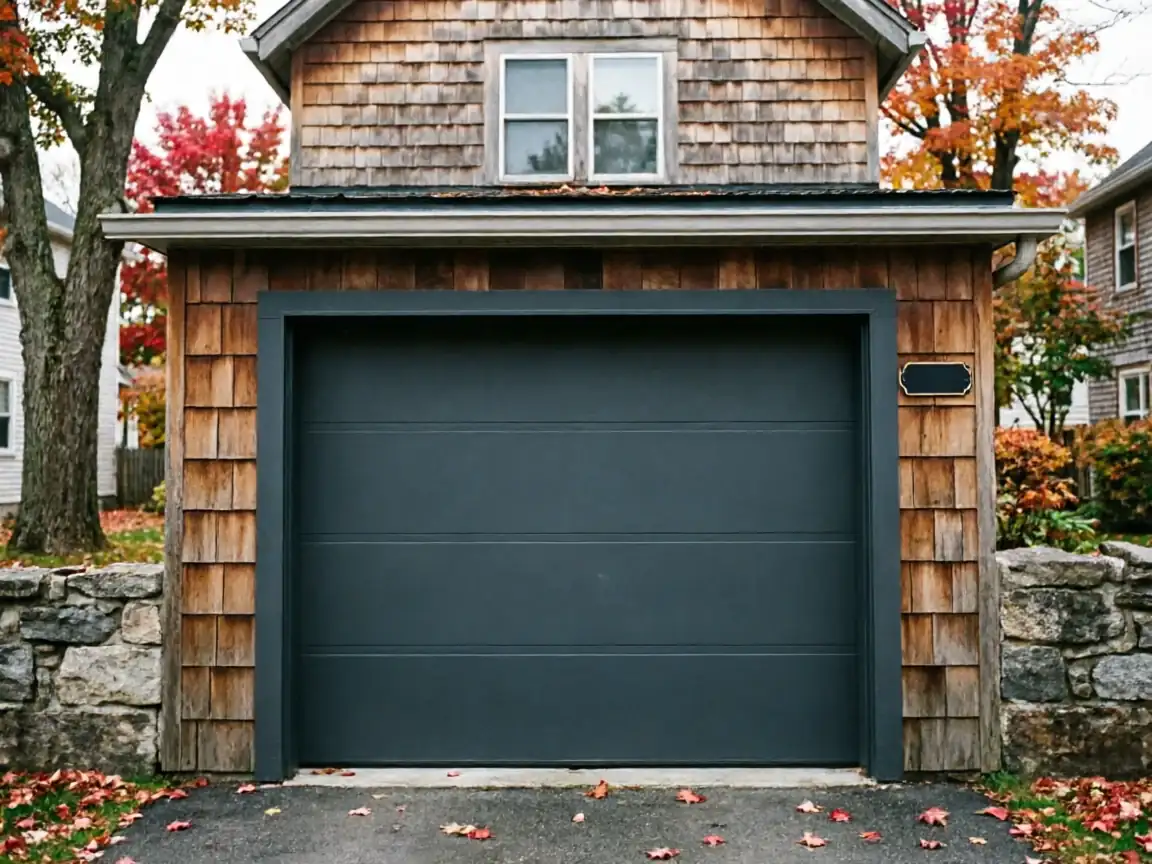
What we see in Reading leans heavier toward older torsion setups than some of the newer pockets of town we work. The median home here went up around 1960, which lines up with the broader stock across this part of the state built mostly between 1938 and 1988. That means a good share of the doors we're called out to aren't the doors builders are hanging today - they're older frames with hardware that's been replaced once, maybe twice, by whoever owned the house before.
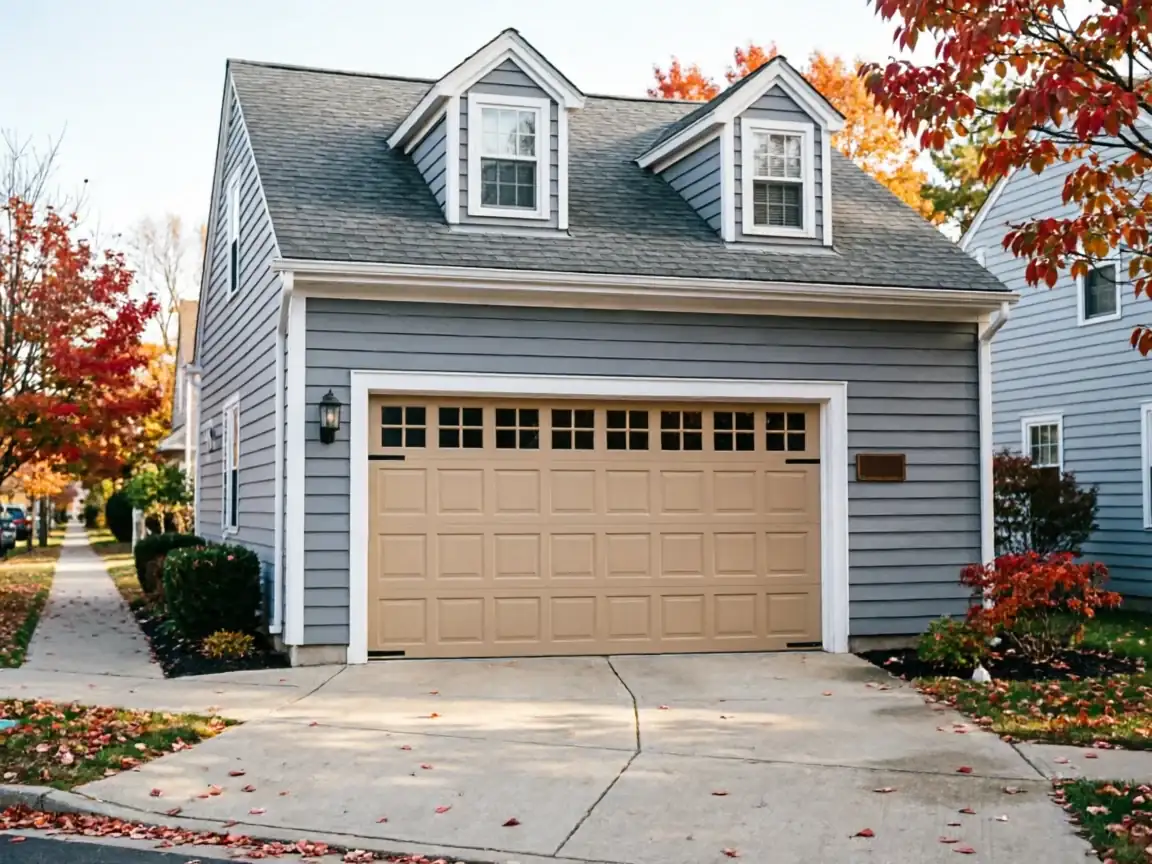
We don't pretend every job is the same. A door on a 1960-built colonial with the original jamb and a retrofitted opener is a different job than a door installed five years ago on a newer build. We price and diagnose accordingly, and we'll tell you straight if a repair isn't worth it against a replacement.
What That Means for Doors
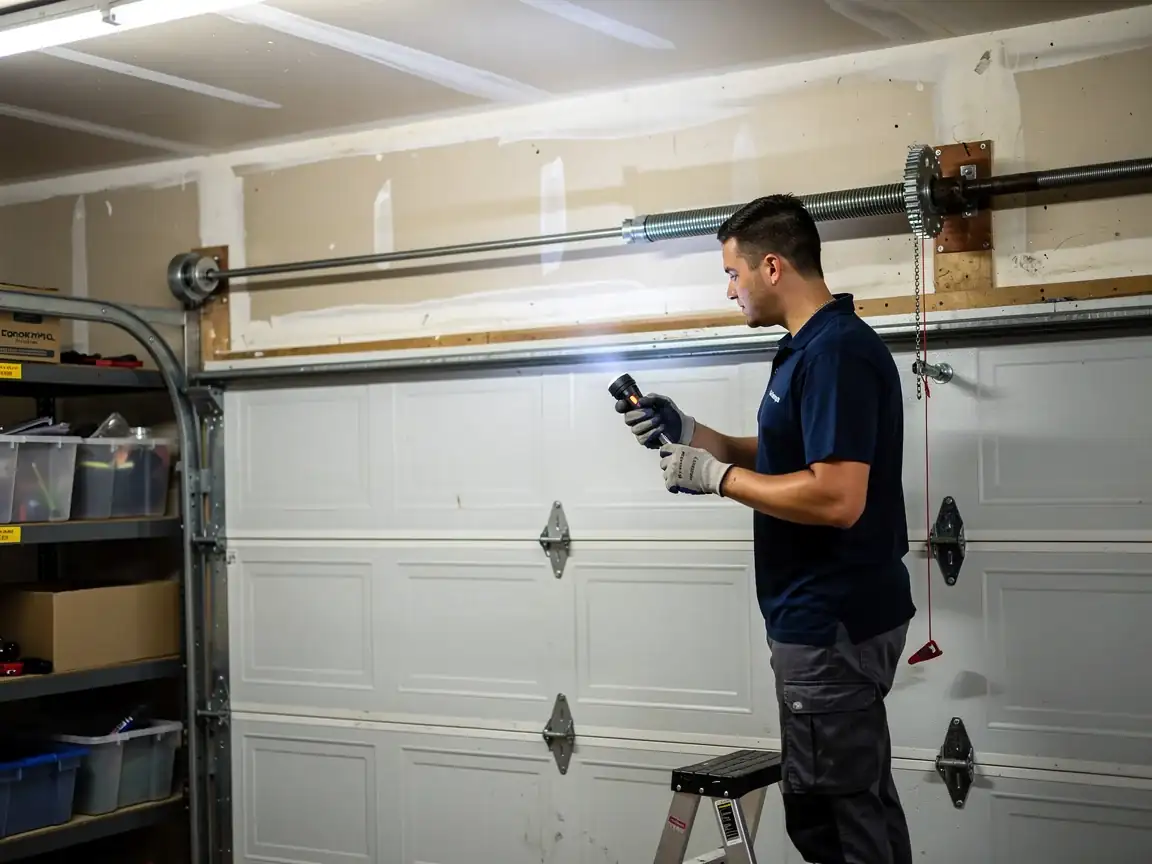
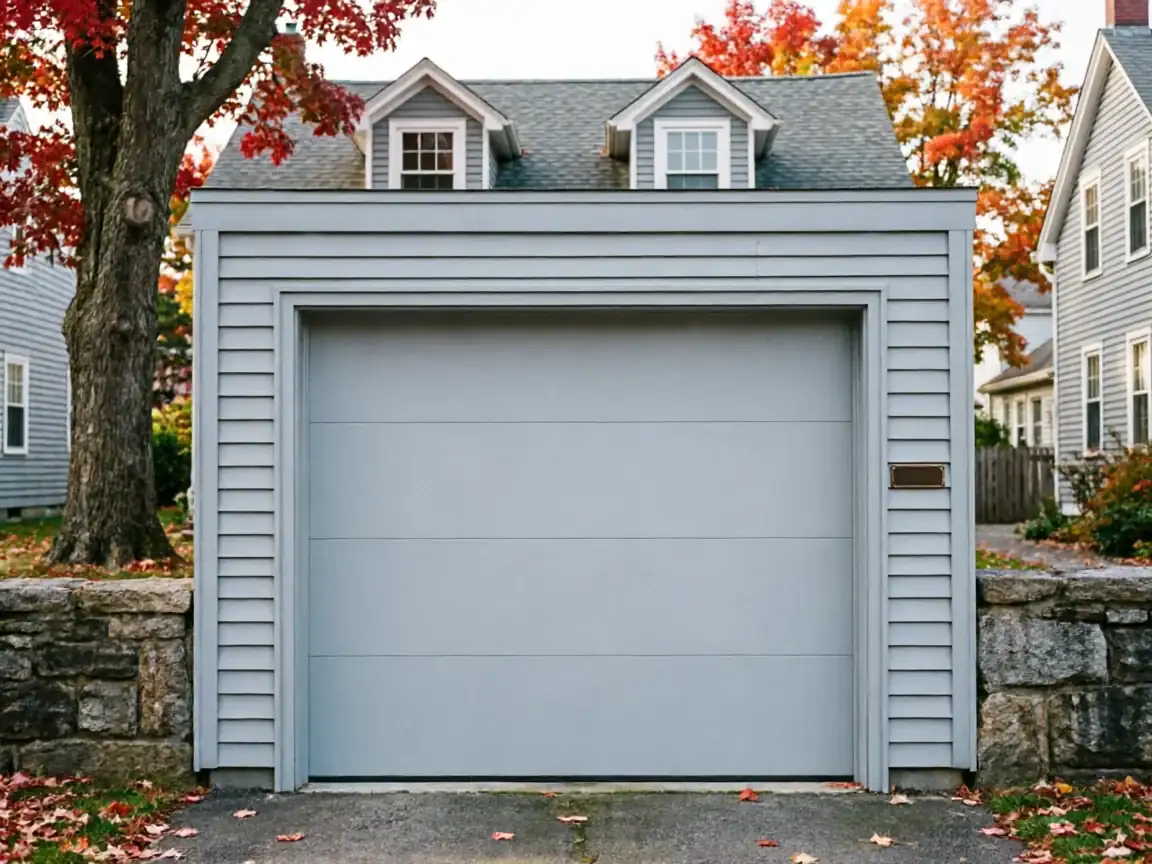
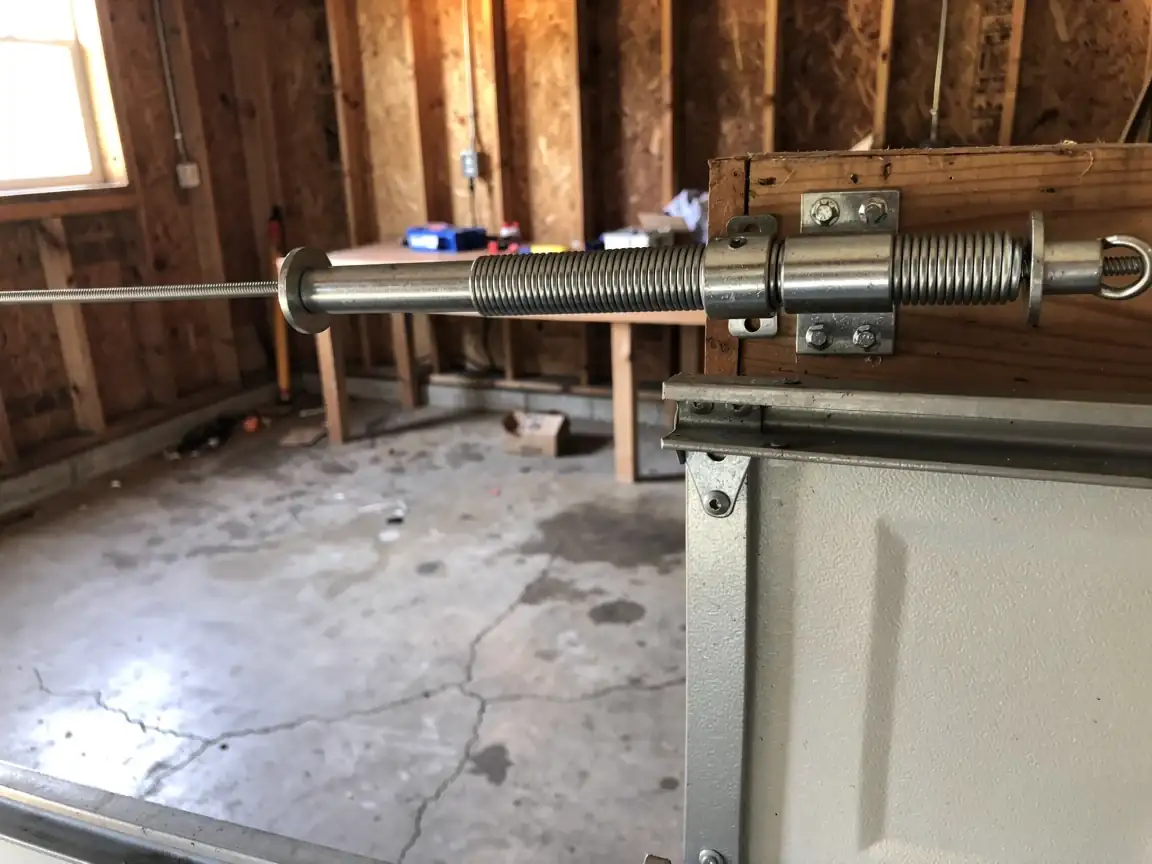
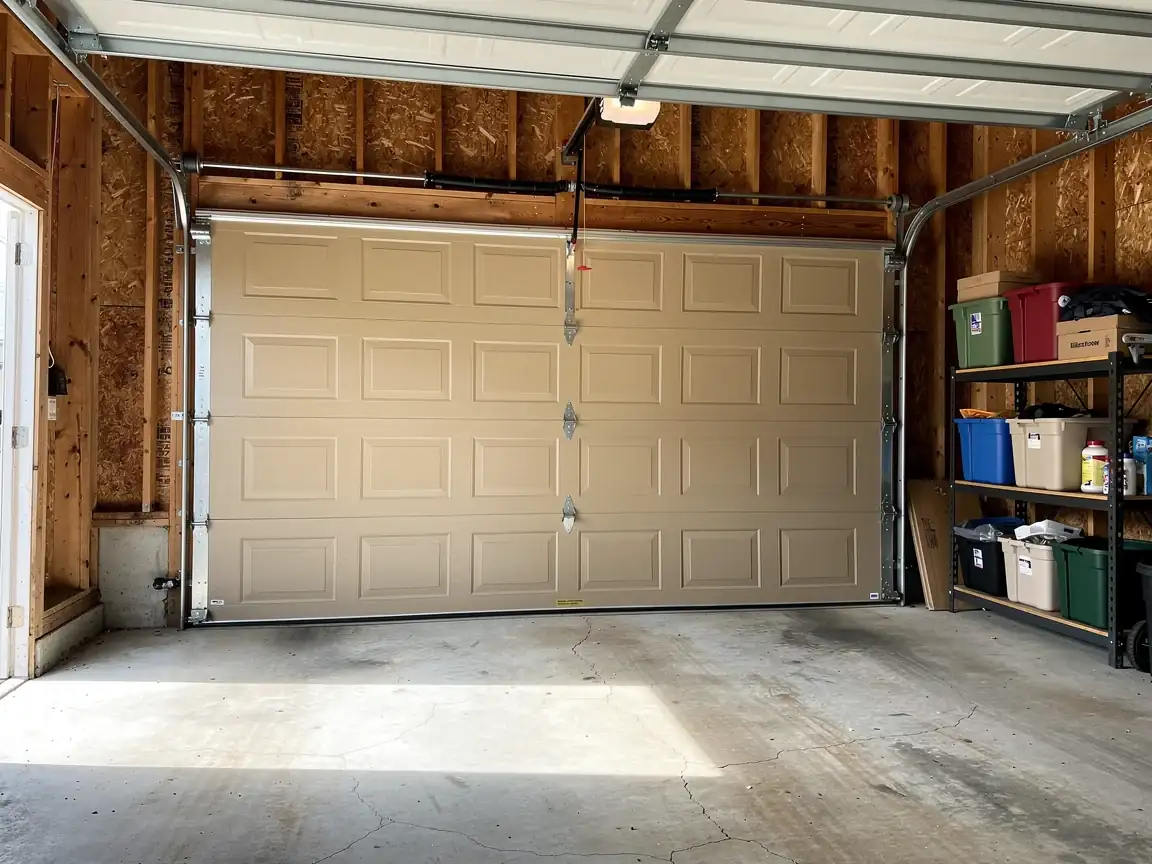
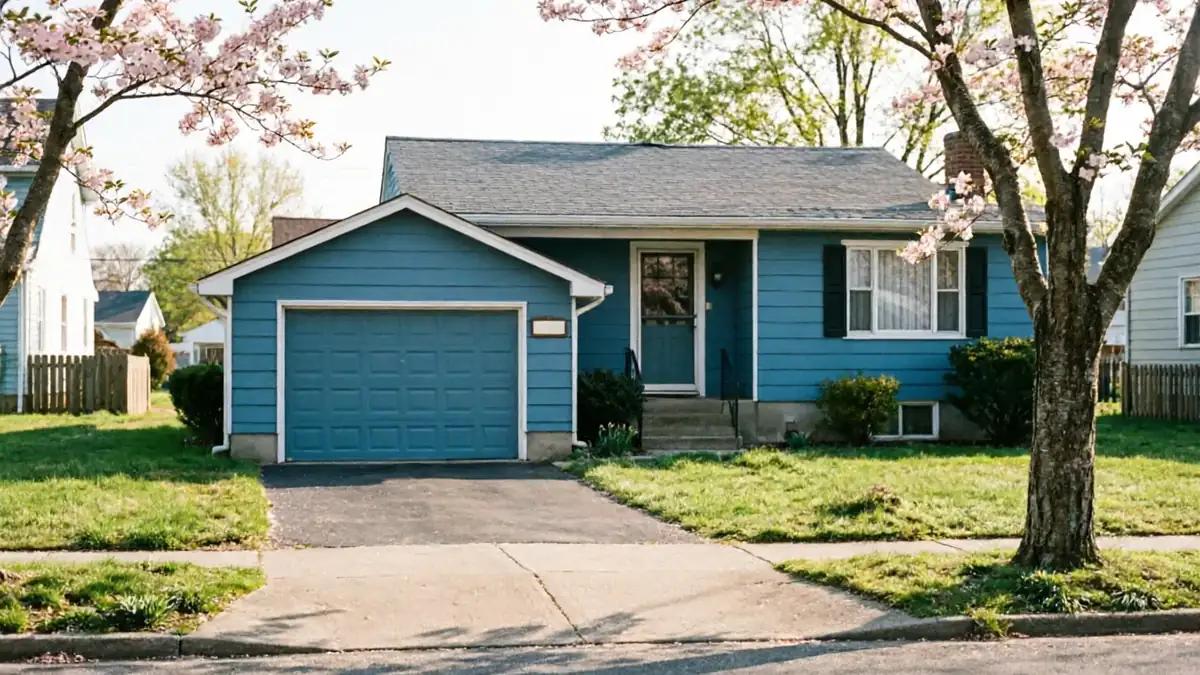
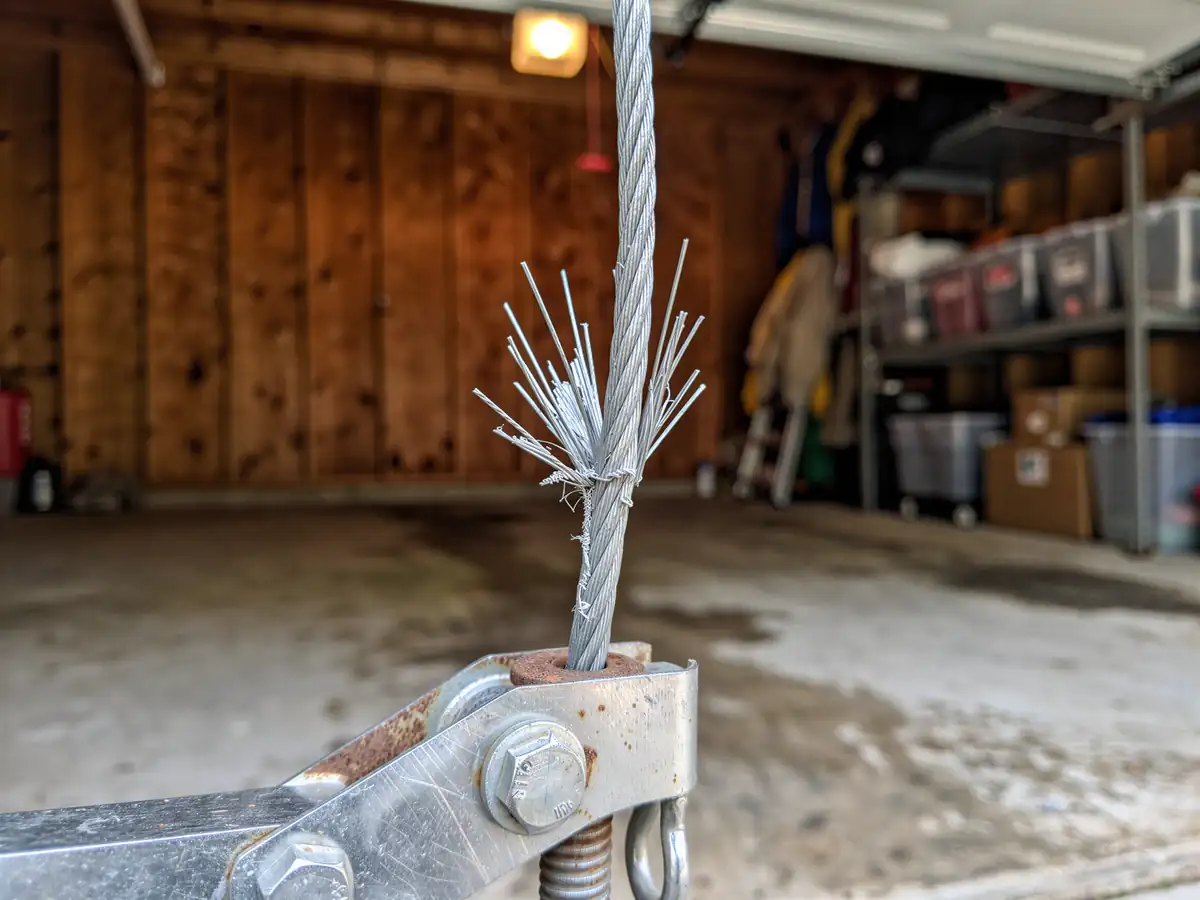
Houses built around 1960 in Reading mostly went up with single-car or narrow two-car openings and lighter, older-gauge doors than what gets installed now. Over sixty years, the torsion springs on those openings have usually been swapped at least once, sometimes with hardware that doesn't quite match the original drum size or cable length - which is a common source of a door that runs crooked or binds on one side.
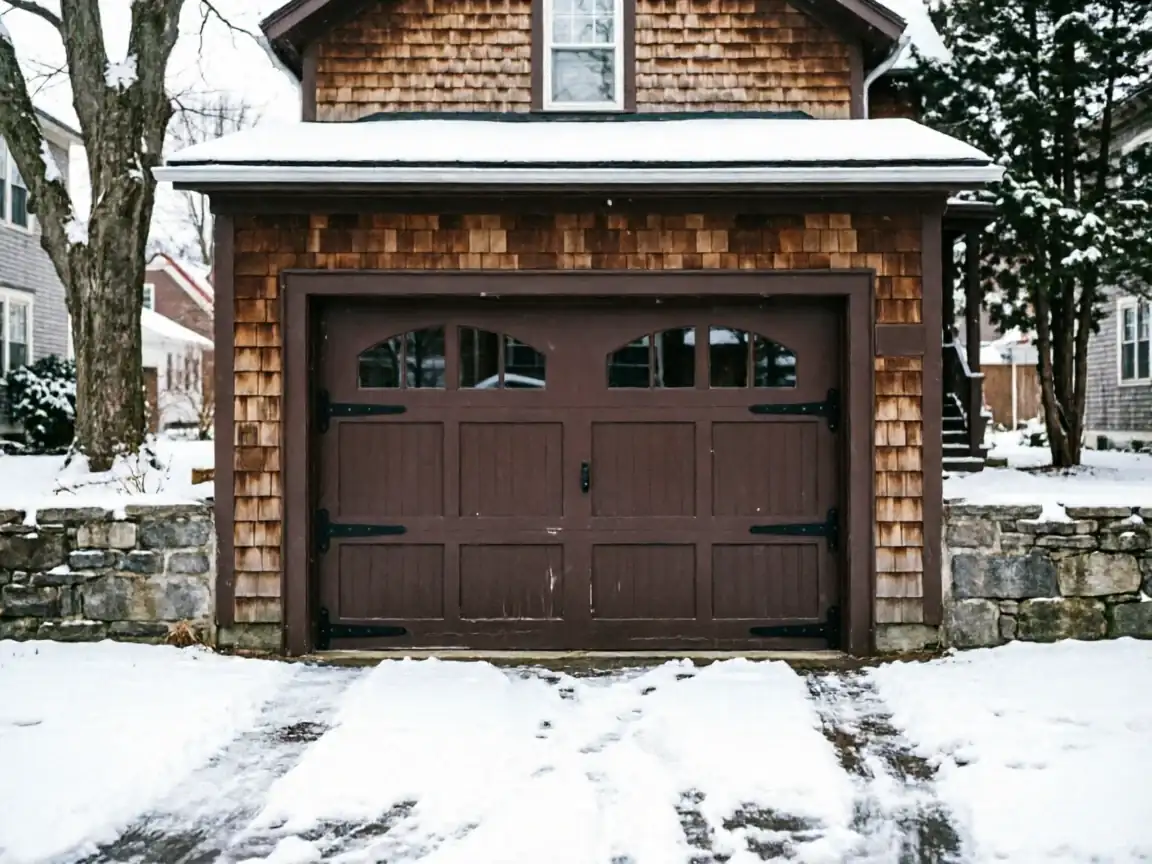
The cold band this part of Massachusetts sits in matters more on these older doors than on newer ones. A steel door from the 1960s era, even after a panel swap, tends to have thinner insulation or none at all, so the track and roller hardware takes more stress from freeze-thaw cycling than a modern insulated door would. That shows up as stiff rollers in January and a spring that's lost tension faster than it should.
We see fewer modern steel-reinforced tracks on these older openings, and more of the narrower rail that was standard decades ago. When we're quoting a repair, we check whether the track and spring size actually match the door currently hanging there, because mismatched replacements from past repairs are common and they're often the real reason a door is noisy or slow.
What People Here Ring About
The calls out of Reading skew toward two things
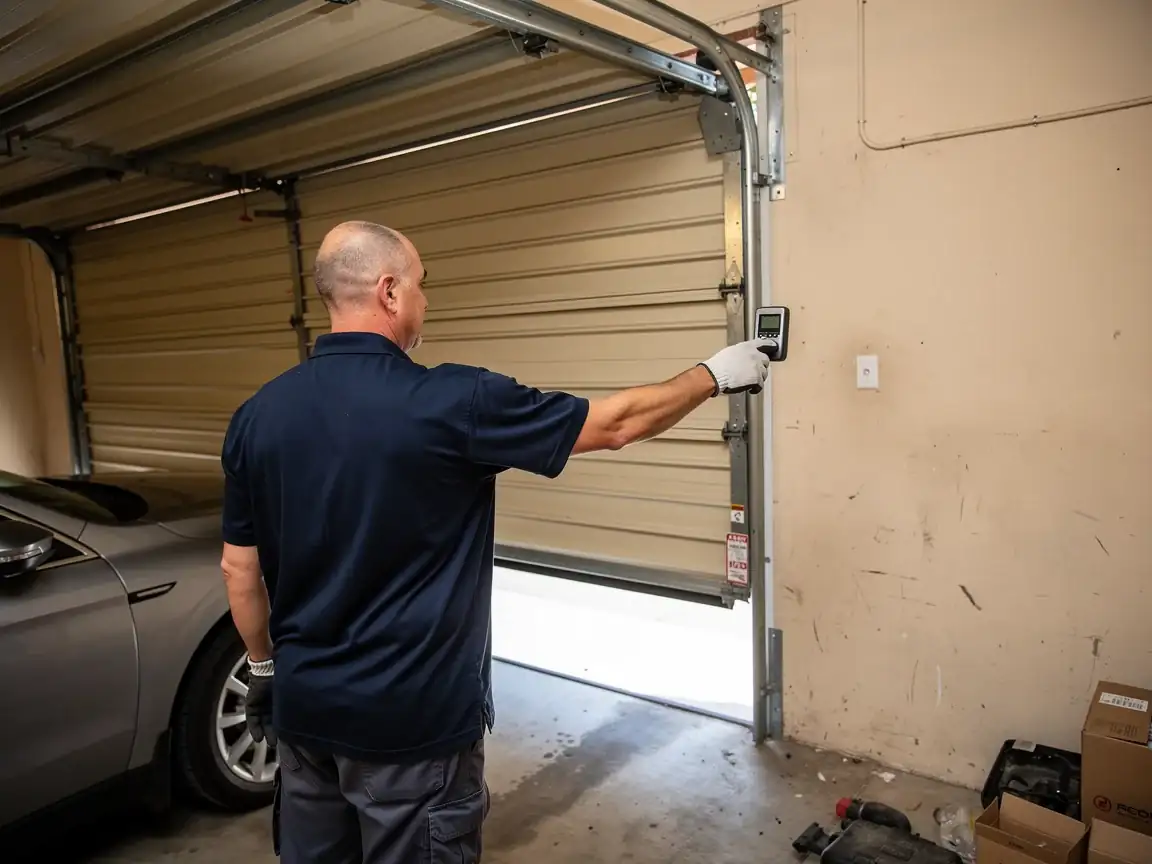
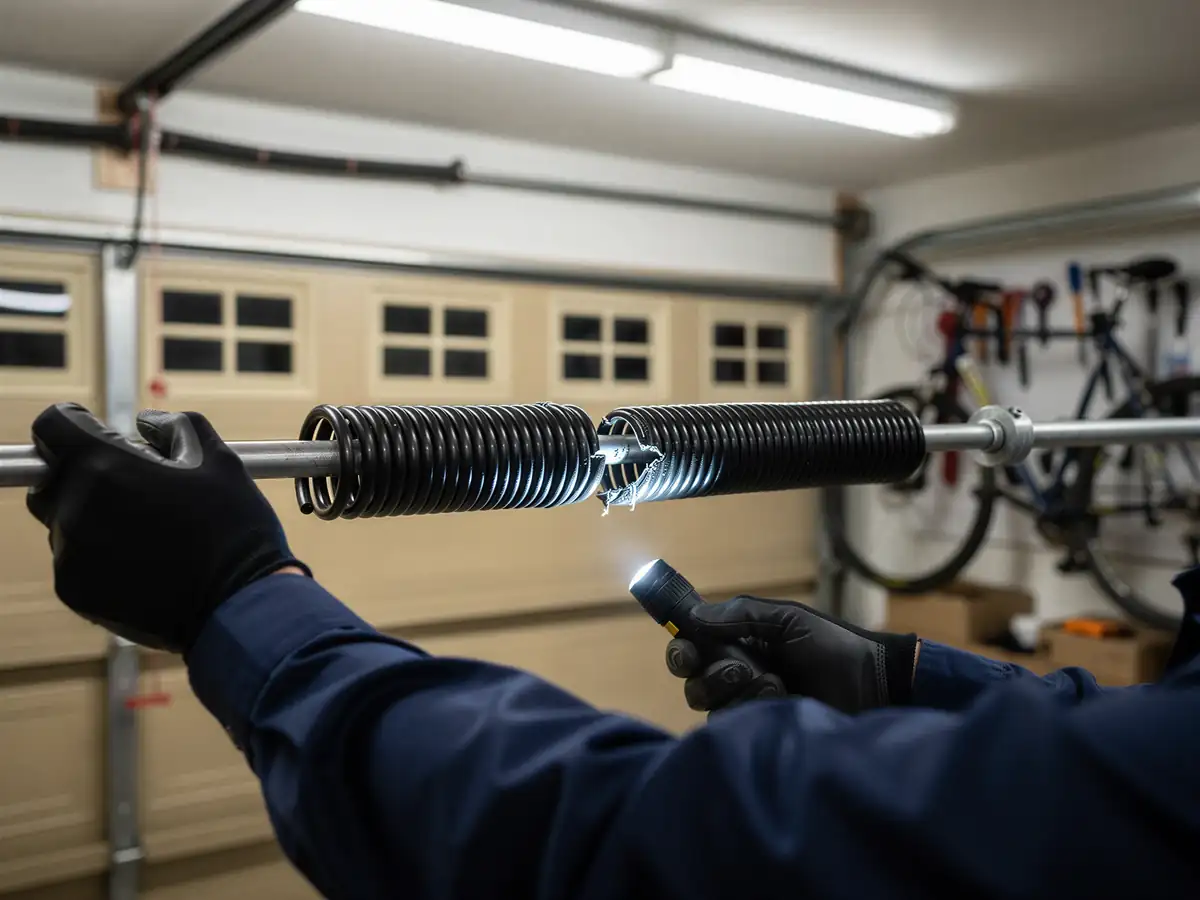
A torsion spring that's finally given out on a door that's been making noise for months, and an opener that's stopped responding reliably - often because it's been bolted to hardware older than the opener itself. Both are common on a housing stock centered around 1960, where the original door and track may still be in place even if the opener's been upgraded once or twice.
With household income here running higher than the broader service area
Median household income in Reading is around $163,725 against a regional figure near $152,014 - we also get more calls asking about full replacement rather than patch repair, especially once a homeowner learns their spring and track are both original. That's a fair question to ask, and we'll give a straight answer on whether a new door pencils out better than another round of parts.
One limitation worth saying plainly
If a part is obsolete - an odd-size spring or a discontinued track bracket from a decades-old install - we may need a day or two to source it rather than fix it on the first visit.
This Area's Housing
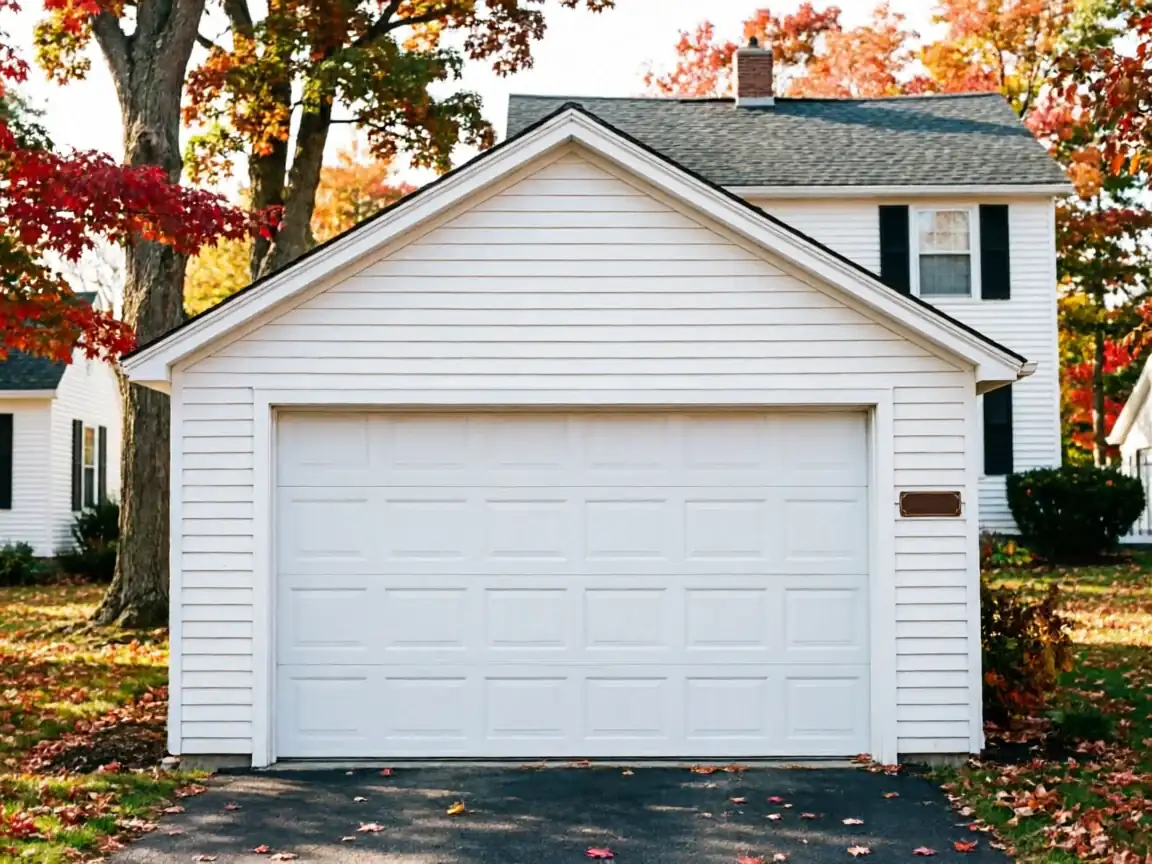
Reading has about 9,574 households, and the housing here clusters tightly around that 1960 median build year, which puts a large share of its garage doors and openers well past their original hardware's expected life. That's different from newer construction elsewhere in the broader service area, where doors are more likely to still have factory springs and insulated panels.
Across the wider region we cover, housing runs from 1938 to 1988 with a median around 1965, so Reading sits almost exactly at that regional center rather than skewing older or newer. Practically, that means the fixes we do here aren't exotic - they're the predictable wear you'd expect on a door that's 60-plus years into its working life, run through a cold-winter climate that's hard on springs and rollers.
We don't do new-construction installs as a separate business line beyond standard replacement doors, so if a job involves structural framing changes to the opening itself, that's outside what we take on. For the standard swap-out or repair on an existing 1960s-era opening, that's the work we do most.