What the Weather Here Does to It
Woburn sits in a cold-severe climate band, and that matters more to a garage door than most owners think. Steel contracts in deep cold, torsion springs lose a little tension with every freeze-thaw cycle, and nylon rollers that were fine in July start binding in January. None of this is unique to one brand of door - it's what cold does to moving steel parts over decades.
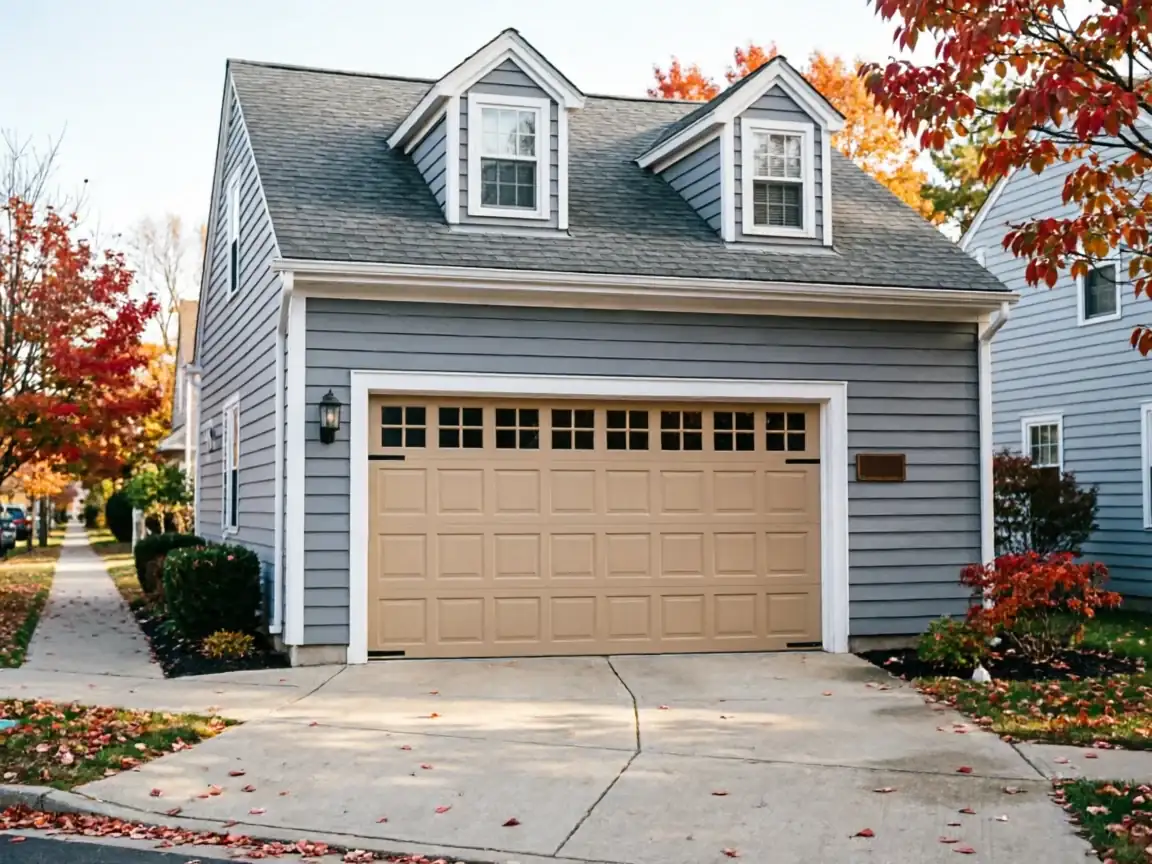
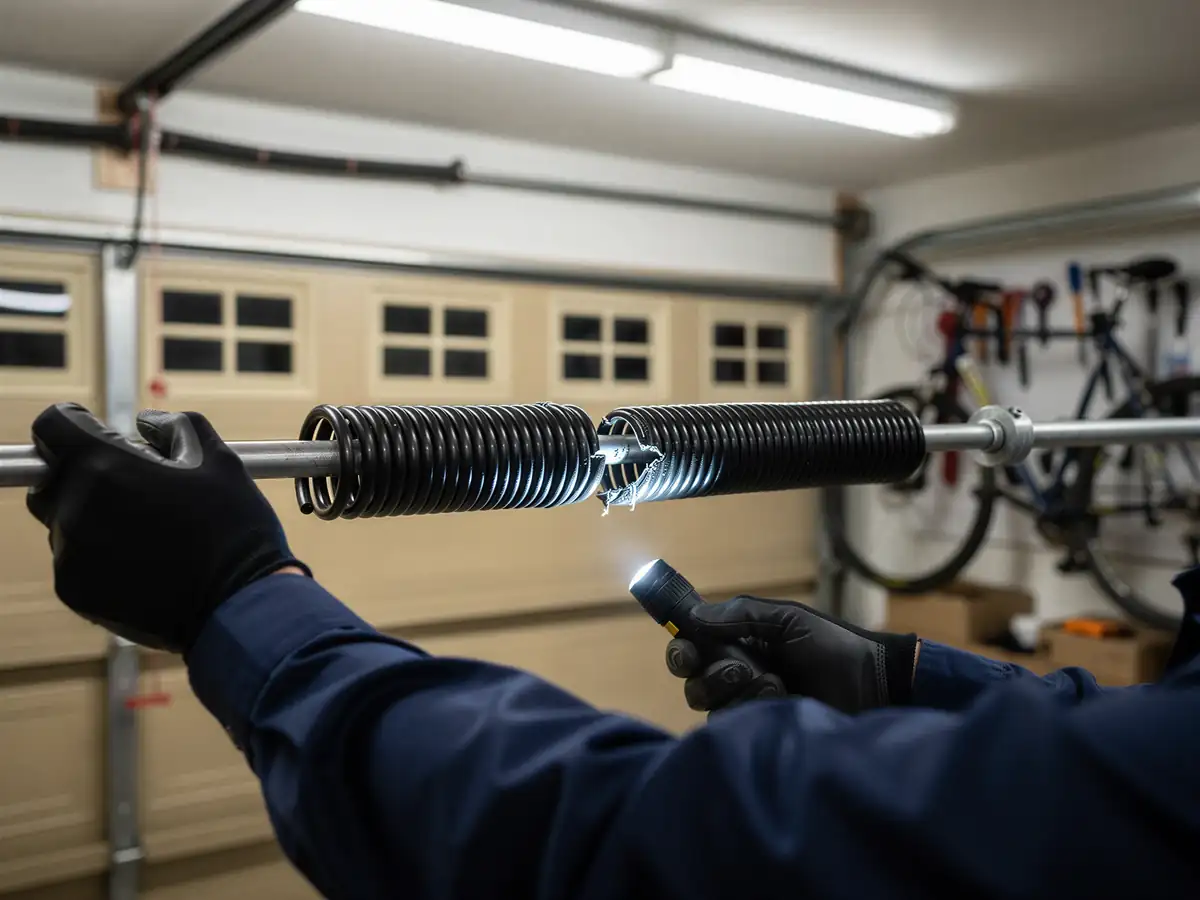
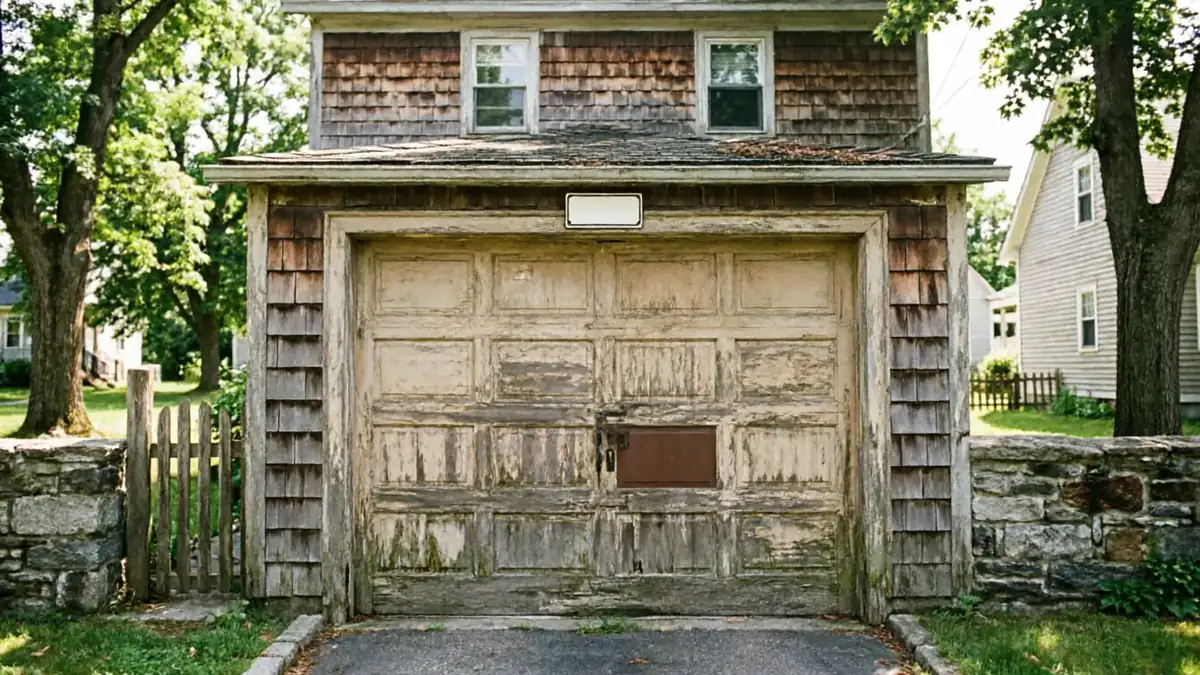
What makes it worse here is the age of the housing stock behind those doors. Most of Woburn went up between 1938 and 1988, with the median build year landing around 1965, and a big share of that is 1960s-70s construction. A door and opener installed or replaced during that window has had fifty-plus winters to work on it. Hardware from that era wasn't built with today's insulation standards or spring cycle ratings, so when the cold snap hits, it's often the original torsion spring or an old single-layer panel that gives out first, not a new one.
If your door is groaning, slow to reverse, or sticking at the bottom track only in winter, that's the cold finding the weak point in old hardware, not a design flaw you need to chase down.
The Situation
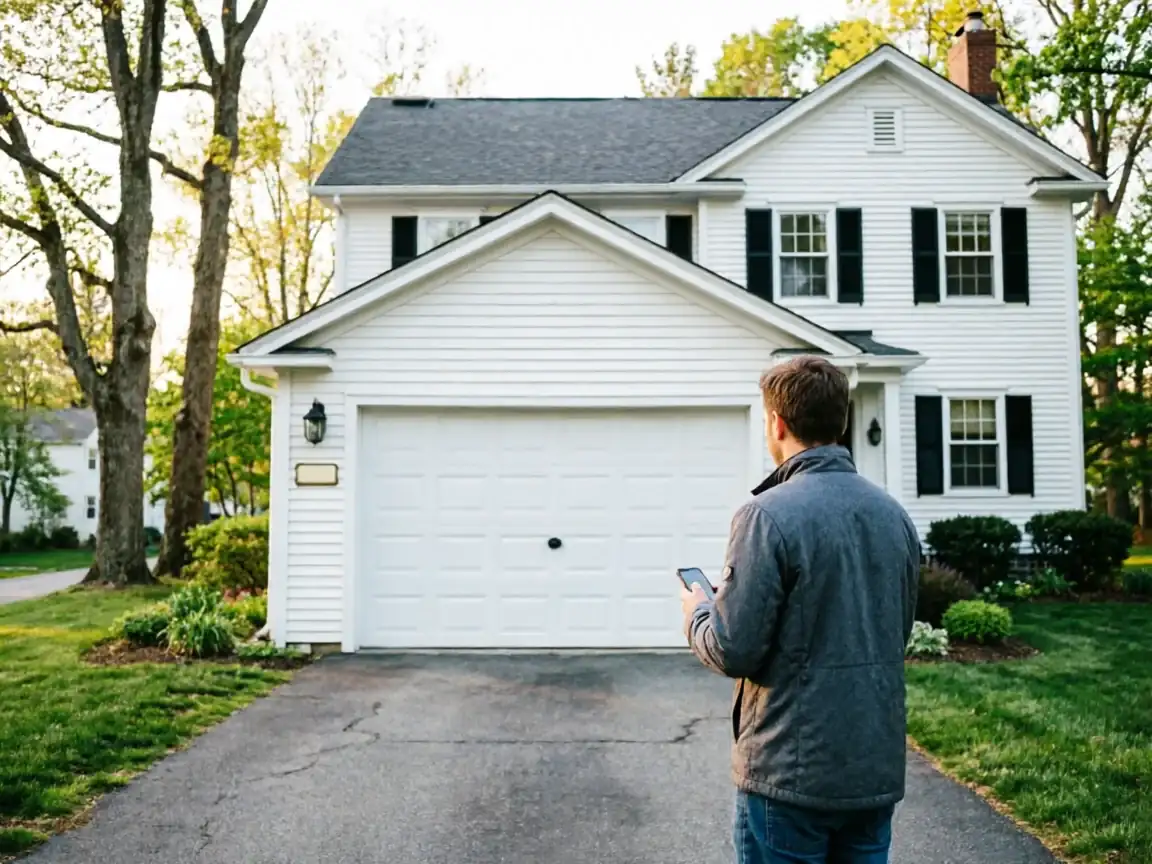
A lot of the doors we look at in Woburn are original or close to it, dating back to that 1965-ish median build year. The panels are often single-layer steel, the springs are undersized by current standards, and the openers - if they've been swapped at all - are usually a generation or two behind what's sold now.
That's not automatically a problem. A well-maintained door from the 1960s-70s building boom can still run fine if the spring has been replaced at some point and the track is straight. The issue is that most of these doors have never had that mid-life spring swap, because nobody thinks about a garage door until it stops working.
Across the wider service area there are roughly 199,043 owner-occupied houses and a median household income near $152,014, which tells you something about the kind of repair-versus-replace math most owners here are doing: they can afford either choice, so the decision usually comes down to whether the door itself is worth saving, not whether the money is there.
When to Call Someone
Call if the door is original to a house built in that 1938-1988 window and you've never had the spring serviced
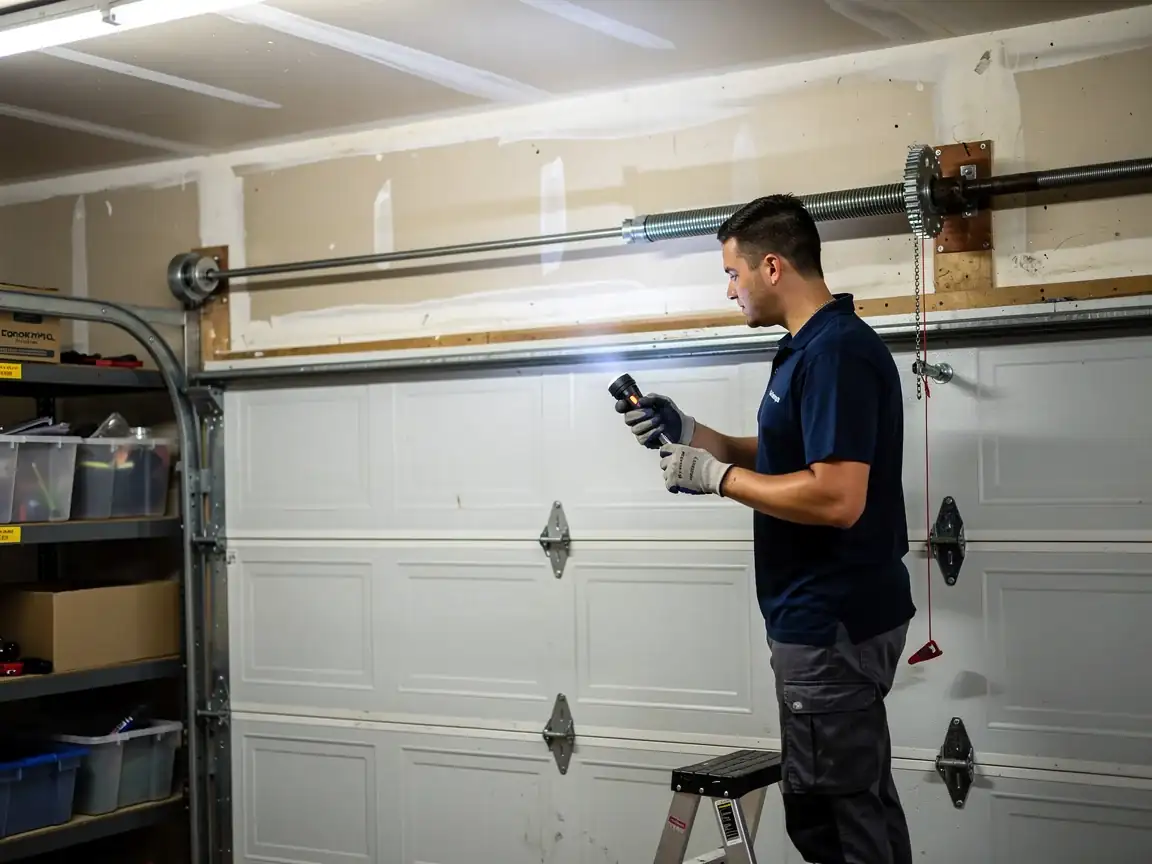
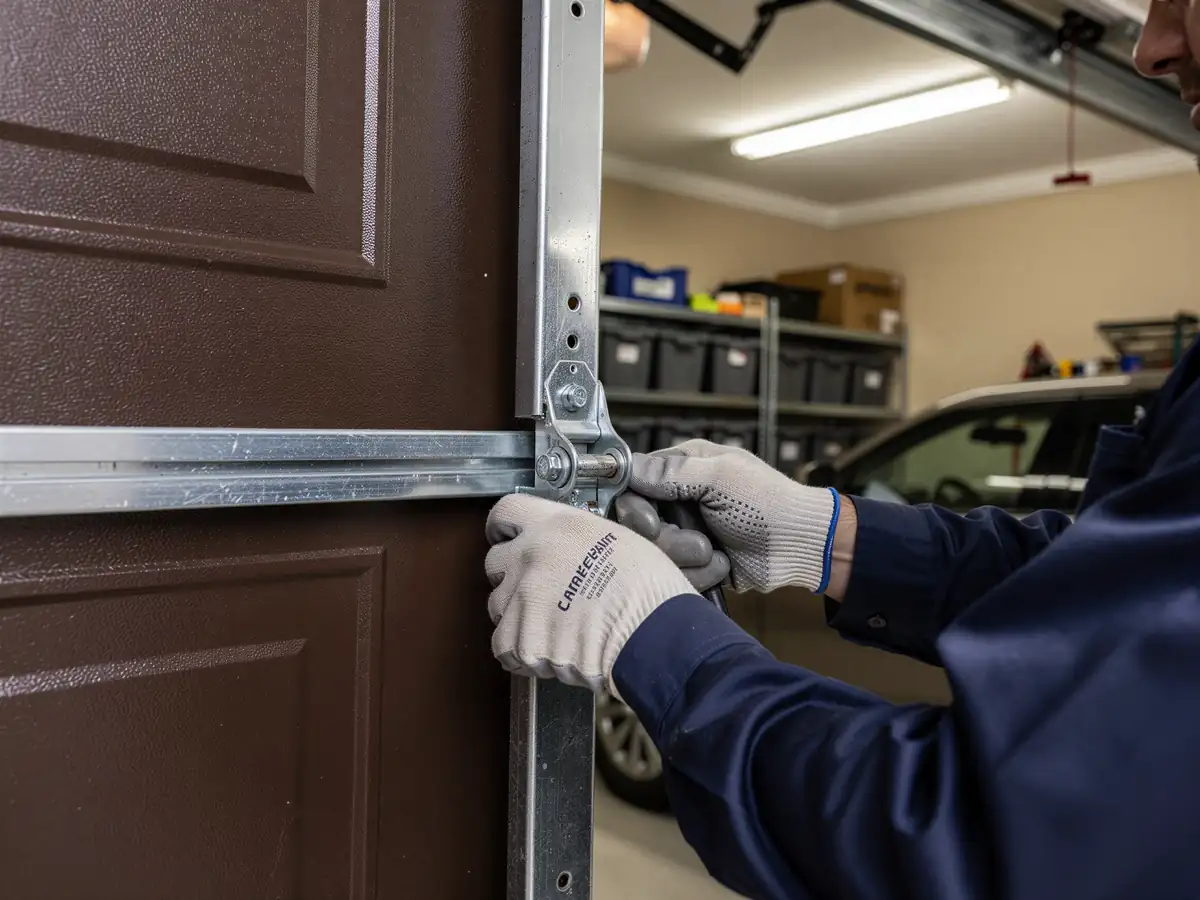
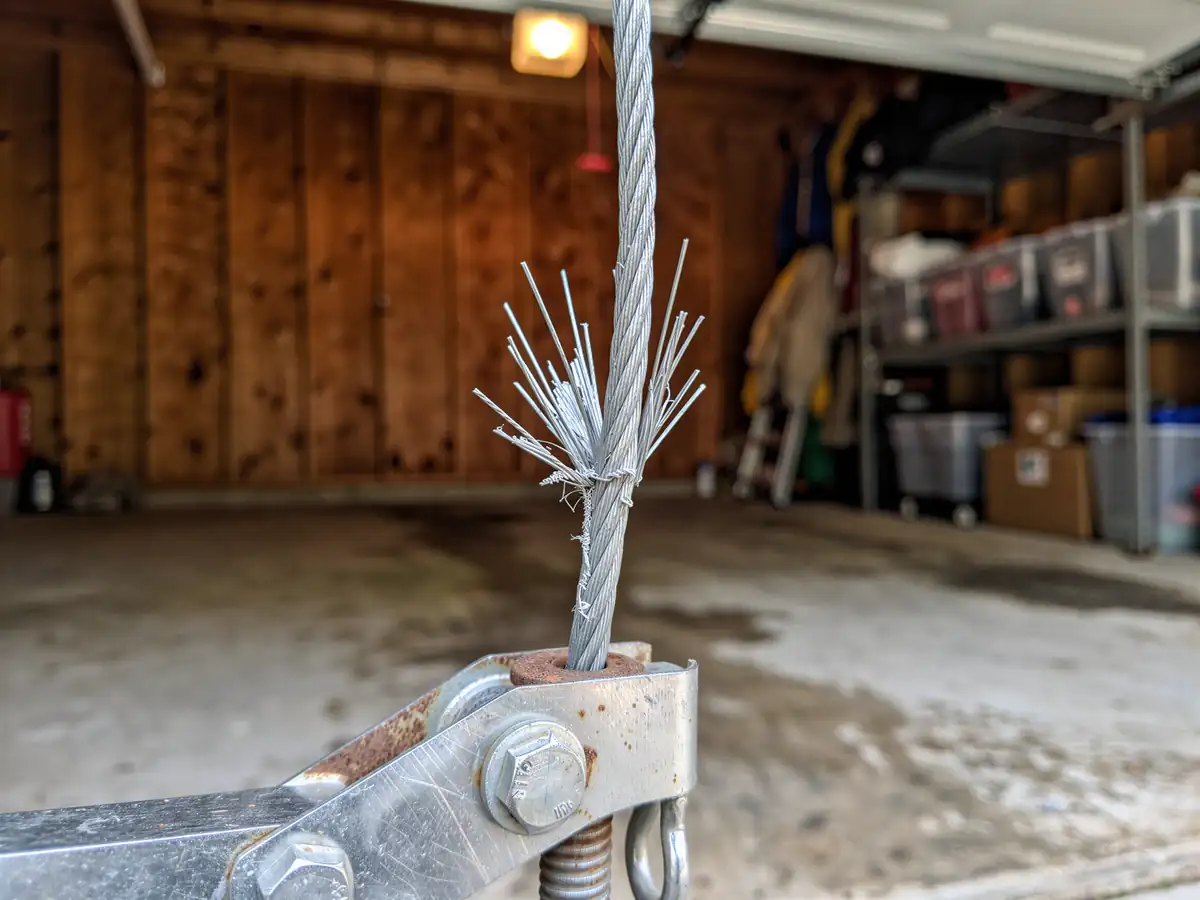
A torsion spring has a cycle life, and fifty-plus years of Woburn winters will have used most of it up even on a door that still looks fine. Call if the door is noticeably heavier to lift by hand than it should be, since that usually means the spring has already lost tension and is close to failing outright. Call if a cable has frayed or jumped the drum, because that's a load-bearing part and it won't fix itself.
Call also if the bottom panel is rusted or bowed from decades of winter moisture
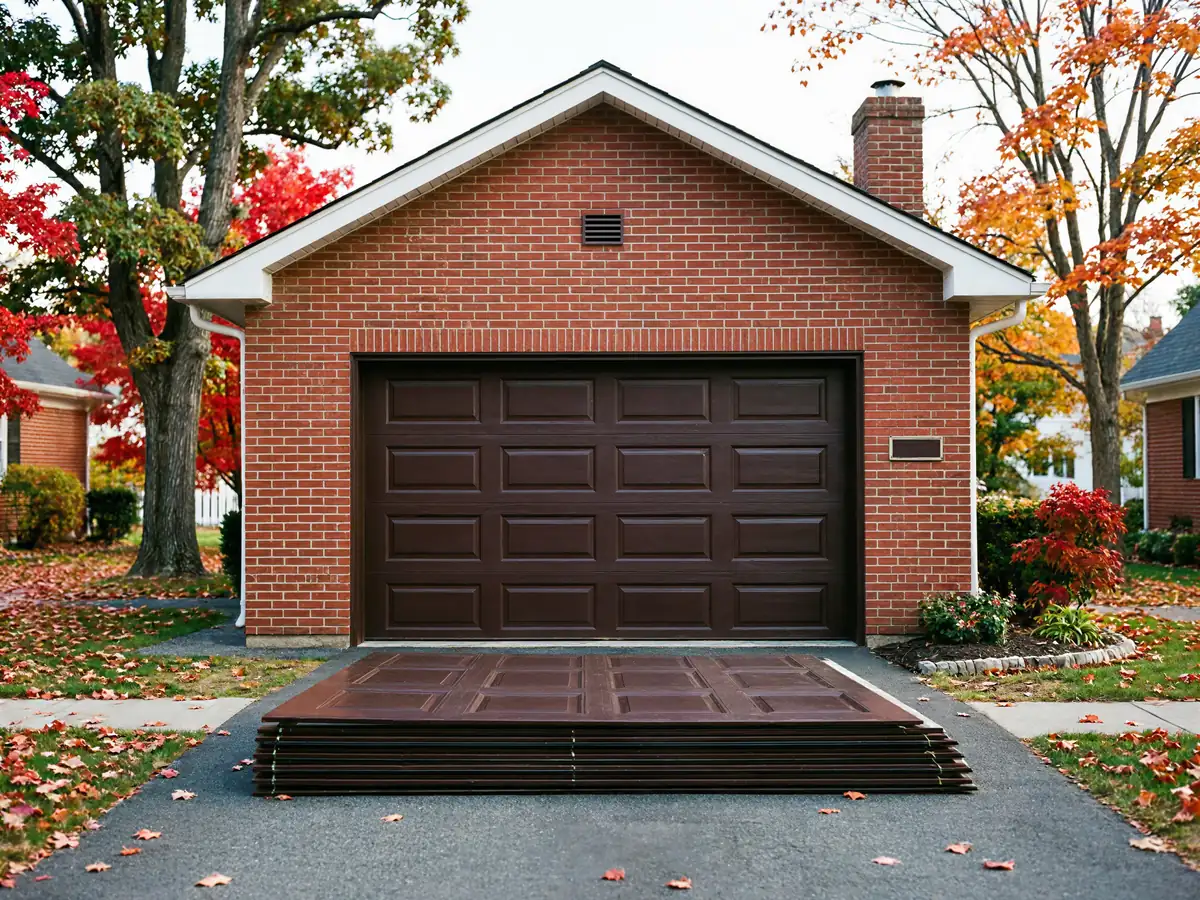
On steel this old, a repair patch rarely holds, and it's cheaper long term to deal with the panel before it drags the track out of alignment. We won't pretend every old door should just run forever; some of them have had their service life and the honest call is to stop patching it.
When Waiting Is Fine
Not every creak or slow cycle means trouble. If the door is from that same 1960s-70s era but the spring has been replaced in the last several years, a little noise in cold weather is normal and doesn't need a service call. Cosmetic rust on the outer face of an older panel, the kind that hasn't eaten through the steel, is a paint-and-wait situation, not a repair.
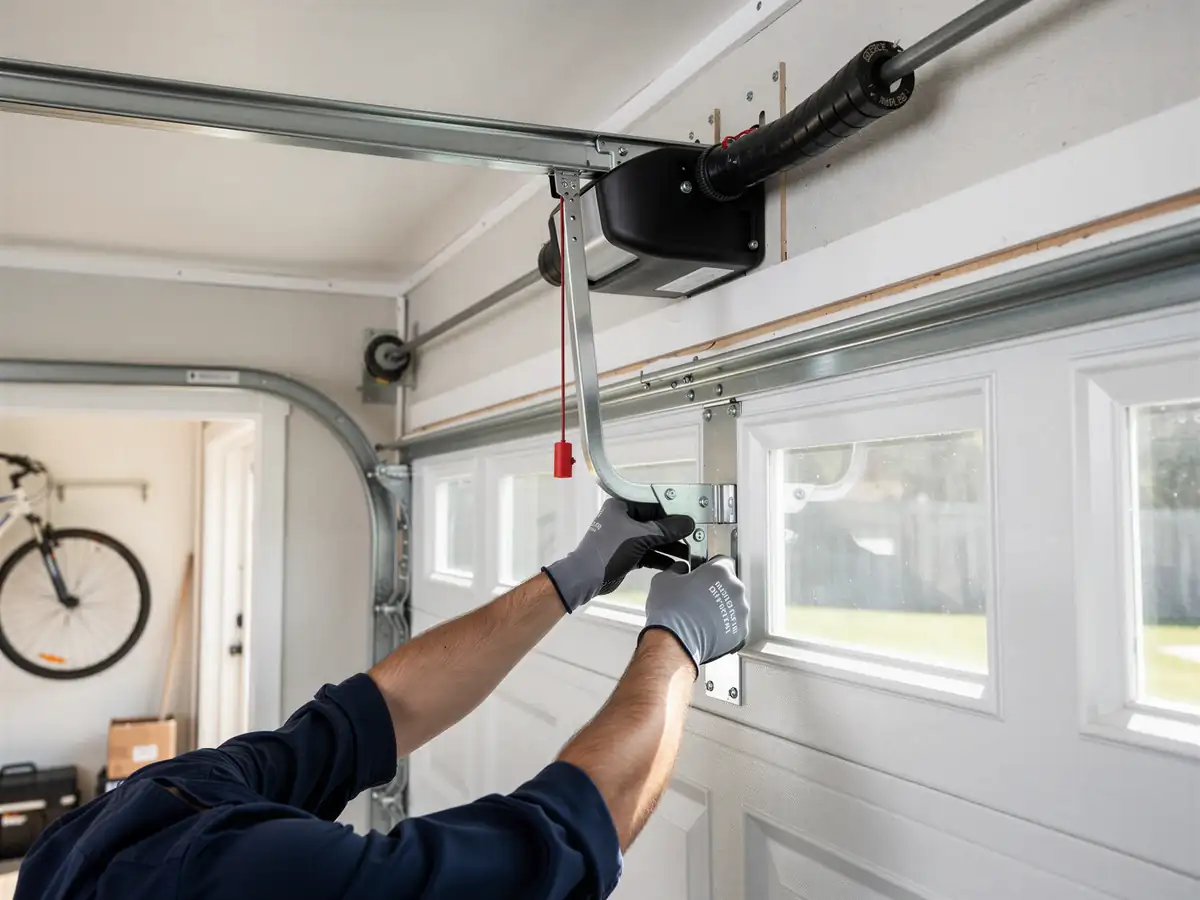
If the opener runs a beat slower in January than in July, that's the cold affecting the motor and chain tension slightly - it usually evens out once temperatures climb back up. And if you've already had a tune-up this year, there's no need to call again just because winter arrived; one seasonal check is normally enough for a door that's otherwise sound. We'd rather tell you to wait than run a truck out for something that'll sort itself out in a few weeks.