What the Weather Here Does to It
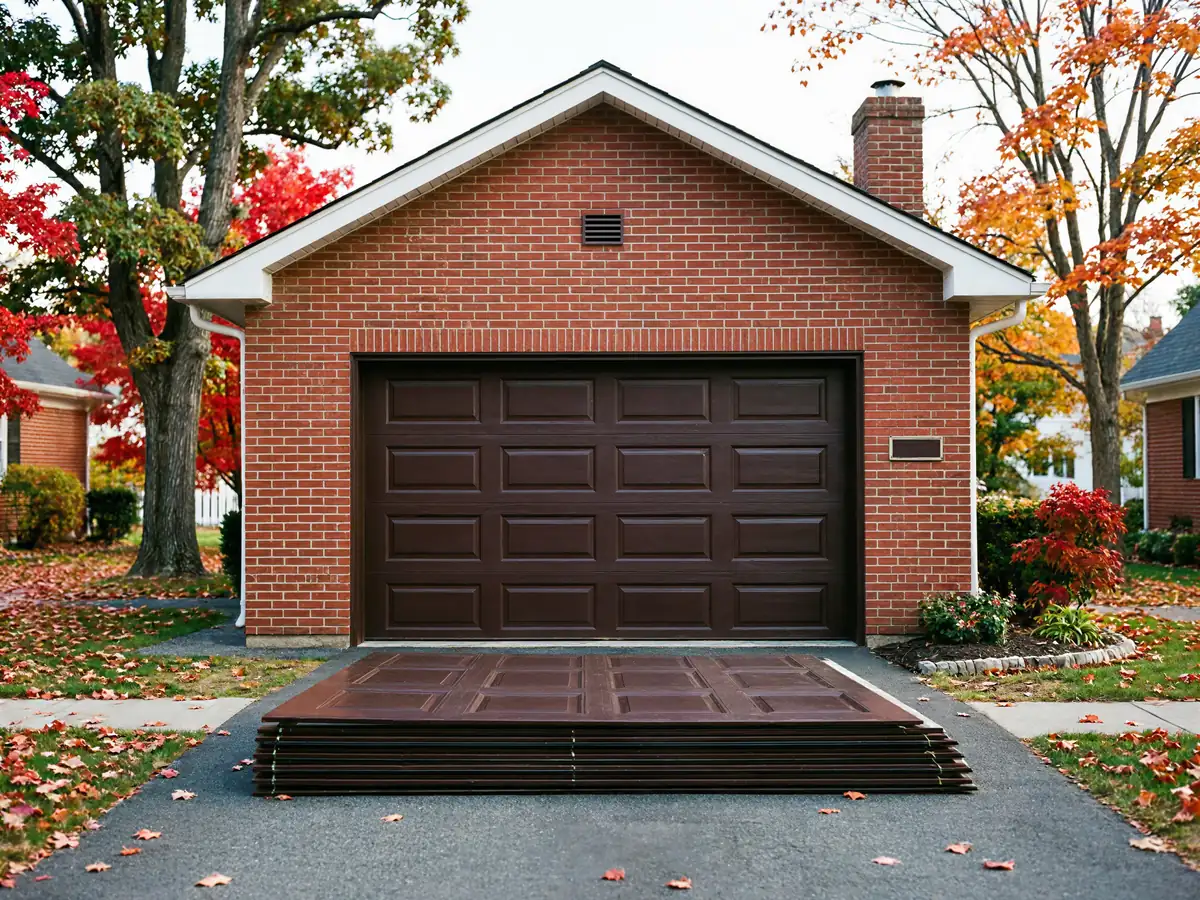
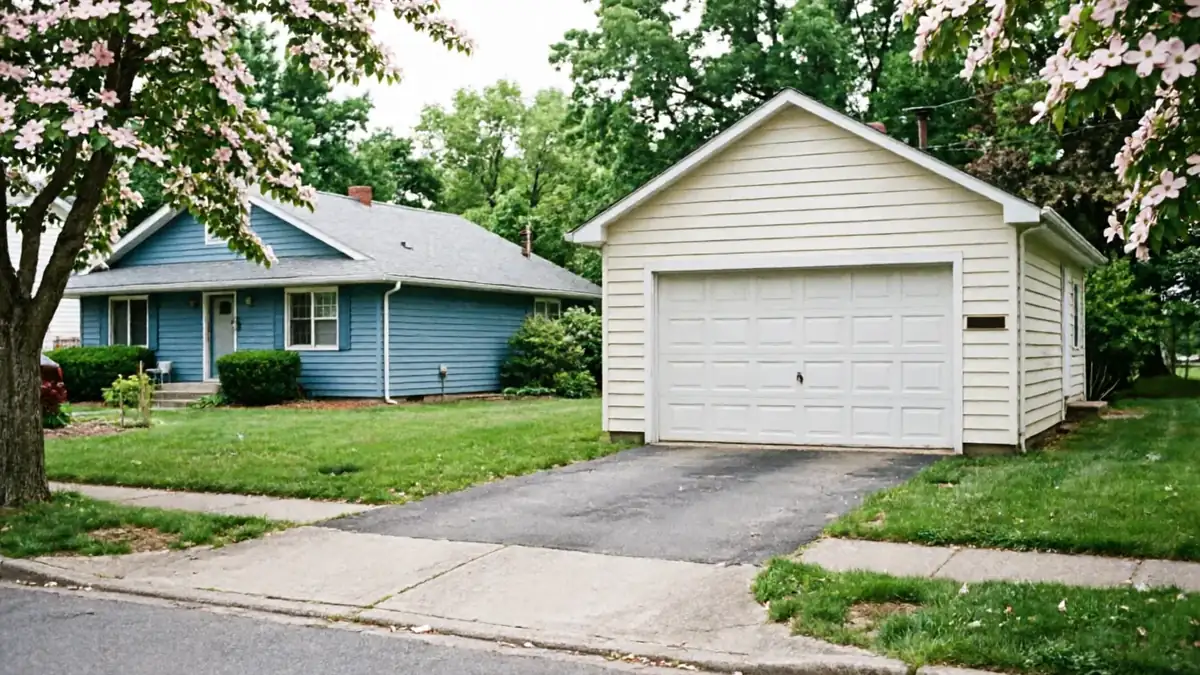
Woburn sits in a climate band that gets rated cold and severe, which matters more than people think once you split attached from detached garages. A detached garage, common on the older lots from the 1938-1988 building stretch that makes up most of this area's housing, has no shared wall with a heated living space. The slab under that door freezes solid in winter and the door's bottom seal takes the brunt of frost heave year after year. An attached garage gets some residual heat bleeding through the shared wall, which keeps the track and the bottom panel a few degrees warmer on the coldest nights - enough, often, to keep a weatherstrip from cracking as fast.
The springs don't care which kind of garage they're in, but the openers do. A detached garage opener runs in ambient cold the whole season; an attached one runs in air that's at least partly tempered. On houses built in the 1960s and 70s, which is the bulk of what's standing in Woburn and the 55 named sub-areas around it, you'll often find the original detached-garage door was replaced decades ago but the attached ones on similar-era construction never got touched, because nobody noticed the difference until a spring finally let go on a ten-degree morning.
The Situation
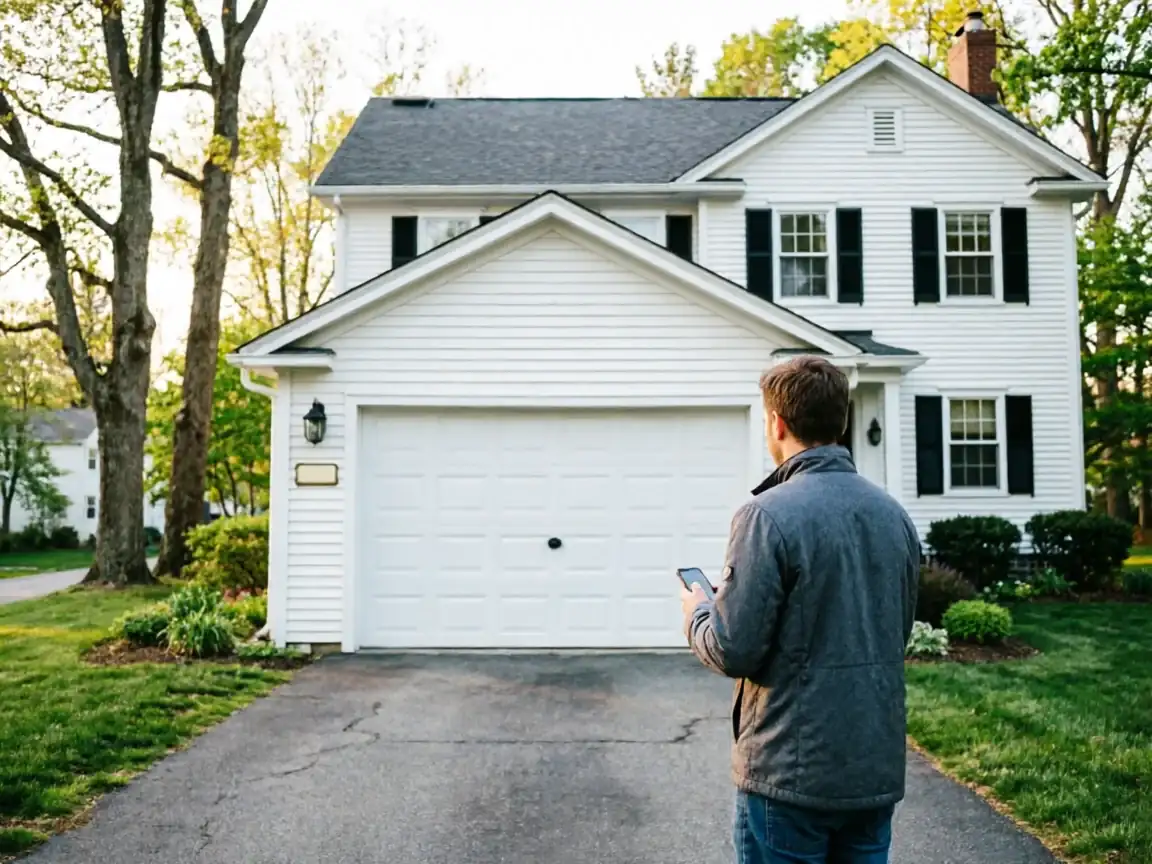
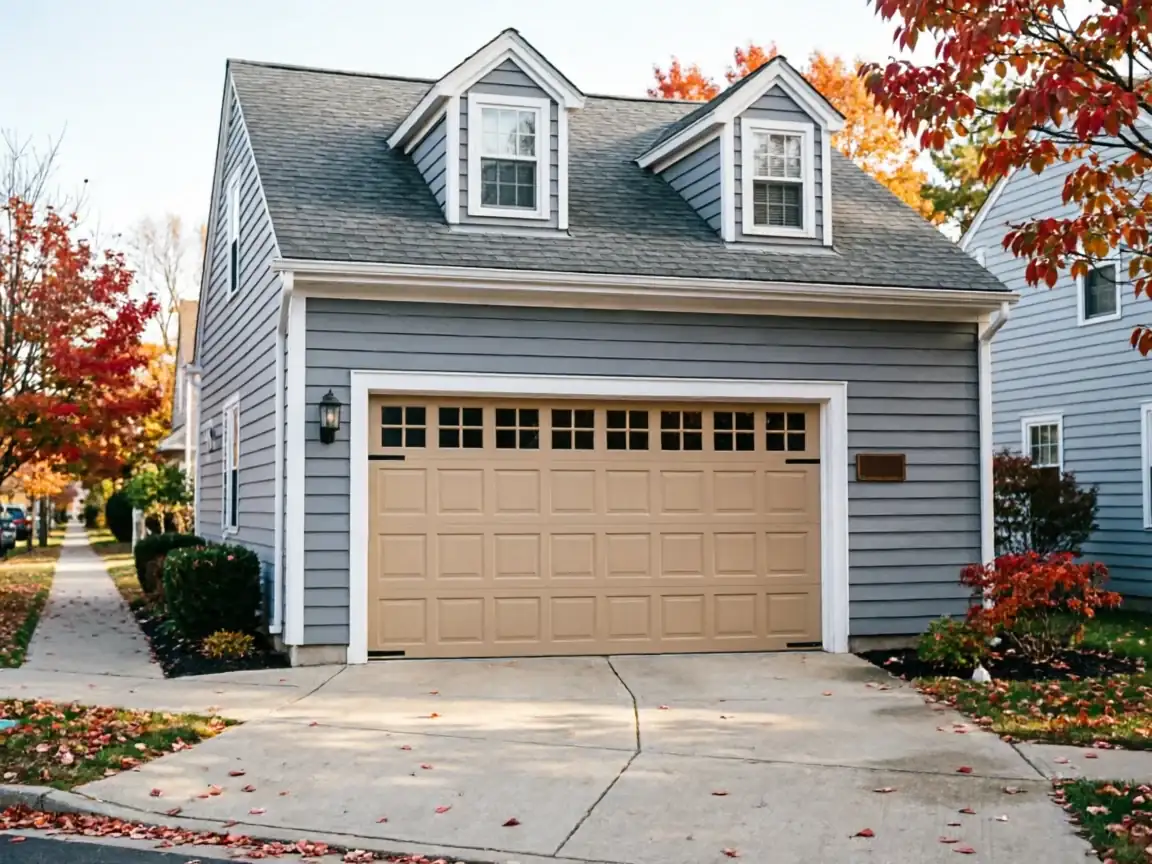
With housing running 1938 to 1988 here, median right around 1965, you get two distinct garage situations layered on top of each other. The older end of that range, the 1938-1950s houses, tended to put the garage as a separate detached structure out back or to the side - a lot of these still stand in Woburn and in the surrounding ring, from Winchester two miles off to Stoneham three miles out. The 1960s-70s wave, which is most of what you're driving past on any given street, built the garage attached and under the same roofline, usually with a single door up front instead of the side-entry layout older detached structures favored.
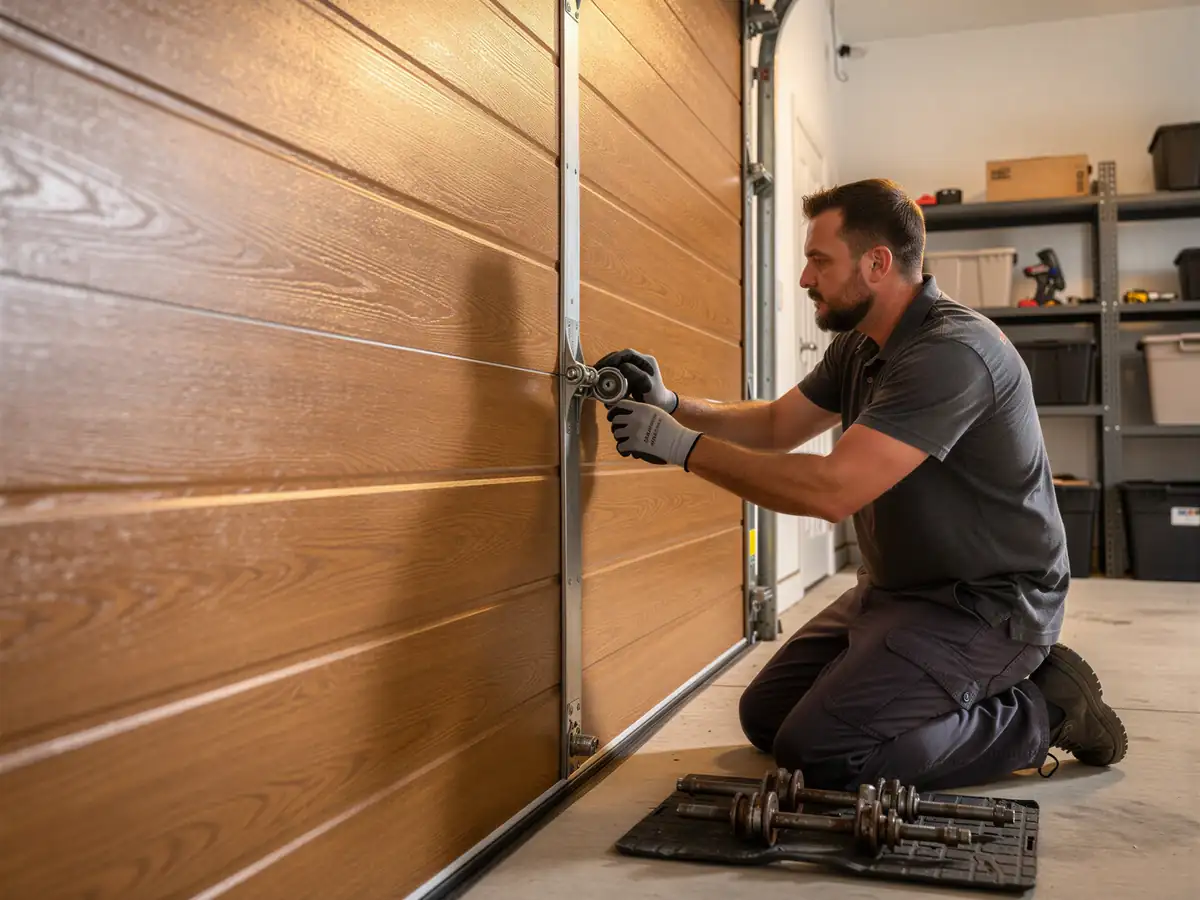
That split means the repair call looks different depending on the house. A detached garage from the older stock usually still has its original stud-frame opening, sometimes out of square after seventy-plus years of settling, which complicates a straight door swap. The attached garages from the 60s and 70s wave are more standardized, but many still carry original torsion hardware that was never upgraded when the opener got replaced.
When to Call Someone
Call if a detached garage door won't seal at the bottom anymore and you're getting frost or standing water inside
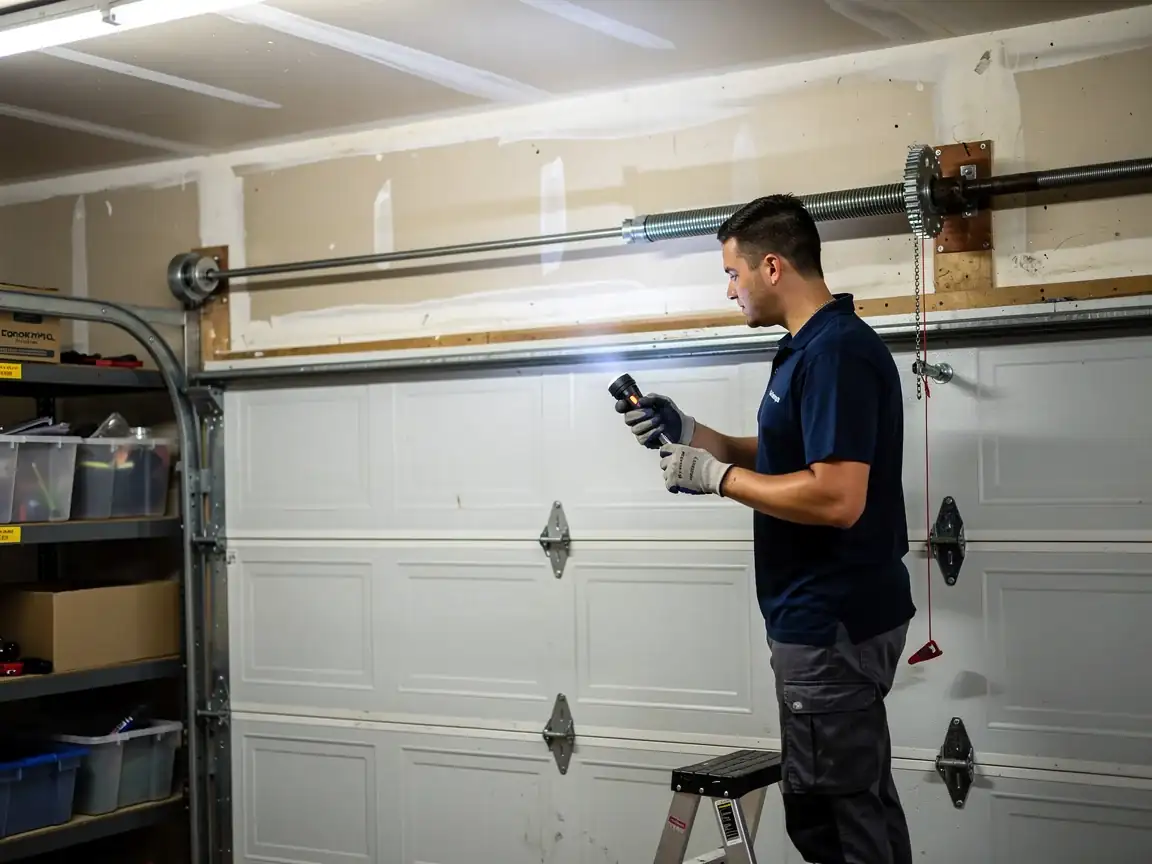
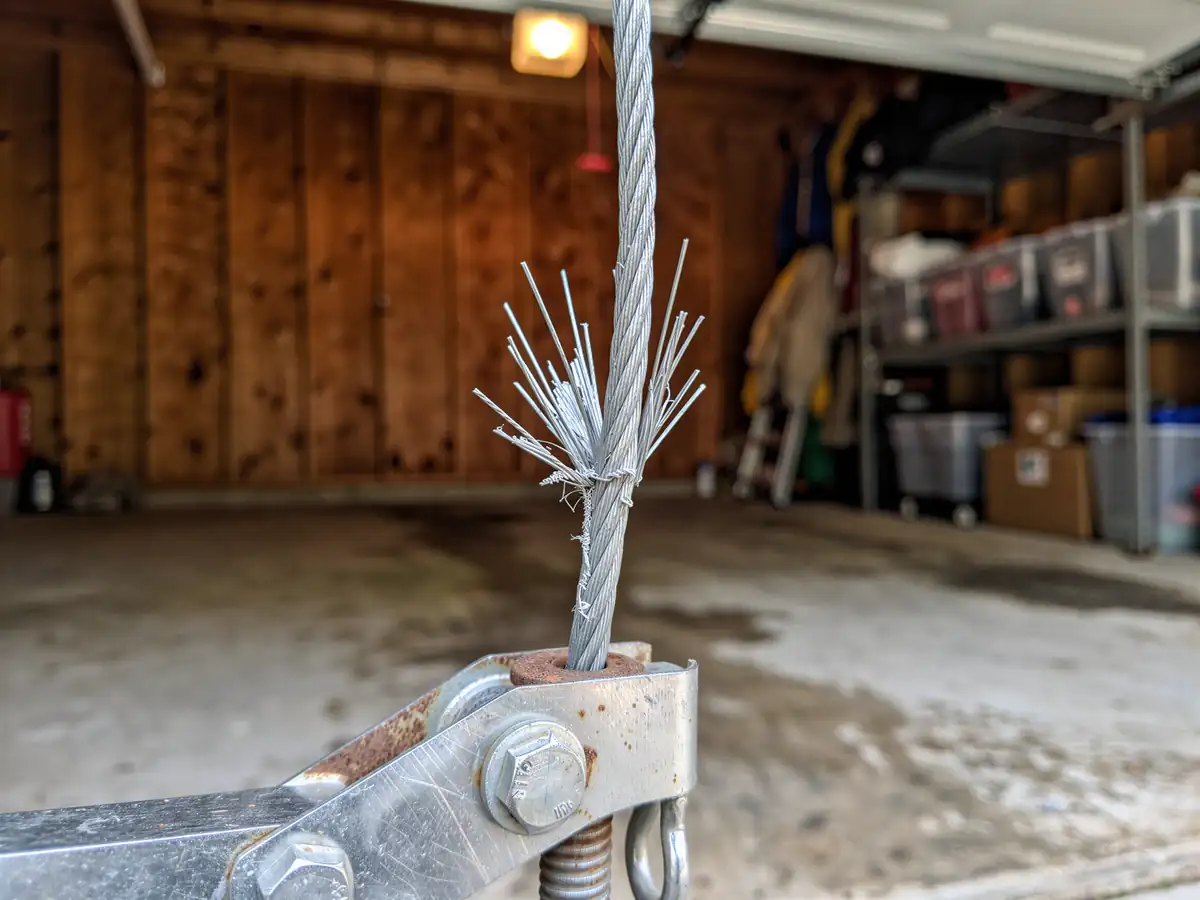
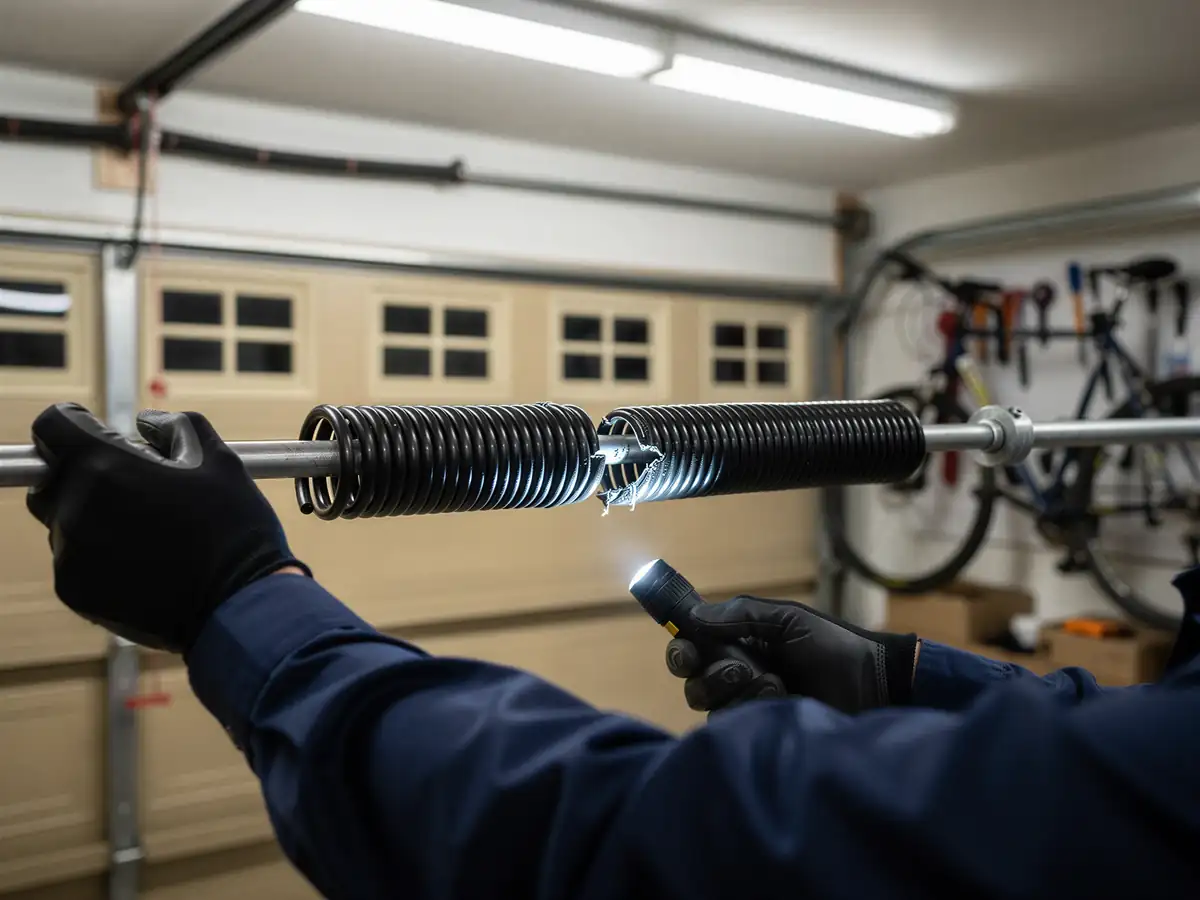
In a cold-severe climate like this one, an unheated detached garage with a bad seal will let a slab freeze and crack faster than people expect. Call if an attached garage door is dragging or binding on the track; because that door shares a wall with living space, a cable or roller failure there is more likely to damage the house-side jamb than it would on a stand-alone structure. Call if you hear a spring go - a loud bang, then the door won't lift - on either type, since a broken torsion spring on a double door isn't a safe DIY job regardless of what building it's attached to.
Worth saying plainly
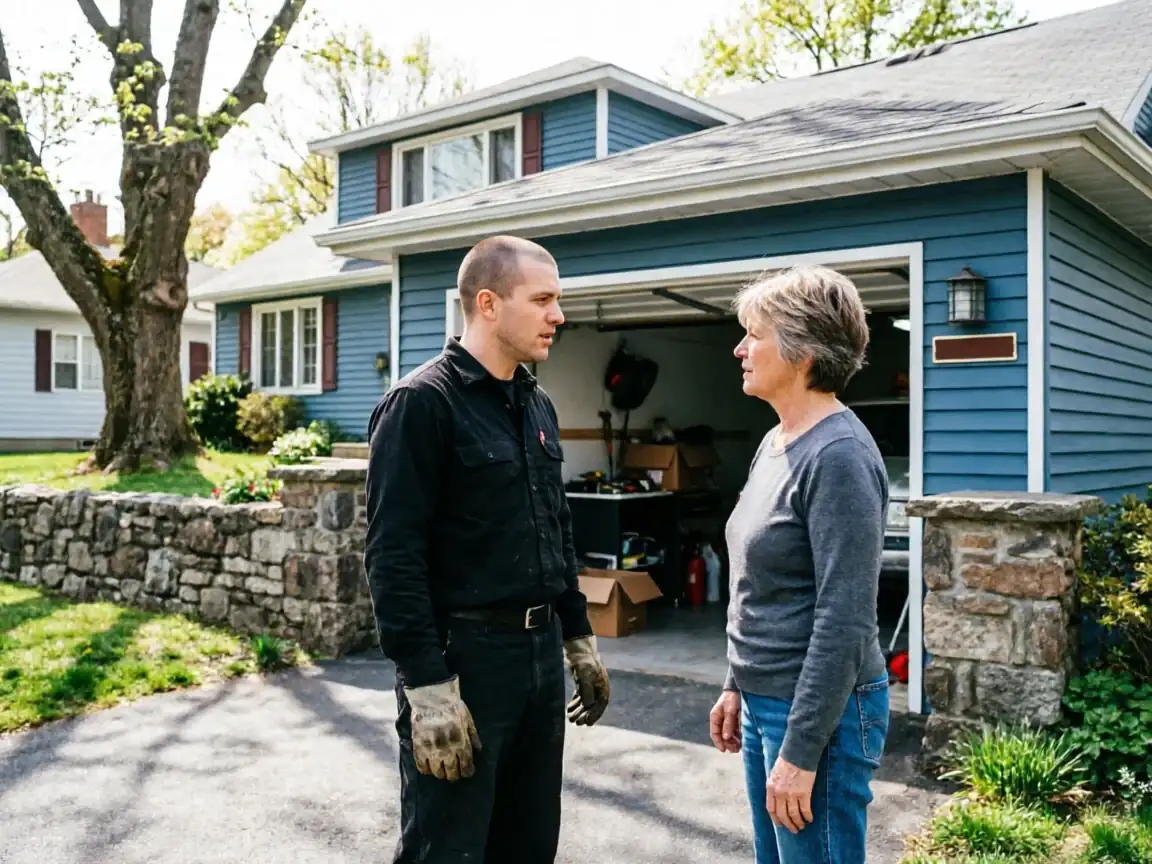
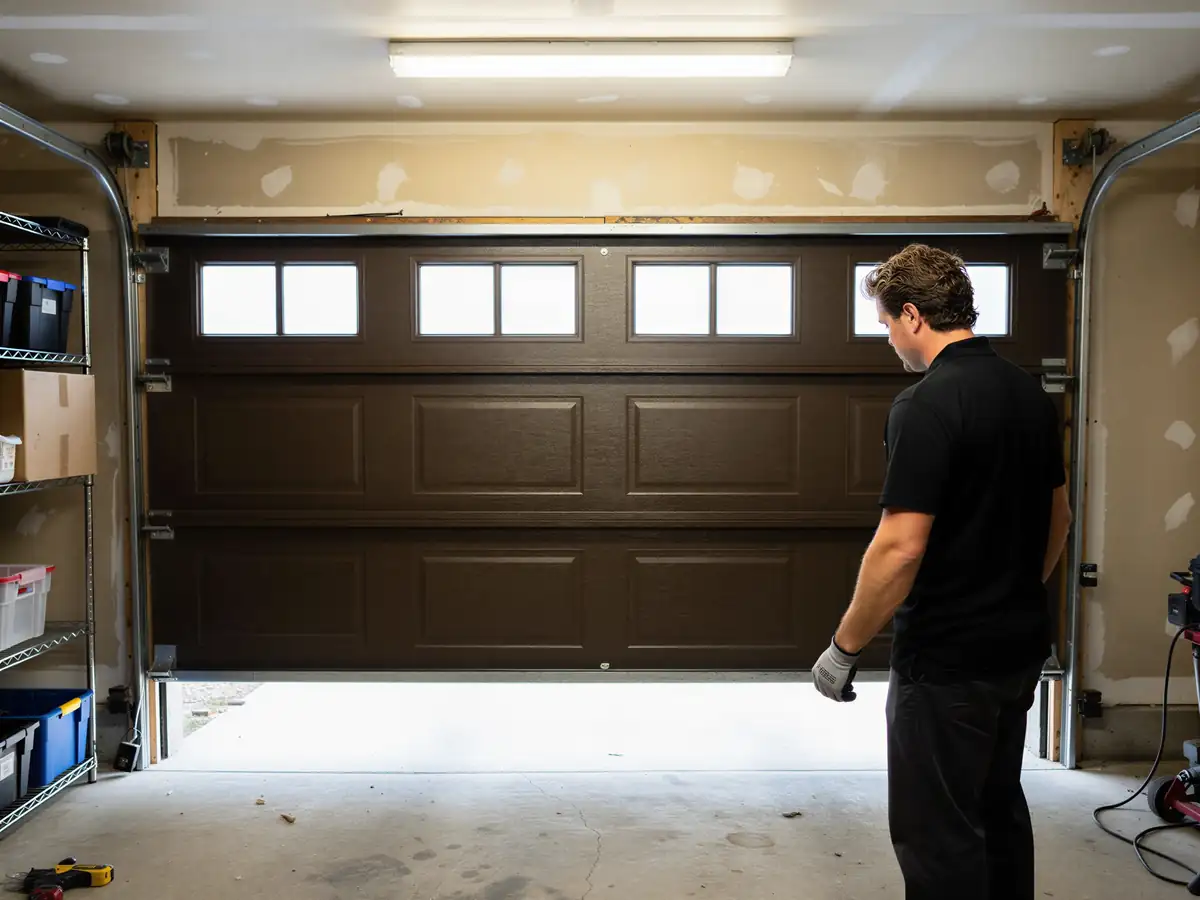
If the opening itself is out of square, which turns up more on the older detached garages from the 1938-1950s end of the housing stock, a straight door replacement sometimes isn't possible without carpentry work first. That's outside what a door replacement call covers, and we'll tell you that up front instead of forcing a door into a frame it doesn't fit.
When Waiting Is Fine
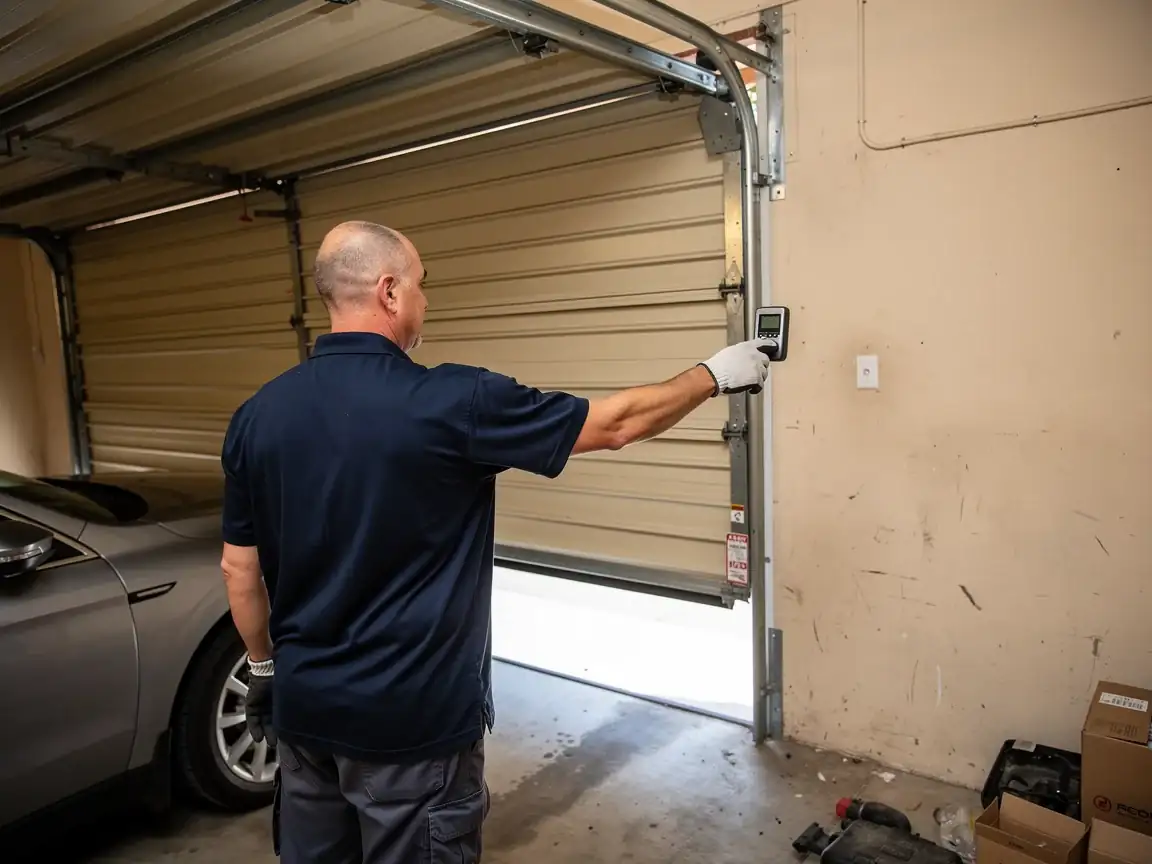
A detached garage door that's slow to open in deep cold but still seals fine once it's up is usually just stiff lubricant and old rollers reacting to the temperature - that's a maintenance item, not an emergency, even in a cold-severe winter. Same goes for an attached garage door that squeaks going up but closes flush and locks properly; the shared-wall heat keeps that hardware from seizing the way a detached unit's can, so there's less urgency.
If you've got a detached garage from the older part of the housing stock here and it's mostly used for storage rather than parking, a dented panel or a worn weatherstrip can wait a season if nothing's binding and nothing's letting water in. We'd rather see it on a scheduled visit than rush a part in. Attached garages get a little less slack just because of the shared wall, but cosmetic issues - a scraped panel, faded paint - don't need a same-week call on either type.