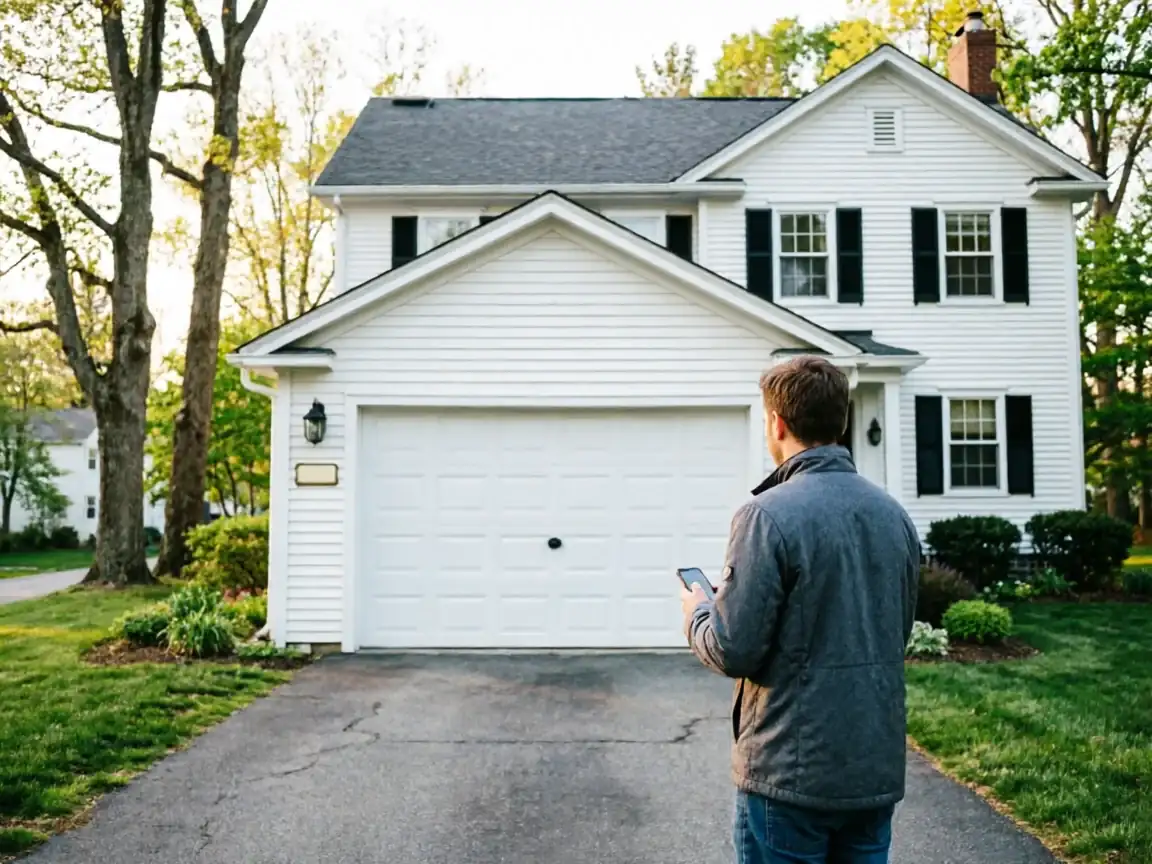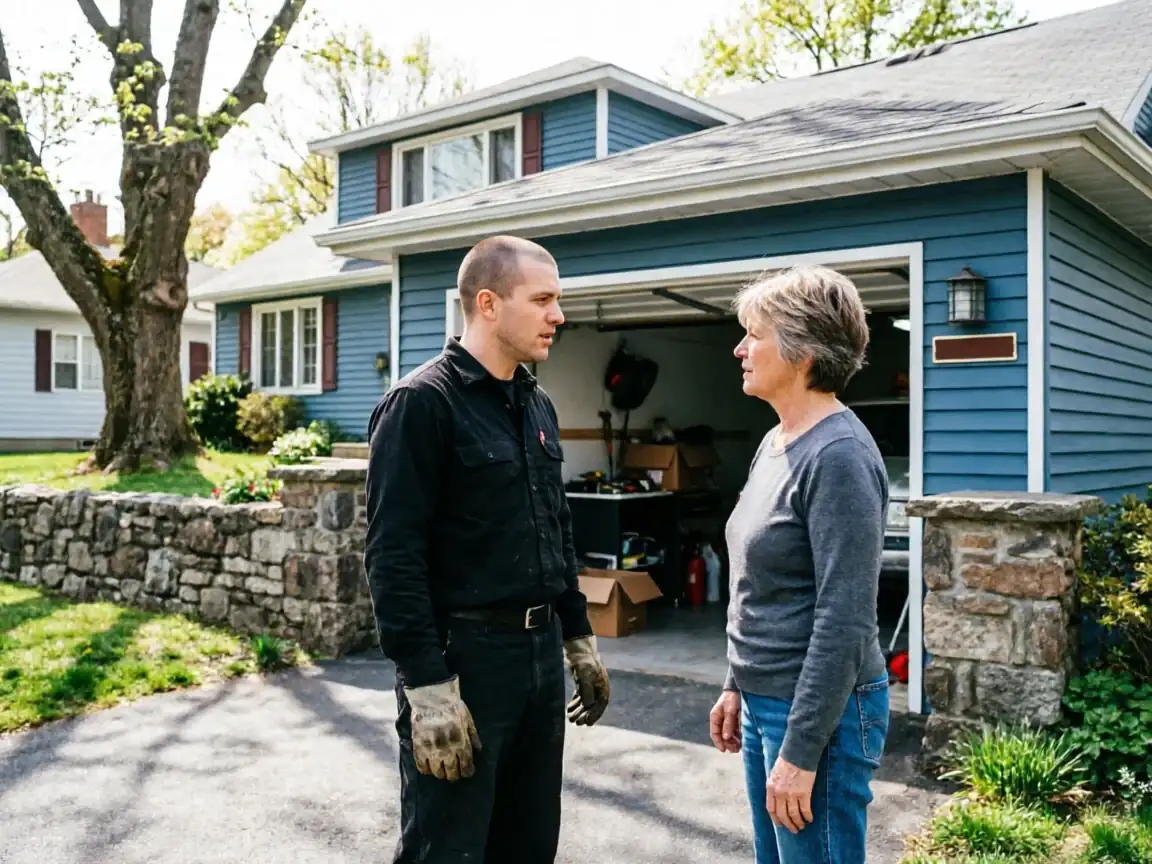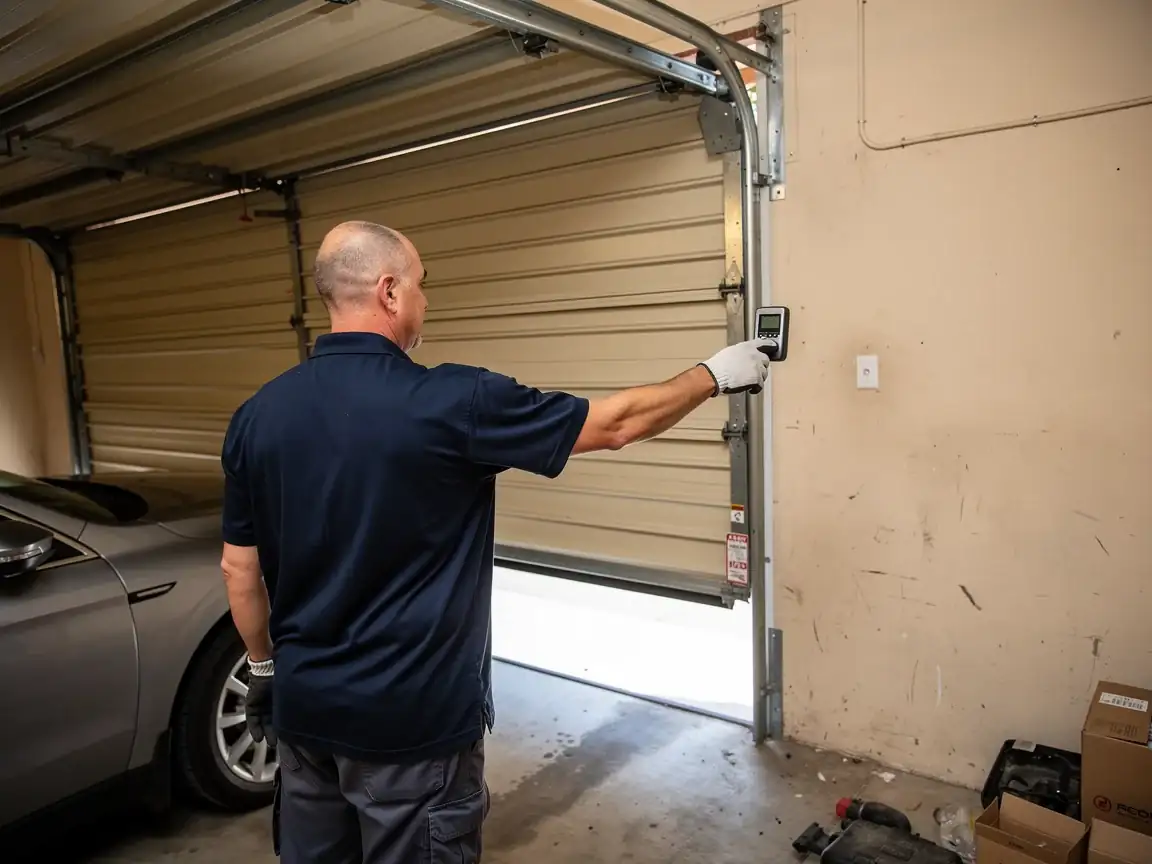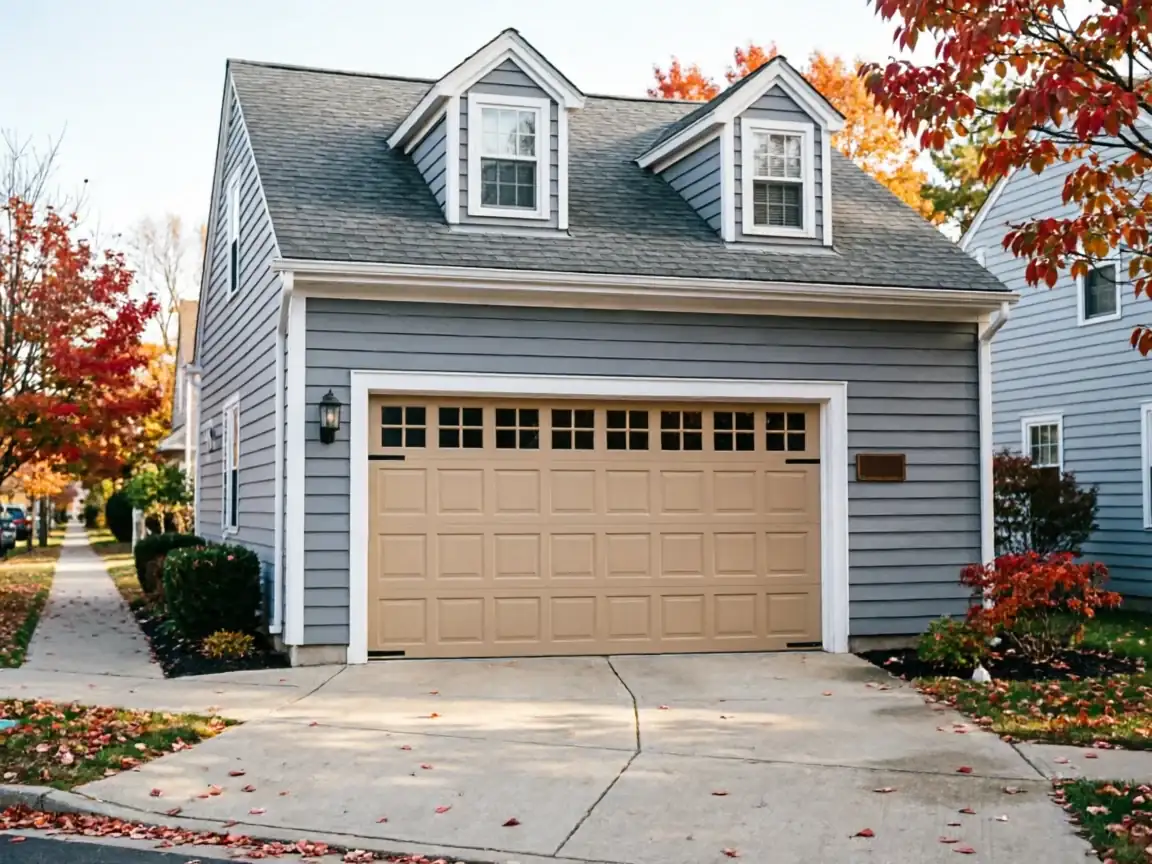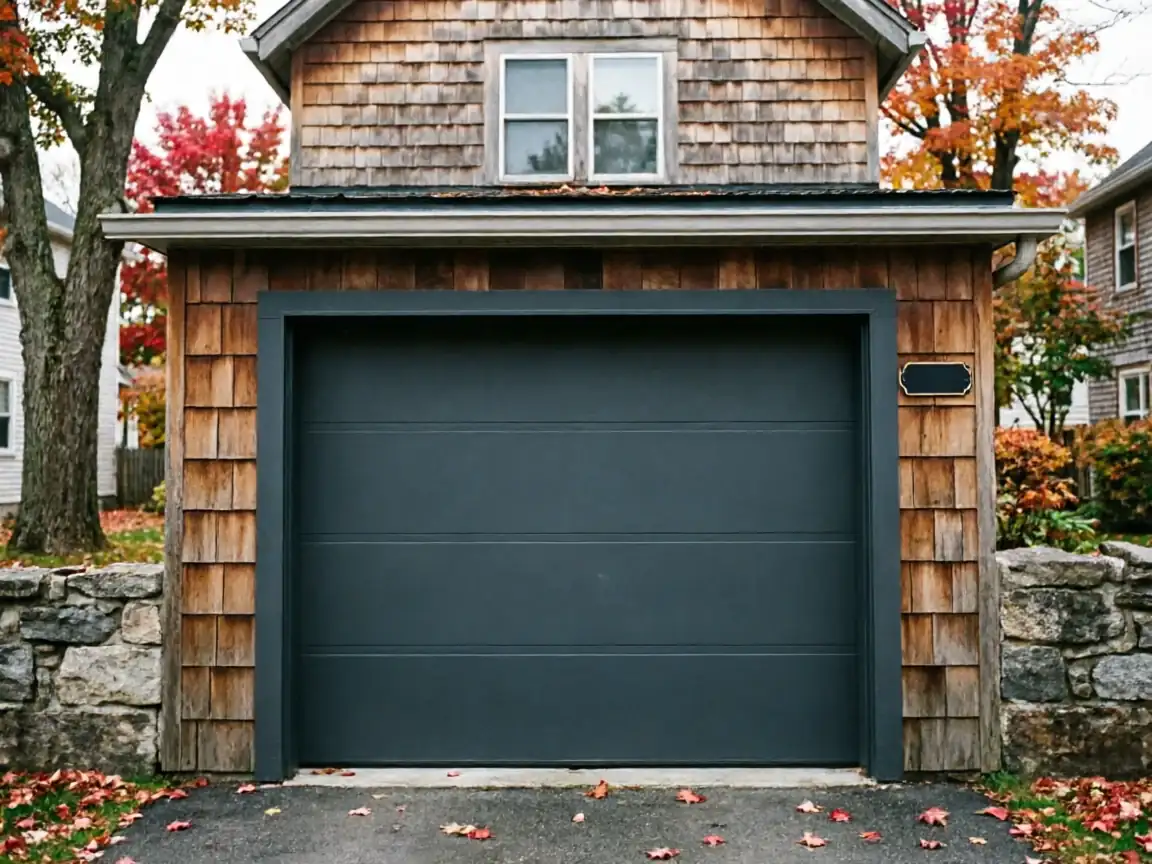
The Symptom
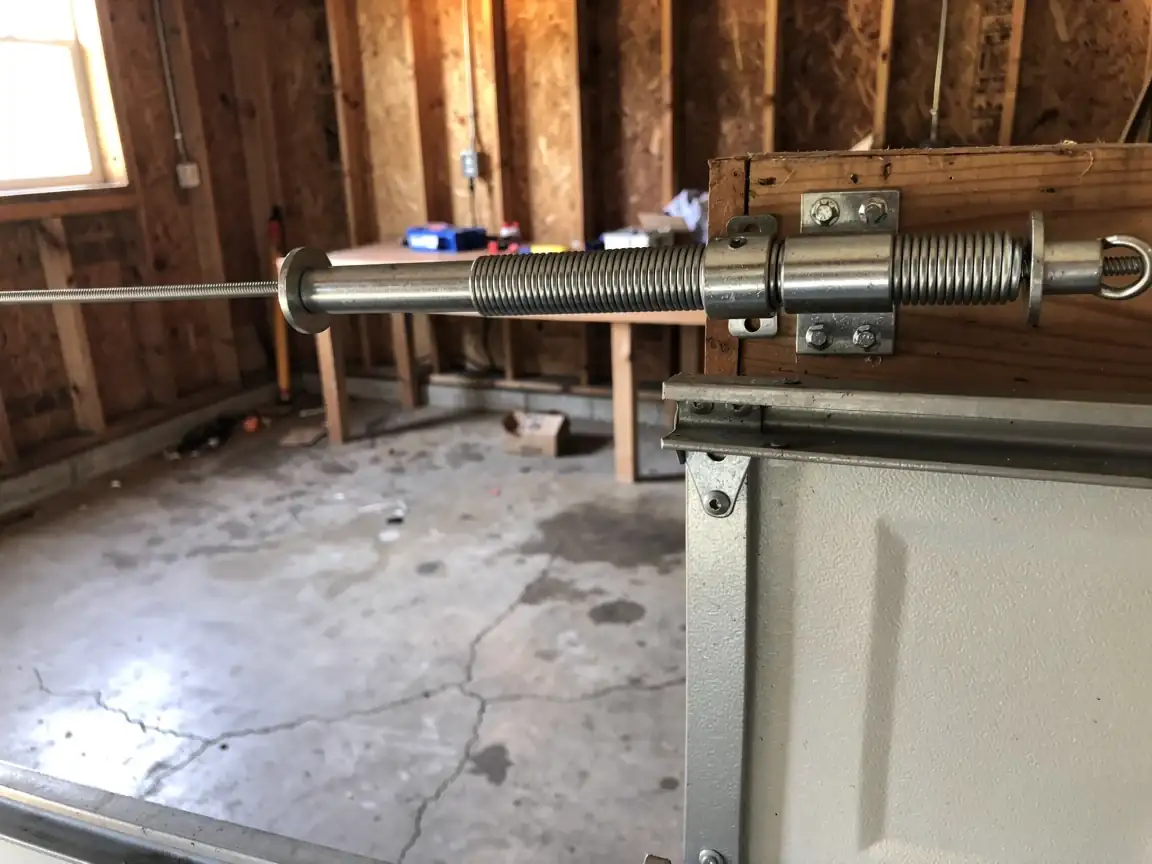
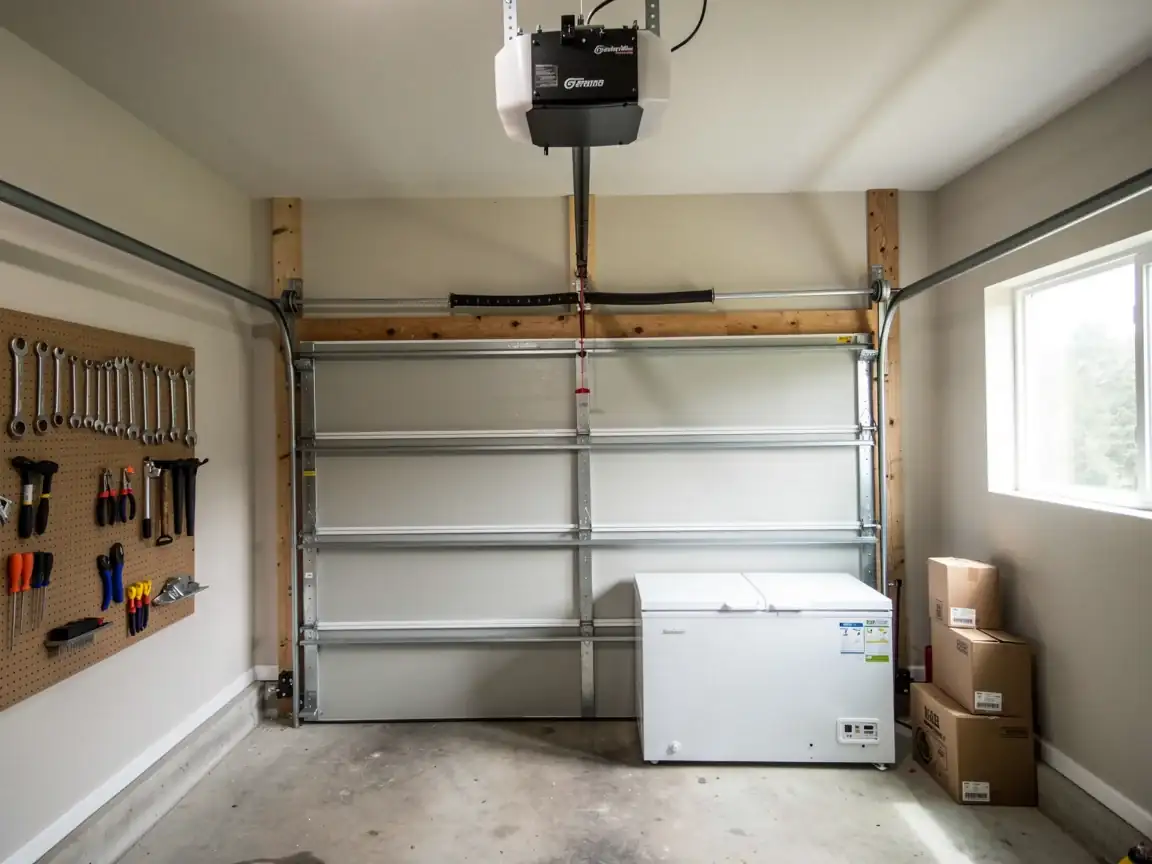
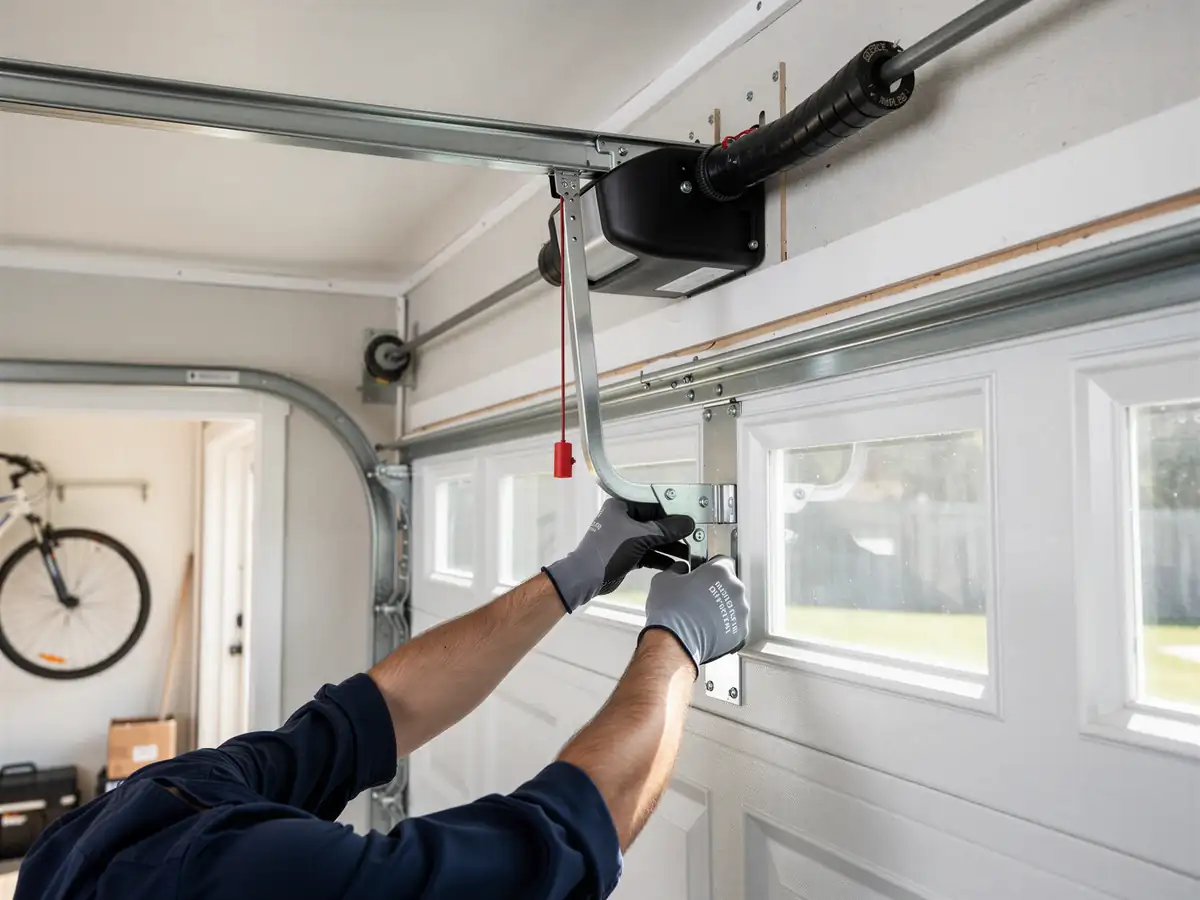
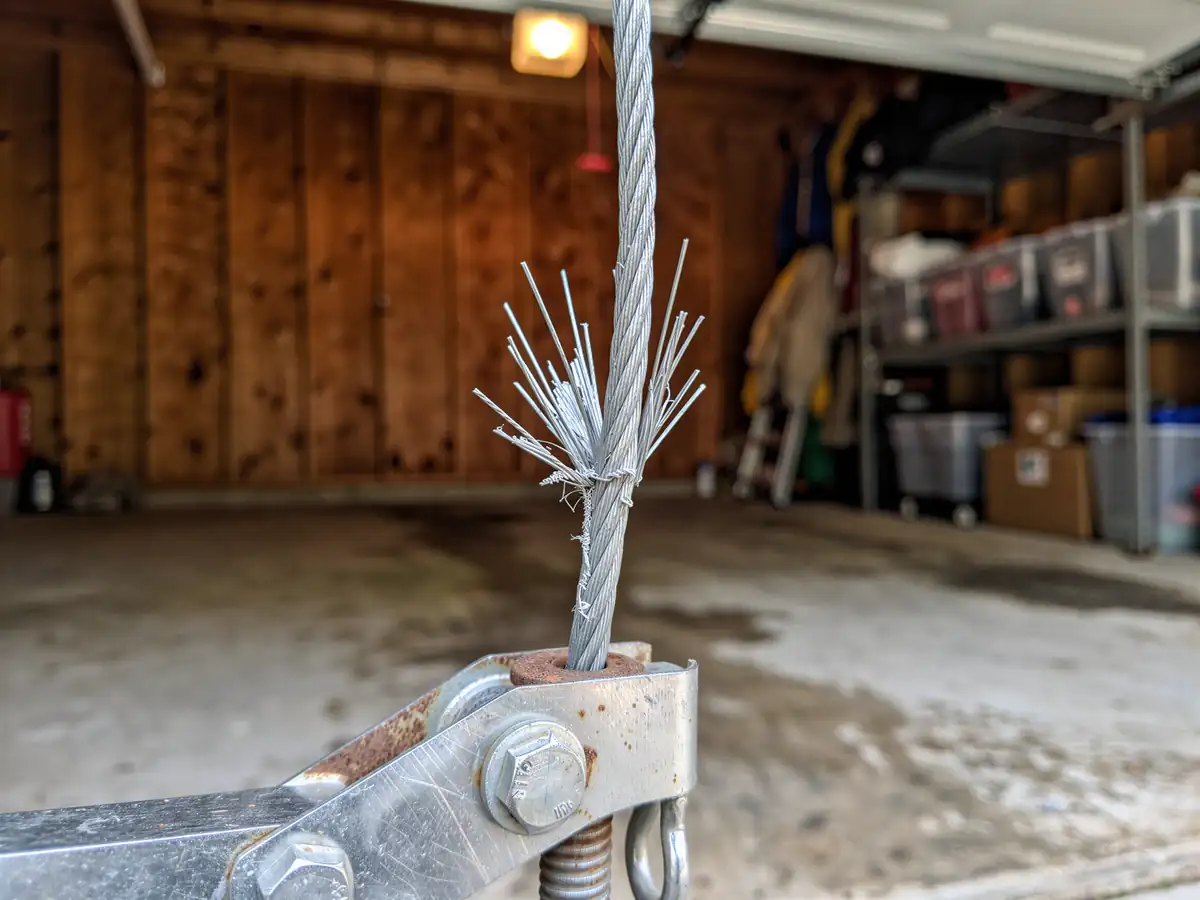
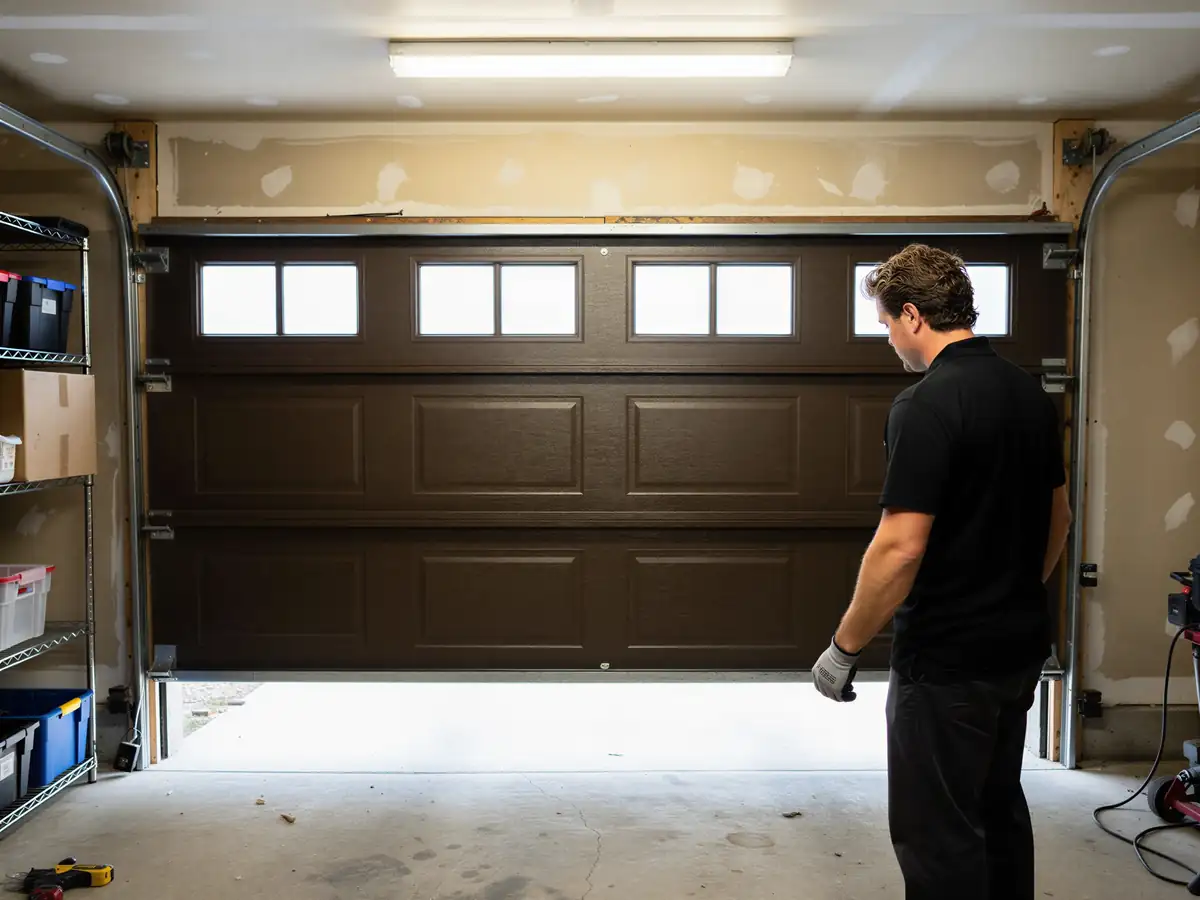
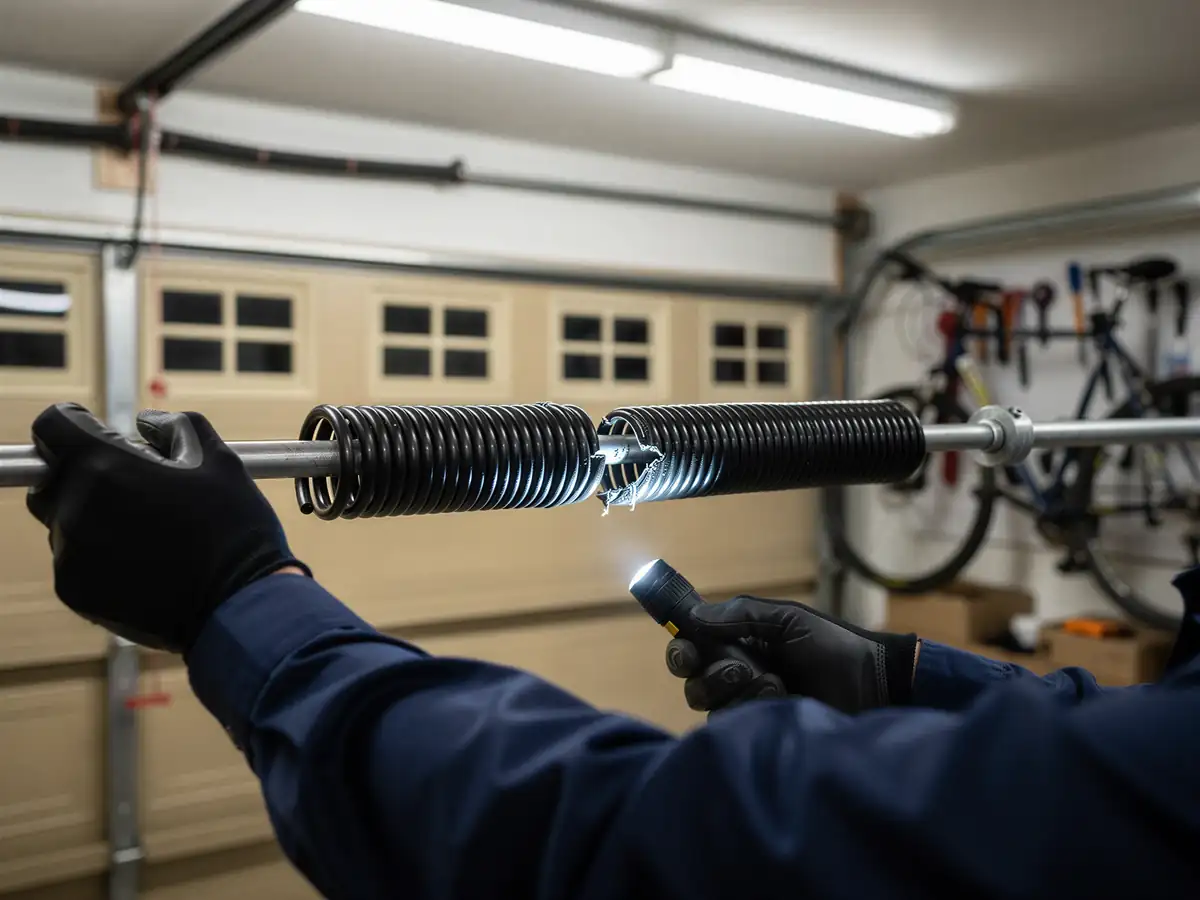
The call usually sounds the same: the door won't go up, or it went up and then came down hard and stopped. Sometimes there's a bang first - that's a torsion spring letting go, and it's the single most common reason a Woburn garage door stops working without warning. Other times the opener motor hums but the door doesn't move at all, which usually means a cable has jumped the drum or a roller has worn through and left the panel hanging crooked on one side.
What ties these calls together is timing. They cluster hard in the cold months, and they cluster hard in houses built decades ago with original hardware nobody's touched since. If your door sat fine all summer and then quit the first real cold snap, that's not bad luck - that's the spring doing exactly what aging steel does when the temperature drops. A door that's been dragging or squealing for weeks before it finally fails isn't an emergency that came out of nowhere; it gave warning, and most owners just didn't know what they were listening to.
Stocked Parts
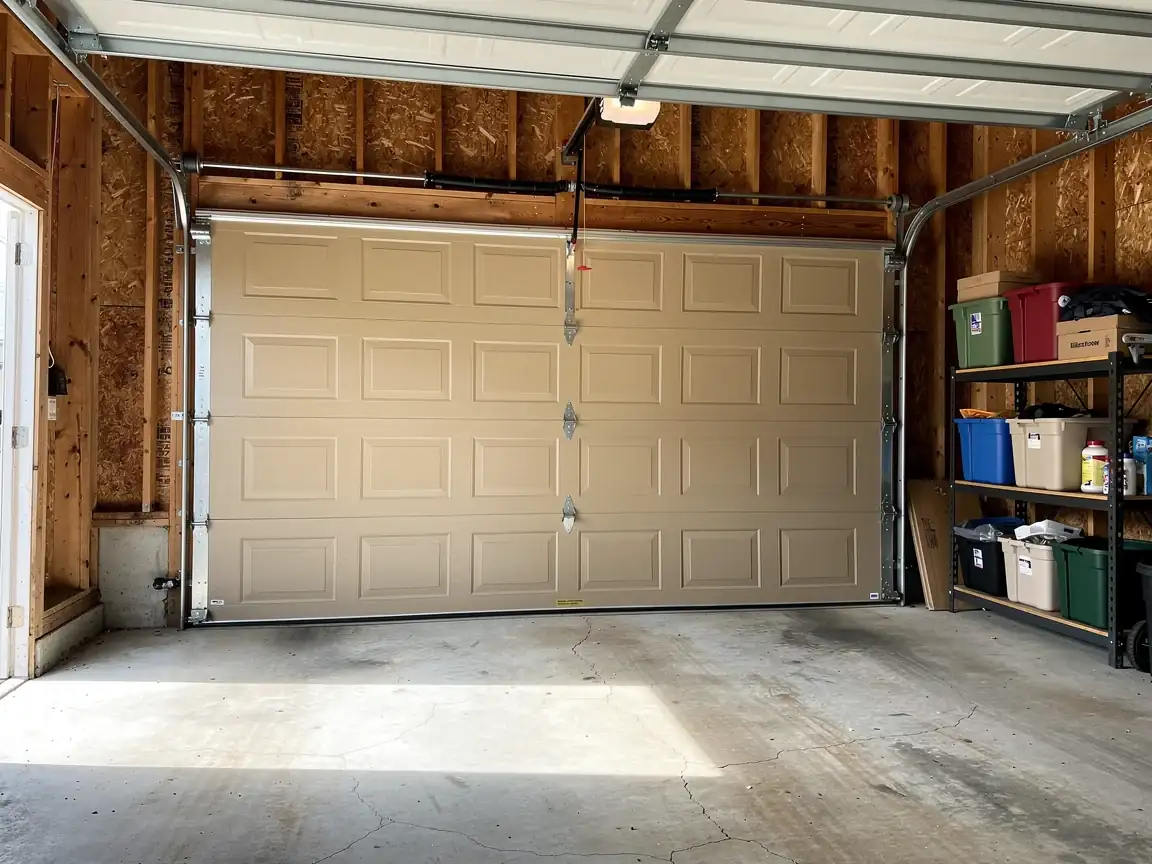
We carry torsion springs, extension springs, cables, rollers, and drums sized for the door hardware that shows up across this part of the Boston suburbs - stock built around houses from 1938 through 1988, with the bulk of that stock dating to the 1960s and '70s. That's not a random parts list. It's the same window a double-door torsion setup, a single rear-mounted spring, or an old extension-spring system from that era tends to need, and it's what we see job after job in Woburn and the towns around it.
What we don't carry on the truck is anything proprietary or discontinued - a handful of older opener logic boards and some specialty panel sizes fall into that bucket, and those can mean a short wait on a special order. We'll tell you straight if your job is one of those instead of promising same-day on something we don't have in hand. For the common failures - spring, cable, roller, drum - the part's usually already on the truck before we knock on your door.
What the Repair Takes
A broken torsion spring on a standard double door is a same-visit job once we're on site
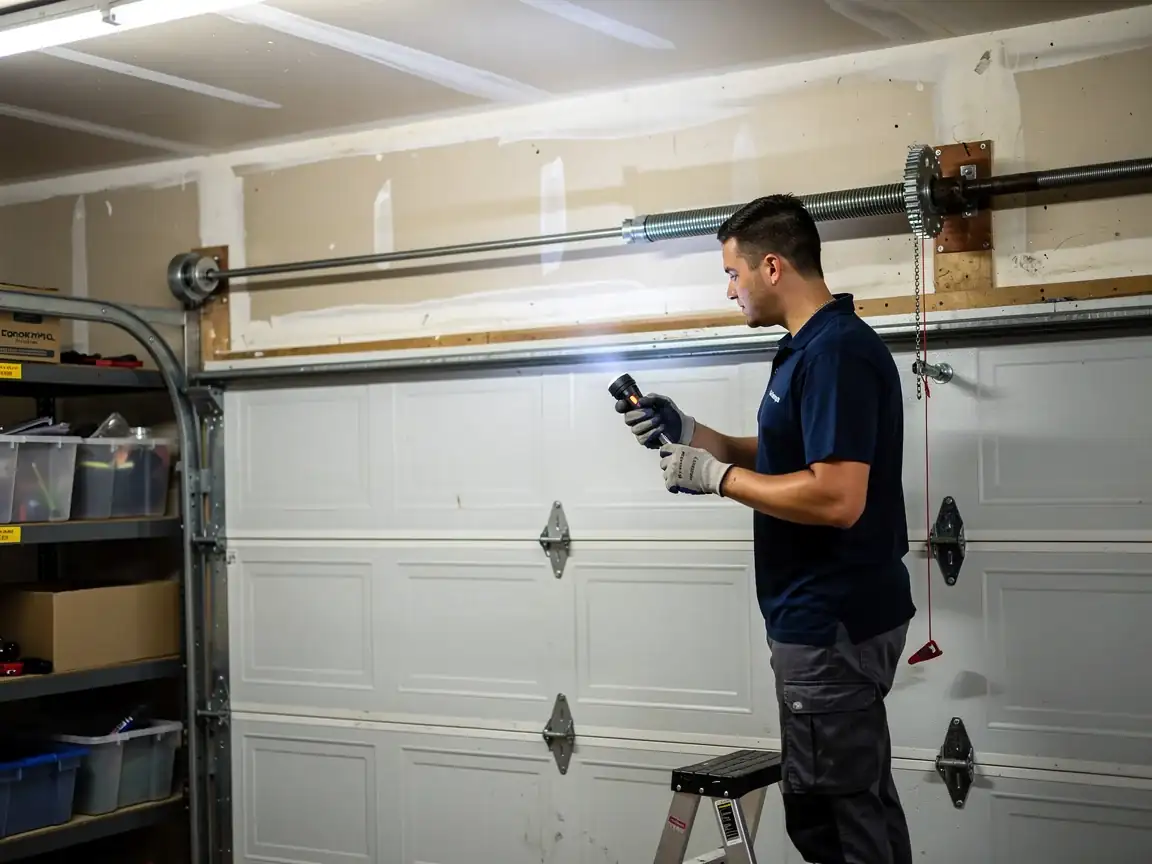
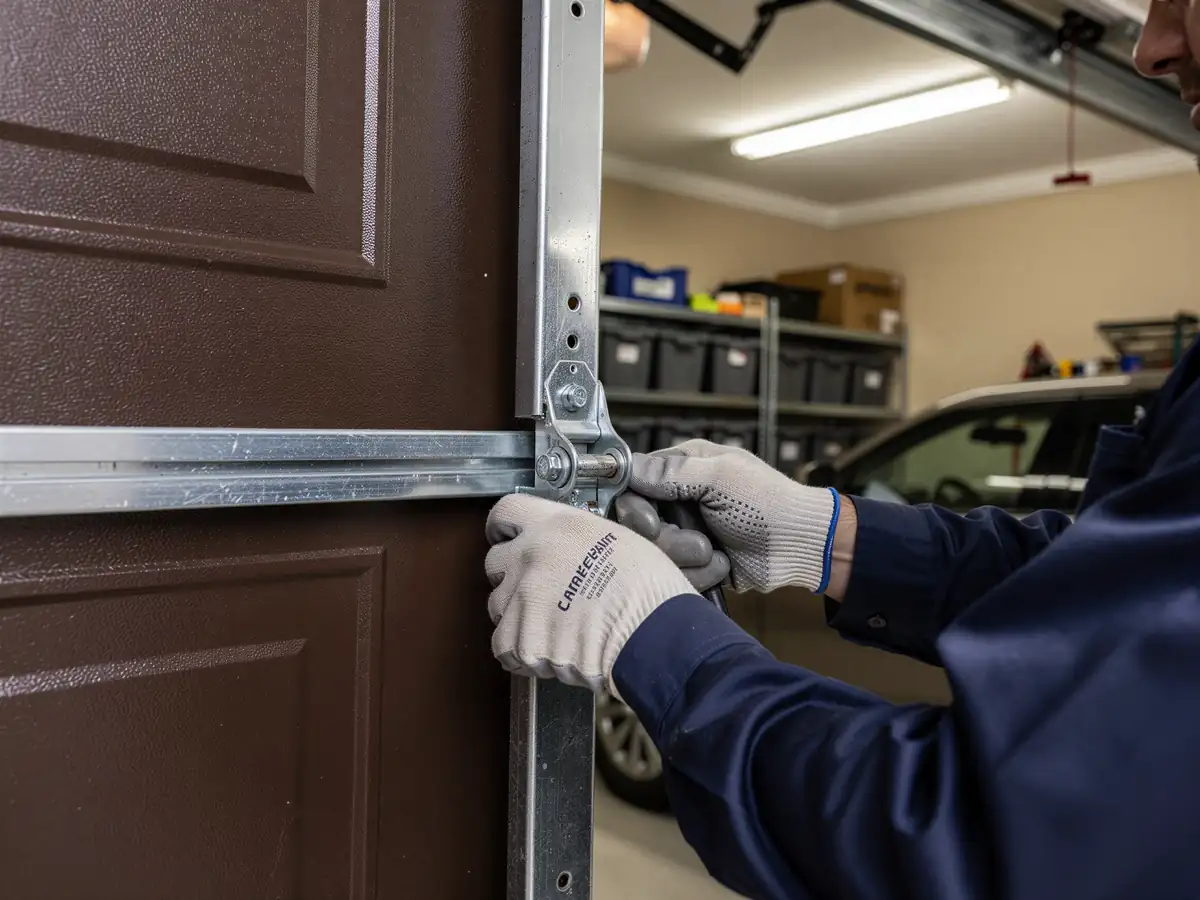
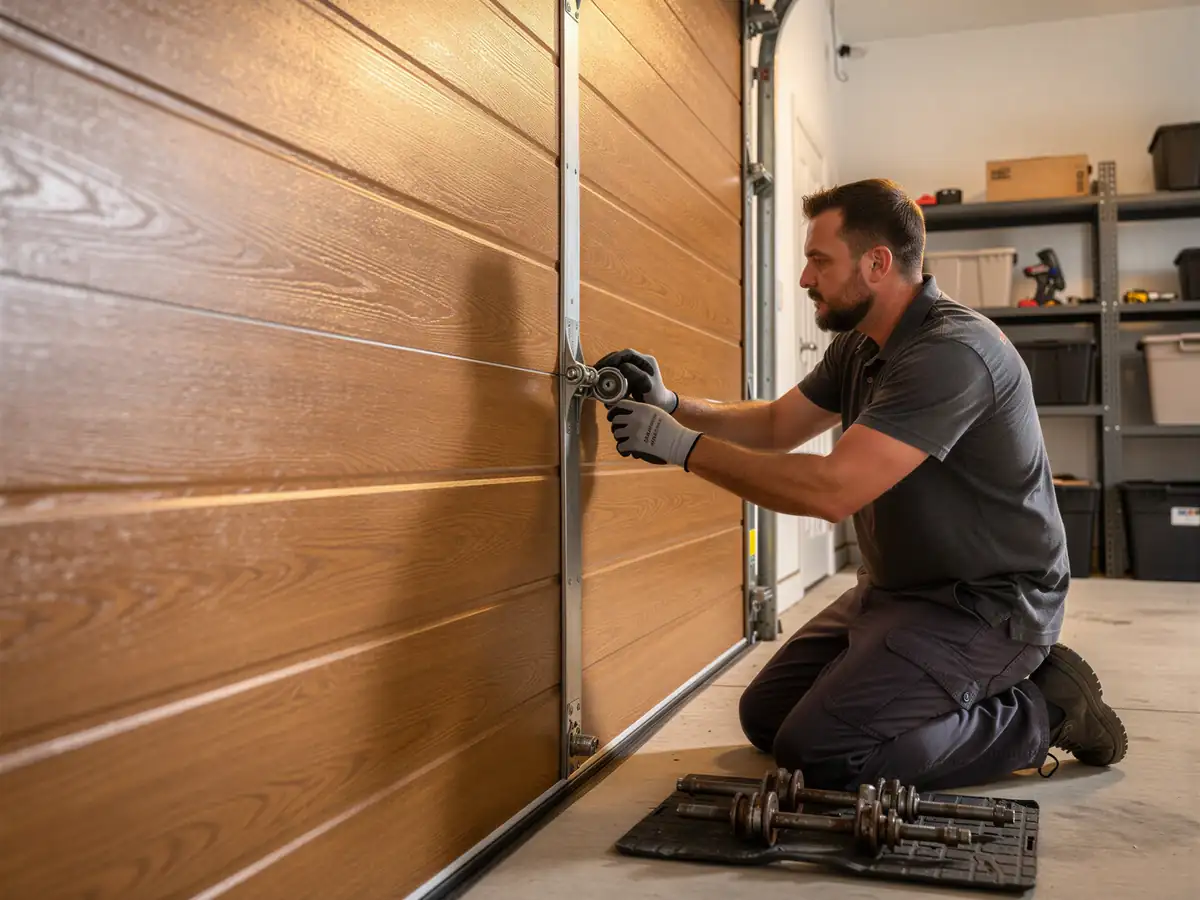
The old spring comes off the shaft, the new one gets wound to the correct turns for your door's weight, and we check the cable drums and bearing plates while we're up there, since a spring rarely fails alone on a door that old. A snapped cable or a roller that's shredded its track is similar - fix the immediate failure, then look hard at whatever let it happen, because replacing one worn part on a 1960s or '70s door usually means two more are close behind.
What it doesn't take, in most cases, is a new door
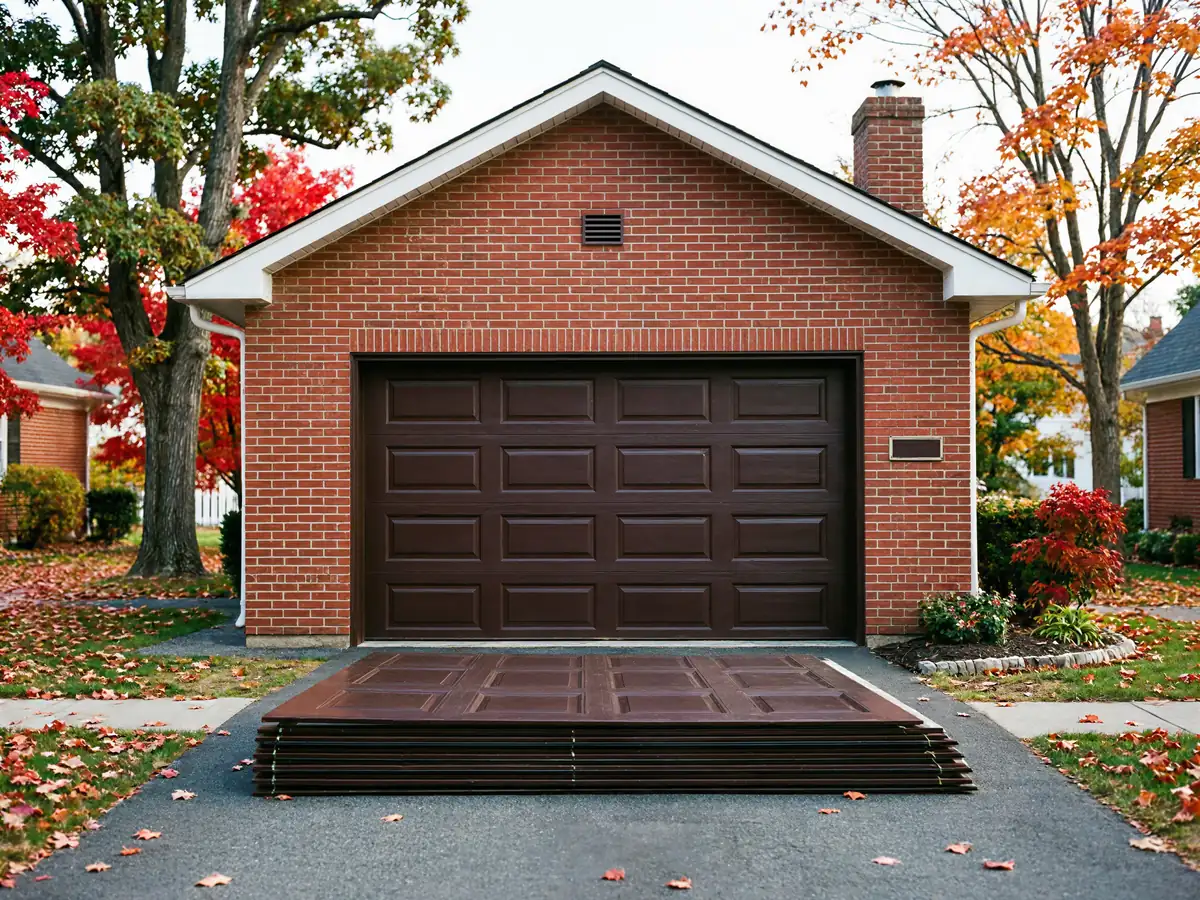
If the panels are sound and the track is straight, repairing the spring and hardware gets you a door that works like it should. Where we draw the line is a door that's been patched three or four times already, or a panel section that's rusted or warped past the point where new hardware will hold it square - at that point we'll say so instead of running up a bill on a door that needs replacing anyway.
Why This Fails Locally
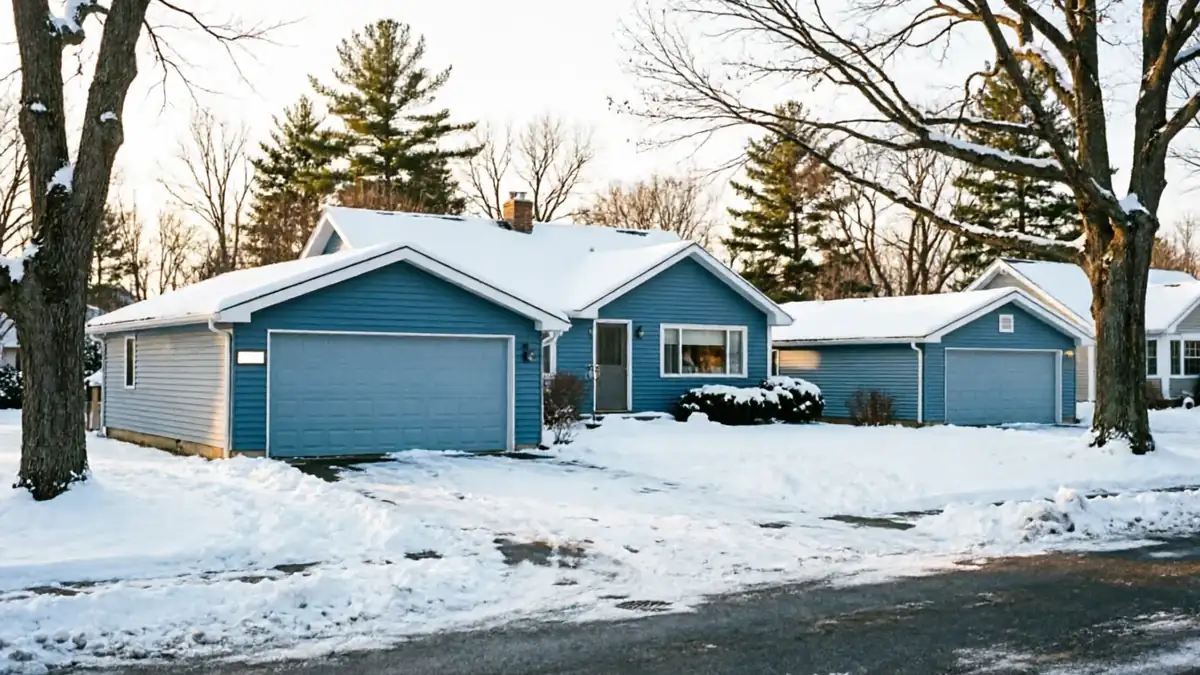
This area sits in a severe-cold climate band, and steel torsion springs lose tension and go brittle as the mercury drops - that's physics, not a sales pitch, and it's why emergency calls spike every winter. Pair that with a housing stock where most garages still carry hardware installed when the house was built - 1938 to 1988, median around 1965 - and you get a lot of 50-to-60-year-old steel doing a job it was never designed to do this long.
Across the roughly 365,662 households and 199,043 owner-occupied houses in this service area, that adds up to a predictable pattern every January and February: original springs failing on original hardware, all within a few degrees of each other on the coldest mornings. It's not a Woburn-specific fluke - it's the math of old steel meeting cold weather in a region built up decades before anyone worried about spring fatigue.