The Symptom
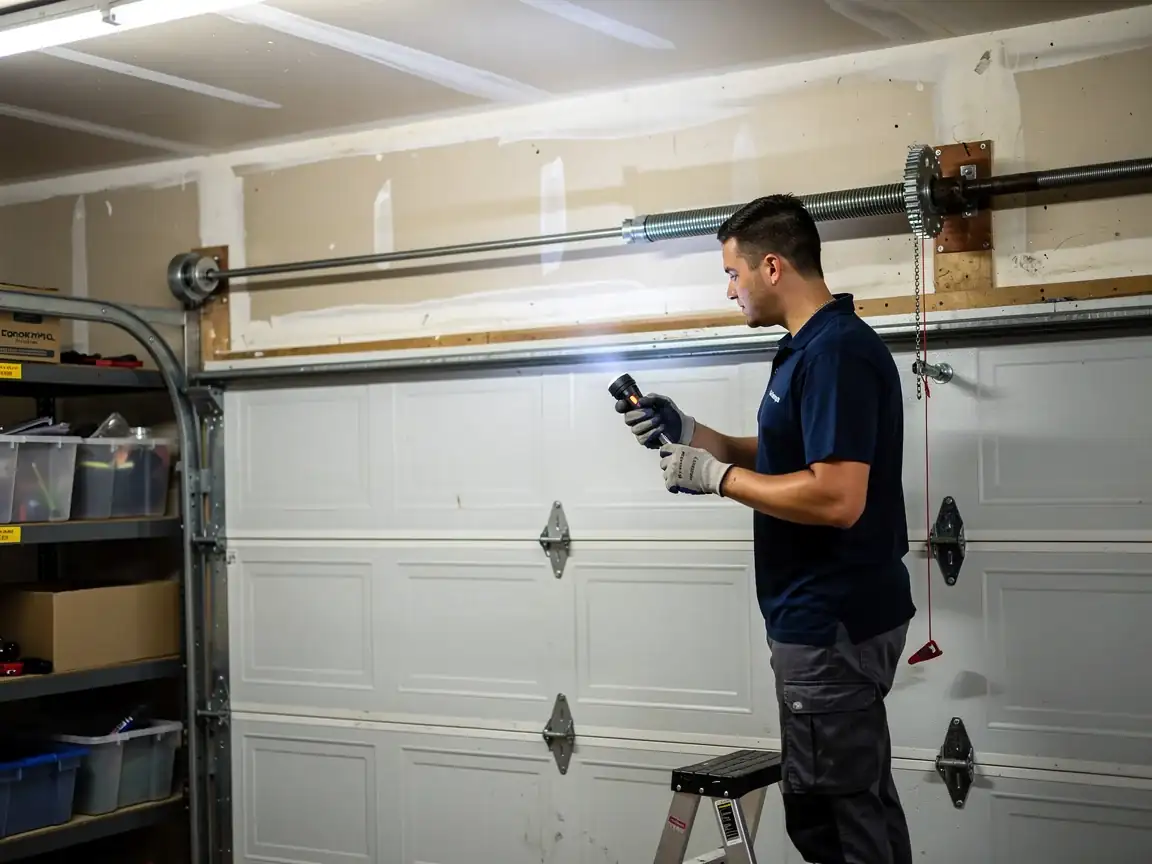
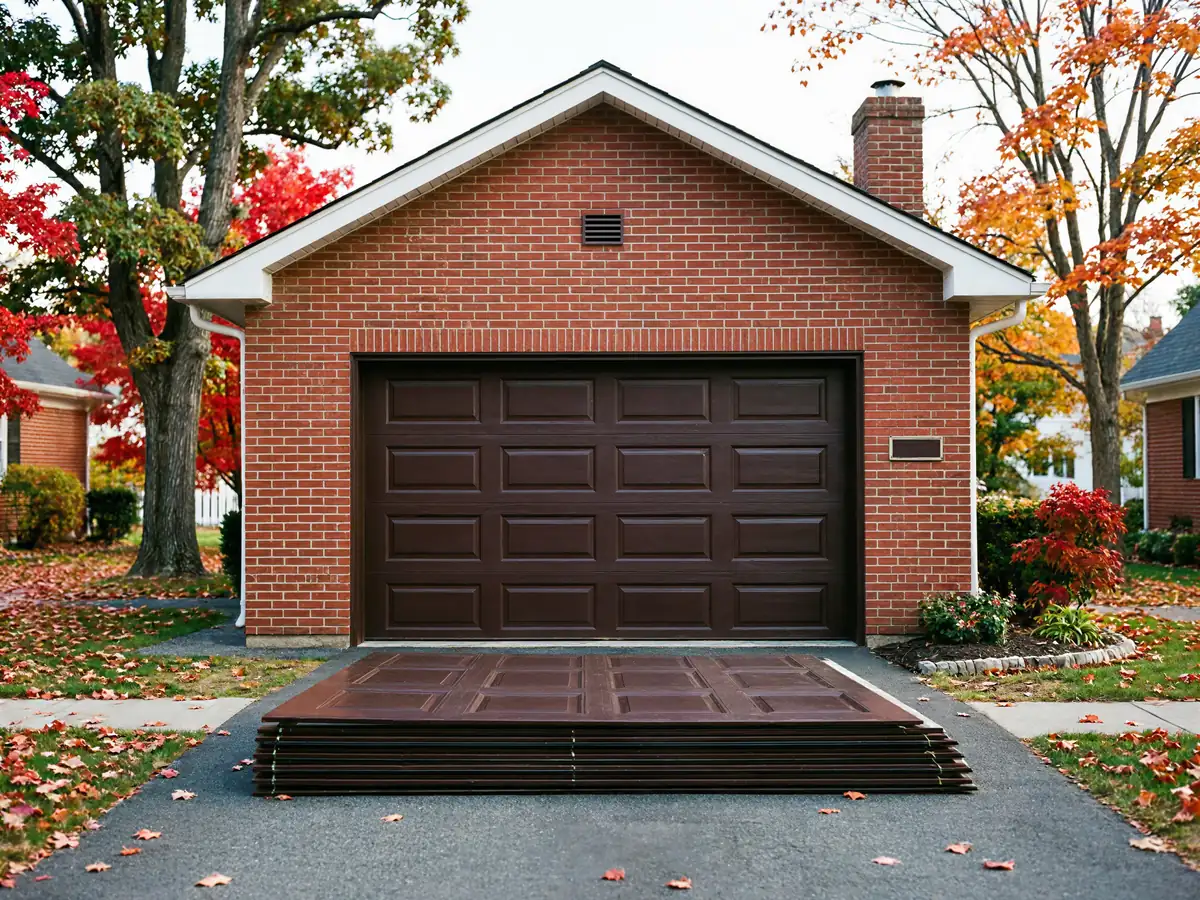
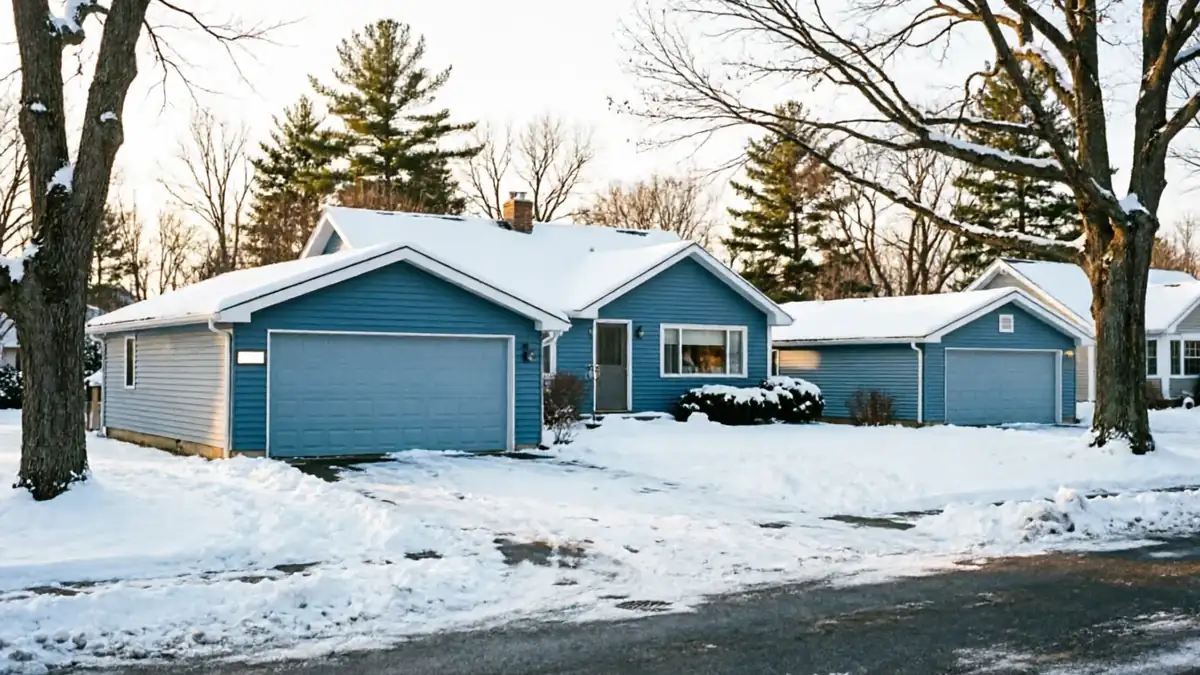
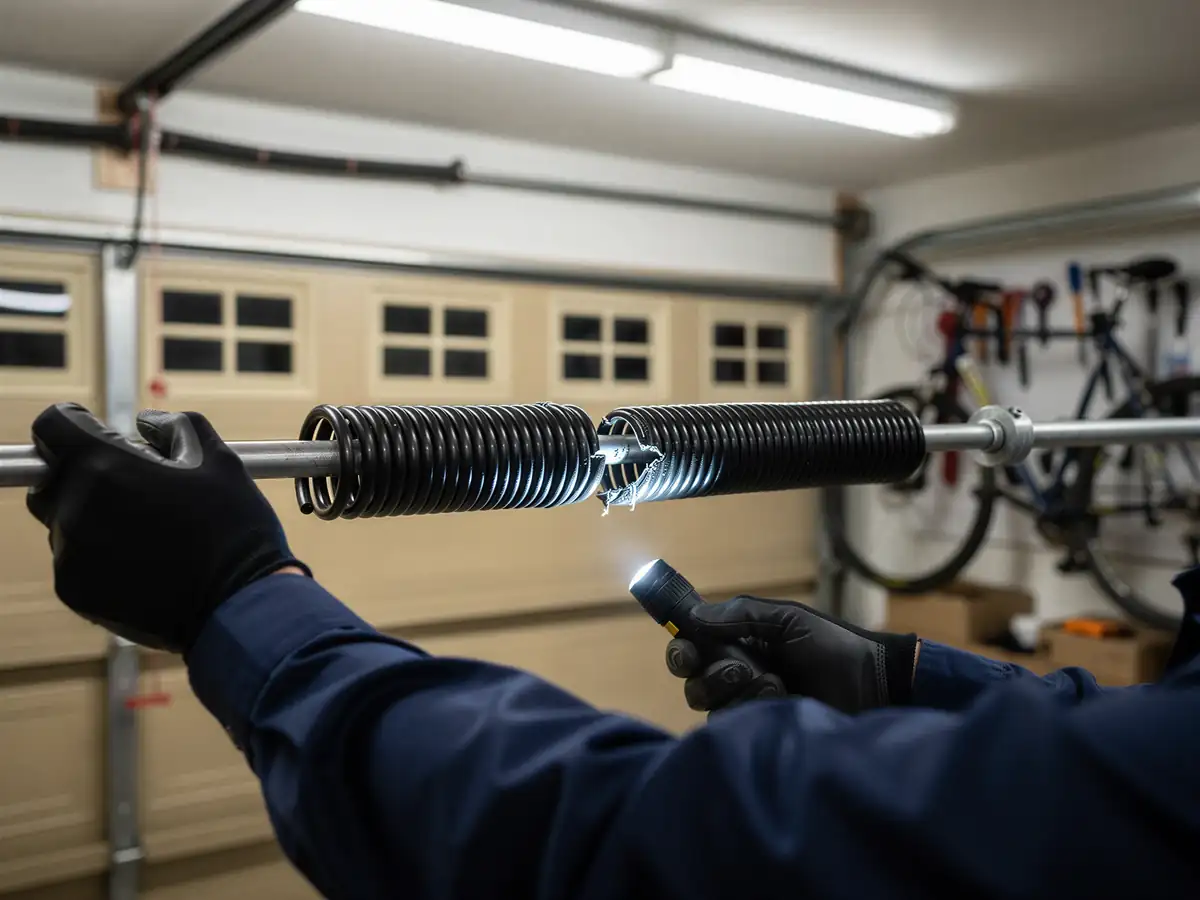
The call usually sounds the same: the door won't go up, or it goes up six inches and stops, or it slams down the last two feet like the cable let go. In Woburn, that symptom almost always traces back to a torsion spring that's done its cycles. Houses in this part of the state were mostly built between 1938 and 1988, with the bulk going up in the 1960s and 70s across the 55 named neighborhoods and surrounding towns we work in, from Winchester two miles out to Lexington five miles south. That means a lot of original or near-original torsion hardware still sitting over these doors, sized for panels that are heavier than what gets installed new today.
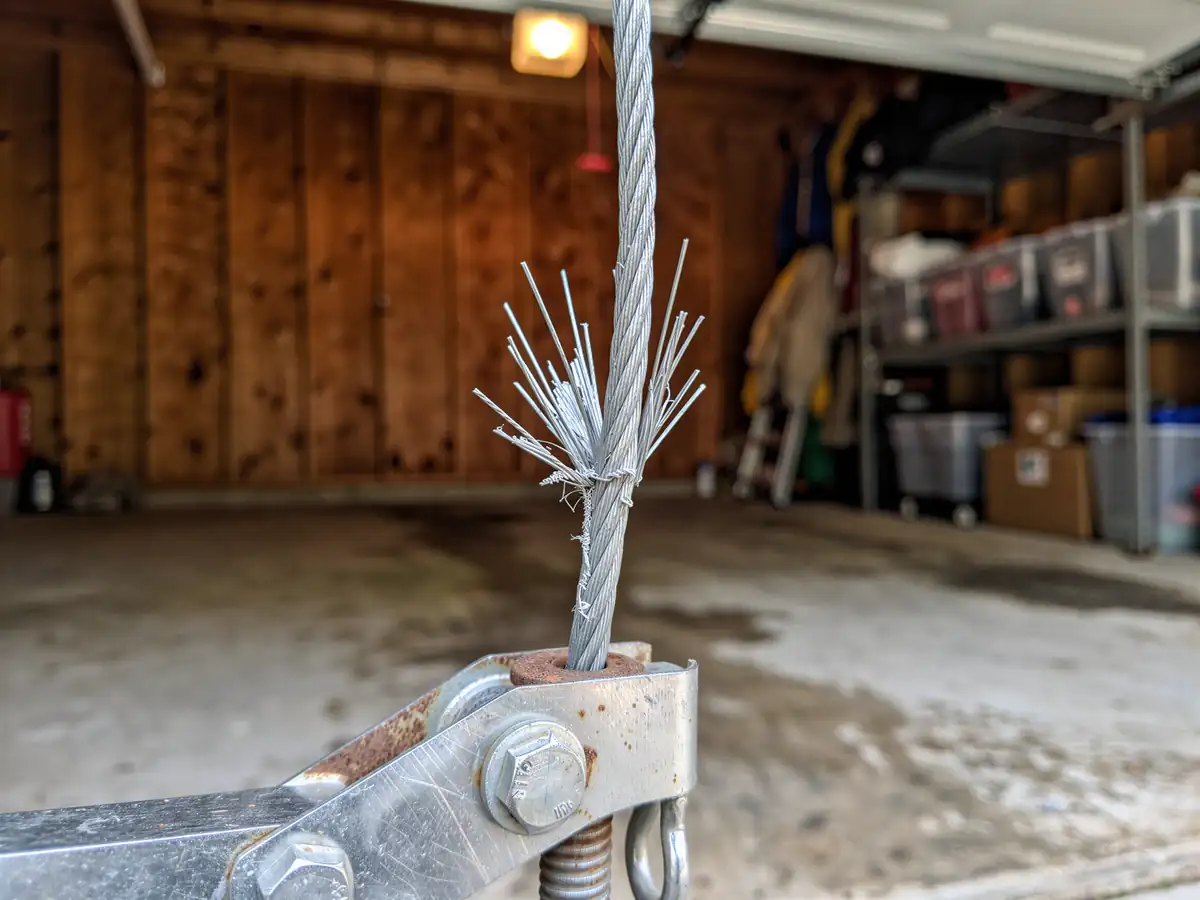
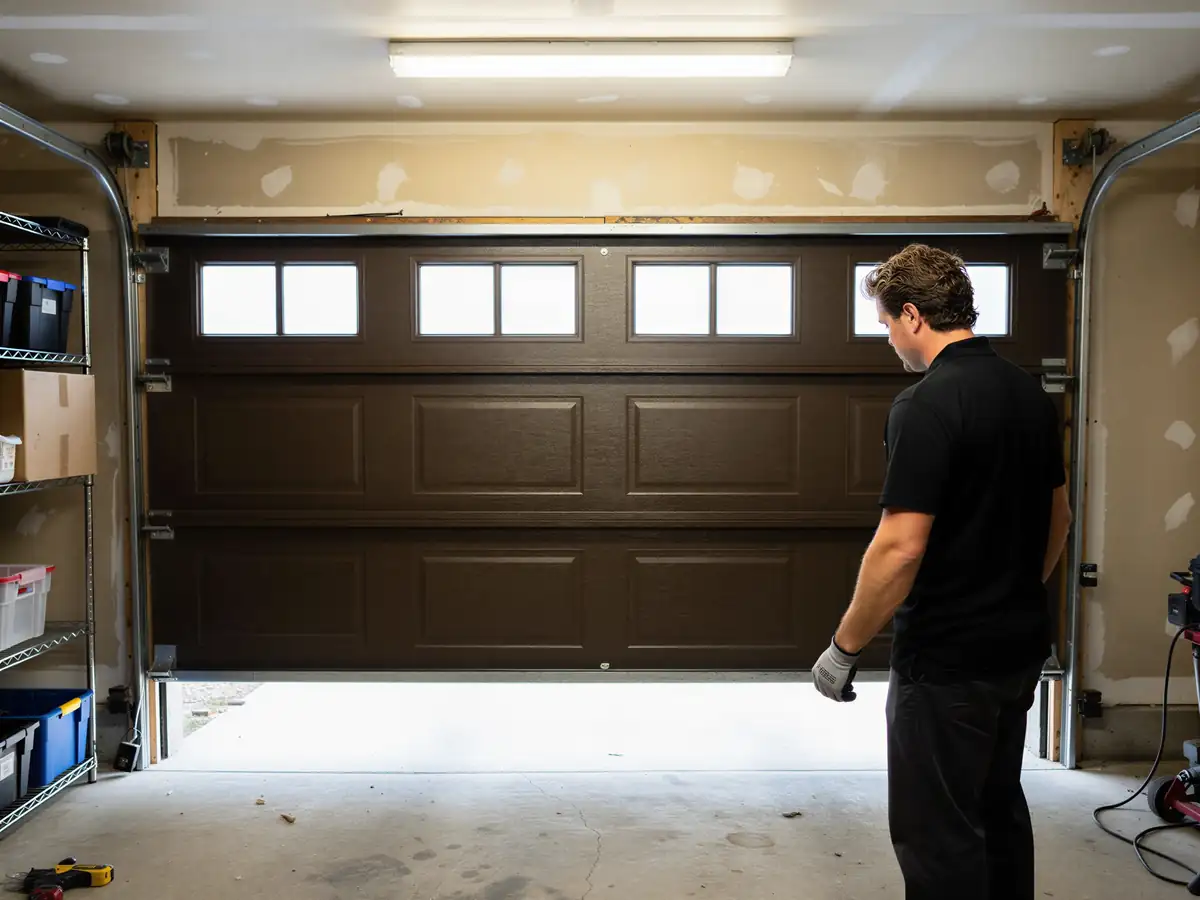
When a spring on a door that age finally breaks, the opener motor tries to lift the full dead weight of the door on its own. You'll hear it strain, maybe see the chain skip, and sometimes the whole unit pulls loose from the bracket. That's the failure we see most on this side of greater Boston, and it's rarely a one-part fix once it's gone that far - the cable and sometimes the bottom bracket take damage with it.
Stocked Parts
We carry torsion springs sized for the wind-load and panel weights common to houses built in the 1960s and 70s, which covers most of what's on the street in Woburn, Winchester, Stoneham, and Burlington. That includes the heavier-gauge springs that older steel and wood composite doors need, not just the lighter residential stock that fits newer builds.
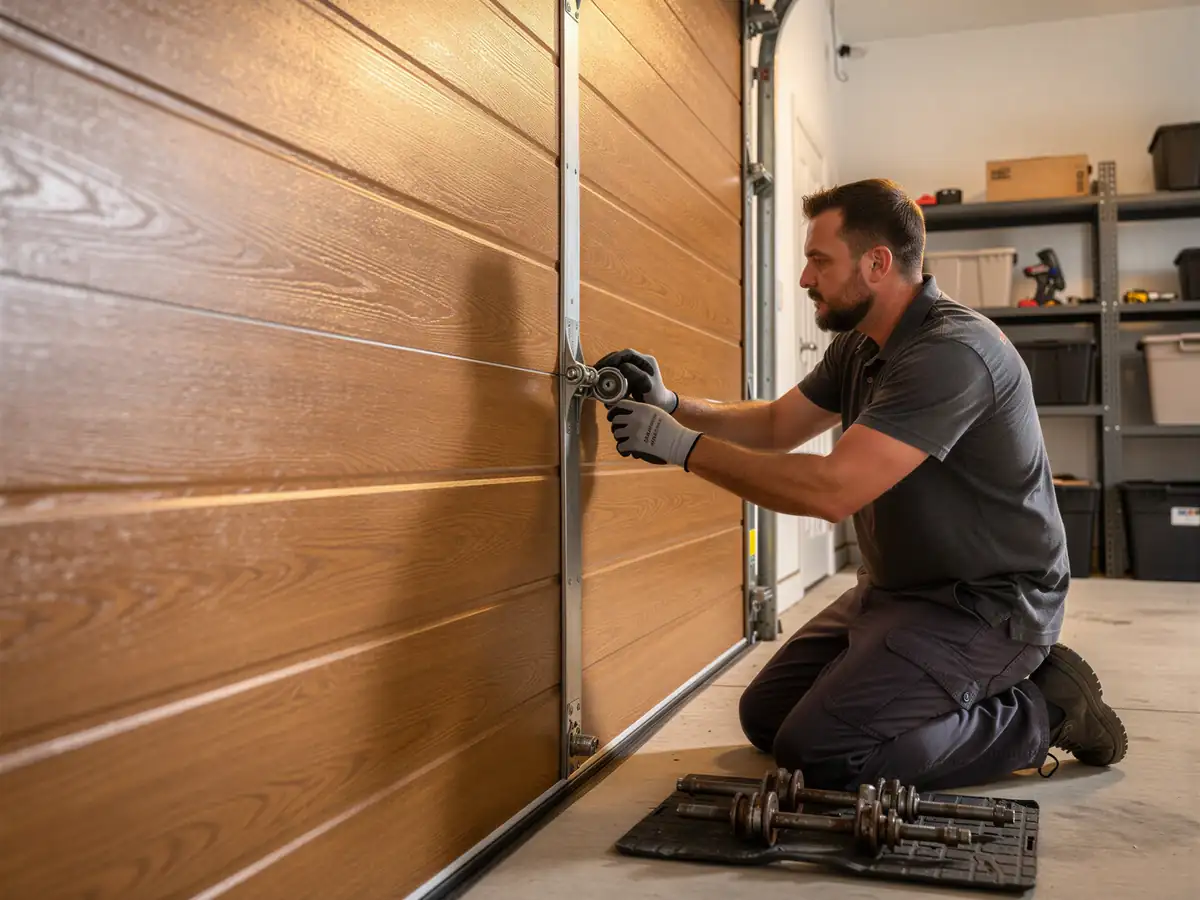
We also stock the rollers and hinges that wear out from repeated cold-to-warm cycling - a problem tied directly to this region's cold, severe winter climate. Steel rollers on old track seize up when grease stiffens below freezing, then crack when the door gets forced open anyway. Nylon replacements and the matching hinges are on the truck, along with standard-width cable and the drums that pair with the springs we carry.
Honest limitation: if your door uses a spring size or a panel style we don't carry - which happens on some custom or imported doors - we'll tell you on the spot rather than order something and have you wait. Most of what we see on original Woburn-area doors, we have.
What the Repair Takes
A torsion spring replacement on a standard double door is a same-visit job once we're on site
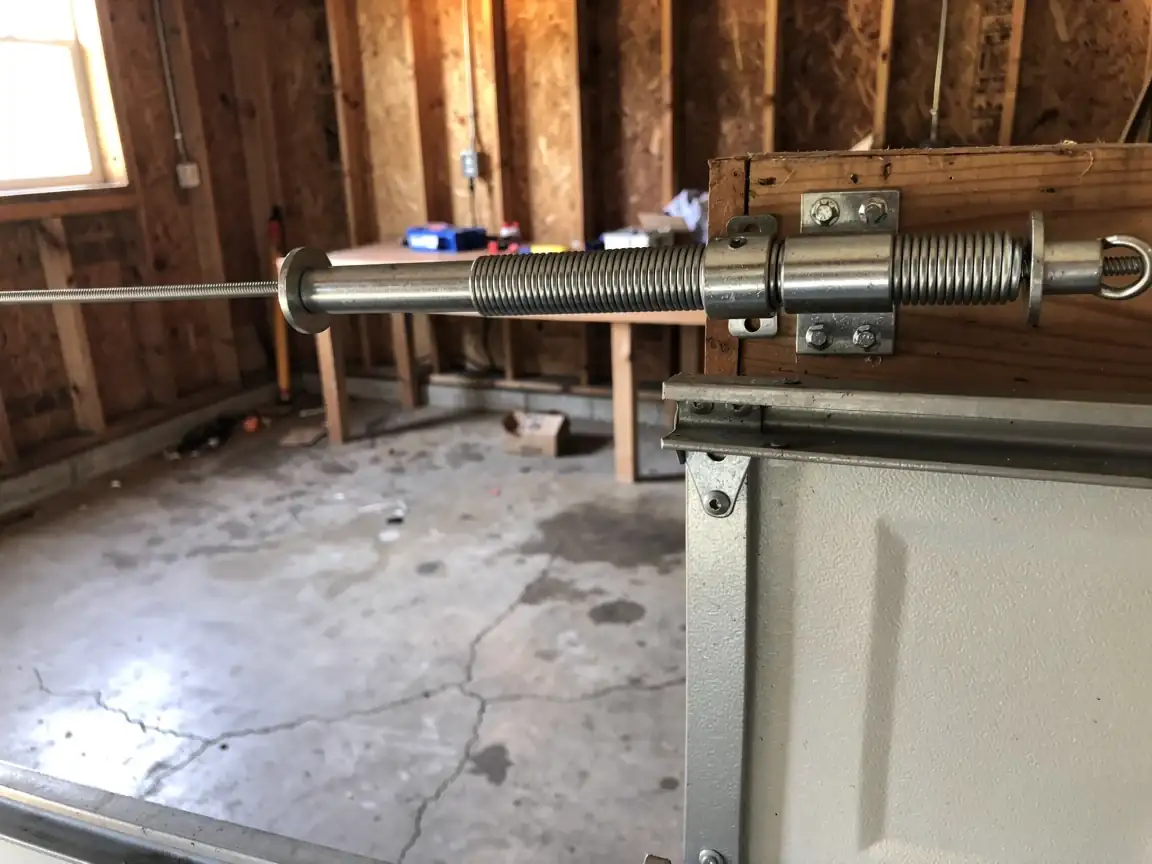
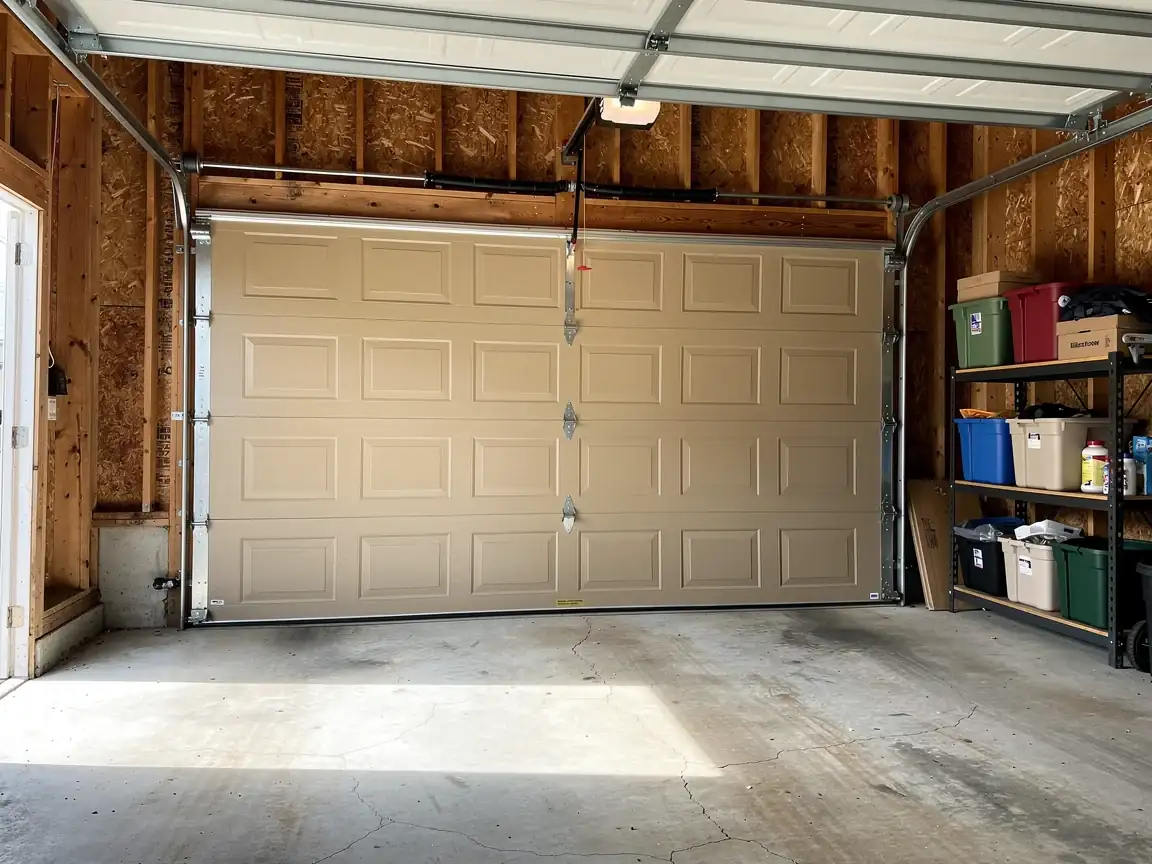
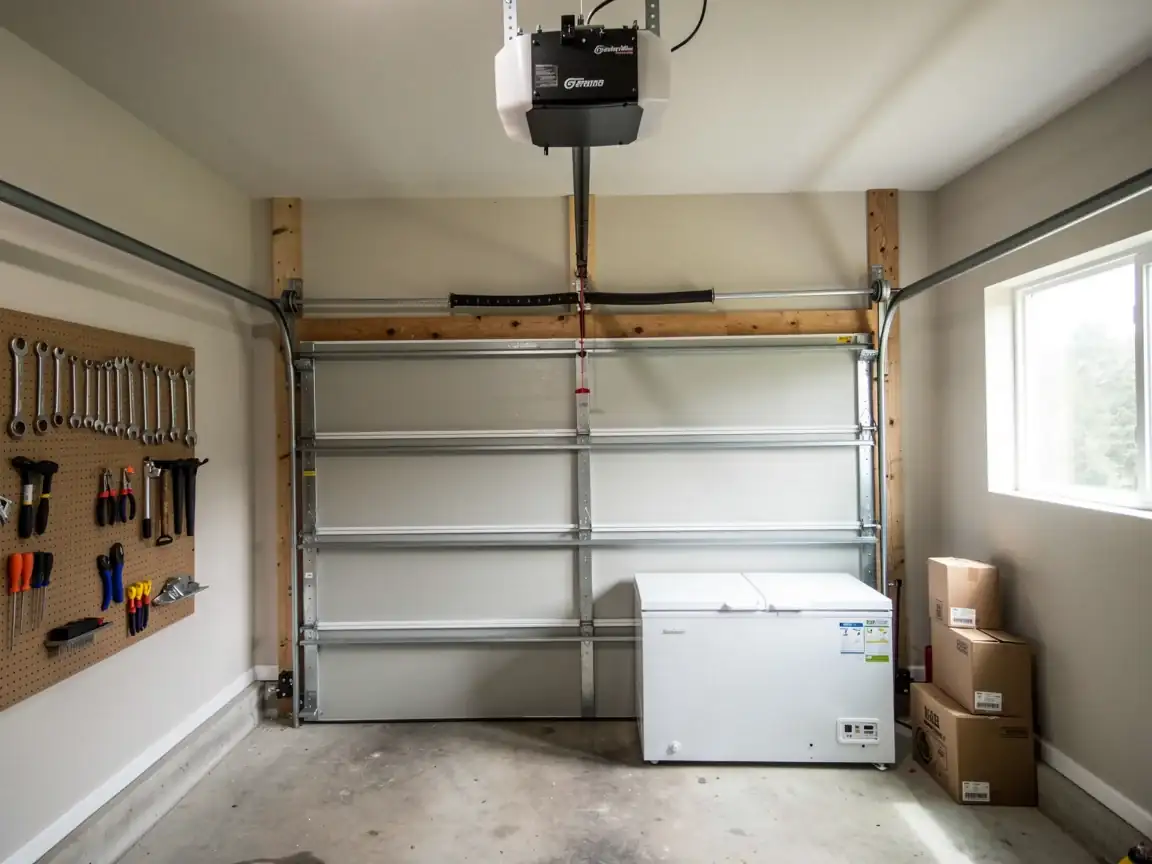
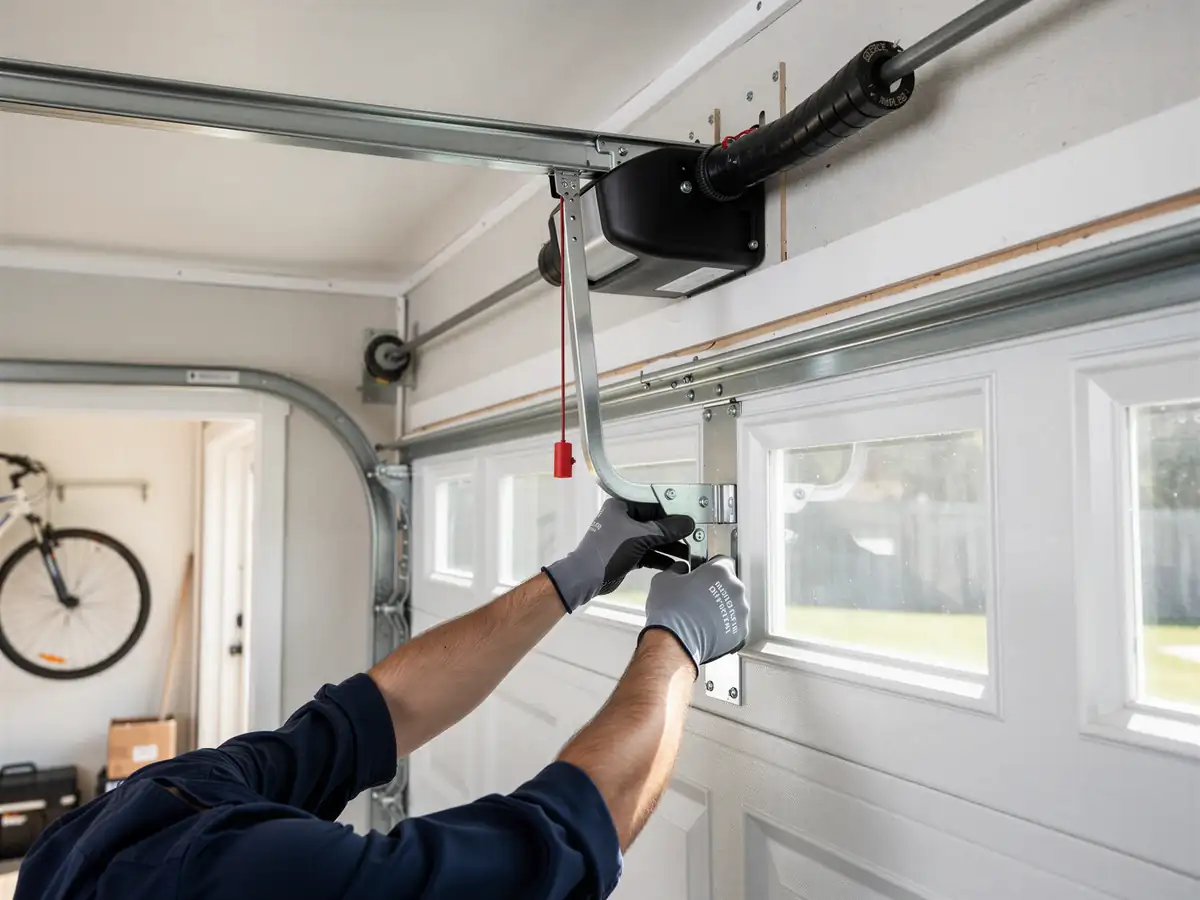
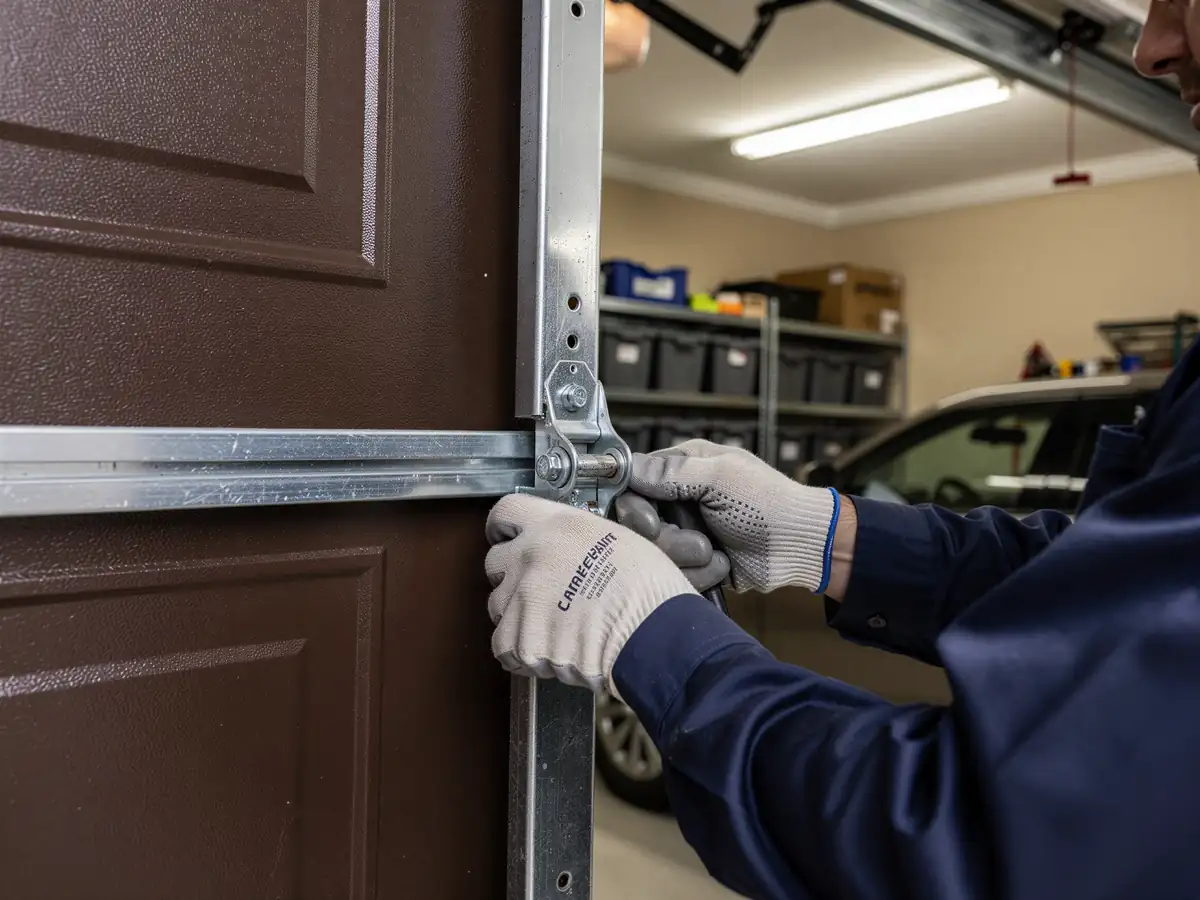
The spring gets wound down safely, the old one comes off the shaft, a matched pair goes back on, and the door gets balanced so the opener isn't doing the lifting work the spring should be doing. If the cable or bottom bracket took damage from the door dropping, those get swapped at the same time since the track is already open.
What it doesn't take is guesswork on sizing
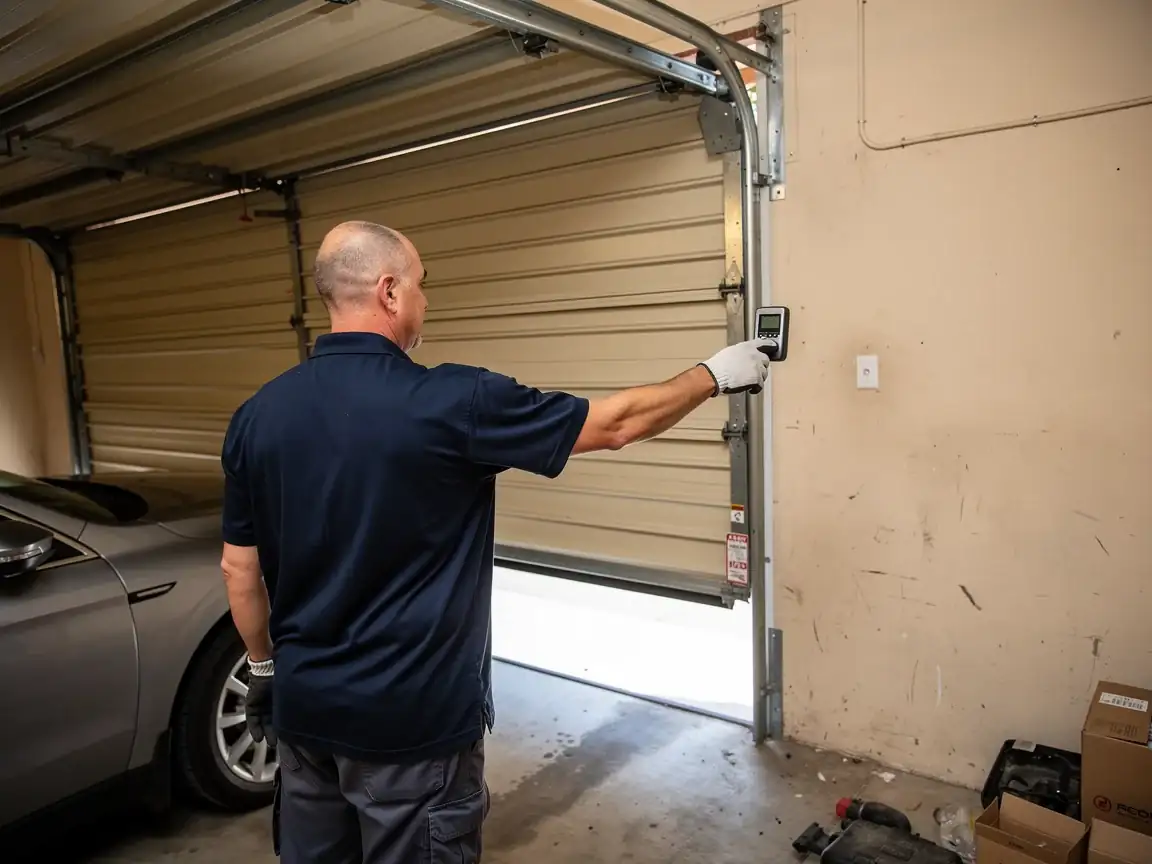
A spring that's close but not matched to the door's weight will either over-tension and strain the opener again within a year, or under-tension and leave the door heavy to lift by hand if the power goes out - which matters here, given how often that happens in a severe winter. We measure the door, not just the old spring, before we wind anything new on.
We don't push full door replacement when a spring and a couple of rollers will do the job
Replacement makes sense when the panels themselves are rusted through or the track is bent beyond adjustment - we'll say so plainly if that's what we find, but we won't sell it when it isn't needed.
Why This Fails Locally
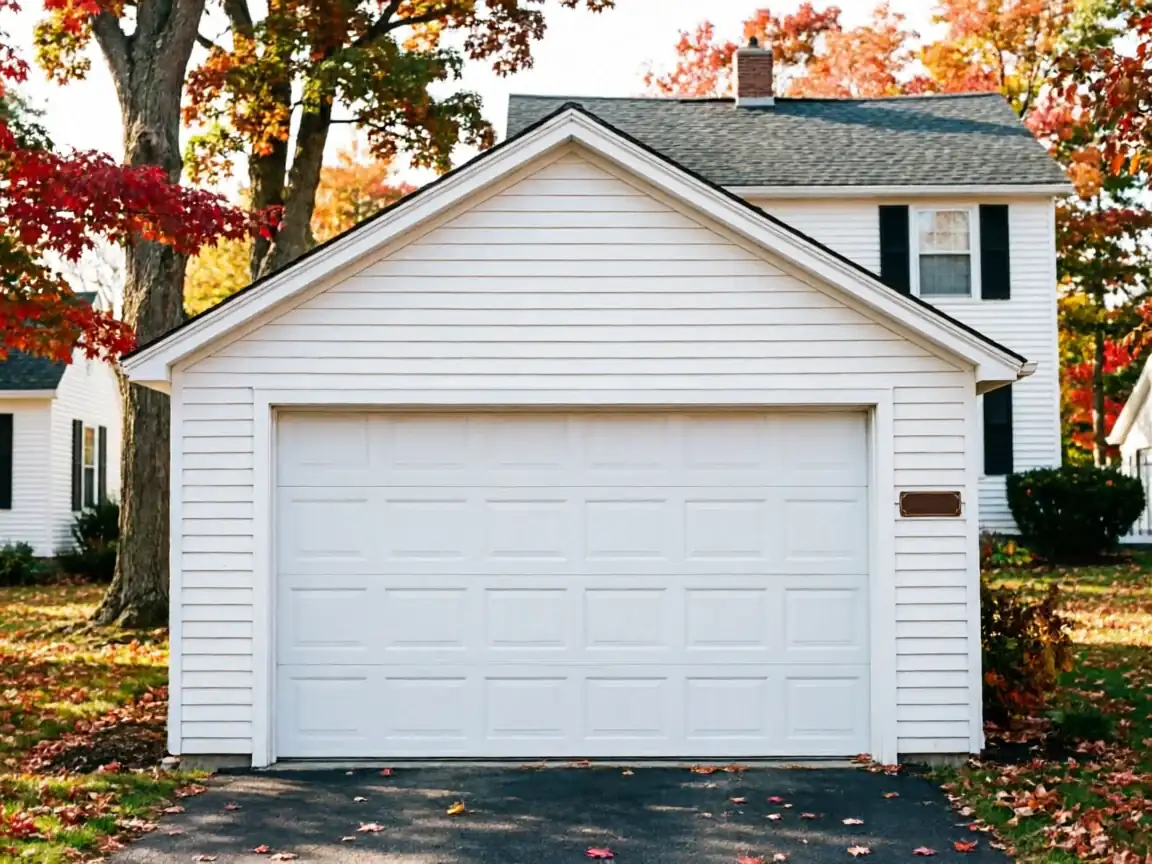
This is a housing-stock problem more than a bad-luck problem. With most of the area's homes dating to 1965 give or take, a large share of torsion springs out there are original or are second-generation replacements installed decades ago, long past the 10,000-cycle mark most springs are rated for. Add a cold, severe climate where steel contracts and lubricant thickens every winter, and the spring is working harder in January than it was in July - which is exactly when it tends to let go.
It's less about any one storm and more about decades of freeze-thaw cycling on hardware that was never meant to last this long. That's consistent across the towns we see this in - Winchester, Stoneham, Burlington, Reading - because they share the same building era and the same winters. A newer door with a modern spring and sealed bearings handles that cycling far better, which is part of why failure rates on pre-1988 stock run higher than on anything built since.