The Symptom
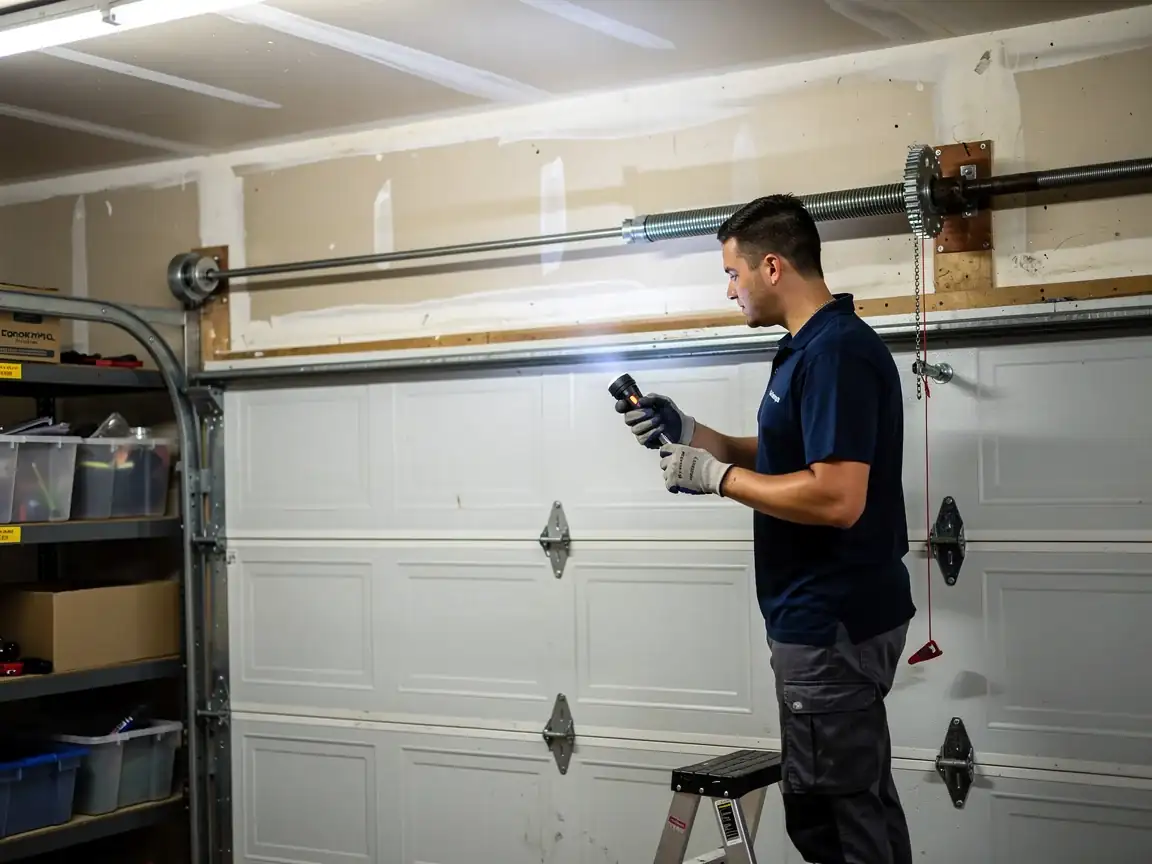
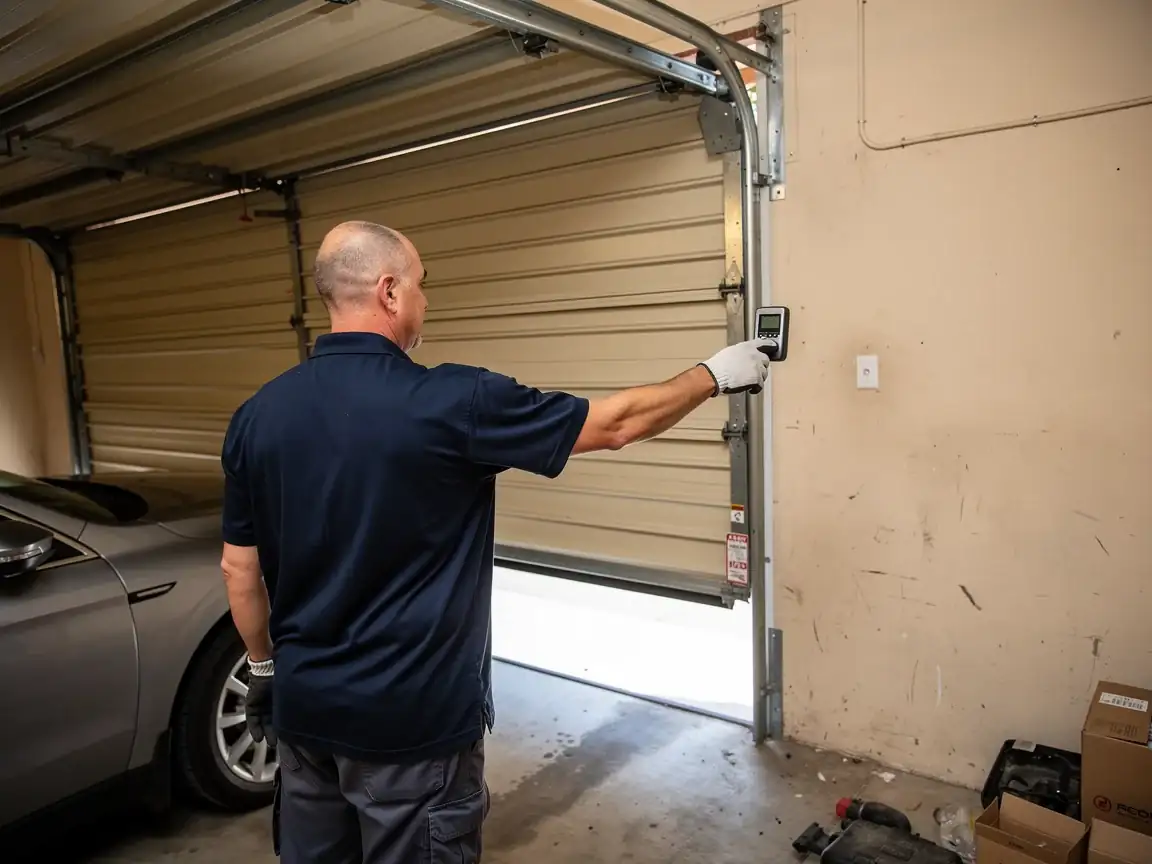
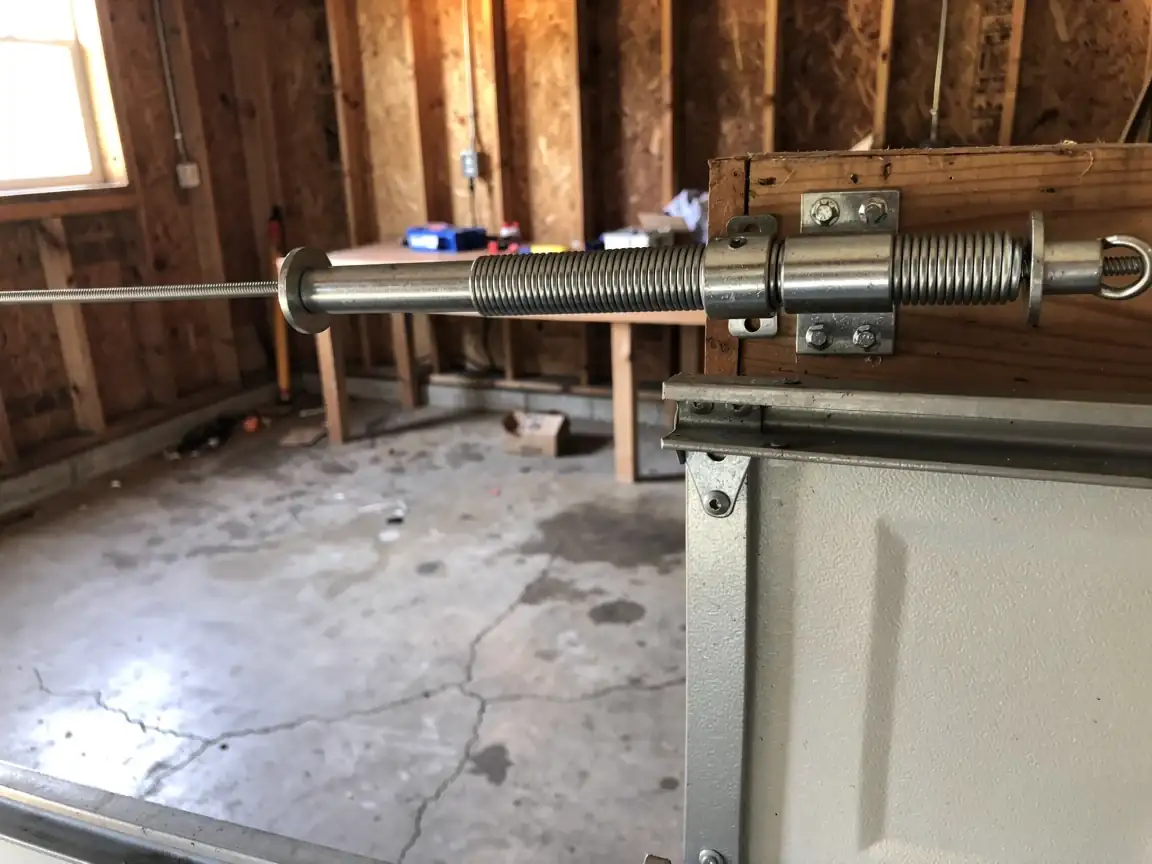
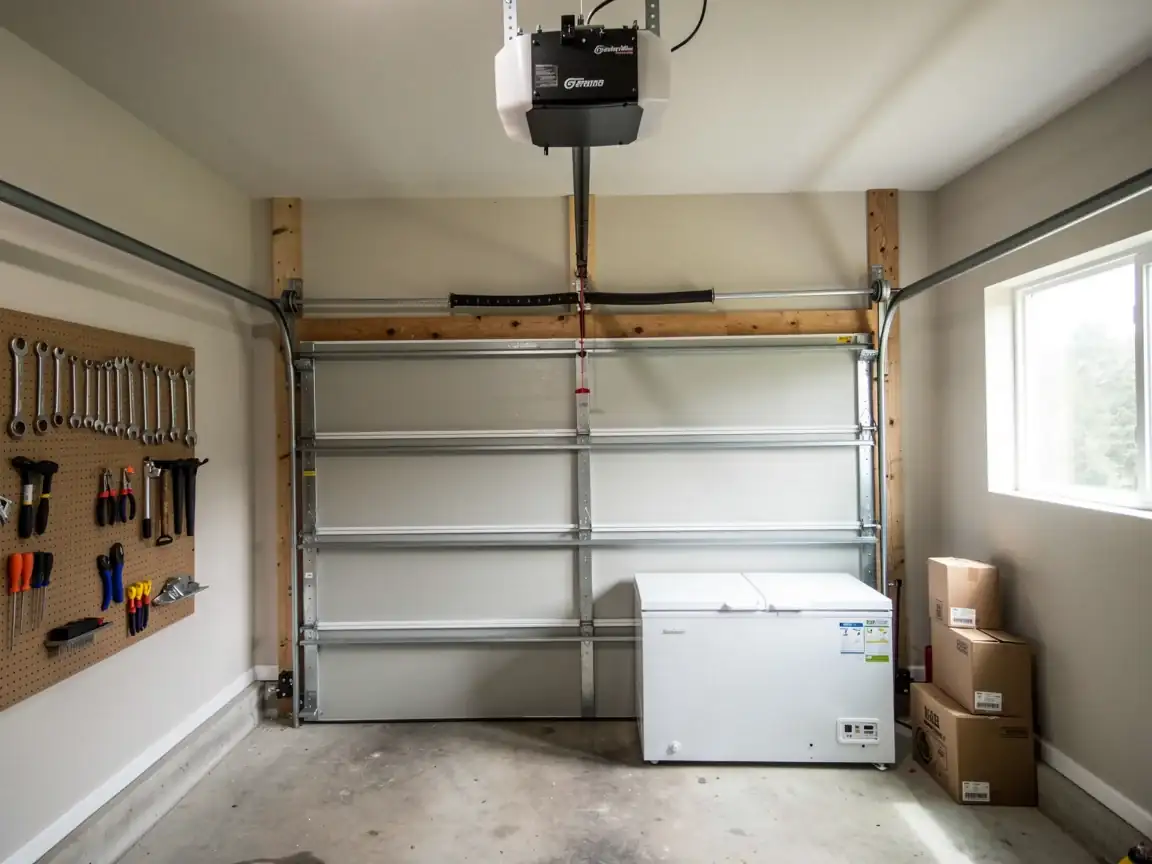
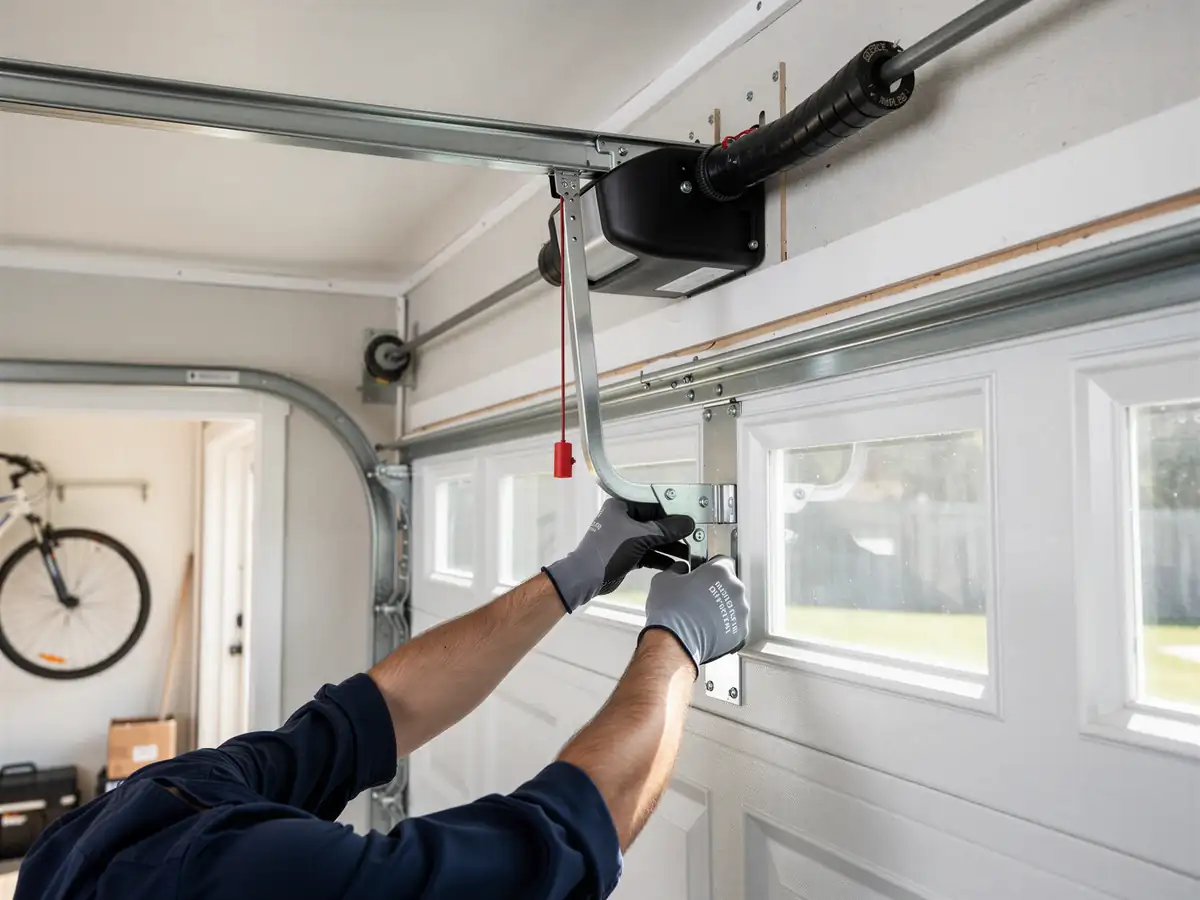
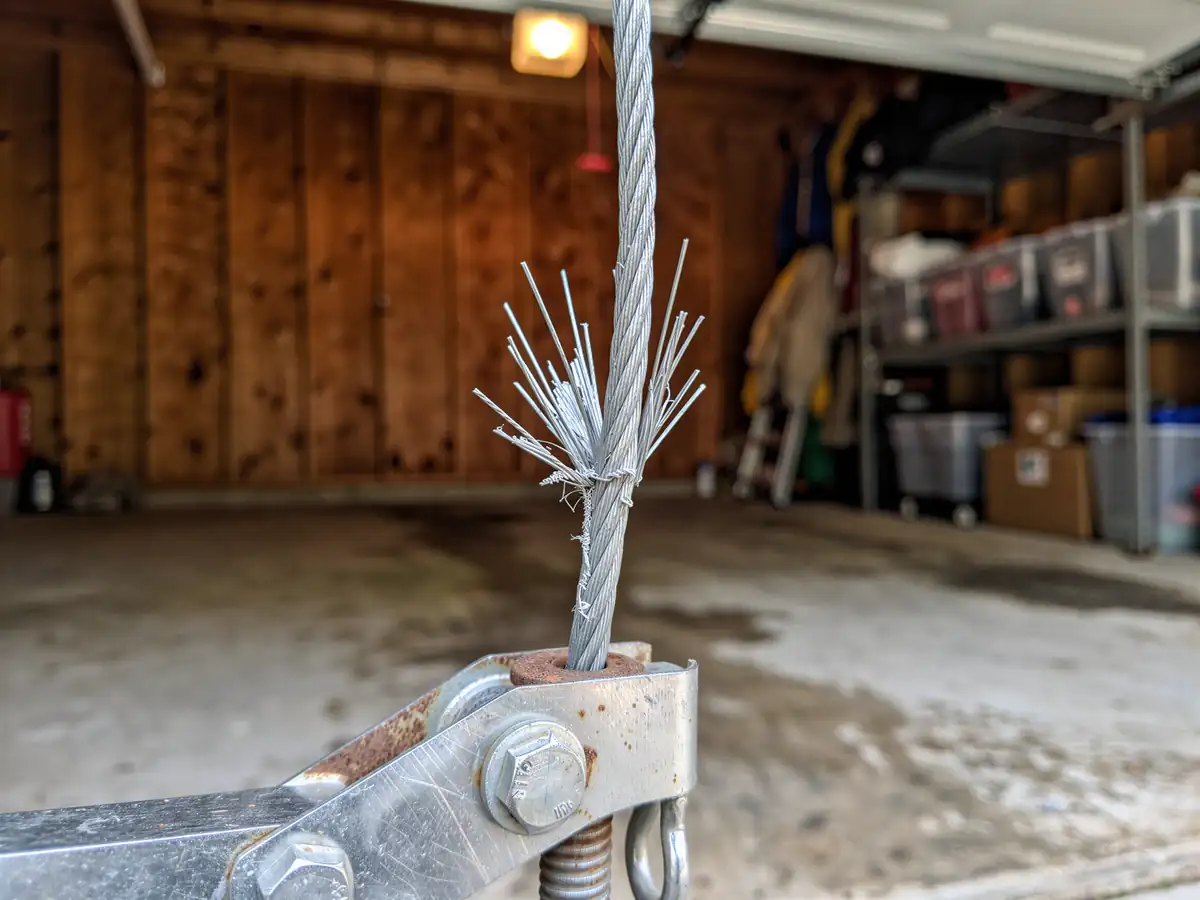
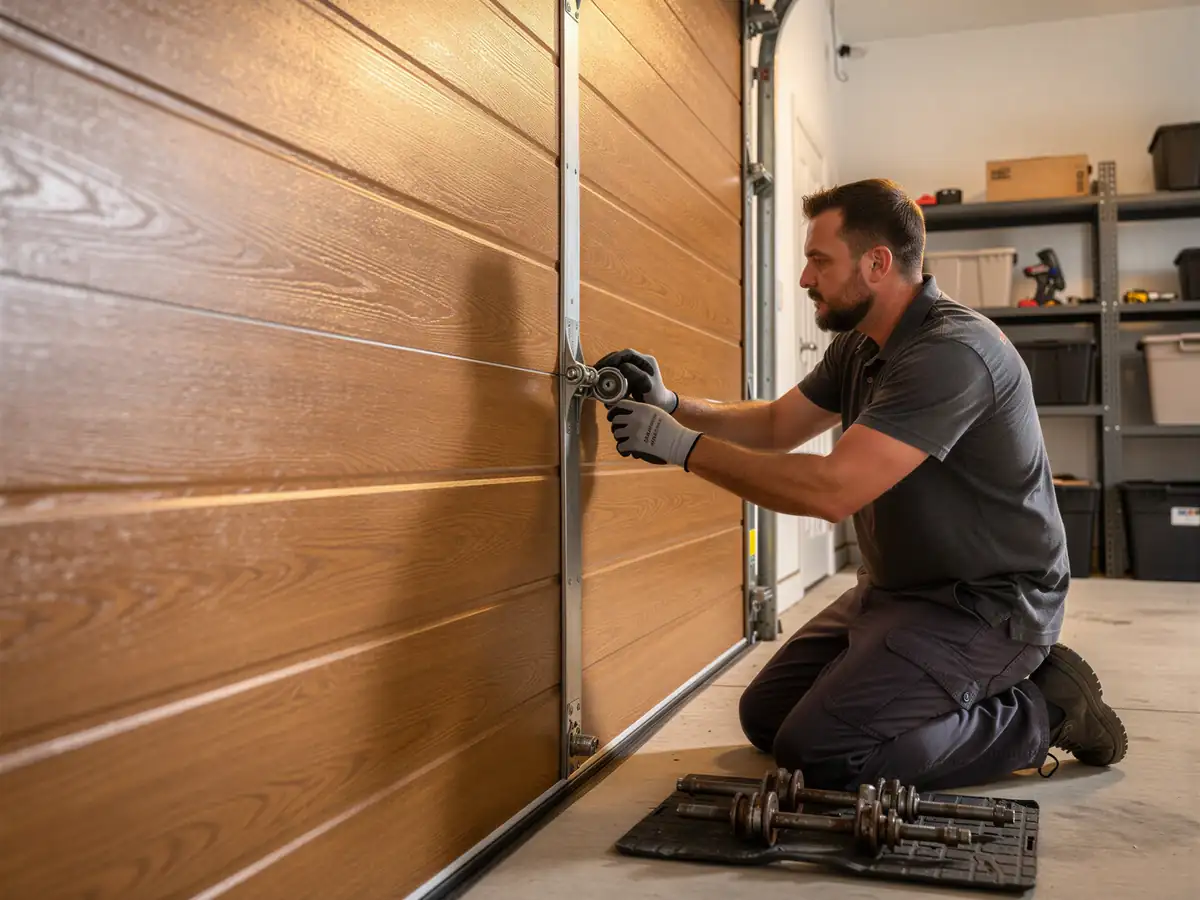
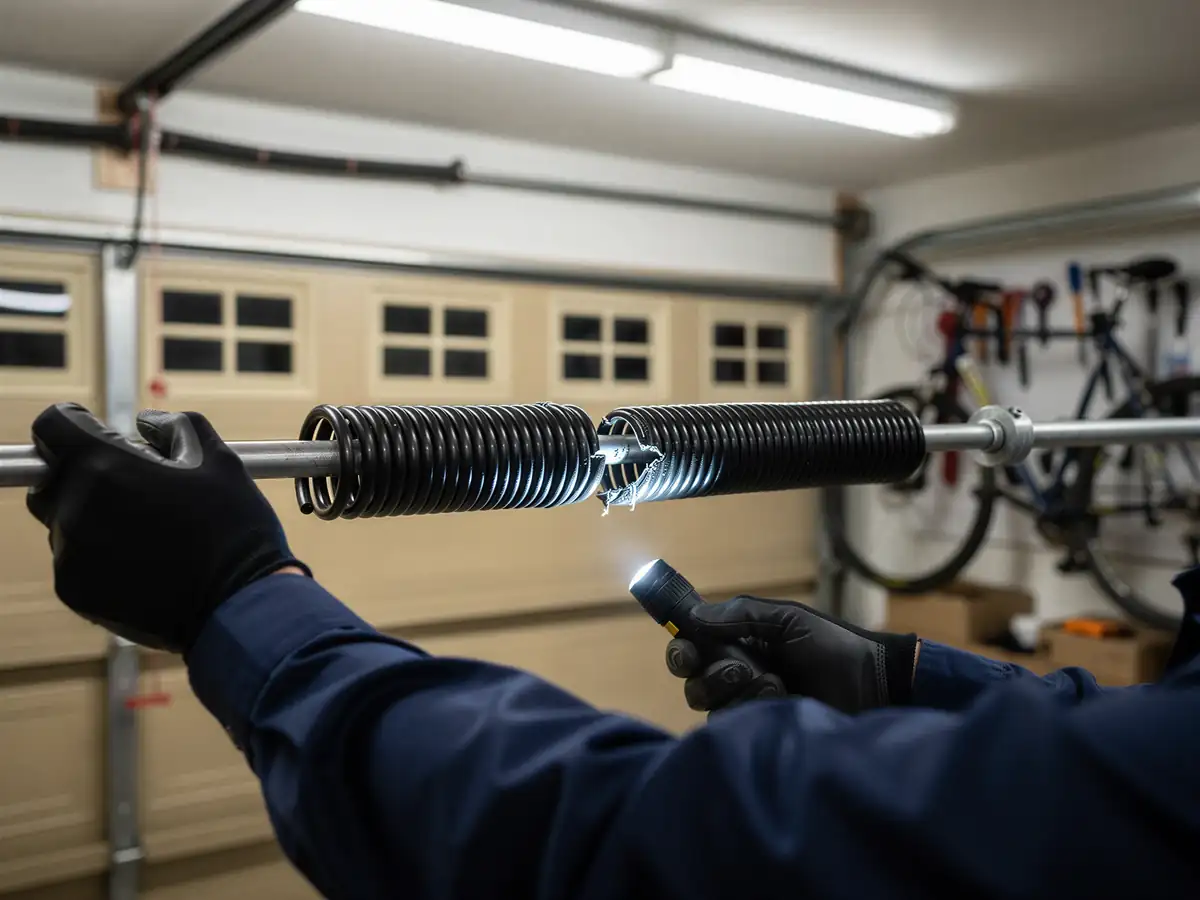
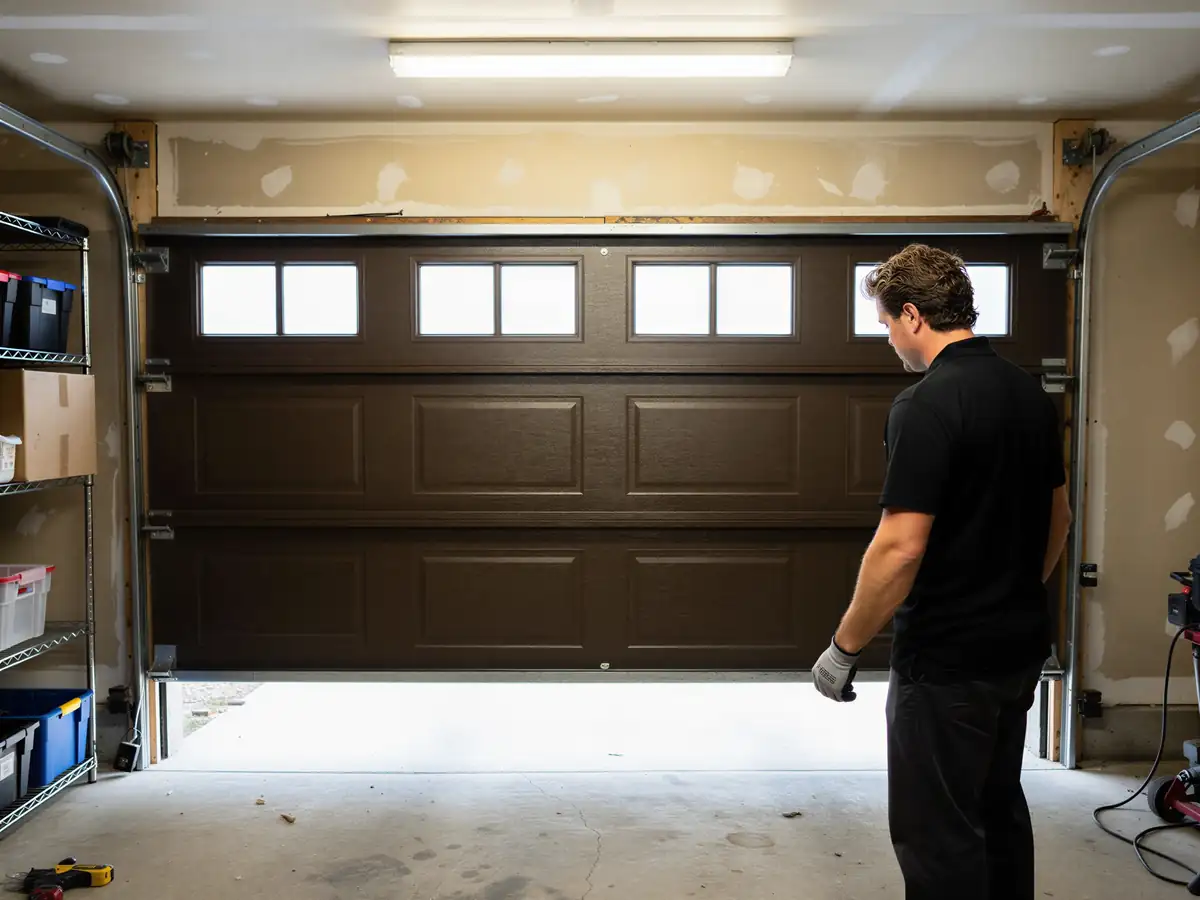
The call usually starts the same way: the door groans going up, catches halfway, or the opener strains and reverses before it clears the floor. Sometimes it's a scrape on one side that wasn't there last winter. None of that is random. Most of the housing in this service area went up between 1938 and 1988, with the median landing around 1965, and a door built on 1960s hardware behaves differently in January than it does in July. Steel springs lose tension as they age, and cold makes that worse - the metal gets stiffer, lubricant thickens, and a spring that was already near the end of its cycle count finally gives up. On a lot of these houses the opener is original equipment too, straining to lift a door it was never tuned for after decades of wear on the rollers and track. If you're hearing new noise, feeling new resistance, or watching the door hang crooked by a quarter inch, that's wear talking, not bad luck. Catching it during a maintenance visit, before the spring lets go entirely, is the difference between a 20-minute adjustment and a torsion spring replacement with the door stuck shut until parts come in.
Stocked Parts
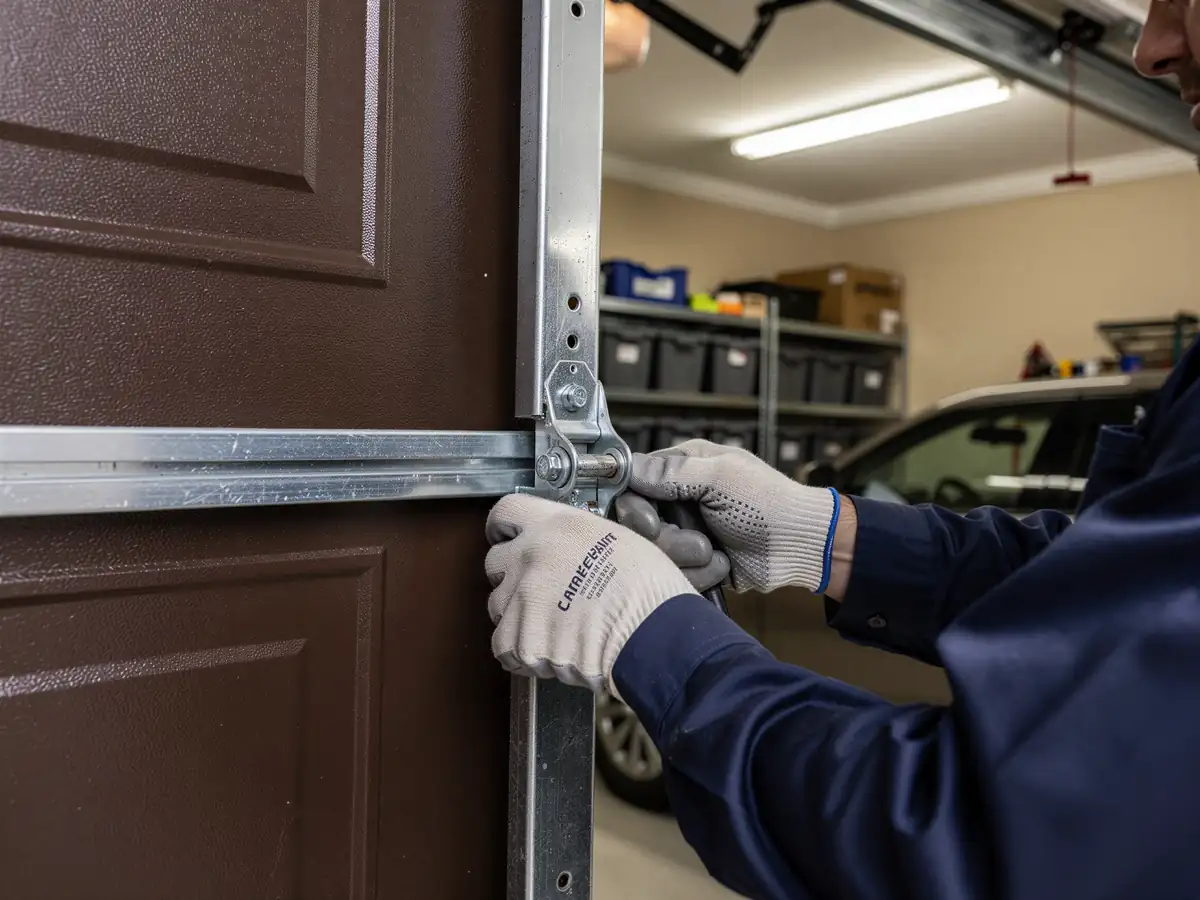
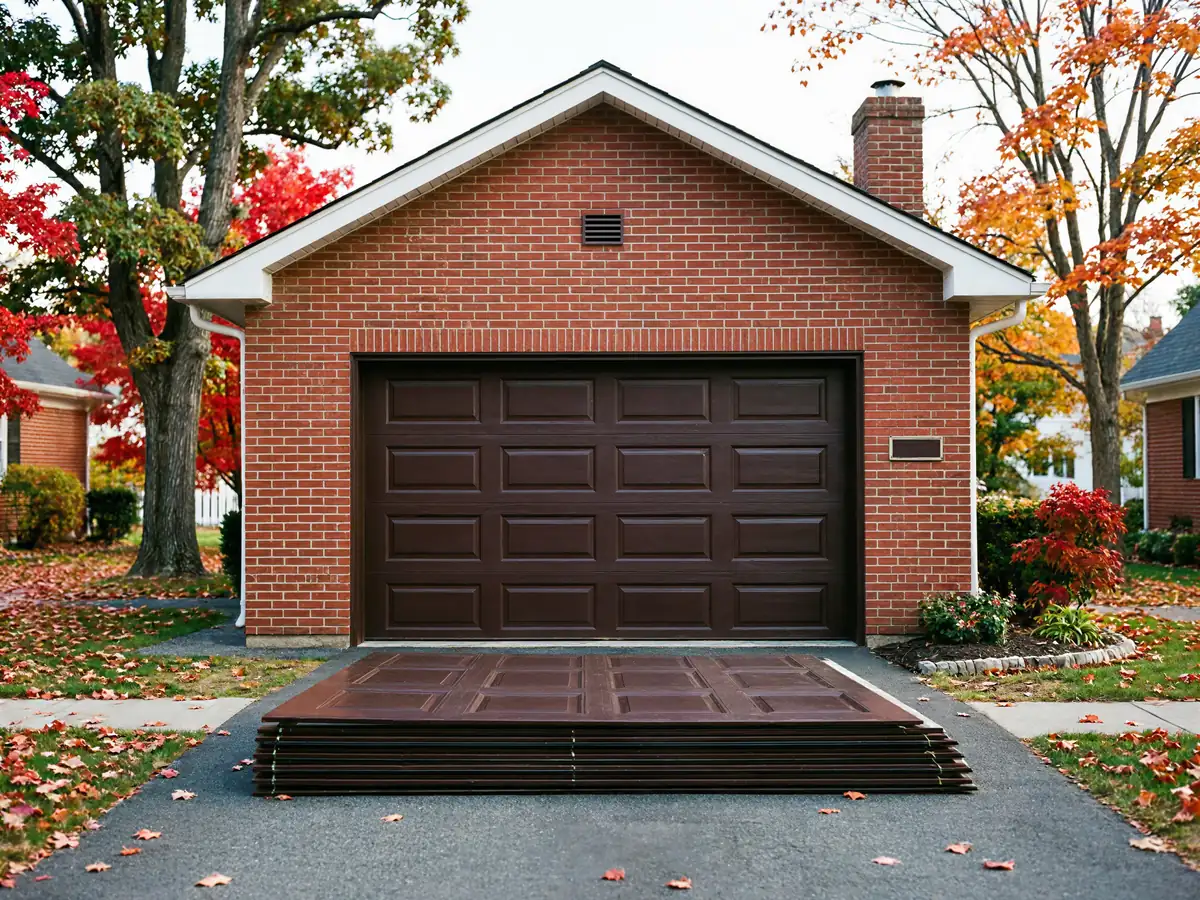
We carry the rollers, cables, and torsion springs sized for the hardware that actually shows up on doors built in this era - the 1960s and '70s stock that dominates across the 55 named communities in this service area, not the newer composite-door parts you'd find on houses built after 2000. That includes steel springs rated for the cold-climate duty cycle this region sees, since a spring undersized for local winters just means a repeat visit. Weatherstrip is another one we keep on hand in cold-rated compound rather than the standard vinyl that cracks and stiffens below freezing - it's a small part, but it's the one that lets cold air straight into a garage all winter if it's the wrong grade. What we don't stock on the truck: specialty insulated panel sections for doors with a custom width or a discontinued manufacturer profile. Those get ordered, and depending on the make that can mean a wait. We'll tell you up front if your door falls into that category instead of promising a same-day fix we can't deliver.
Why This Fails Locally
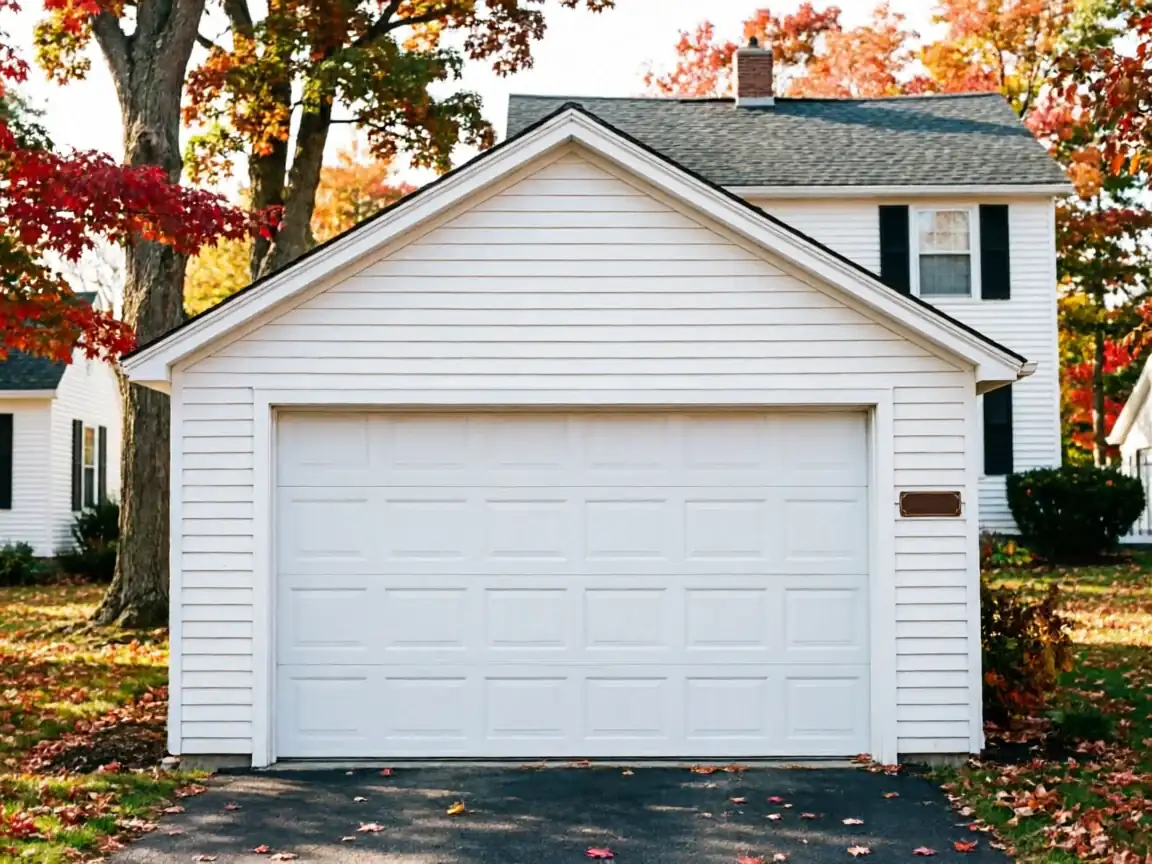
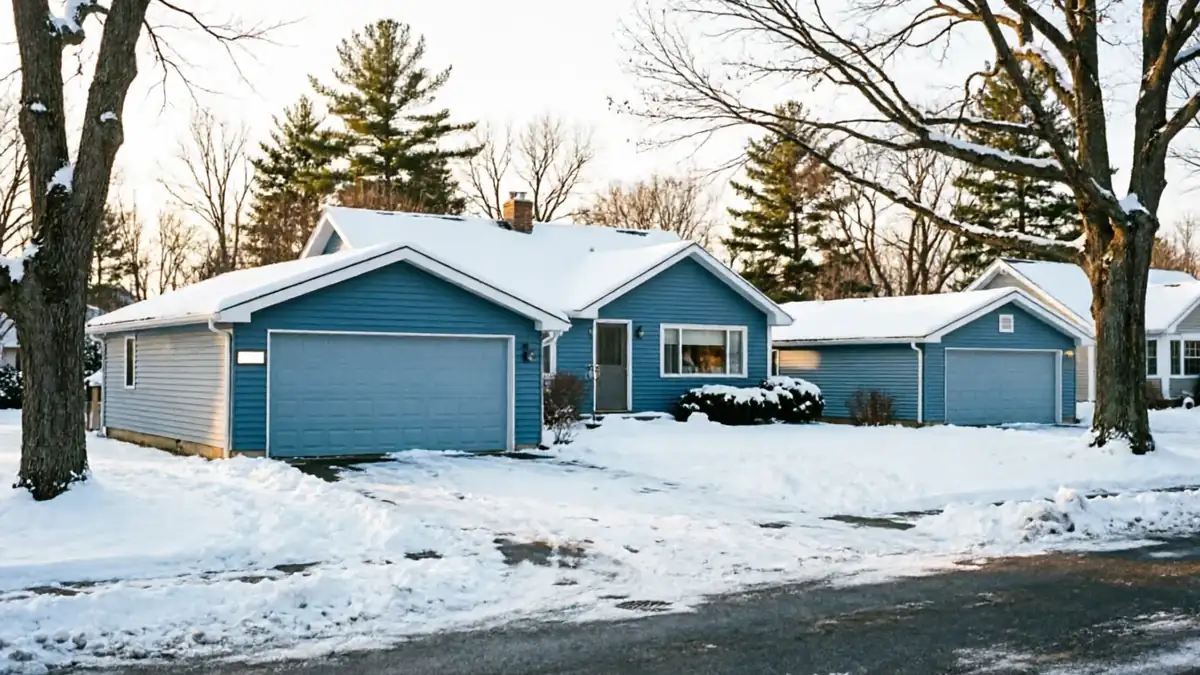
This area's housing stock is the whole story. With construction concentrated between 1938 and 1988 and a median build year around 1965, a huge share of the roughly 199,043 owner-occupied houses among the 365,662 households in this service area are still running doors, openers, or spring sets that trace back to that original build. Add a cold climate with severe winter swings, and steel hardware that's fine in August starts failing in December as metal contracts and lubricant stiffens on parts that are already decades into their service life. Towns within a few miles of each other - Winchester two miles out, Burlington and Stoneham at three, Reading at four - all share this same housing-age and climate pattern, which is why the same spring sizes and the same mid-winter failures turn up across the whole area rather than in just one neighborhood. At a median household income of $152,014 across the service area, a lot of owners can afford to get ahead of a failure with a scheduled maintenance visit instead of waiting out a spring that snaps at 6 a.m. on the way to work. Maintenance doesn't stop a 55-year-old spring from eventually wearing out. It buys you the choice of when that happens instead of letting winter pick the moment.