What the Weather Here Does to It
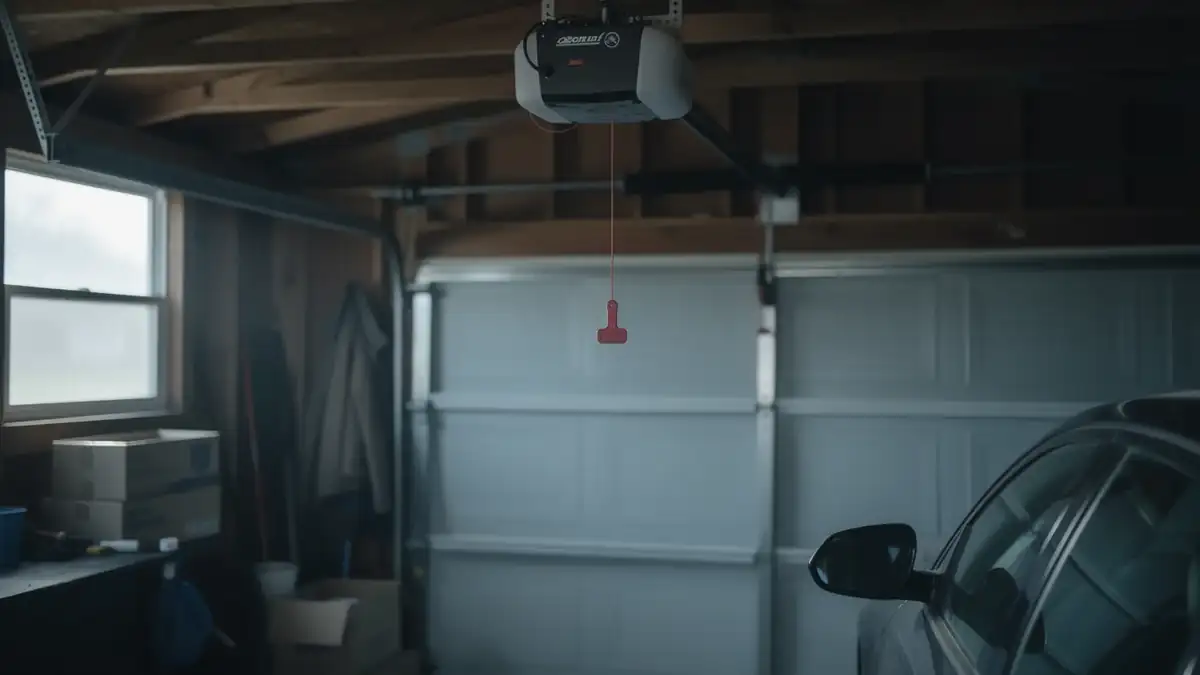
This area sits in a severe cold climate band, and that matters more for garage doors than people think. Cold snaps bring ice storms and high wind that knock out power for hours, sometimes overnight. A garage door opener with no power is just a motor bolted to the ceiling - it does nothing until the electricity comes back or you pull the manual release.
Most houses in this service area went up between 1938 and 1988, with the median landing around 1965. That's a specific problem here, because a 1965 house almost never had the garage opener wired in from the start. It got added later, often on a circuit shared with something else in the garage - a chest freezer, a shop light, a sump pump. When a cold-weather outage trips that circuit or kills power at the pole, the opener goes dark along with whatever else is sharing the line. On a newer house built with the opener planned in from the first blueprint, that's less likely. Here, it's common.
The Situation
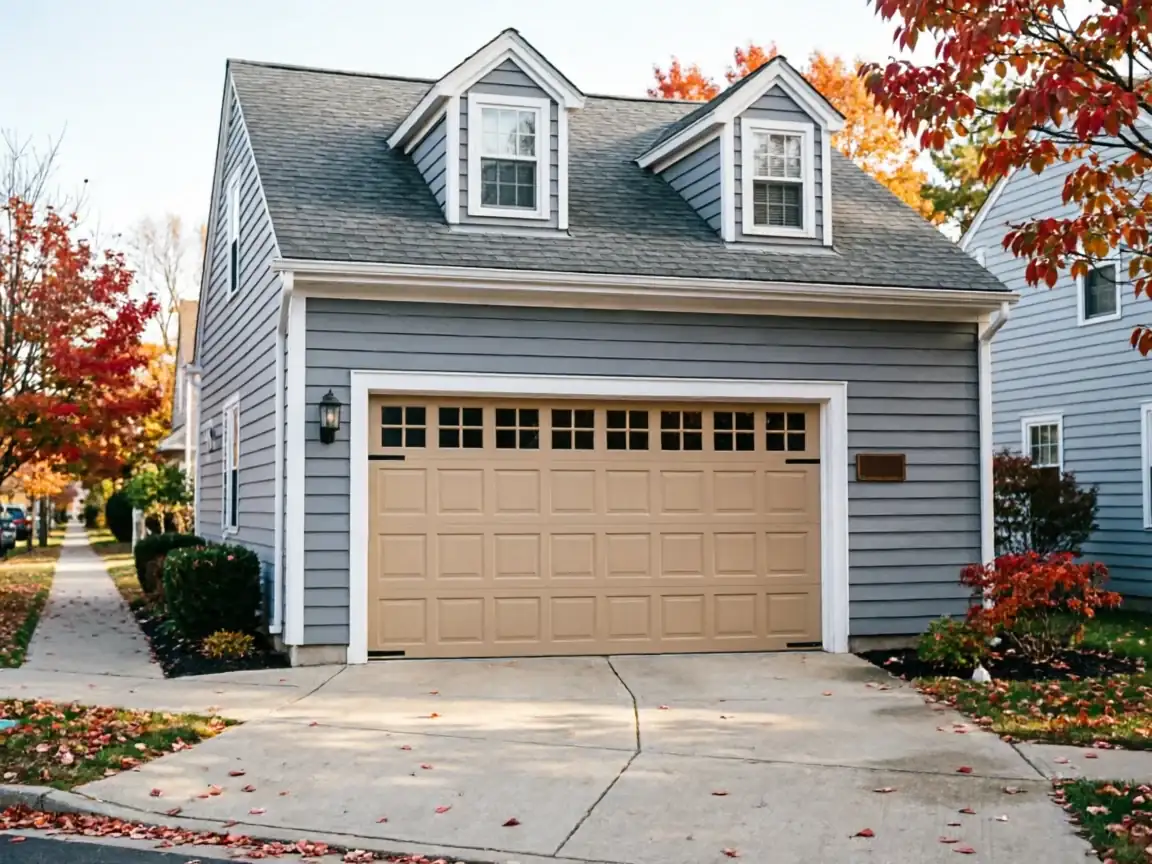
Across the 55 named communities this shop covers, the bulk of the housing stock is still 1960s and 70s construction. That means original one-car and two-car garages, retrofitted openers, and electrical panels that have usually been updated at least once but not always with the garage circuit in mind.
With roughly 199,043 owner-occupied houses across the service area, a lot of them share this same pattern: an opener installed years after the house was built, tied into whatever circuit was closest and easiest at the time. That's not a flaw, it's just how these houses were finished over the decades. The practical effect is that when the power drops in a winter storm, you're not dealing with a modern setup that has a battery backup built in from the factory. You're dealing with whatever was installed whenever that opener went in - which could be last year or could be twenty years ago.
When to Call Someone
Call if the door won't budge even after you've pulled the manual release cord
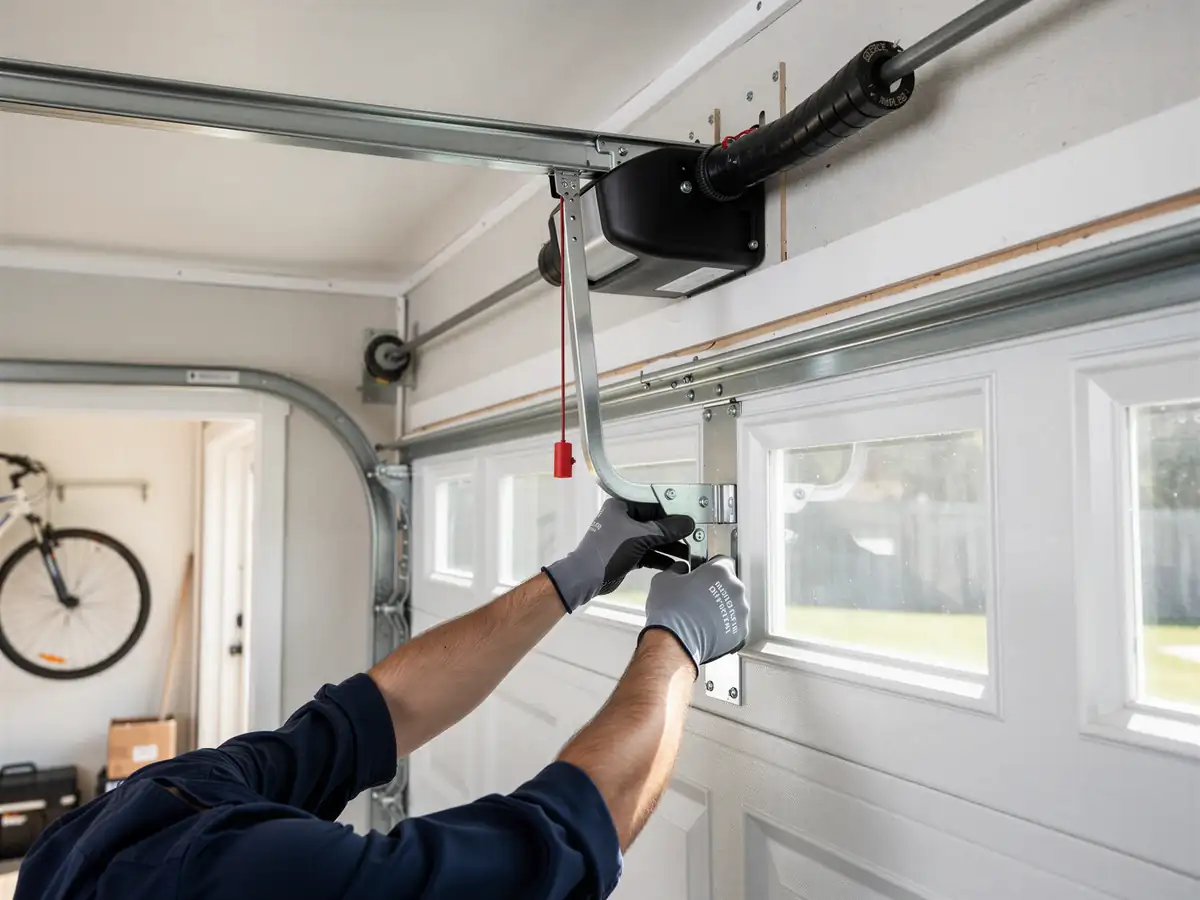
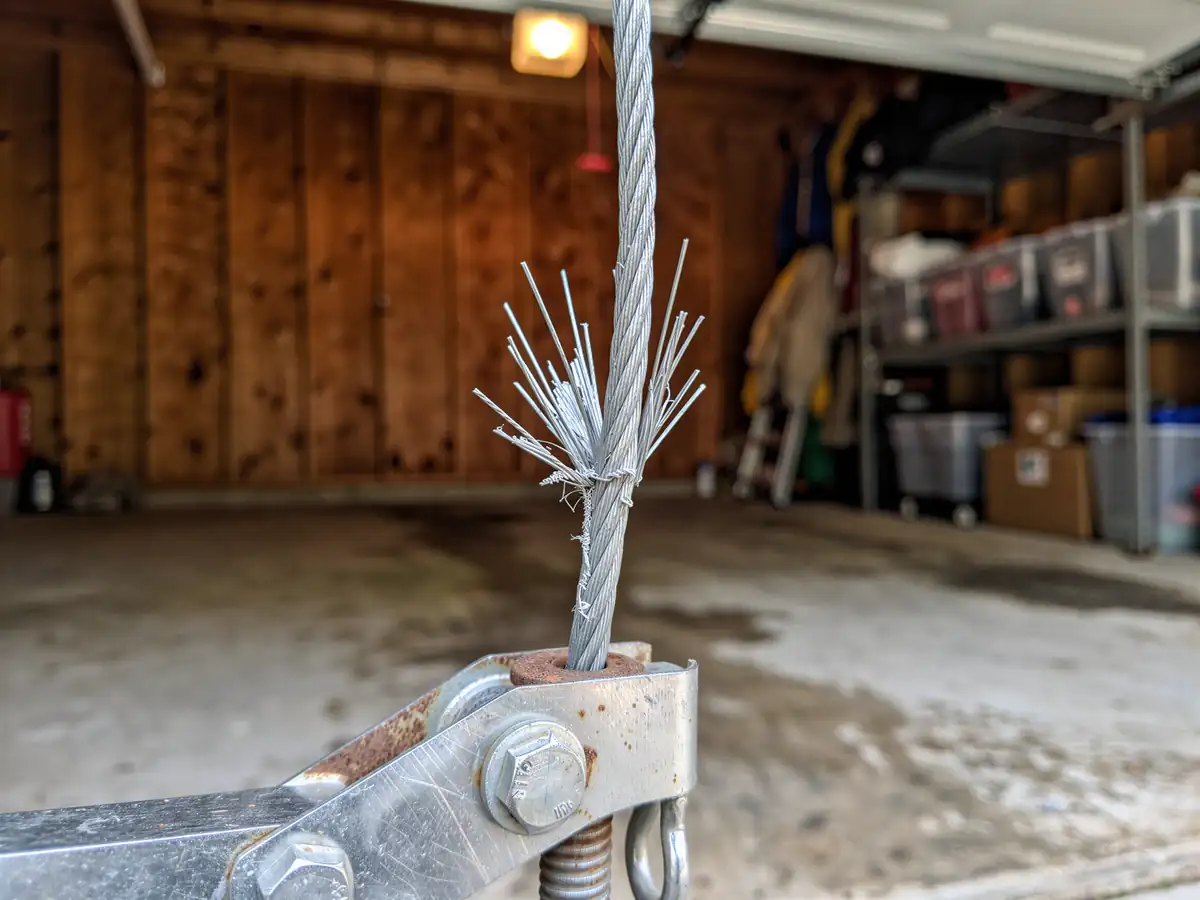
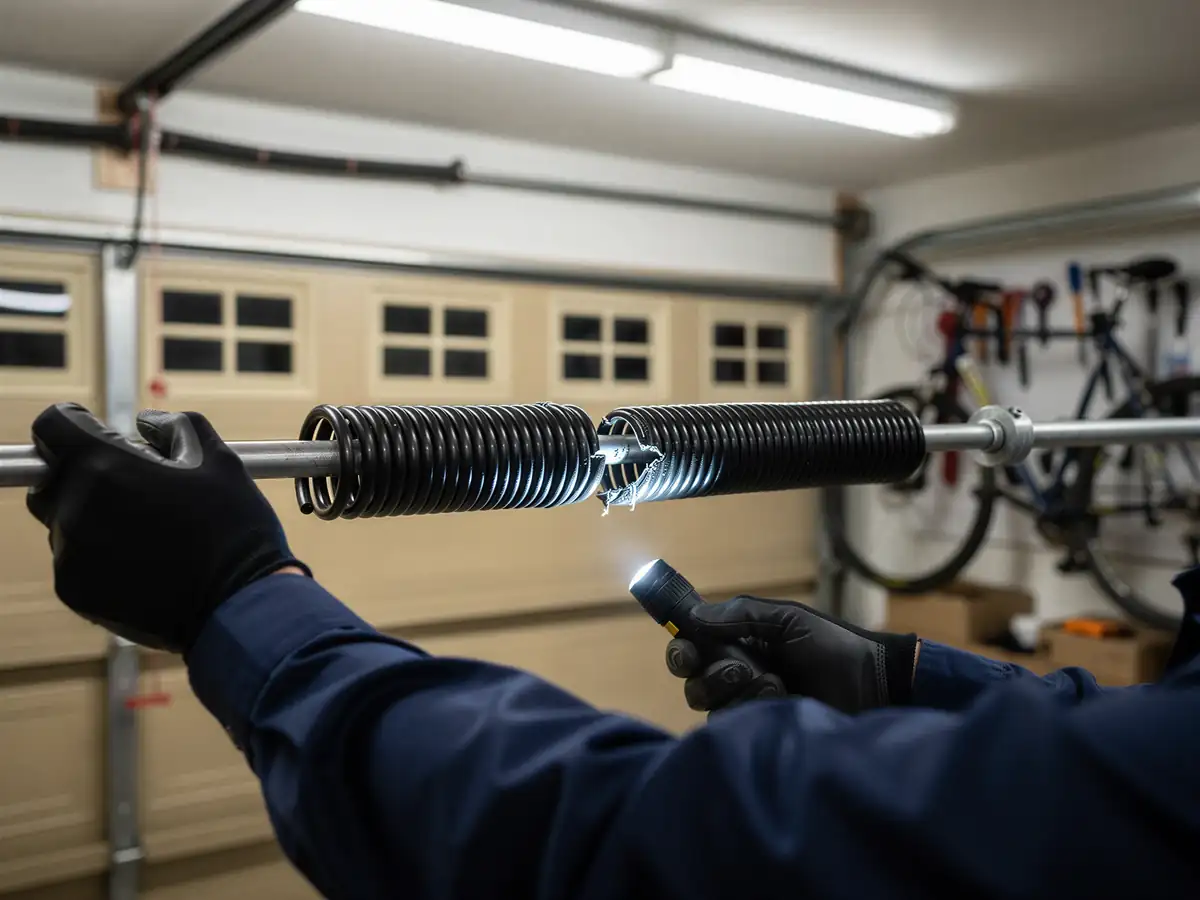
That usually means a spring problem, not a power problem, and pulling on it harder risks the cable or the track. Call if the opener runs but the door doesn't move, which often points to a stripped gear or a drive belt that's given out, not something tied to the outage at all. Call if you smell anything burning near the opener unit or the outlet it plugs into; that's an electrical issue, not a garage door issue, and it needs to be looked at before you touch anything else.
We don't do electrical panel work
That's outside what a garage door call covers, and if the circuit itself is the problem, you'll want an electrician for that part of it. We can tell you whether the opener or the door mechanism is the issue, but rewiring a shared circuit from a 1960s panel is a different trade.
When Waiting Is Fine
If the power just went out and the door was already down, leave it. A closed door with no power isn't an emergency - it's just closed. Use the manual release if you need the car out, then reset it once power's back; that's a five-minute job, not a service call.
If the opener hums but seems sluggish right after power returns, give it a few minutes. Some units reset slowly, especially older ones that have been running the same motor for years on a house built in the 1960s or 70s. If it's still sluggish the next day, that's worth a call. If it sorts itself out, you've saved yourself a truck visit for nothing.