Stocked Parts
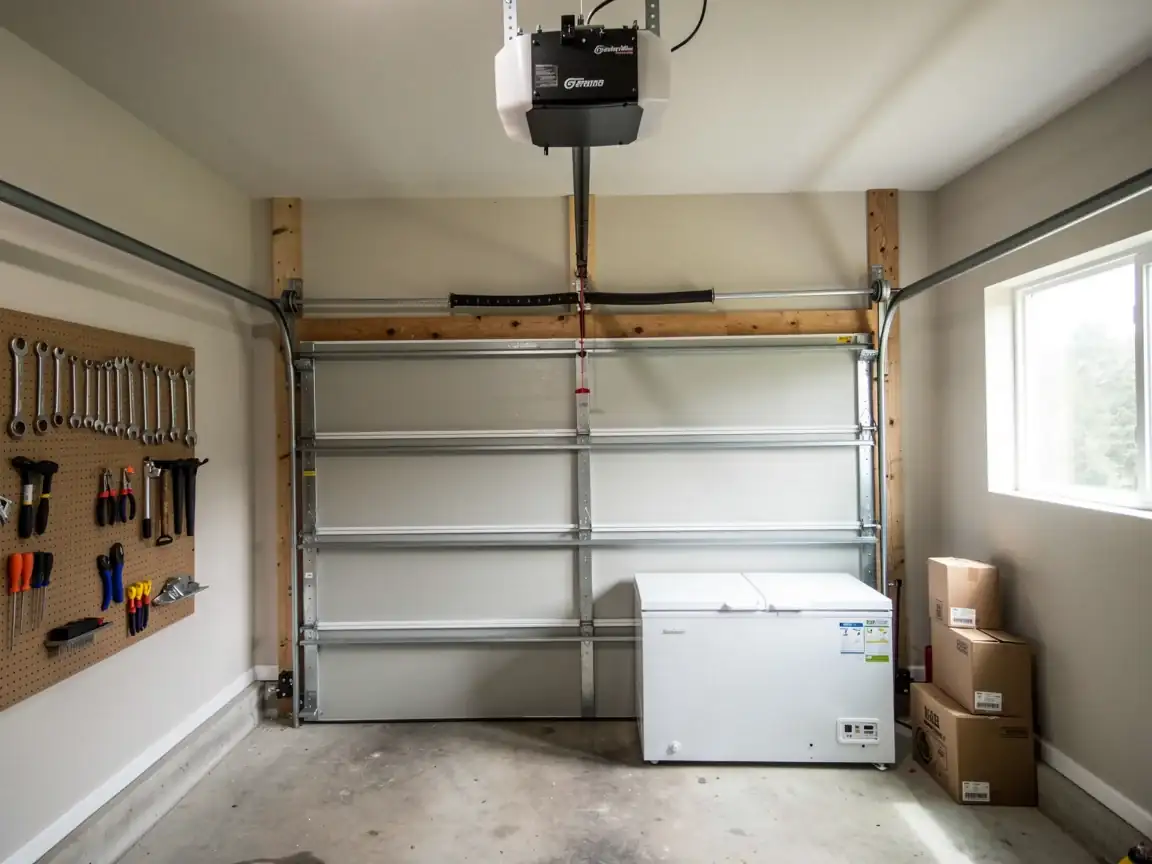
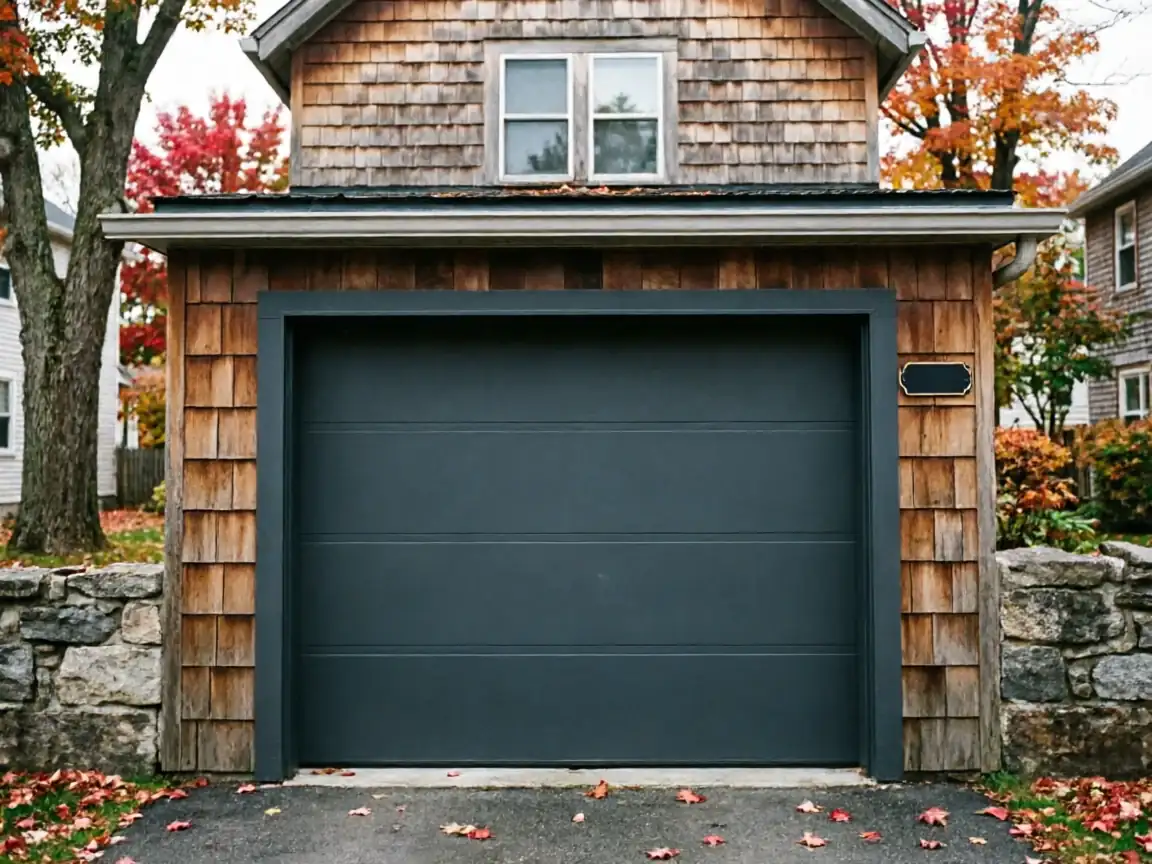
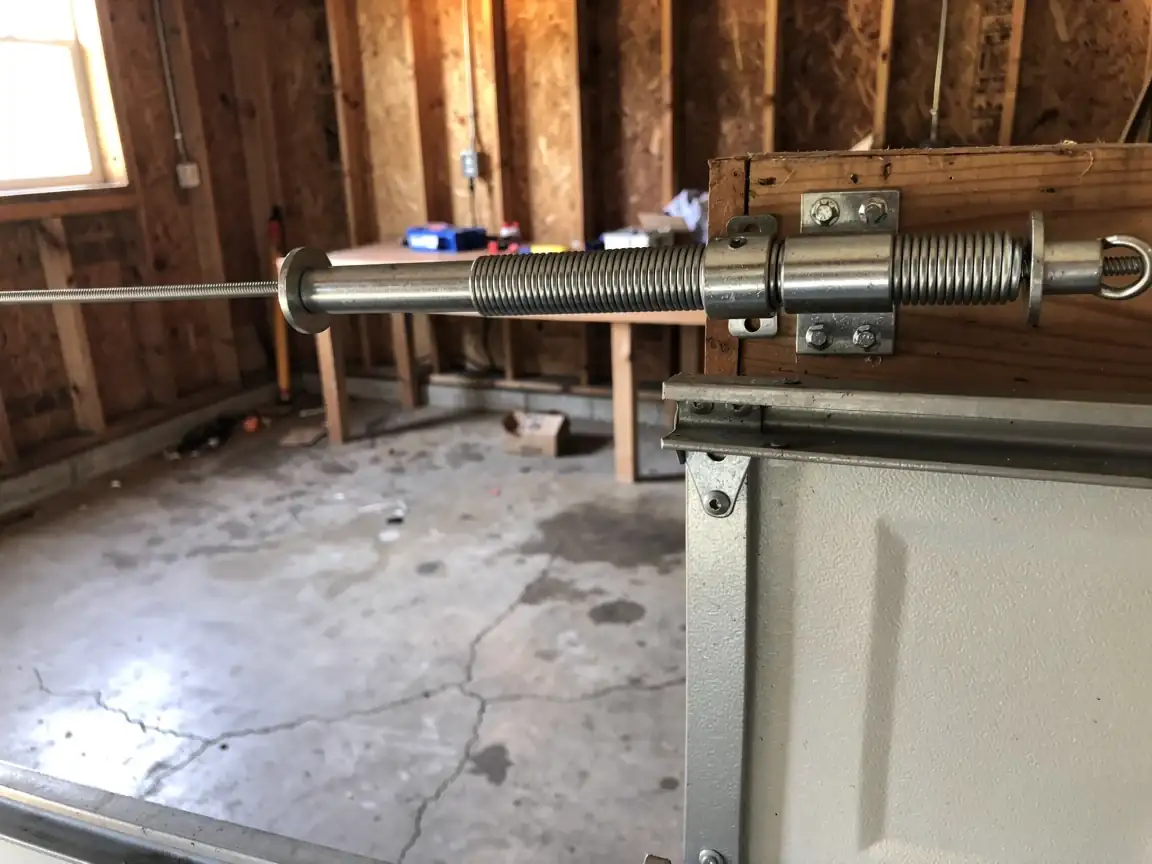
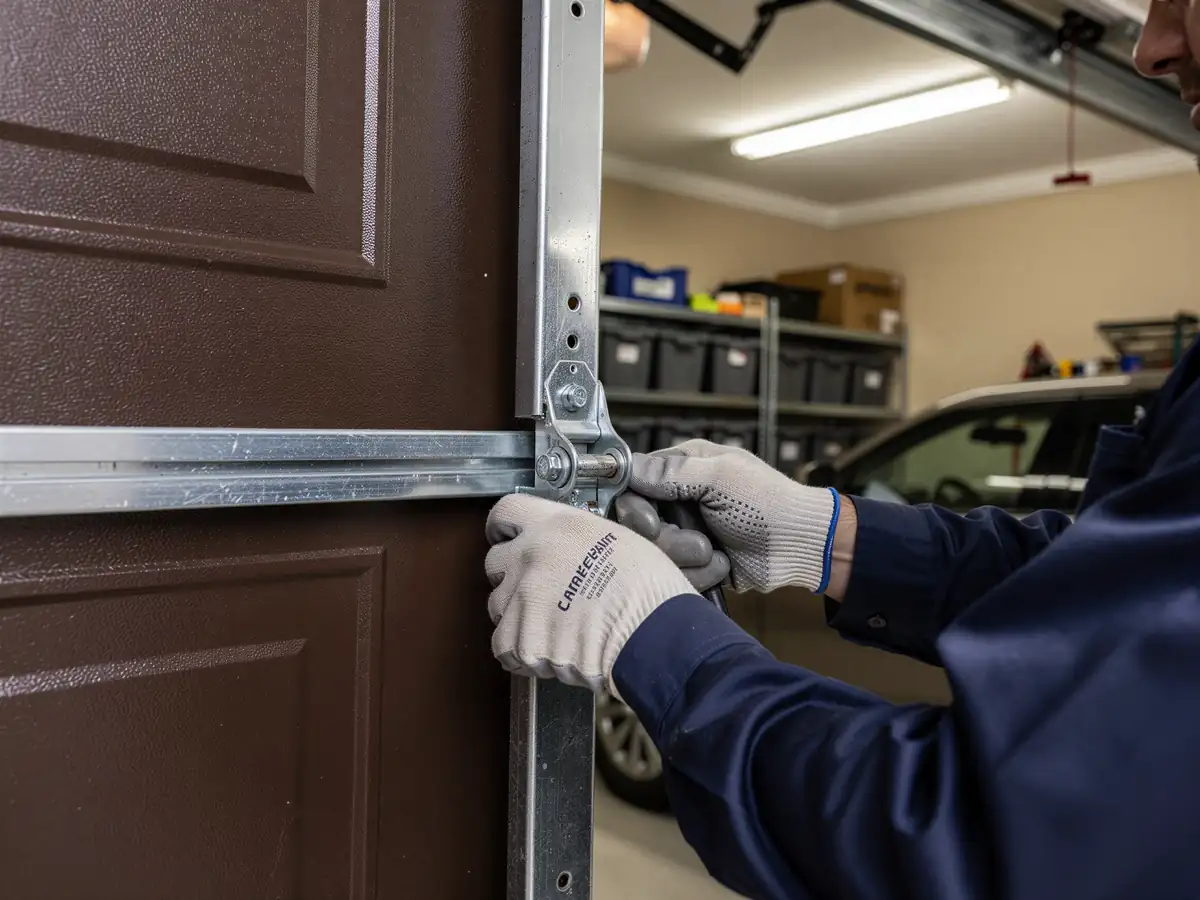
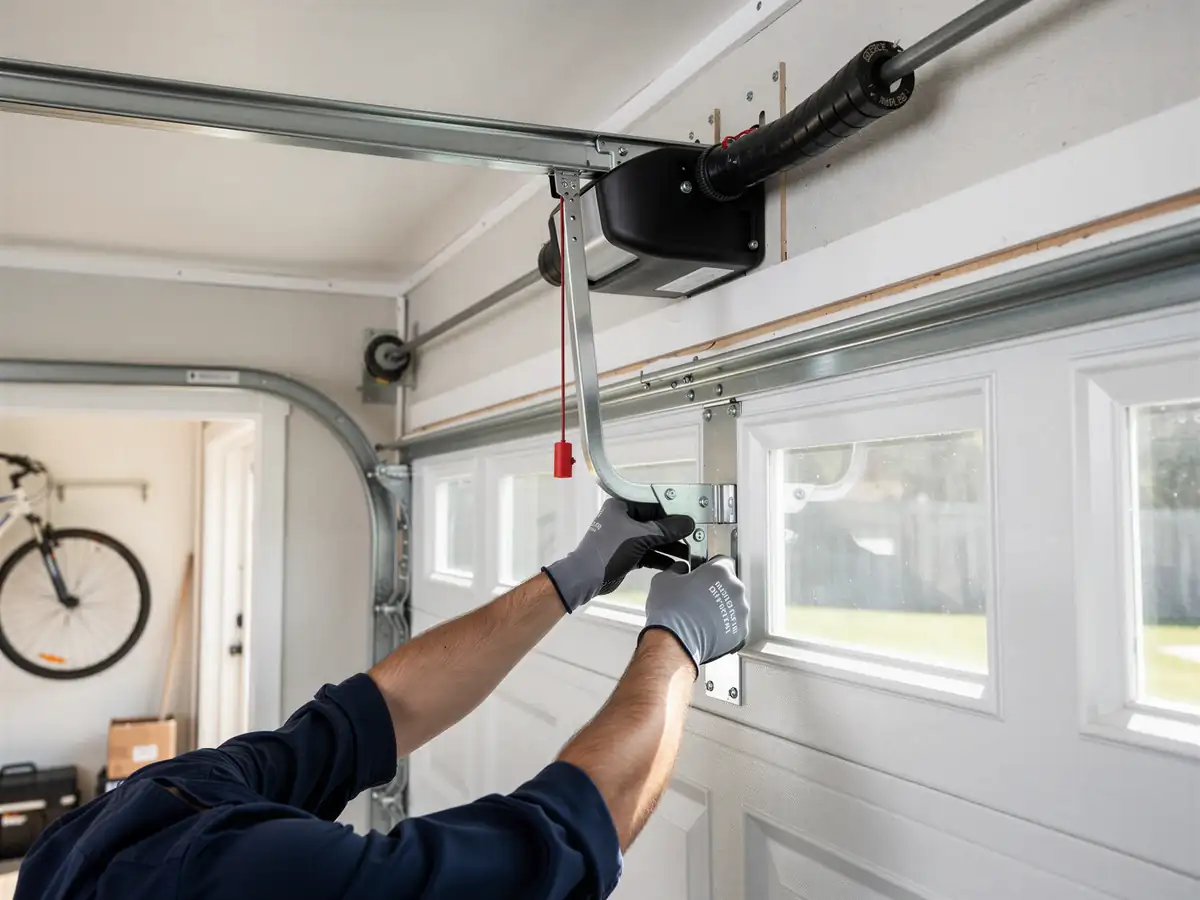
The run from Woburn to Reading is four miles, short enough that we're not guessing at what to bring - we load the truck based on what the house is likely to need before we leave. Reading's housing mostly went up around 1960, which means a lot of garage doors here were built for openers that have long since been discontinued. We carry universal mounting brackets, standard 1/2 HP and 3/4 HP chain and belt drive units, and the sensor wiring kits that older installs never had. What we don't keep on the truck are specialty rail extensions for oversized or custom doors - if a Reading garage turns out to need one, that's a second trip, and we'll tell you that on the spot rather than make you wait at the curb while we sort it out. Four miles means a callback for a missing part doesn't blow the day the way it would on a longer haul, but it's still a second visit, and we'd rather set that expectation up front than surprise you with it.
Where This Job Goes Sideways
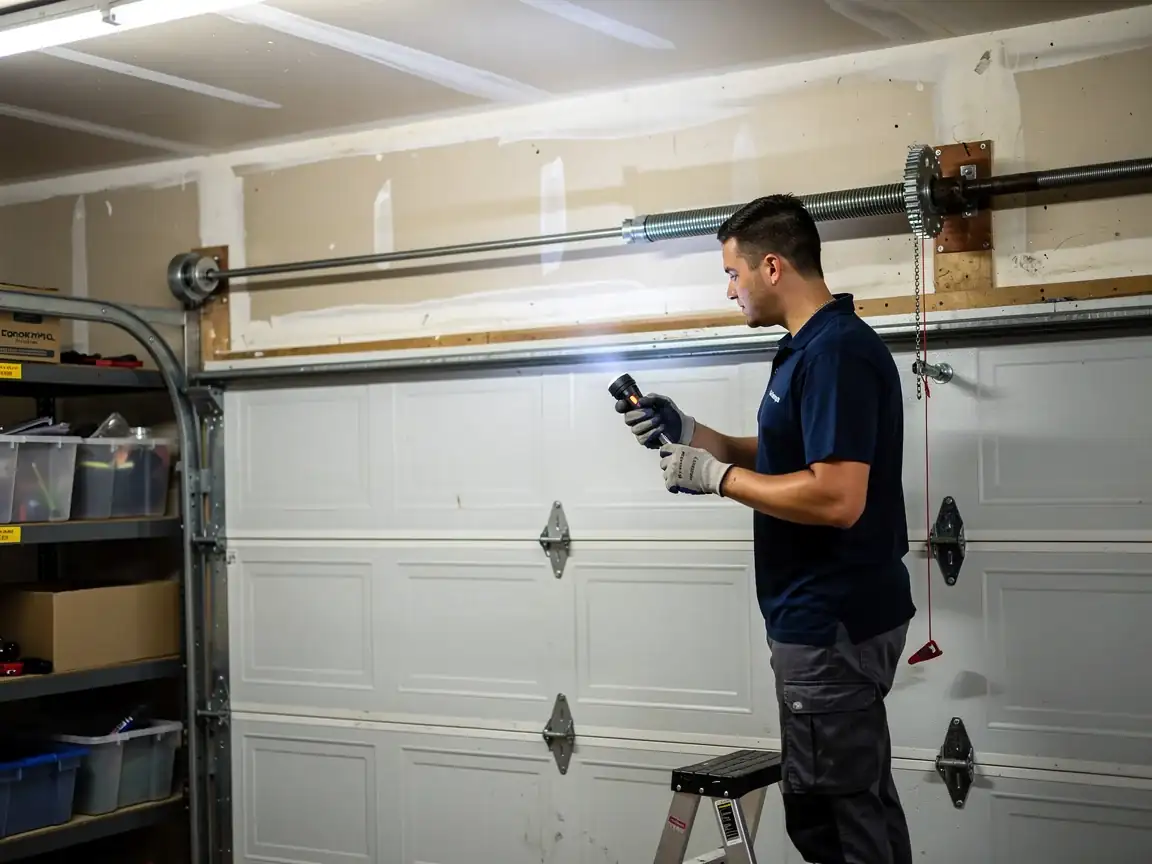
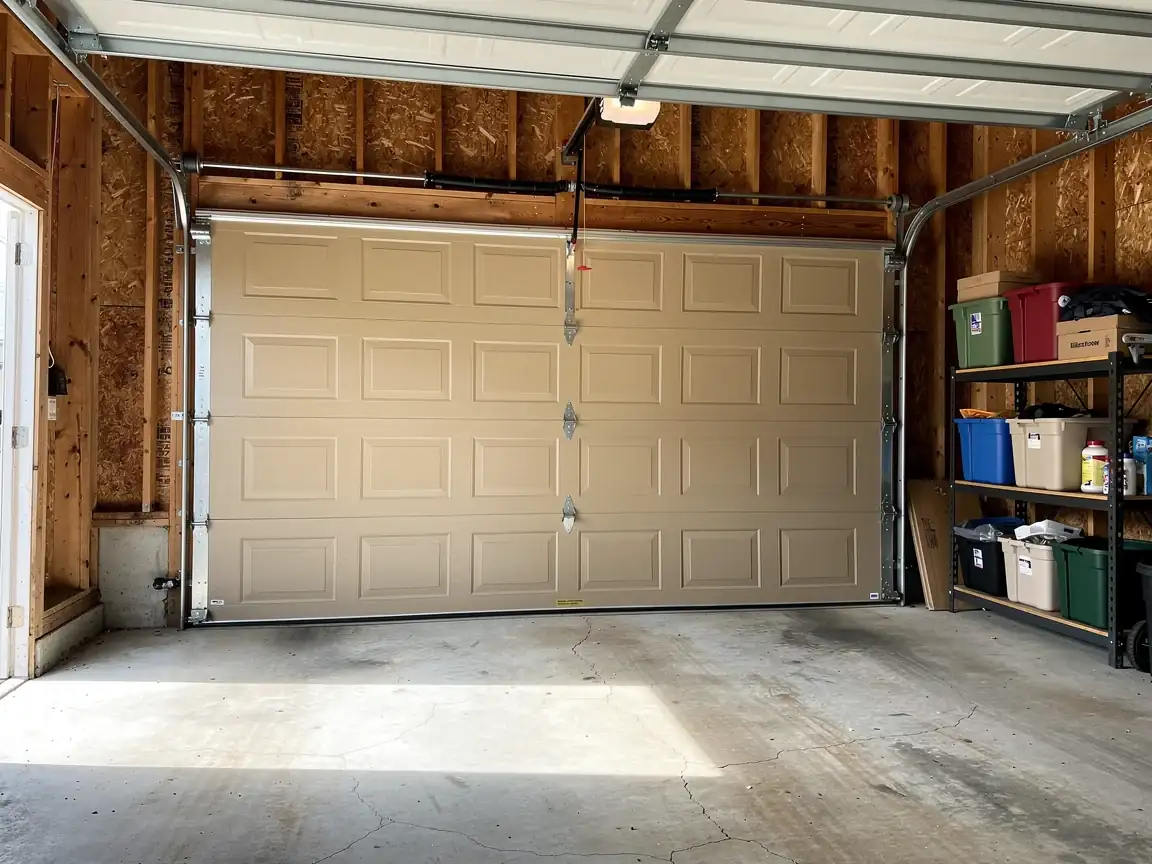
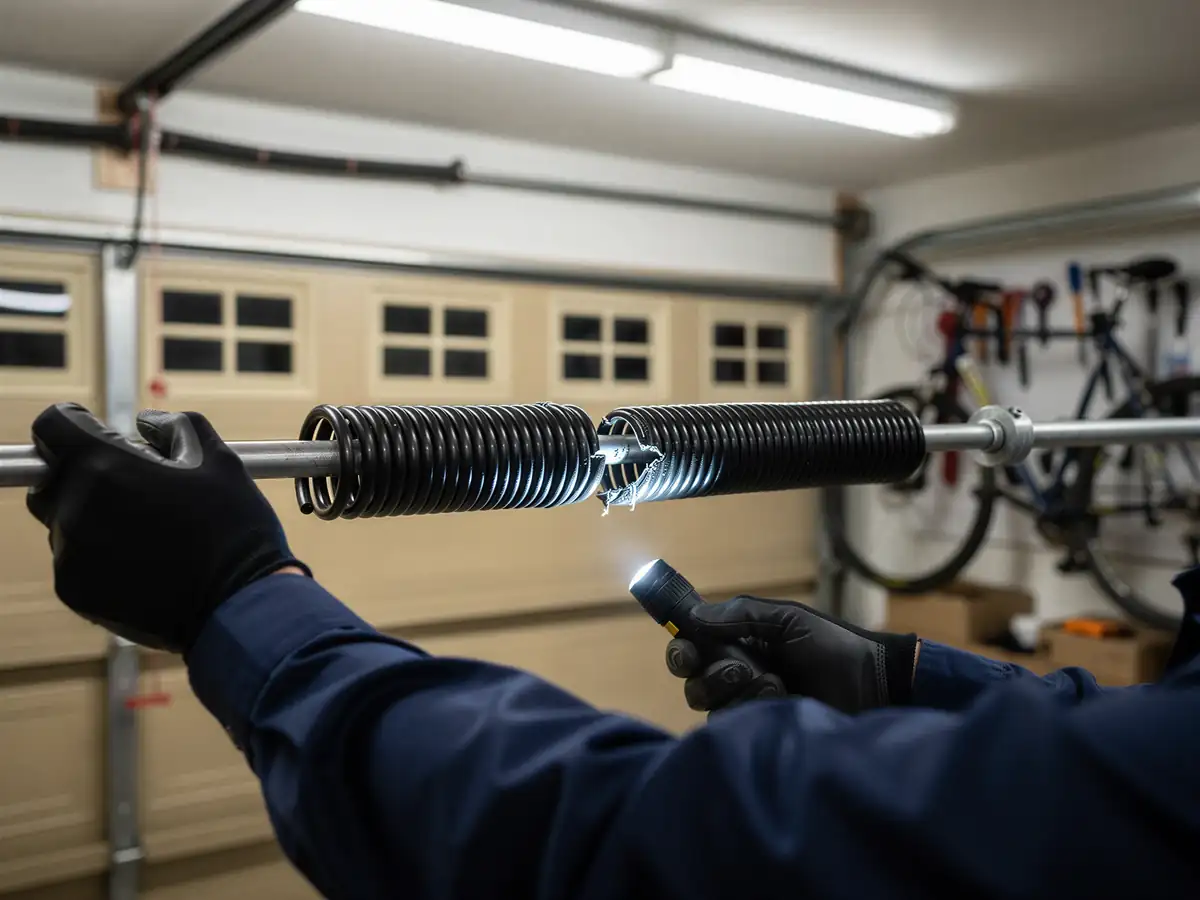
A house built around 1960 usually has the original header framing, and that framing was never sized for a modern opener bracket or a safety-sensor run. The job goes sideways when the ceiling joist spacing doesn't line up with where the rail wants to mount, or when the existing door track was set for a manual pull with no room for a drive arm. Reading sits in a cold-climate zone with real winter load on hardware, and a lot of these 1960-era doors were matched to openers that never accounted for that - the motor strains, the gears wear faster, and by the time it fails it's often taking the track alignment with it. We also run into old two-wire systems with no modern safety reversal, which by code we won't just wire a new opener into; that part of the house has to be brought up before the opener goes in, and that's a conversation we have before we start, not after.
The Symptom
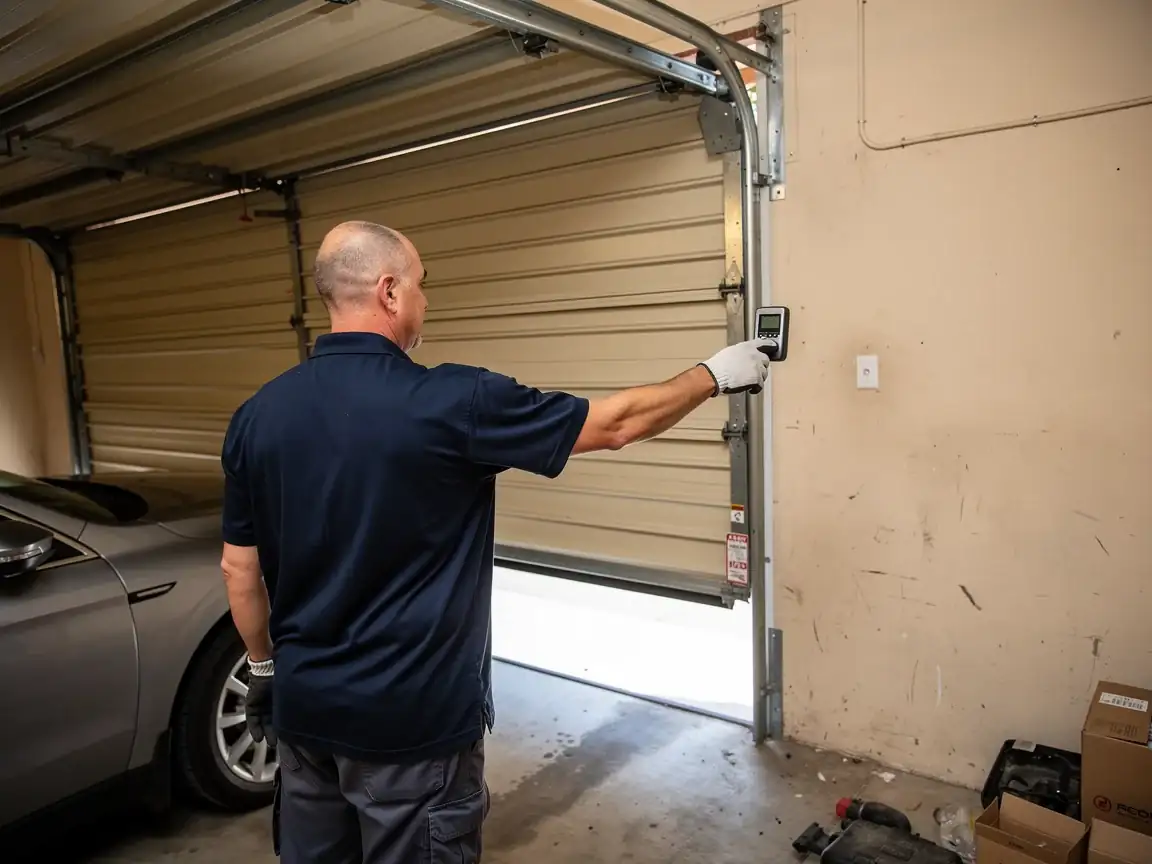
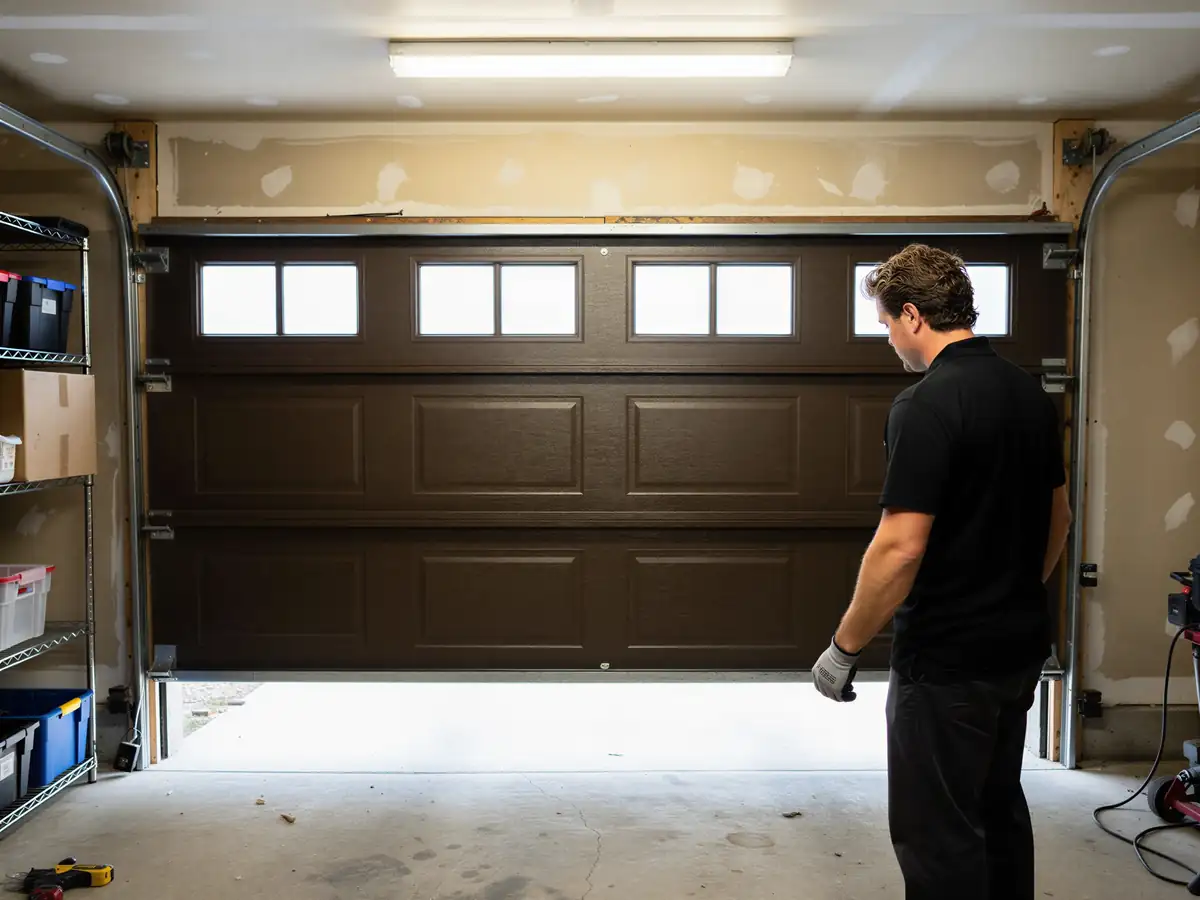
The most common call we get out of Reading is an opener that runs but won't fully close, or one that reverses partway down for no visible reason. On a 1960-built house that's almost always a sensor alignment knocked out by age, or a travel-limit setting that was never adjusted after the original spring tension was redone. Less often it's the motor itself giving out under a winter load it was never sized for. Either way, a four-mile run from Woburn means we can usually diagnose it on the first visit and tell you right then whether it's a sensor fix or a full opener swap - we're not driving back out to guess twice.