Serving Woburn, MA & nearby
(781) 201-6676
Woburn, MA

Garage Door Maintenance for Reading's 1960-Era Doors

Reading's garage doors mostly date to 1960, older than most of the service area. We tune the hardware that era actually used, from a truck based four miles away in Woburn.

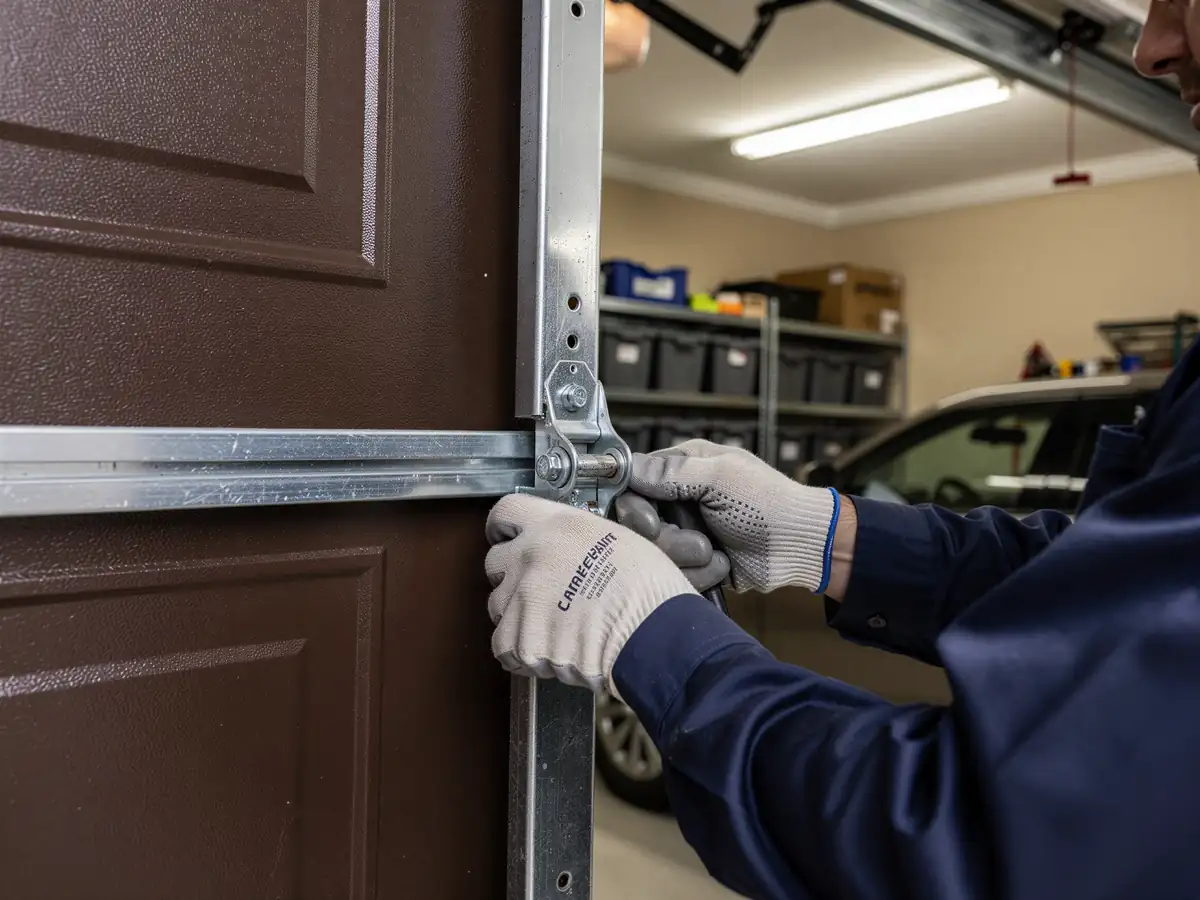
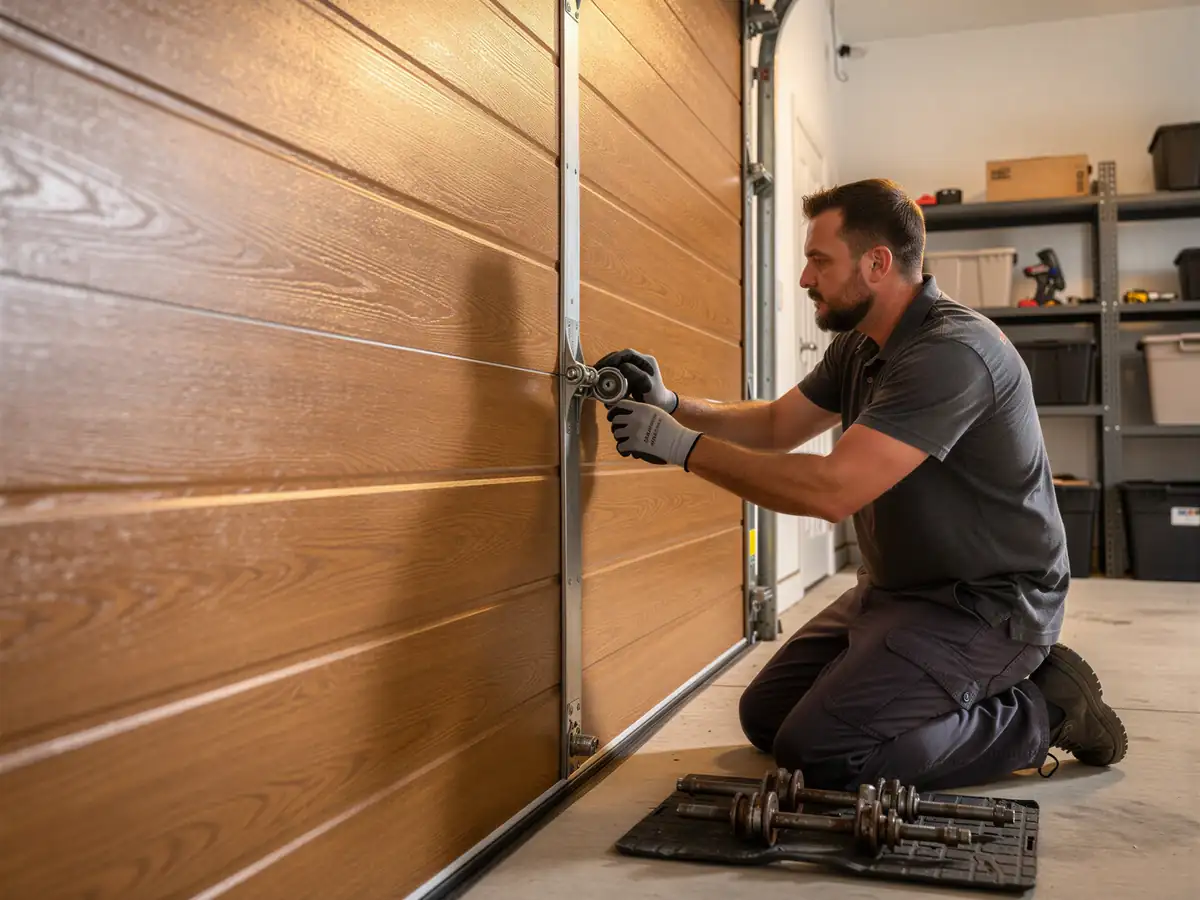
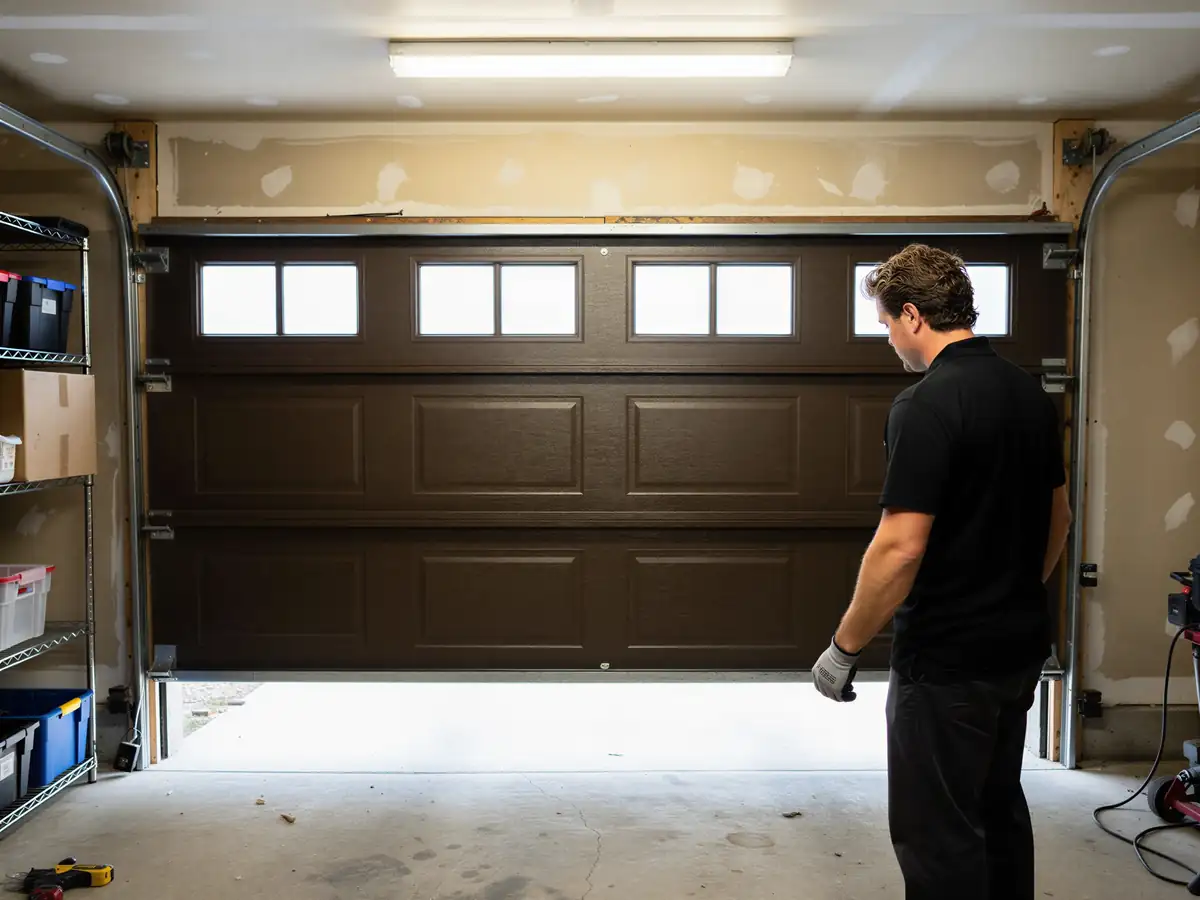
A technician stands in front of a brown garage door that is partially open.
Woburn, MA
8 services
4 service areas
Diagnosis first, then the fix

Stocked Parts

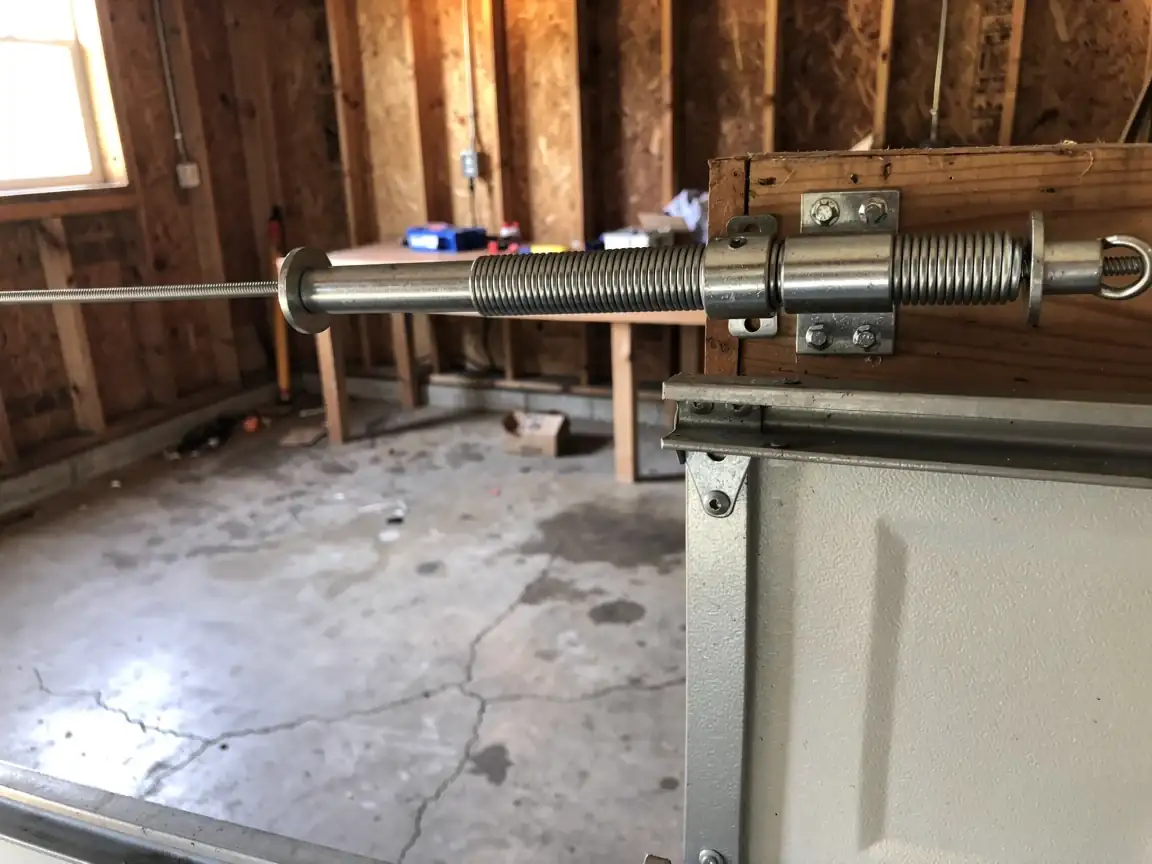
Reading's housing stock centers on 1960, a few years ahead of the 1965 median for the wider service area. Doors going up around then were almost always hung on extension springs mounted along the horizontal track, not the torsion springs that became standard later. That matters for maintenance because extension spring kits, safety cables, and the pulley hardware they ride on are a different stocking list than torsion drums and cables. We carry both because the area we cover spans 1938 to 1988 construction, but a Reading call is more likely to need extension-spring parts than a house built in, say, Bedford or Lexington's newer sections. We also carry the steel roller and hinge stock that matches panel gauges from that period, since original rollers on doors this age are usually worn past the point of simple lubrication. What we don't stock is anything custom-milled for a specific builder's spec from 60-plus years ago - if a track bracket or a panel section is a nonstandard size, that's a special order, and we'll tell you that up front rather than promise a same-visit fix that isn't realistic.

Where This Job Goes Sideways

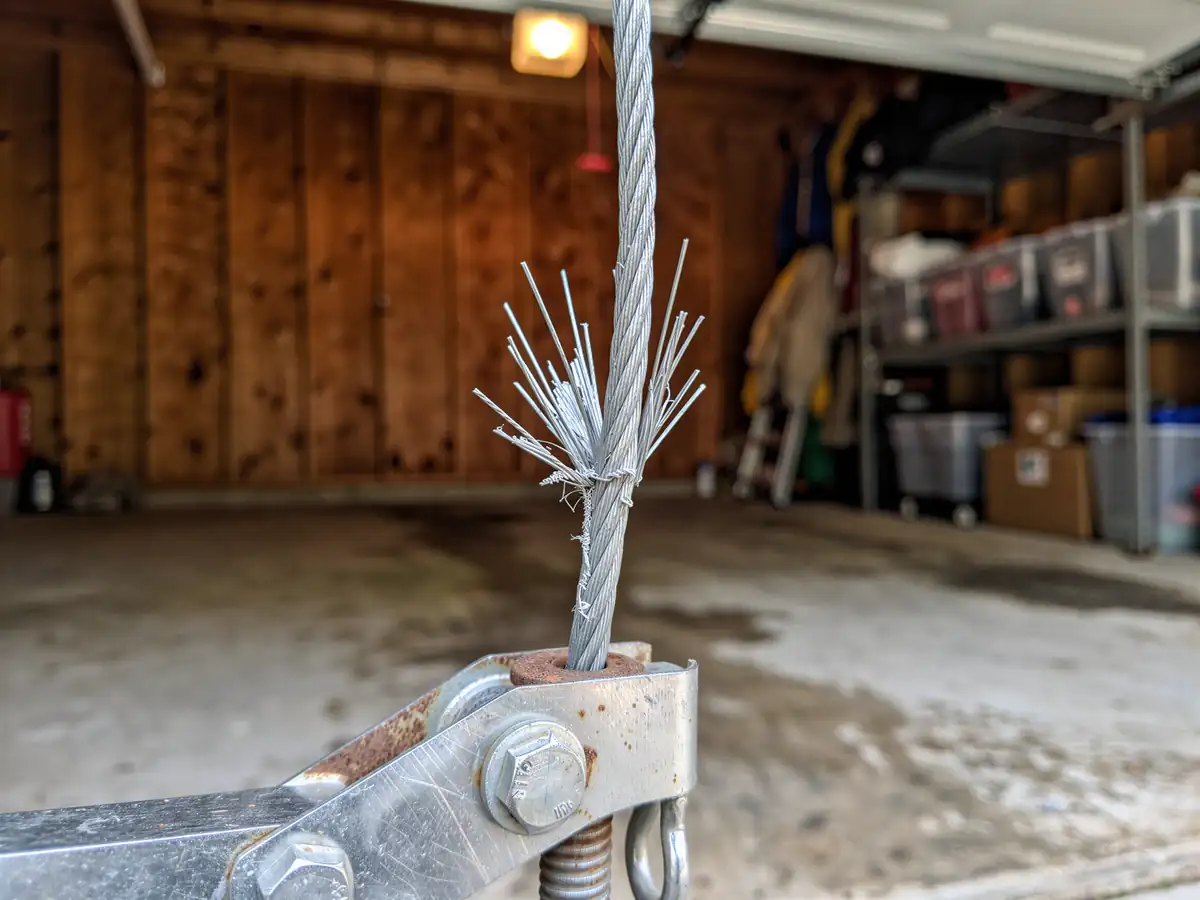
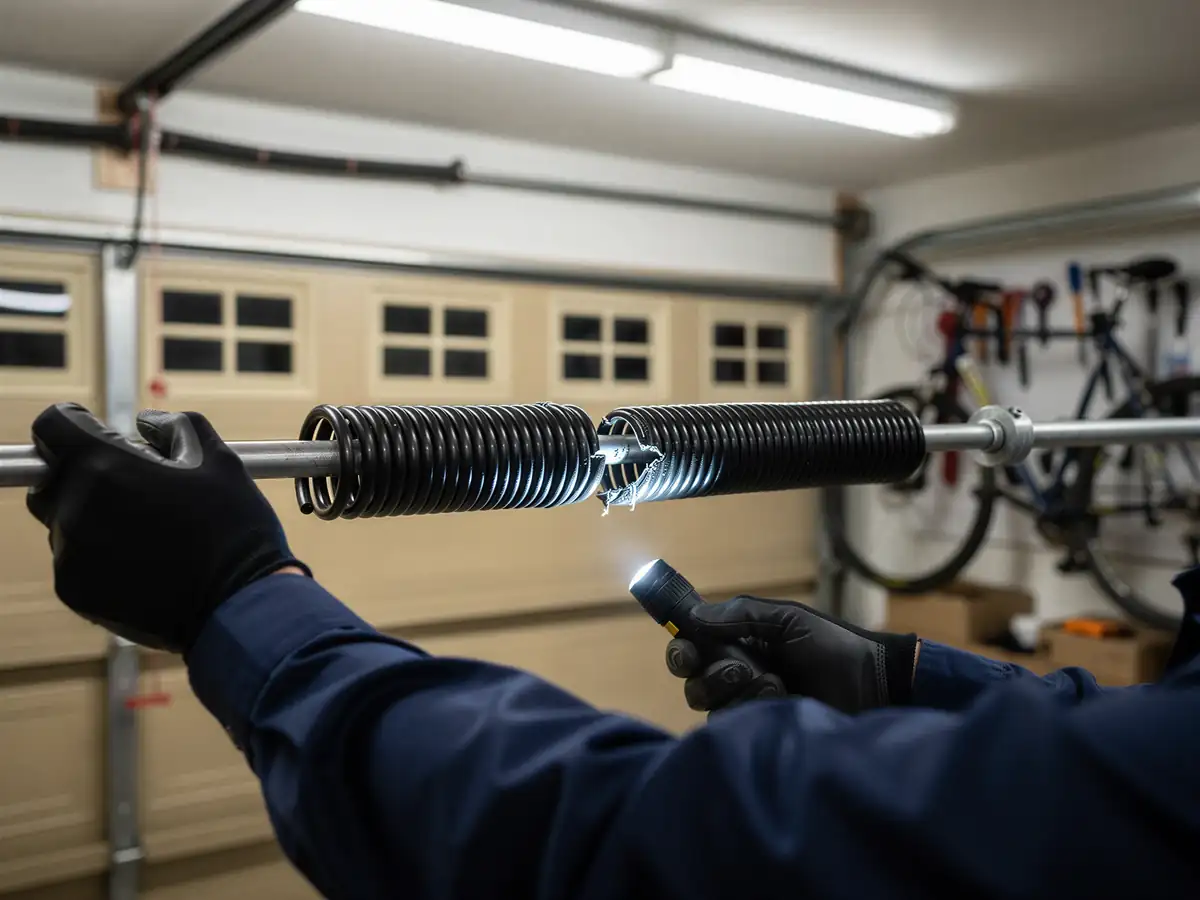
The service area sits in a severe cold climate band, and that's the detail that turns a routine tune-up into a bigger job on a house built in 1960. Extension springs lose tension gradually, but cold makes brittle steel more likely to snap outright rather than just sag. On a door that age, we also commonly find the original cable pulleys seized from decades of grease that's hardened in winter, which hides how worn the cable itself has gotten underneath. The sideways moment is when a homeowner calls for a noisy door and the real issue is a cable close to failure on a spring system already near the end of its service life - that's not a lubrication visit anymore, that's a spring and cable replacement, and we'll say so rather than patch it. We won't grease over a cable that's fraying; if it needs replacing, we tell you before we touch the door, not after.

What the Repair Takes

We run this job out of Woburn, about four miles away, so there's no local branch or drop-in counter in Reading - the truck comes to you. For a standard maintenance visit on a door from the 1960 era, that means a hardware inspection, lubrication suited to cold-weather grease rather than summer-grade, and a check of spring tension since extension springs stretch out of balance faster than torsion systems do. If we find a part that needs replacing - a snapped cable, a cracked roller, a spring past its stretch limit - we carry the common sizes for 1960s hardware on the truck, so most of that work finishes the same visit. What doesn't finish the same visit is anything needing a special-order panel or a bracket that was never standardized, which does happen on houses this old. We'd rather tell you a part needs ordering than guess at a fix that won't hold through next winter.

The Symptom

The complaint we hear most from this stretch of 1960s-built houses is a door that's gotten noticeably stiffer to lift by hand, especially once temperatures drop. That's usually the extension springs losing tension unevenly rather than a motor problem, and it's worse here than in newer construction because 60-year-old spring steel has already given up a chunk of its working life. A second common symptom is a door that drifts or tilts slightly on one side when it opens - a sign one spring has stretched more than its partner, which is common on original hardware that's never been matched or replaced as a pair. Neither symptom is an emergency on its own, but in a severe cold climate, an unbalanced spring under extra tension is a lot more likely to snap than it would be in a milder region, so we don't recommend waiting out a full season once a door starts pulling to one side.

How it works

From “it’s stuck” to “it’s fixed”

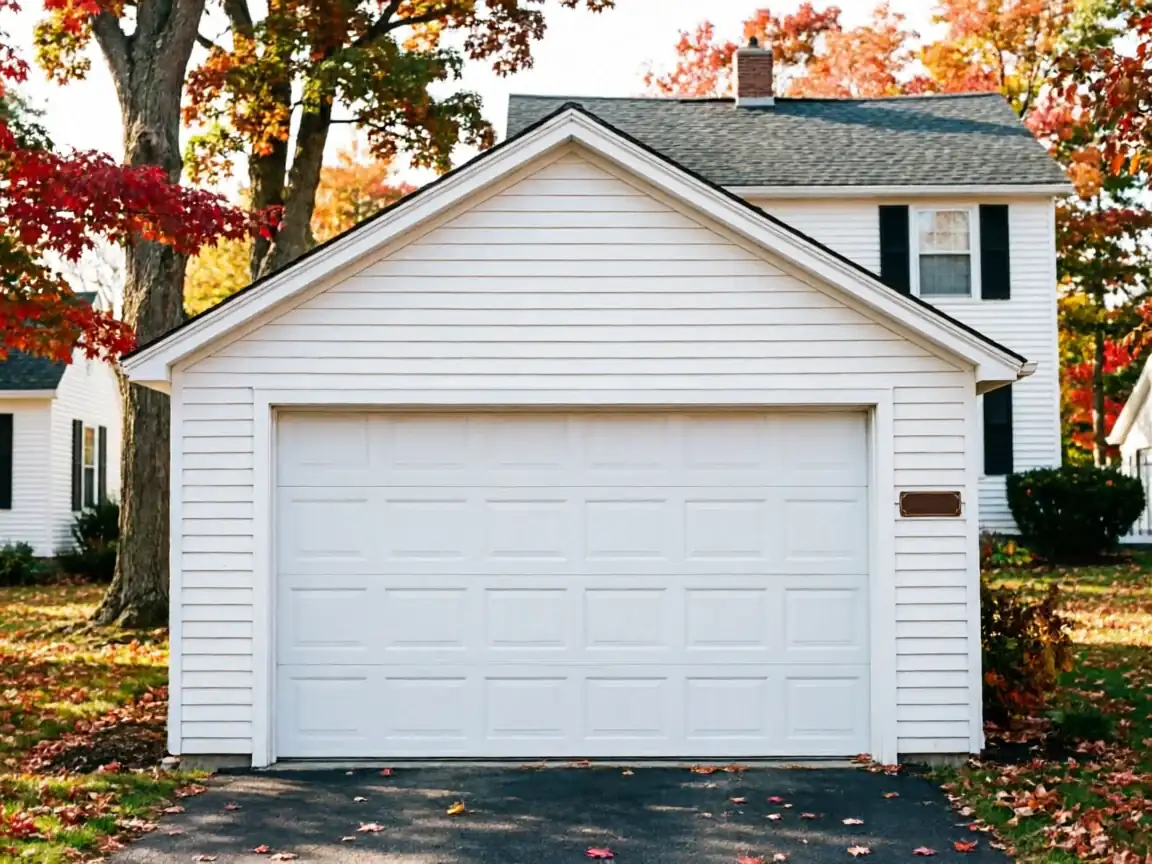
A man stands in a driveway looking at a white house with a white garage door.
1

Tell us what’s wrong

Describe the symptom - won’t open, loud bang, opener runs but the door won’t move.

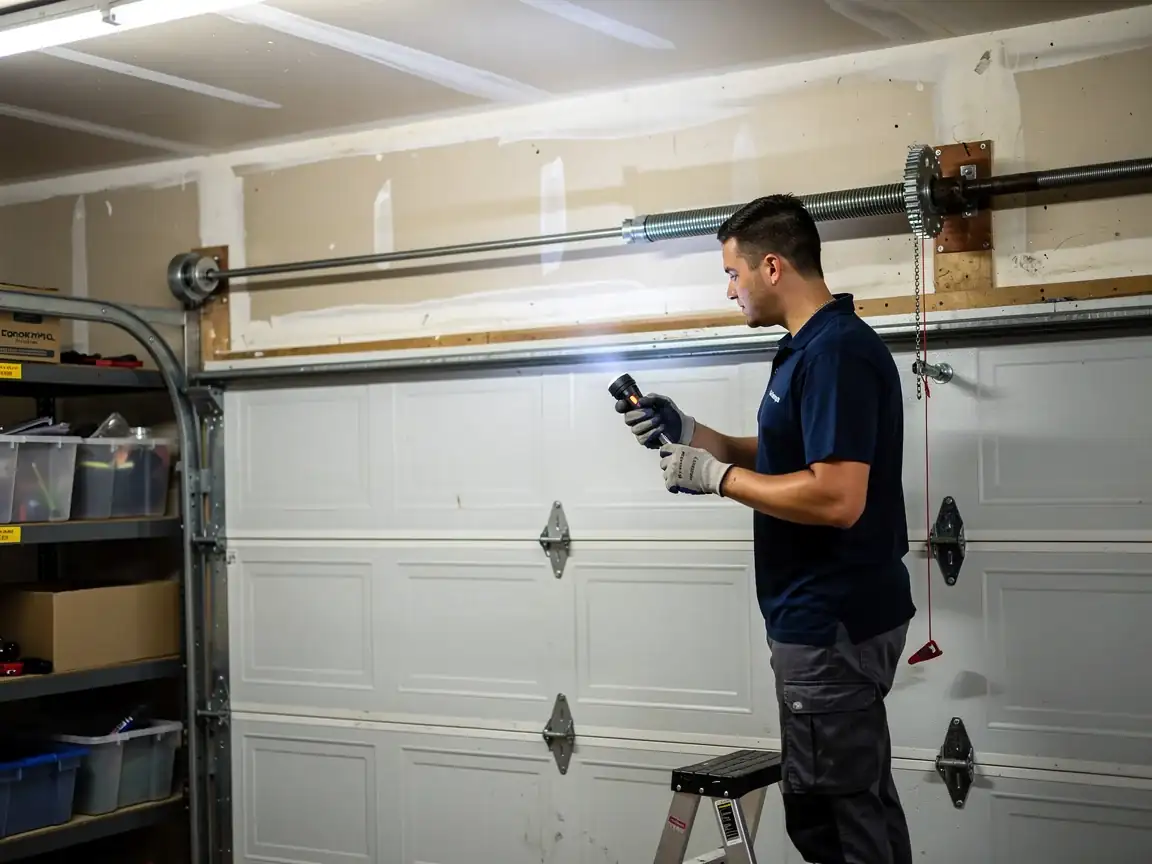
A technician shines a flashlight on a garage door torsion spring.
2

On-site diagnosis

A technician tests the door under power and by hand and finds what actually failed.

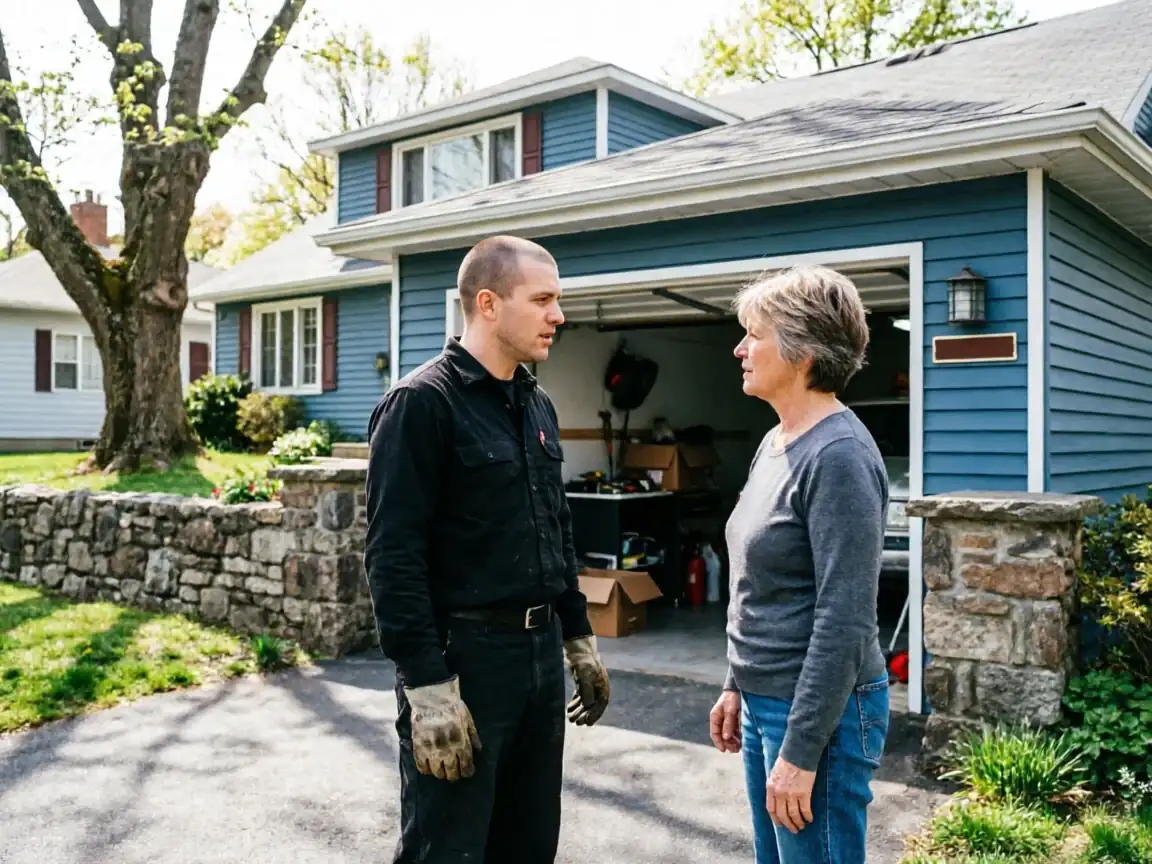
A technician and a woman stand in a driveway in front of a blue house.
3

Clear, up-front plan

You get the fix that’s needed and what drives the cost - before any work starts.

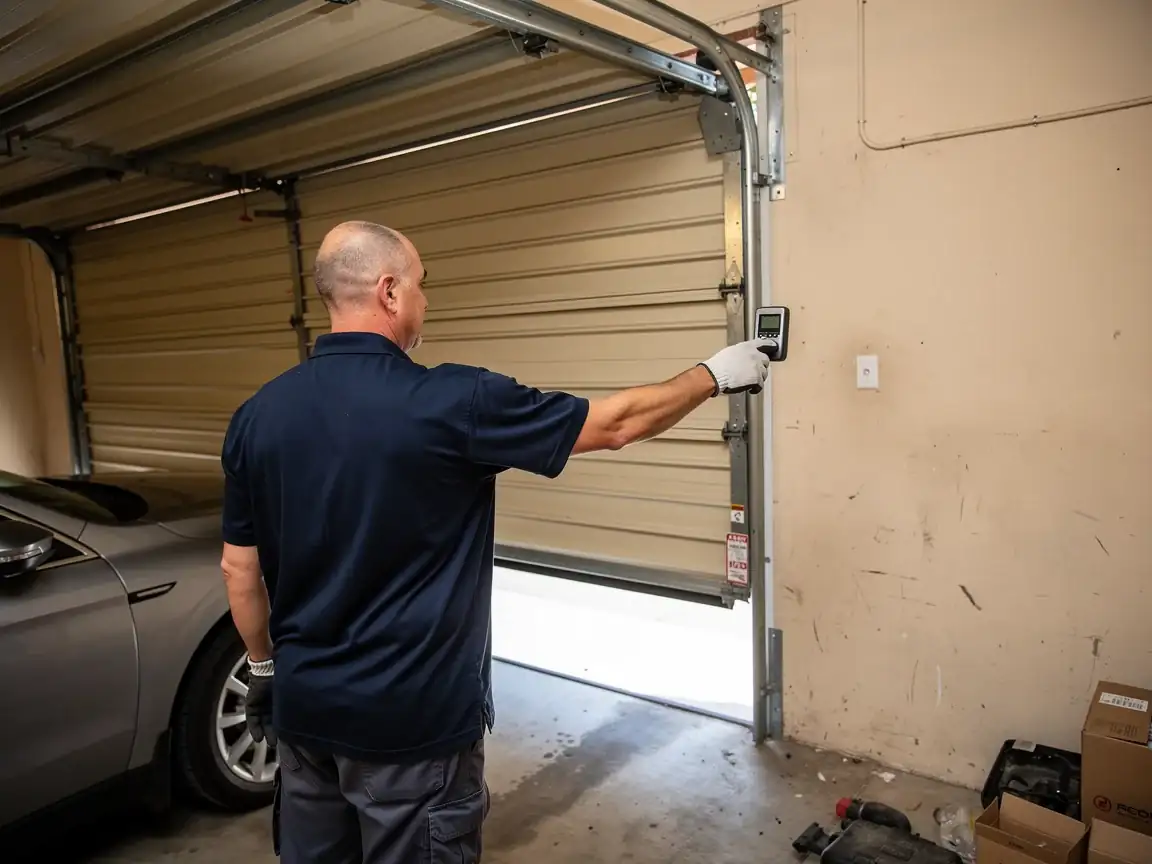
A technician holds a remote control while standing next to an open garage door.
4

Repaired & tested

The repair is done, the door is set true and tested, and the work area left clean.

Not sure which repair your door needs in Woburn, MA? Describe what it’s doing - every job starts with a diagnosis.

How we work

What to expect

Diagnosis firstEvery visit starts by finding what actually failed - not a pre-written parts list.
The right part for the doorSprings and openers matched to the door’s weight and age, so the fix holds up.
Straight answersWhen a repair makes more sense than a replacement - or the reverse - you hear it plainly.
Clean, careful workTension released safely, hardware set true, the door tested under power before we leave.
39,555Residents in Woburn
8Garage door services
4Neighborhoods & suburbs
MAServing Woburn, MA
Questions

Frequently asked

Straight answers about garage door repair in Woburn. Still unsure? Ask us directly.

How often should a 1960s garage door in Reading get serviced?

Once a year is reasonable for hardware this age, and we'd push for fall service specifically because the severe cold band we're in puts extra stress on aging extension springs once temperatures drop. Annual lubrication and a tension check catch the wear that leads to a snapped cable or spring in January.

Do you have a branch in Reading?

No. We run out of Woburn, about four miles away, and bring the truck to you. There's no local depot or drop-in counter in Reading - every maintenance visit here is a scheduled call from the Woburn shop.

Why does my door feel stiffer in winter than in summer?

On original 1960s hardware, extension spring steel gets less forgiving in cold, and old grease thickens instead of lubricating. Combined with a severe cold climate, that stiffness is often the first sign a spring is near the end of its working life, not just a seasonal quirk.

Ready to get your garage door sorted?

Tell us what it’s doing and where you are in Woburn - we’ll take it from there.

Request a QuoteCall