The Symptom
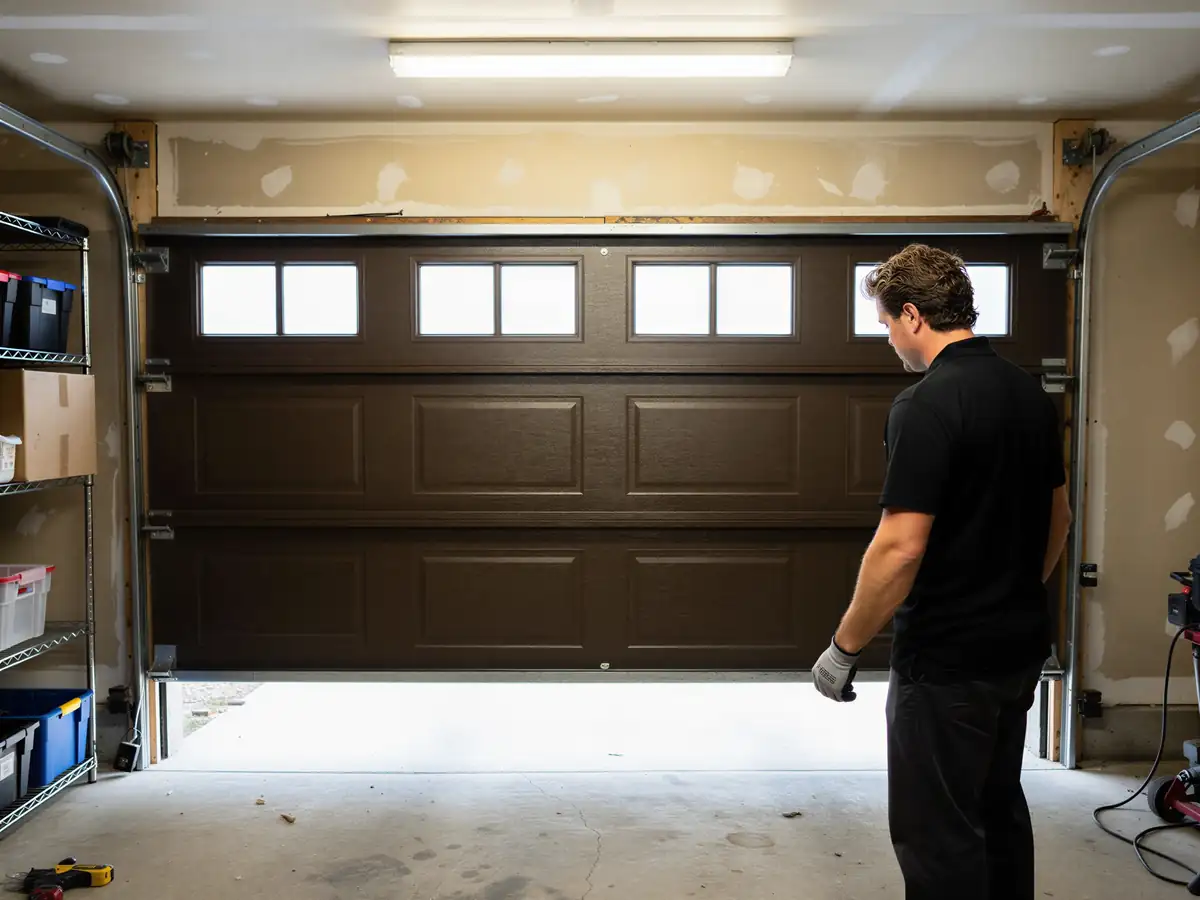
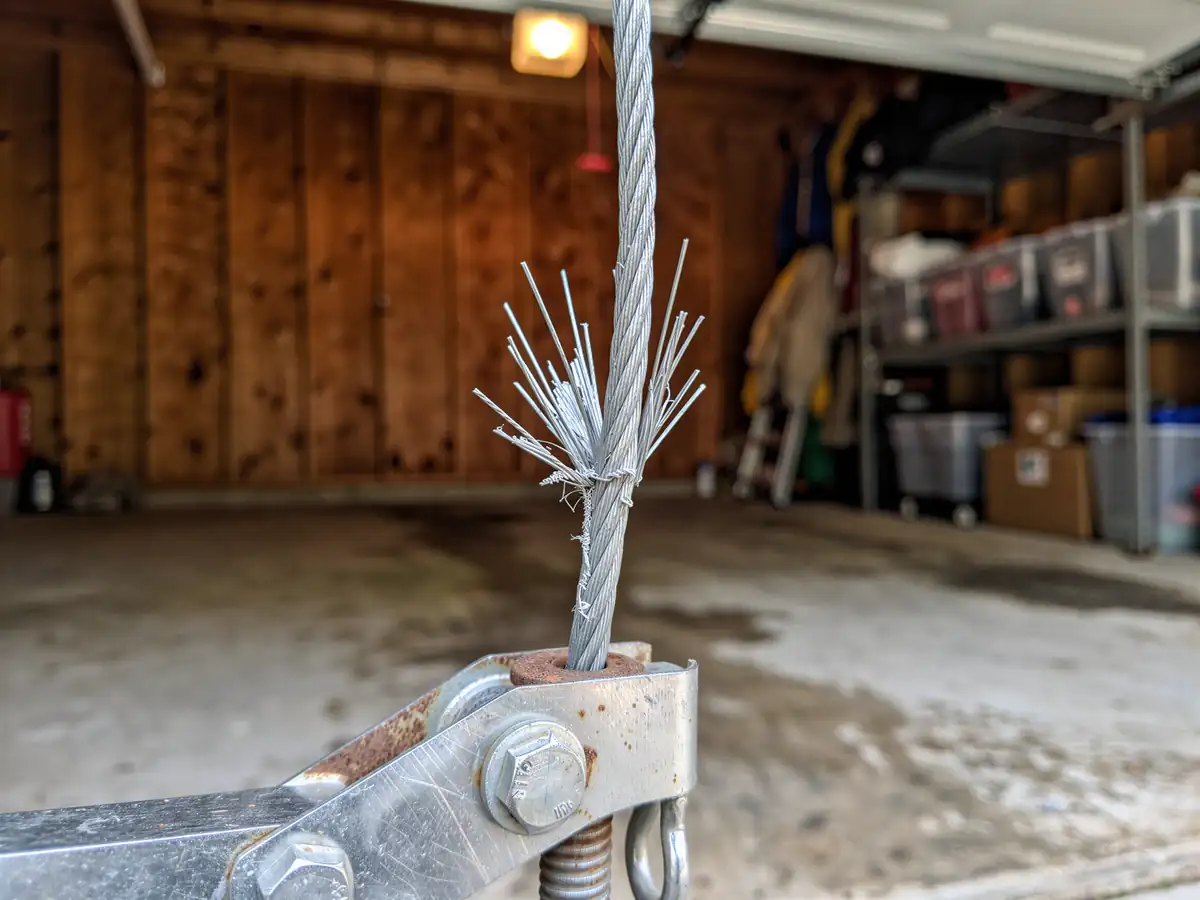
A garage door with a broken lift cable won't rise evenly, or won't rise at all. One side of the door hangs lower than the other, the opener strains and reverses, or the door drops the last foot with a bang because nothing is holding that corner anymore. Sometimes you catch it early: a cable starting to fray at the drum, strands popping loose one by one, a faint ticking sound every time the door moves. Other times it just lets go, usually on a cold morning when the garage hasn't warmed up yet.
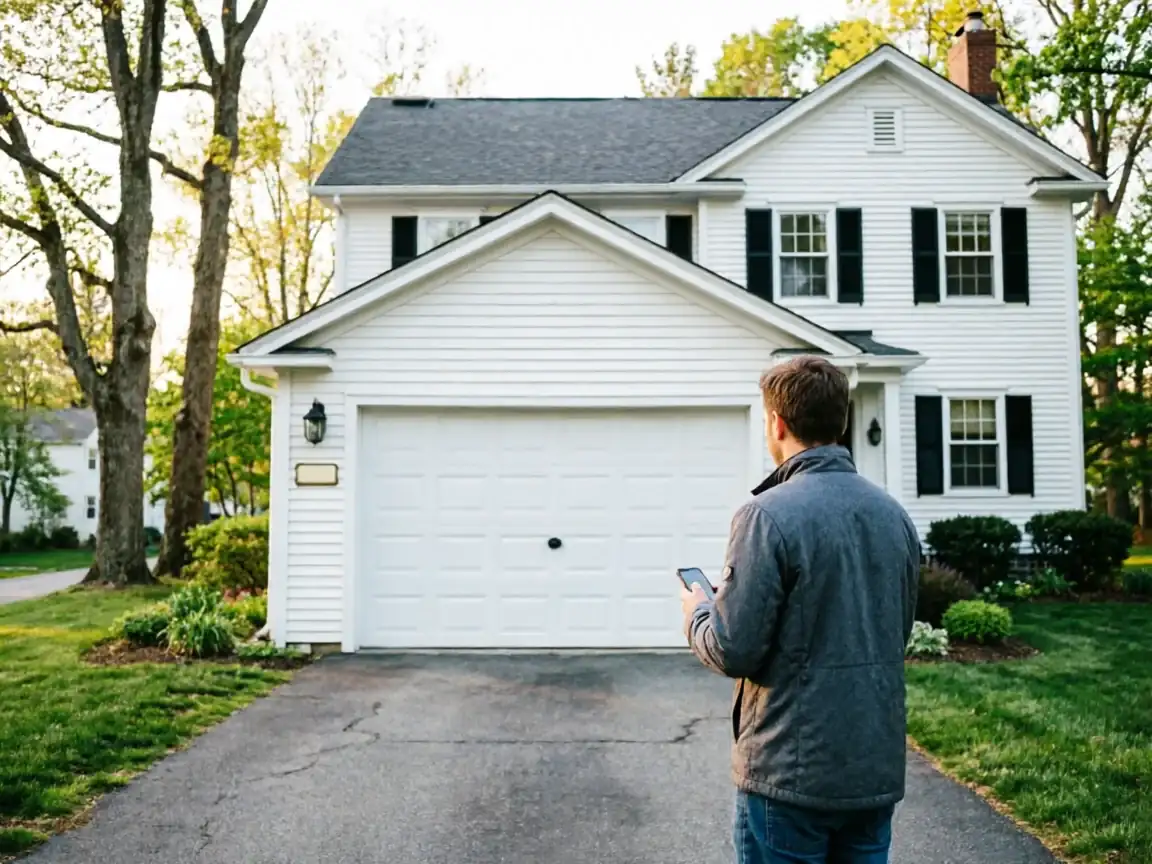
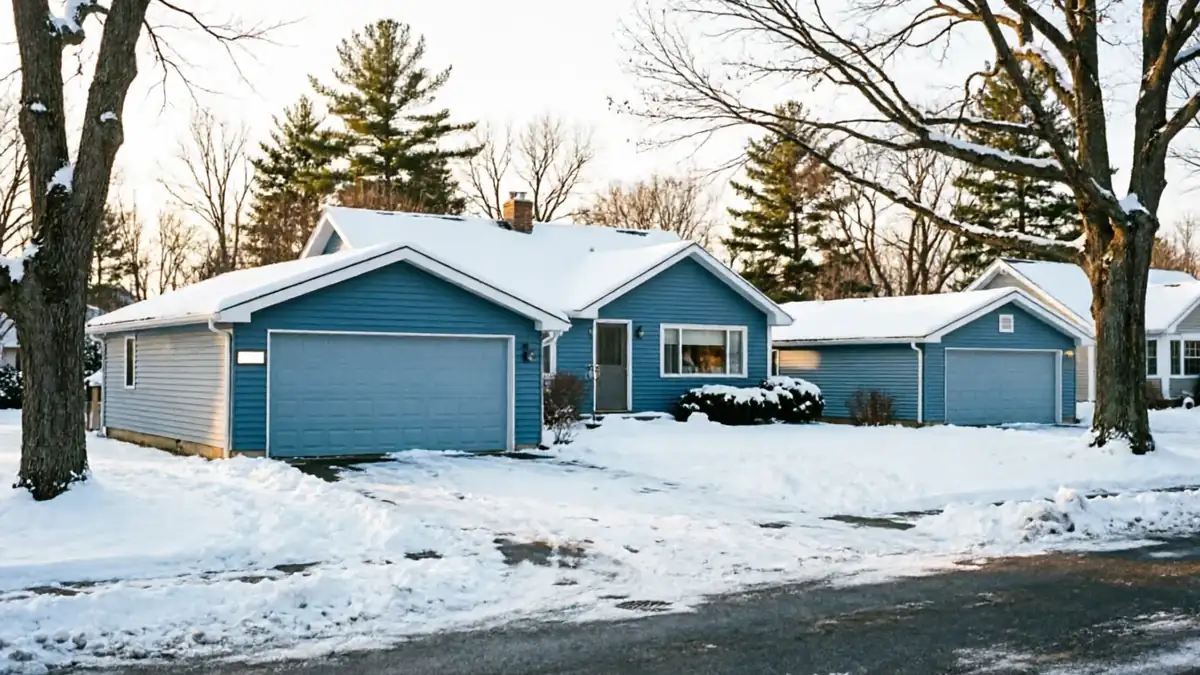
Houses here mostly went up between 1938 and 1988, with most of that stock dating to the 1960s and 70s, which means the original lifting cables on a lot of doors are pushing sixty years old. Steel cable doesn't last forever even under ideal conditions, and a garage that sits unheated through a New England winter isn't ideal conditions. If you're hearing a scrape or a snap, or the door is cocked to one side, don't keep running the opener. A cable under tension that finally breaks can whip, and it can take the other cable with it if the door drops hard enough.
Stocked Parts
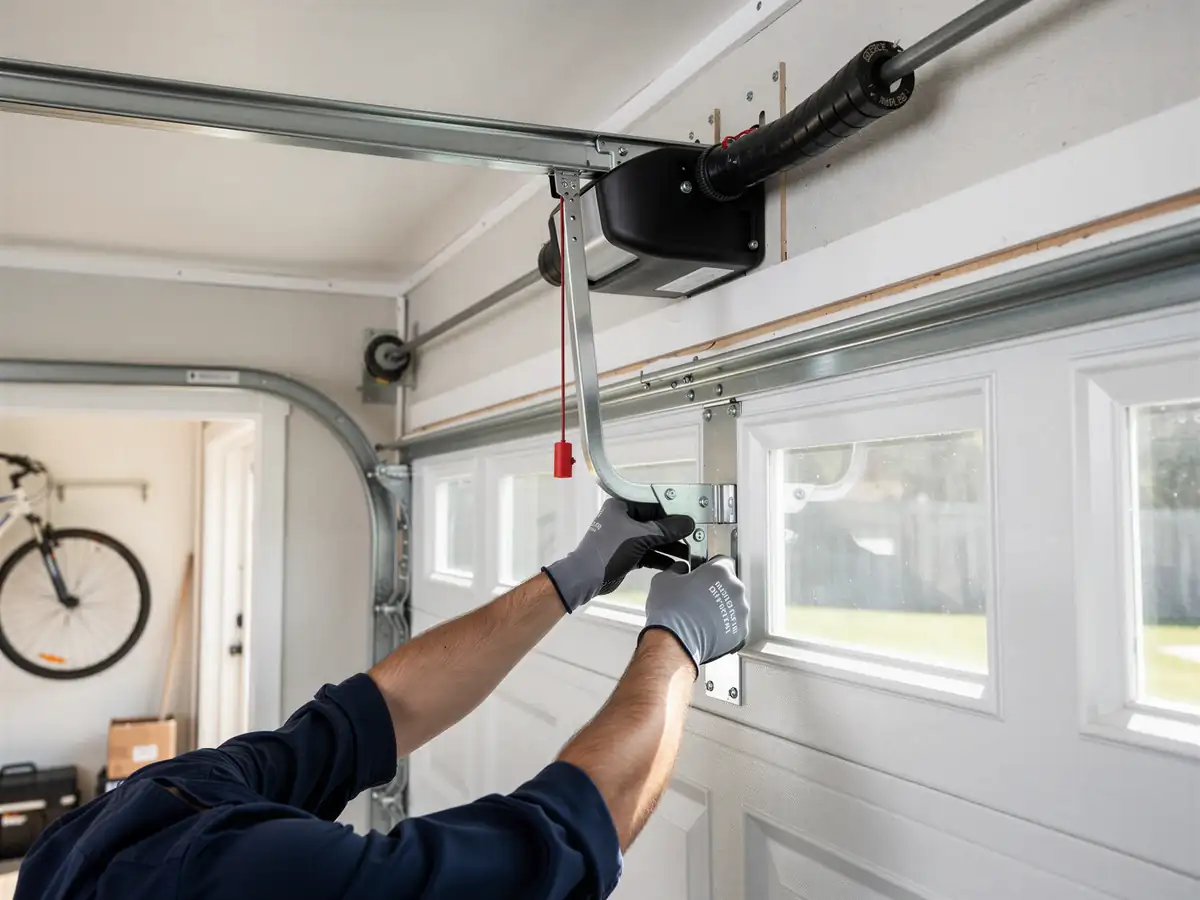
We carry the cable sizes that show up most on the doors built during Woburn's main construction era - galvanized aircraft cable in the diameters that match older torsion and extension setups, plus the drums, cable stops, and clips that go with them. Most of the service calls we run are on doors from that 1960s-70s wave, so that's what the truck is set up for.
We don't stock every cable spec that exists. Some newer doors, or doors that were upgraded with a non-standard track or a heavier insulated panel at some point, use hardware we have to special-order. If that's your situation, we'll tell you on the spot rather than try to force a part that's close enough - close enough on a lift cable means the door comes back out of balance in a few months.
For the standard case, which is most houses on this side of the service area, we're not waiting on a supplier. The cable, the drum if it's worn where the cable seats, and the stop all come off the truck, which means the job gets done in one visit instead of two.
What the Repair Takes
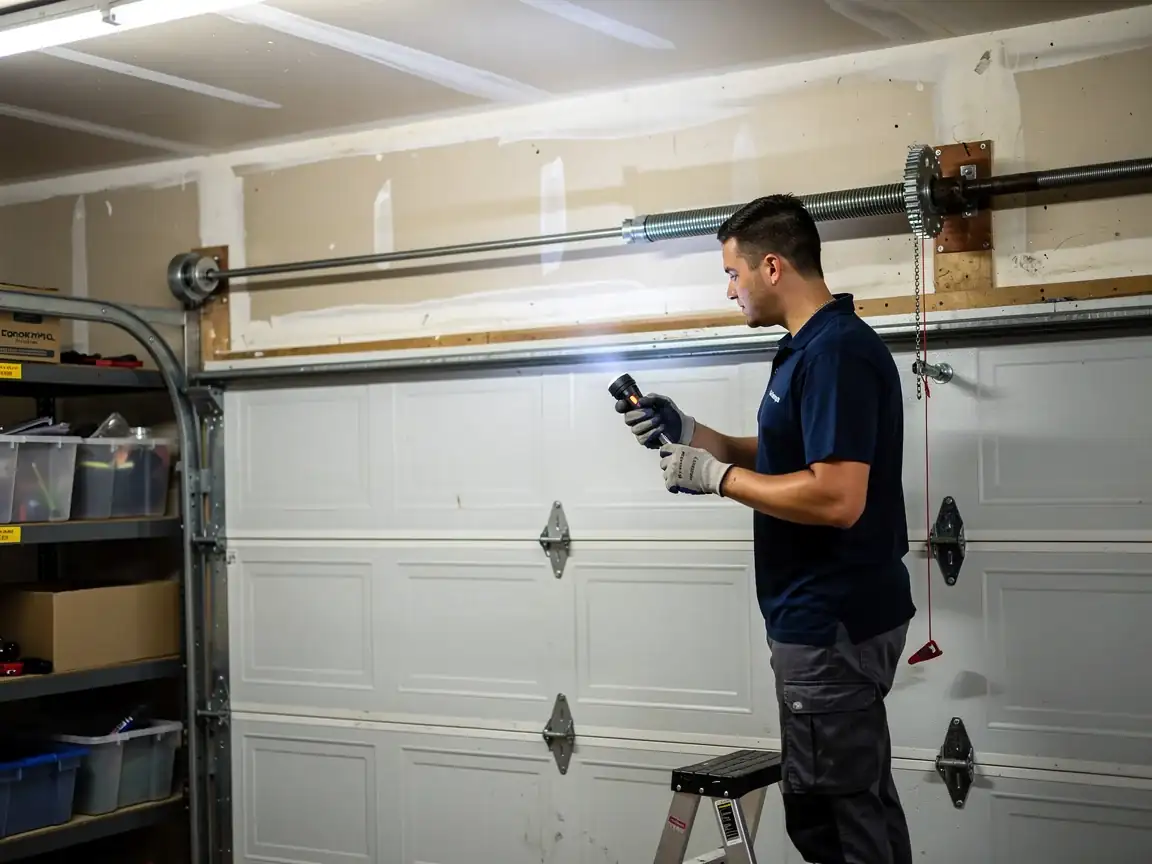
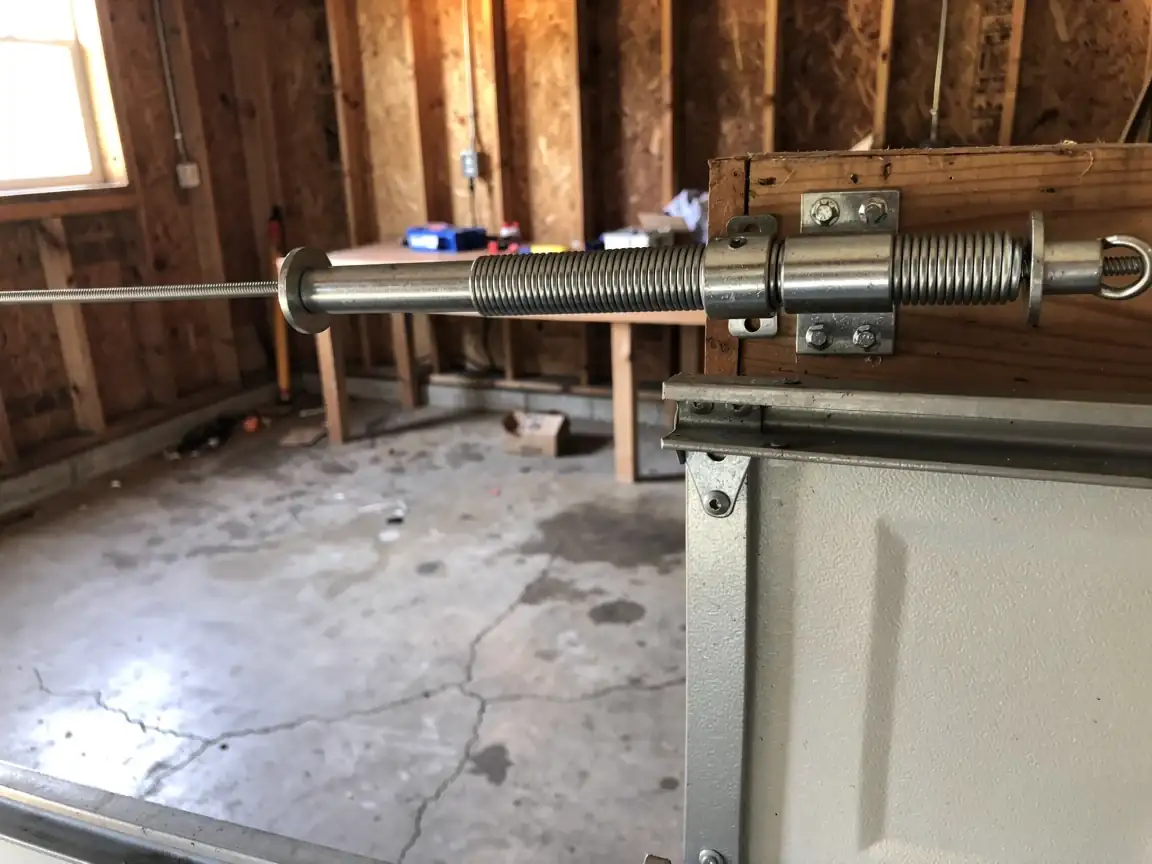
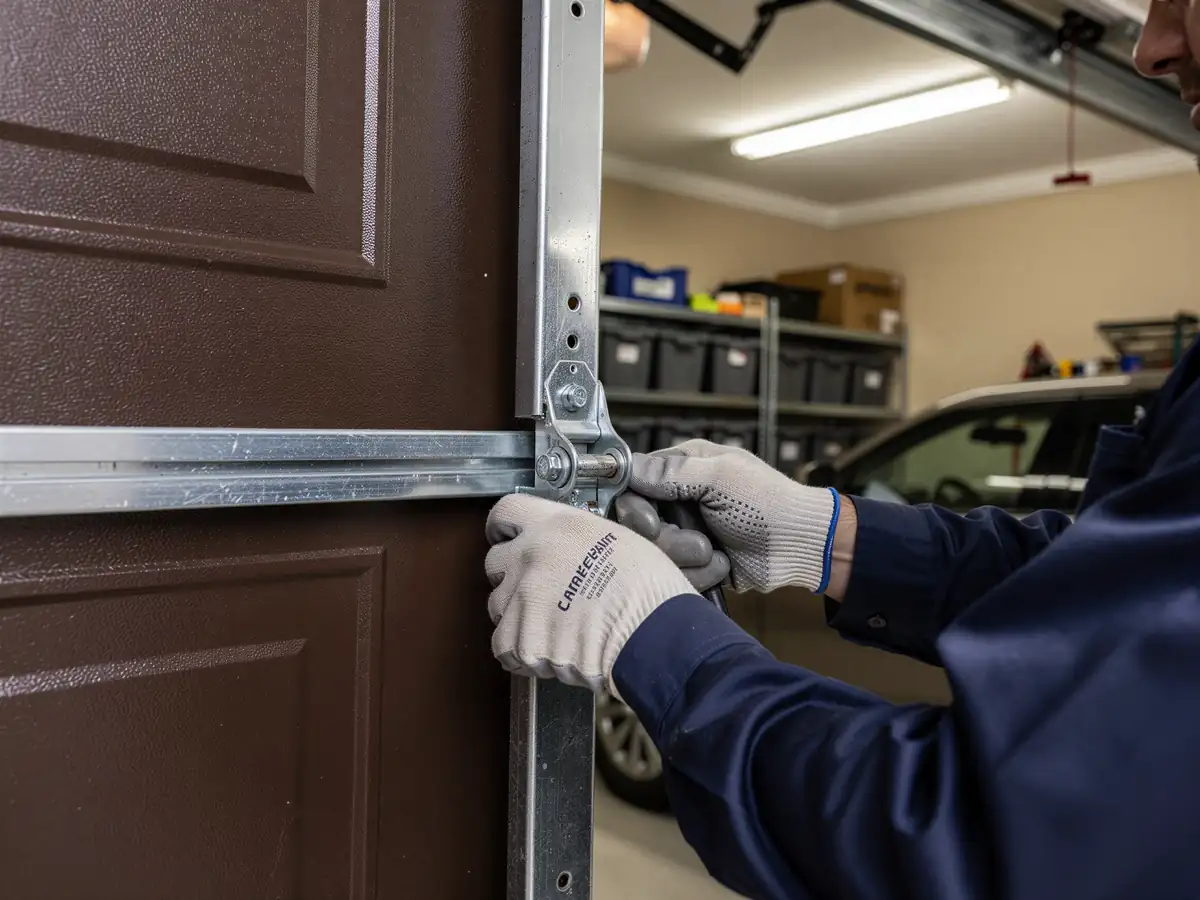
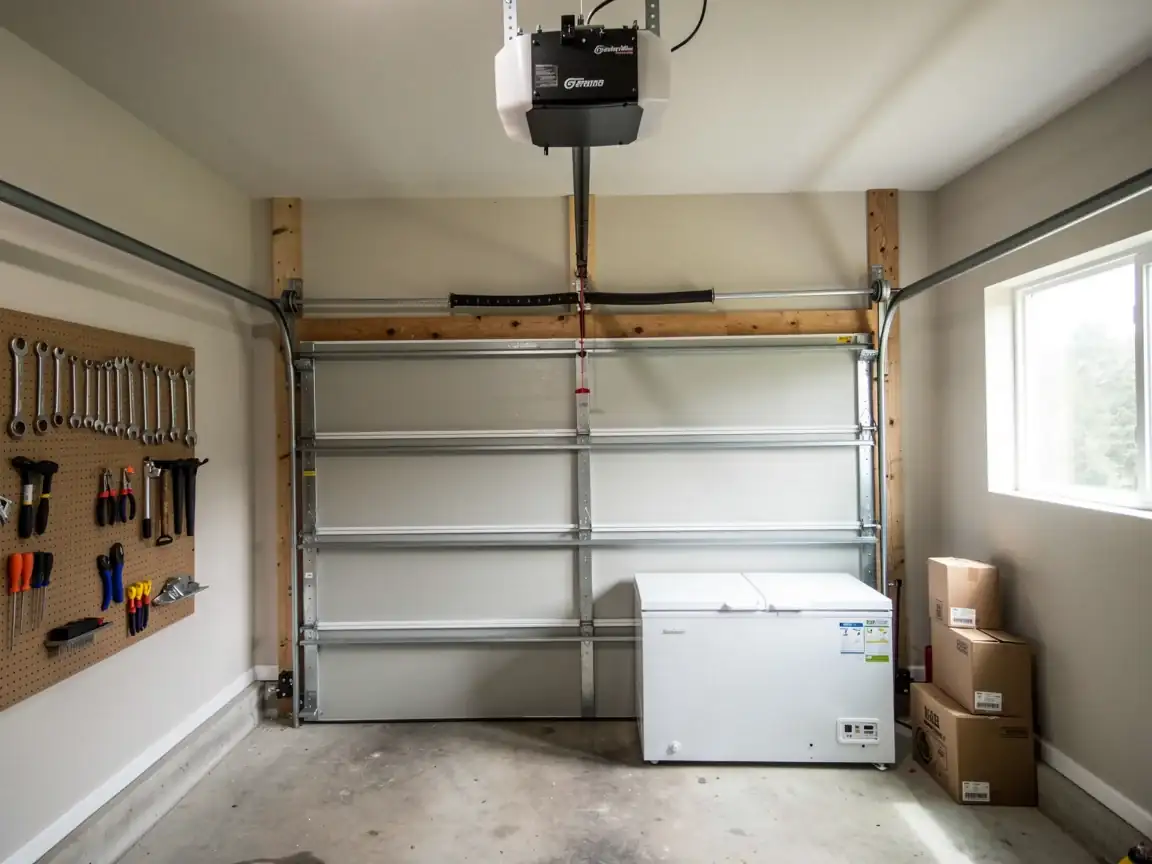
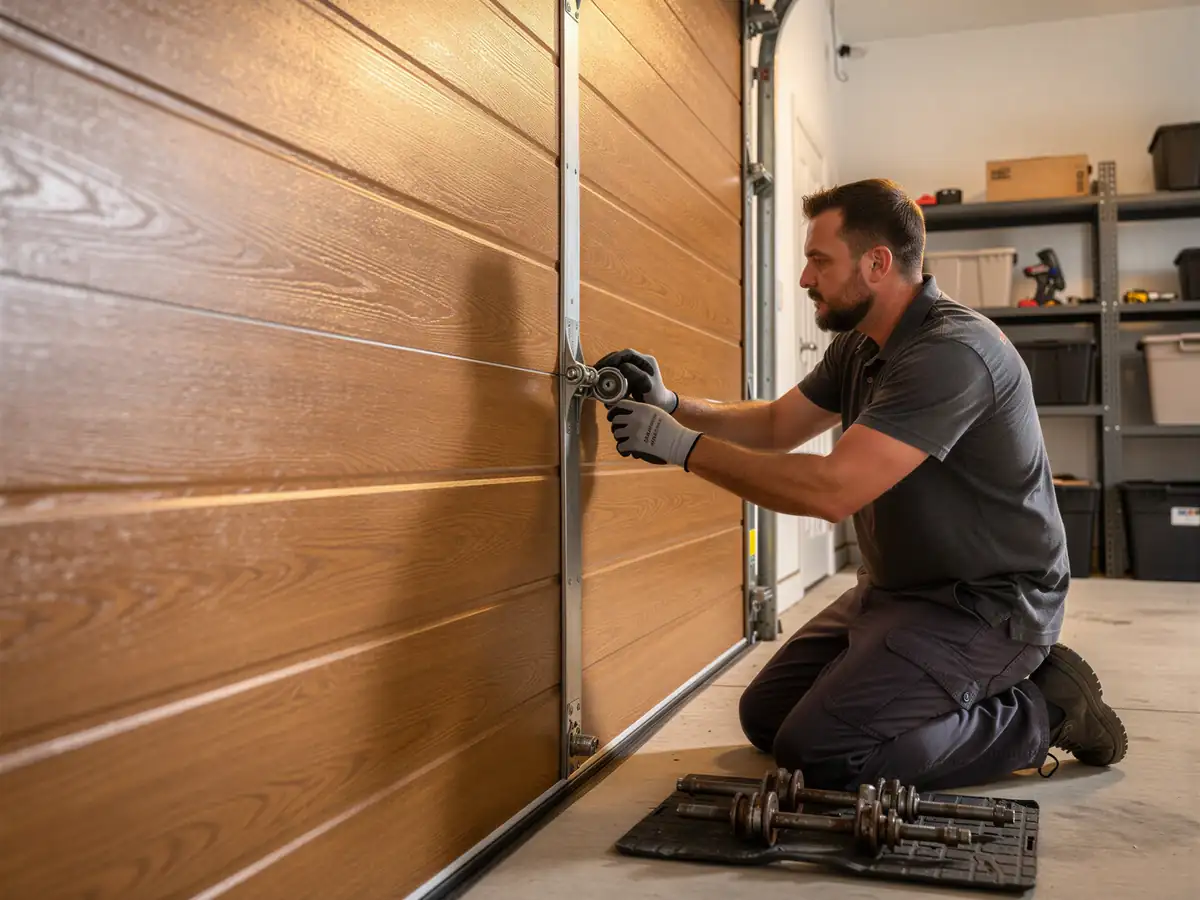
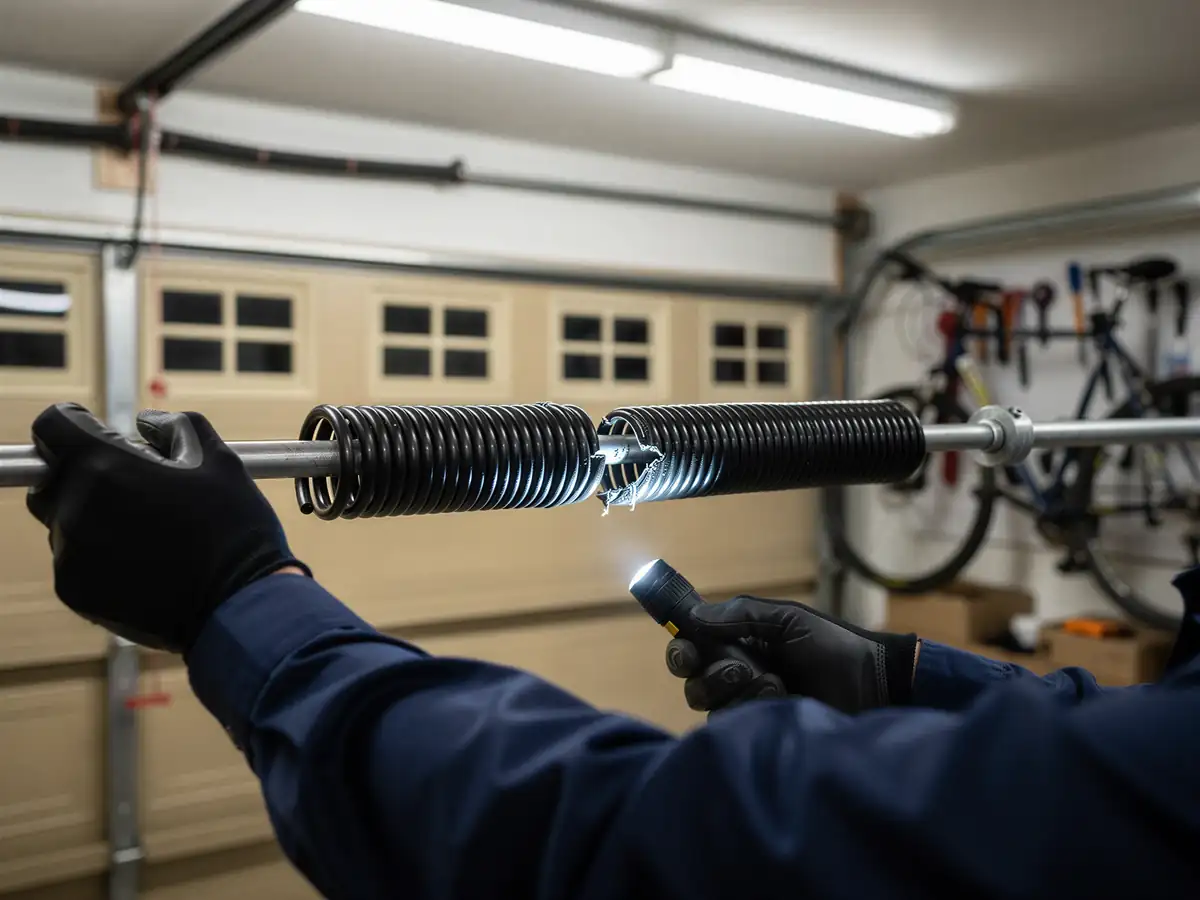
First we clamp the torsion spring or release the extension spring tension safely
This is the step that hurts people when they try it themselves, because a loaded spring under a broken cable is still carrying the full weight of the door. Once the door is secured, we pull the old cable off the drum and check the drum itself for grooving or rust where the cable has been riding. A drum that's cut a channel into itself from decades of wear gets replaced along with the cable; reusing it just means the new cable fails in the same spot.
After the new cable is seated and wound to the correct number of turns
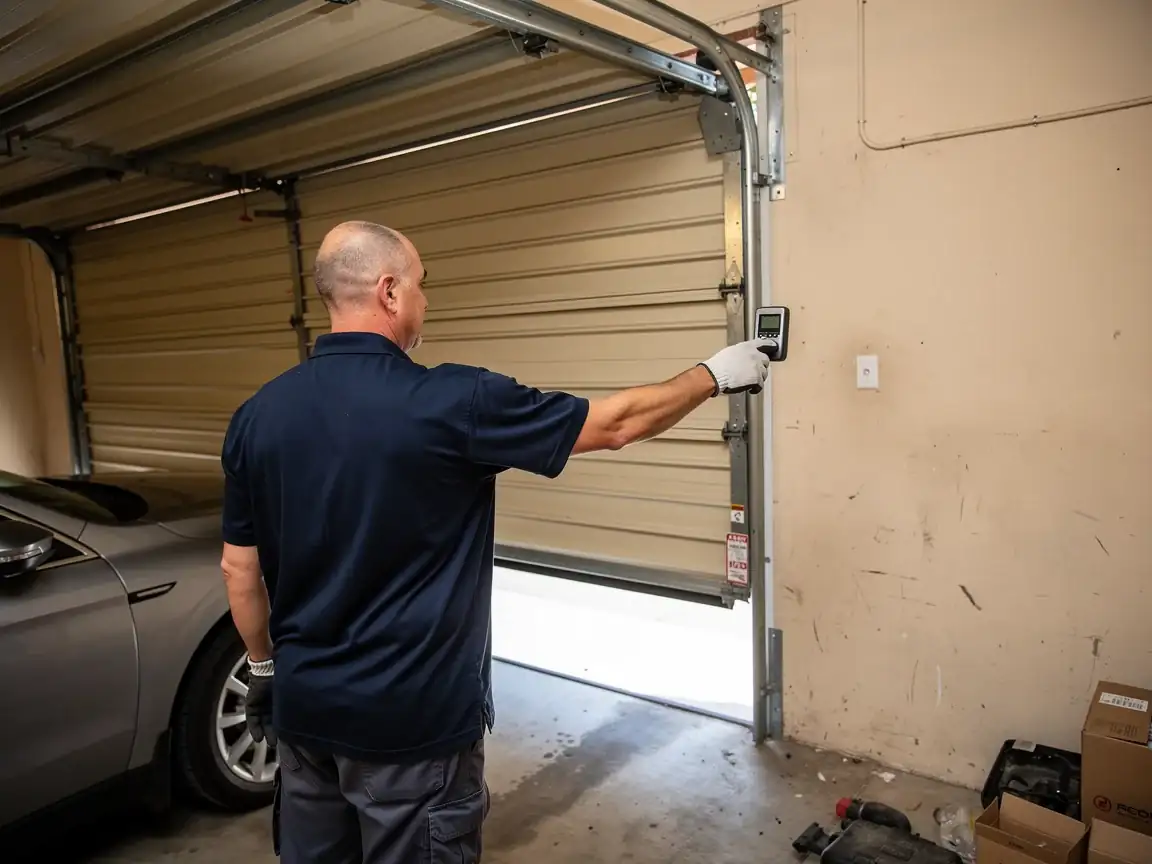
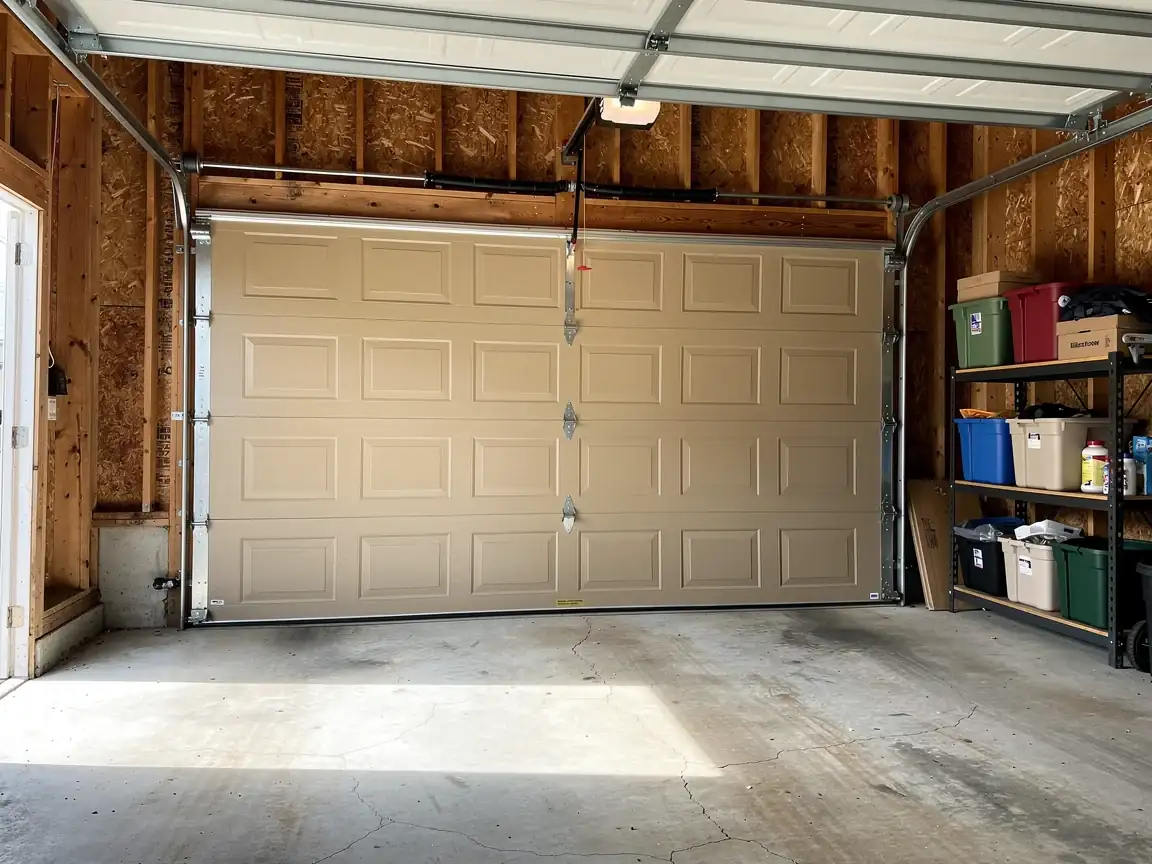
We re-tension and run the door through a full cycle, checking that both sides lift at the same rate and that the door holds at any point without drifting. Then we balance it - a door that opens fine but won't hold halfway still has a tension problem that will come back as a cable problem later.
One honest limitation
If the torsion tube itself is bent or the bearing plates are rusted through, a cable swap won't fix the underlying issue, and we'll say so instead of selling a repair that won't hold.
Why This Fails Locally
This isn't a generic wear-and-tear story. It's specifically a function of what's sitting in garages across this area. With a median build year of 1965 and most of the housing stock dating from 1938 to 1988, a large share of doors still carry hardware that's original or close to it - cables included. Cable doesn't fail on a schedule, but galvanized coating does wear thin after enough winters, and once it does, rust sets in faster than most owners notice.
The cold is the other half of it. This area sits in a severe cold-weather band, and steel cable contracts in low temperatures. A cable that's already lost some of its coating and picked up surface rust has less give left in it, so the same overnight temperature drop that a newer cable shrugs off is enough to finish off an older one. That's why cable calls cluster in winter here far more than they do on, say, a replacement panel or an opener issue.
Across the 55 named neighborhoods in this service area, the same era of construction means the same era of hardware failing at the same time, which is part of why this is a standing repair category for us rather than an occasional one.