The Usual Work Here
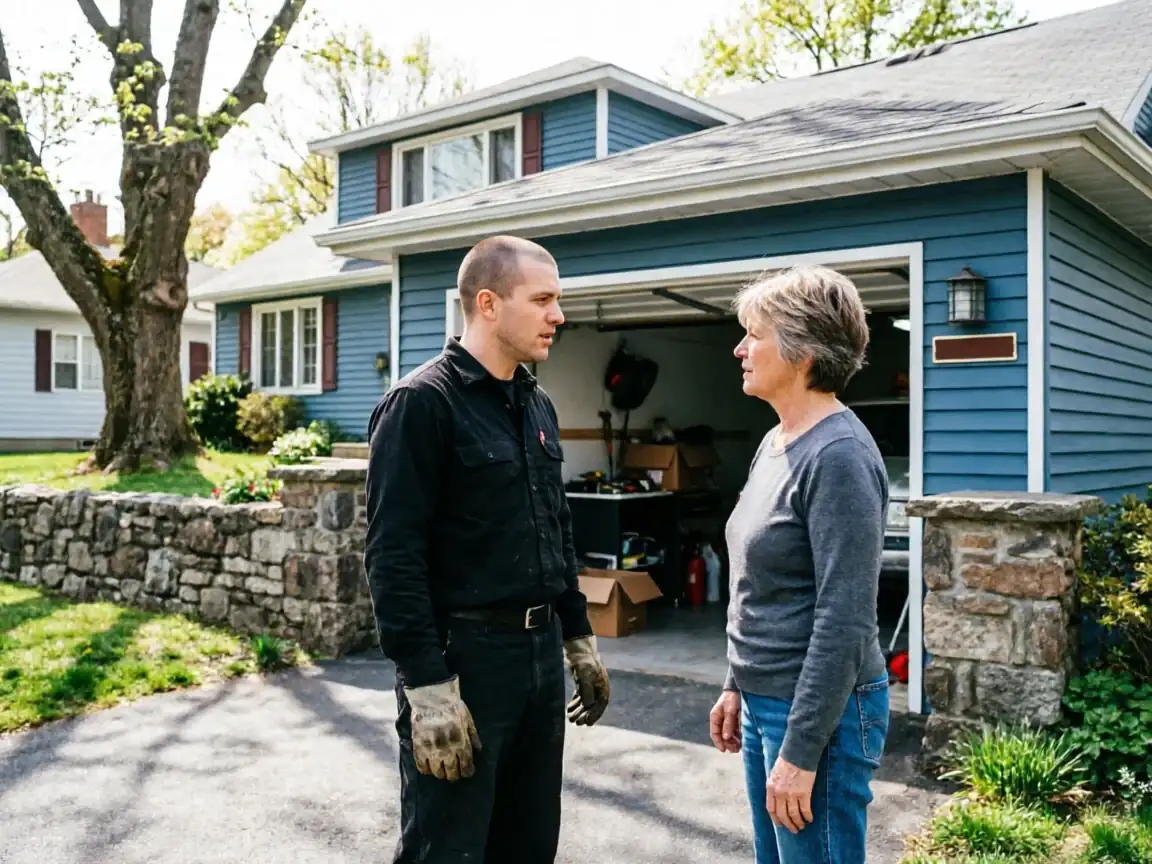
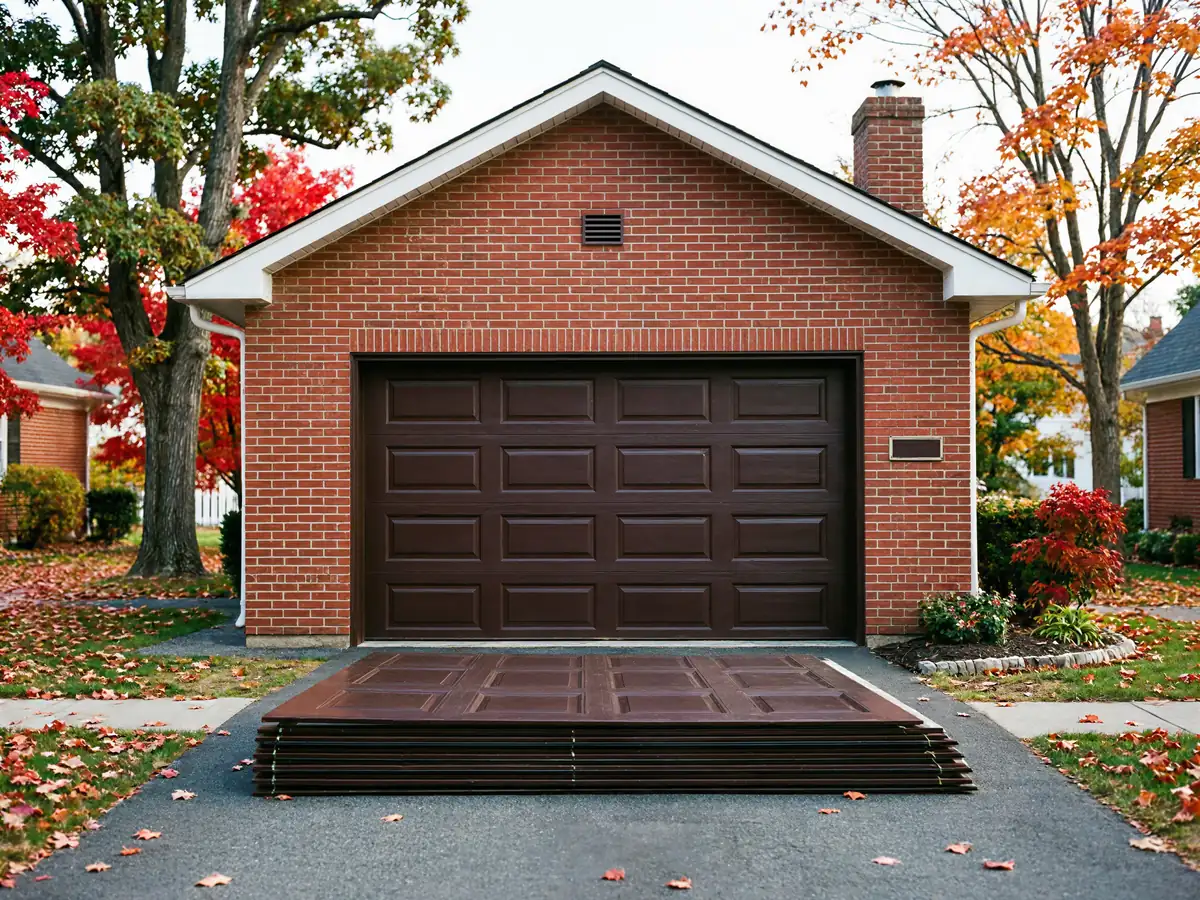
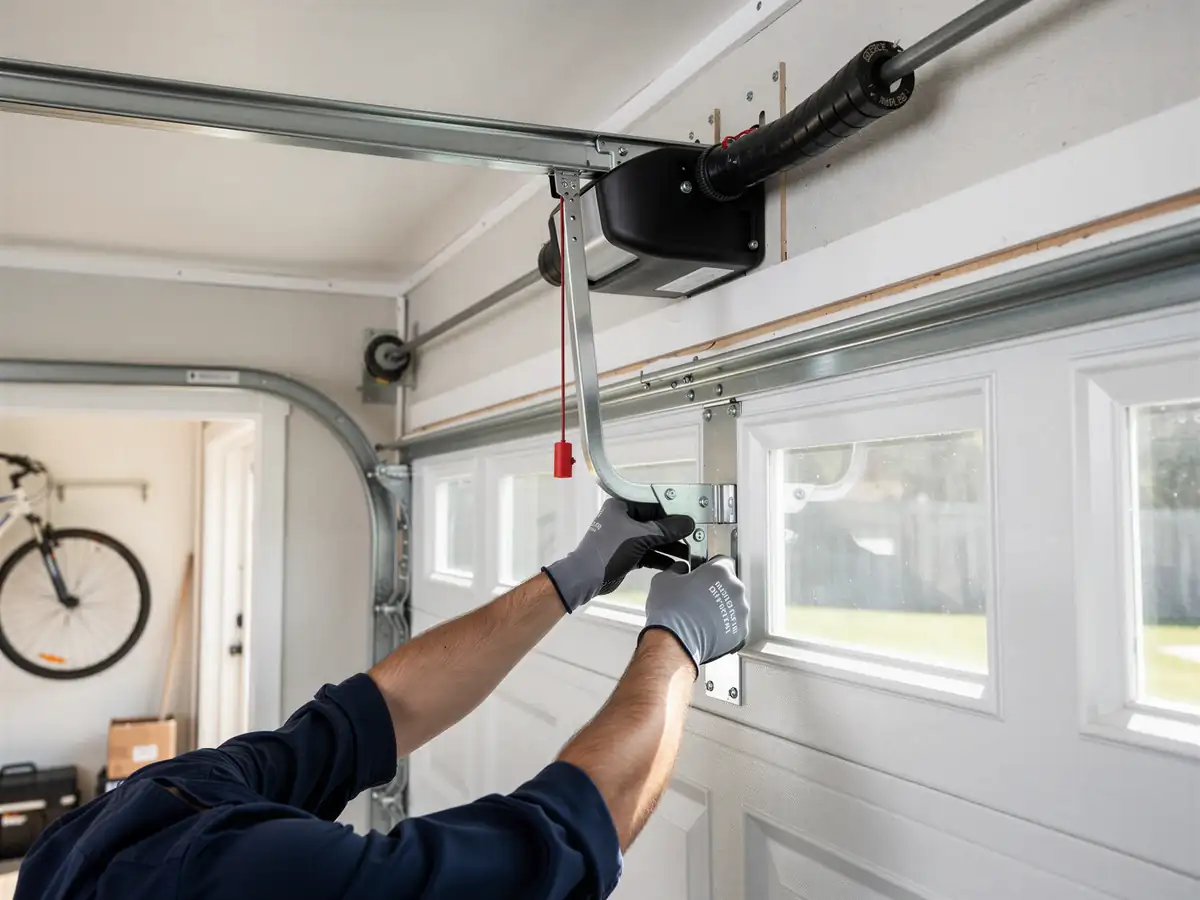
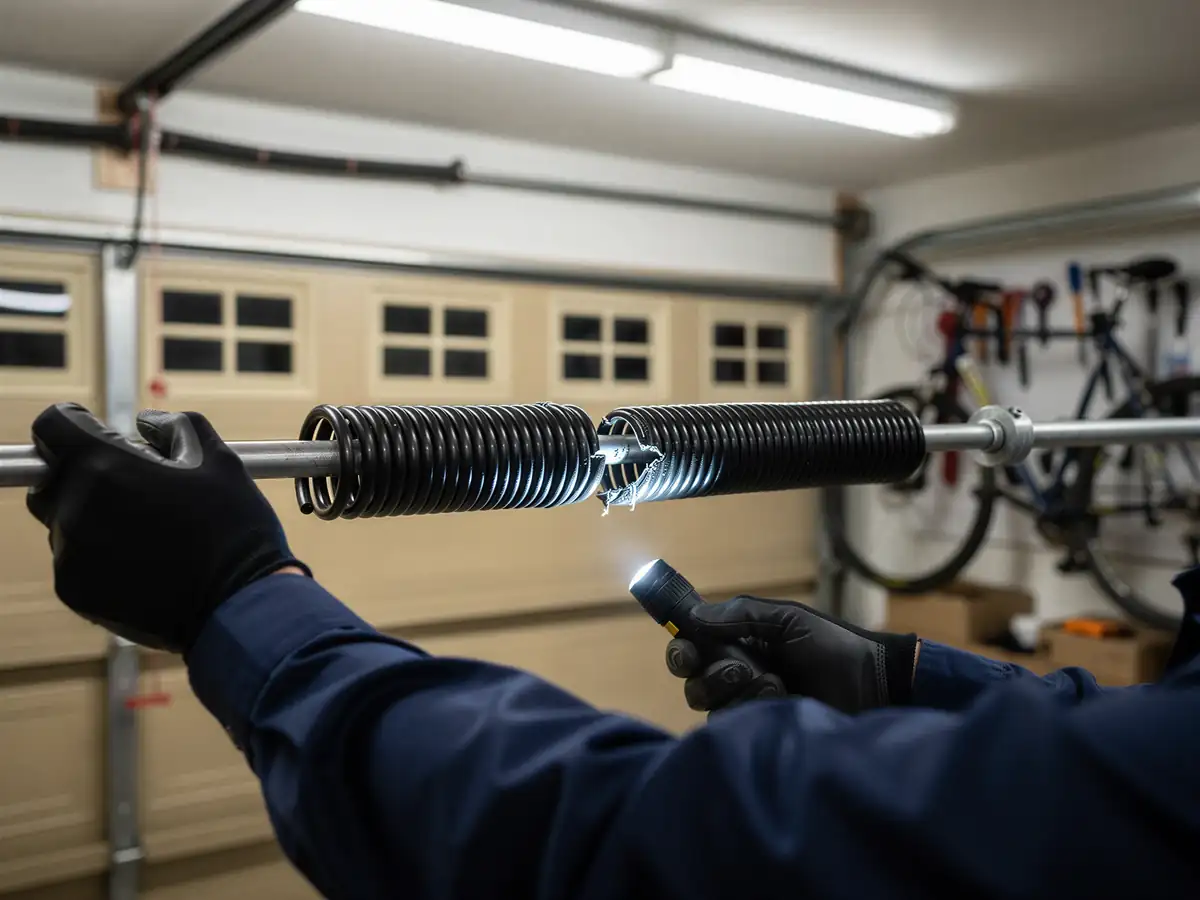
We send trucks into Burlington from our Woburn shop, a quick 3-mile run, for the same reason we get called into the other towns along Route 128: the housing here settled in mostly during the late 1960s and into the 1970s, a touch later than the 1965 median across our wider service area. That gap matters. Doors and openers installed when a neighborhood went up in 1971 are a different generation of hardware than what you'd find on a house built in 1958 - different spring placement, different track widths, sometimes a different opener mount entirely. Burlington's roughly 10,056 households sit inside a service area of 199,043 owner-occupied homes, and the calls we get from this side of town tend to cluster around the same handful of problems: torsion springs that have simply run out of cycles, openers original to the house finally quitting, and tracks that have gone out of square after decades of use. We're not guessing at what we'll find when we pull into a Burlington driveway - the housing stock here tells us most of it before we open the truck.
What That Means for Doors
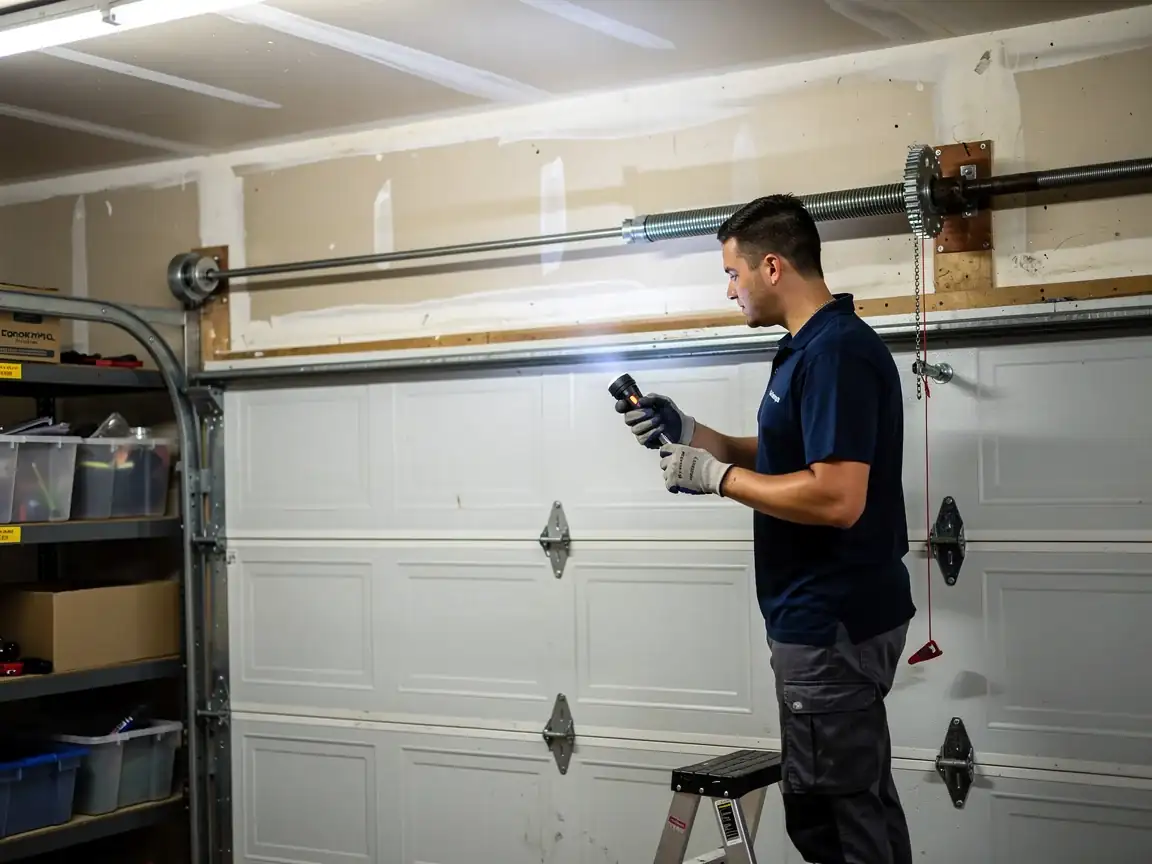
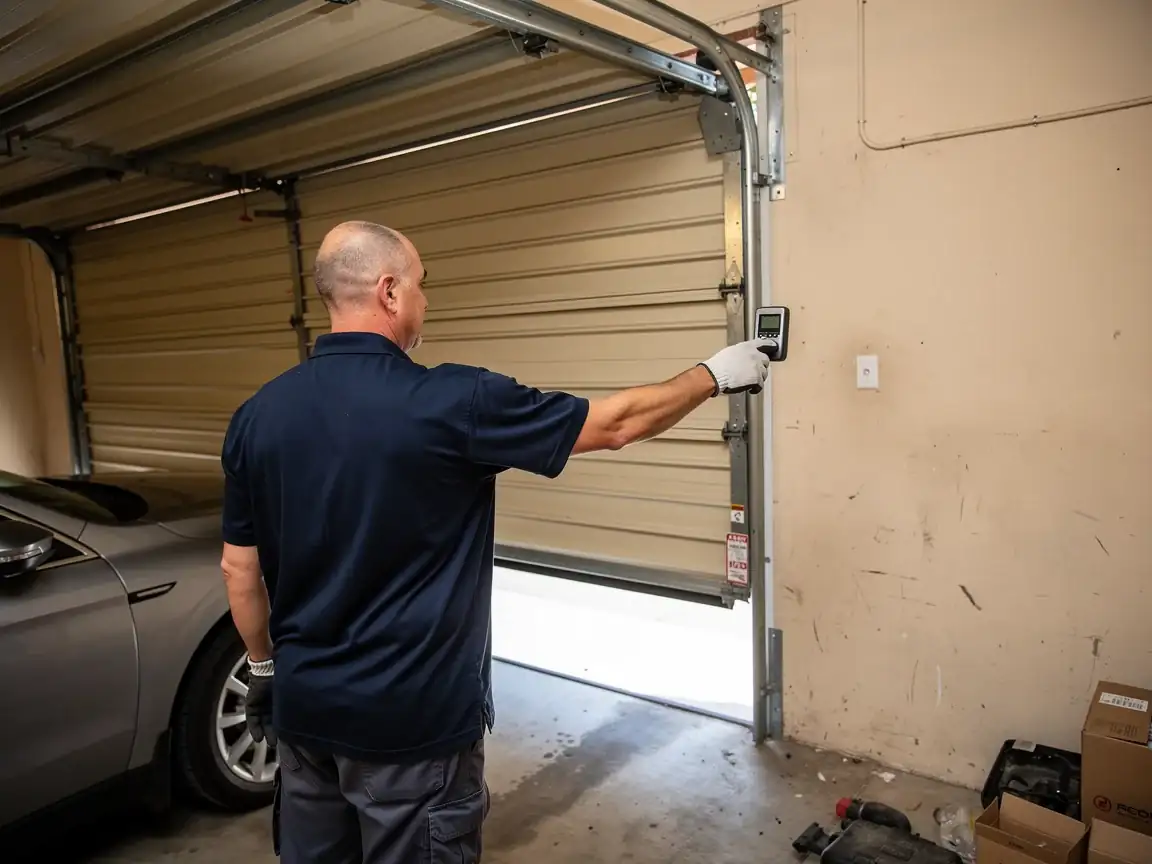
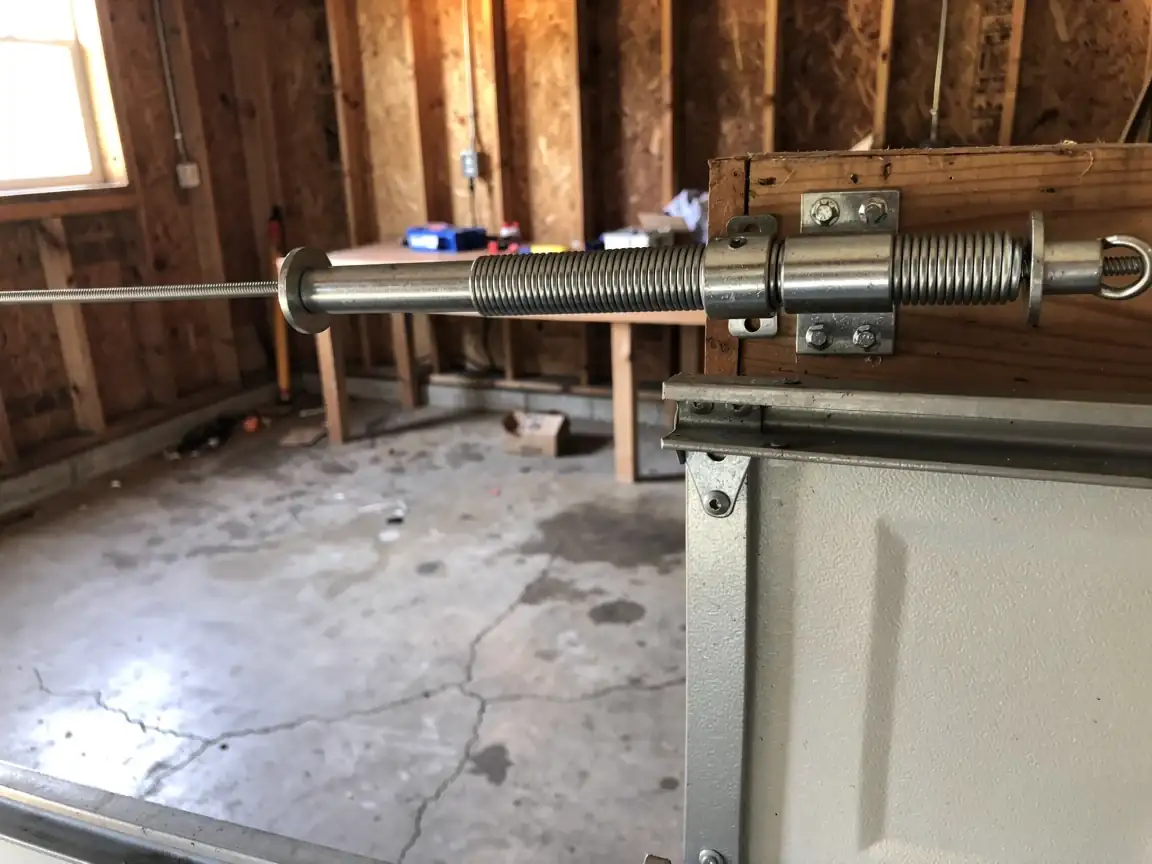
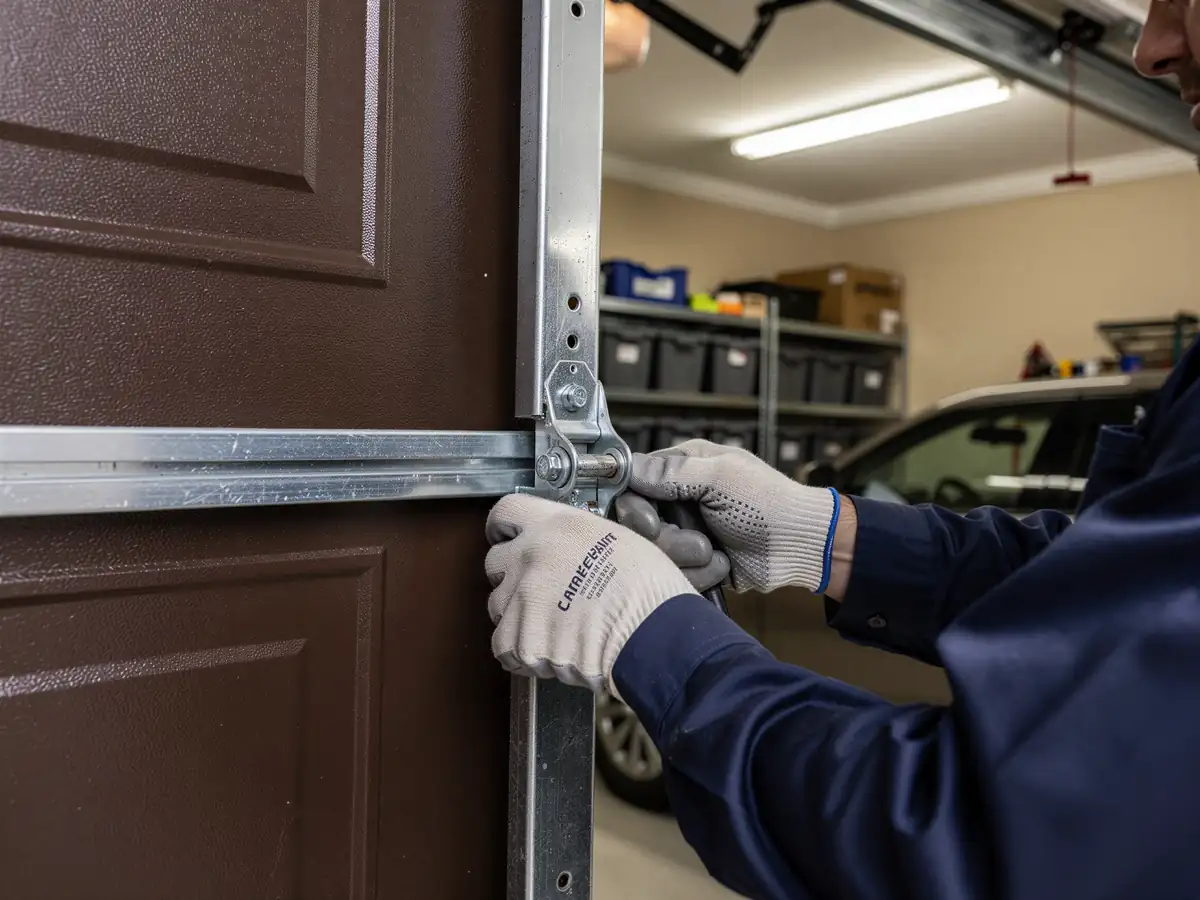
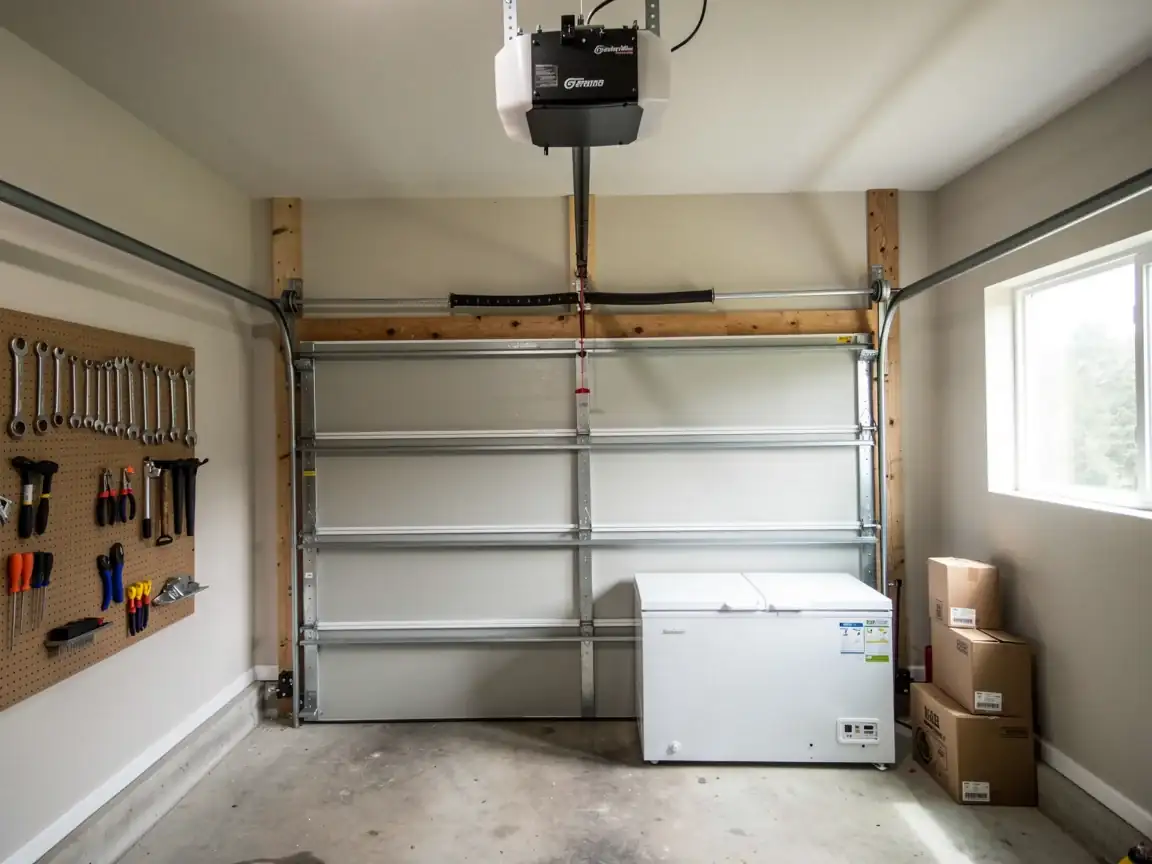
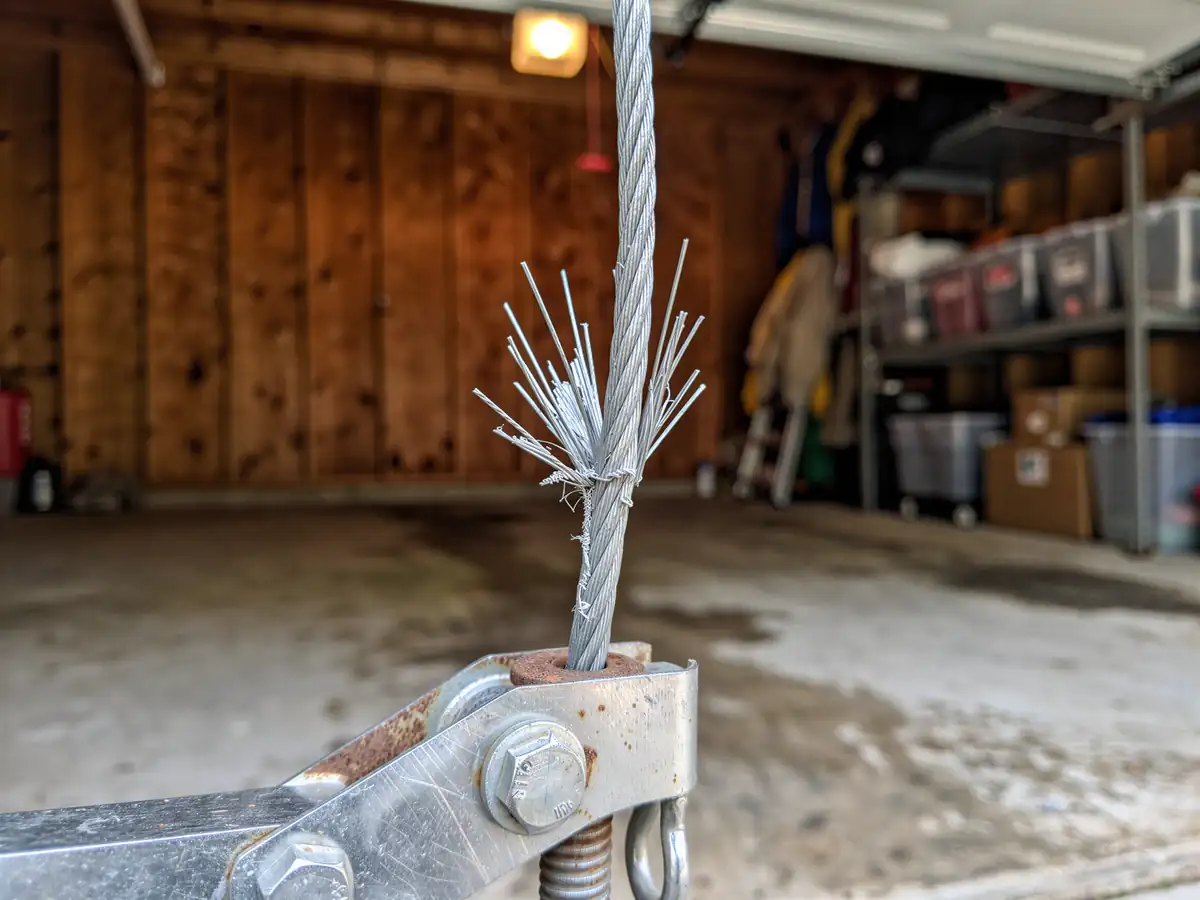
A door installed around 1971 was built to a different set of expectations than one going in today. Extension springs were still common on a lot of garages from that era, mounted bare along the horizontal tracks rather than tucked into a torsion bar overhead - and those setups don't fail the same way torsion systems do. When an extension spring lets go, it tends to be sudden and it tends to take a cable or a pulley bracket with it. We also see steel sectional doors from this period that have thinned at the bottom panel from forty-plus years of moisture cycling, which in a COLD-severe climate band means repeated freeze-thaw at the weatherseal and the bottom roller track. None of this means a Burlington garage is in bad shape - it means the failure points are predictable, and when we quote a repair we're already accounting for the fact that replacement parts for a 1971-era extension spring setup aren't something every supplier stocks on the shelf. Sometimes that means a short wait on a part, and we'll tell you that up front rather than promise a same-day fix we can't back up.
This Area's Housing
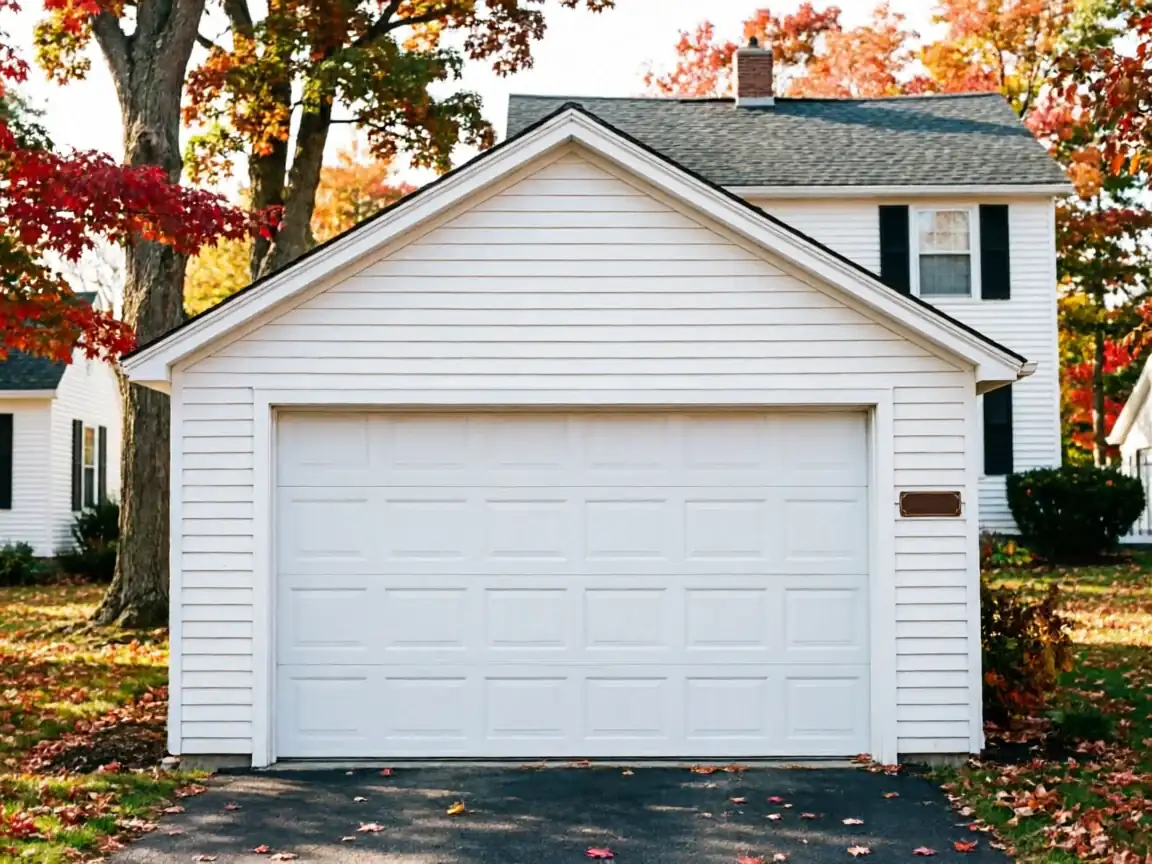
Burlington's housing stock, centered around 1971, puts it on the newer edge of the broader area we work, which runs from 1938 up through 1988 with a median around 1965. That six-year spread sounds small until you're standing in front of a garage door track - it's often the difference between a torsion spring system and an older extension spring setup, and between a door built to original 1970s dimensions and the wider doors common in later construction. Across the full service area we cover 365,662 households, and Burlington's roughly 10,056 of those sit close enough to Woburn, Winchester, and Stoneham that the building trends run in parallel. We don't treat every town the same because they weren't built the same, and Burlington's slightly later housing era is exactly the kind of detail that changes what we bring on the truck before we even knock on the door.