Serving Woburn, MA & nearby
(781) 201-6676
Woburn, MA

Safety Sensors and Why They Drift in Woburn Homes

Woburn's 1960s-70s housing stock and cold winters move the slab under your garage door sensors. Here's what actually knocks them out of alignment and what to do.

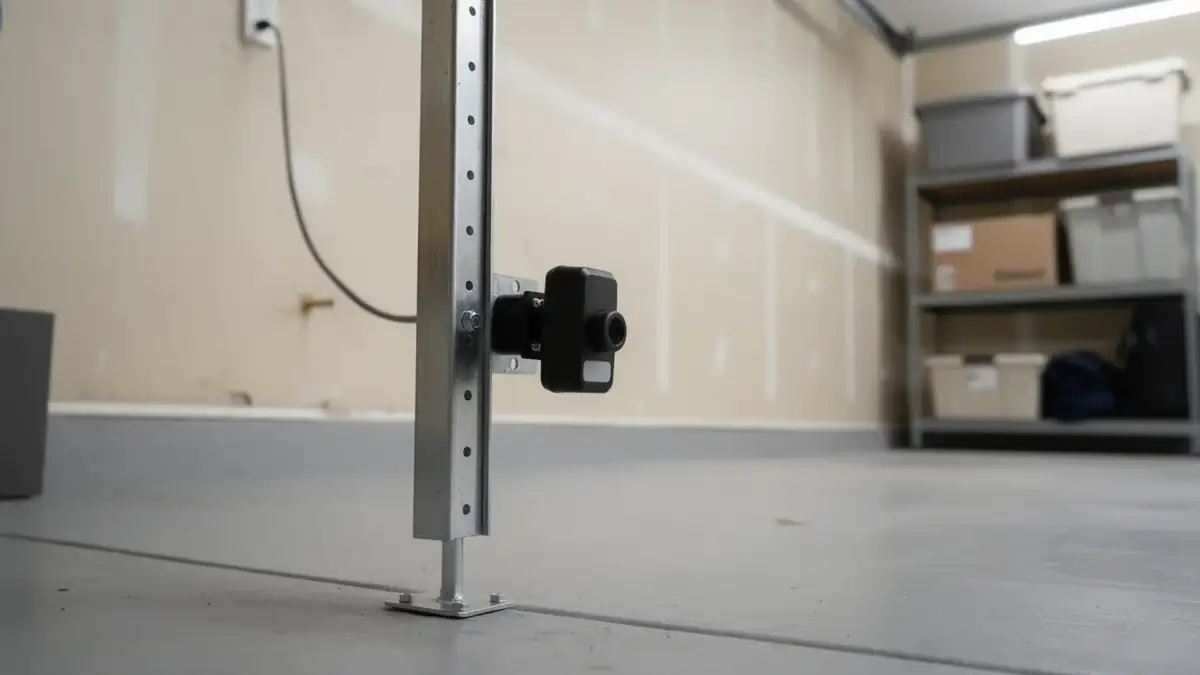
A black security camera is mounted on a metal support beam in a garage.

What the Weather Here Does to It

Woburn sits in a cold-climate zone with real seasonal swings, and that matters more for your safety sensors than most homeowners realize. The two photo-eye sensors at the bottom of your track rails aren't bolted to the house framing - they're mounted on thin brackets anchored into the concrete slab or the wood jamb next to it. In a severe cold climate, that slab doesn't sit still. Frost heave pushes it up a fraction through the winter, and it settles back down as things thaw. Over one season that's nothing you'd notice. Over the decades these houses have stood - most of Woburn's housing went up between 1938 and 1988, with the bulk from the 1960s and 70s - that slow push and settle adds up to real misalignment. The bracket on one side ends up a quarter-inch off from where it was the year the opener went in. Add a cold morning where the metal bracket itself contracts slightly, and the beam that's supposed to cross cleanly between the two eyes starts clipping the edge of a bracket housing instead of shooting straight across. That's the drift. It's not a wiring fault and it's not the sensor failing - it's the slab and the decades underneath it finally showing.

The Situation

Here's the practical shape of the problem in a house from this era. Woburn's 1960s and 70s stock was mostly built with attached garages poured on the same slab as the driveway apron, not on an independent footing. That apron slab is the part most exposed to freeze-thaw cycling, since it isn't under the heated part of the house. The sensor brackets, in a lot of these original installs, got mounted directly to that section - sometimes to a wood jamb nailed into it, sometimes to the slab edge itself. Fifty-some years of frost heave on an unfooted slab is a different situation than a sensor mounted to a poured footing eight feet down, below the frost line. So in these homes, the sensors don't drift because they're old or cheap - they drift because the surface under them has been moving independently of the door track for longer than most current owners have lived there. If your opener has been retrofitted once or twice since the house was built, which is common across these decades, the newer unit's sensor brackets often got reattached to the same compromised mounting points rather than re-anchored properly.

When to Call Someone

Call if the door reverses or refuses to close and you can't find an obvious obstruction - a box, a bike, a shadow at dusk. That's a sensor alignment problem nine times out of ten, and it's also the one failure mode you should never just disable or ignore, because the sensors are what keep the door from closing on a kid, a pet, or your car bumper. Call if you've straightened the brackets by hand and the light on one unit still blinks or stays dark instead of solid. Call if the issue only shows up on the coldest mornings and clears by afternoon - that's the contraction-and-expansion pattern talking, and it means the bracket mount itself needs to be moved off whatever's shifting, not just re-aimed. We don't recommend chasing this one with tape and guesswork once the slab under the bracket has visibly cracked or dropped; at that point the fix is a new mounting point, not a nudge.

When Waiting Is Fine

Not every blink is an emergency. If the sensor light flickers once and then holds steady, and the door has been opening and closing normally, give it a day before you call anyone. A one-time flicker is often just dust, a spiderweb, or a leaf blown across the beam, especially in fall. If you can see daylight hitting one sensor's lens straight-on at a certain hour and the drift only shows up at that exact time of day, that's a sun-glare issue, not a mechanical one - move the lens angle slightly or hang a small shade and it'll sort itself out. And if your sensors are working fine right now and you're just noticing the brackets look a little loose on inspection, that's worth tightening yourself with a screwdriver before it becomes a call. We'd rather you save the service call for when the beam is actually misaligned or the door's behavior is inconsistent, not every time a bracket looks slightly off level.
How it works

From “it’s stuck” to “it’s fixed”

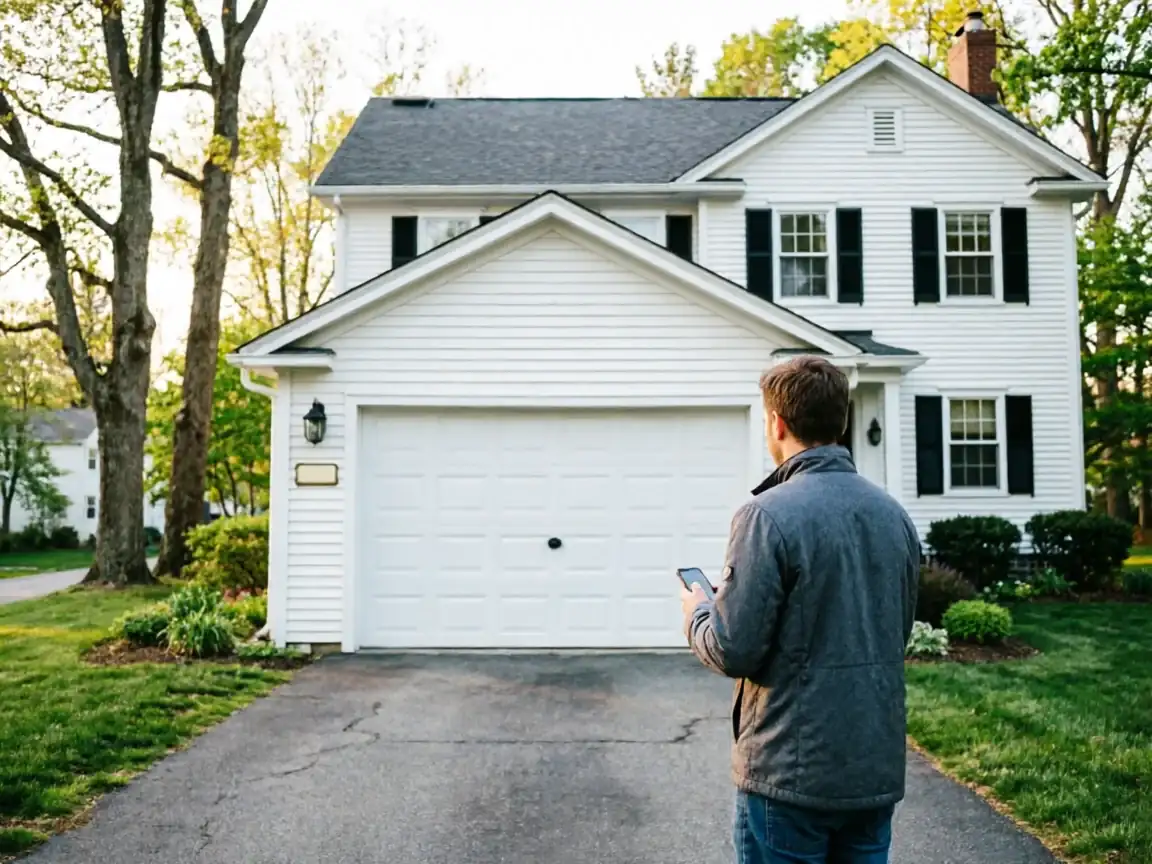
A man stands in a driveway looking at a white house with a white garage door.
1

Tell us what’s wrong

Describe the symptom - won’t open, loud bang, opener runs but the door won’t move.

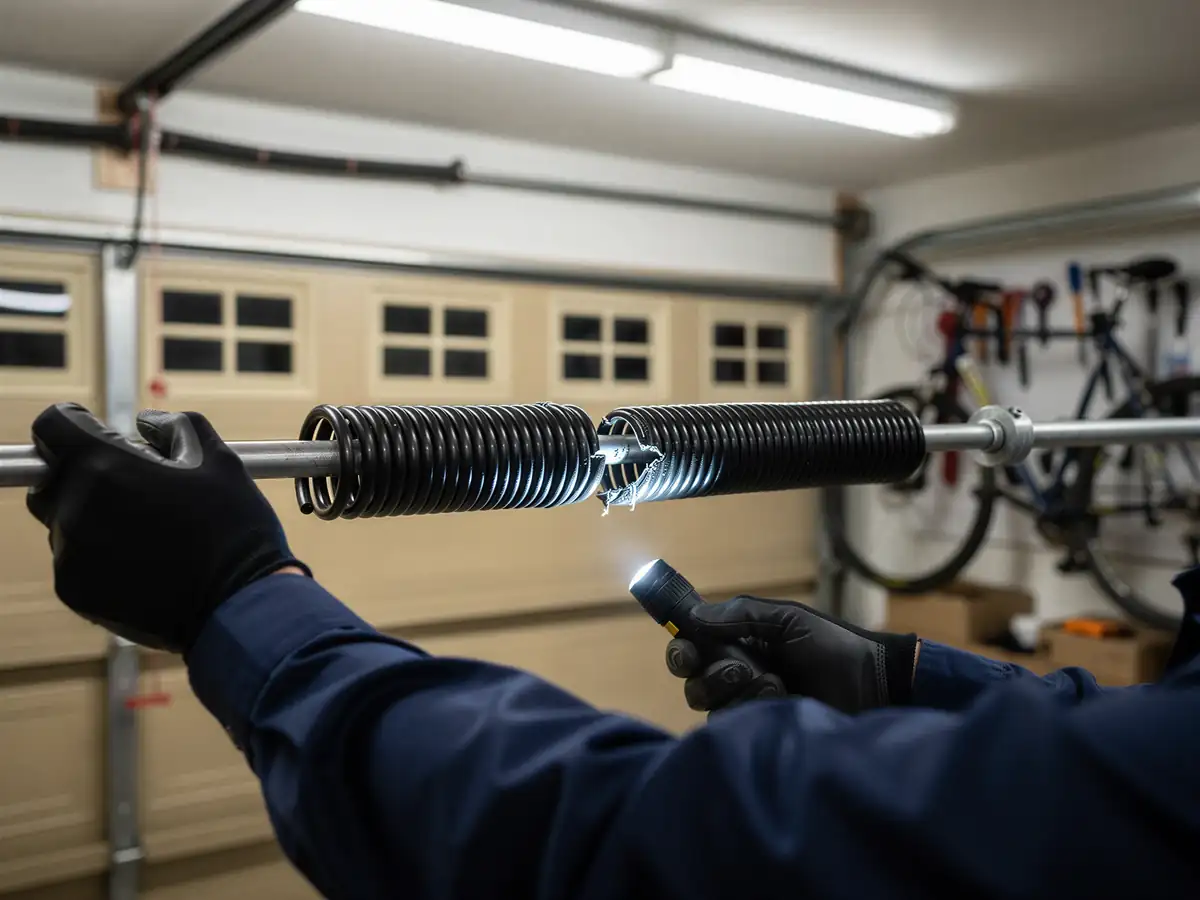
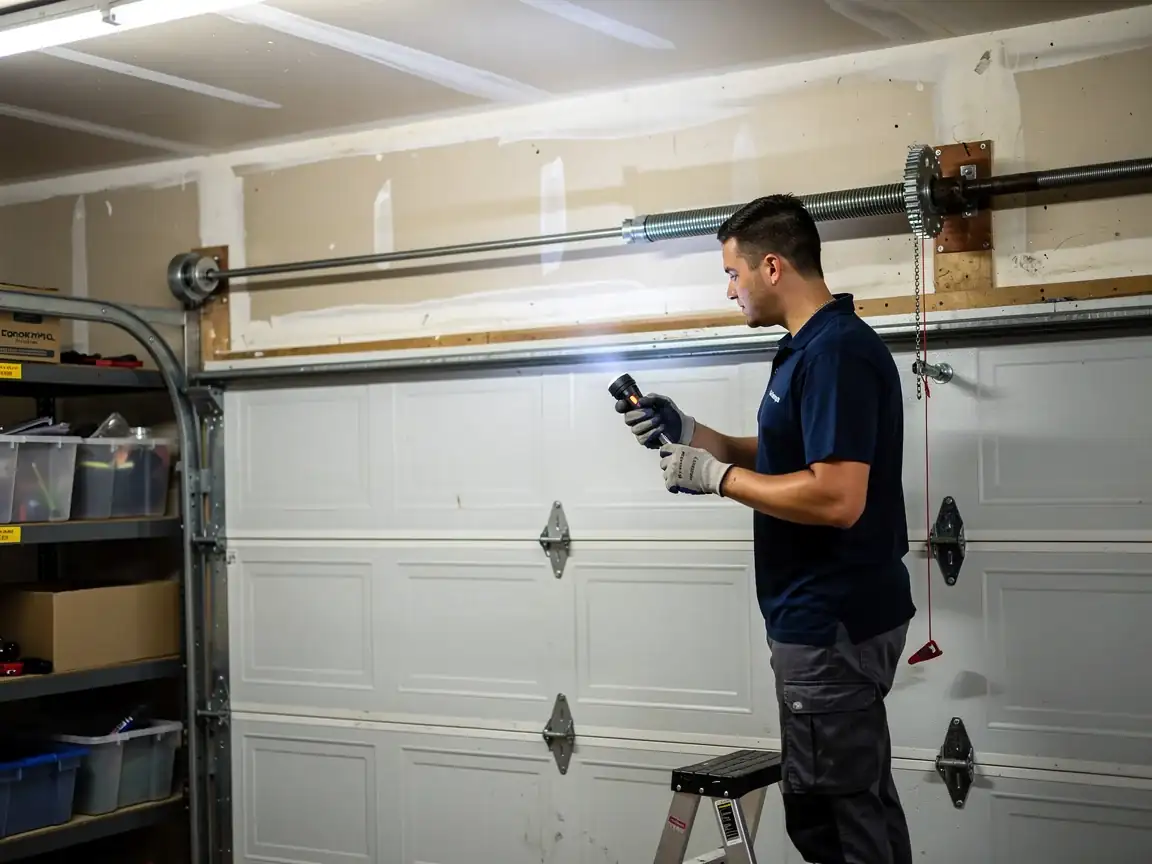
A technician shines a flashlight on a garage door torsion spring.
2

On-site diagnosis

A technician tests the door under power and by hand and finds what actually failed.

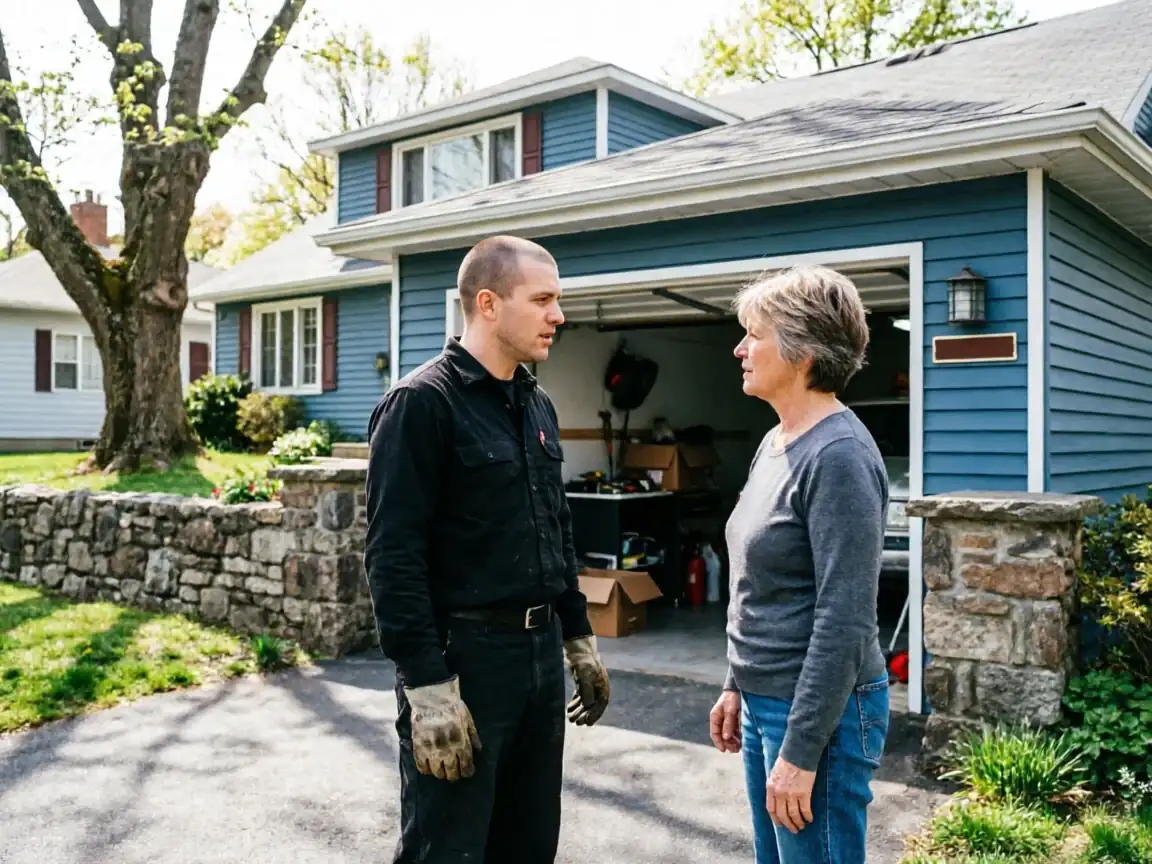
A technician and a woman stand in a driveway in front of a blue house.
3

Clear, up-front plan

You get the fix that’s needed and what drives the cost - before any work starts.

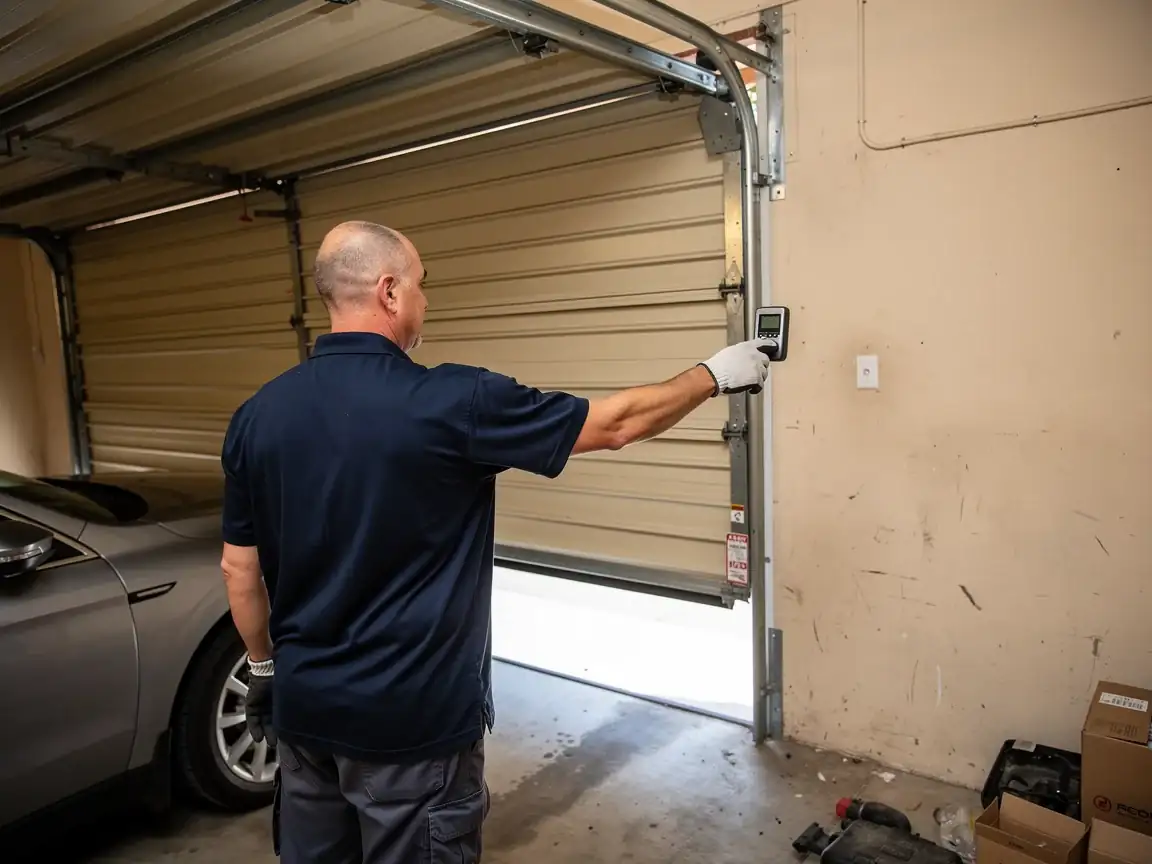
A technician holds a remote control while standing next to an open garage door.
4

Repaired & tested

The repair is done, the door is set true and tested, and the work area left clean.

Not sure which repair your door needs in Woburn, MA? Describe what it’s doing - every job starts with a diagnosis.

How we work

What to expect

Diagnosis firstEvery visit starts by finding what actually failed - not a pre-written parts list.
The right part for the doorSprings and openers matched to the door’s weight and age, so the fix holds up.
Straight answersWhen a repair makes more sense than a replacement - or the reverse - you hear it plainly.
Clean, careful workTension released safely, hardware set true, the door tested under power before we leave.
What we do

Garage Door Services

Repair and installation work for Woburn homes and businesses.

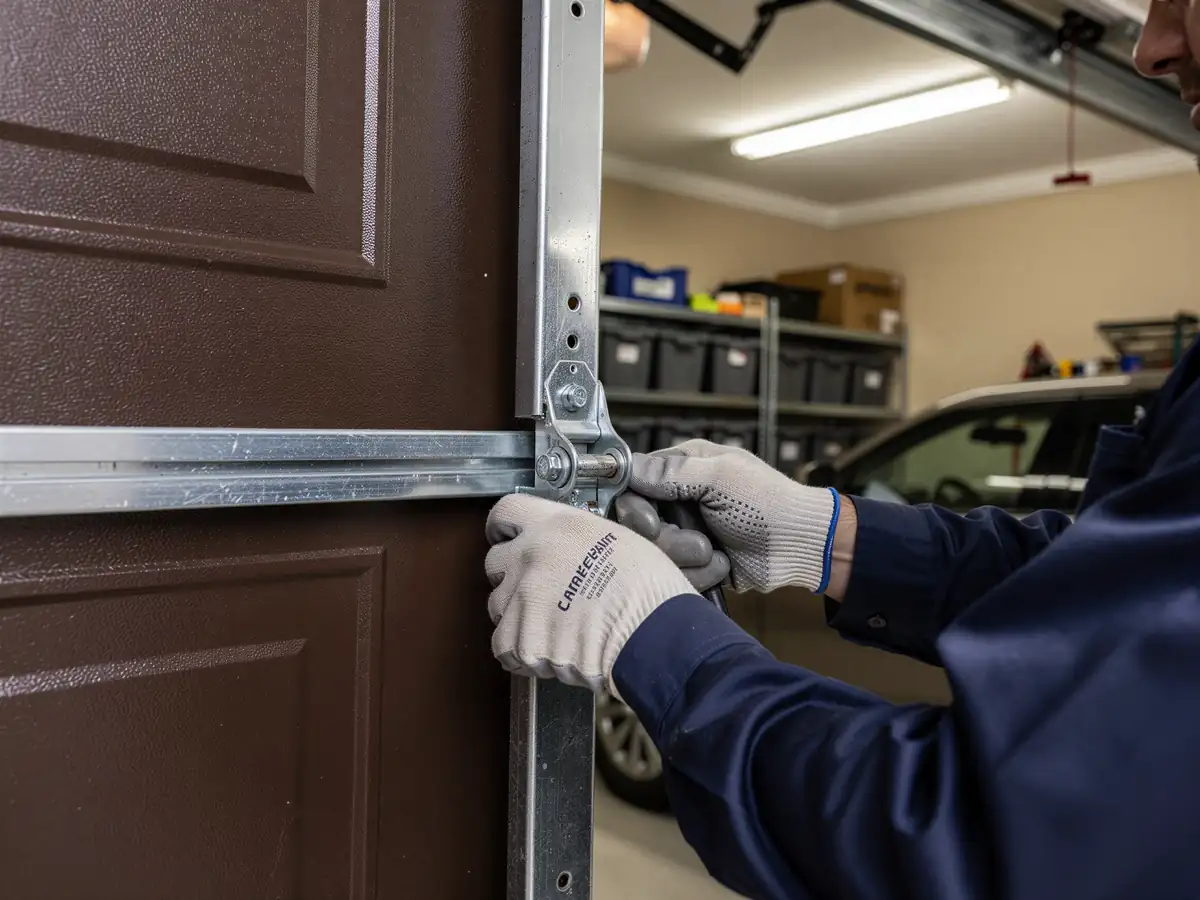
A technician in gloves adjusts the metal track of a brown garage door.

Garage Door Repair

Garage door repair for Woburn homes built 1938-1988. We carry the torsion springs and rollers that fit this area's original openers and cold-climate hardware.

Learn more
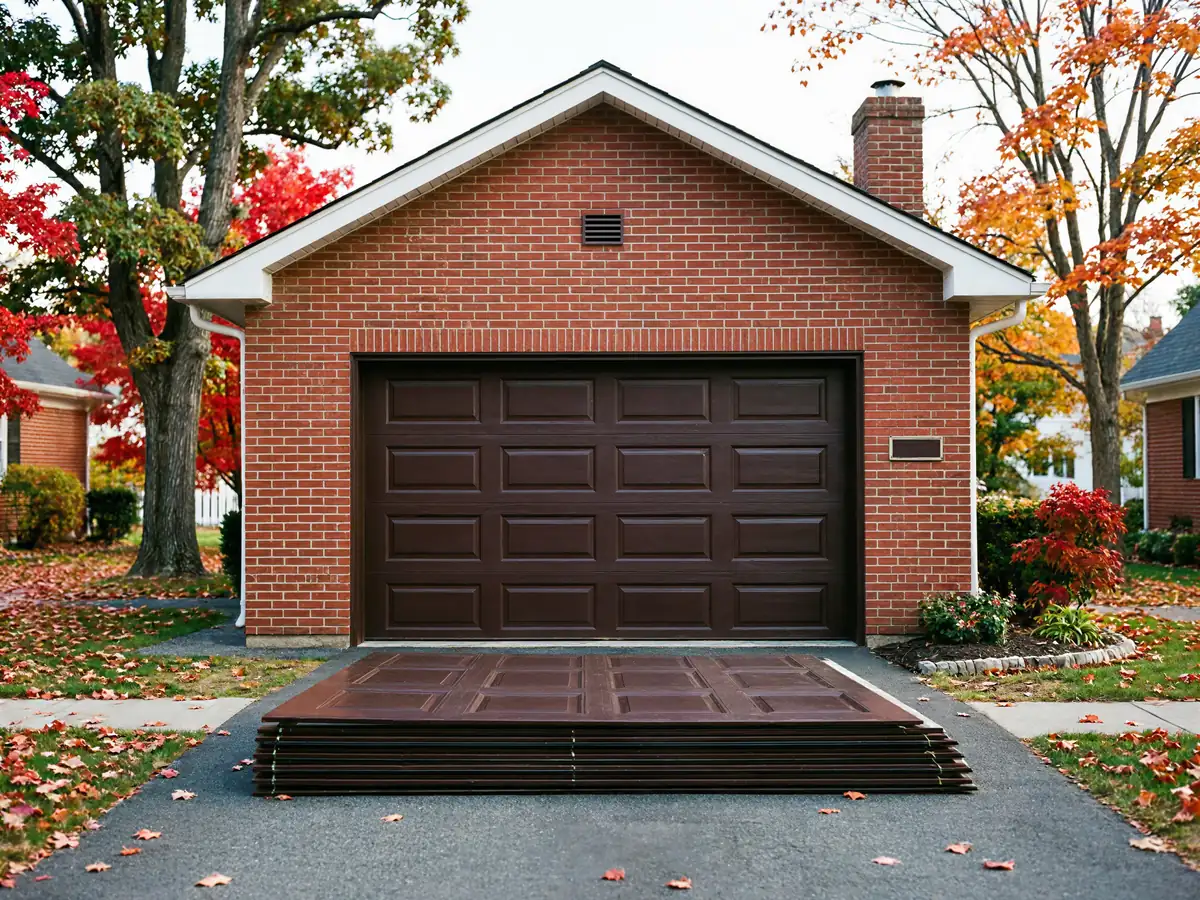
A brown garage door on a brick house with new door panels stacked on the driveway.

Garage Door Installation

Replacing a garage door on a Woburn house built between 1938 and 1988 means matching the original rough opening, not just picking a door off the shelf. Here's what that job actually involves.

Learn more
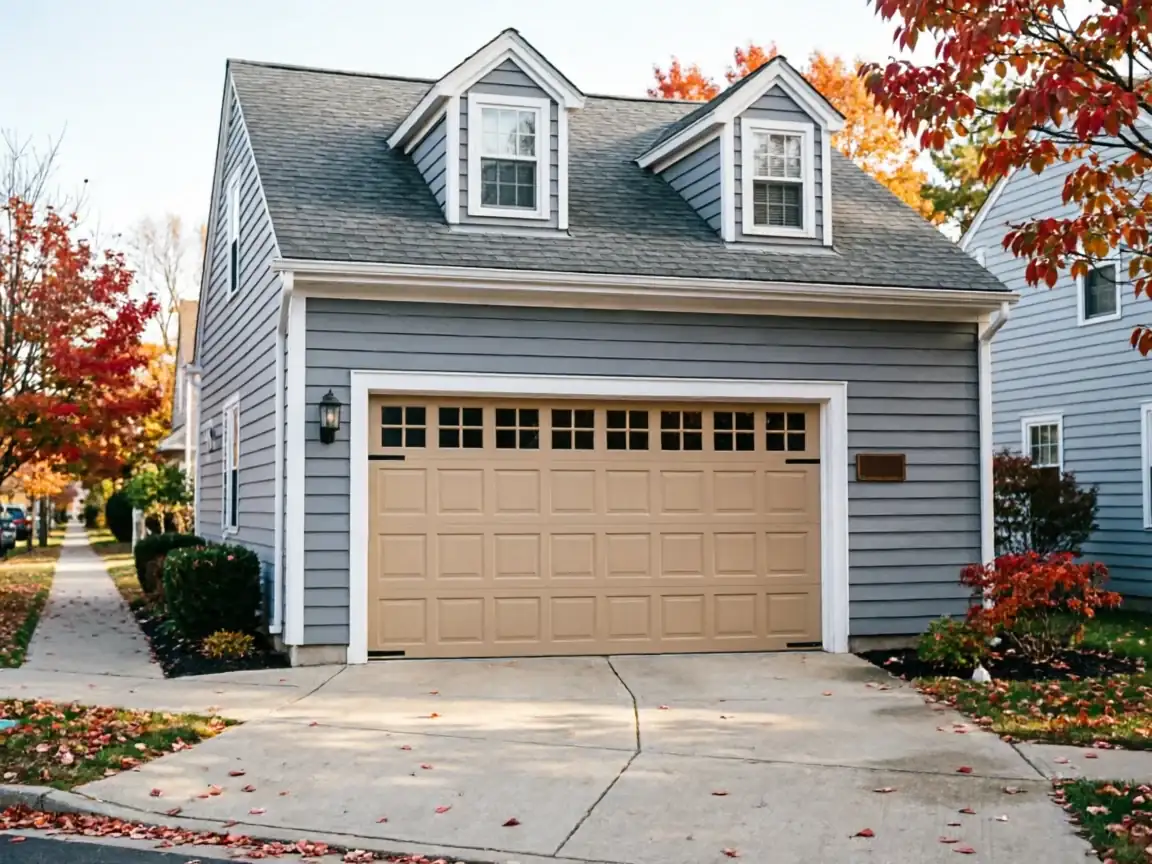
The garage door is tan with windows, on a gray house with dormers.

Garage Door Service

Spring, cable, and opener repair for Woburn homes built 1938-1988. We stock the torsion springs this era of builder-grade door actually needs.

Learn more
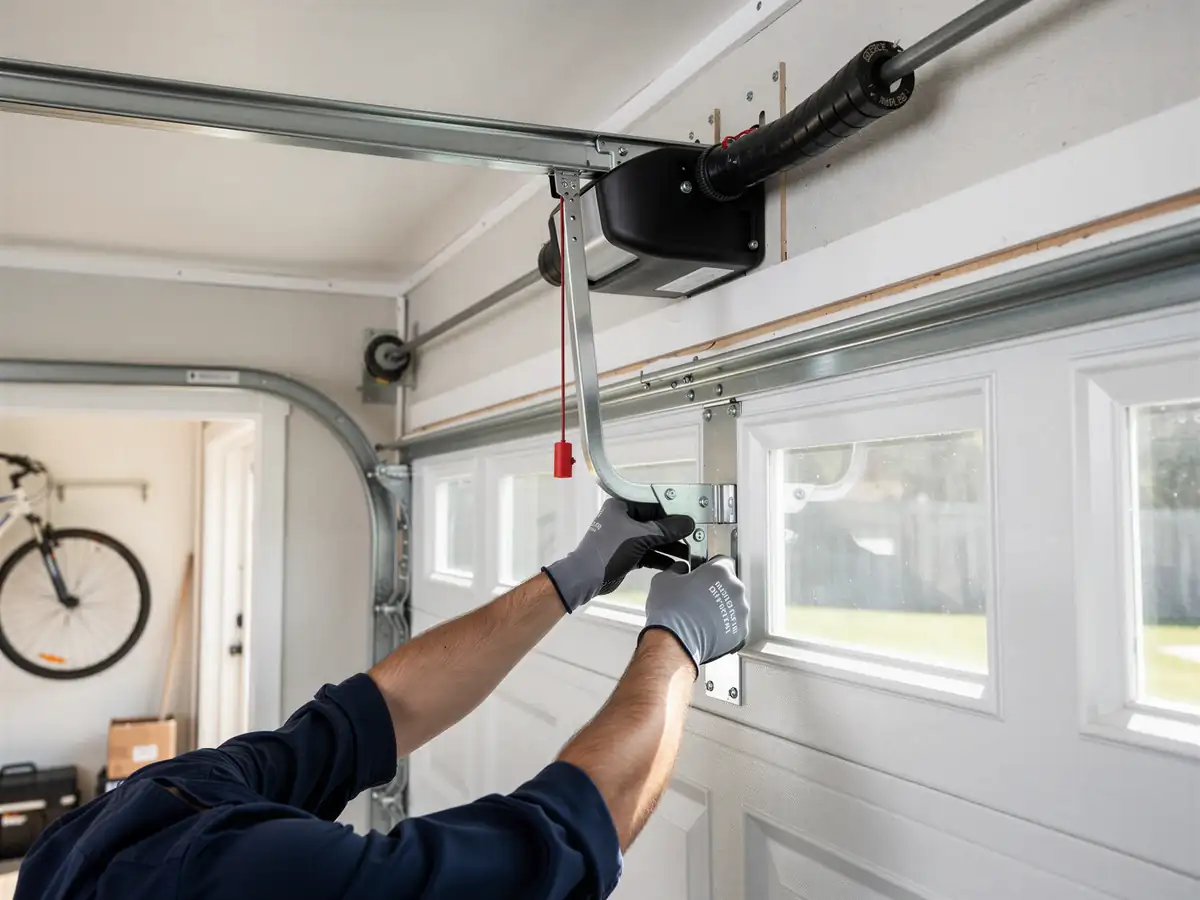
A technician's gloved hands are adjusting a garage door hinge and roller.

Opener Installation

Opener installs and swaps for Woburn's 1960s-70s housing stock, built for cold-climate loads and the chain-drive units that came standard on original builders.

Learn more
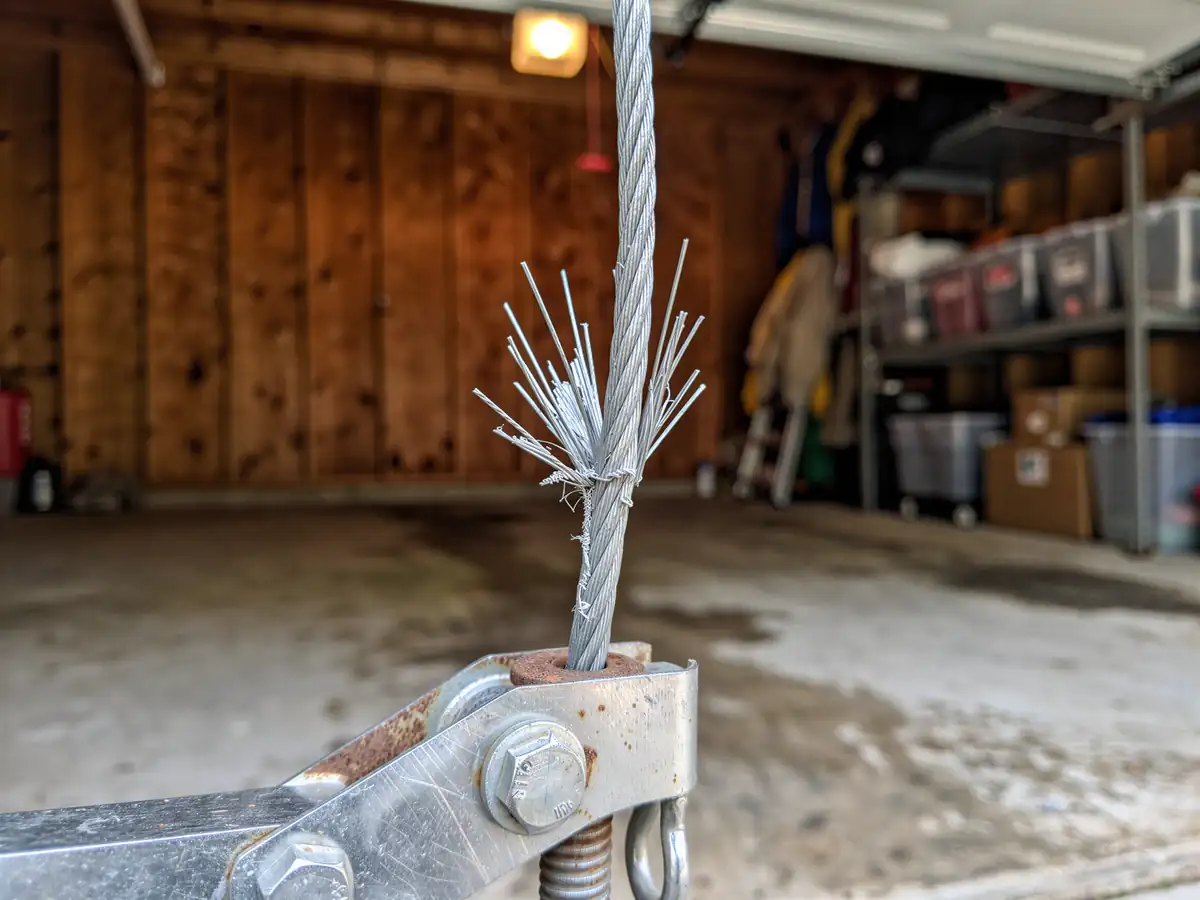
The frayed garage door cable is attached to a metal bracket in a garage.

Cable Repair

Cable repair for Woburn garage doors: why cables snap in houses built mostly in the 1960s and 70s, what we stock on the truck, and what the fix actually involves.

Learn more
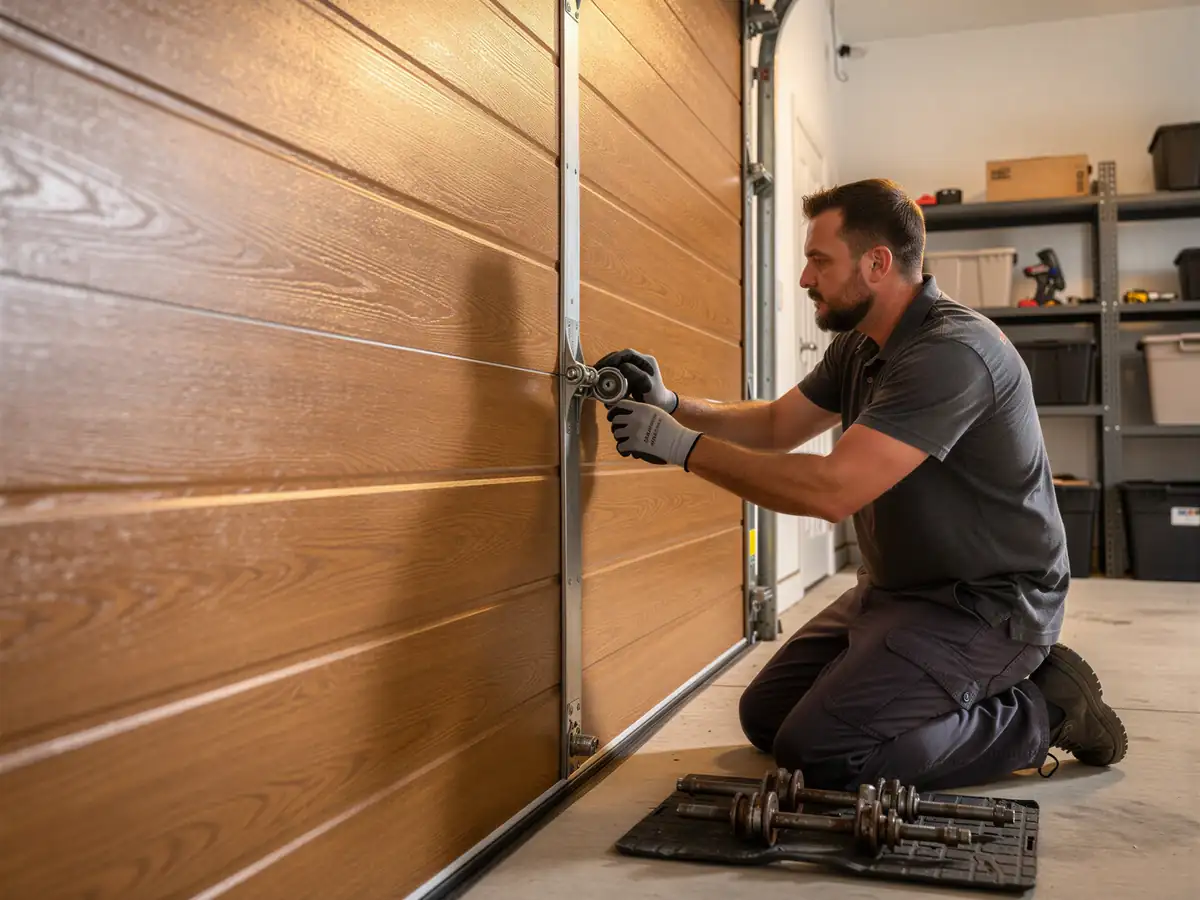
A technician kneels, adjusting a roller on a brown wood-grain garage door.

Roller Replacement

Worn or cracked rollers on a Woburn garage door usually trace back to original steel hardware from the 1960s building boom. We stock matching rollers and fix it right.

Learn more
A technician stands in front of a brown garage door that is partially open.

Maintenance

Woburn Garage Door Pros handles spring, roller, and opener maintenance for the 1960s-70s housing stock across Woburn and the surrounding service area.

Learn more
A technician inspects a broken garage door torsion spring with a flashlight.

Emergency Garage Door Repair

Broken spring or dead opener at 6am in Woburn? We stock parts sized for the 1960s-70s torsion hardware common across this area and get doors moving again.

Learn more
Questions

Frequently asked

Straight answers about garage door repair in Woburn. Still unsure? Ask us directly.

Why do my garage door sensors only act up in winter?

In Woburn's cold climate, the concrete under the sensor brackets contracts and the slab shifts slightly with frost heave. That moves the bracket a small amount relative to the track, which is enough to throw the beam off. It usually clears up as temperatures stabilize, but the underlying drift doesn't fully reverse year over year.

My house is from the 1960s - is that why the sensors keep drifting?

Likely yes. Most Woburn houses from that era have garages poured on the same slab as the driveway apron rather than an independent footing, and that slab moves with frost cycling more than a deeper foundation would. Sensor brackets mounted to or near that slab inherit the movement.

Can I fix sensor drift myself?

Often yes - loosen the bracket screw, re-aim until both lights read solid, and retighten. If the drift returns within days or only happens on cold mornings, the mounting point itself has likely shifted and needs to be relocated rather than just re-aimed again.

Is it ever okay to just disconnect the sensors?

No. They're a safety feature, not a convenience one, and disabling them removes the one thing stopping the door from closing on something or someone in its path. If they're unreliable, the fix is realigning or remounting them, not bypassing them.

Ready to get your garage door sorted?

Tell us what it’s doing and where you are in Woburn - we’ll take it from there.

Request a QuoteCall