What the Weather Here Does to It
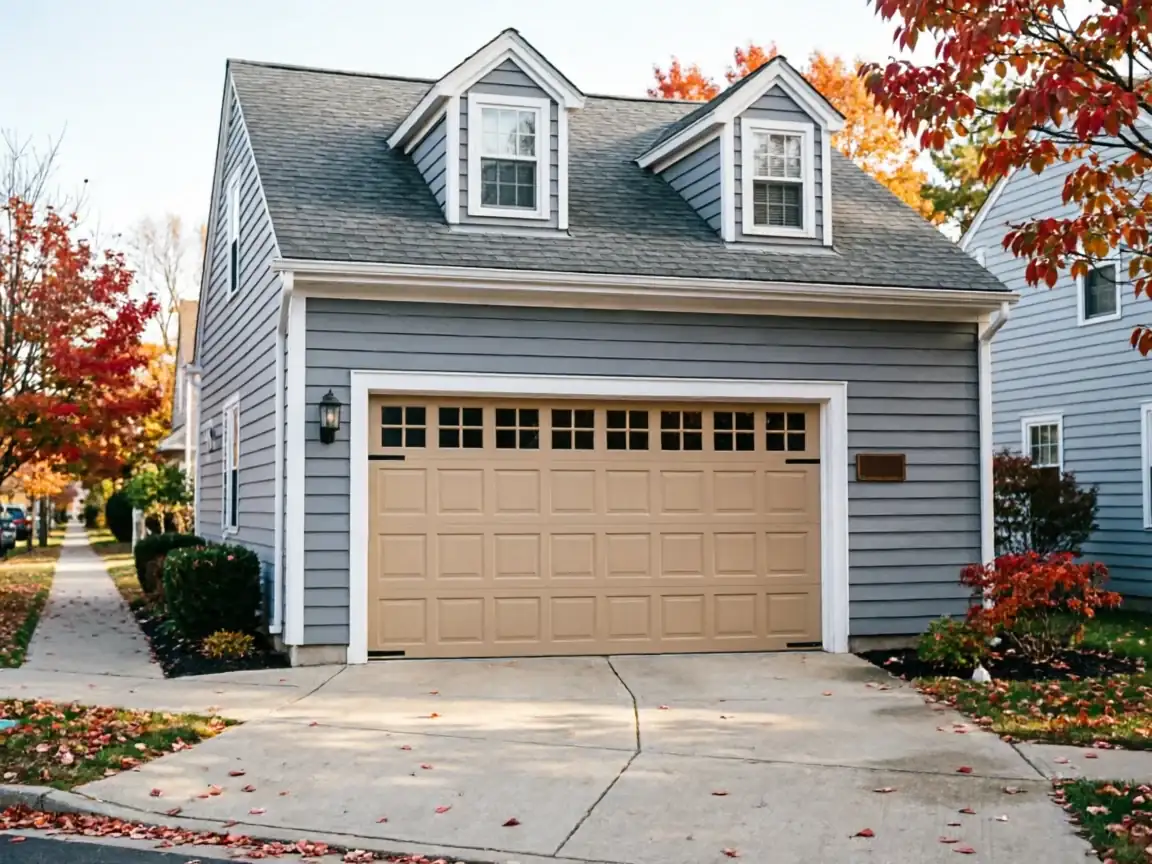
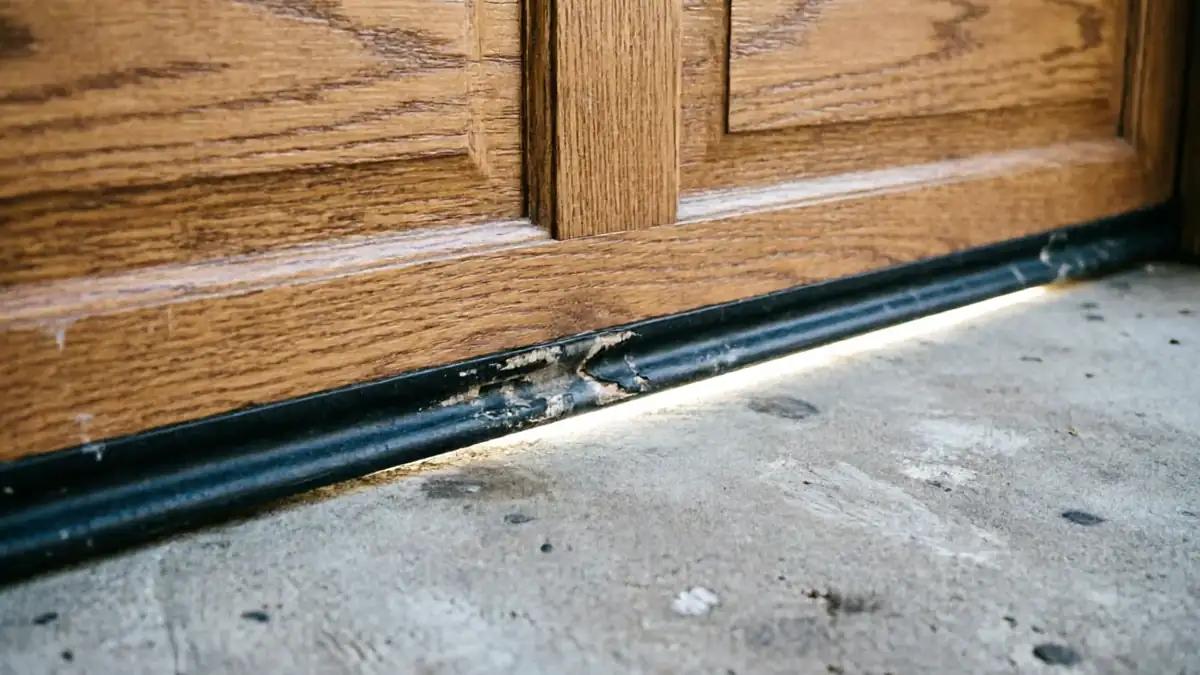
Most of the housing stock around Woburn went up between 1938 and 1988, with the median build year landing around 1965. That means a lot of garage doors are sitting in openings framed before anyone thought much about air sealing. The region sits in a cold, severe climate band, which means real freeze-thaw cycling every winter, not just a few cold nights. That cycling is what tears up a bottom seal and pulls a side weatherstrip loose from its track. On a 1960s or 70s frame, the jamb itself has usually shifted a little over sixty years, so even a brand-new seal can sit against an uneven surface and leak air at the corners. You'll feel it as a cold draught along the floor of the garage, or notice frost forming on the inside of the door panel near the bottom edge. It's not a flaw in the door - it's just what happens to a seal and a frame of that age exposed to this kind of winter, year after year. Newer doors and newer framing handle it better because the tolerances were cut tighter from the start.
The Situation
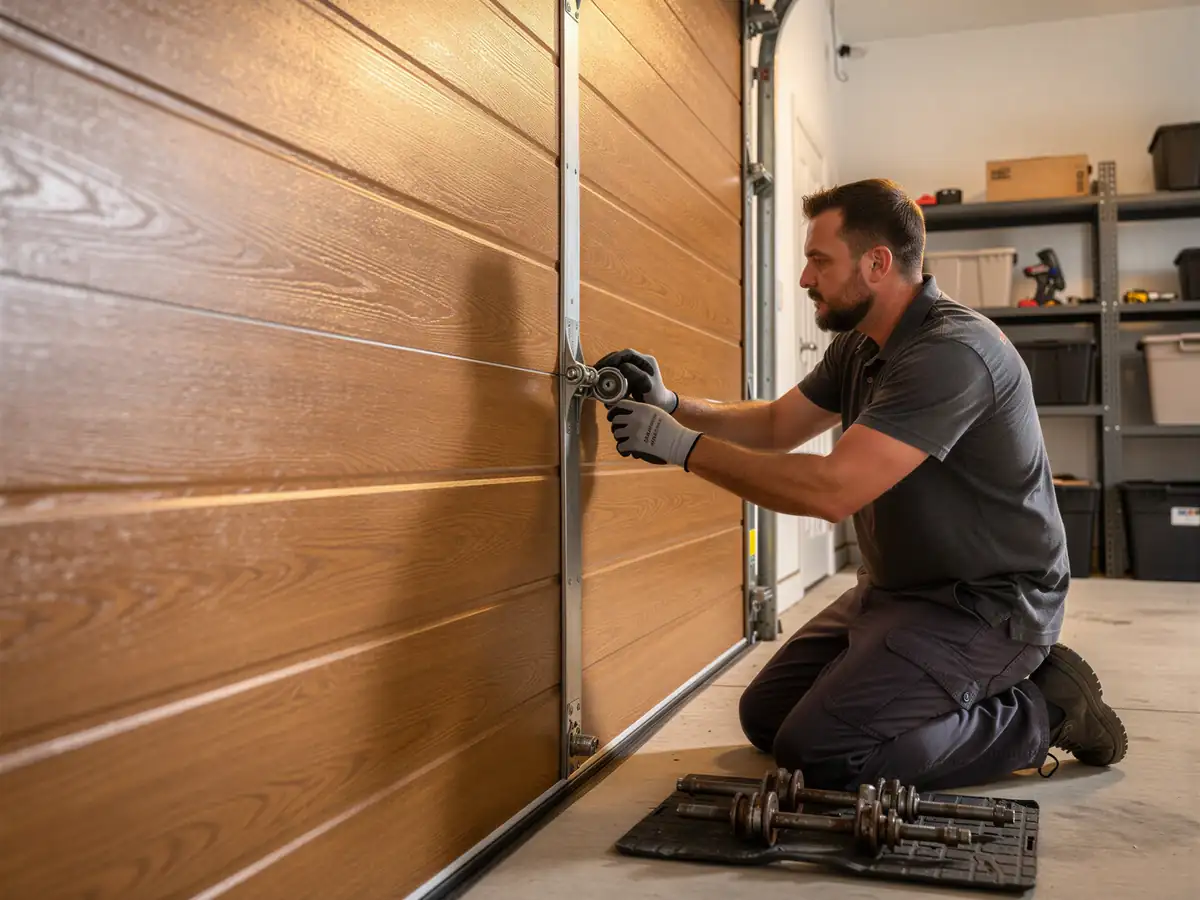
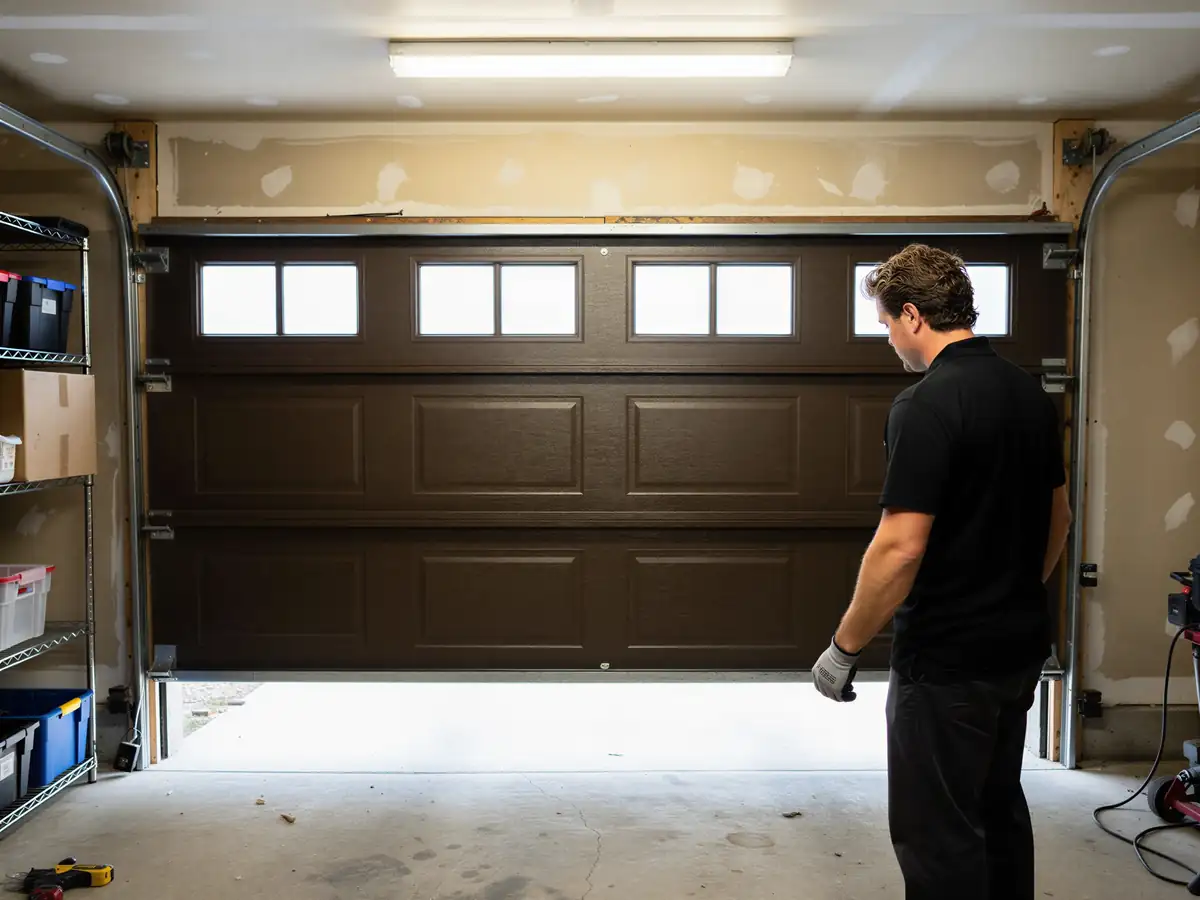
Walk into most garages built in this stretch of years and you'll find the same setup: a bottom astragal seal that's hardened and cracked, a top seal that's shrunk back from the header, and side seals stapled or nailed on rather than channeled in. On a door that old, none of that was designed to be replaced easily, so a lot of owners just live with the draught. In a service area with median household income over $152,000 and nearly 200,000 owner-occupied houses, most people can afford to fix this properly, but plenty haven't gotten around to it because the garage doesn't feel like a priority room. The honest truth is that seals wear out roughly on the same schedule regardless of income or neighborhood - it's the age of the house and the severity of the winters doing the damage, not anything the owner did wrong. If your garage shares a wall with living space, which is common in homes from this era, a bad seal isn't just a comfort problem. It's pulling cold air straight into a room you're paying to heat.
When Waiting Is Fine
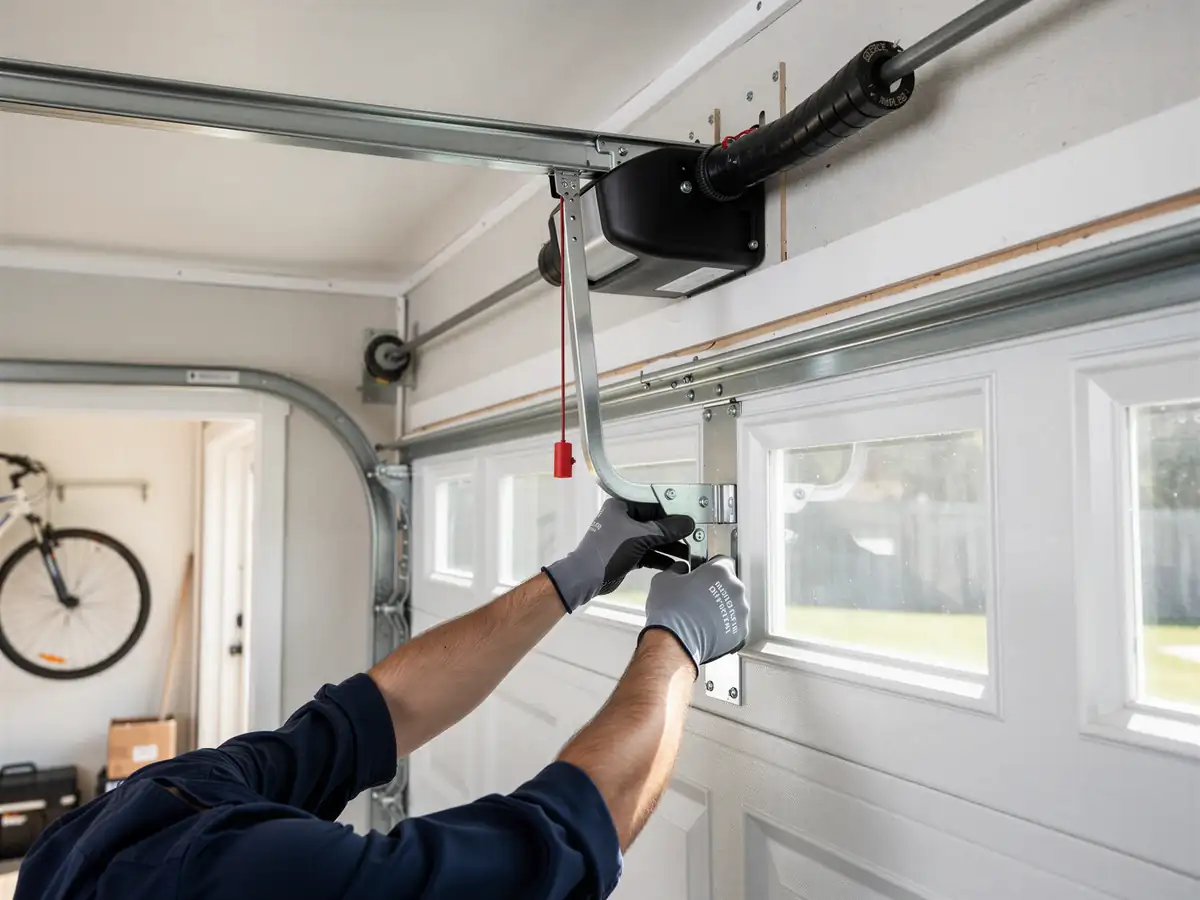
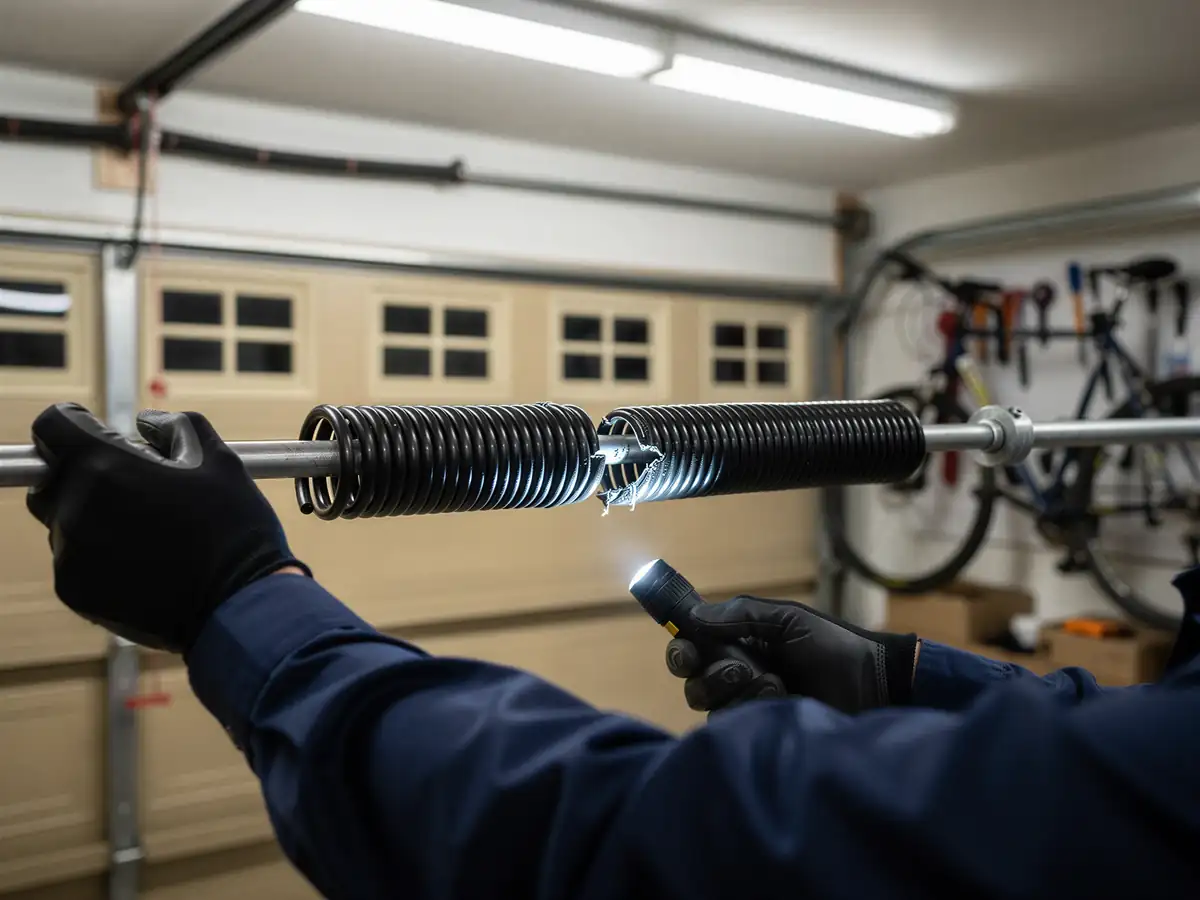
If the draught is minor - a little coolness near the floor but no visible gap, no ice, no daylight - it's fine to wait, especially outside the worst of the cold months. A seal that's 80% there still does most of the job. If you're planning any other garage work, like a spring or opener repair, it often makes sense to bundle a seal replacement into that same visit rather than scheduling two separate trips. And if your house is newer than the 1938-1988 range common across this area, or you've already had the door replaced at some point, your seals and tolerances are probably in better shape than the neighborhood average, and a seasonal check is enough. Not every draught needs an emergency call.