The Symptom
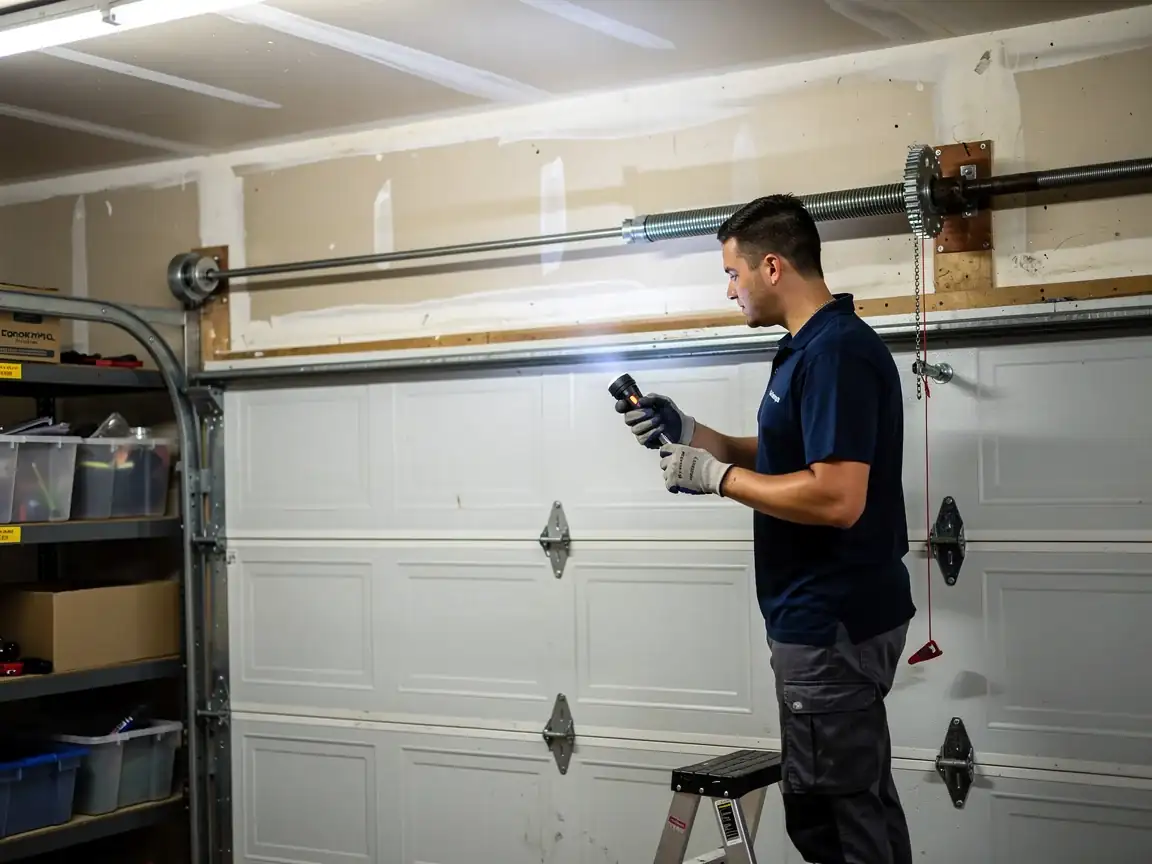
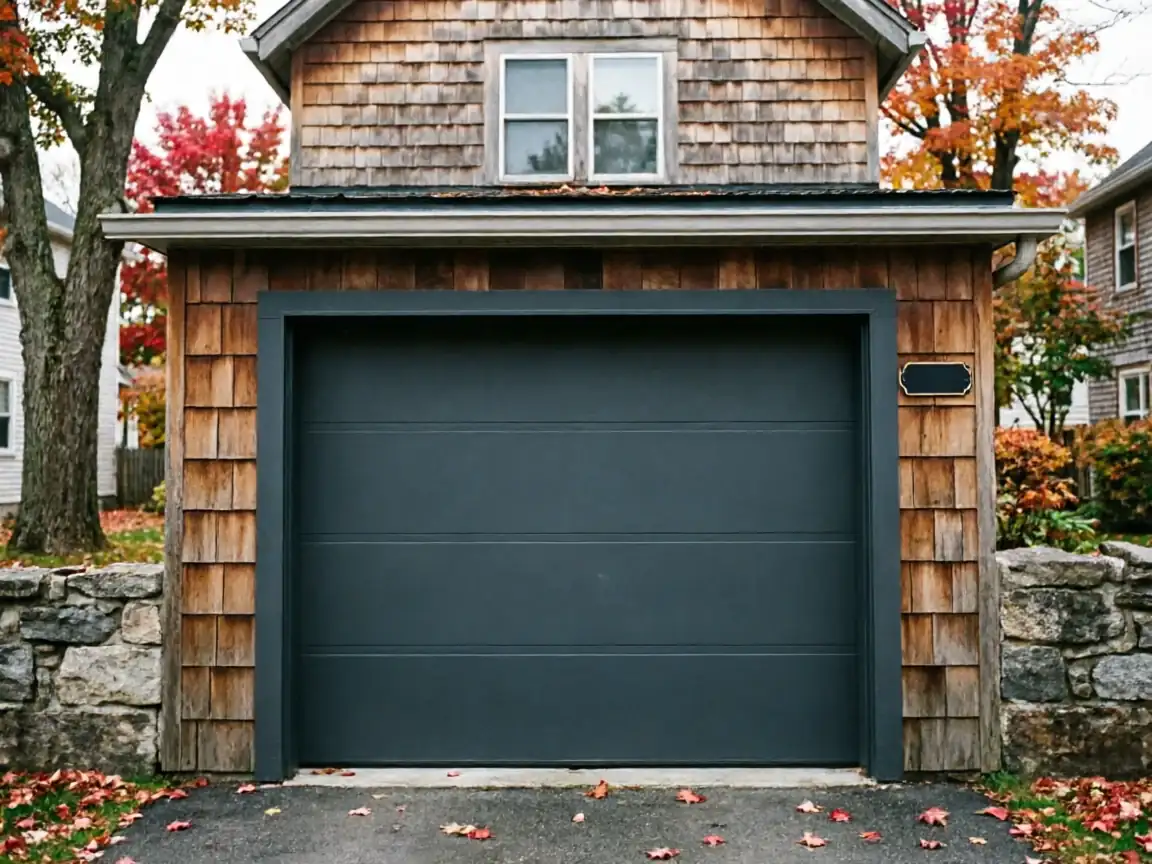
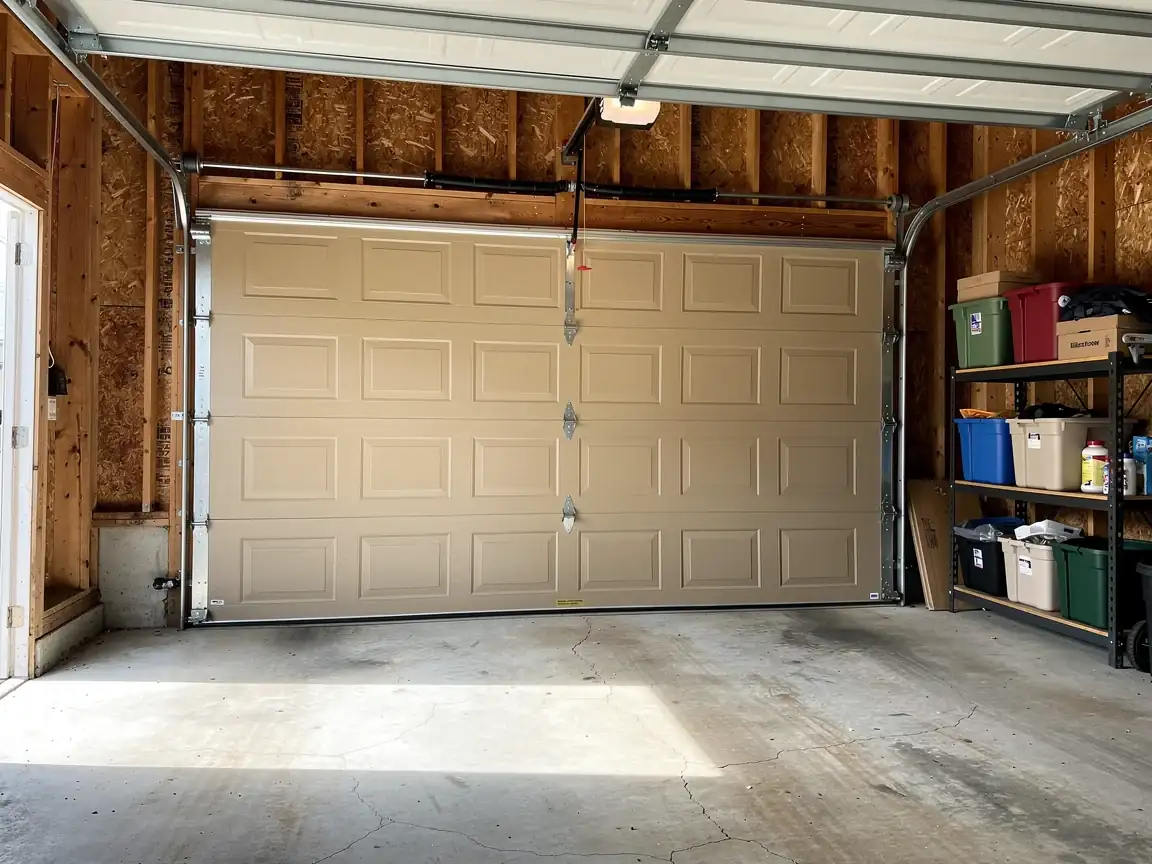
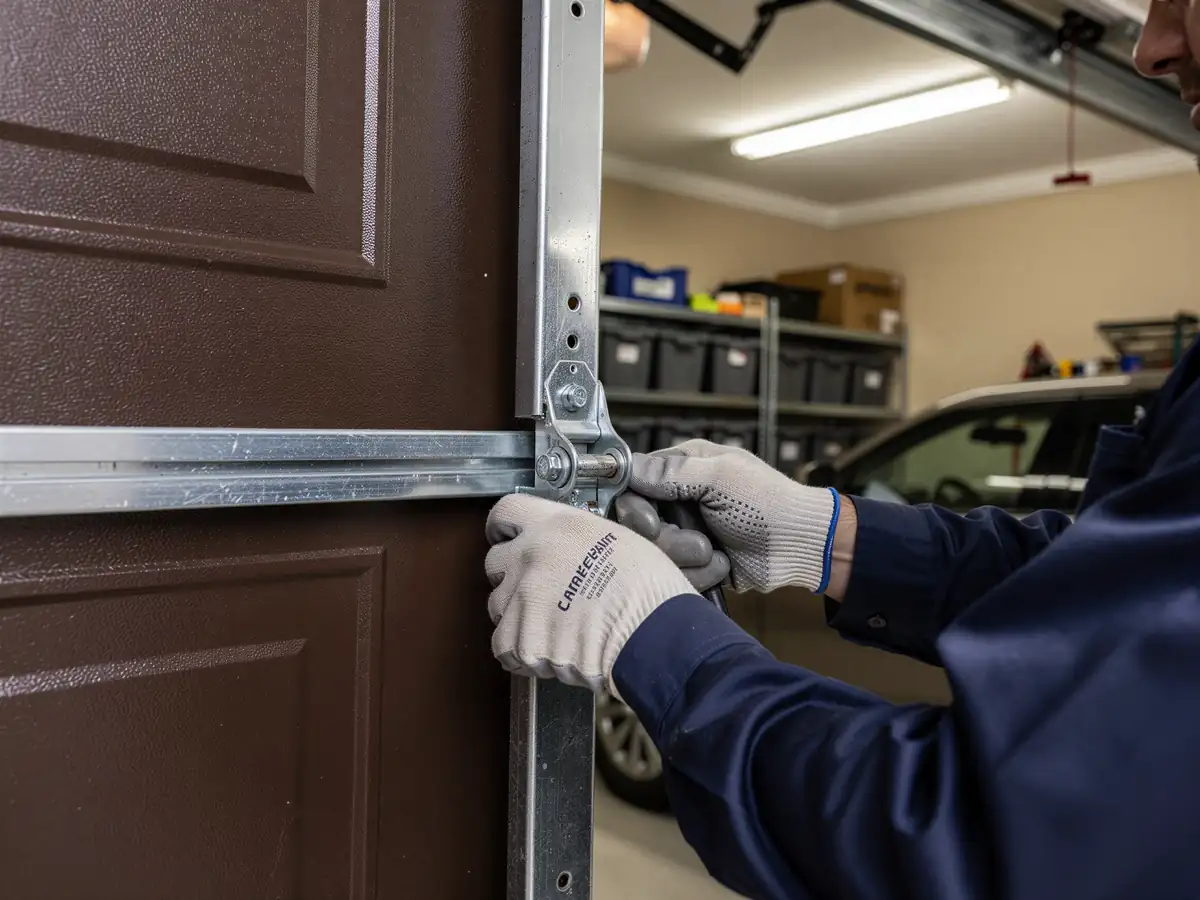
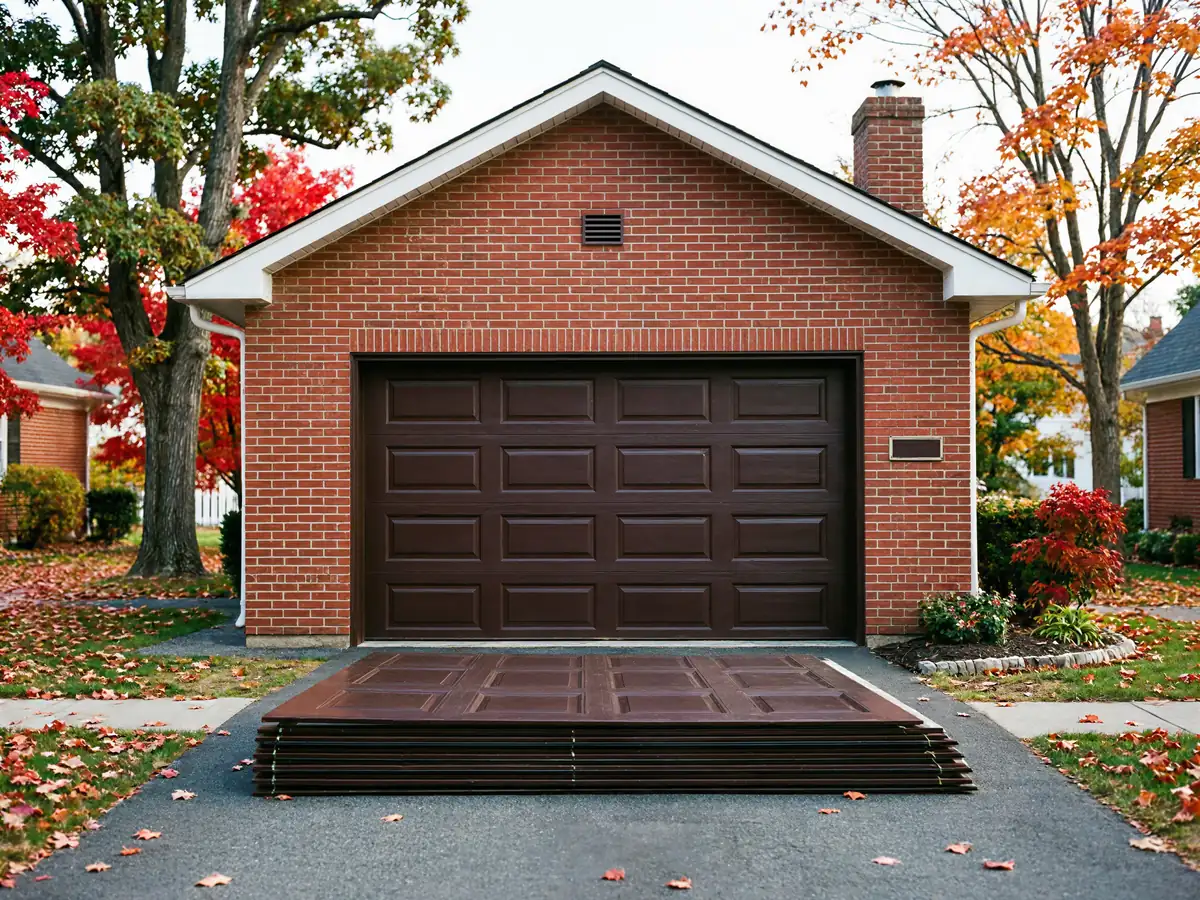
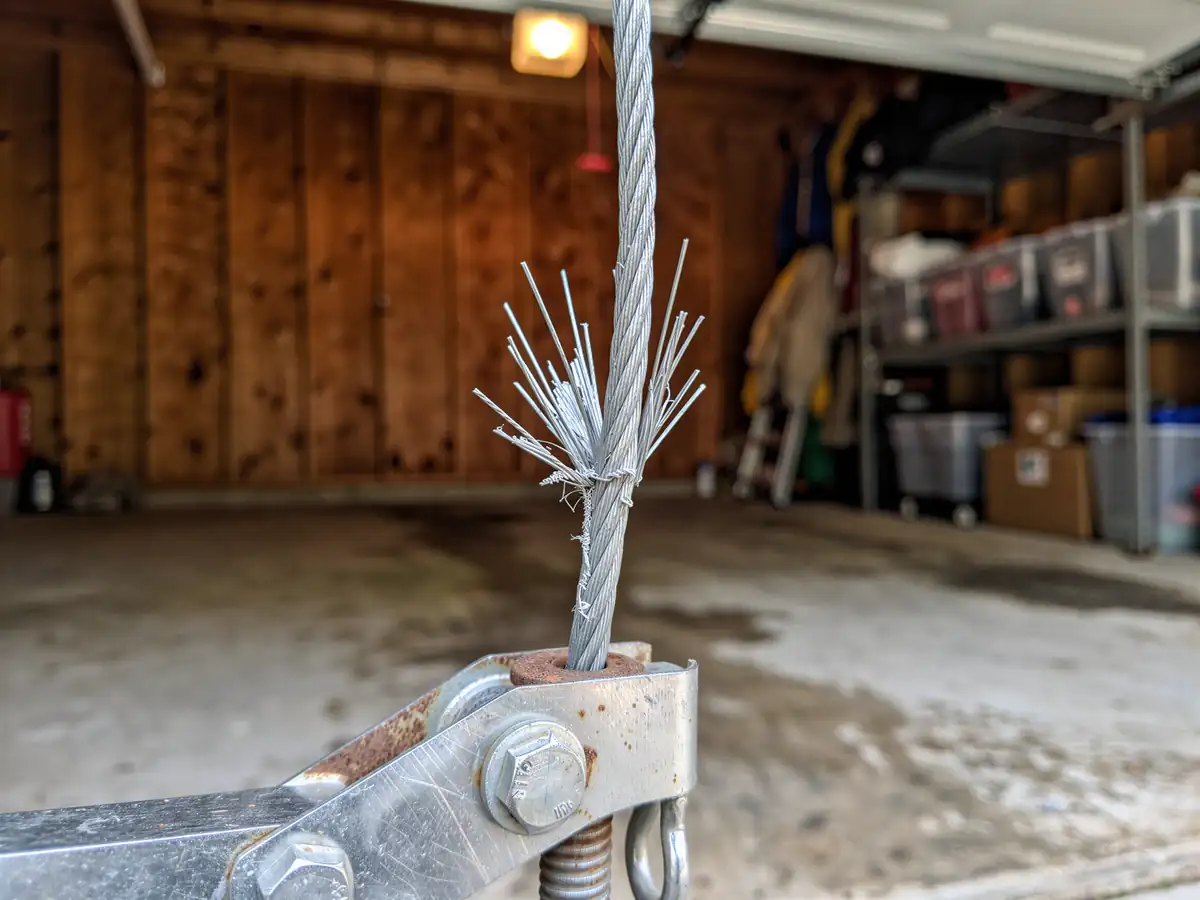
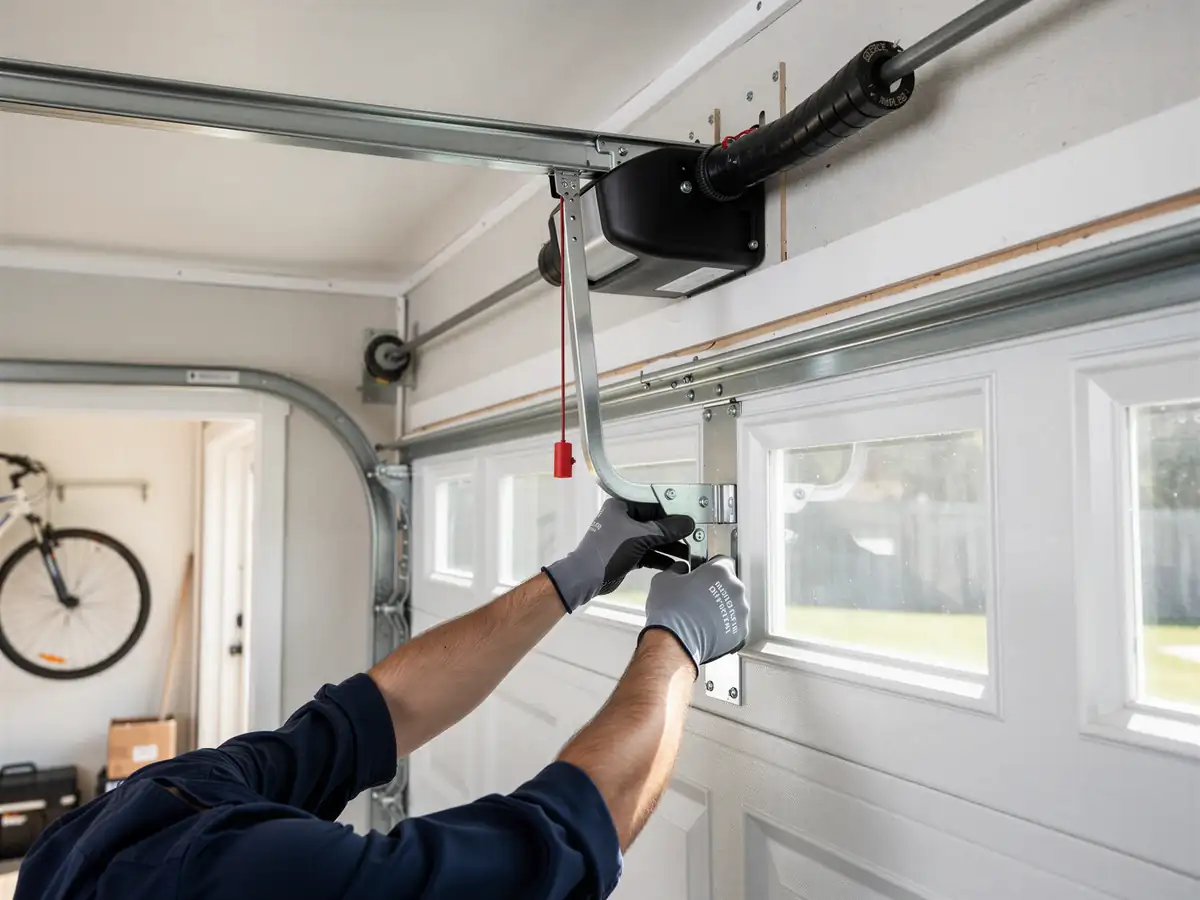
The call usually starts the same way: the opener grinds, stutters, or just hums without moving the door. Sometimes the remote works from six feet away and nowhere else. Sometimes the door reverses halfway up for no reason anyone can see. On a lot of the houses in this part of Massachusetts, built between 1938 and 1988 with the median landing around 1965, the opener in the garage right now is the second or third one that's been bolted to that same header. The motor itself usually isn't the first thing to go bad - it's the drive gear stripping, the logic board failing after a winter of condensation in an unheated garage, or a chain that's jumped because the rail brackets loosened years ago and nobody noticed until the door wouldn't budge. None of this is dramatic. It's just a motor built for a 1970s door trying to lift a replacement panel that weighs more than the original, on hardware that was never upgraded to match.
Stocked Parts
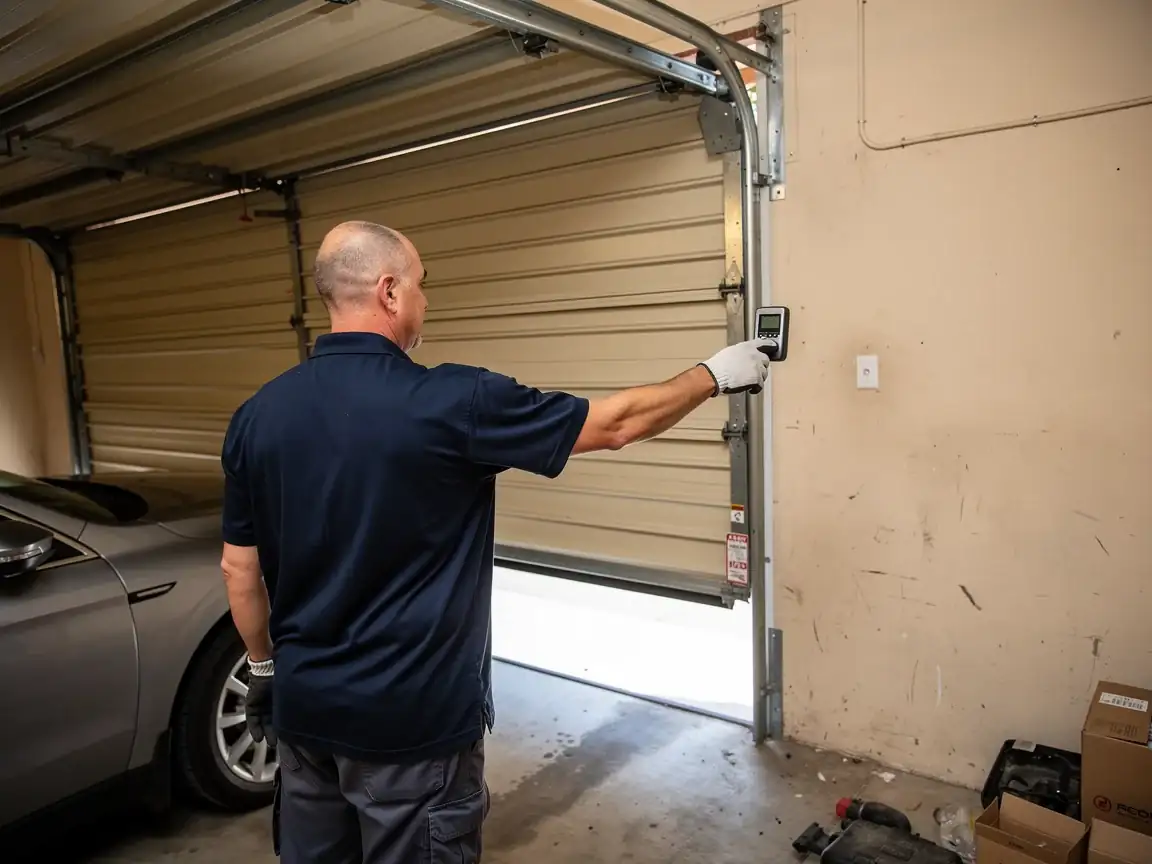
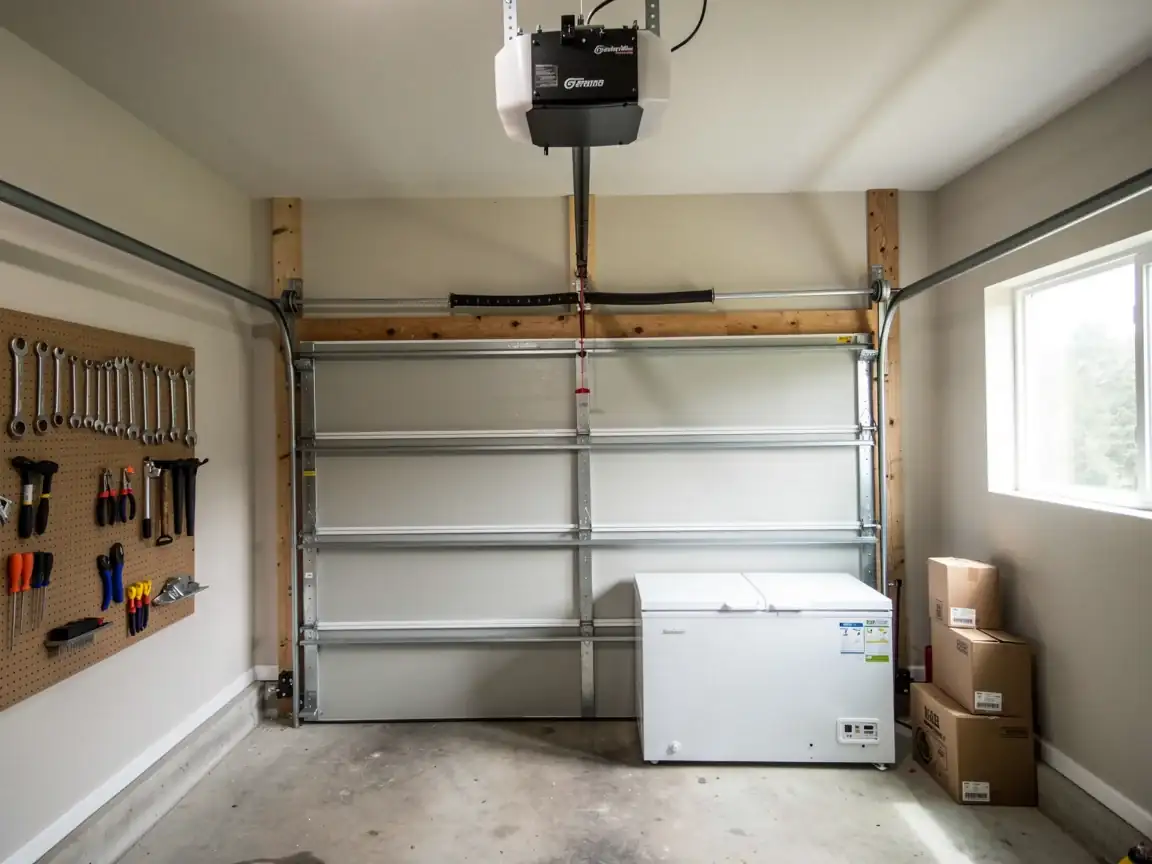
We carry openers and the parts that go with them for the drive types still common on houses from this era - chain drive units for detached garages and older single-bay setups, belt drive for the quieter installs people want when the garage shares a wall with a bedroom. We also stock the trim hardware that doesn't match anymore on a lot of these houses: longer rail sections for the taller headers some additions created, safety sensor brackets that fit the older mounting holes, and wall consoles that replace the single-button units original to houses from the 1960s and 70s. What we don't stock is every obsolete logic board for openers that haven't been made in twenty years - if yours is one of those, we'll tell you straight that replacing the whole unit is the faster and usually cheaper call rather than hunting down a part.
Why This Fails Locally
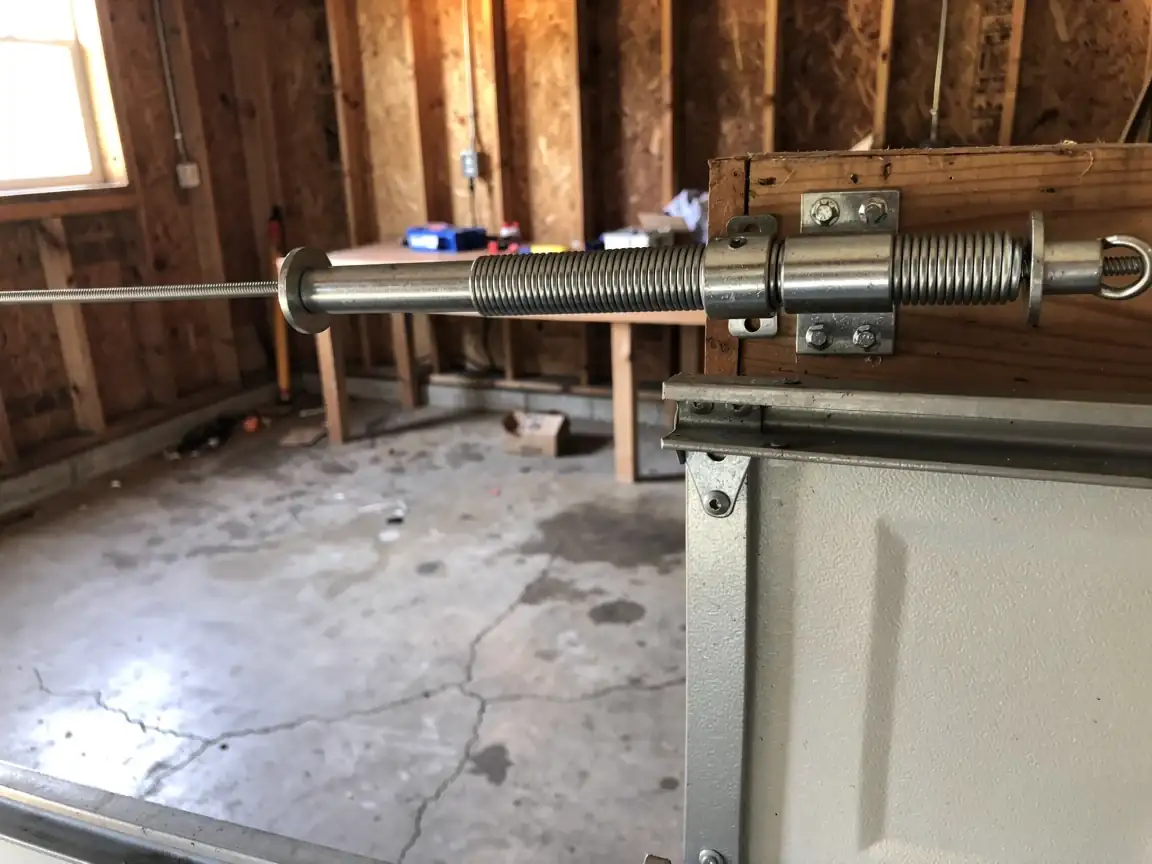
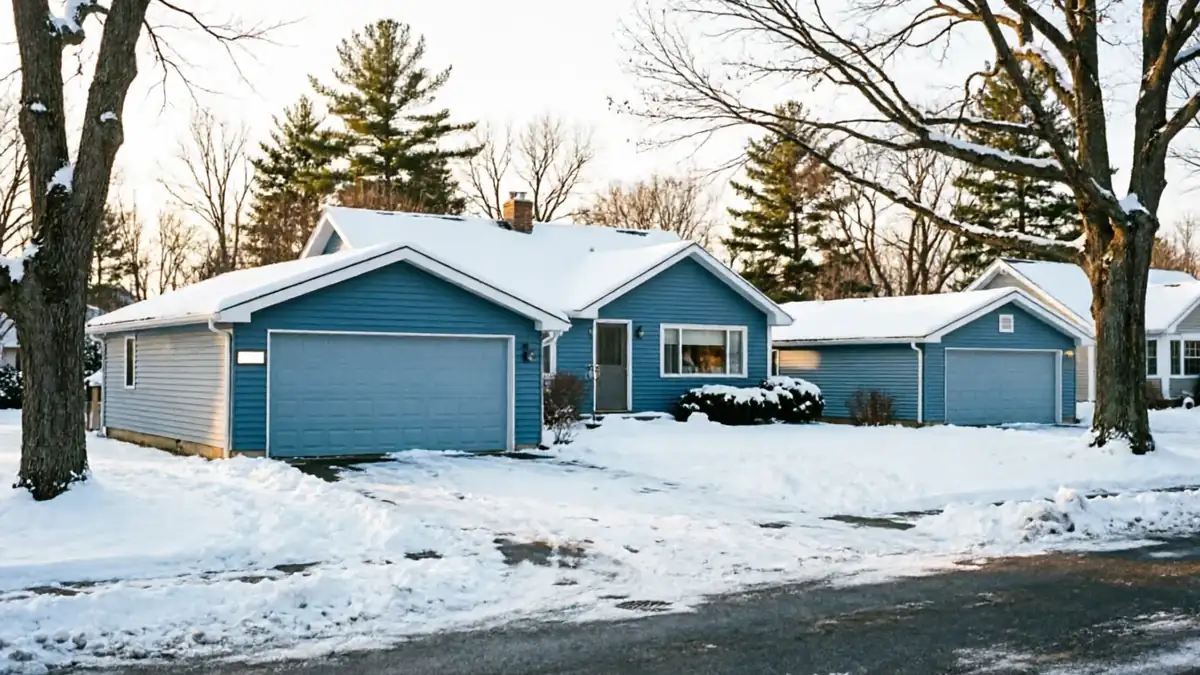
Severe cold matters more here than people expect. A garage that sits at or near outside temperature all winter puts real stress on an opener's gearing and on the belt or chain tension - metal contracts, grease thickens, and a motor that was already working at the edge of its rated lift capacity starts skipping or stalling. Combine that with housing stock where the median build year is 1965: doors on these properties were often upgraded once, to a heavier insulated panel, without anyone recalculating the opener's lift rating or spring tension to match. The opener fails under a load it was never sized for, and the cold makes it fail sooner than it would somewhere milder. That combination - older average lift capacity plus a real winter - is why opener installation here isn't a drop-in swap. It's matching the unit to the door you actually have, not the one the house came with in 1965.