What the Weather Here Does to It
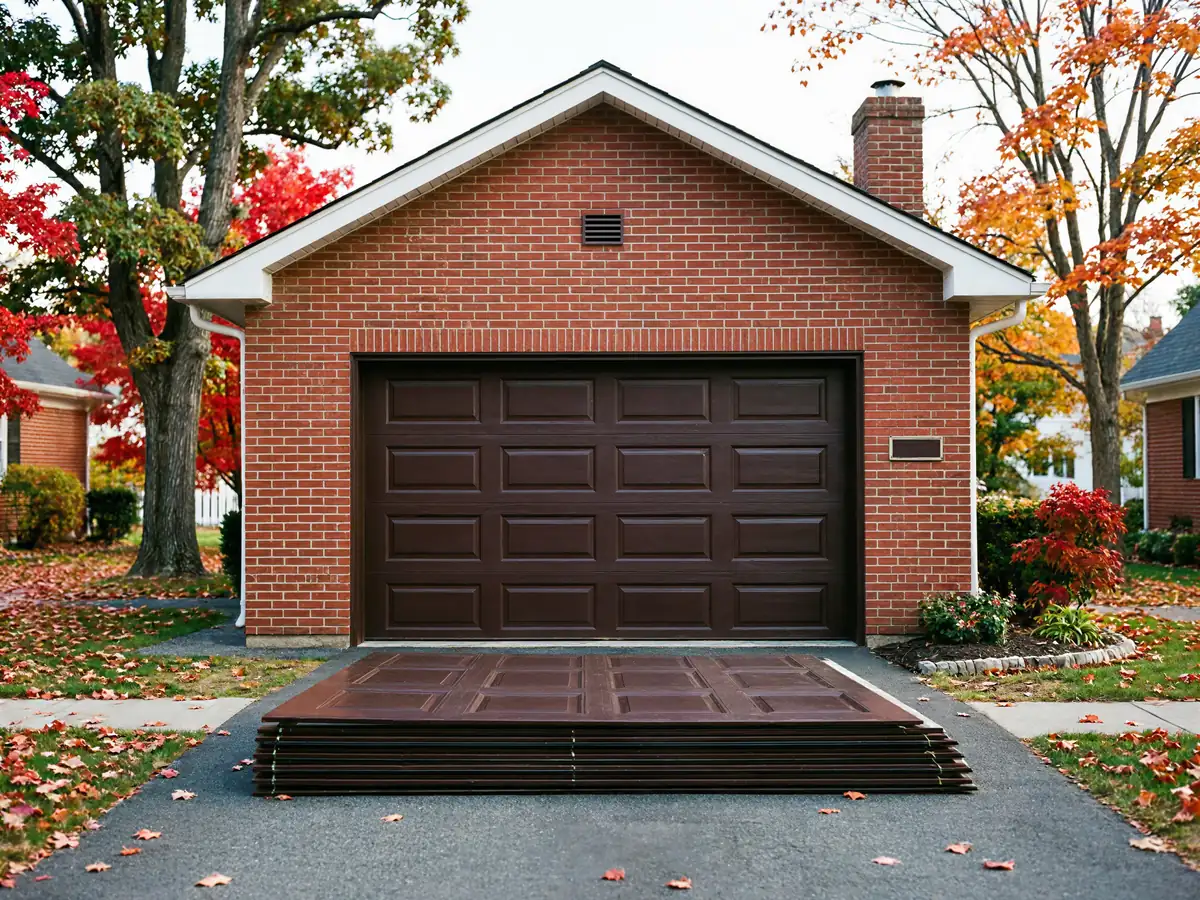
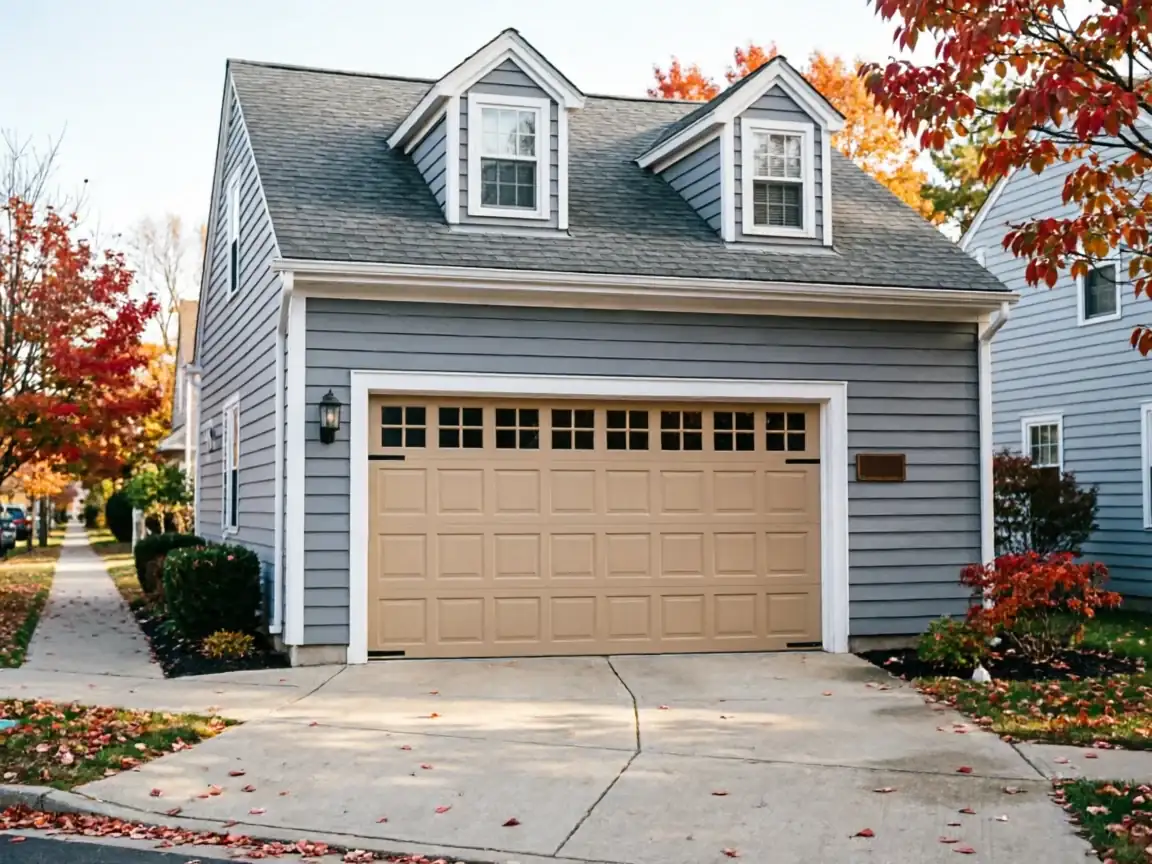
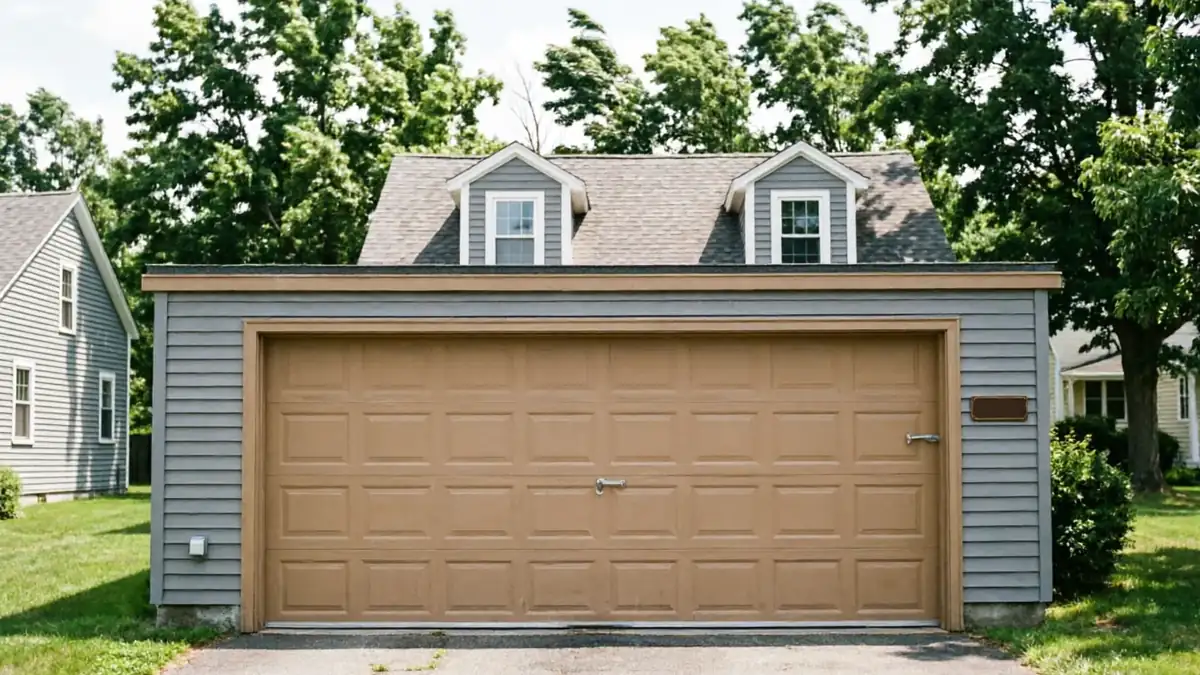
Most garages in Woburn went up between 1938 and 1988, with the bulk of that stock dating to the 1960s and 70s - ranch and split-level houses with a single wide double door facing the street or driveway. That width matters in wind. A 16-foot door has roughly twice the surface area of a single door, which means twice the load pushing and pulling on the track, the rollers, and the top panel section every time a gust catches it broadside.
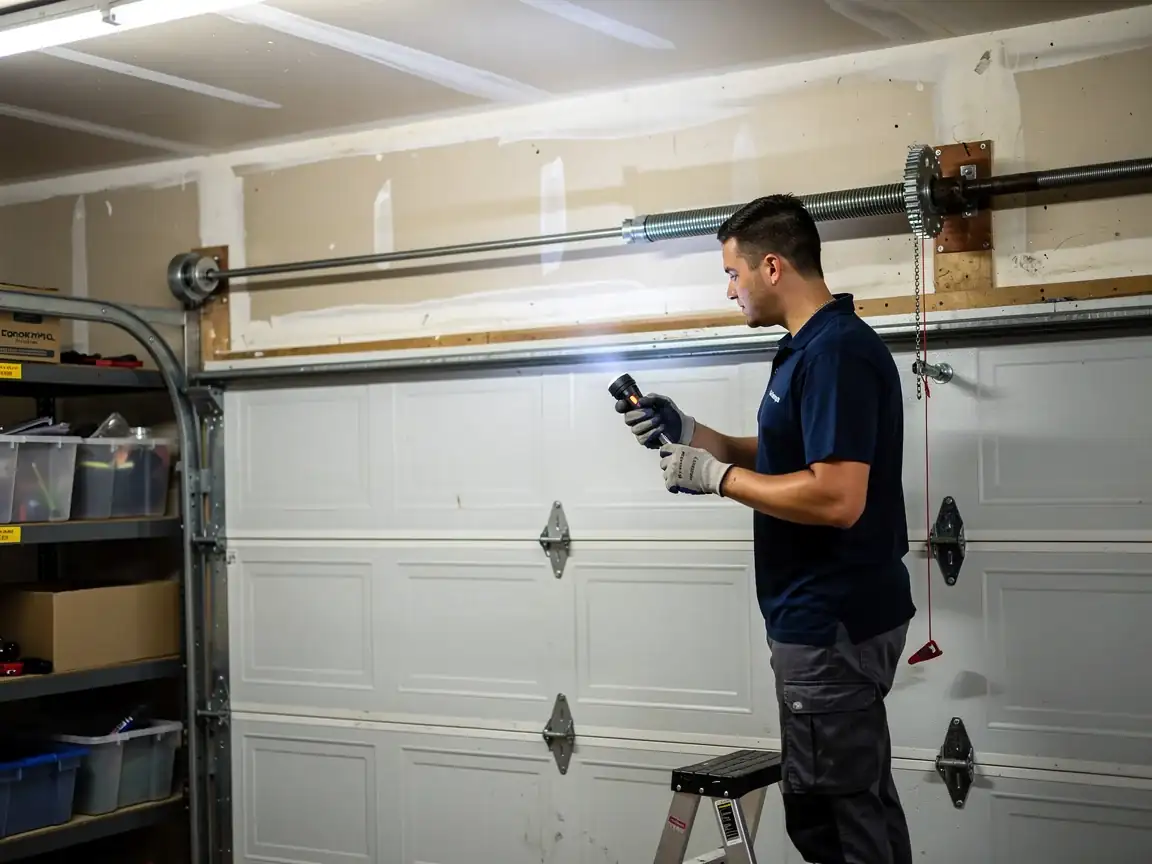
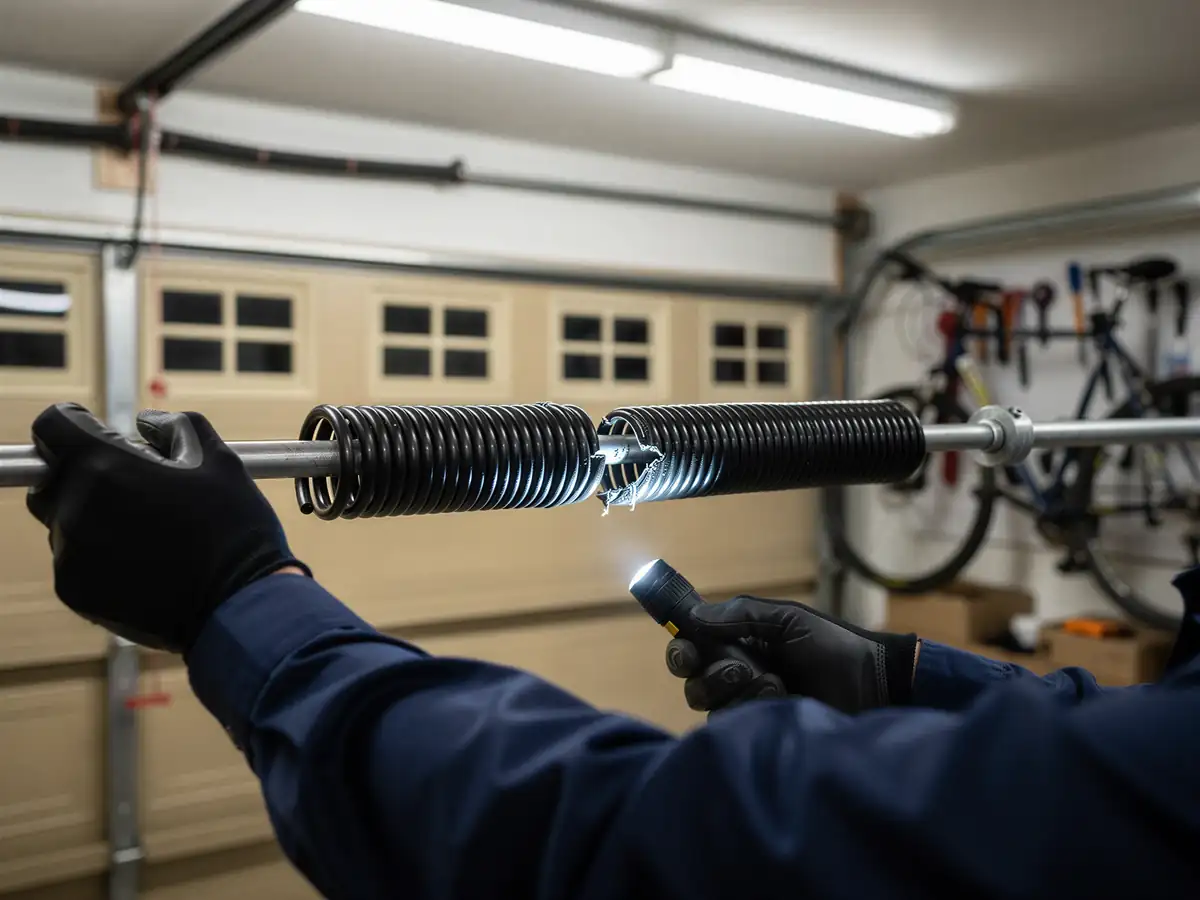
Woburn sits in a severe cold climate band, which means repeated freeze-thaw cycles through the winter, not just one hard freeze. Wind loading on a wide door gets worse in cold weather because the steel panels contract, the weatherstripping stiffens and loses its seal, and the hardware - hinges, end bearings, the torsion spring itself - has less give in it. A gust that a door shrugs off in October can flex a track loose in January.
On these older double-door setups, the center stile (the vertical piece down the middle where two door sections meet) is usually the first thing to show stress. It's not built to flex sideways, and a wide door flexes more than a narrow one under the same wind pressure.
The Situation
The age of the housing stock is the real issue here, not the weather alone. A door built or installed any time from the 1960s through the 80s on one of these wide openings was likely set up with the hardware standard of its day - lighter gauge track, fewer struts across the panel width, sometimes no center reinforcement at all. That was fine for decades of ordinary use. It is not fine for repeated wind flex plus seasonal cold contraction stacking on top of each other year after year.
What you actually see: a double door that rattles or bows slightly at the middle when wind hits it head-on, a track bracket that's pulled a screw or two loose from the jamb, or a top panel with a visible flex line where it's taken the most pressure over the years. None of this is dramatic in the moment. It's cumulative - each windy winter moves the hardware a little further out of alignment than the last one left it.
When to Call Someone
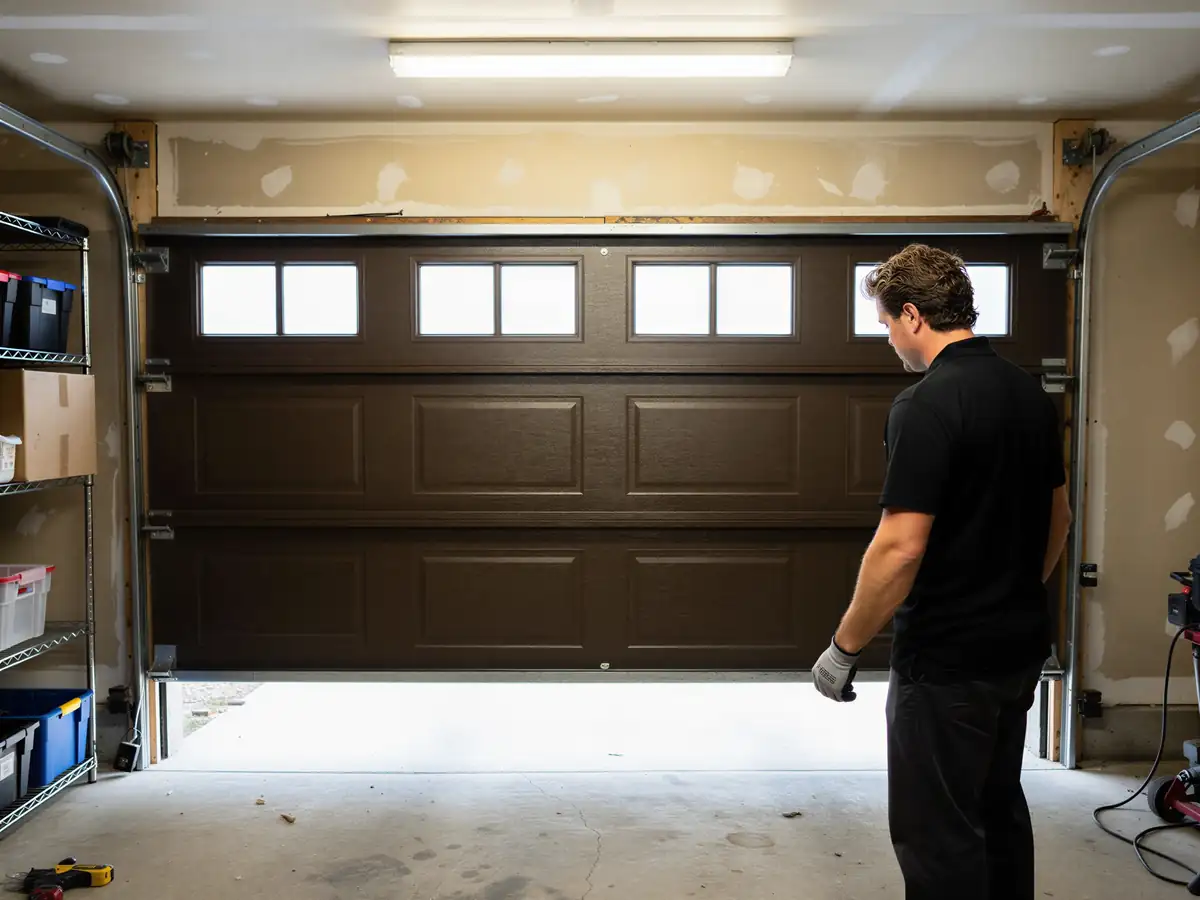
Call if the door visibly bows or bellies in the middle when the wind pushes on it
That's the center stile telling you it's lost its stiffness. Call if a track bracket has pulled away from the wall or jamb, even partway; a loose bracket under wind load can let the whole door jump the track. Call if you hear a popping or cracking sound from the panel seams during a gusty night. That's usually a stress point, not just the door settling.
Also call if the door is original to a house built in that 1960s-70s window and has never had the bracing reinforced
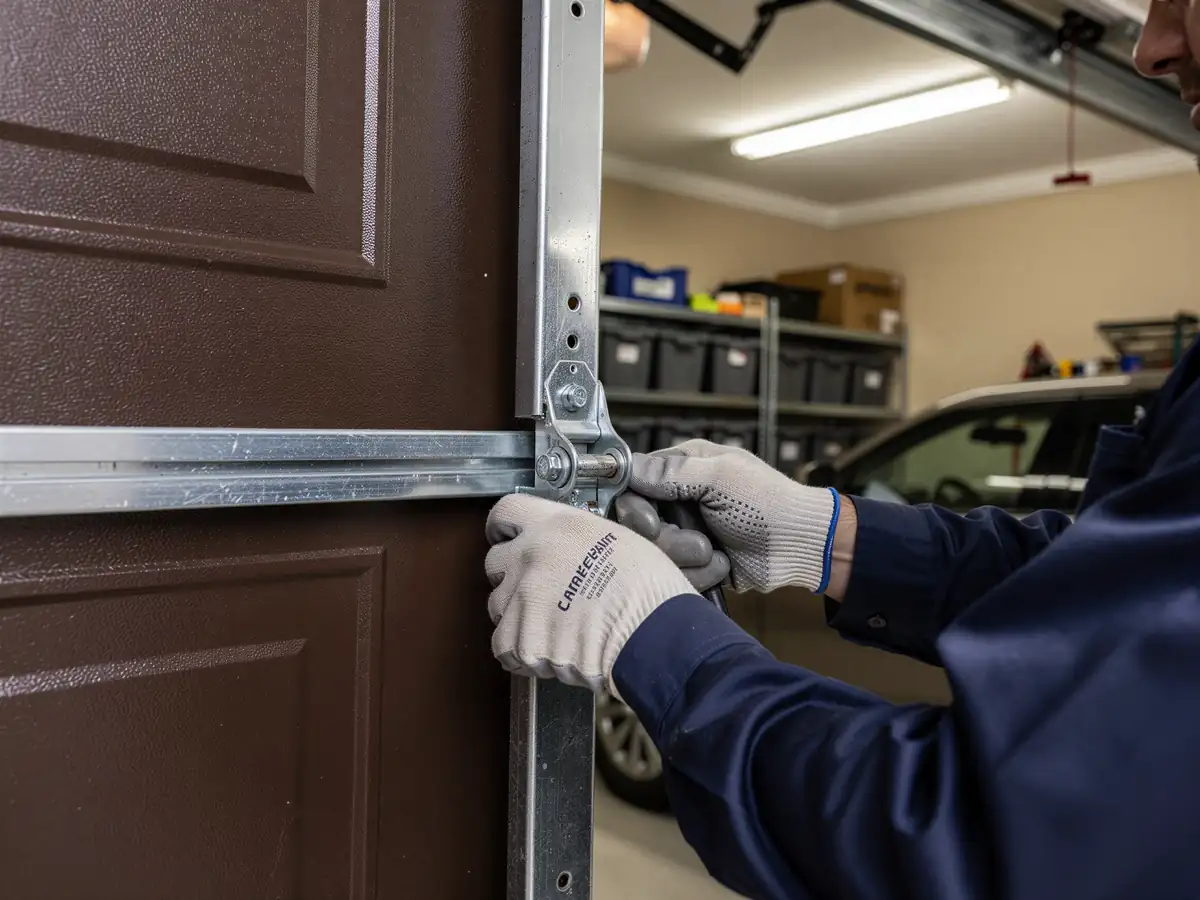
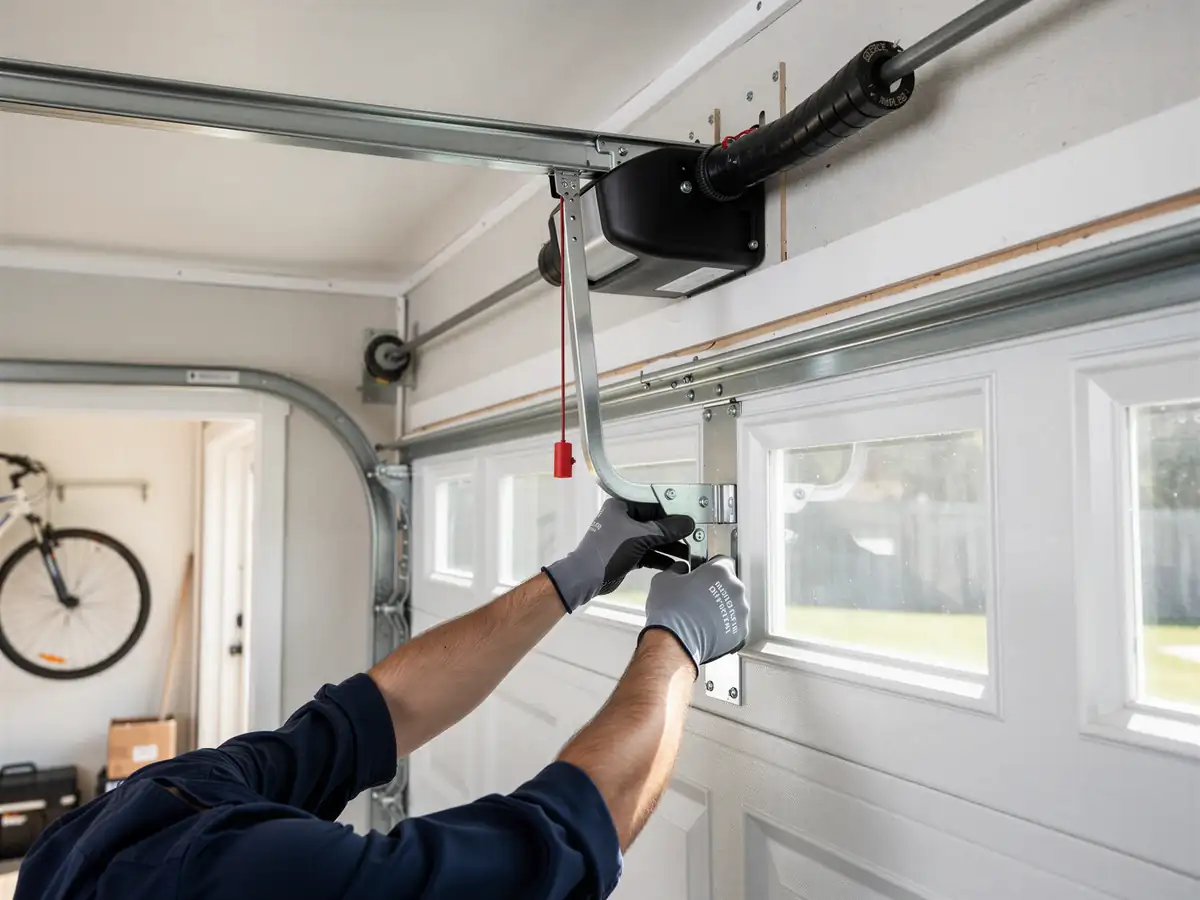
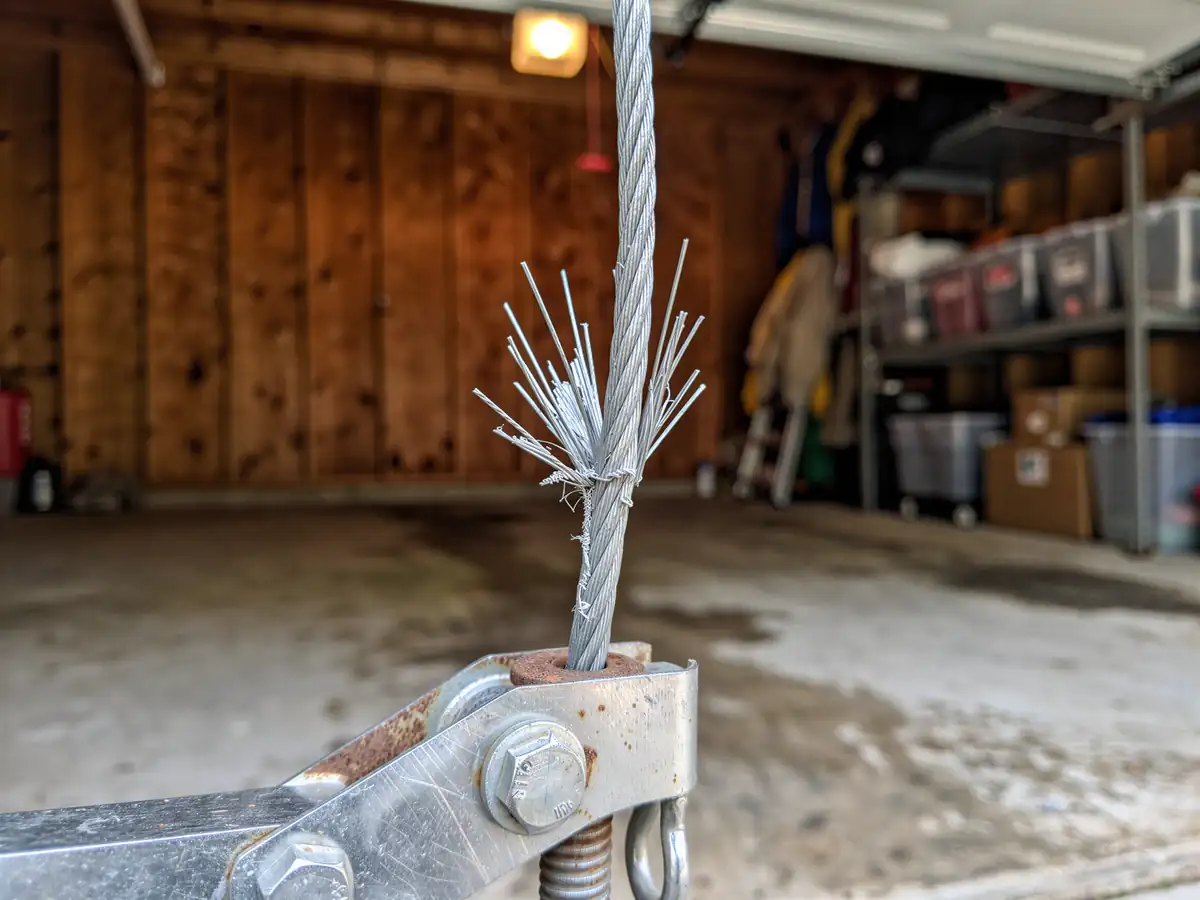
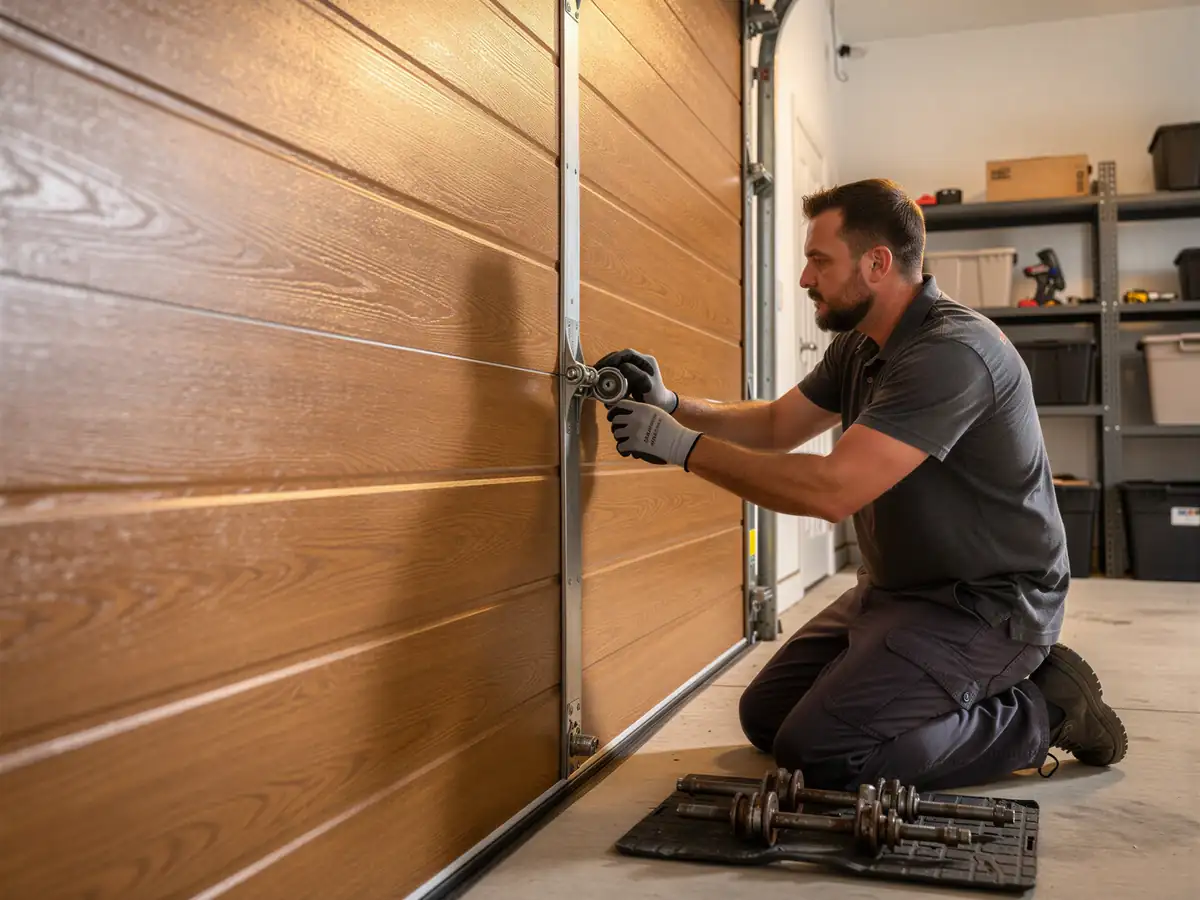
On a wide door, retrofitting horizontal struts is often far cheaper than waiting for the panel to fail outright. We don't always recommend a full replacement; sometimes the fix is adding strut bracing to hardware that's otherwise sound. But if the track is bent or the springs are undersized for the door's width and weight, patching it isn't worth the labor twice.
When Waiting Is Fine
A little whistle or rattle from the weatherstripping on a windy day isn't an emergency - that's just the seal doing its job imperfectly, and it's a cheap, non-urgent fix. If the door opens and closes smoothly, sits flush when closed, and the noise only shows up during storms, you can wait for a slower week rather than calling same-day.
Same goes for cosmetic stuff: a little paint wear on the side that takes the worst of the weather, or minor surface rust on exposed hardware that hasn't reached the moving parts. On a lot of these older Woburn garages the door itself has decades of life left in it even with a flex issue, as long as the structural hardware - track, rollers, spring, center bracing - gets attention before a bad winter forces the issue.