The Symptom
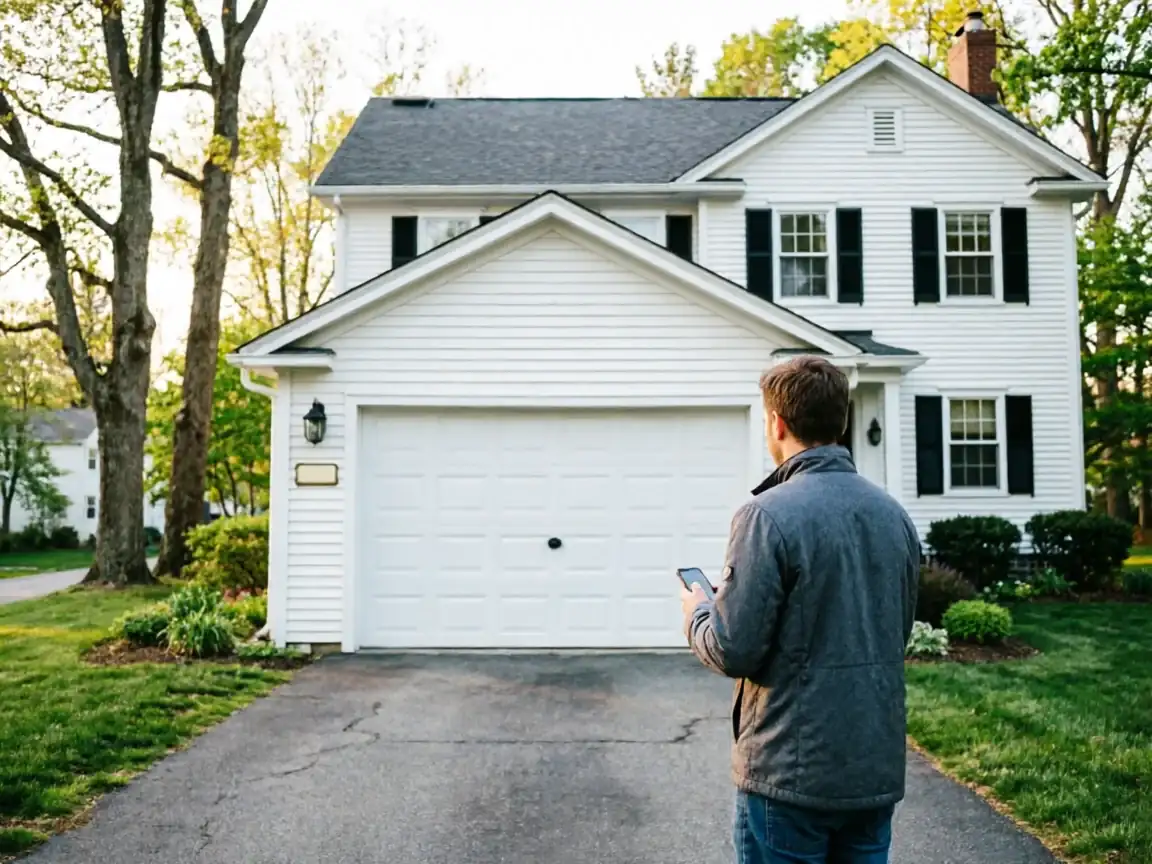
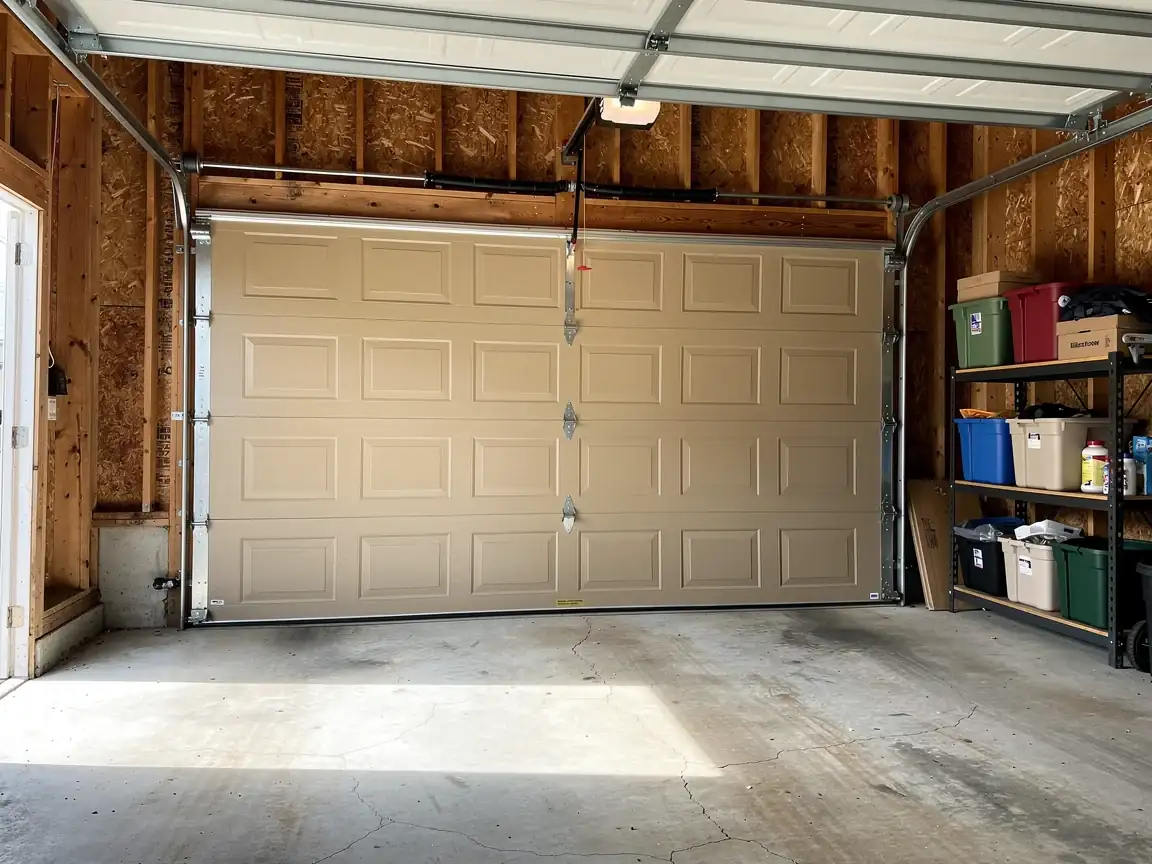
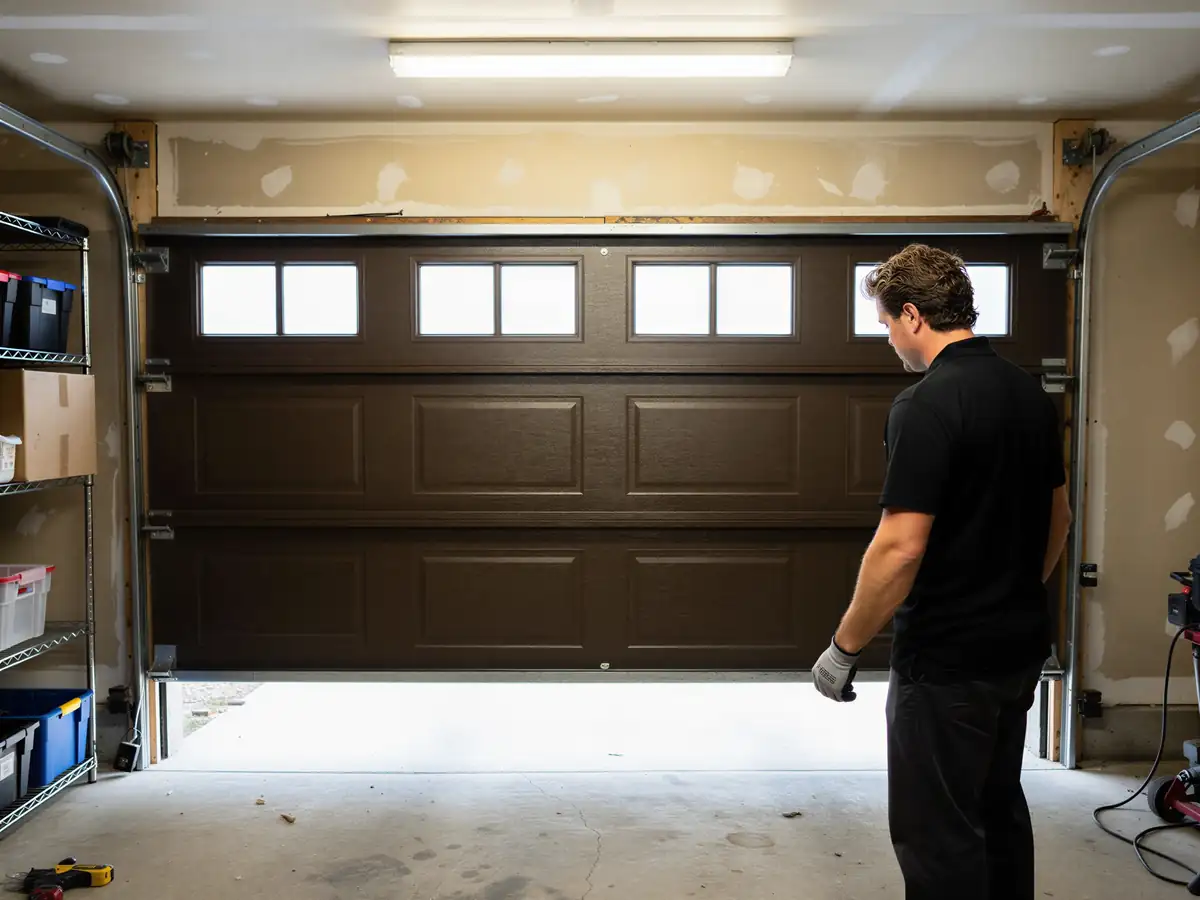
The door doesn't close square anymore. It hangs a half inch low on one side, the weatherstrip has pulled away from the slab, and on the coldest mornings the panel won't seat into the track at all until the sun hits it. That's not a worn roller - that's a door and frame that have racked out of alignment over fifty-plus years of settling.
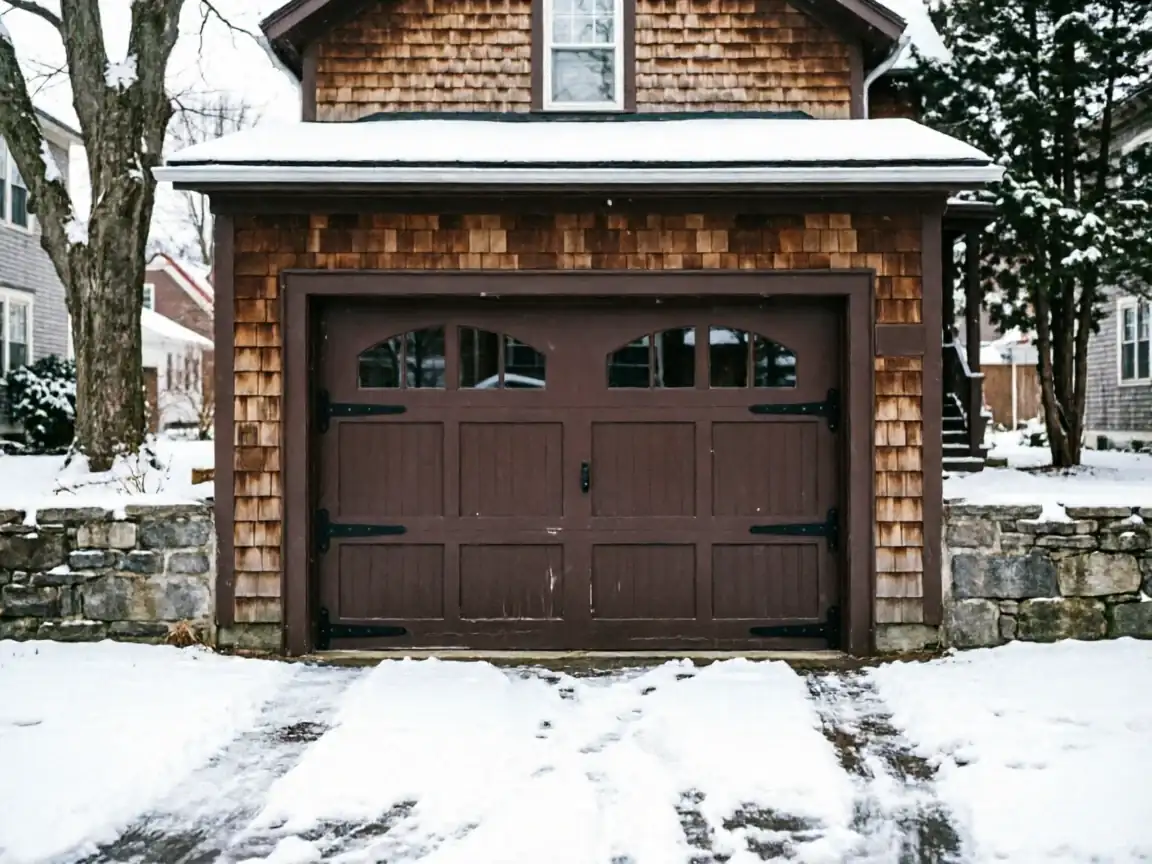
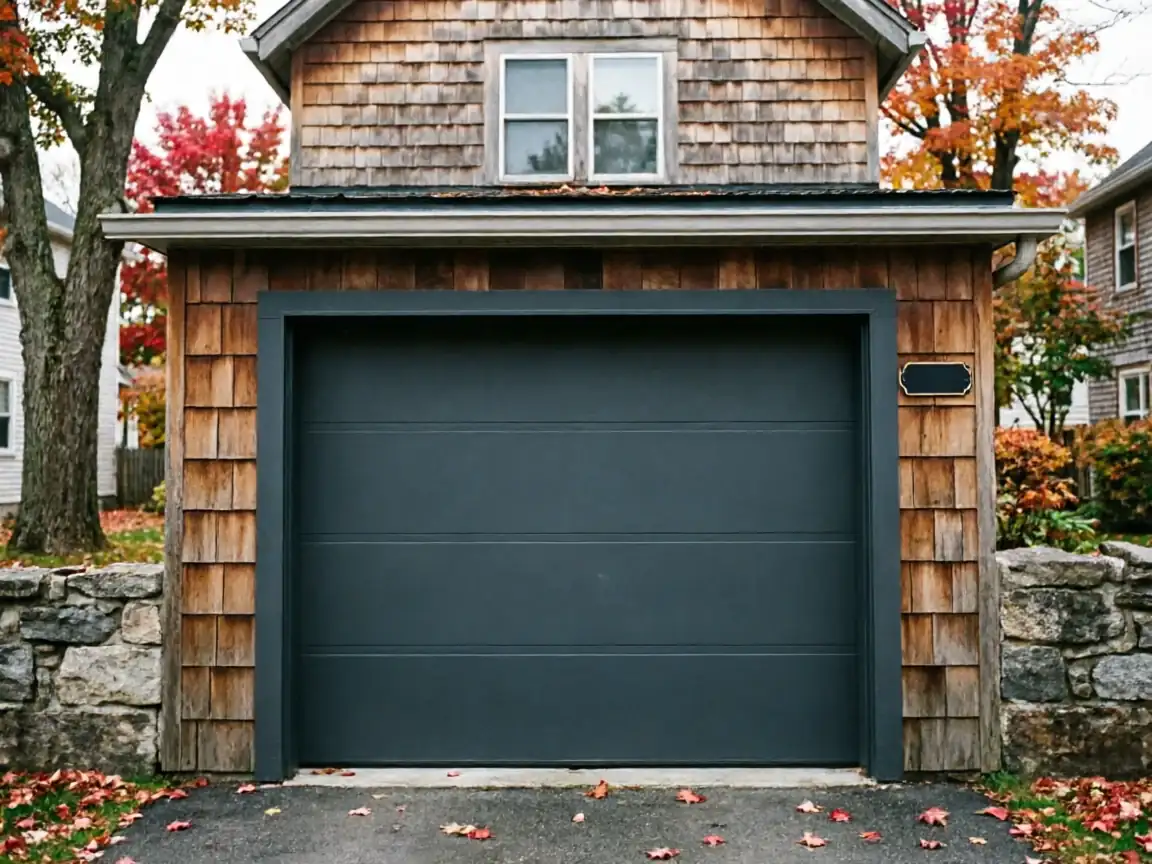
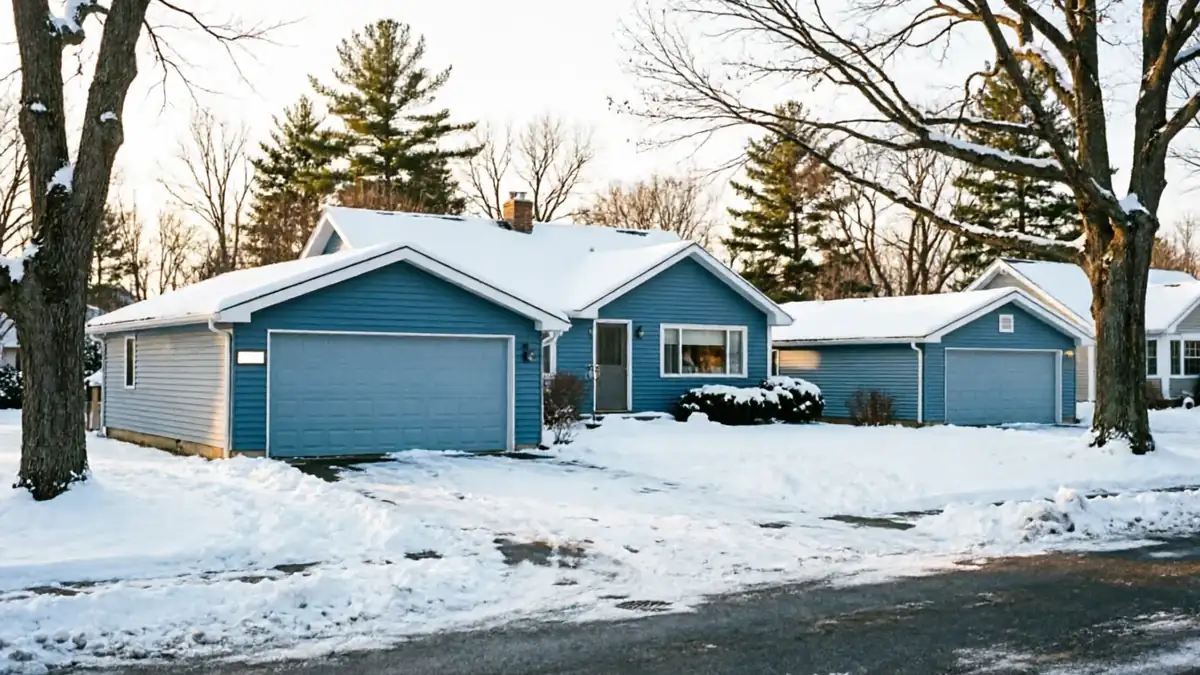
Woburn's housing stock mostly went up between 1938 and 1988, with the bulk of it dating to the 1960s and '70s. A garage door installed with that house has been through sixty winters of freeze-thaw cycling on the slab and the jamb. The wood jambs common in that era shift as they absorb and release moisture, and once the jamb is out of square, no amount of spring adjustment or track bending fixes the door - it needs to come out and go back in true.
The other version of this symptom: the door still runs, but it's a single steel skin with no insulation, and the garage reads twenty degrees colder than the house all winter. That's not a malfunction. That's just what got installed in 1965, and it was never built for a severe cold climate.
Stocked Parts
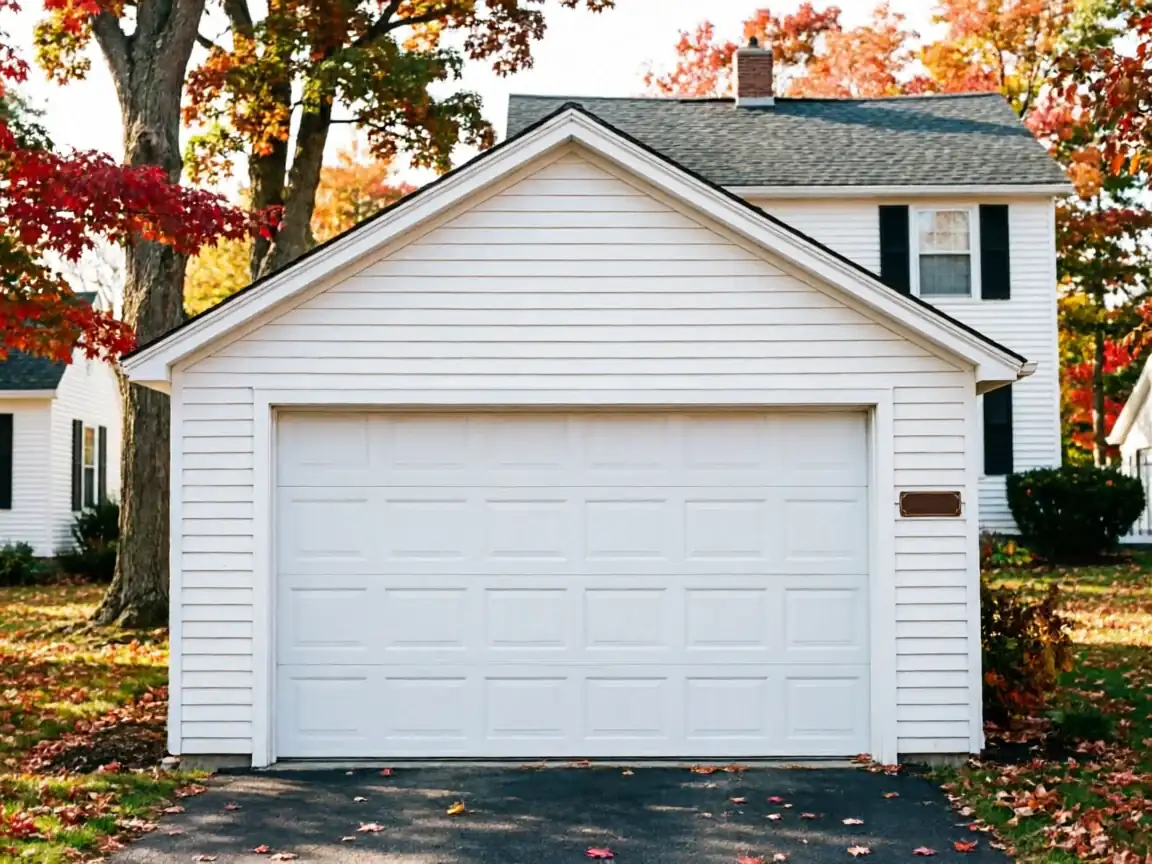
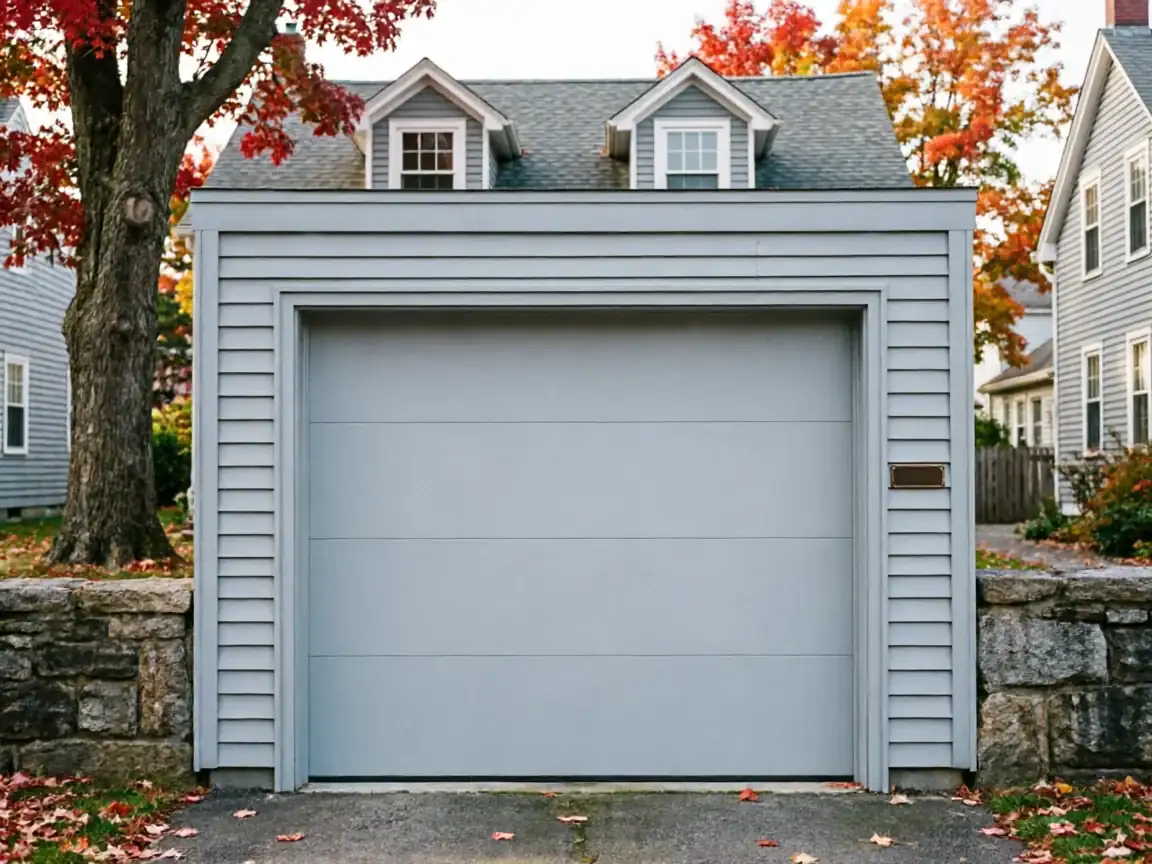
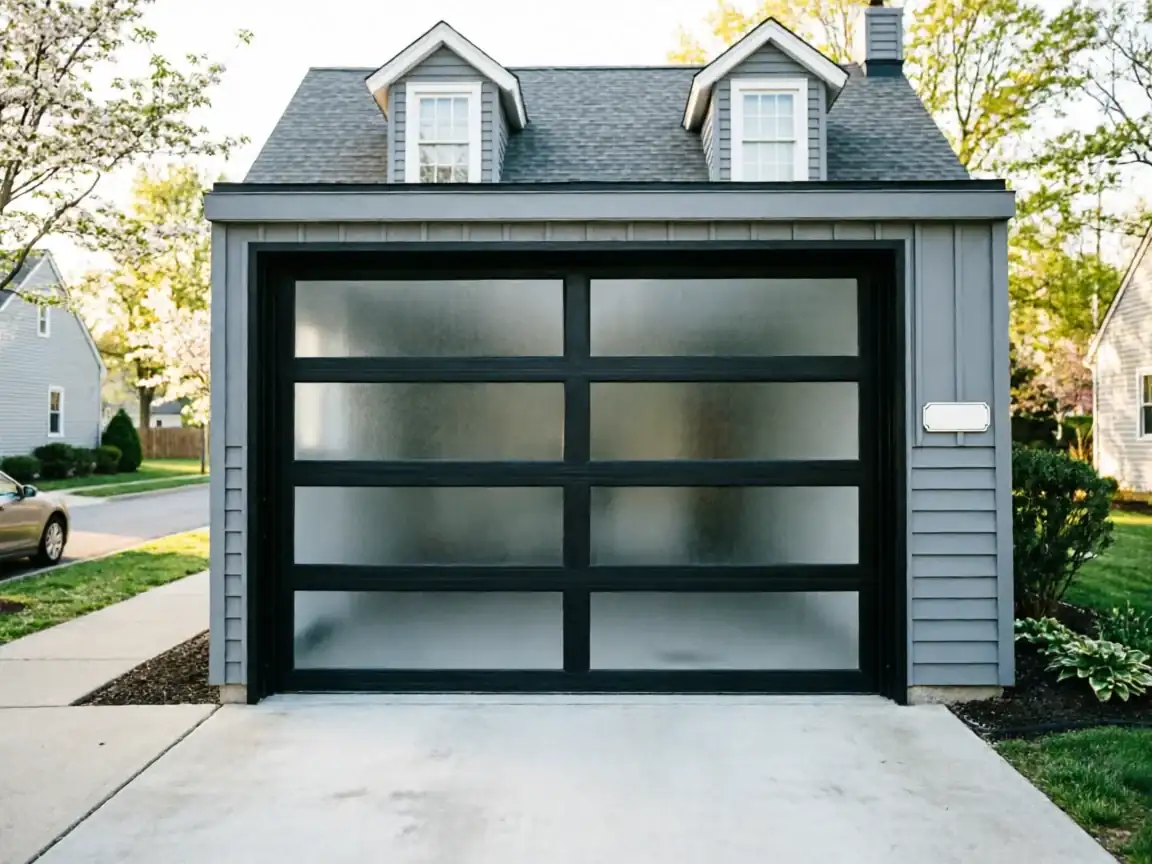
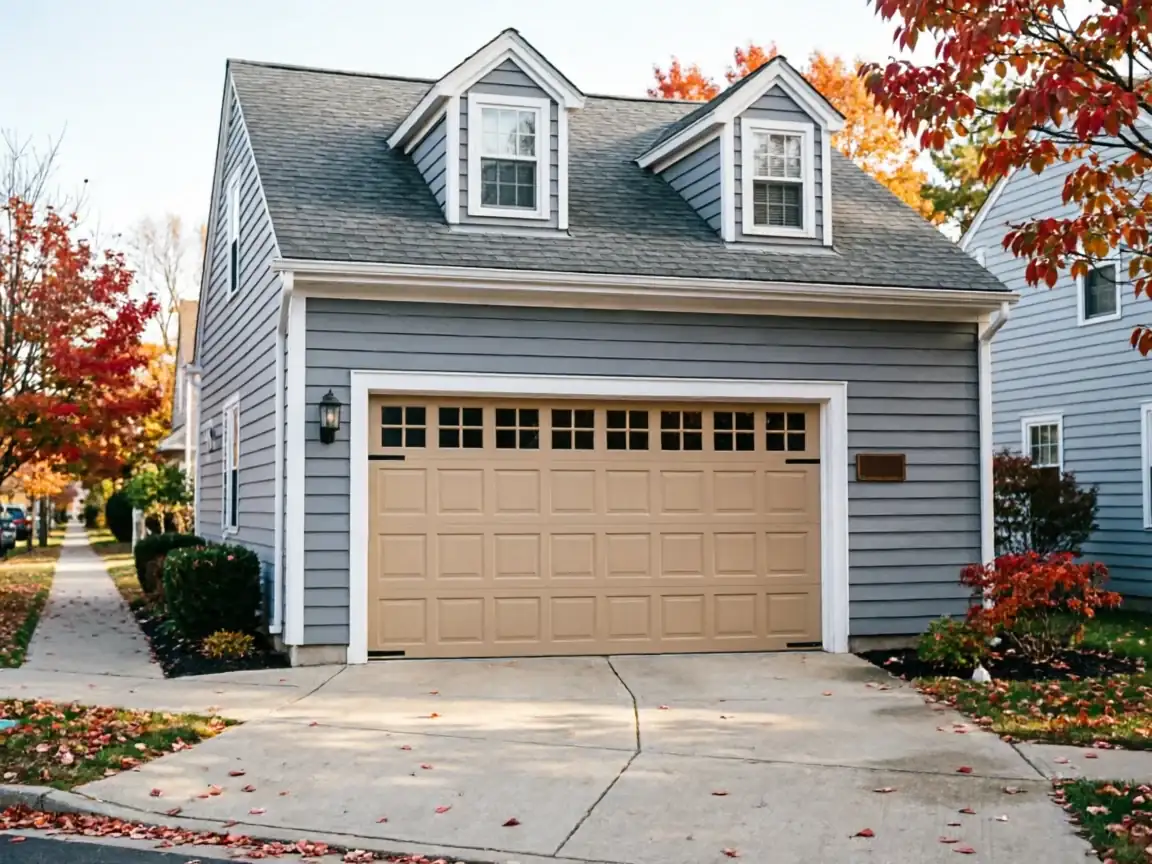
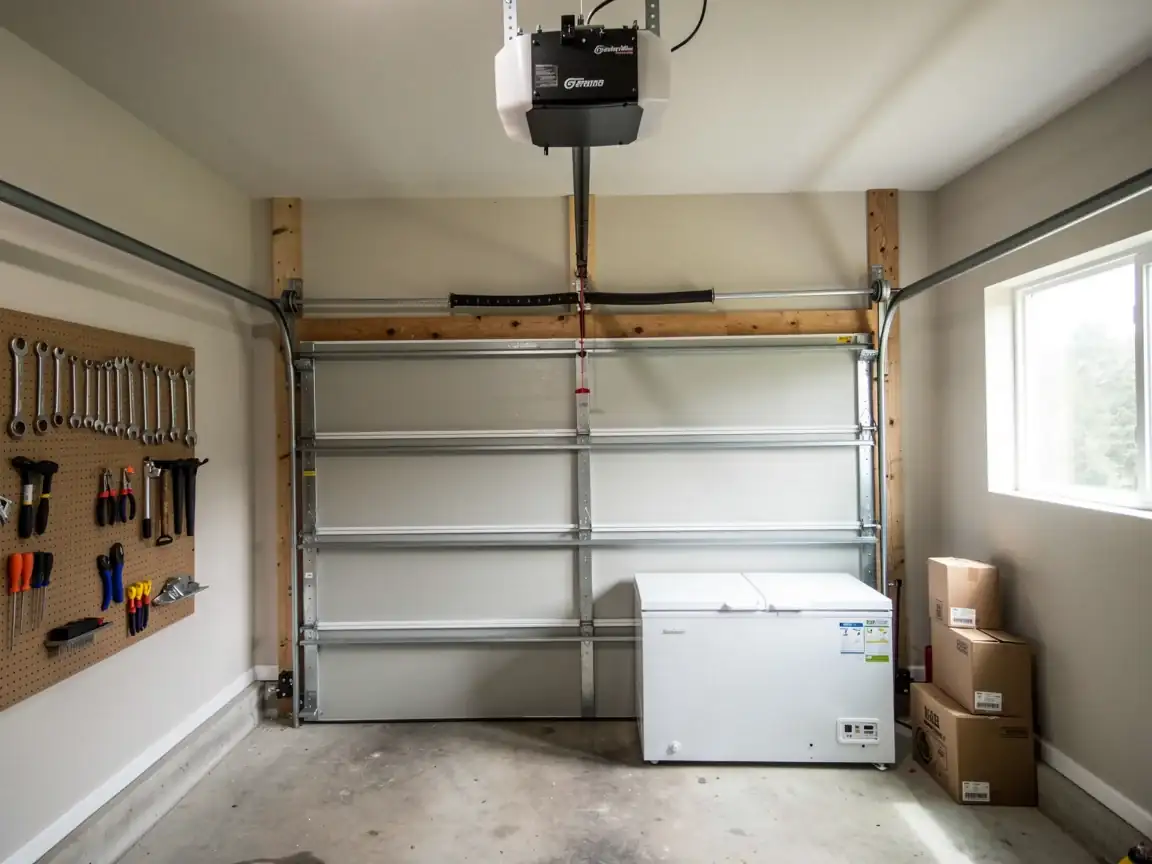
We stock standard 16x7 and 9x7 sectional doors and the torsion hardware that fits them, along with the track sizes that match the shorter headroom common in garages built before 1970 - a lot of these Woburn openings don't have the clearance that modern low-headroom kits assume, so we carry that hardware rather than special-order it every time.
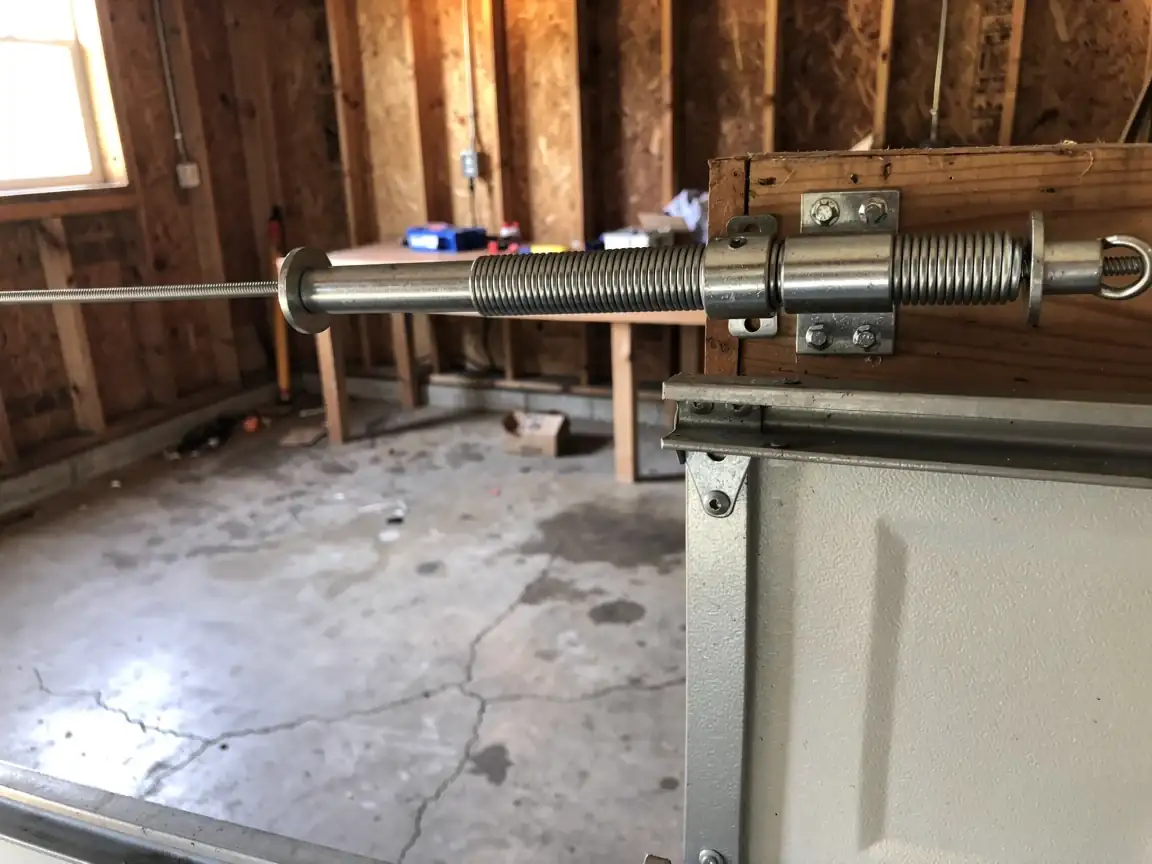
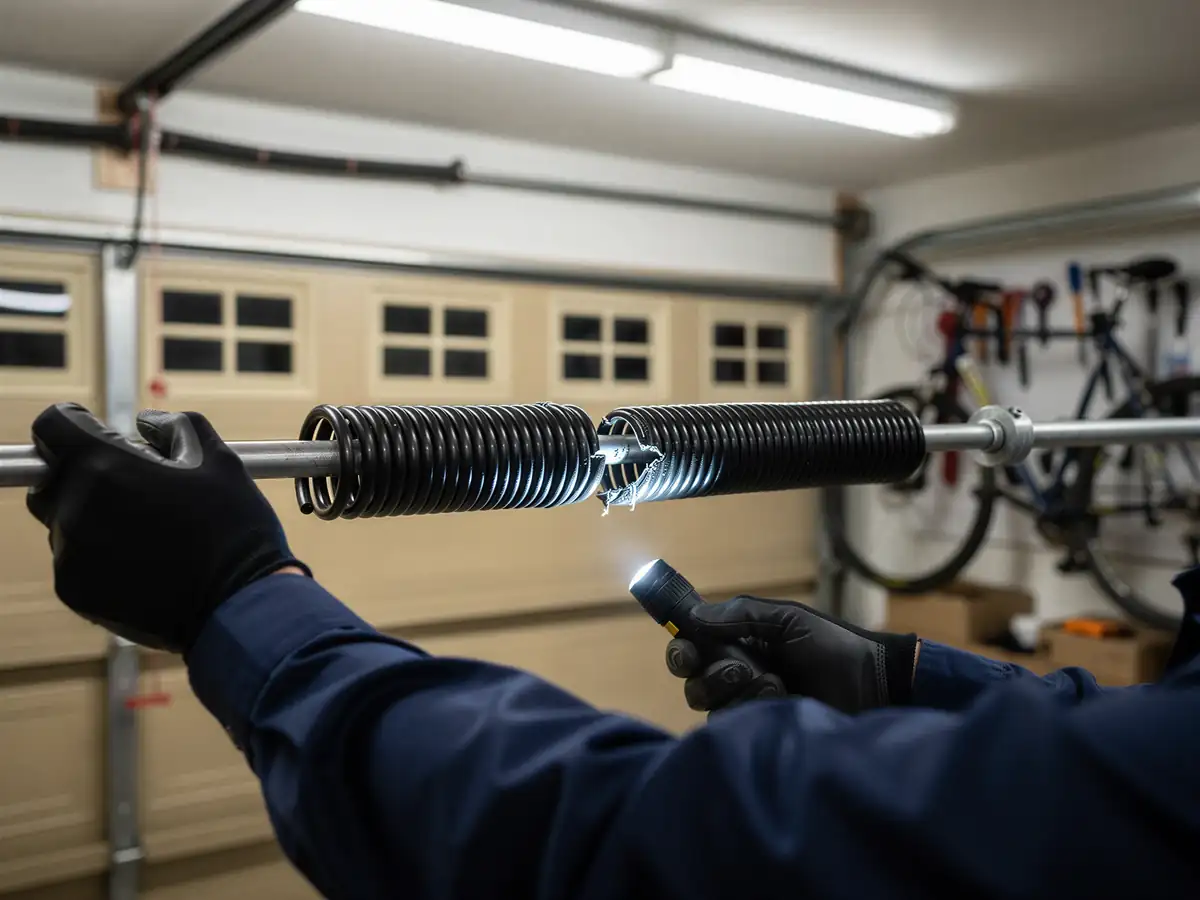
For the cold, we stock insulated steel sections rather than single-layer panels, since a severe winter climate is hard on an uninsulated door's seams and seals. We also keep common torsion springs sized for older door weights on the truck, because a 1960s-era door is usually heavier than a comparable door built today.
What we don't stock: oddball widths from additions or garages that got widened at some point after the original build. If your opening measures outside the standard sizes, we order that door and come back for the install - that's a lead-time item, not a same-day one.
What the Repair Takes
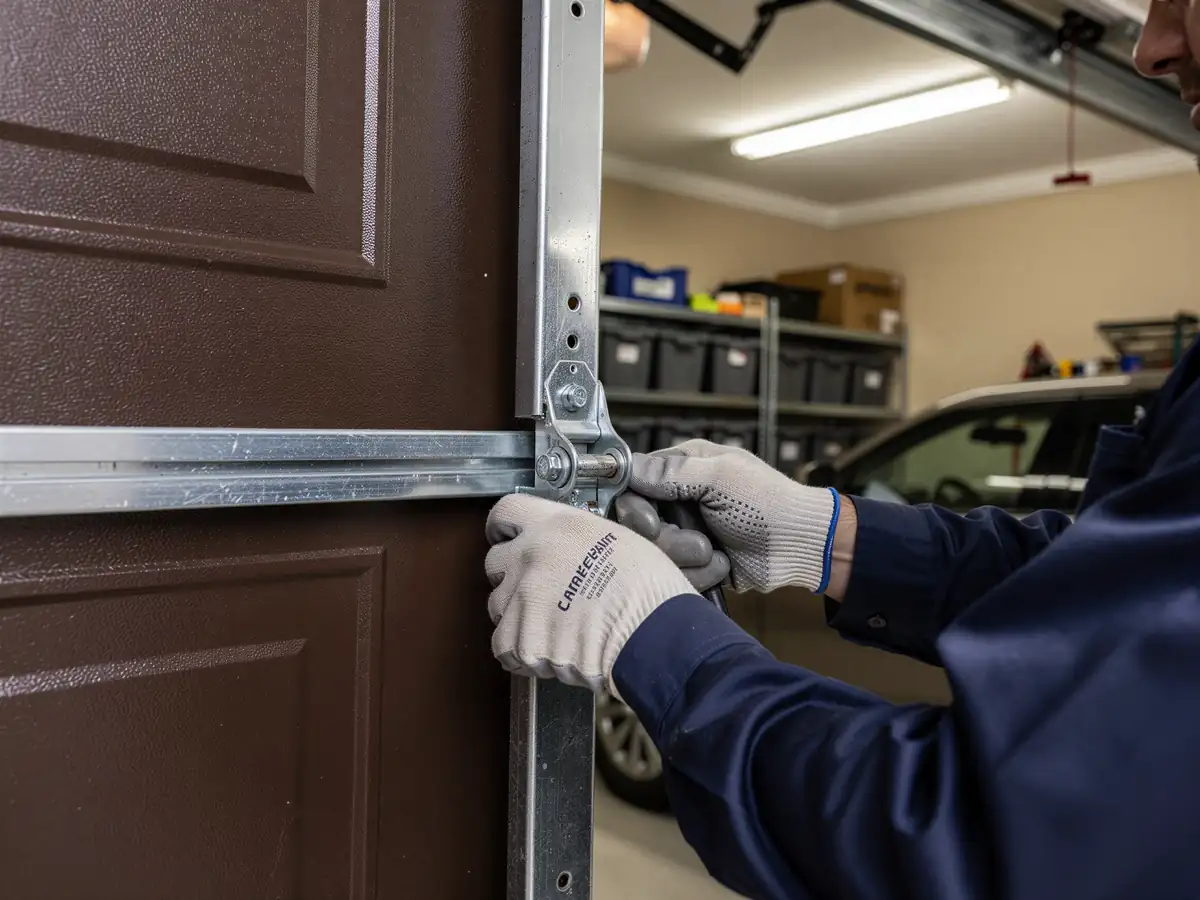
Installation starts with measuring the actual rough opening
Not trusting what the old door's nominal size says it should be. On a house from this era, the opening has usually moved a little from the original framing - settling, a jamb repair done at some point, a slab that's heaved slightly. We set the new jamb brackets to what's actually there now.
Old track and springs come off first
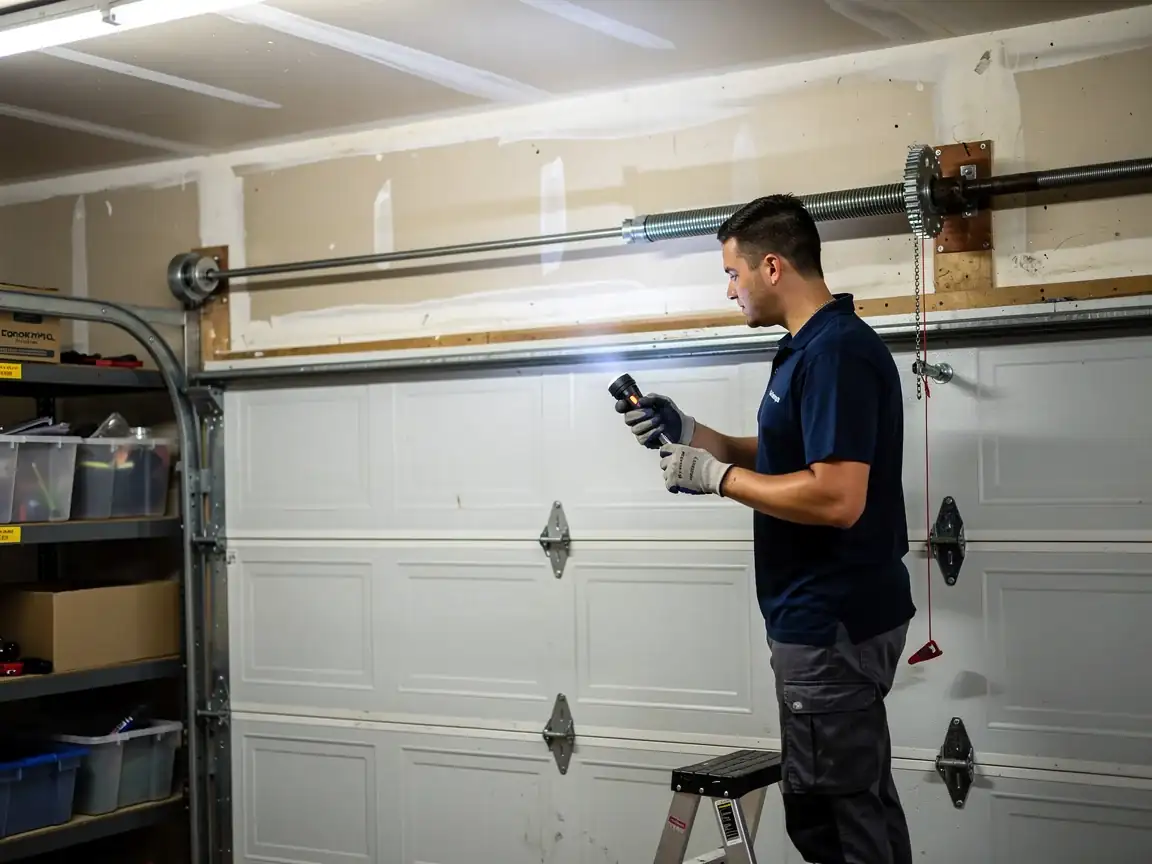
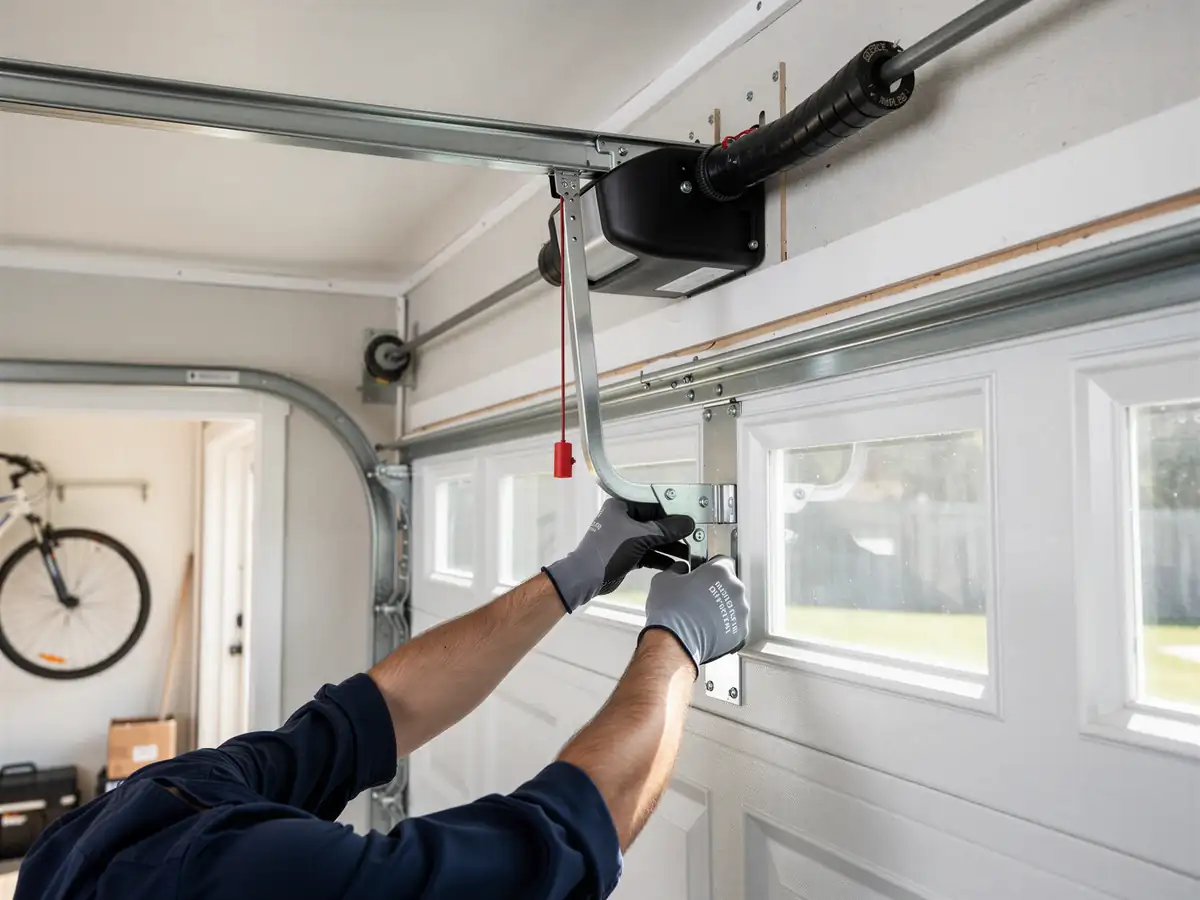
If the torsion shaft or the header is original to a 1960s build, we check it for rot or rust before mounting new hardware on it - mounting a new door on a bad header just moves the failure point. Then the new sections go up, track gets leveled and shimmed to the real opening, and torsion springs get sized to the new door's actual weight, not whatever was on the old one.
For an insulated door, we also check the stop and threshold seal
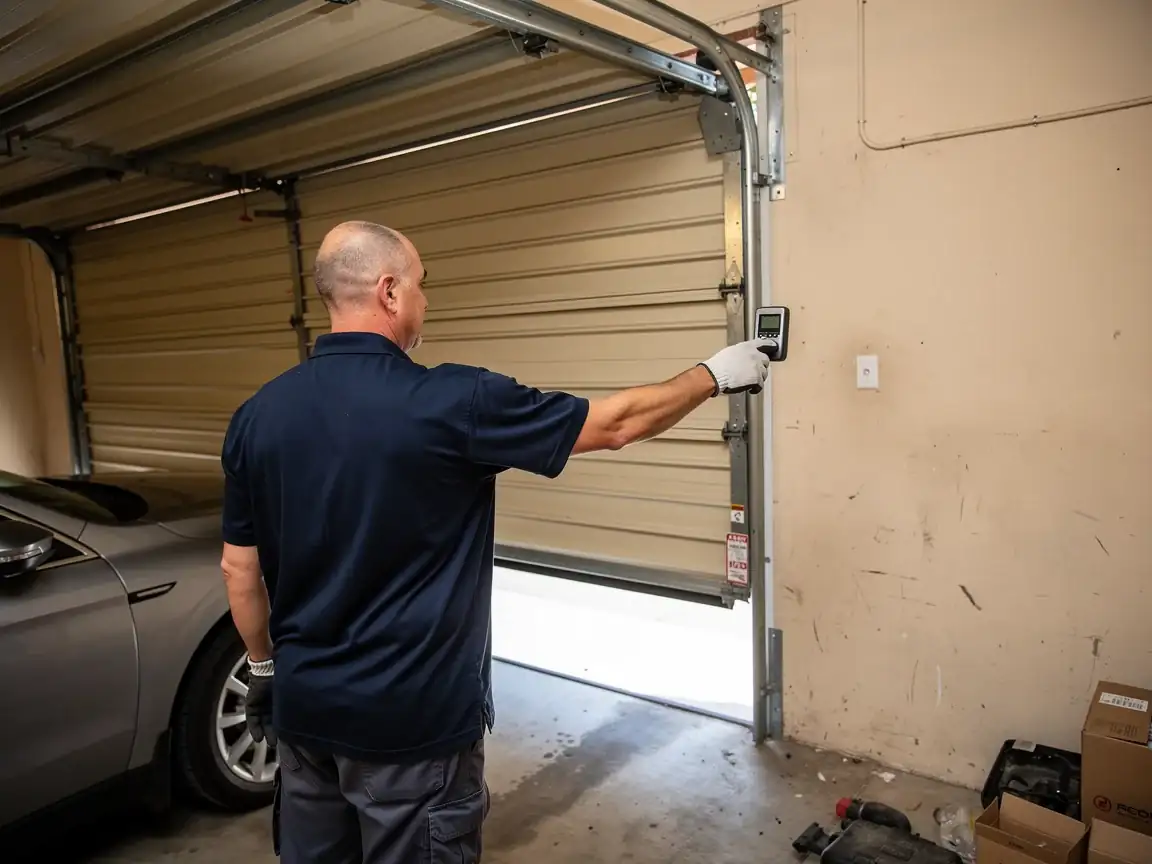
Since a cold garage loses most of its draft through the bottom seal and the side stops, not through the panel itself. Last step is balancing the door by hand before the opener ever touches it.
Why This Fails Locally
The reason this shows up so often in Woburn specifically comes down to timing: the median house here dates to 1965, and across the surrounding area - Winchester two miles south, Burlington three miles out, Stoneham three miles the other direction - the same postwar building wave put up tens of thousands of garages on nearly identical schedules. That means a lot of original or first-replacement doors are hitting the end of their service life at roughly the same time, in houses built for a climate that's classified cold and severe, not just chilly.
Cold is the accelerant. Steel fatigues faster through repeated freeze-thaw cycling, torsion springs lose temper quicker in unheated garages, and wood jambs from that era move more than engineered framing does. A door that would last another decade in a mild climate is already racked and leaking air here.
With median household income in the area over $152,000, most owners we talk to default to replacement over patch-repair once the jamb itself is compromised - repairing a door on a bad jamb is money spent twice. That's a judgment call specific to the house, not a rule, and we'll tell you straight if a repair is the better call instead.