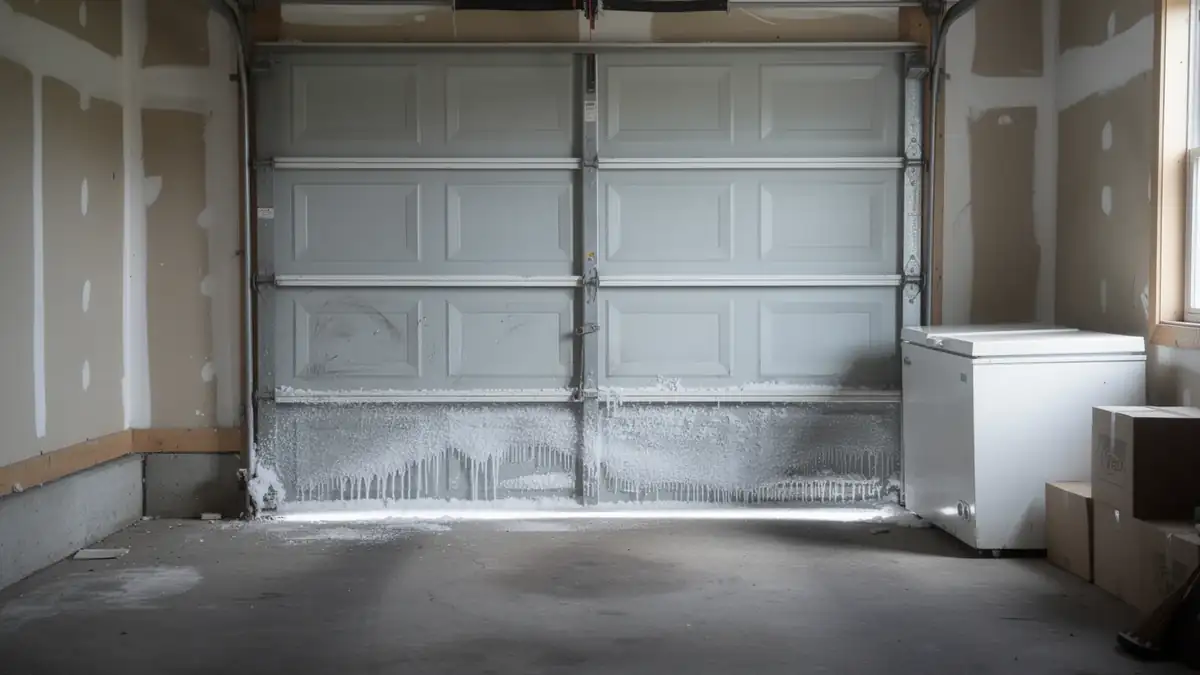
What the Weather Here Does to It
Woburn sits in a COLD, severe climate band, and that matters more for a garage door than most people think. Steel contracts in deep cold, and on a door built before insulation codes tightened, that contraction shows up as a gap between the bottom panel and the slab, or as a track that's suddenly a few millimeters out of true. Torsion springs wound decades ago don't like sudden swings either - the metal gets brittle with age, and cold makes a tired spring more likely to let go on the next lift, not less.
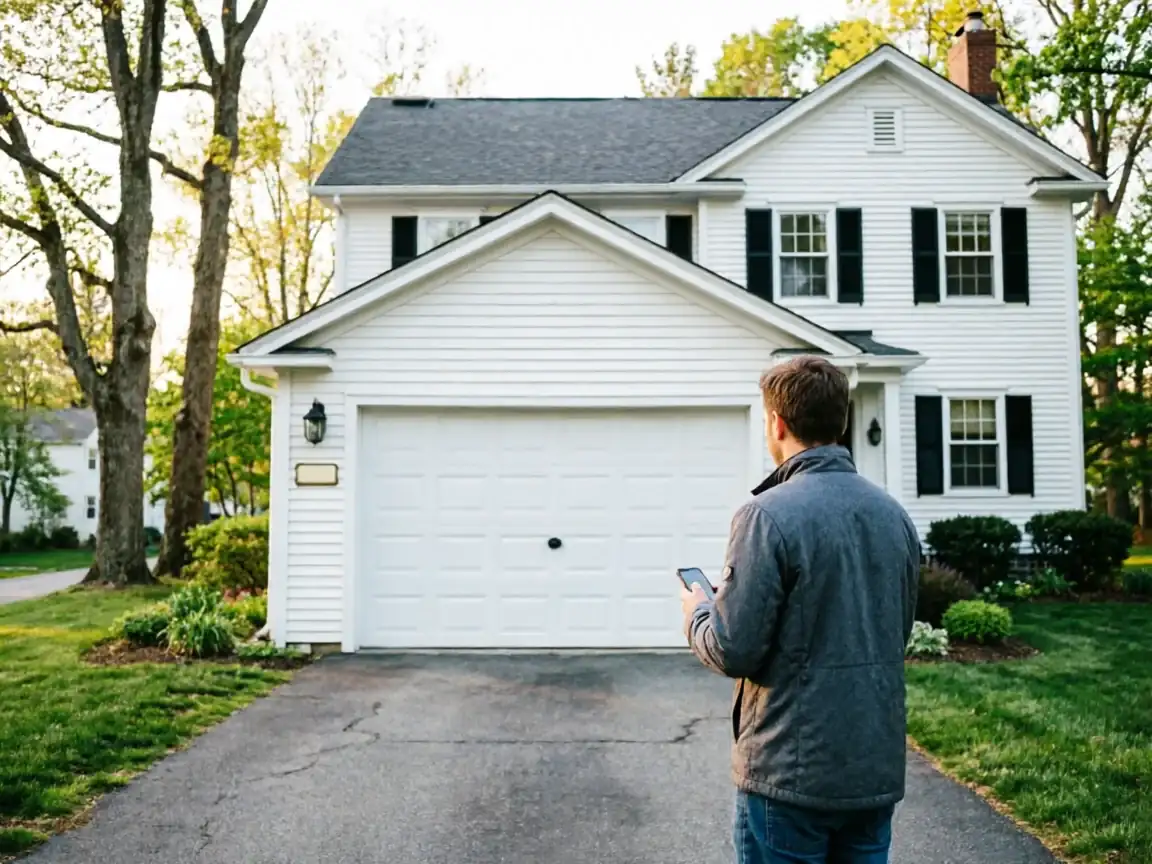
Most of Woburn's housing stock dates to between 1938 and 1988, with the median landing around 1965. That's before foam-core doors were standard and before weatherstripping specs got serious. If your door is original to a house from that era, it's a single layer of steel or wood over an open cavity, with no thermal break at the frame. You feel it in the garage itself - it's colder than it should be - and you feel it in the hardware, which works harder every time the temperature drops fast overnight. This isn't a defect. It's just what that generation of door was built to do, and it wasn't built for this.
The Situation
Woburn's housing covers roughly 55 named areas, and the dominant pattern across almost all of them is the same: construction clustered in the 1960s and 70s, with a tail reaching back to 1938 and forward to 1988. That consistency means a lot of these garages are running the same kind of door, installed by the same generation of builder, on the same torsion or extension hardware that was standard at the time.
The practical effect is that a huge share of doors in town are somewhere between 35 and 85 years old, and most of them have never had the springs replaced. Original hardware on a door that old is a parts problem as much as a labor problem - some of the mounting brackets and spring sizes from that period aren't what gets stocked on a truck today. Neighboring towns close by, like Winchester two miles out or Burlington three, share the same building era, so this isn't unique to one street or subdivision. It's the whole first ring around Boston that went up fast in those decades, and the doors are aging together.
When to Call Someone
Call before the door fails completely, not after
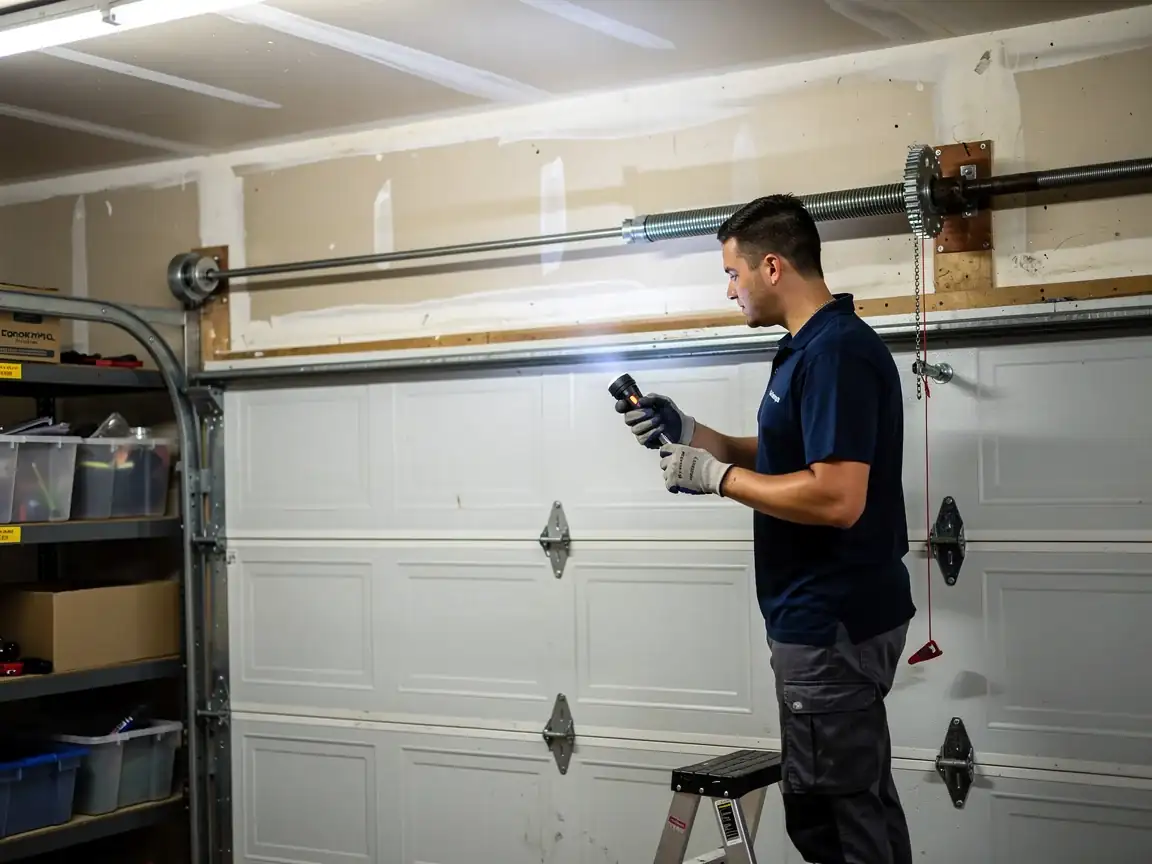
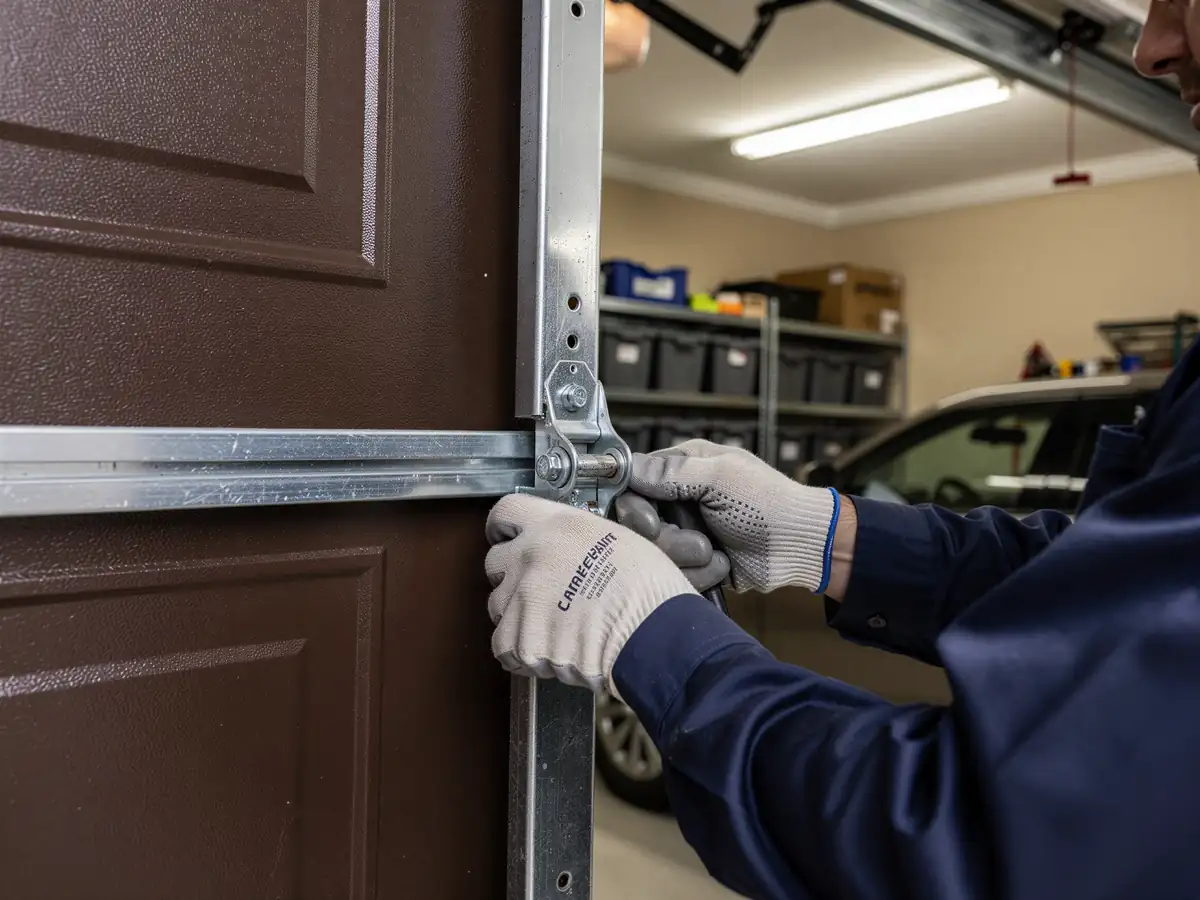
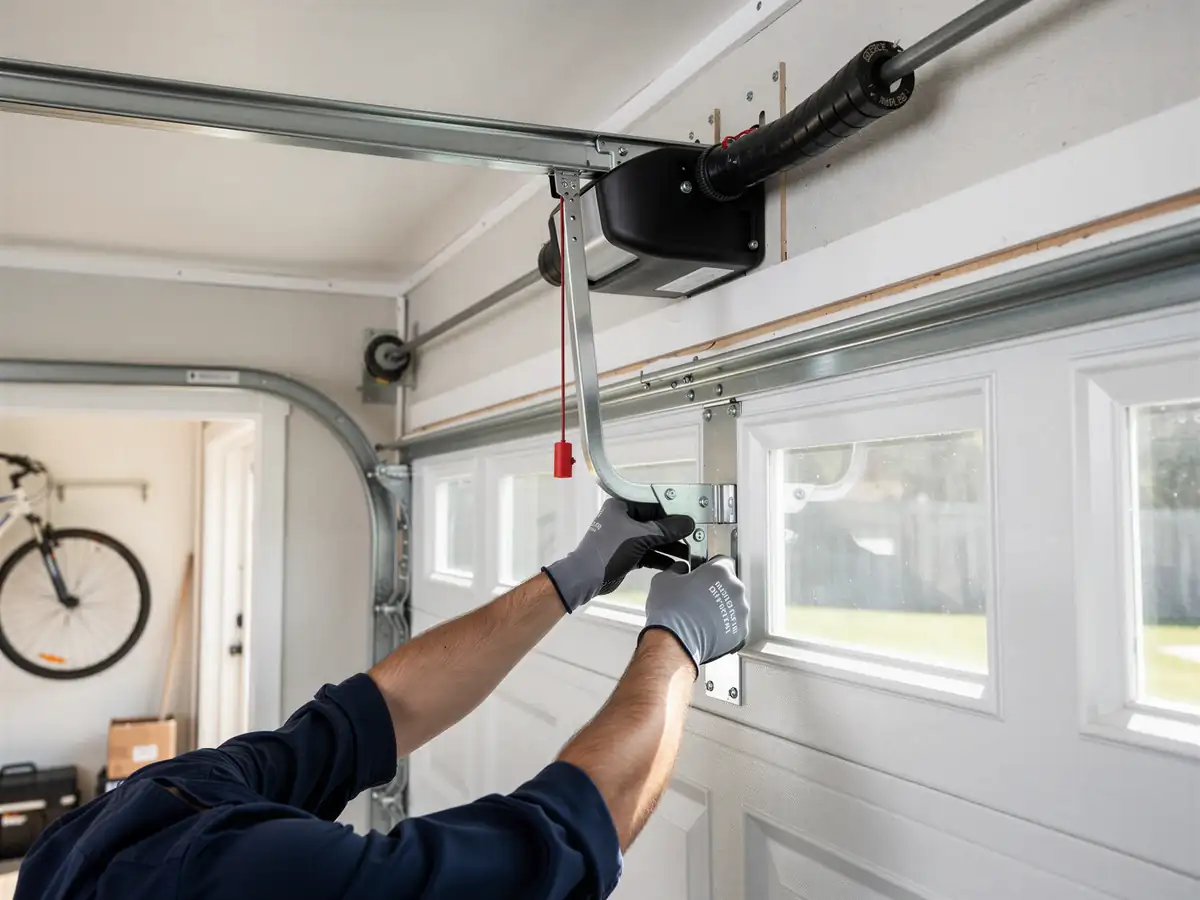
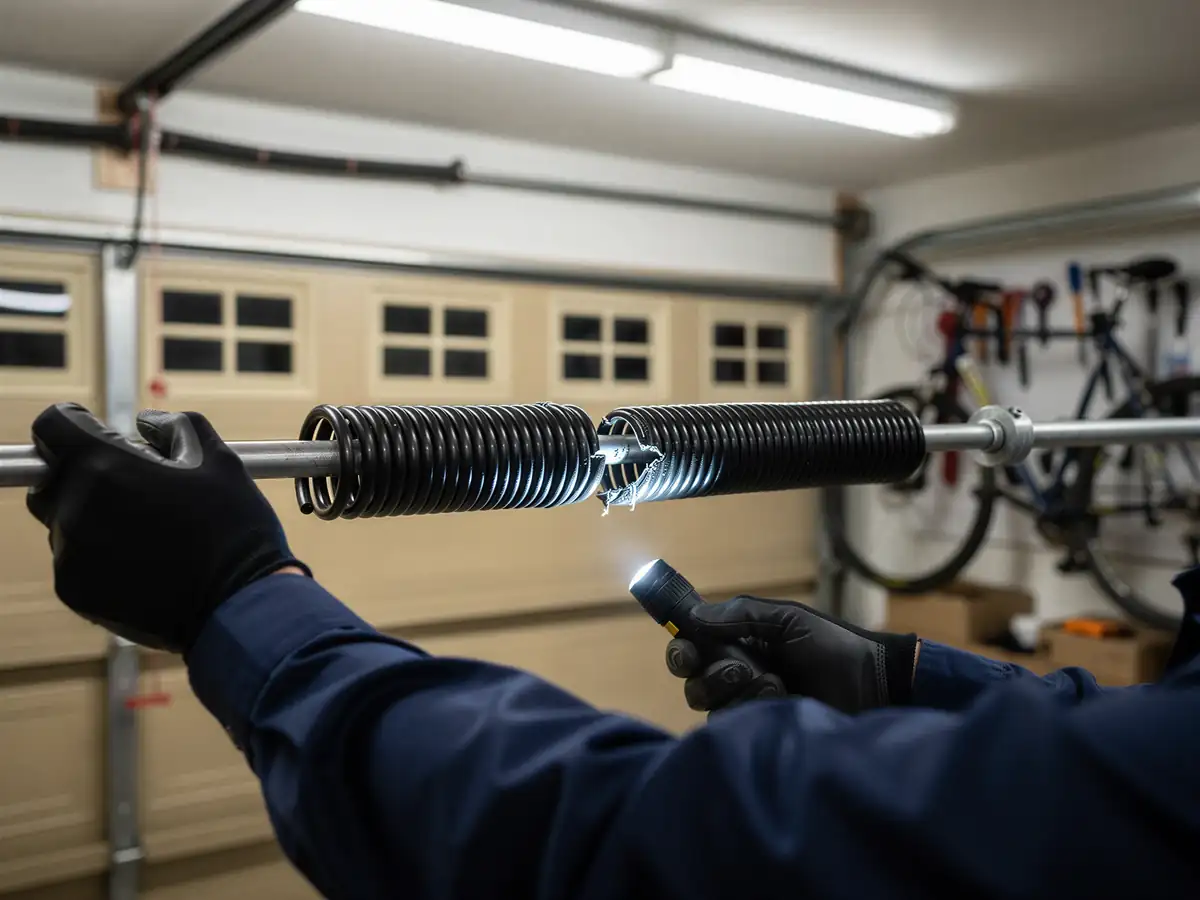
A torsion spring that's visibly stretched, rusted at the coils, or making a grinding noise on lift is close to the end, and a spring that snaps under tension on a door this old can do real damage to the track or the opener's drive gear on the way down. If the door is noticeably heavier to lift by hand than it used to be, that's the spring losing tension, not the door getting heavier.
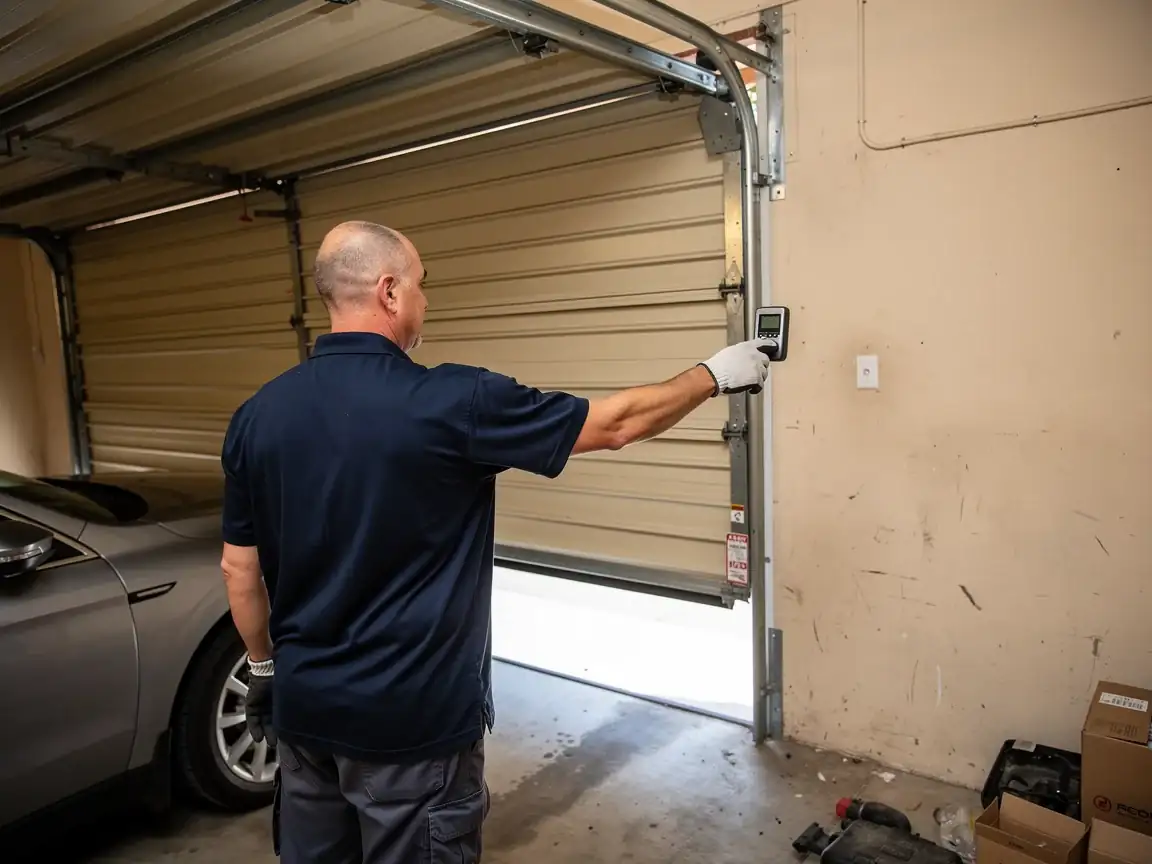
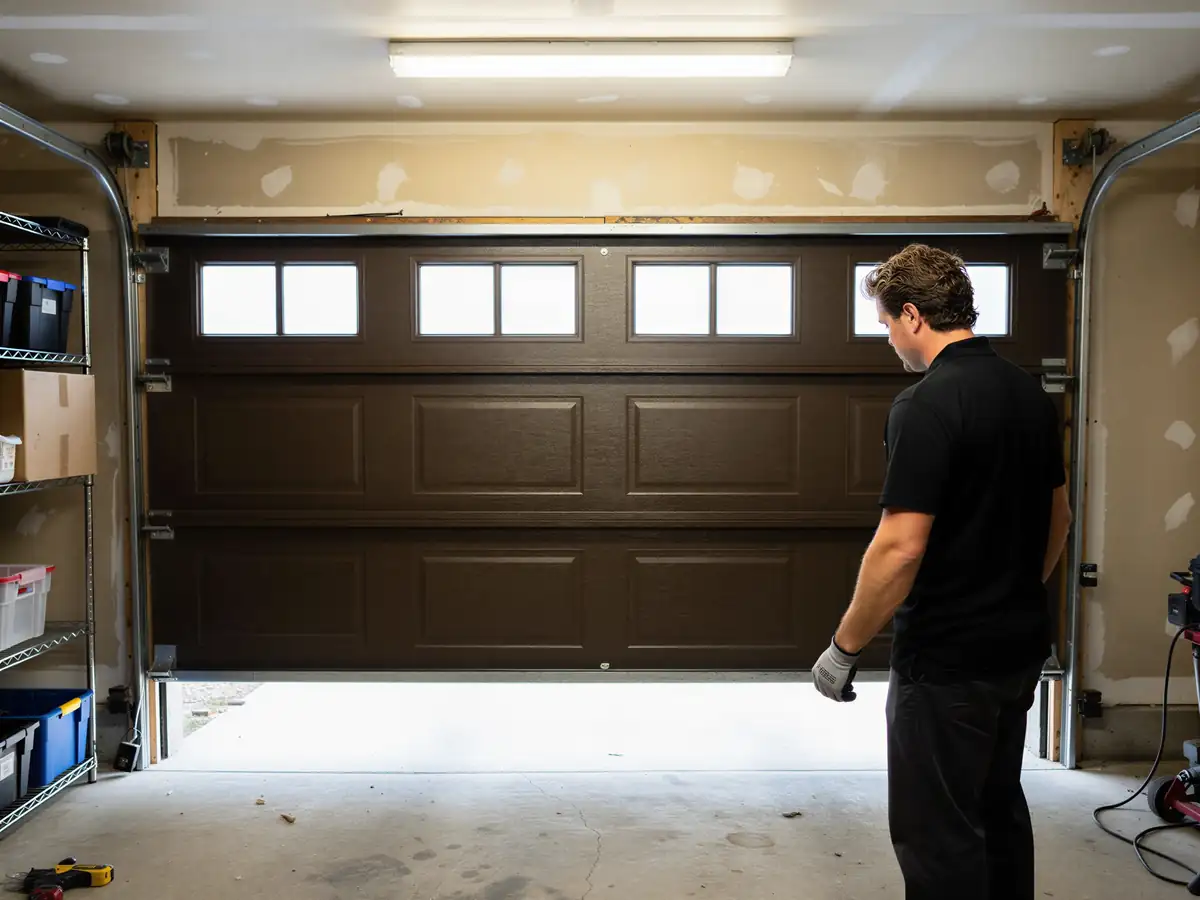
Also call if you see daylight at the bottom seal that wasn't there a year ago
Or if the panel has started to bow at the center - on a pre-1988 door without a thermal break, that bowing under cold-season stress can crack the steel skin. One honest limit here: if the door frame itself has shifted with the house's settling, which happens with stock this age, a new door won't sit right until that's addressed first, and that's carpentry work, not garage door work. We'll tell you straight if that's what you're looking at before we quote anything.
When Waiting Is Fine
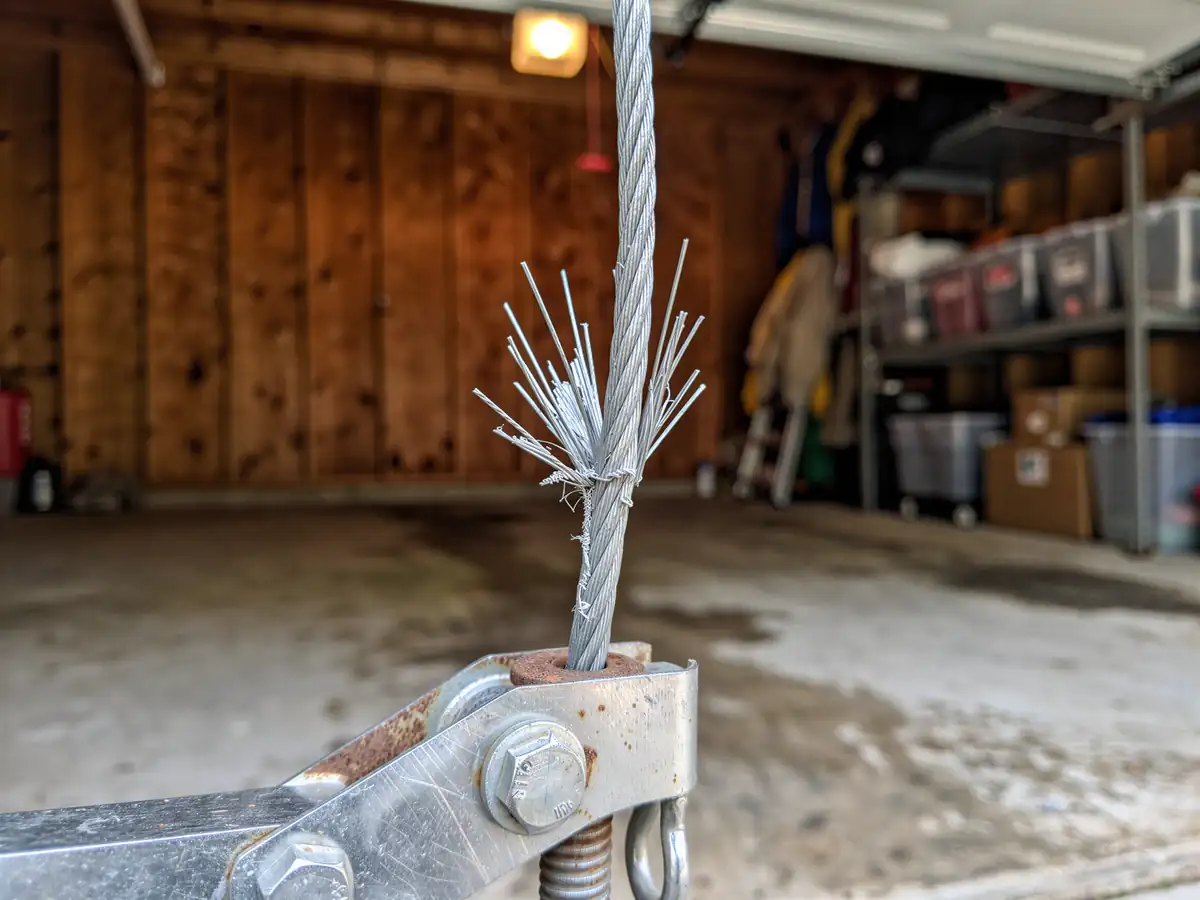
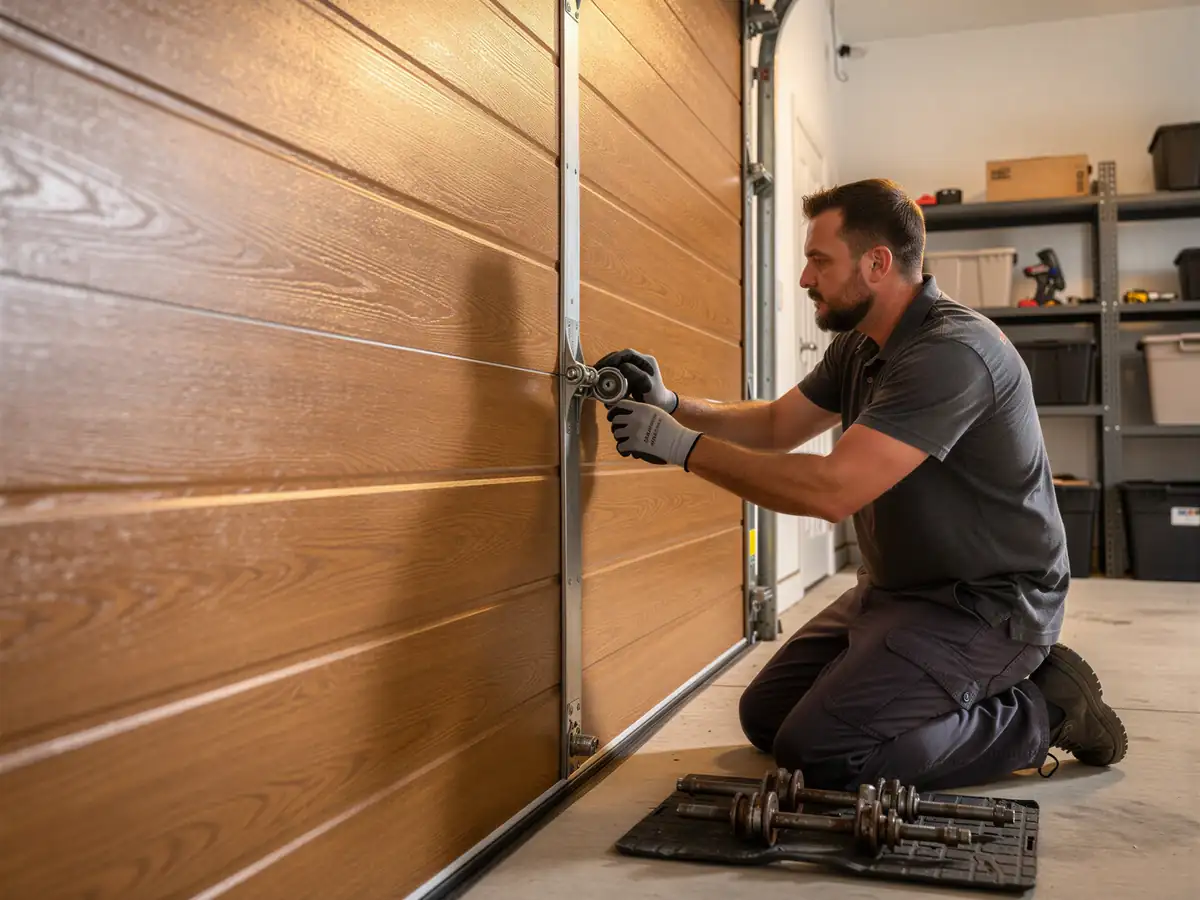
Not everything on an old door needs a truck out same week. A squeaky roller or a hinge that's a little stiff in the cold is routine wear, and a shot of the right lubricant on the rollers and hinge pins will quiet it down for months. If the door still opens and closes square, holds its position halfway, and the cables look intact with no fraying, you can let a minor rattle ride until it's convenient.
Cosmetic issues can usually wait too - faded paint, a dent in a lower panel from a bumper tap, minor surface rust on hardware that isn't load-bearing. None of that affects whether the door is safe to operate. The one thing worth tracking even when you're not worried yet: note how the door sounds and feels now, on a mild day, so you notice the change when the first hard freeze hits and something that was marginal becomes something that isn't. On houses from this era, that seasonal shift is usually what turns a wait-and-see into a call.