What the Weather Here Does to It
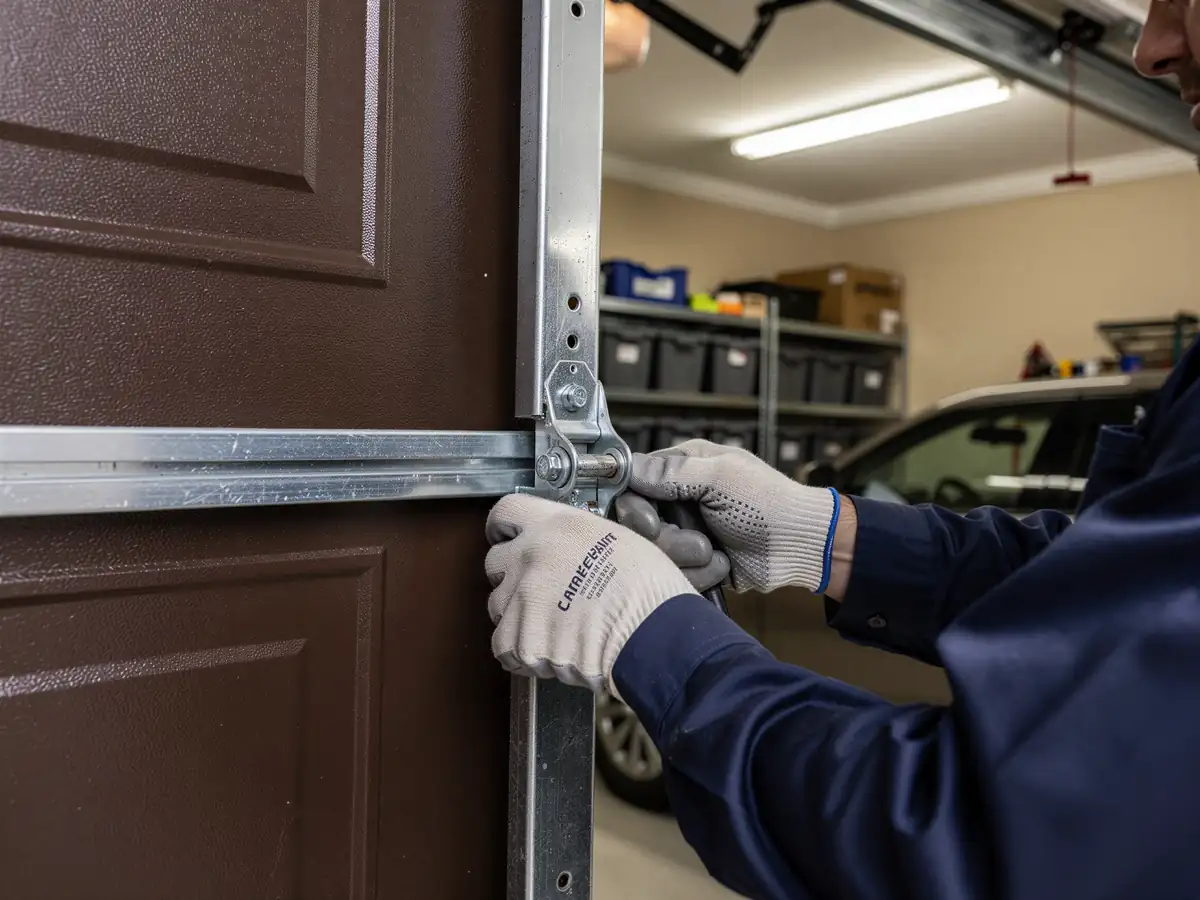
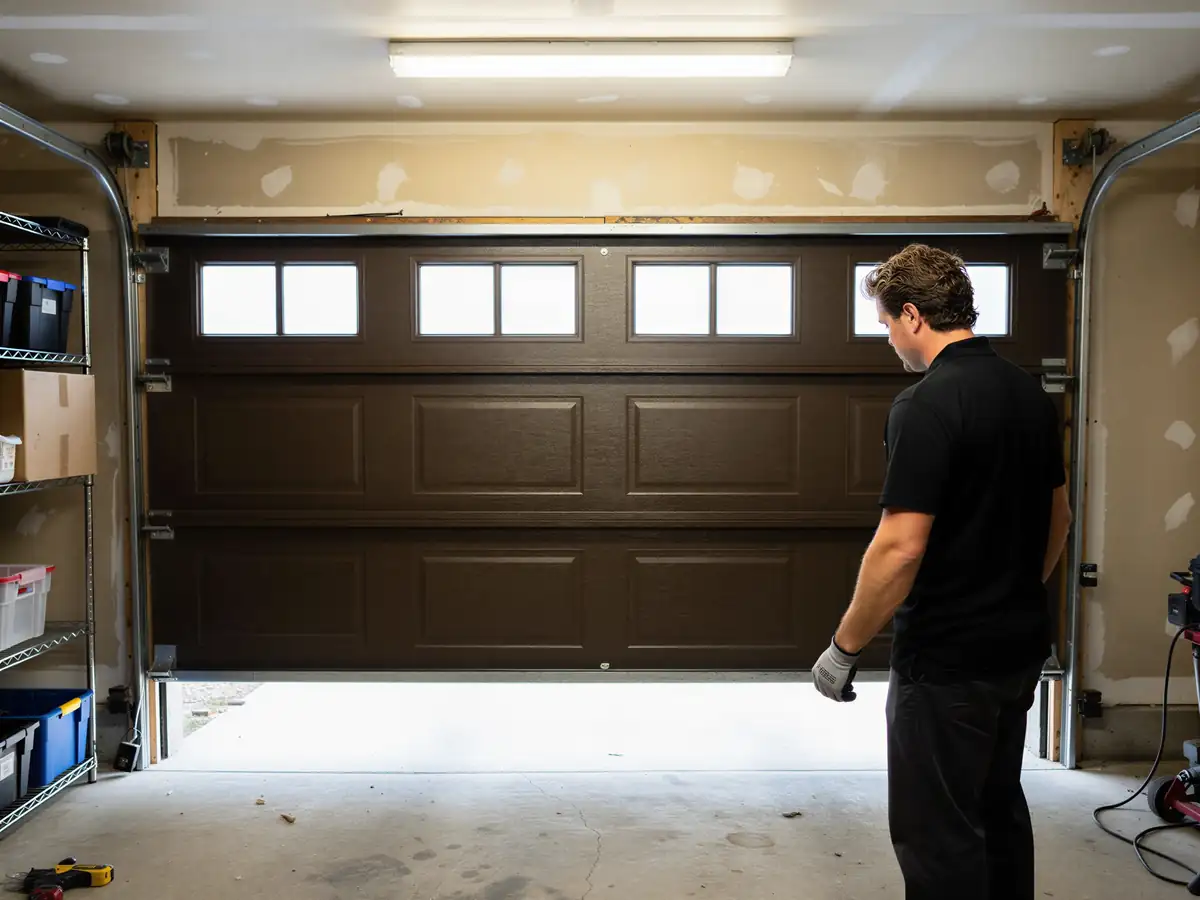
This area sits in a cold, severe winter band, and that matters more for a garage door than most homeowners think. Steel panels contract in deep cold, and on older doors that means the weatherstripping along the bottom and sides shrinks faster than newer compounds, leaving gaps that let wind push through. On a house built in the 1960s, which is the median build year for homes around here, the original track and hardware weren't designed with today's insulated panel options in mind, so a straight panel swap often isn't possible without touching the track too. Freeze-thaw cycles also work on the slab underneath the door. If the concrete has heaved or settled even slightly, a new door can bind on one side in January even though it closed fine in August. We see this most on doors installed before double-wall steel construction became standard. The honest answer: if your door is sticking only in cold months, that's often the slab or the track, not the door itself, and replacing the door won't fix it. Worth checking before you spend money on a new one.
The Situation
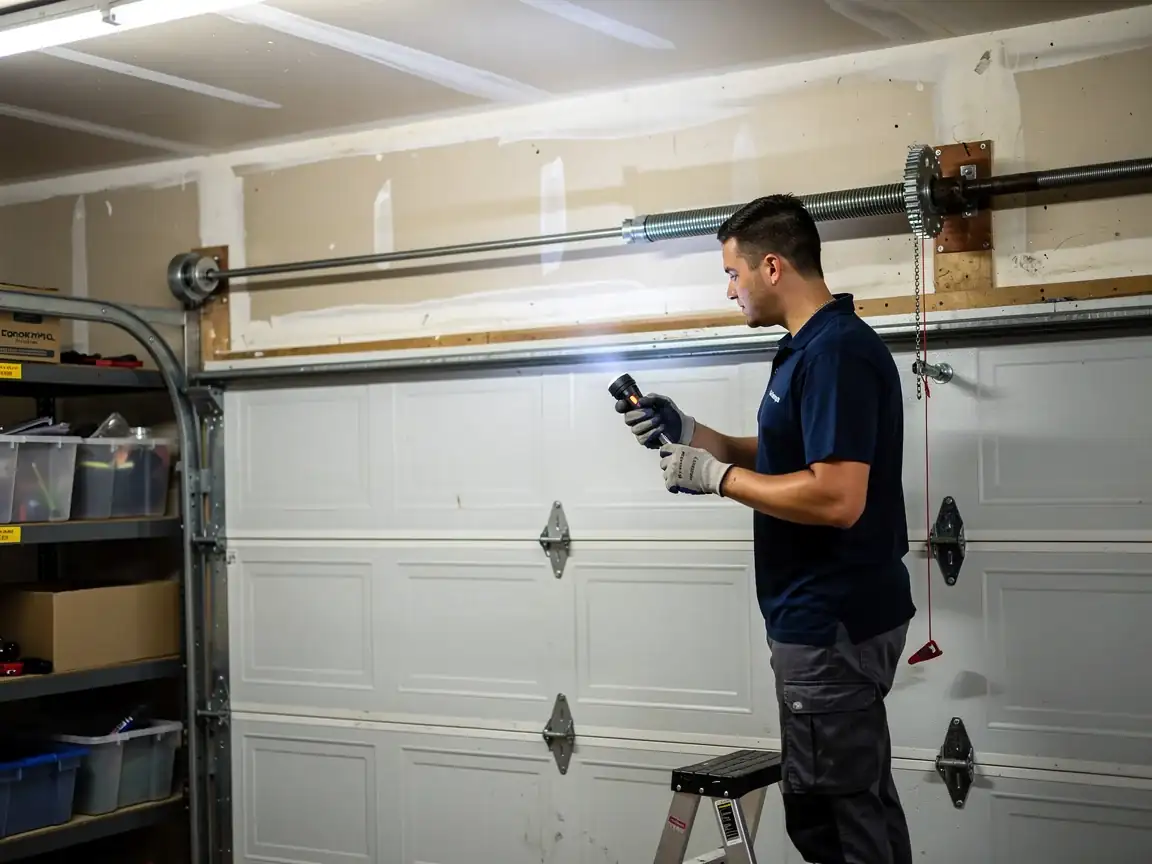
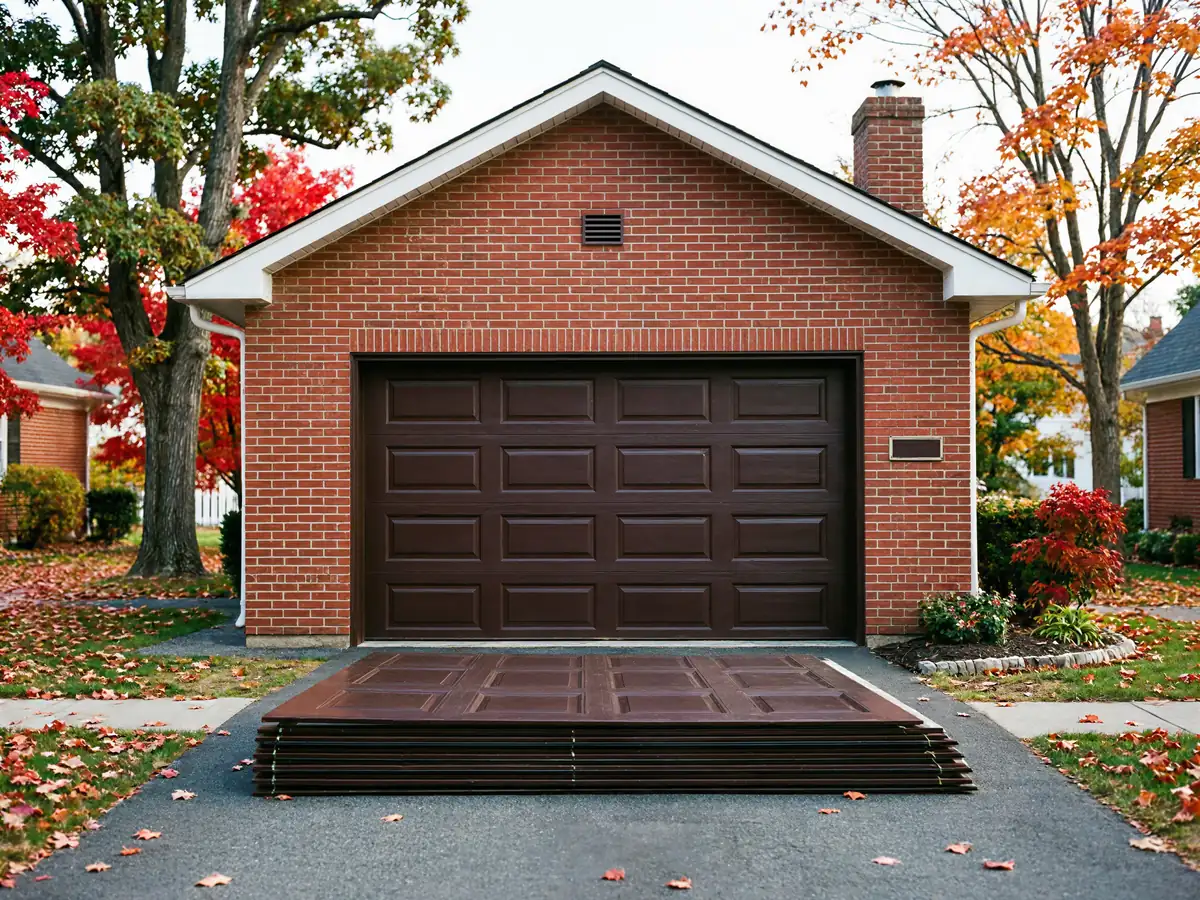
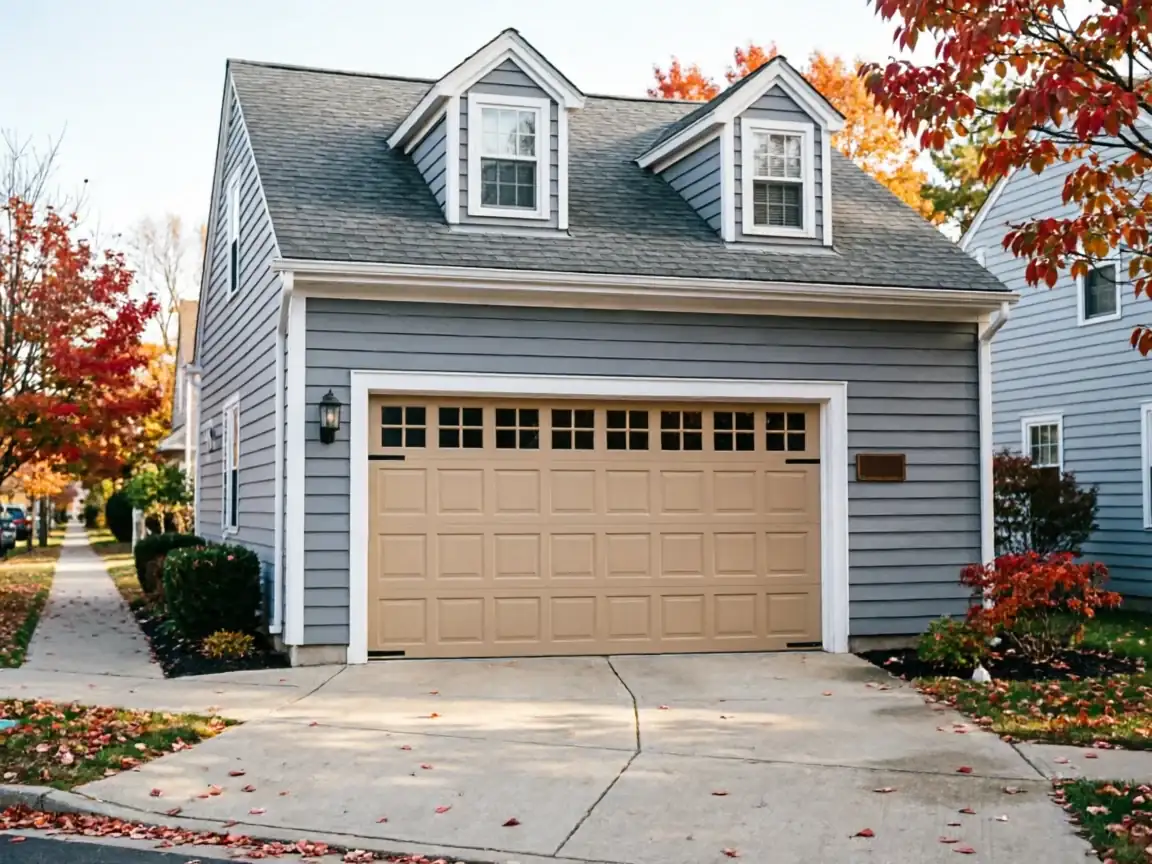
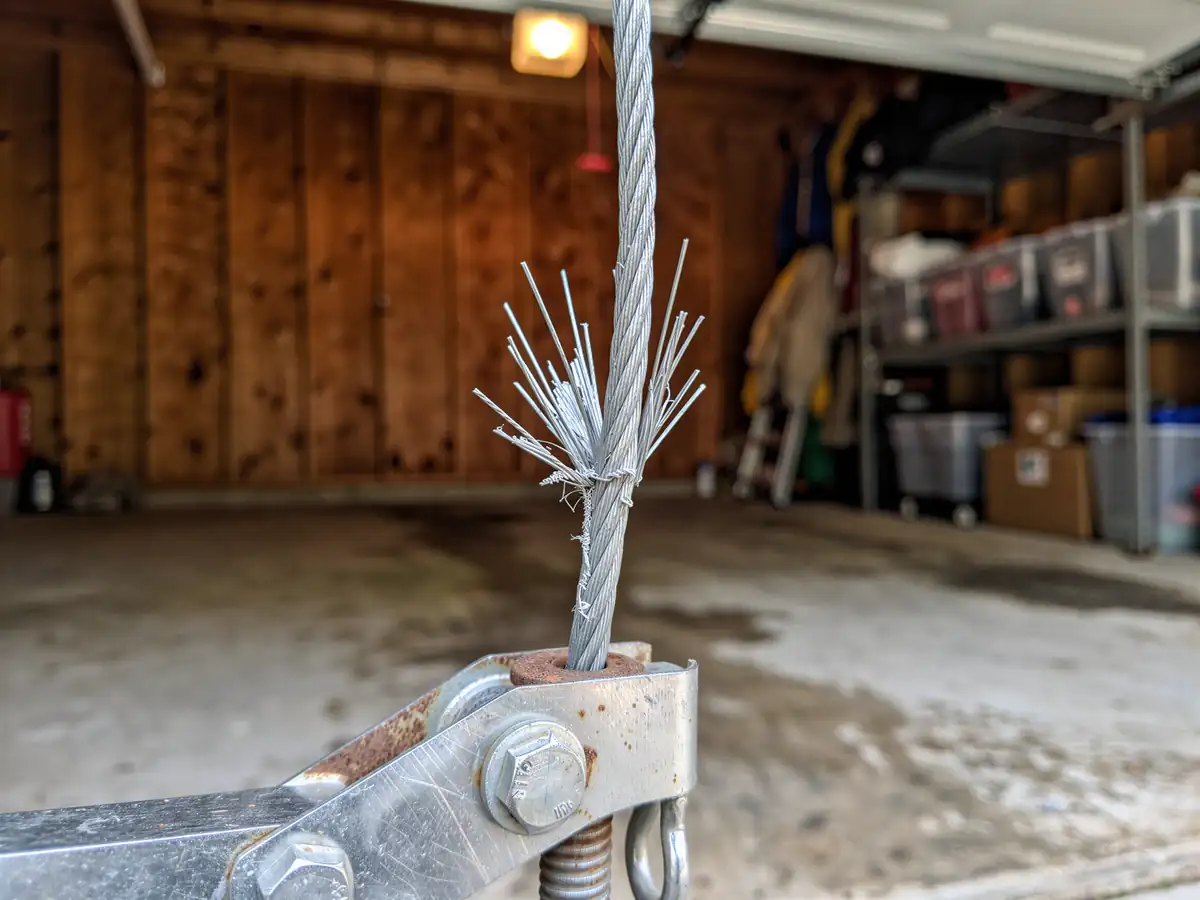
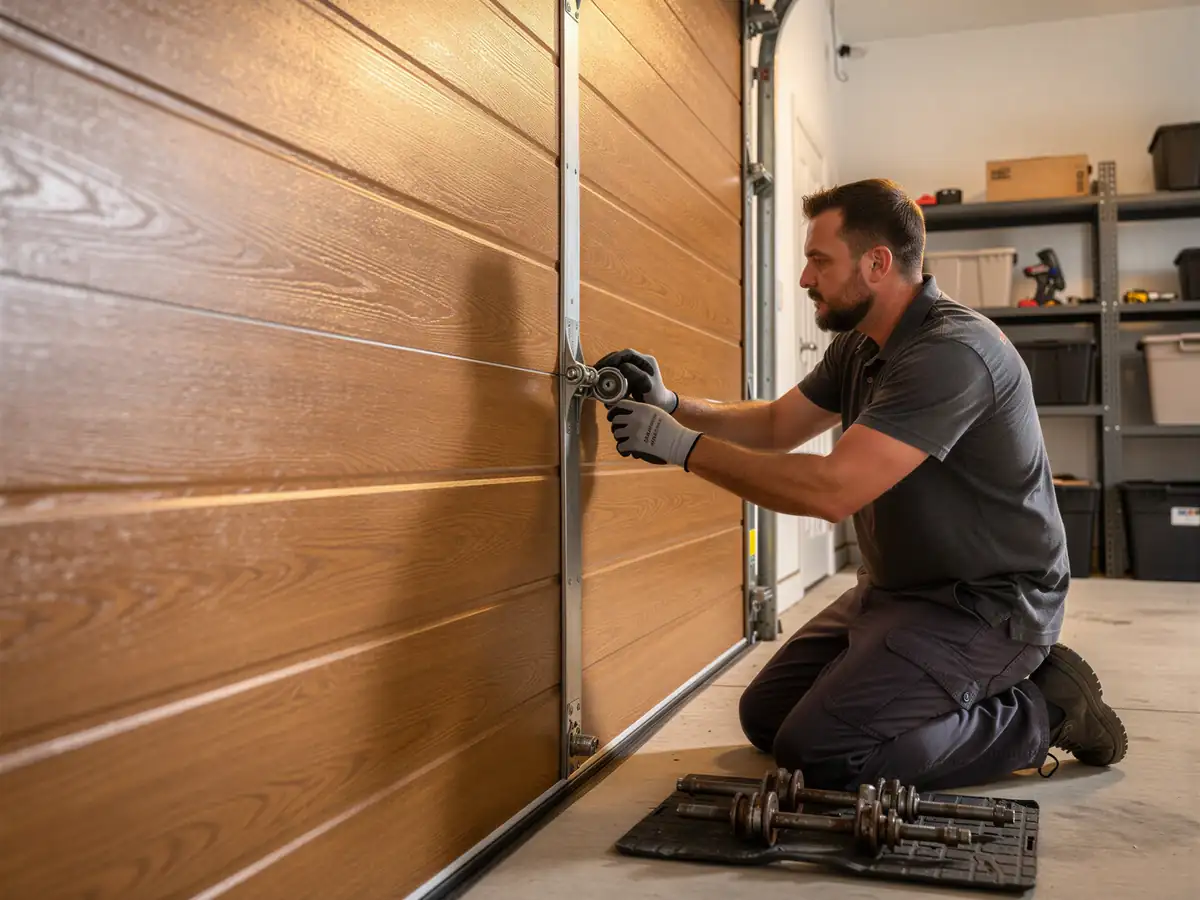
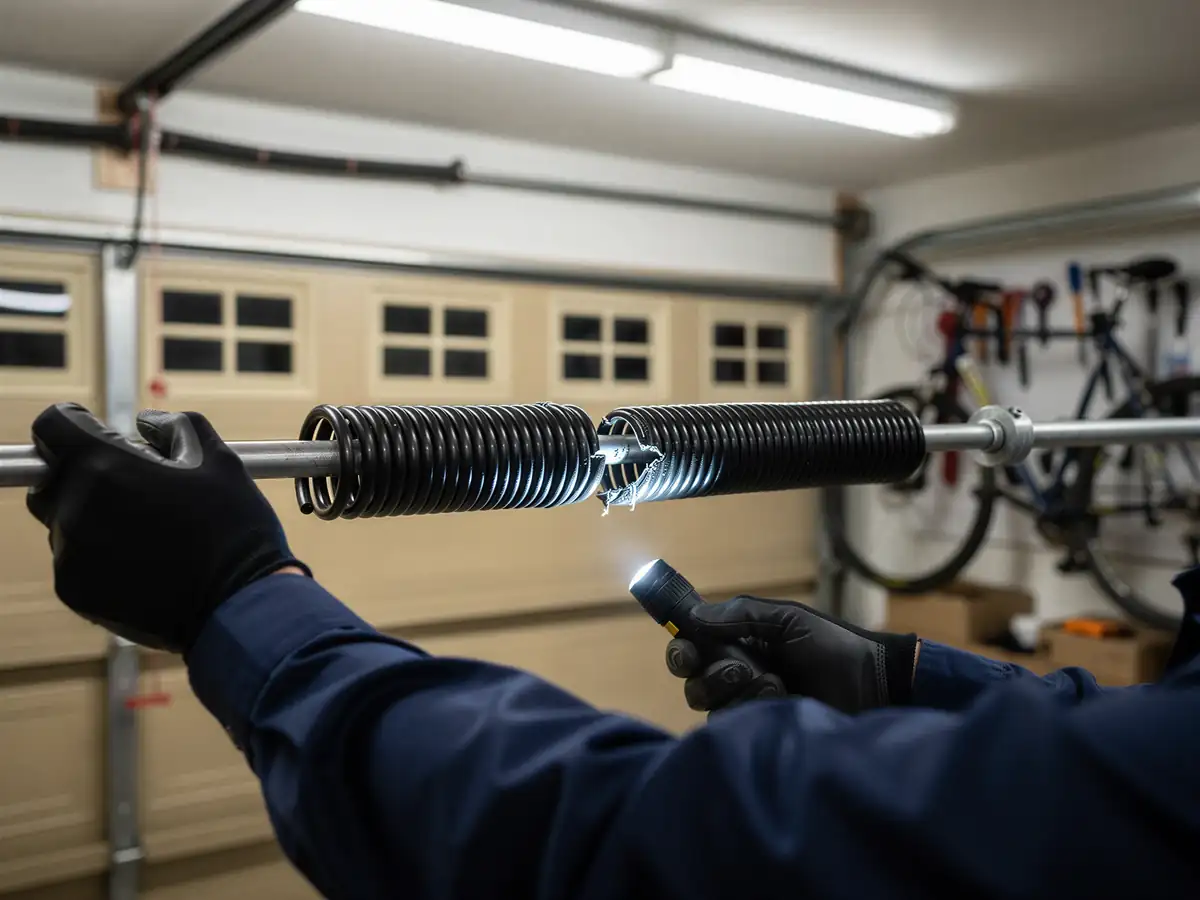
Housing in this part of Massachusetts mostly went up between 1938 and 1988, with the bulk clustered in the 1960s and 70s, across the dozens of named neighborhoods and nearby towns that make up this area. That means a lot of garage doors out there are either original wood doors from that era or a first-generation steel replacement installed sometime in the 80s or 90s. Both are past the point where repair makes sense for most owners. Original hardware on these houses tends to be a mismatched mix of extension and torsion springs depending on when the garage was added or altered, and parts for the oldest wood doors aren't something any supplier stocks anymore. With median household income in the area over $150,000, we see a fair number of owners choosing full replacement with modern insulated steel rather than patching a door that's older than the current owner's time in the house. That's a reasonable call on a house this age, but it isn't automatic - a door from the 90s with decent panels and a working torsion system can sometimes just need new rollers and a cable.
When Waiting Is Fine
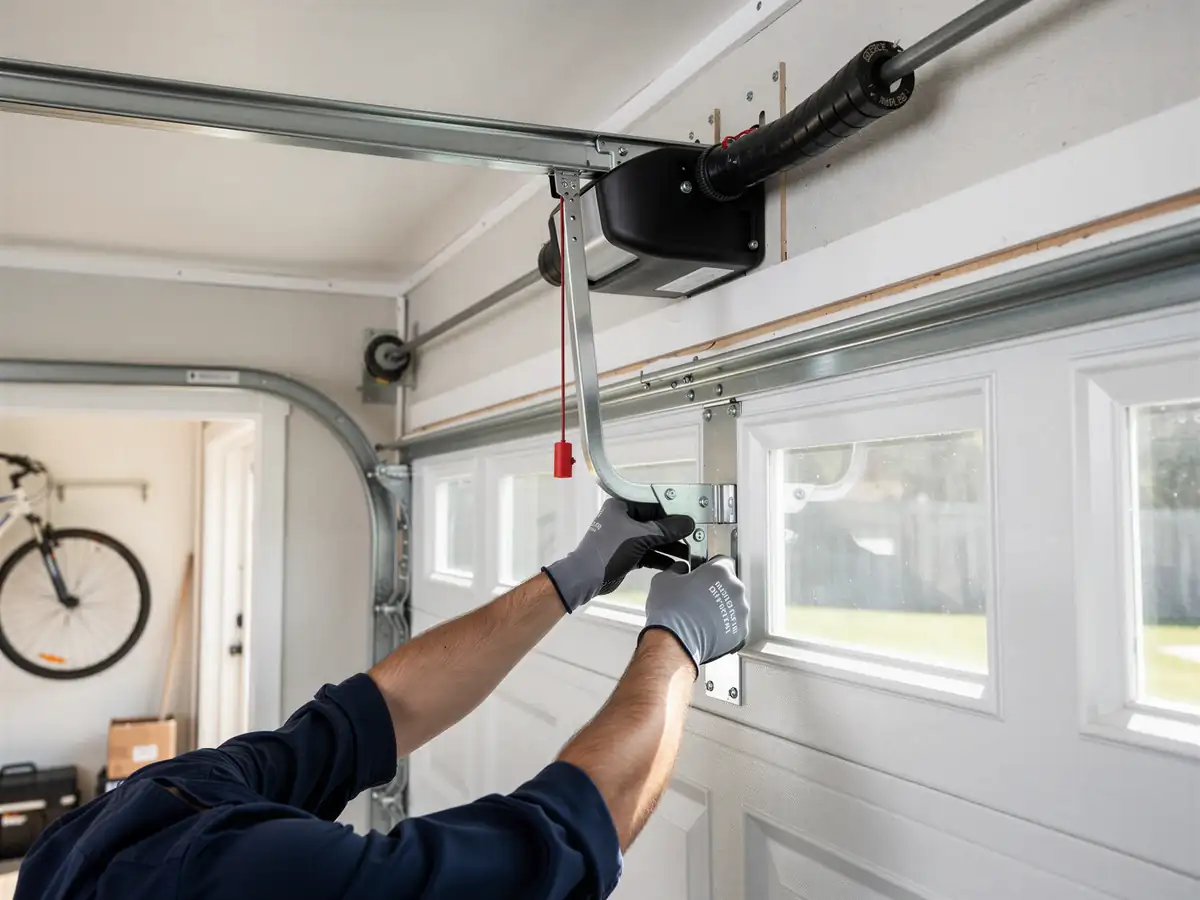
If the door is cosmetically rough but opens and closes smoothly, with even tension on both sides, there's no reason to replace it on a schedule. Cold-weather stiffness that clears up once temperatures rise is normal for older rollers and doesn't mean the door is failing. A little rattle in the track on a windy day is common on doors from the 70s and 80s and isn't, by itself, a reason to call anyone. We'll say plainly: we don't push replacement on a door that's still doing its job just because of its age. If nothing's binding, nothing's grinding, and the opener isn't straining, you can wait.