The Usual Work Here
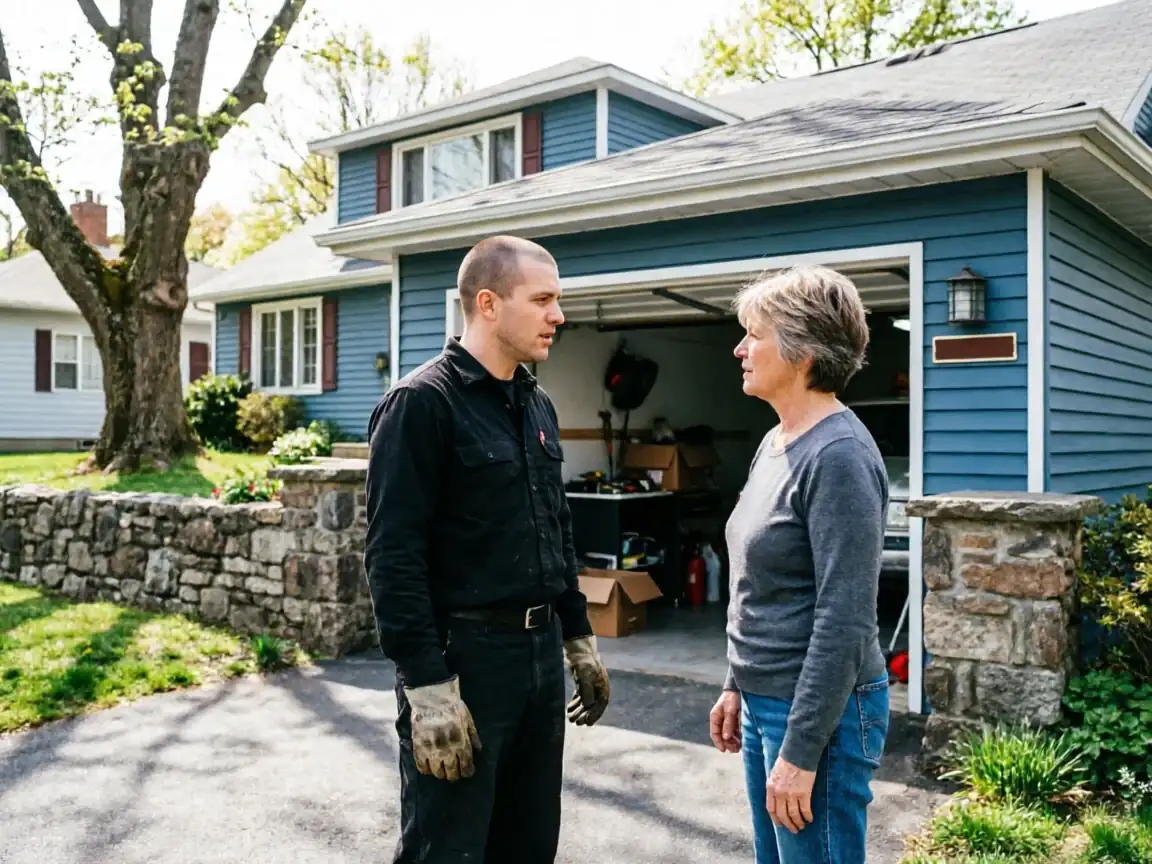
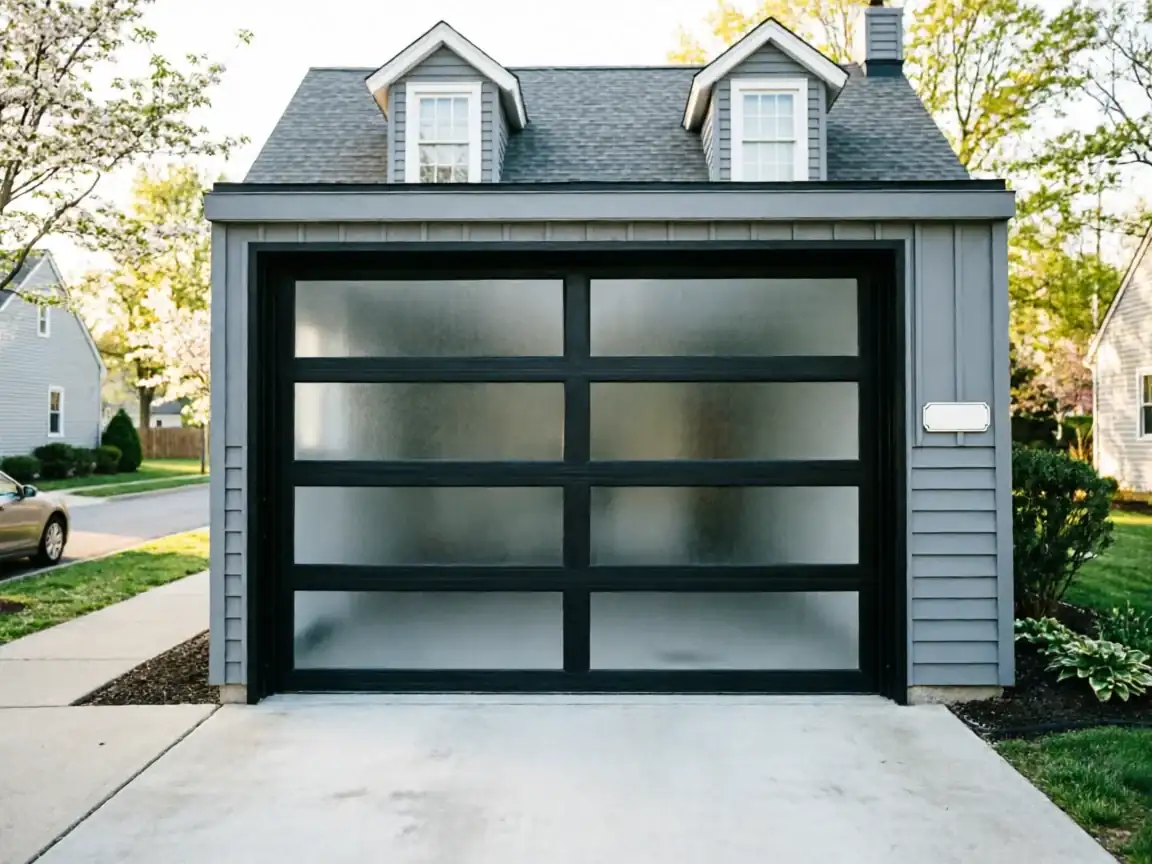
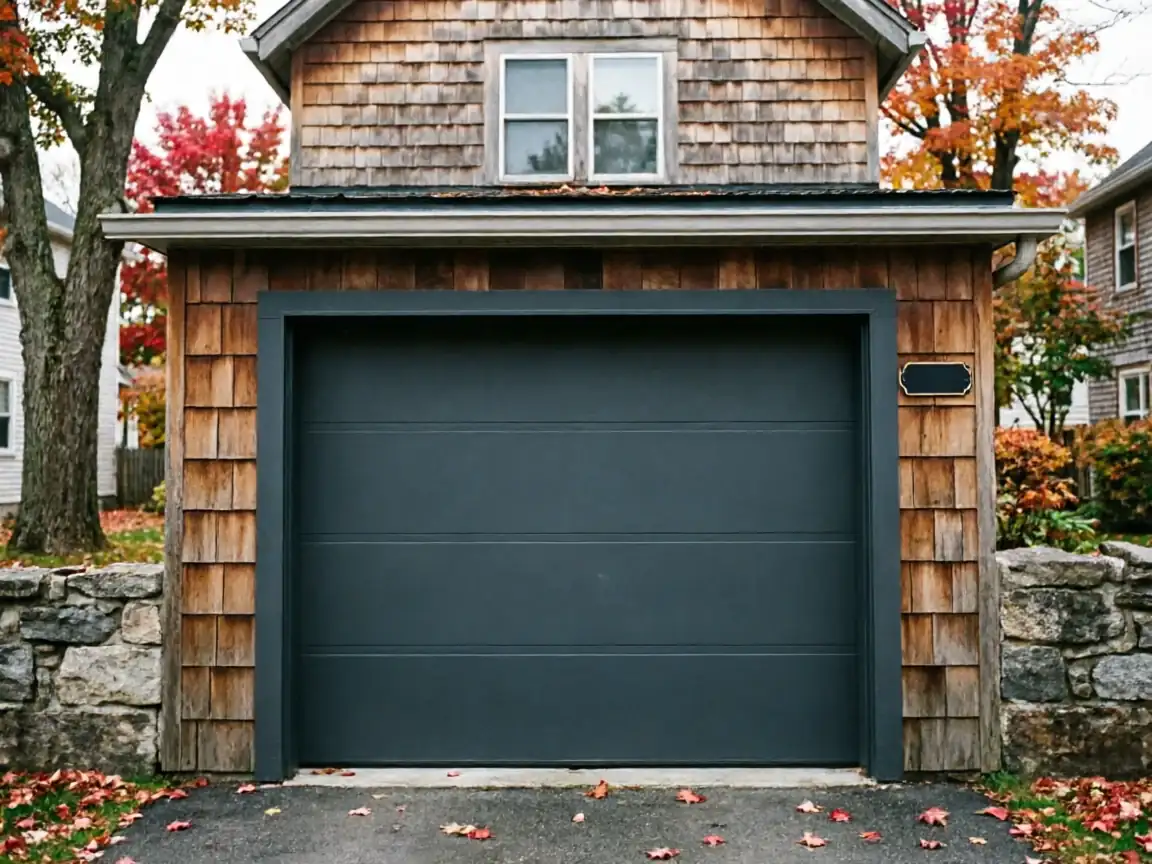
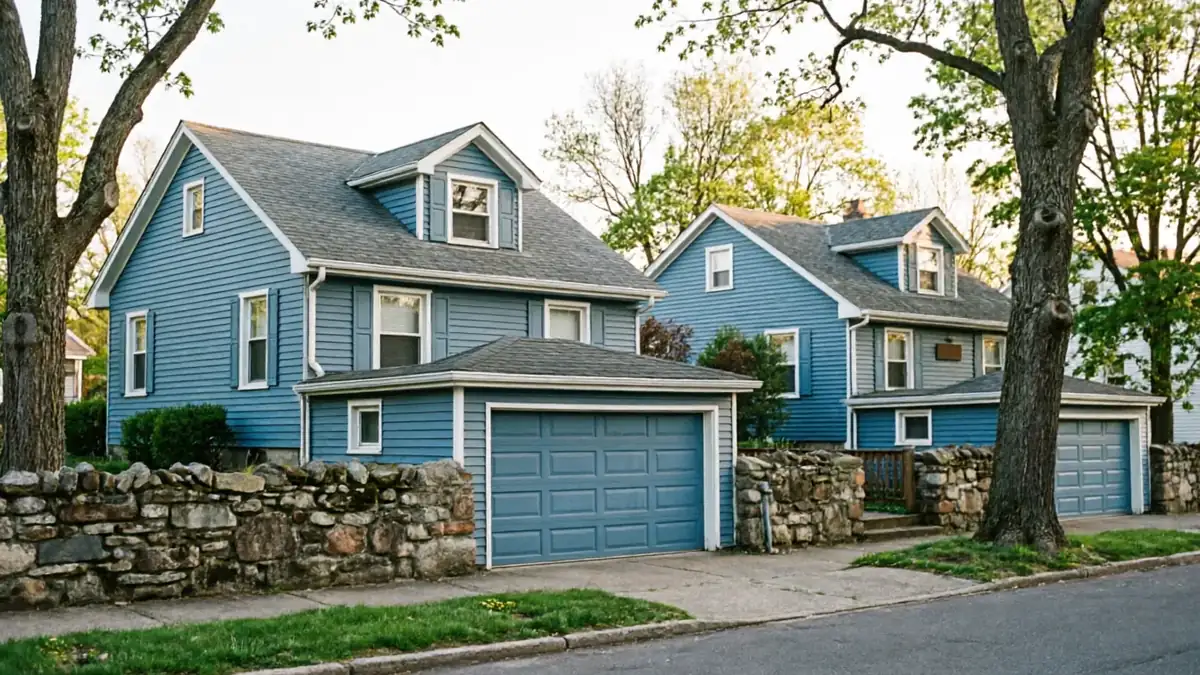
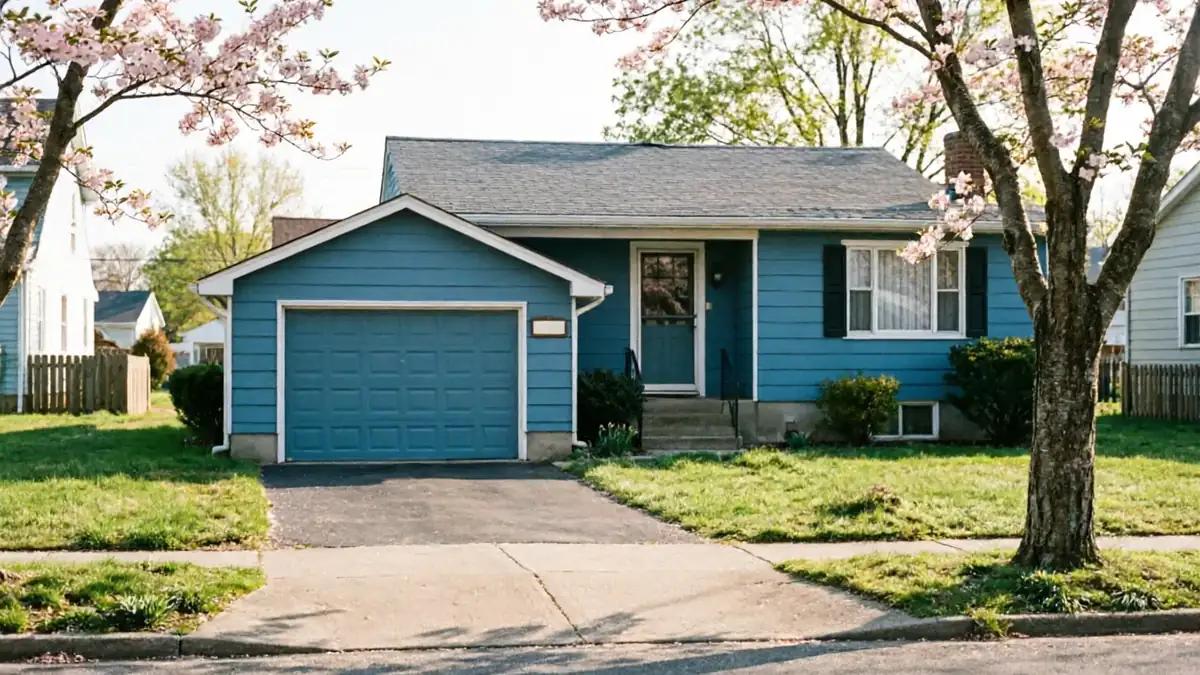
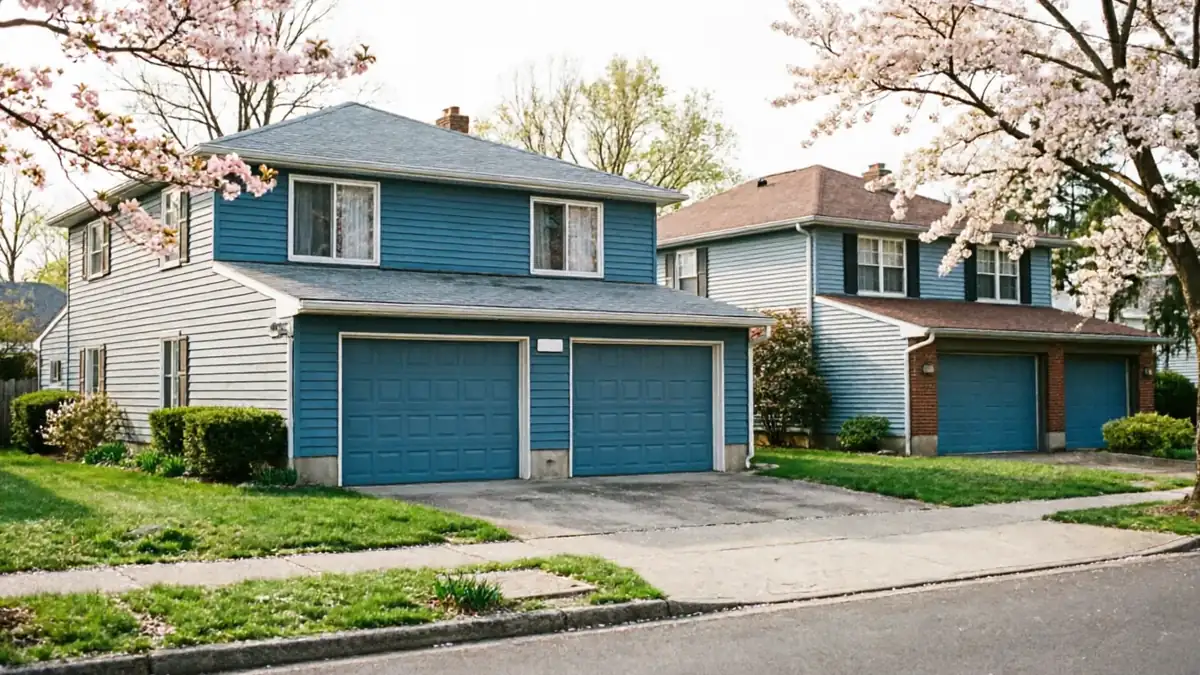
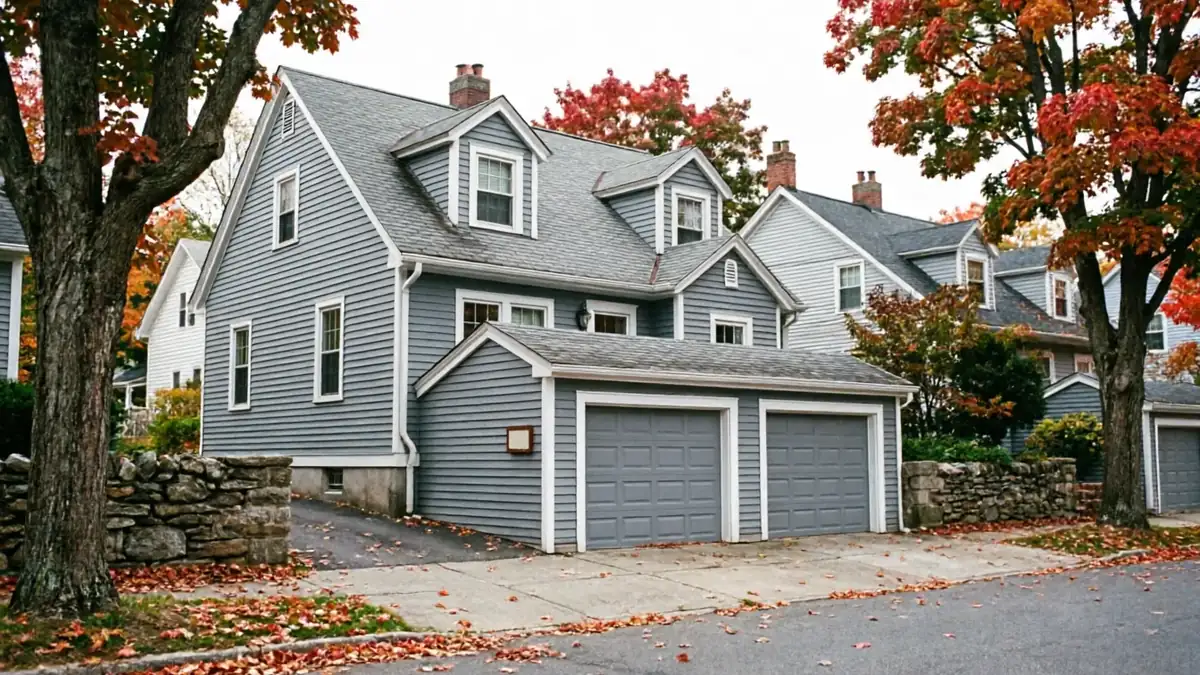
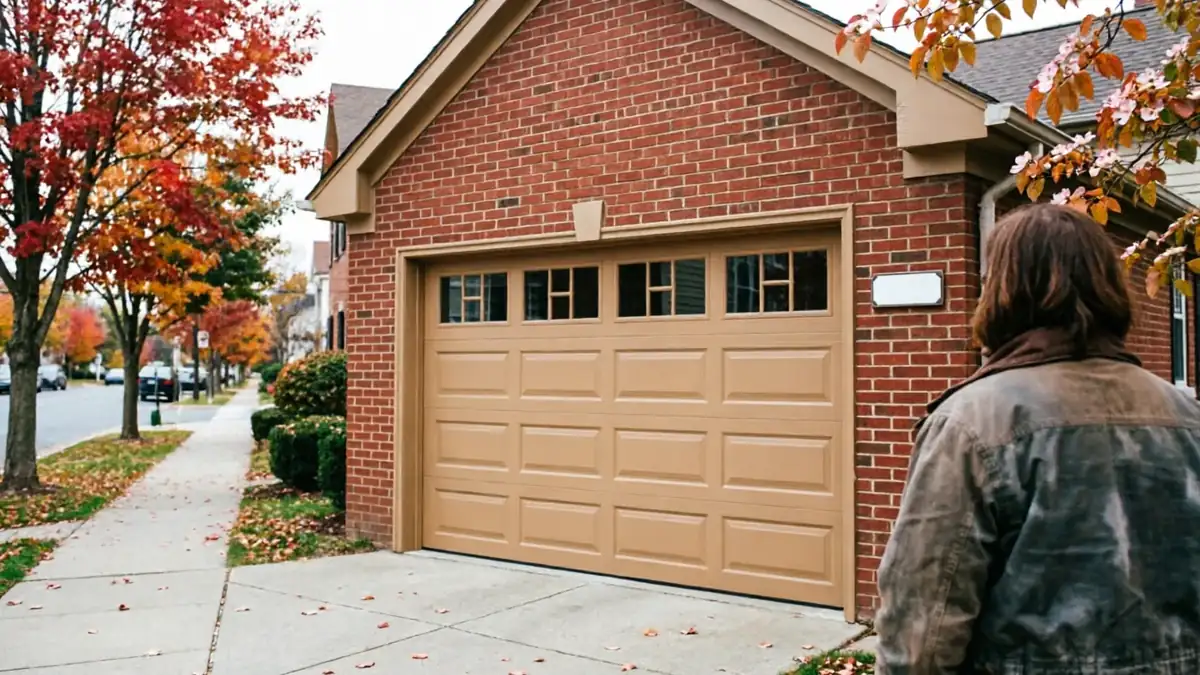
We drive the 5 miles out from Woburn to Lexington often enough to know what breaks first. Most of the houses we get called to went up around 1964, right in the middle of the 1960s-70s building wave that covers this whole corner of the state. That means a lot of original or first-replacement torsion springs, steel panel doors on galvanized track, and openers that have been swapped once or twice but still sit on the same bracket from the Johnson administration. Lexington's median household income, over $219,000, runs well above the wider service area's $152,014, and it shows in the calls: more owners asking us to replace a worn door outright with an insulated model rather than patch a cracked panel for another five years. We still do both. A repair that gets another decade out of a door is worth more to most people than a new one, and we say so when it's true.
What That Means for Doors
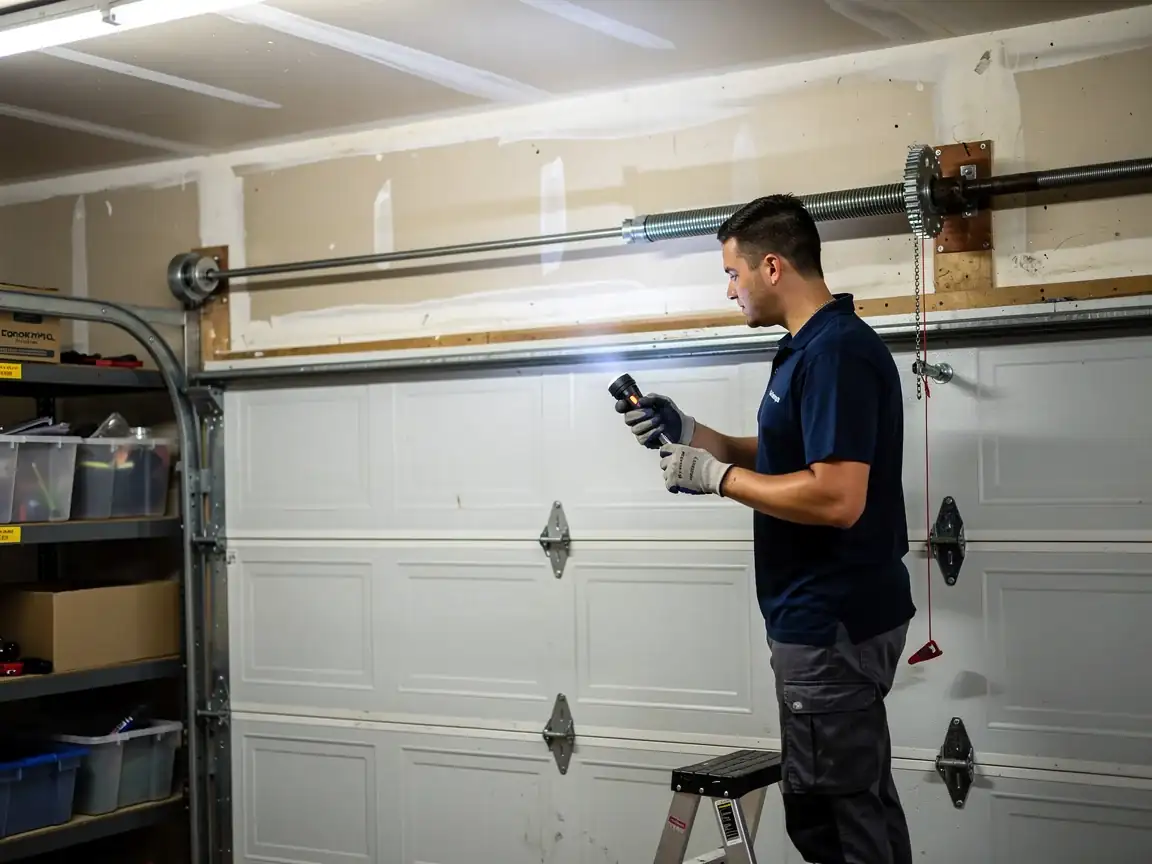
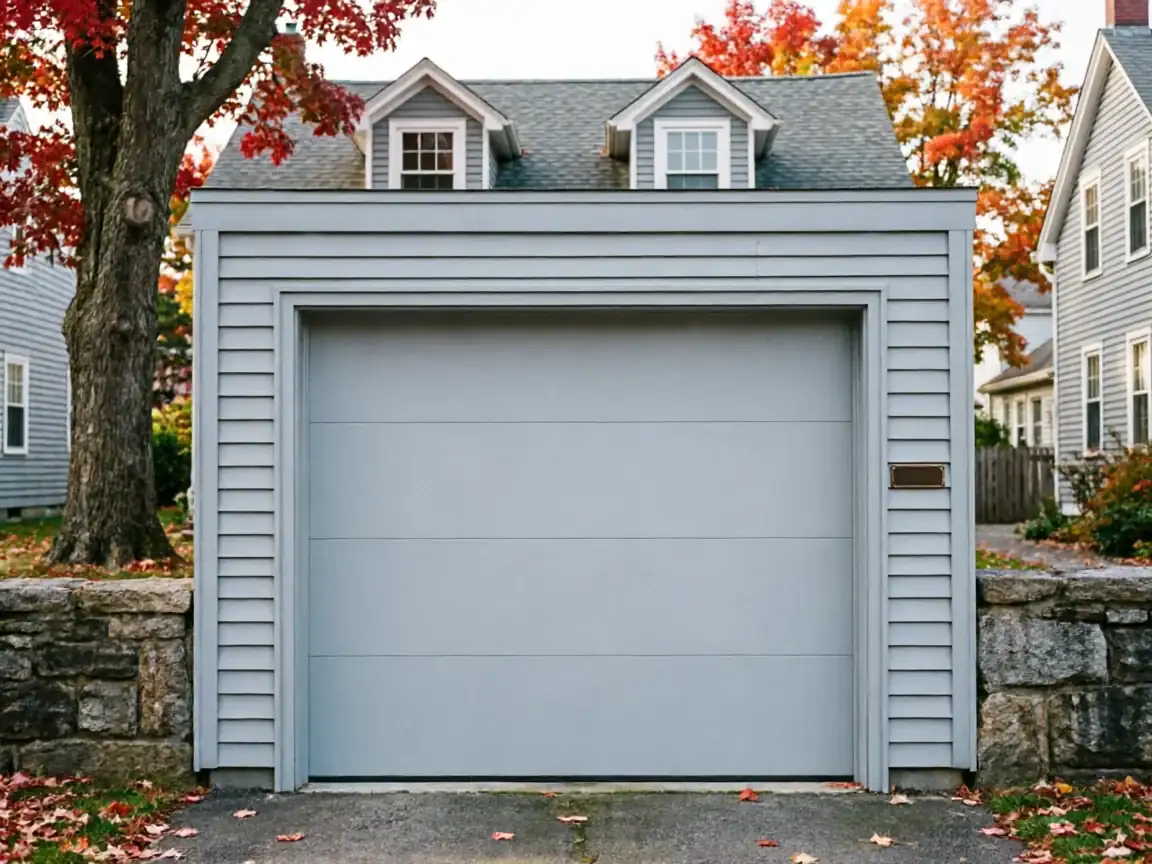
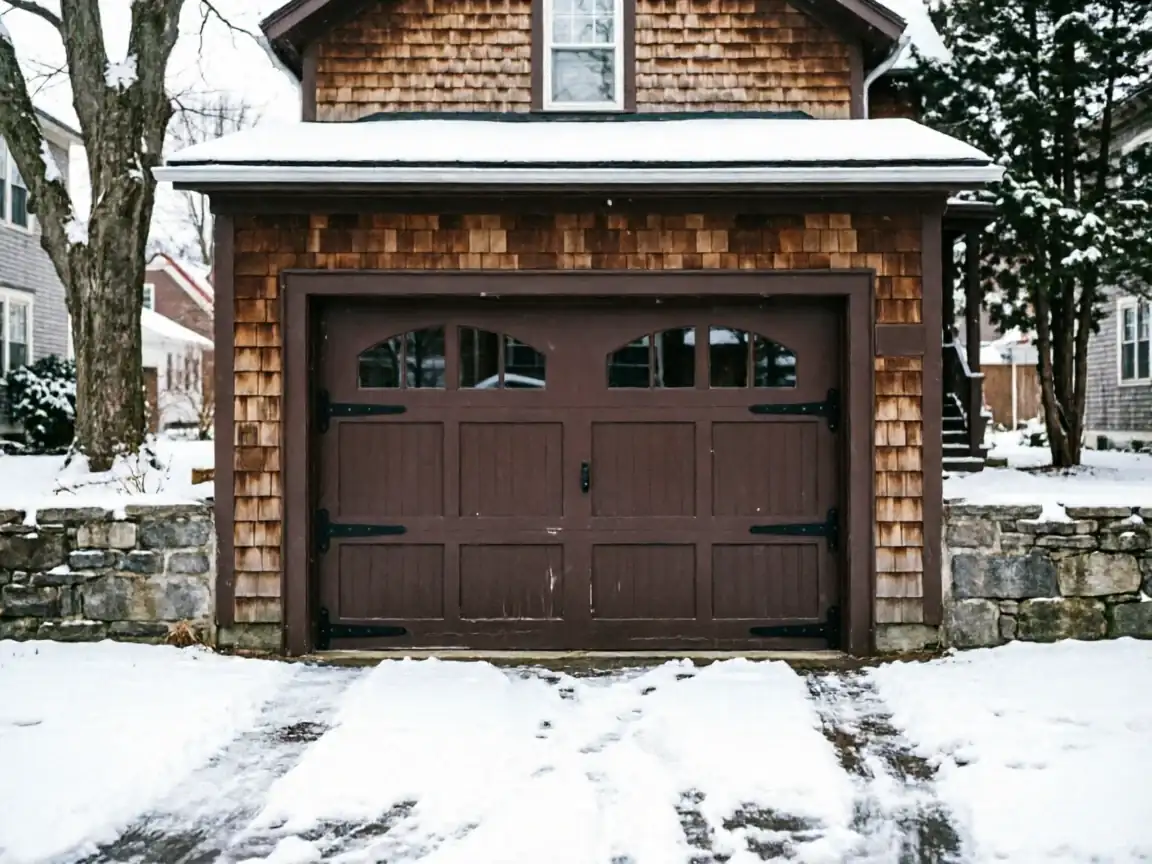
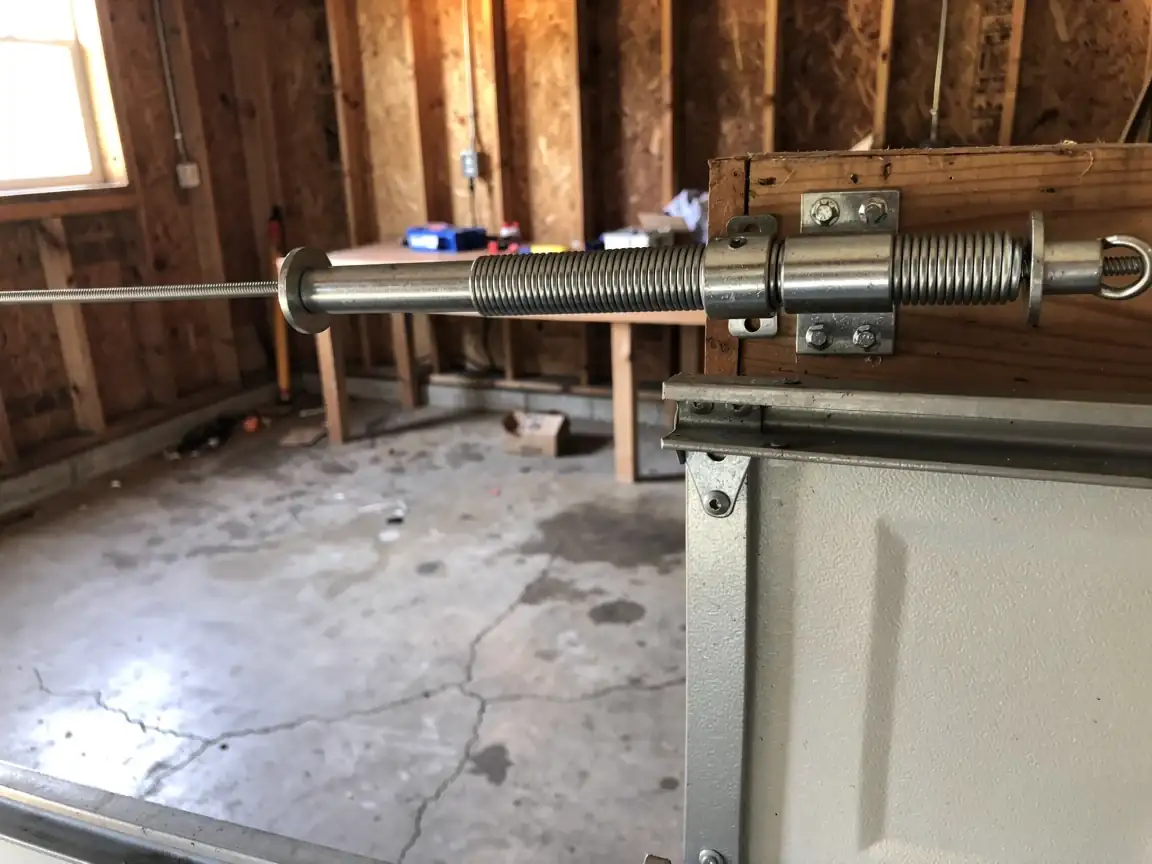
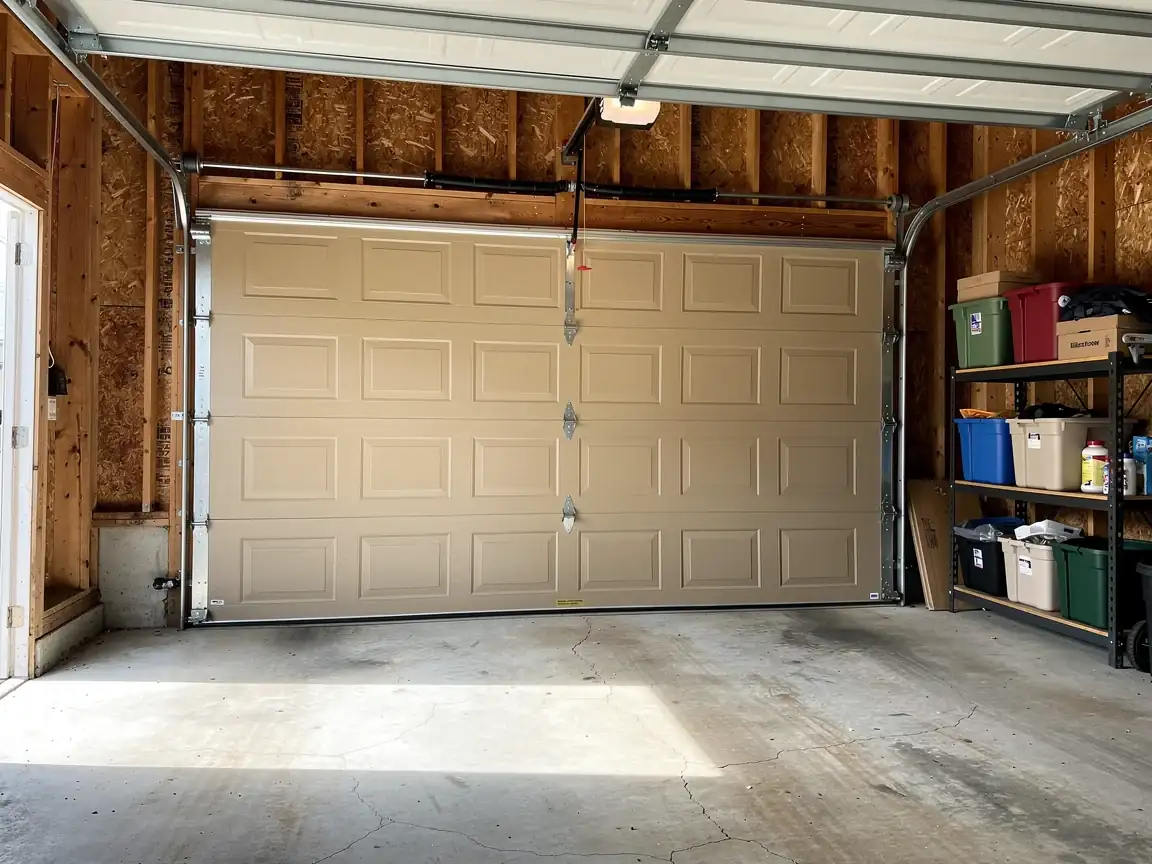
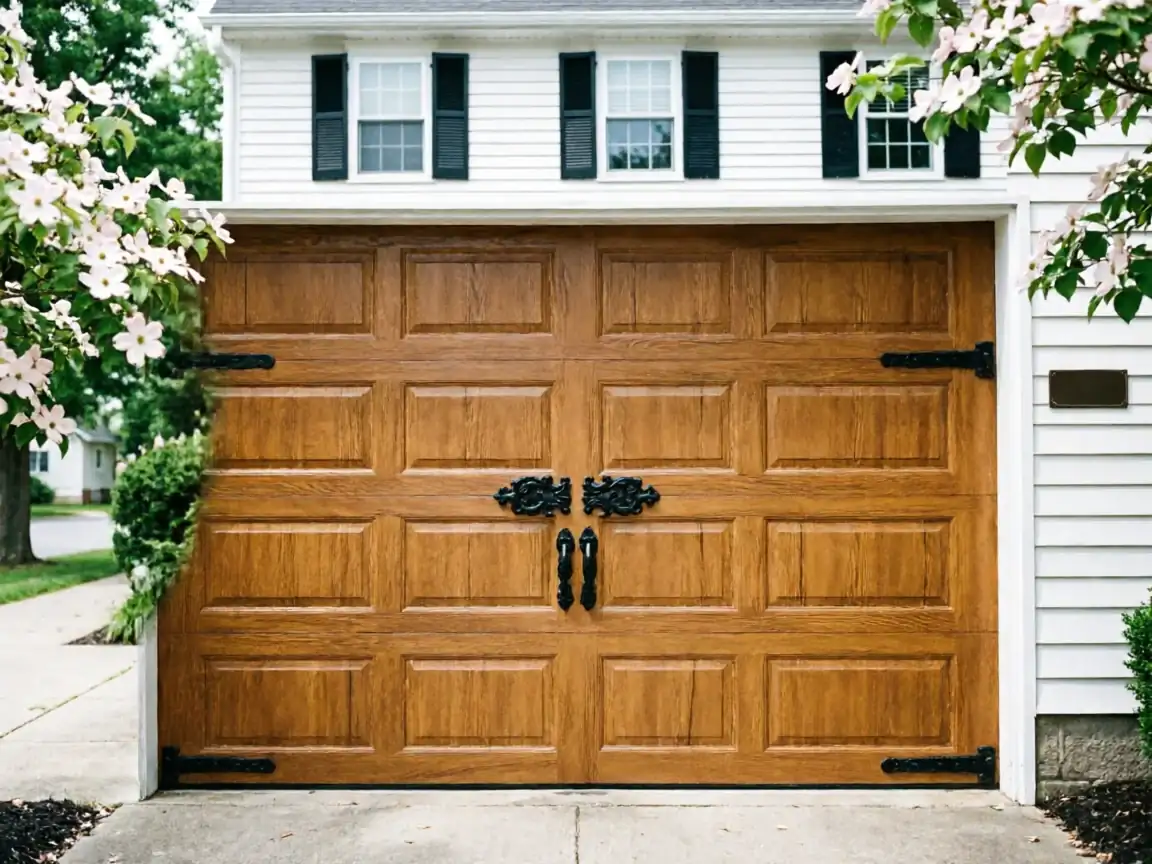
A door installed in the mid-1960s was built for a different winter than the one we get now, and the hardware shows its age in specific ways. Torsion springs from that era are rated for lighter doors than the insulated steel panels people retrofit later, so we see springs that are either overworked or mismatched to the door they're lifting. Track alignment drifts on these older jambs too - sixty years of settling does that to a frame, regardless of how well the house was built. Because the climate here runs cold and severe, the grease in original bearings and the rubber in old weatherstripping both give out faster than they would in a milder zone. That combination - older torsion hardware plus hard winters - is the main reason a Lexington service call often turns into a spring and bearing job at the same time, not just one or the other.
This Area's Housing
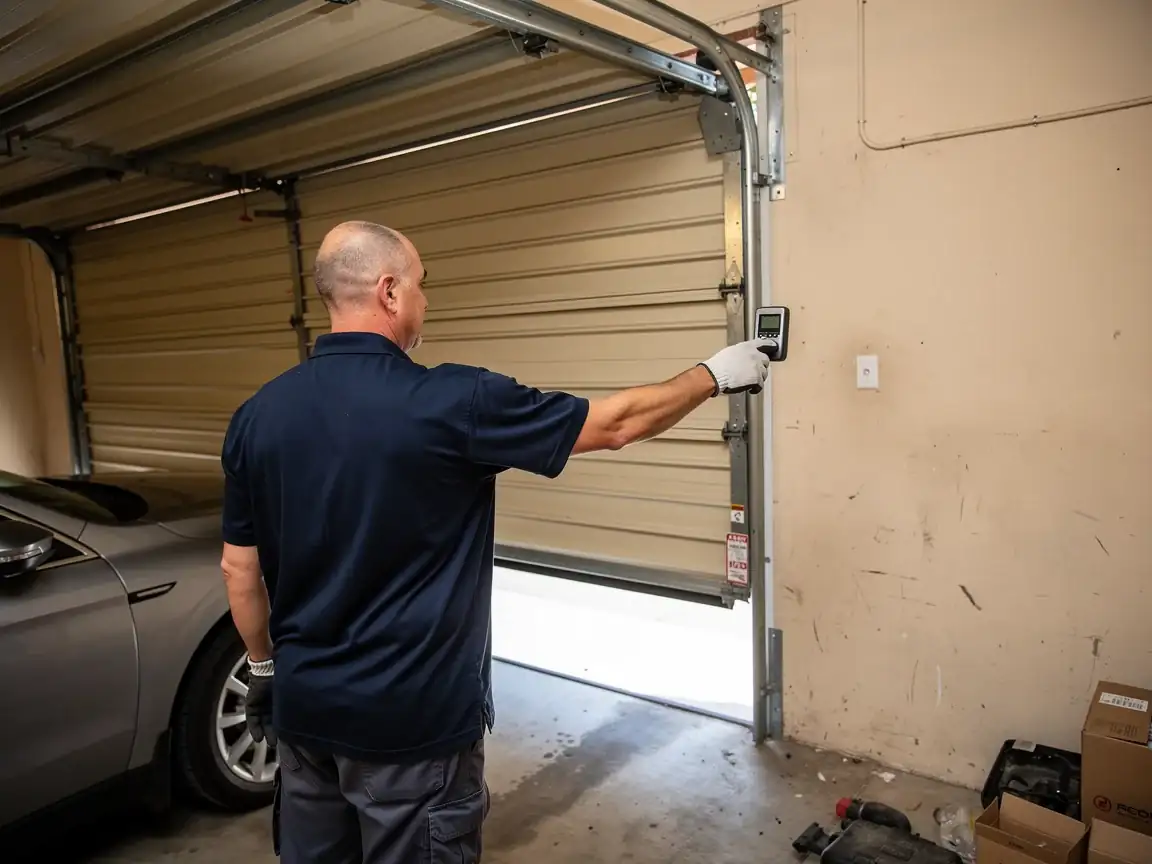
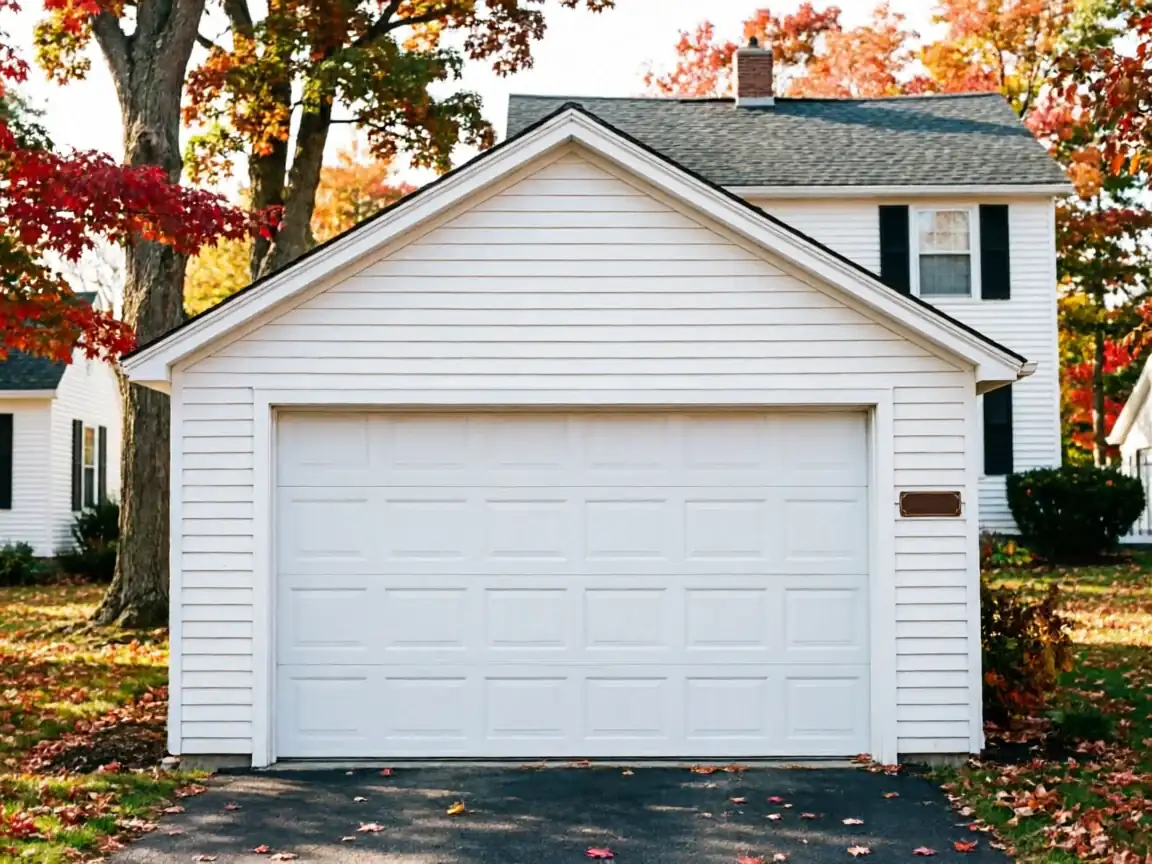
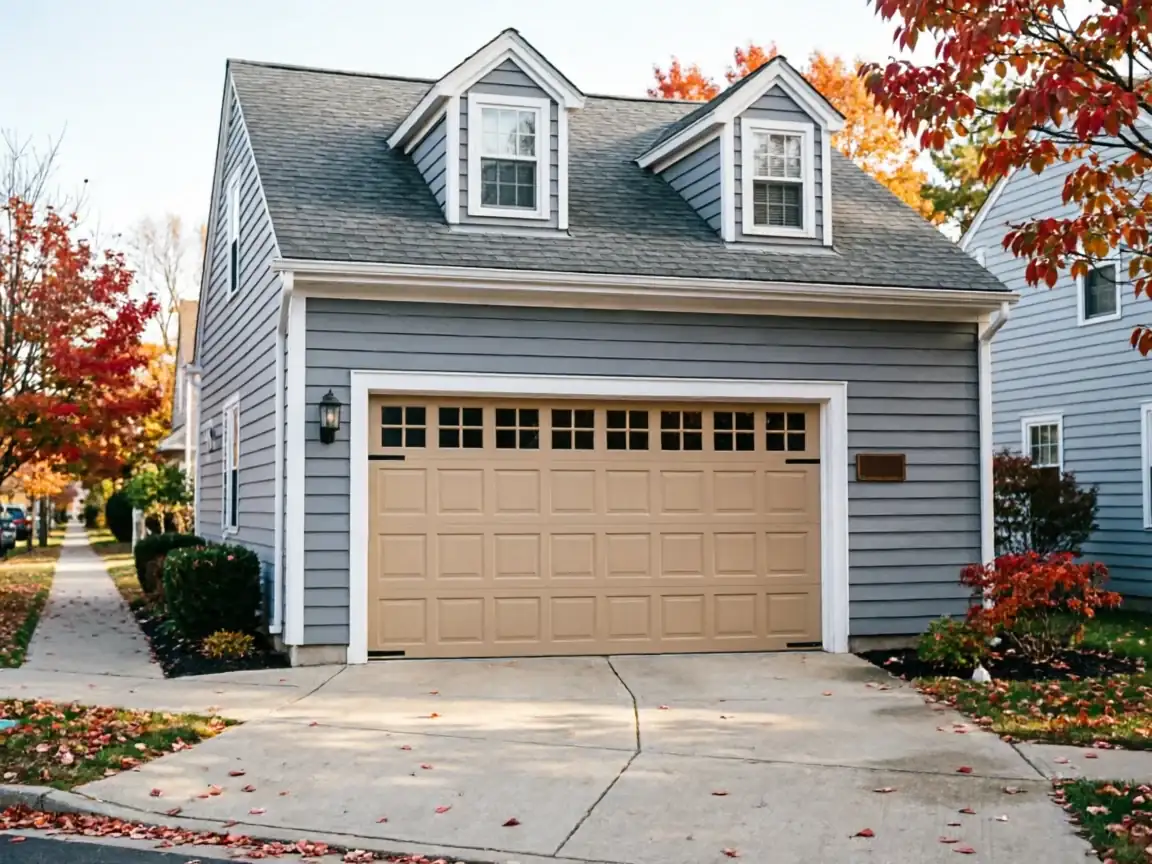
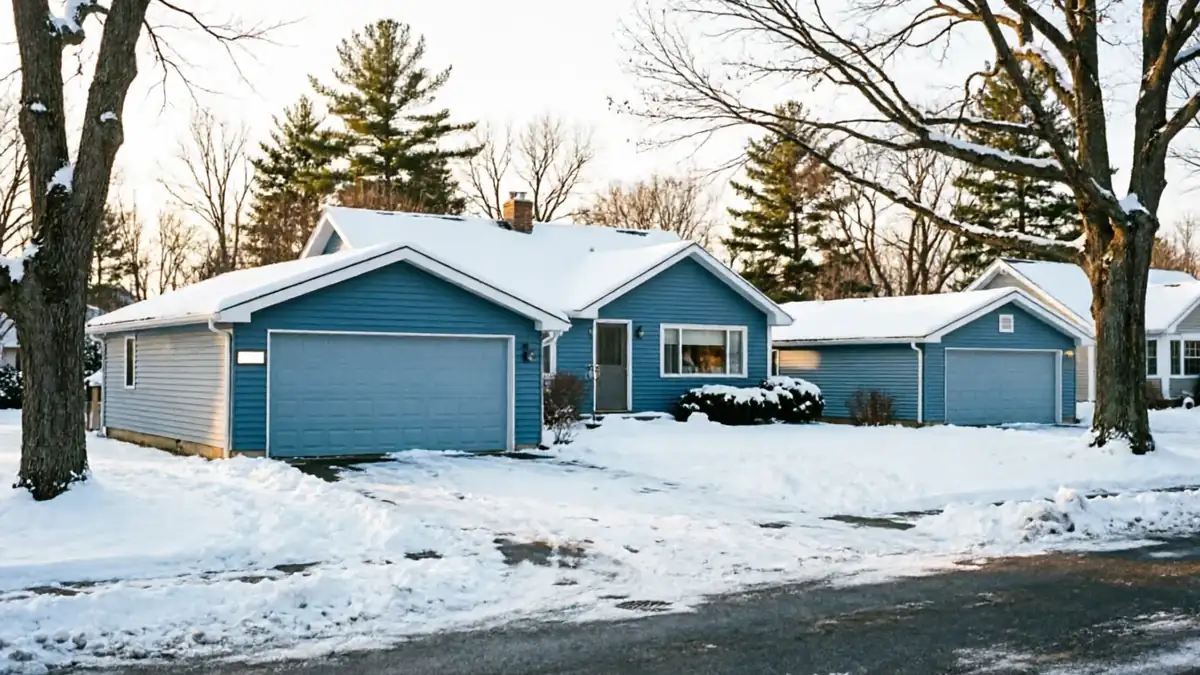
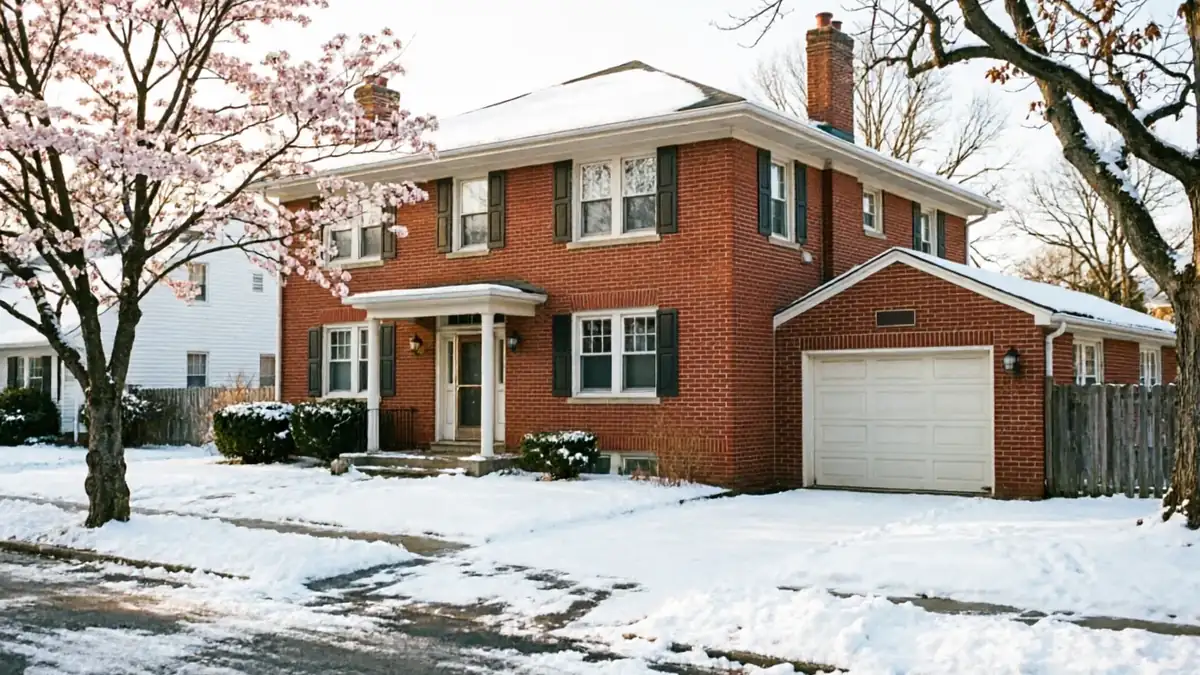
Lexington's housing sits almost exactly inside the broader pattern across our service area - homes built between 1938 and 1988 with a median year of 1965, and Lexington's own median at 1964 puts it right in that same window rather than off to one side of it. With 12,337 households in town, there's a sizable base of homes from that same build era, which means a sizable base of the same torsion hardware, the same track gauge, and the same age-related failures showing up on a predictable cycle. We don't guess at a house's age before we show up - knowing the decade tells us what to expect, but the spring size, track width, and opener mounting still get checked on site before we quote anything.