Stocked Parts
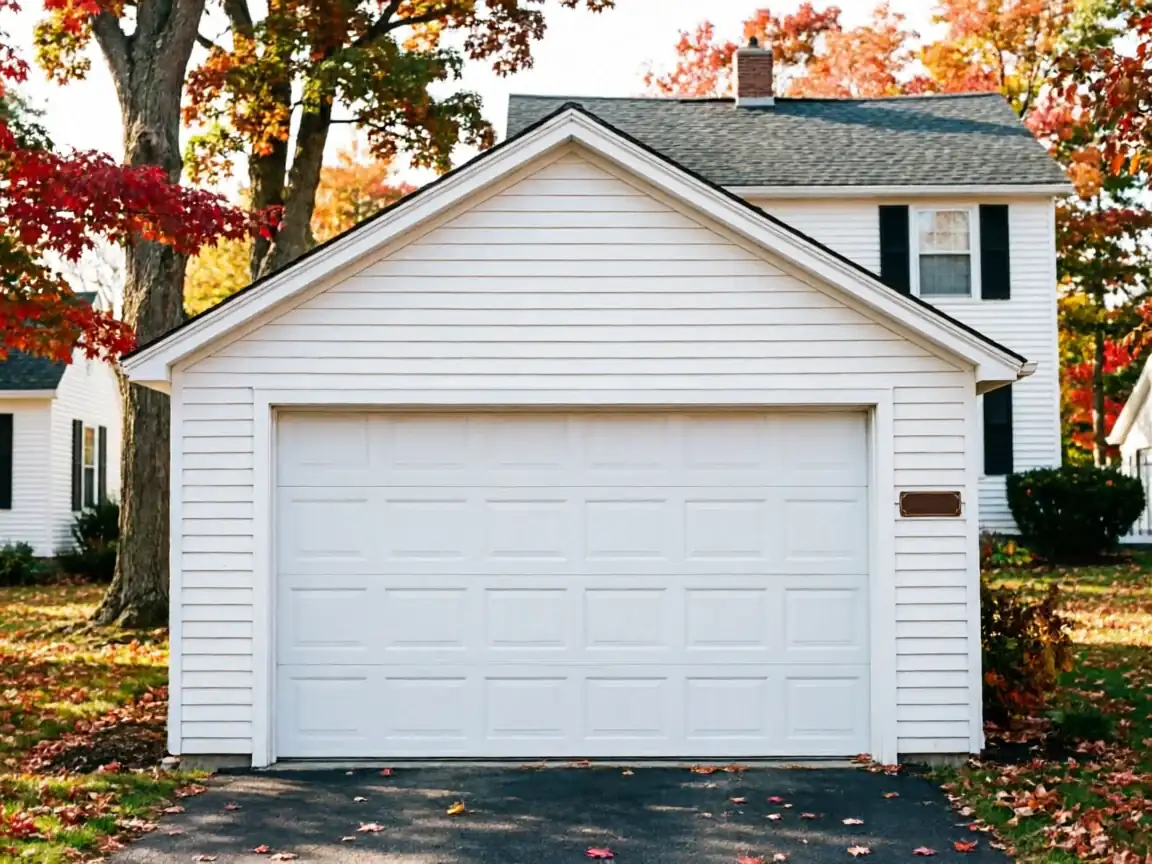
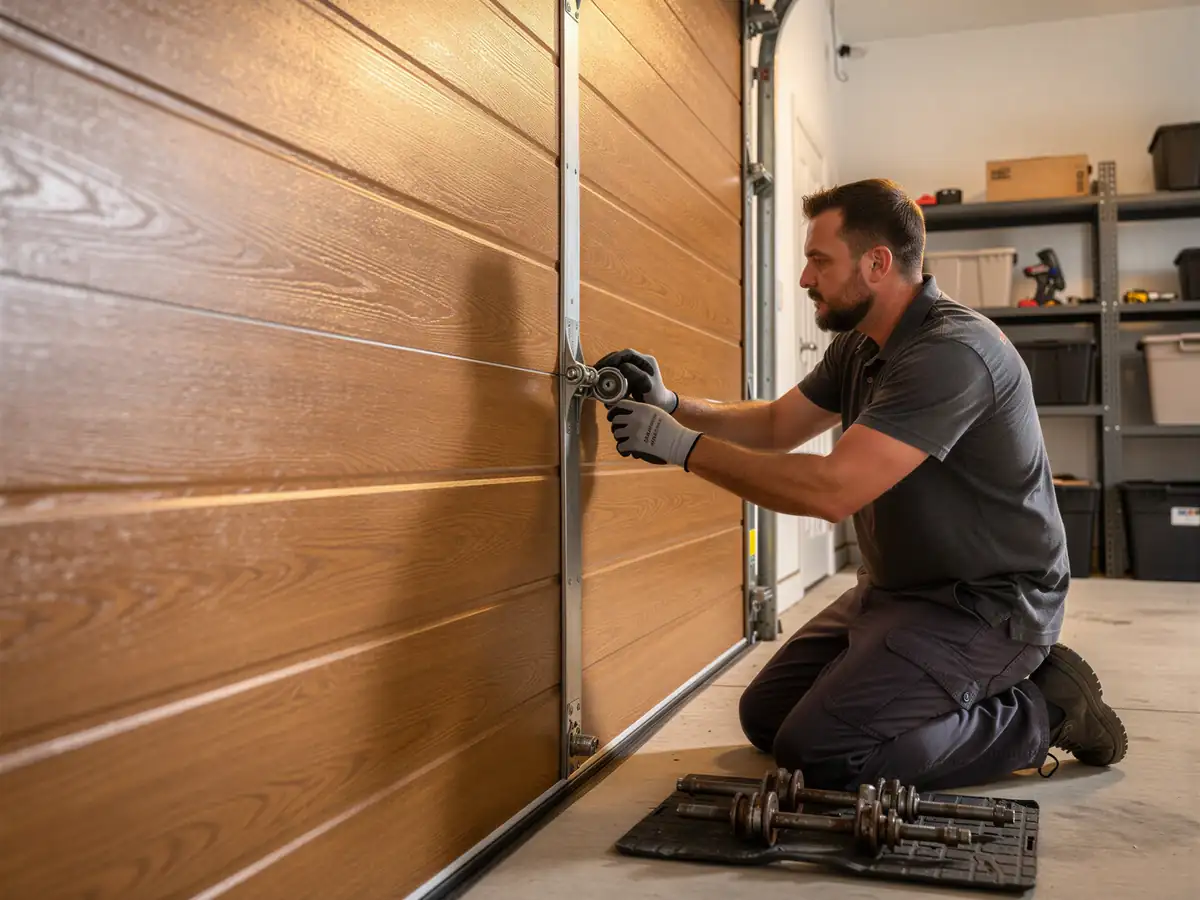
Reading has 9,574 households, which is a small enough town that the roller jobs here follow a pattern rather than a scatter. Most of the houses were built around 1960, and a lot of those garage doors still run on the original steel rollers with open bearings, or a first-generation replacement set from whoever owned the house in the 80s or 90s. We carry both 10-ball nylon rollers and steel rollers with sealed bearings on the truck, in the common stem lengths and diameters that fit tracks from that era. The nylon rollers are the upgrade most owners end up choosing - quieter, no lubrication needed, and they don't wear the track the way steel does over fifty-plus years. We also carry the longer 7-inch stem rollers that some of the wider two-car doors from that period need, since the stem length isn't something you can guess at the counter and come back for later in the same trip.
Where This Job Goes Sideways
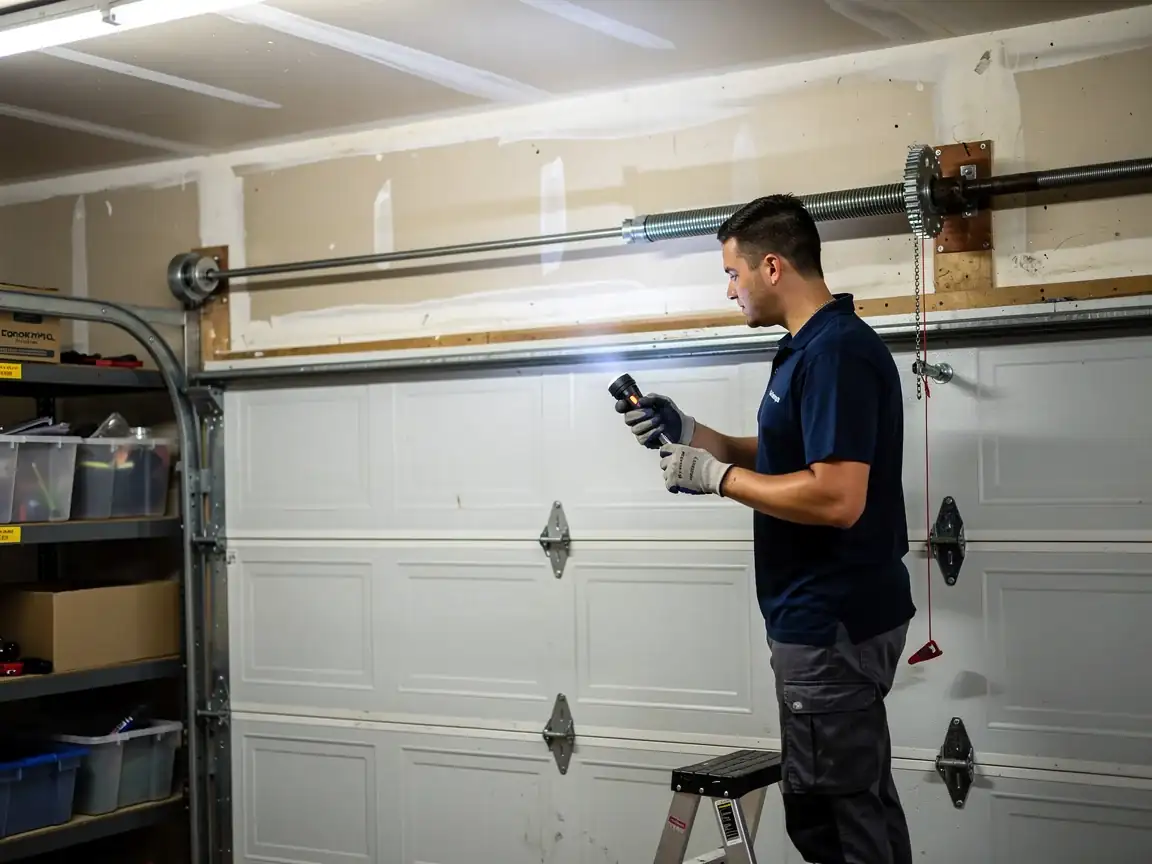
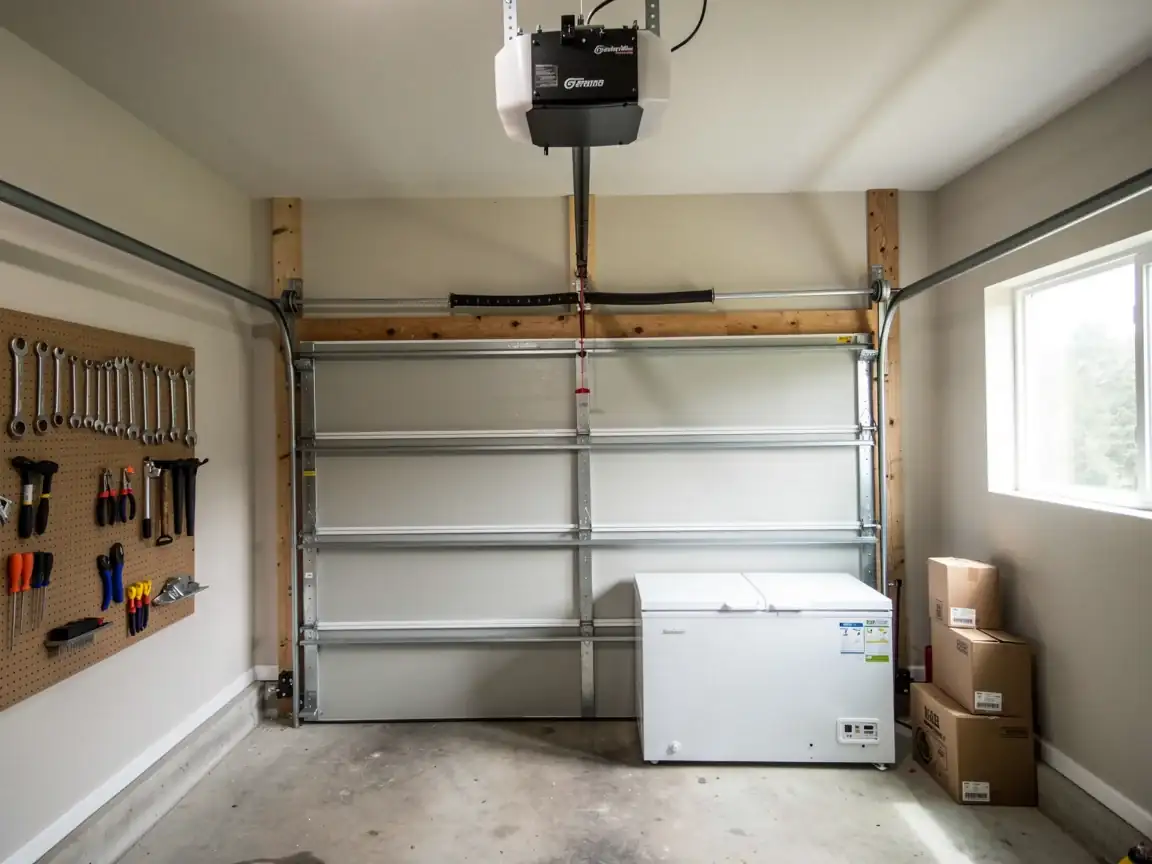
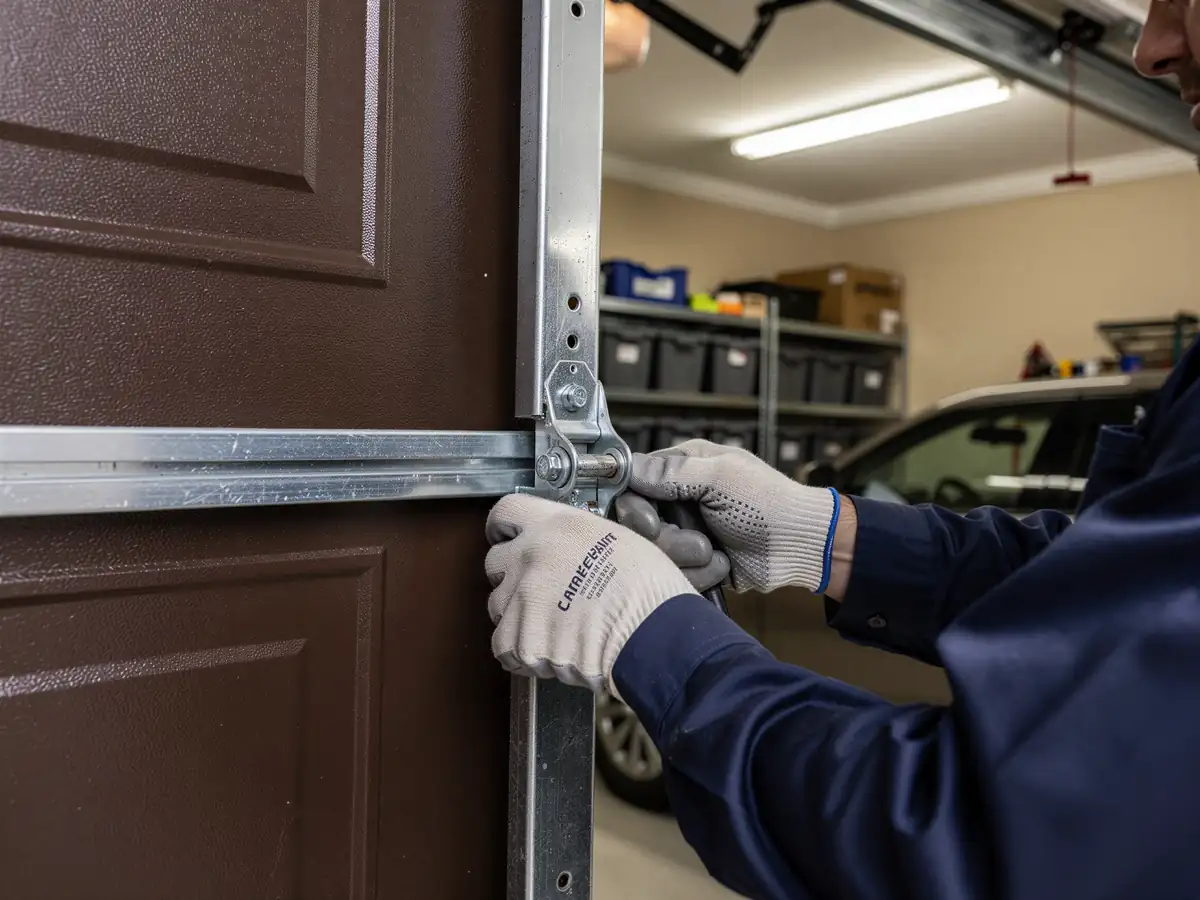
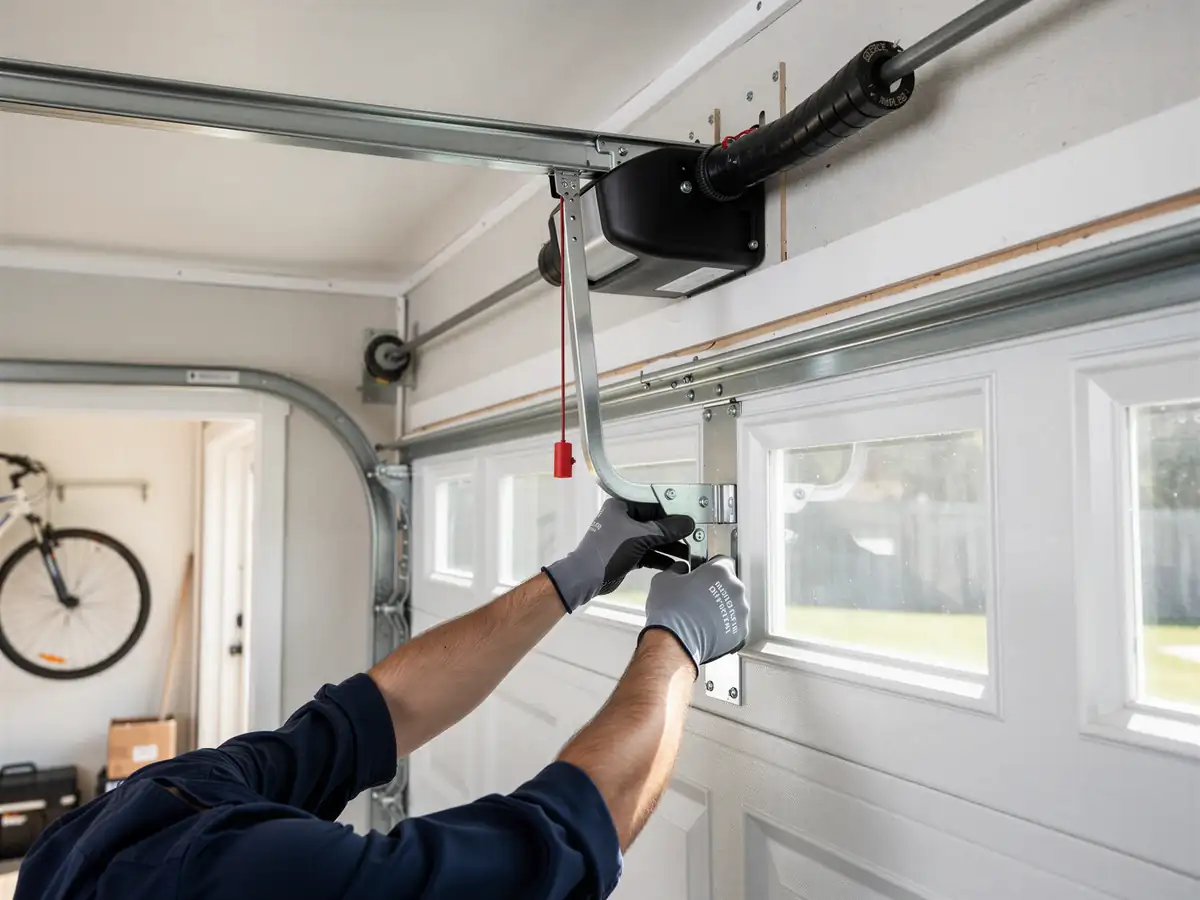
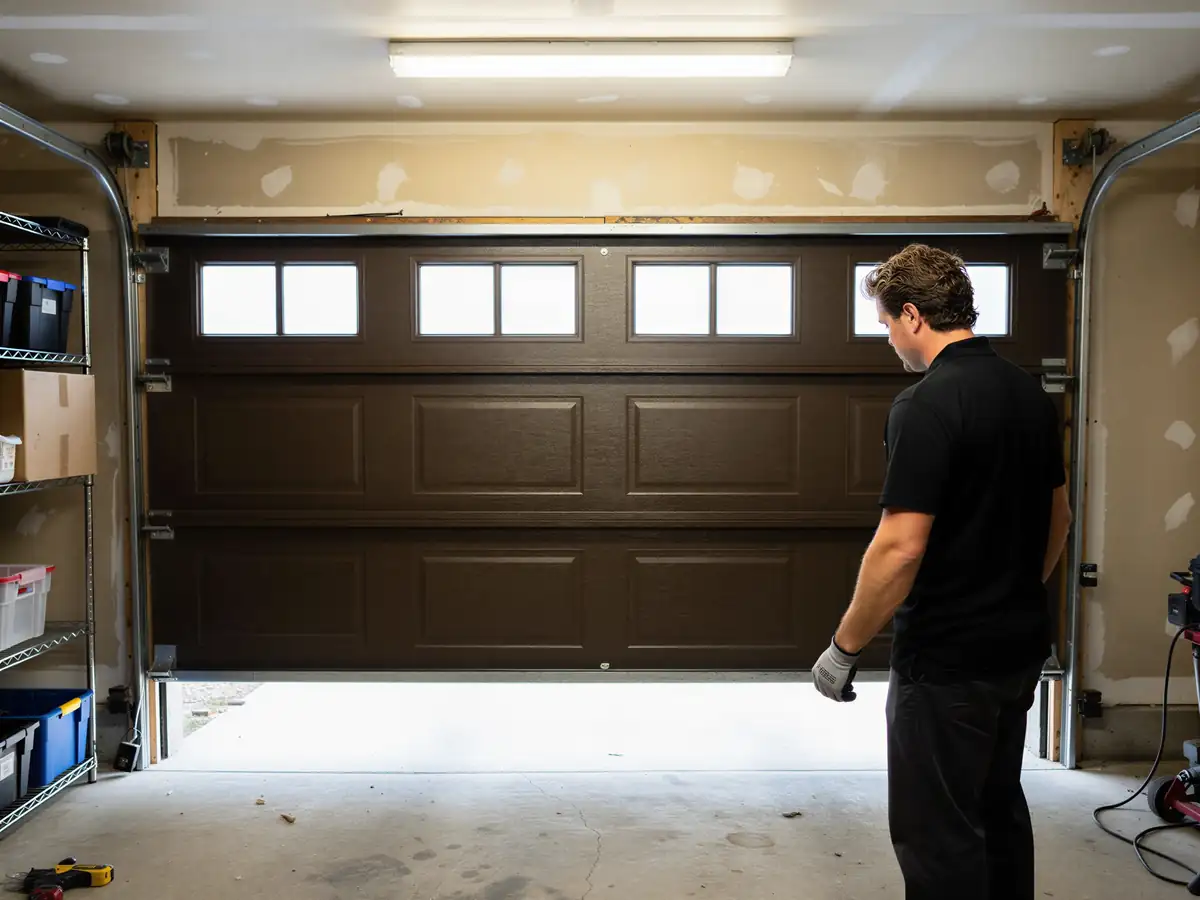
This is a cold-climate service area, and cold is hard on rollers in a specific way: the grease inside old bearings thickens up, the door drags, and an owner reads that drag as a spring problem when it's actually the rollers seizing in the track. On a house built in 1960, the track itself has usually been rehung or reset at least once, and if it's slightly out of plumb, a new roller will still bind even though the part itself is fine. We check track alignment before we hand over a new set of rollers, because swapping rollers into a bent or twisted track just buys you the same noise again in six months. The honest limit here: if the track is bent badly enough, roller replacement alone won't fix it, and we'll tell you that instead of selling you rollers you don't need.
The Symptom
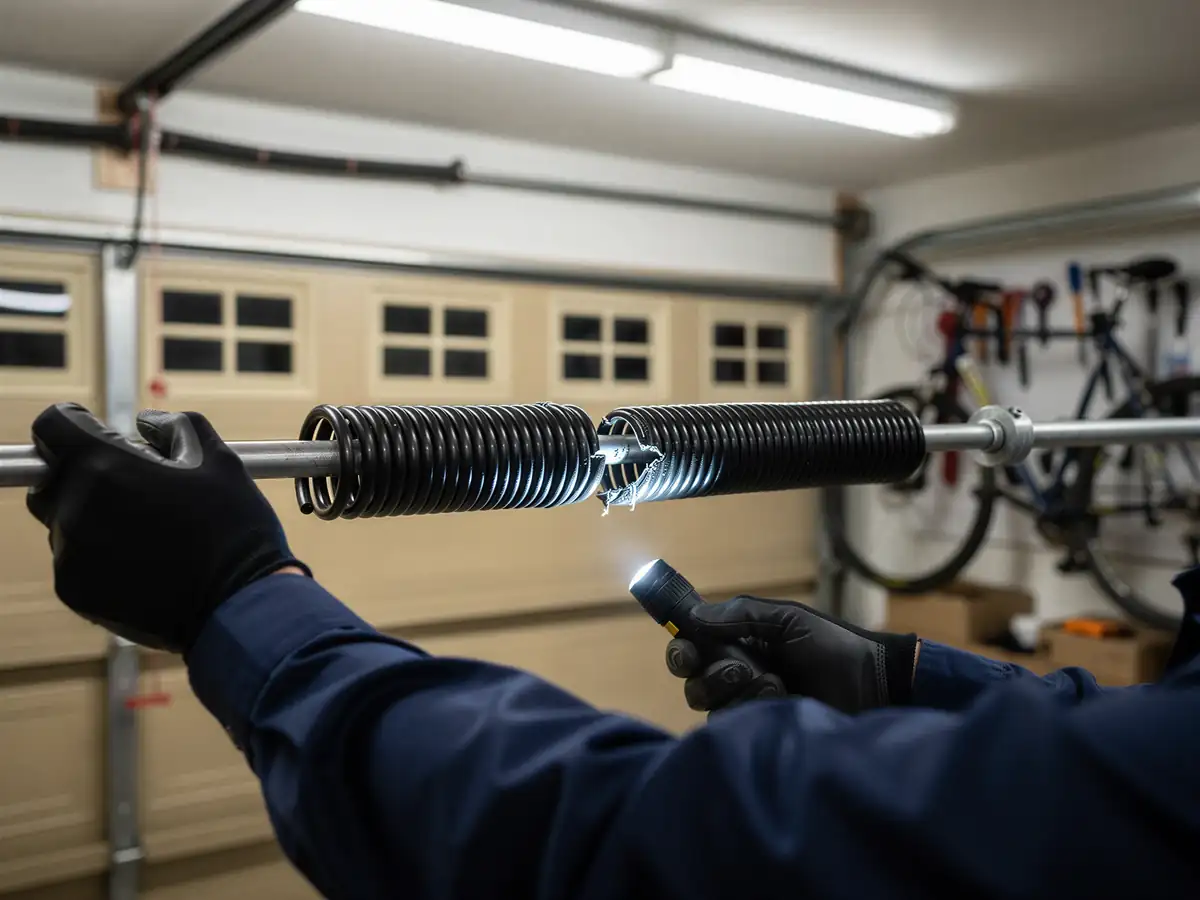
The usual call in Reading starts the same way: a grinding or clunking noise as the door passes a certain point in the track, worse in cold weather, sometimes loud enough that owners first think it's the opener. On a door that's original to a 1960s house, or even a once-replaced set now twenty-plus years old, that noise is almost always a roller with a worn or dry bearing, not a motor problem. A median household income of $163,725 in Reading means most owners here replace rollers as a planned repair rather than letting the door run until a roller fails outright and jumps the track - which is the right call, since a jumped roller can bend the track and turn a $200 job into a bigger one.