Stocked Parts
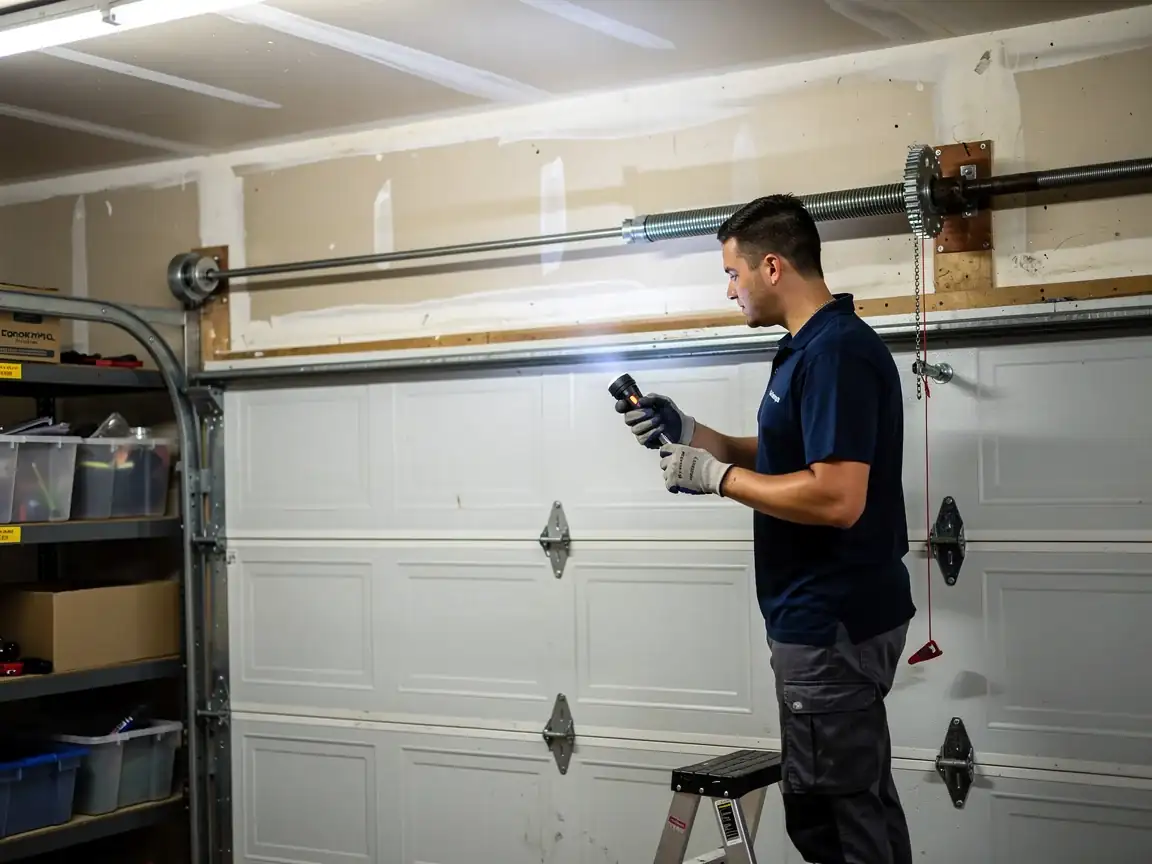
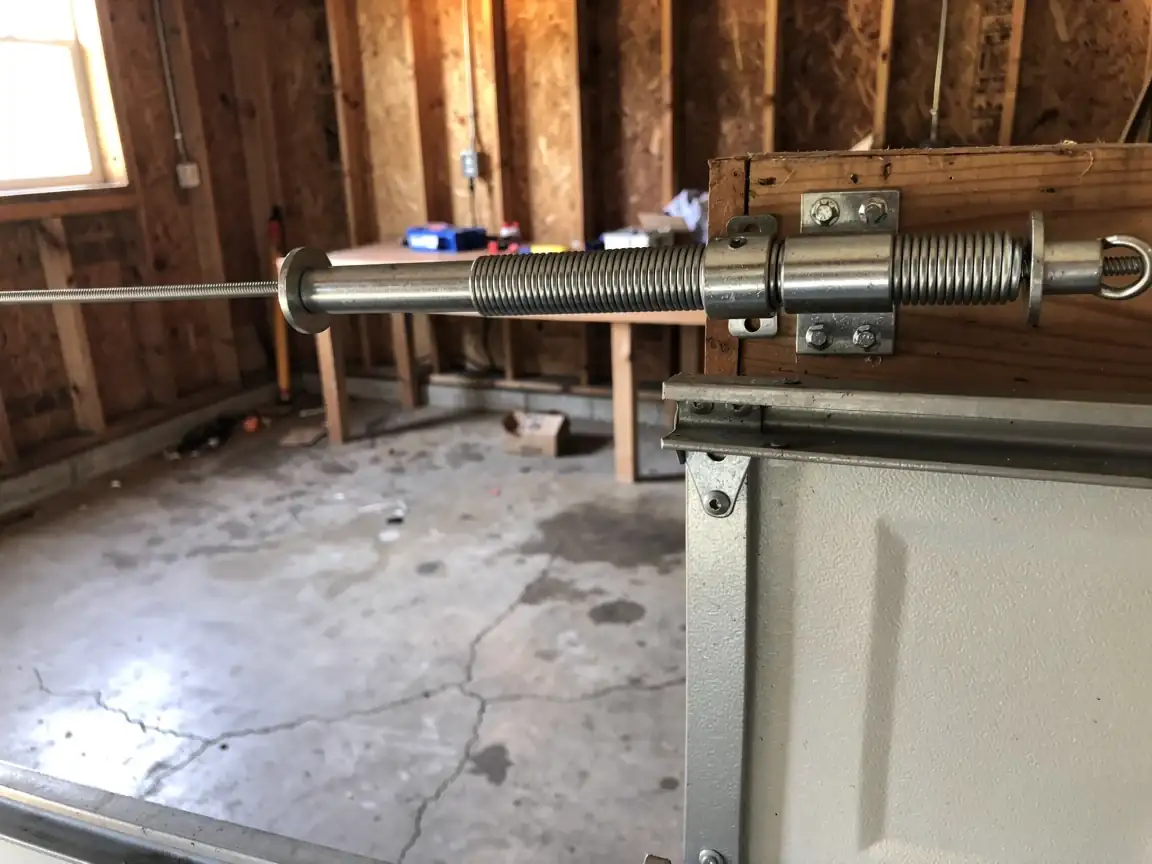
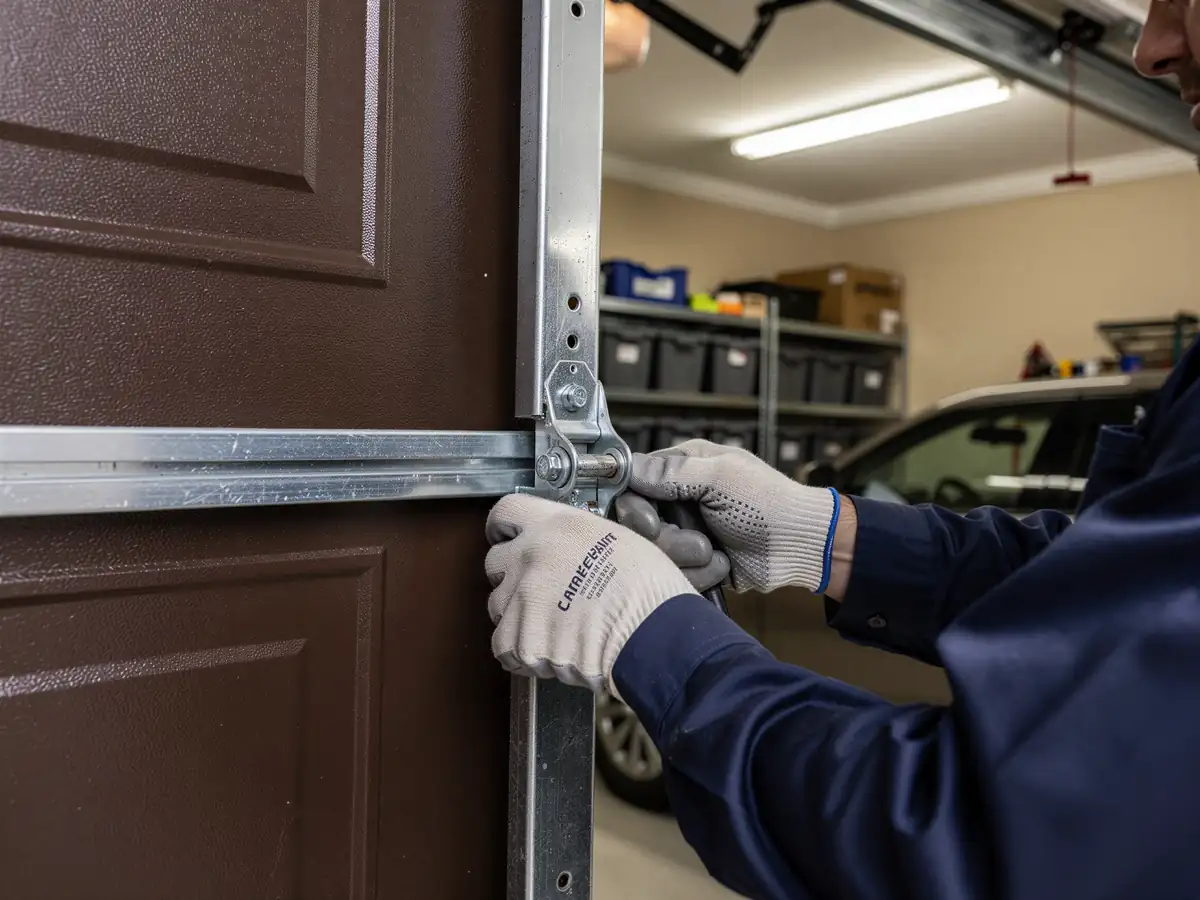
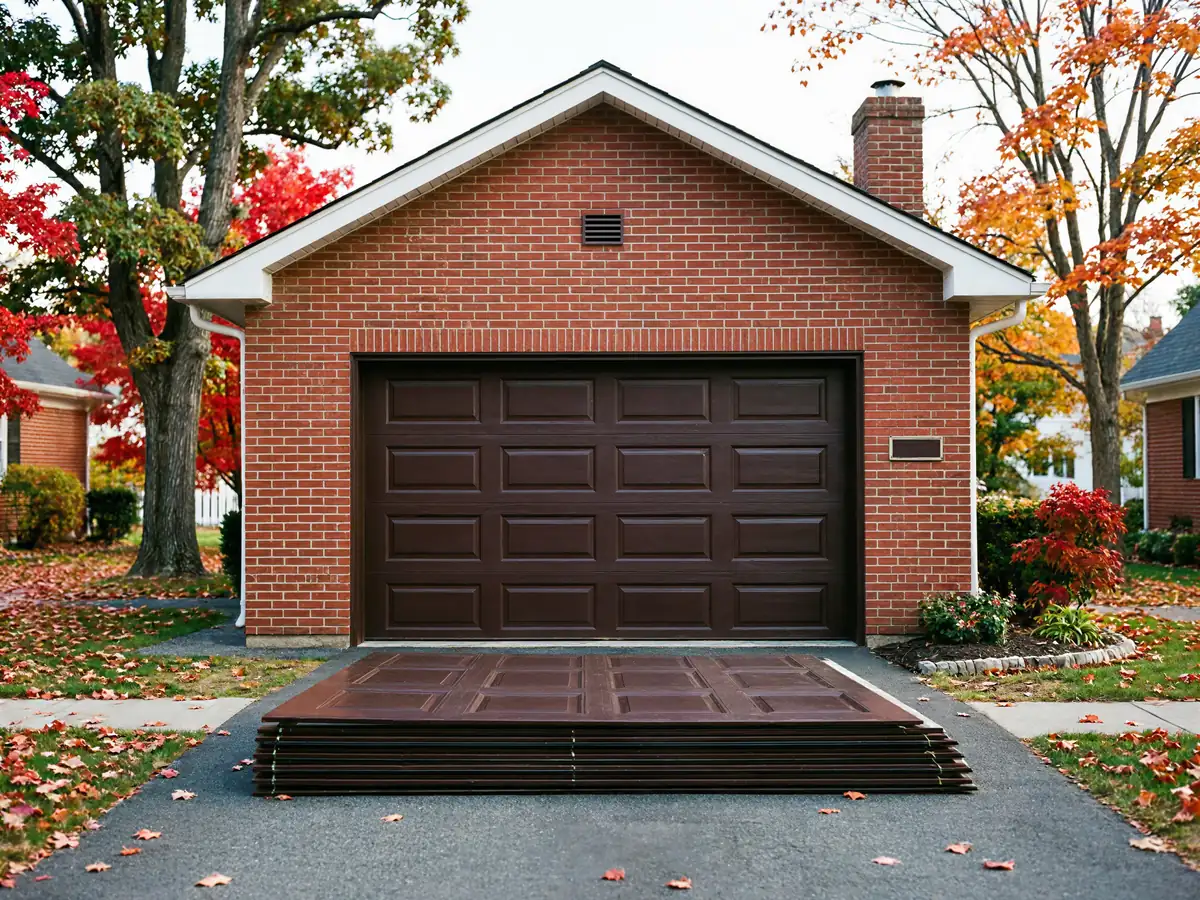
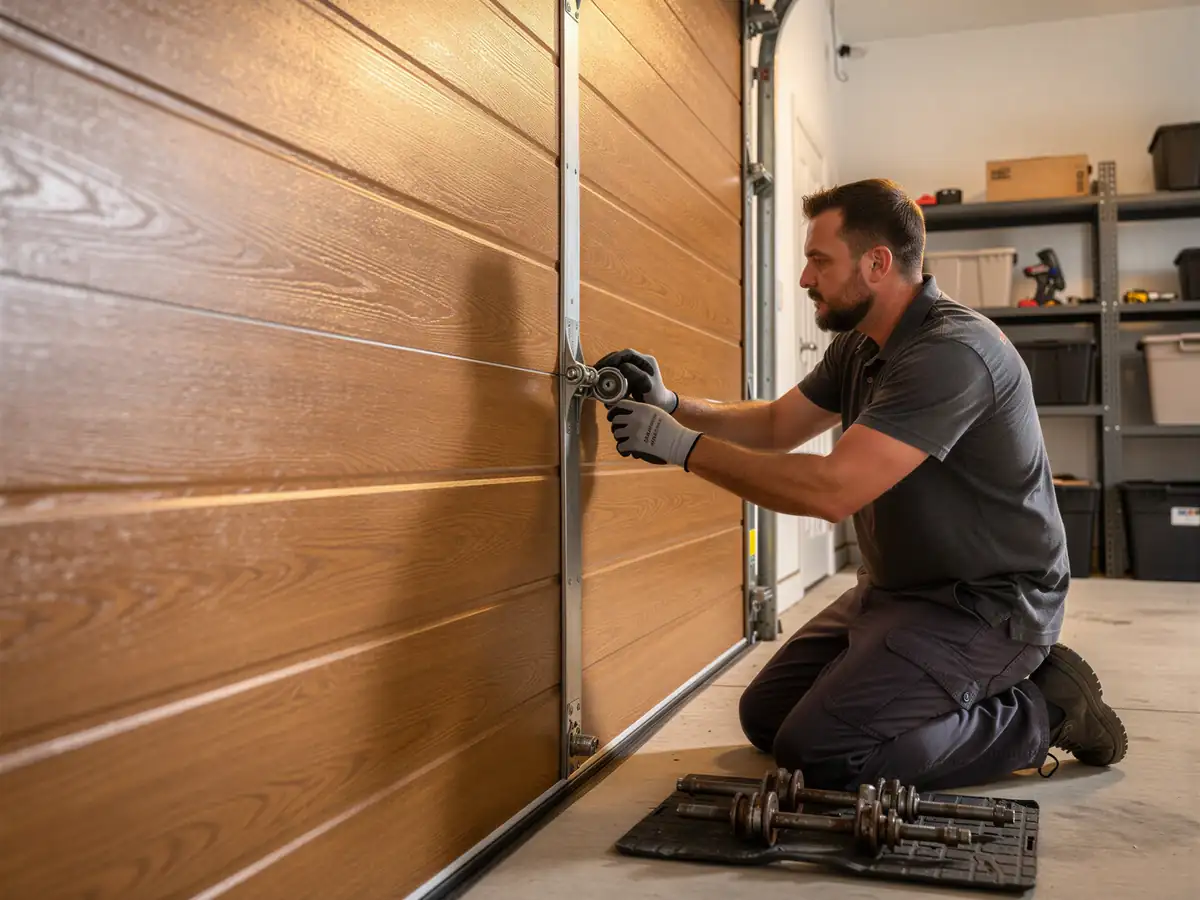
Reading's housing stock centers on 1960, which puts a good share of its garage doors right at the edge of original hardware still being in place. That's a few years older than the median across the rest of our service area, and it matters because doors from that build year were sized for steel sections and torsion springs that newer manufacturers don't always stock in the same dimensions. We carry springs and rollers sized for that 1960-era range on the truck, because showing up without the right spring size means a second trip, and nobody wants that for a 4-mile run. What we don't stock is anything custom-milled to an odd width - if a door was modified or replaced with a non-standard size at some point, that part gets ordered, and we tell you that up front instead of pretending we can fix it same-visit. With 9,574 households in Reading, we see enough of this specific vintage to know which springs move fast and which ones we order in advance.
Where This Job Goes Sideways
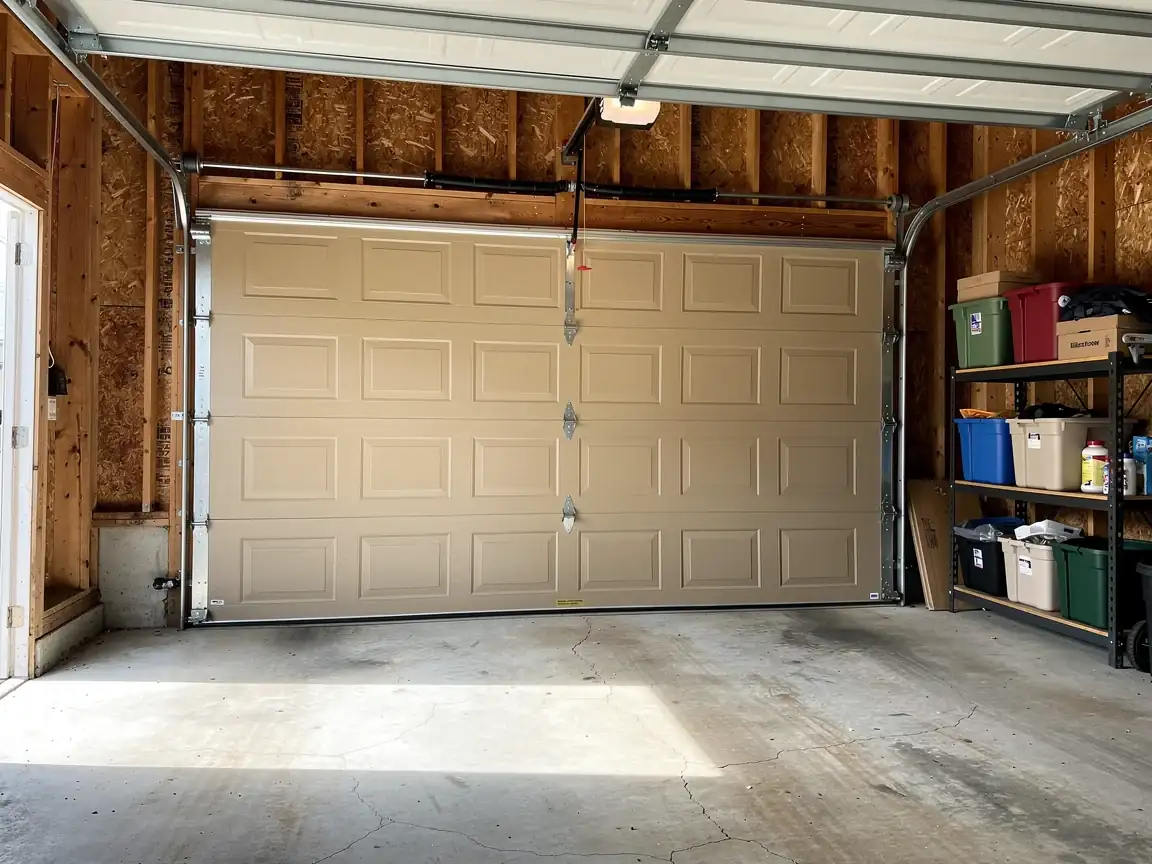
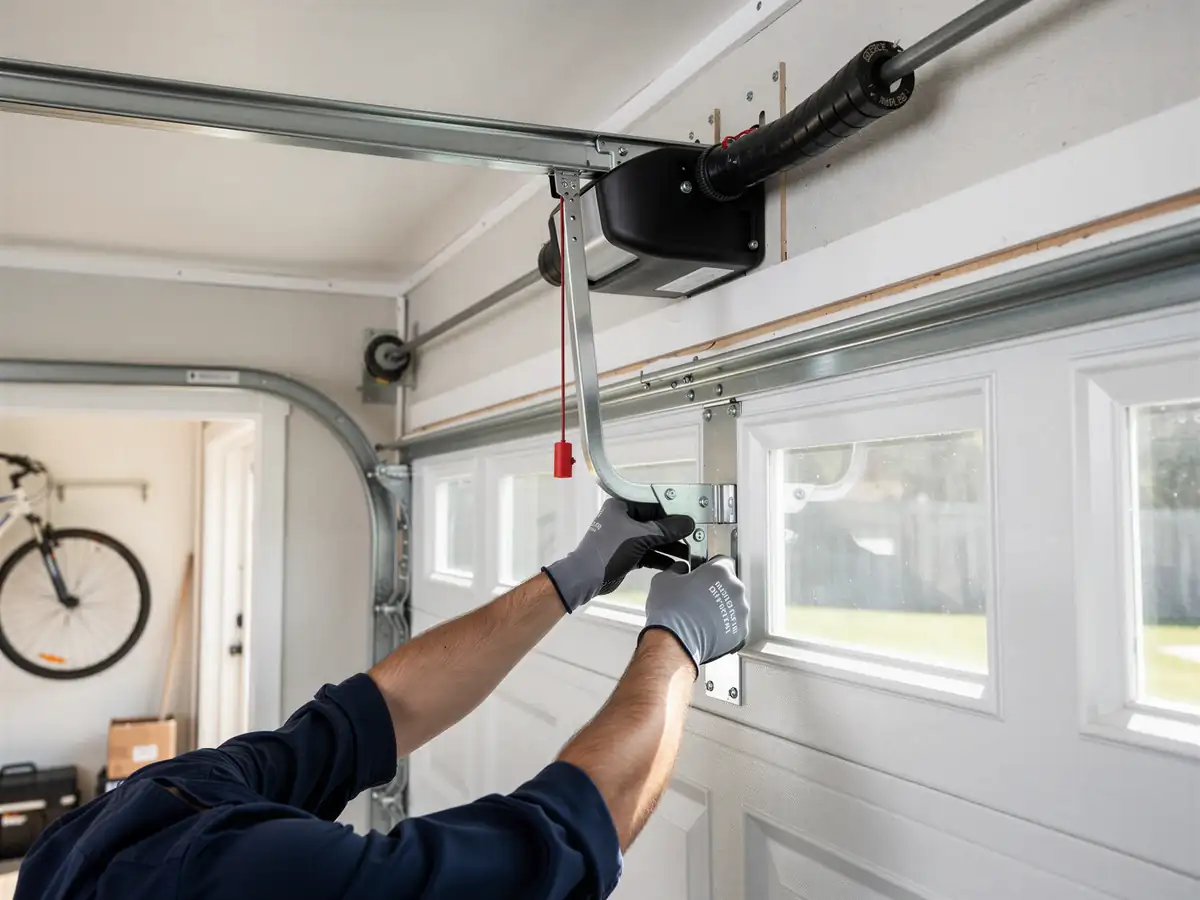
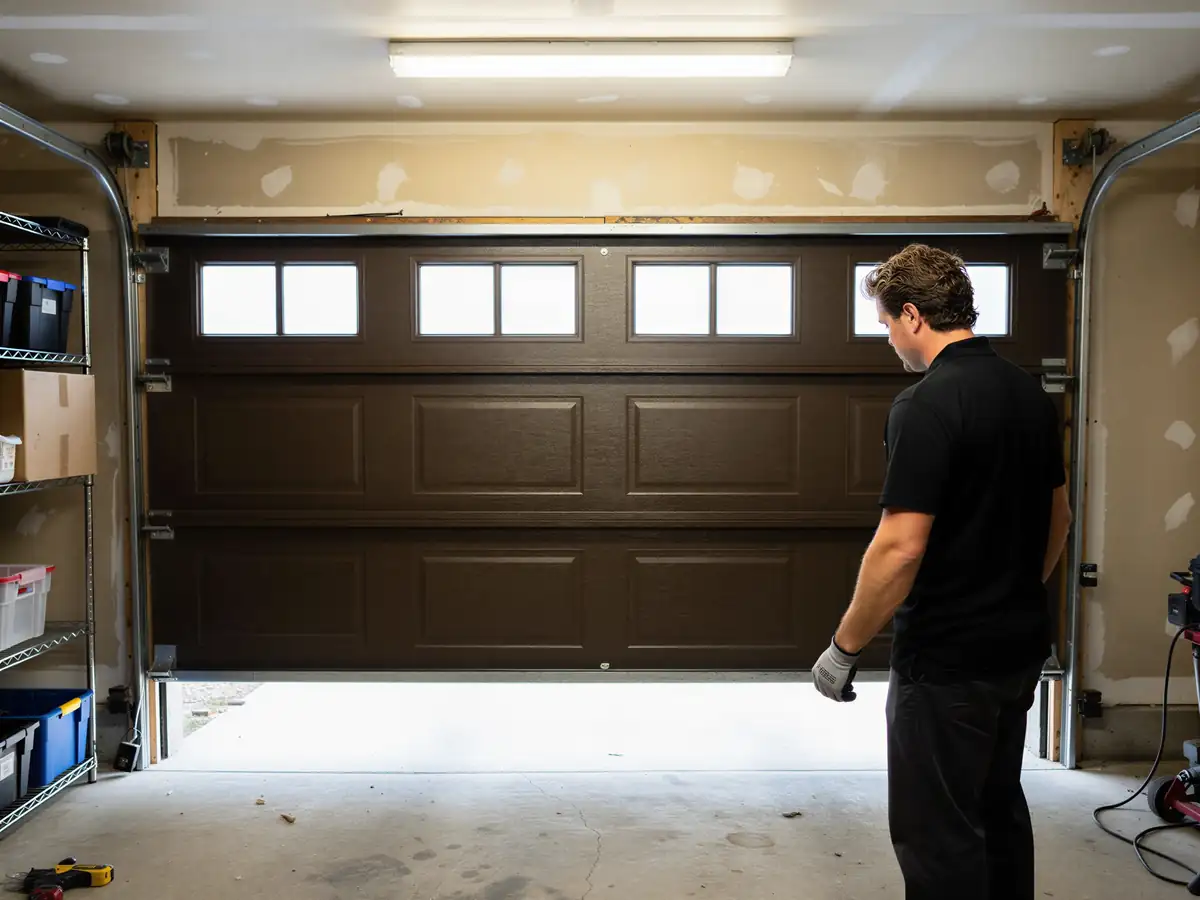
The failure point we watch for in Reading is the track-to-header connection on doors that haven't been touched since the house was built. A door from 1960 was hung on hardware that assumed light steel panels - if a homeowner swapped in a heavier insulated door later without upgrading the springs and brackets, the opener starts straining, the track walks, and the symptom looks like an opener problem when it's really a mismatch between the new door weight and the old frame. We also see this because Massachusetts is a severe-cold climate area, and temperature swings tighten and loosen fasteners on older header brackets every winter. The honest limitation here: if the header itself has shifted or the jamb is out of square, that's carpentry work, not garage door work, and we'll say so rather than bolting new hardware to a frame that's going to keep moving.
The Symptom
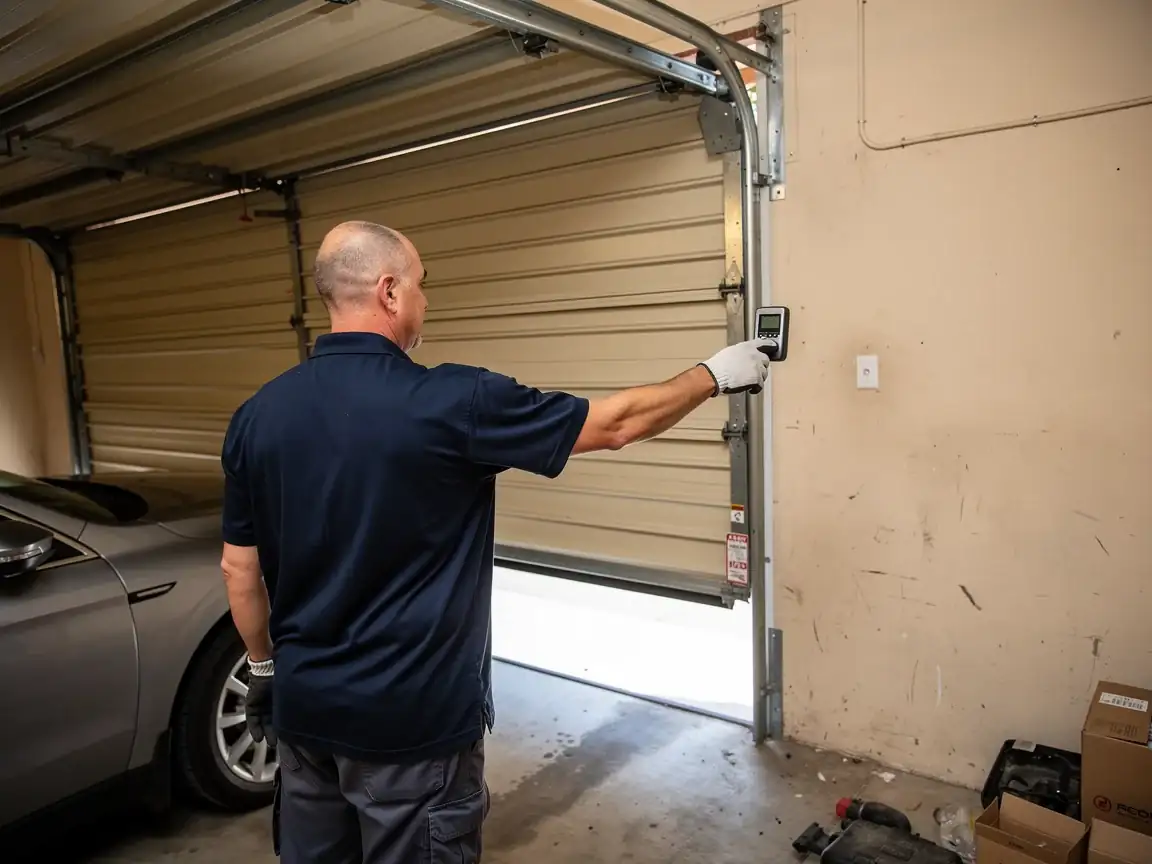
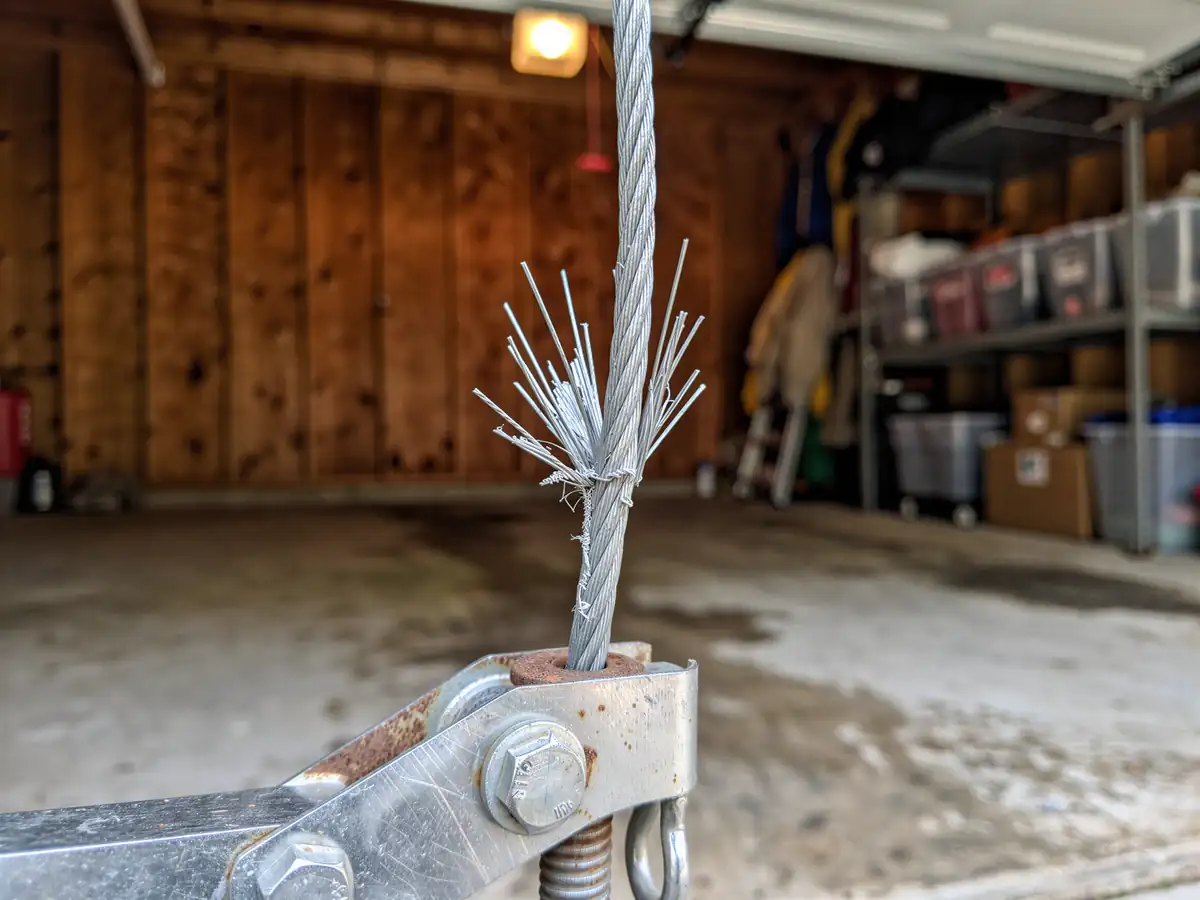
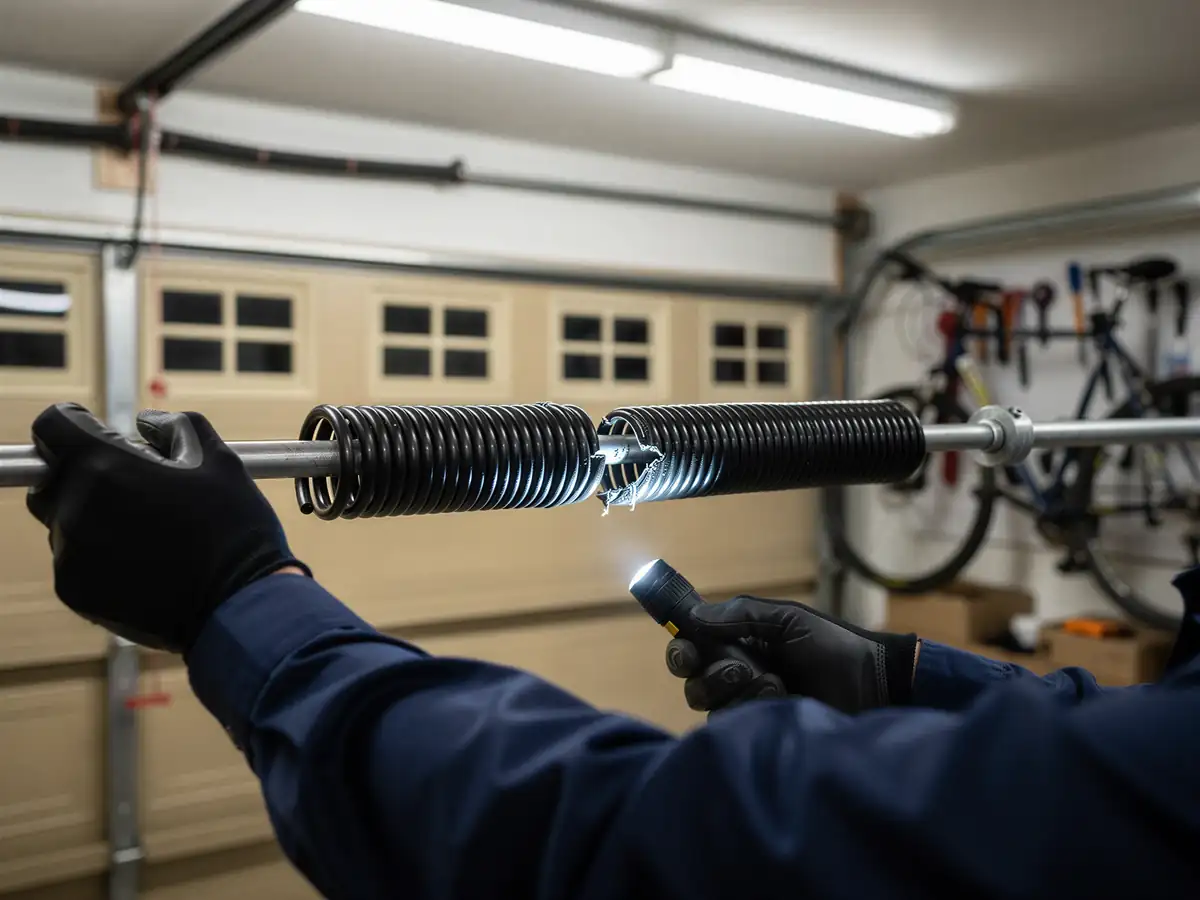
The complaint we hear most from Reading homeowners is a door that reverses halfway up, or one that's suddenly loud where it used to be quiet. On a door this age, loud usually means dry or worn rollers; reversing mid-travel usually points to a spring that's lost tension and is no longer balancing the door's weight, which makes the opener's sensors think something's blocking it. Neither is an opener problem, even though the opener is what people blame first. If your door was installed or last serviced well after 1960, the fault pattern shifts - we'd want to know the actual install date before guessing at parts, since newer doors in the same town can have entirely different hardware.