Stocked Parts
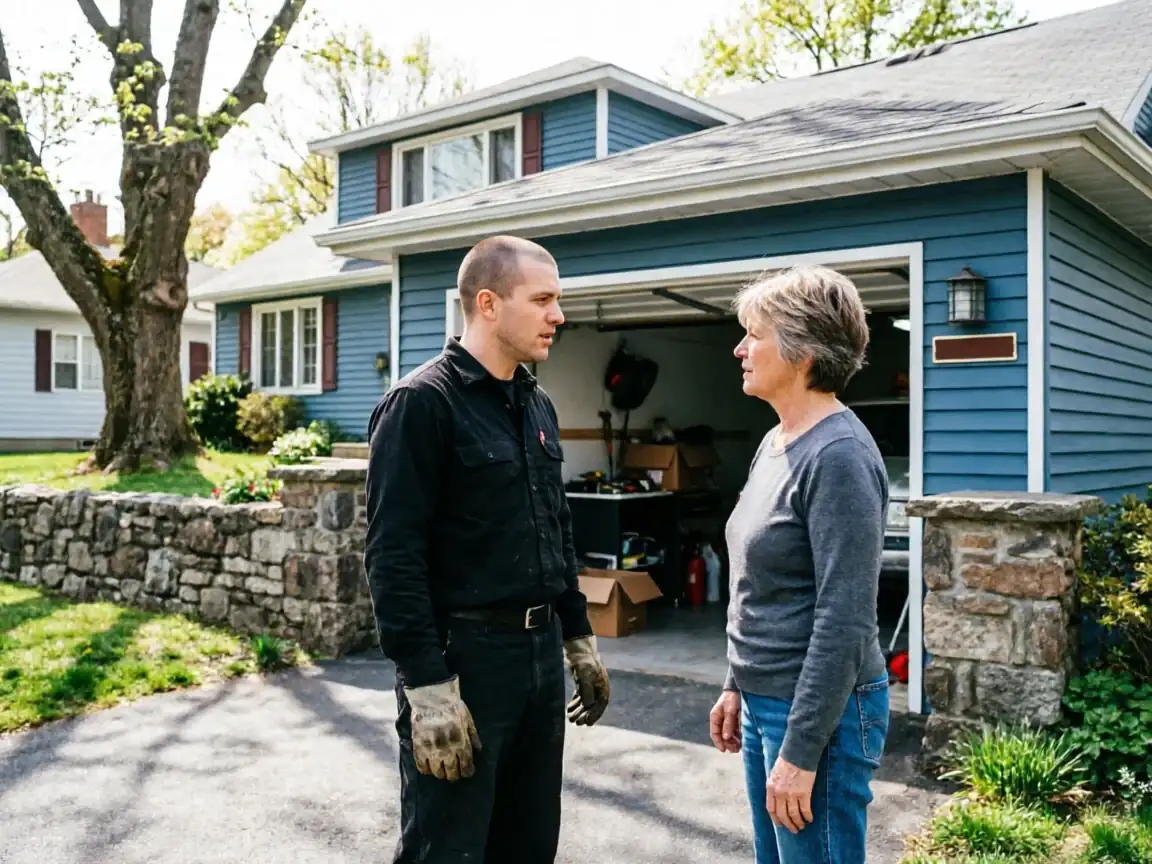
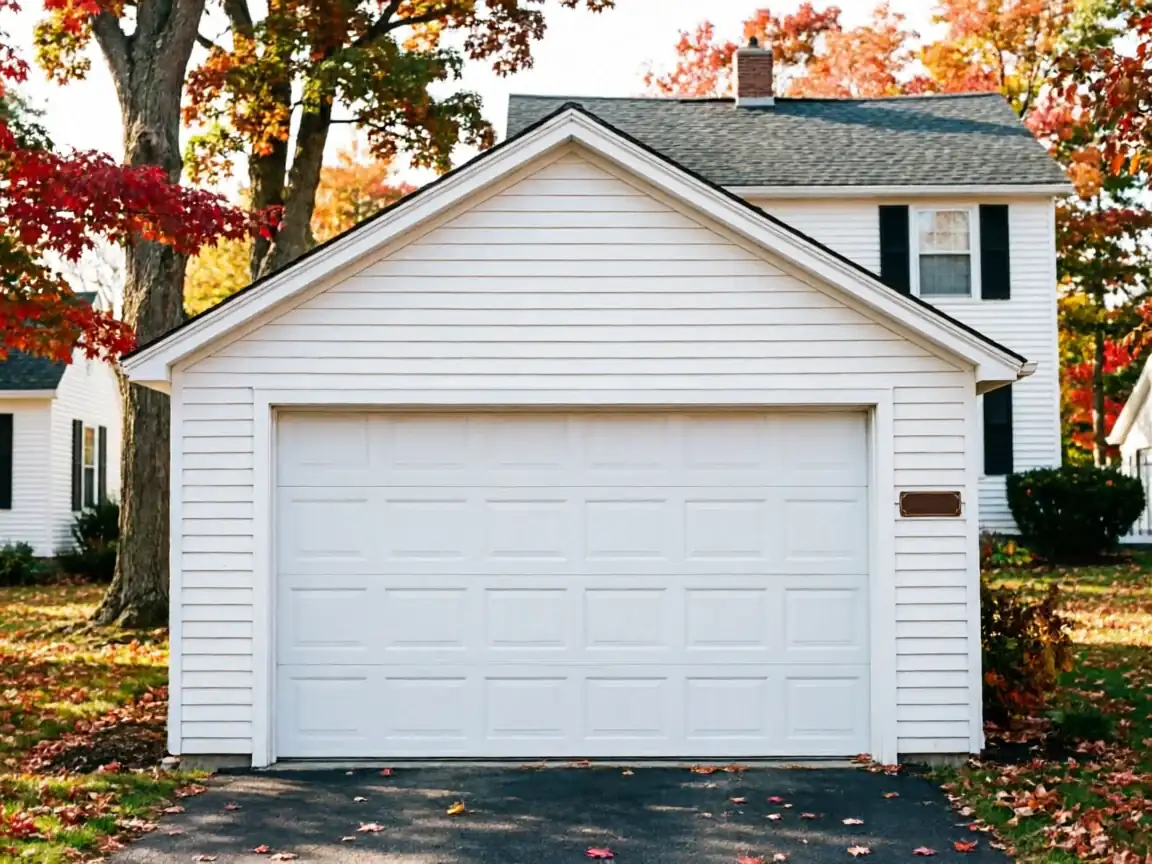
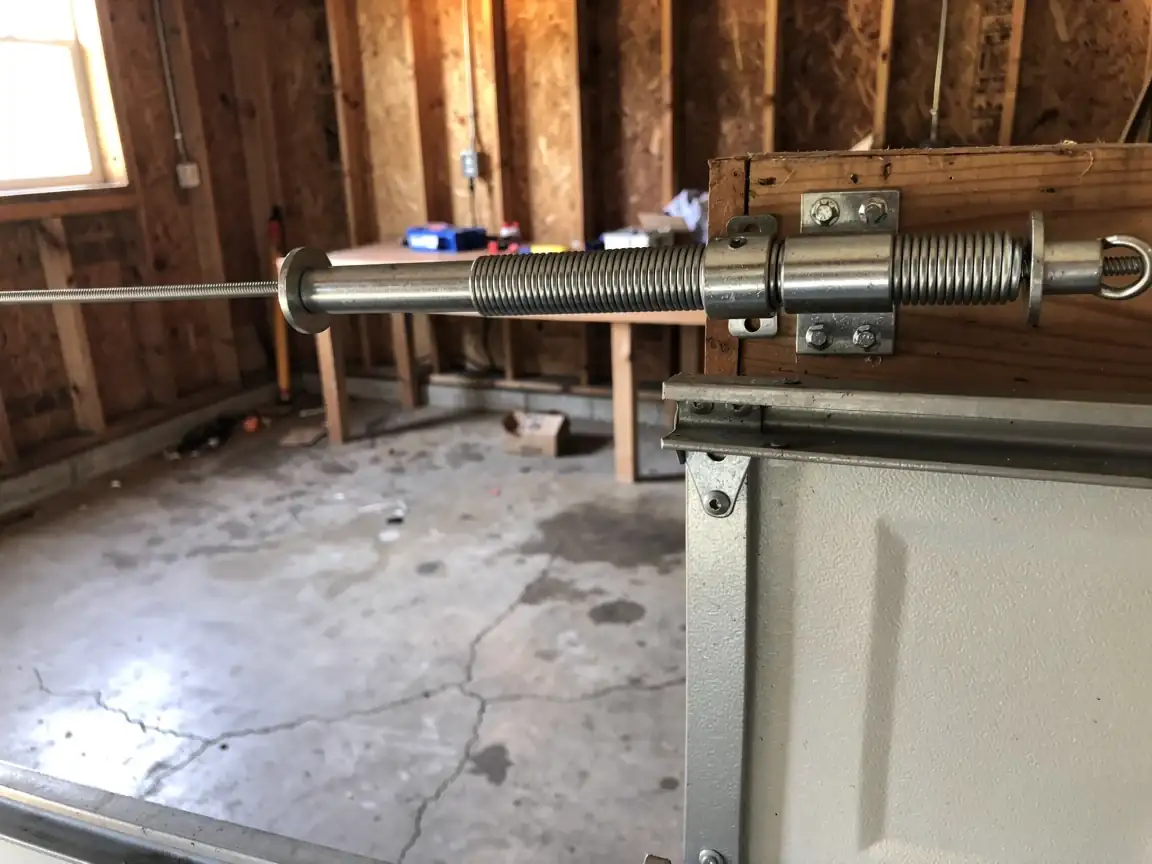
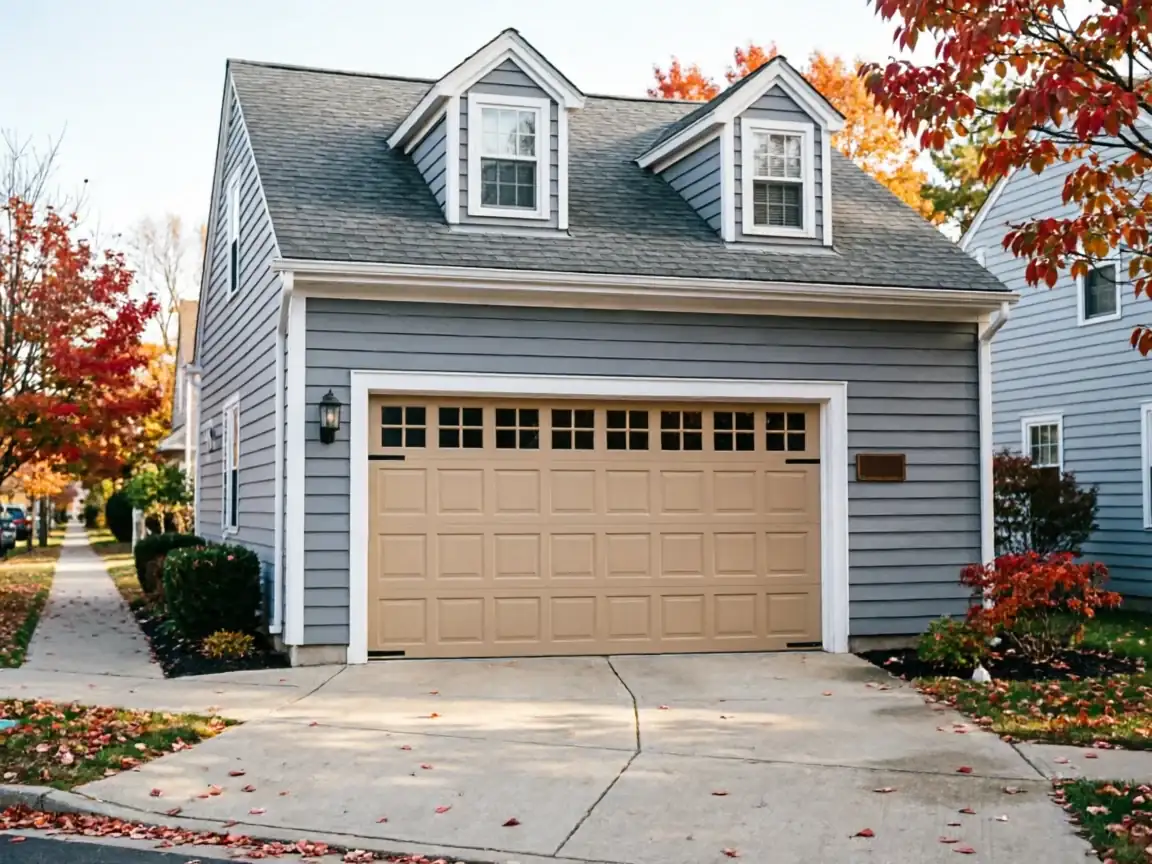
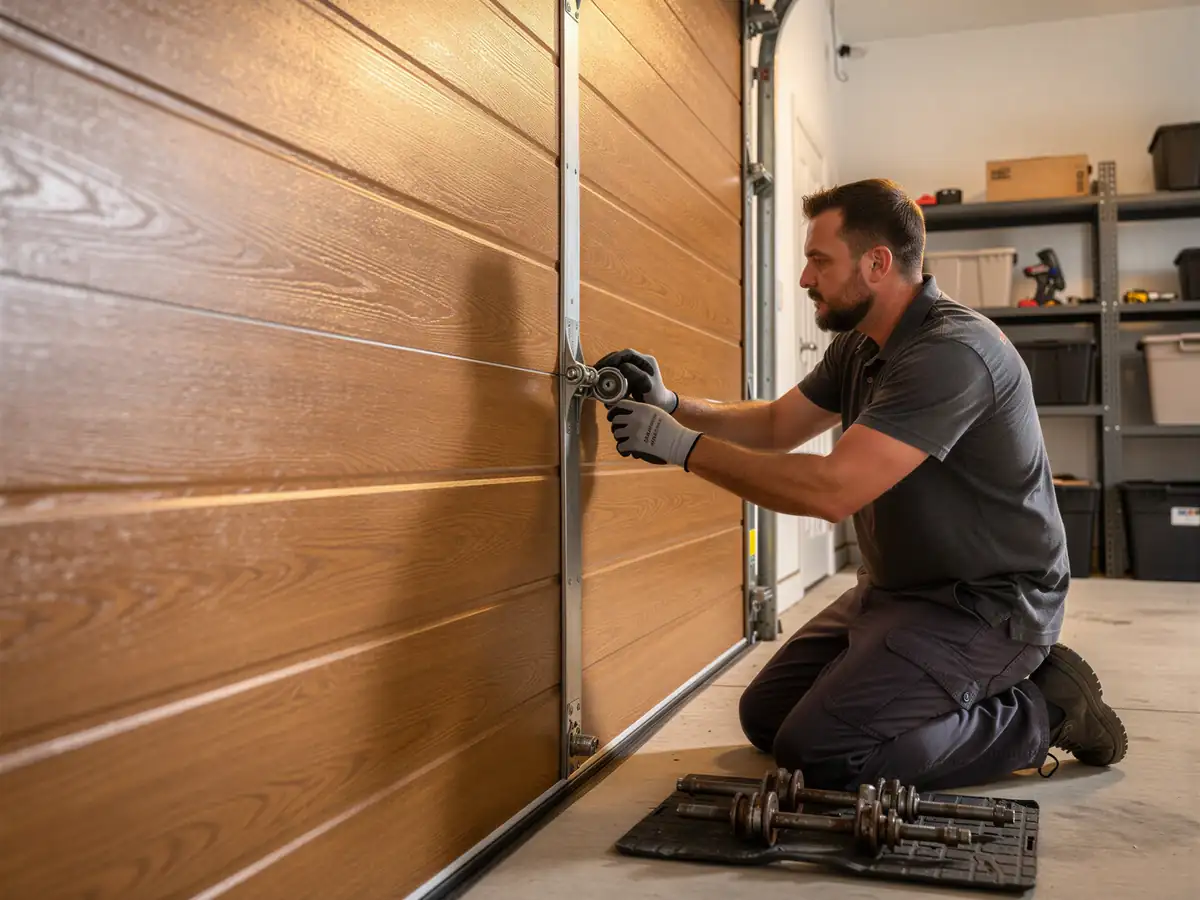
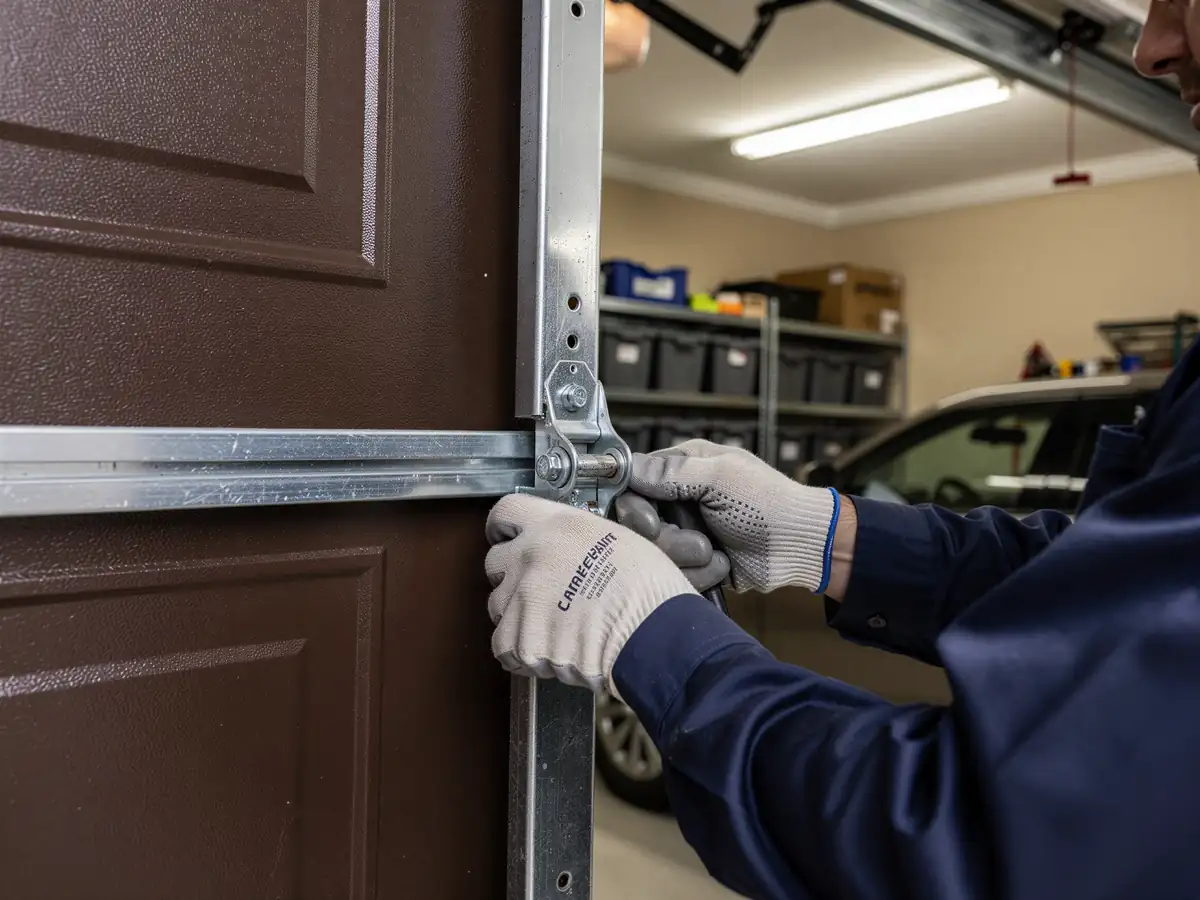
Reading's median household income sits at $163,725, noticeably higher than the $152,014 median across the broader Woburn service area. At that income level, most calls we get here are repair calls, not replacement calls - homeowners want the door fixed and functioning, not swapped out, unless the door itself is cracked, rotted, or off its track beyond straightening. That shapes what we carry on the truck for this town: torsion springs sized for the heavier insulated steel doors that went in during the 1960s building boom here, extension spring kits for the older single-car openings that never got upgraded, and galvanized rollers rated for the cold-climate steel that this region's winters demand. Reading's housing stock, built around a median year of 1960, still runs a lot of original hardware - side-mounted torsion on steel track, not the center-mounted systems you'd stock for newer construction. We keep both on hand because a Reading call can go either way depending on which decade the garage itself was added or replaced. What we don't stock is anything built for warm-climate doors - aluminum track hardware rated for mild winters has no business on a Massachusetts door, and we won't install it even if it's cheaper.
Where This Job Goes Sideways
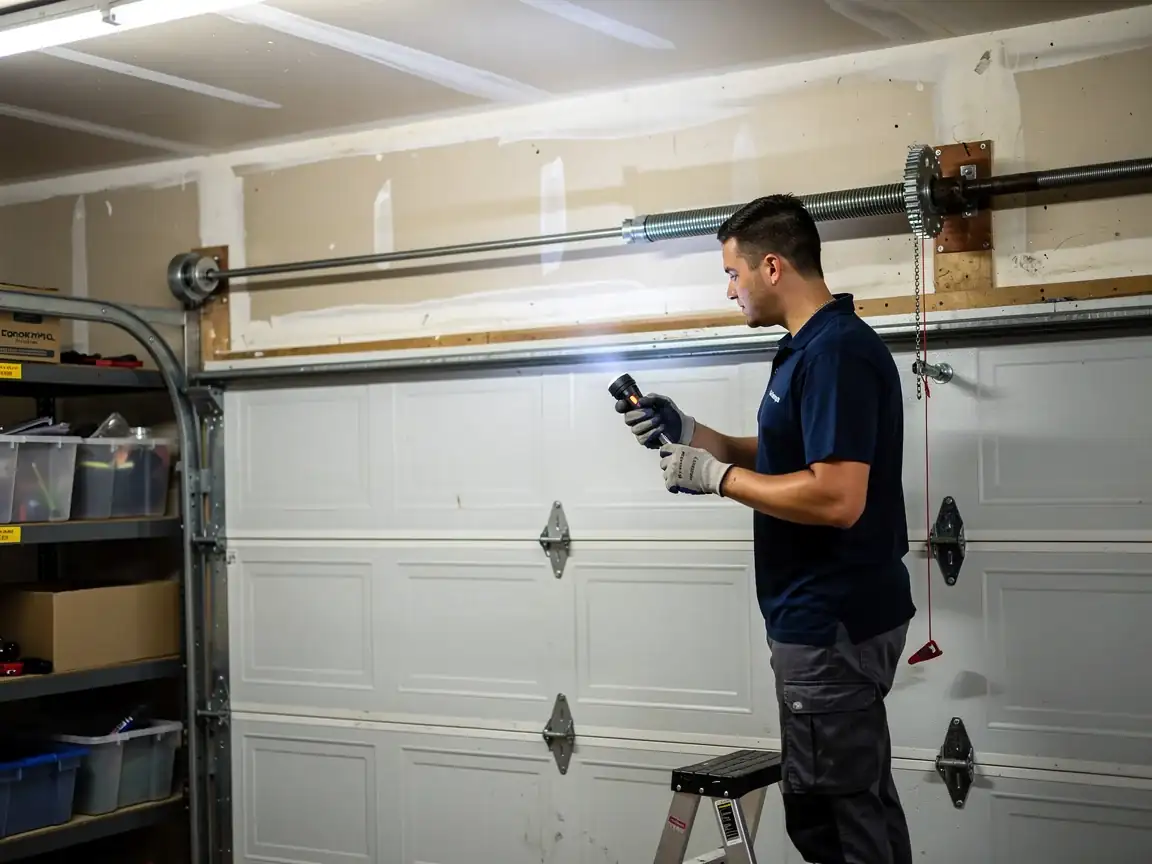
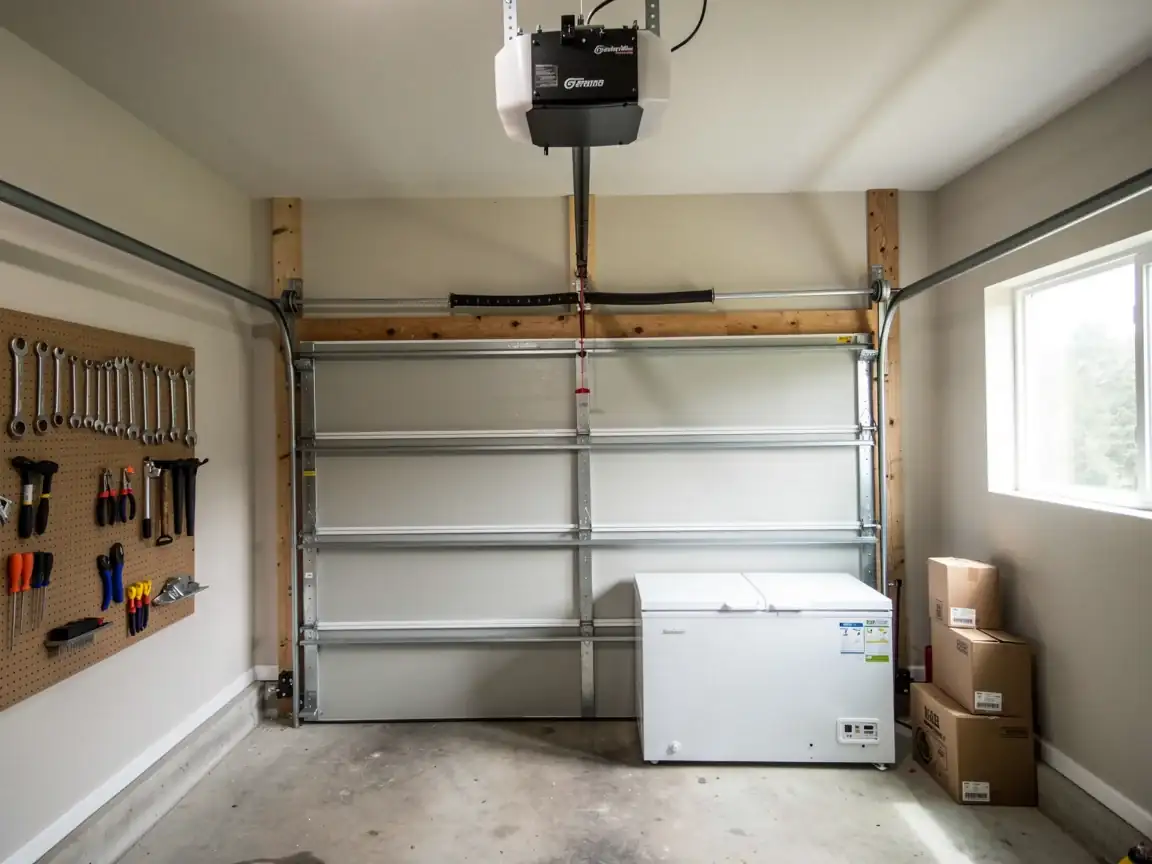
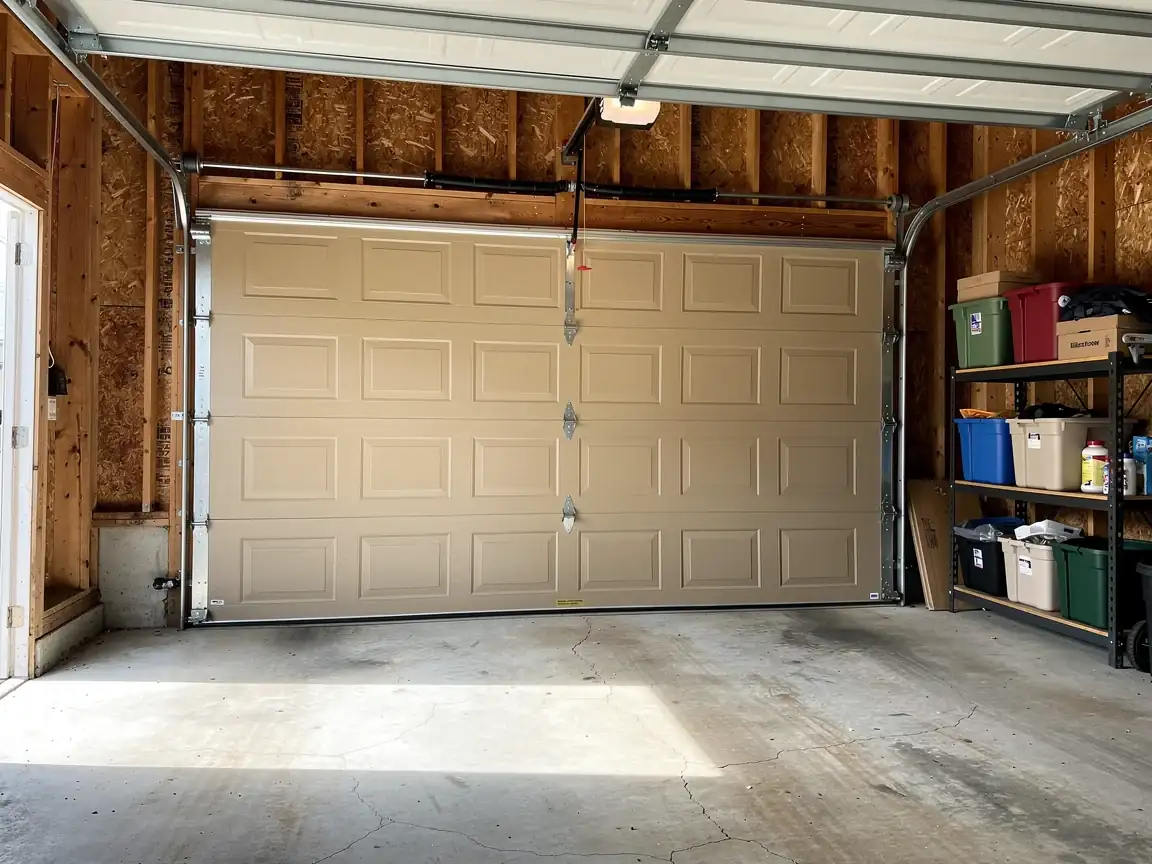
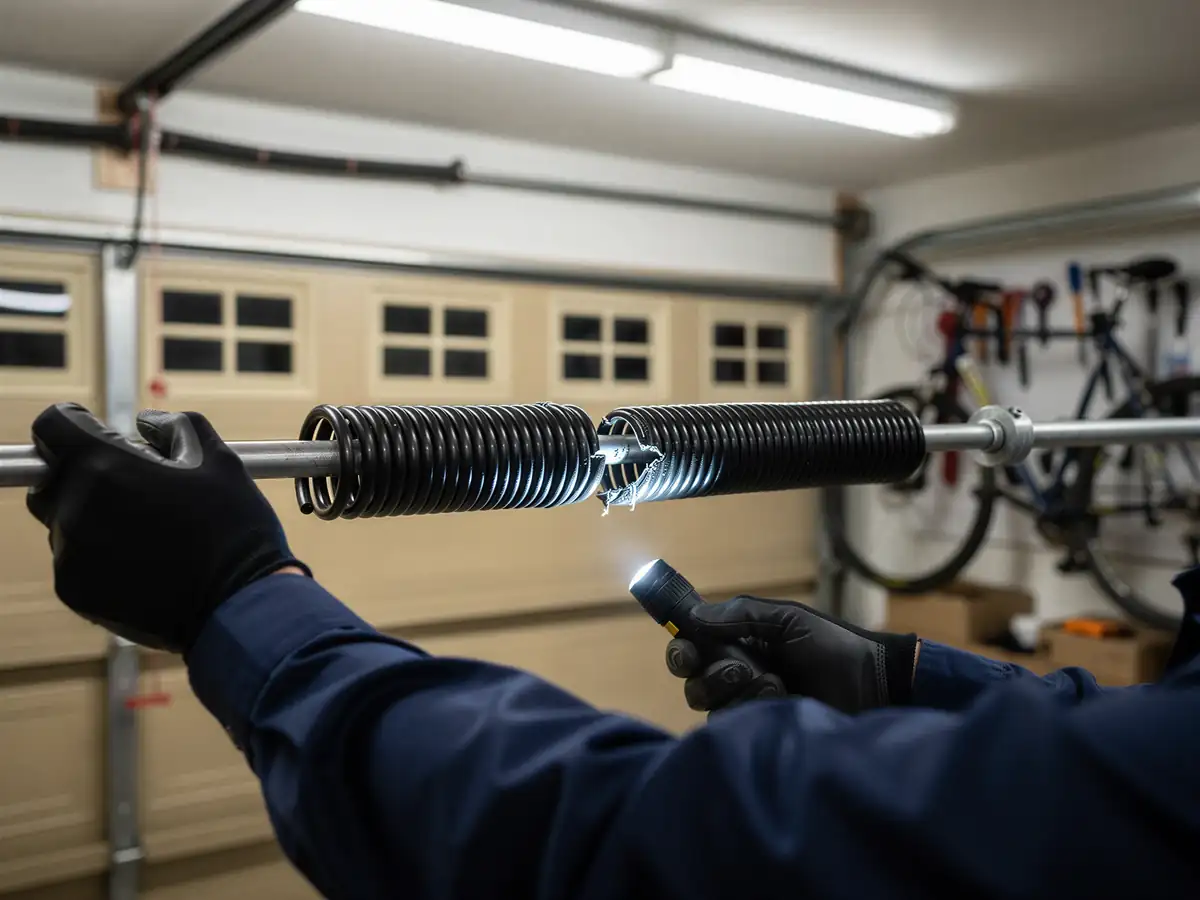
The complication in Reading isn't usually the spring itself - it's what's attached to it. Houses from the 1960 era often have torsion bars that were never resized when a heavier insulated door replaced a lighter original one, sometime in the decades since. That mismatch doesn't show up until the spring breaks, and then we're looking at a bar undersized for the door it's lifting, which means the repair isn't a straight swap - it's a recalculation. Cold is the other factor. This region sits in a severe cold-winter band, and steel torsion springs lose tension capacity as they age and contract in low temperatures. A spring that looked fine in October can snap in January under the same door weight it handled all year. We see more weekday-morning calls in Reading during stretches of hard cold, because a spring already near the end of its life gives out the moment the steel contracts enough. The honest limitation here: if the torsion bar and drum are original to a 1960s build and badly rusted, we're not going to force a spring onto hardware that's one more cycle from failing somewhere else. That becomes a bar-and-drum job, not a spring job, and we'll say so before we touch it.
The Symptom
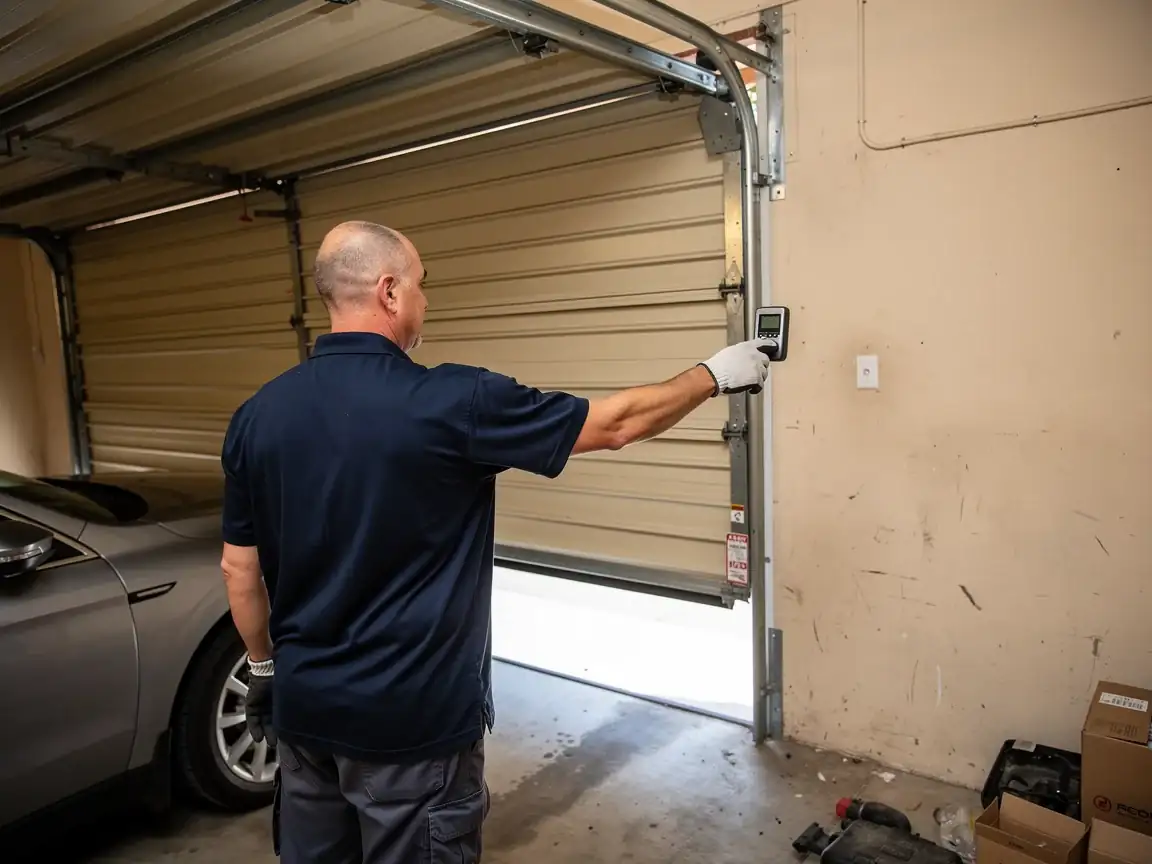
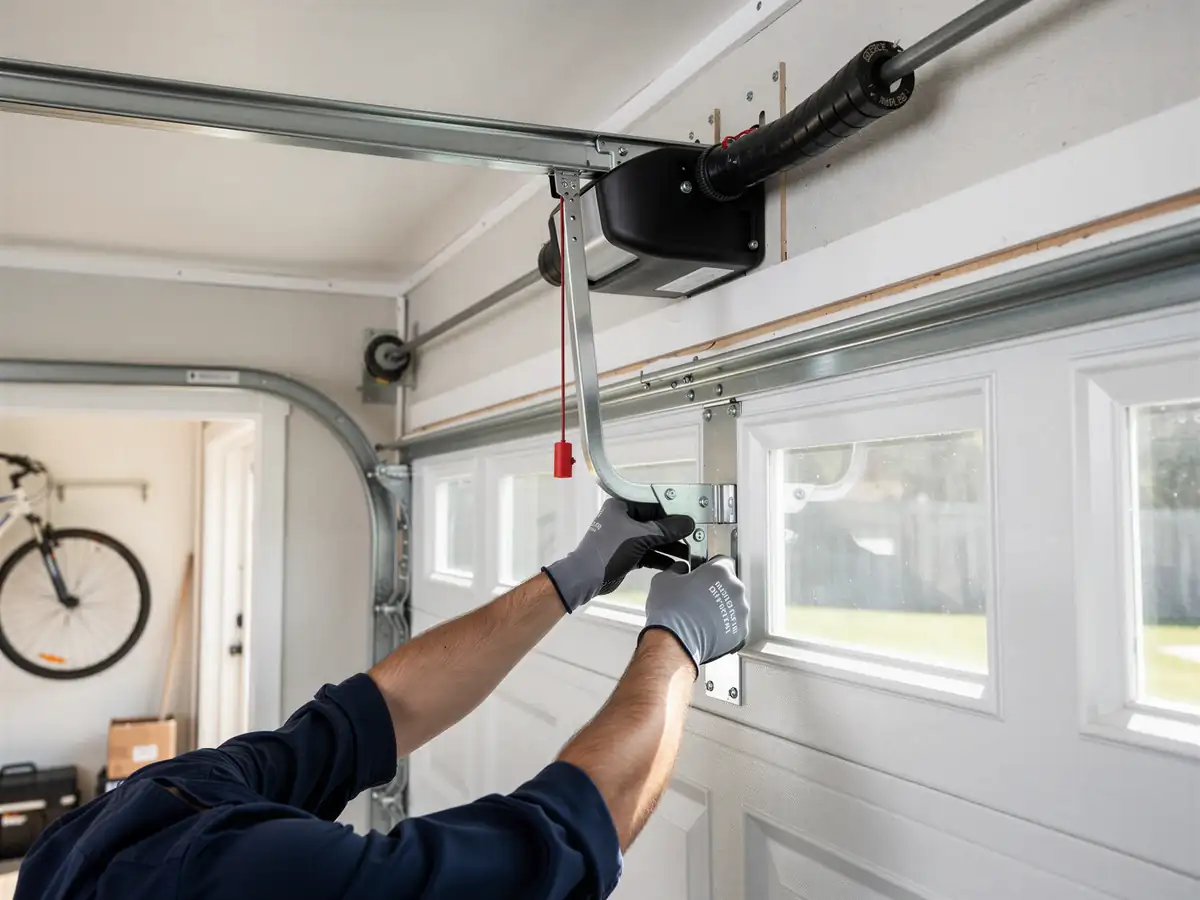
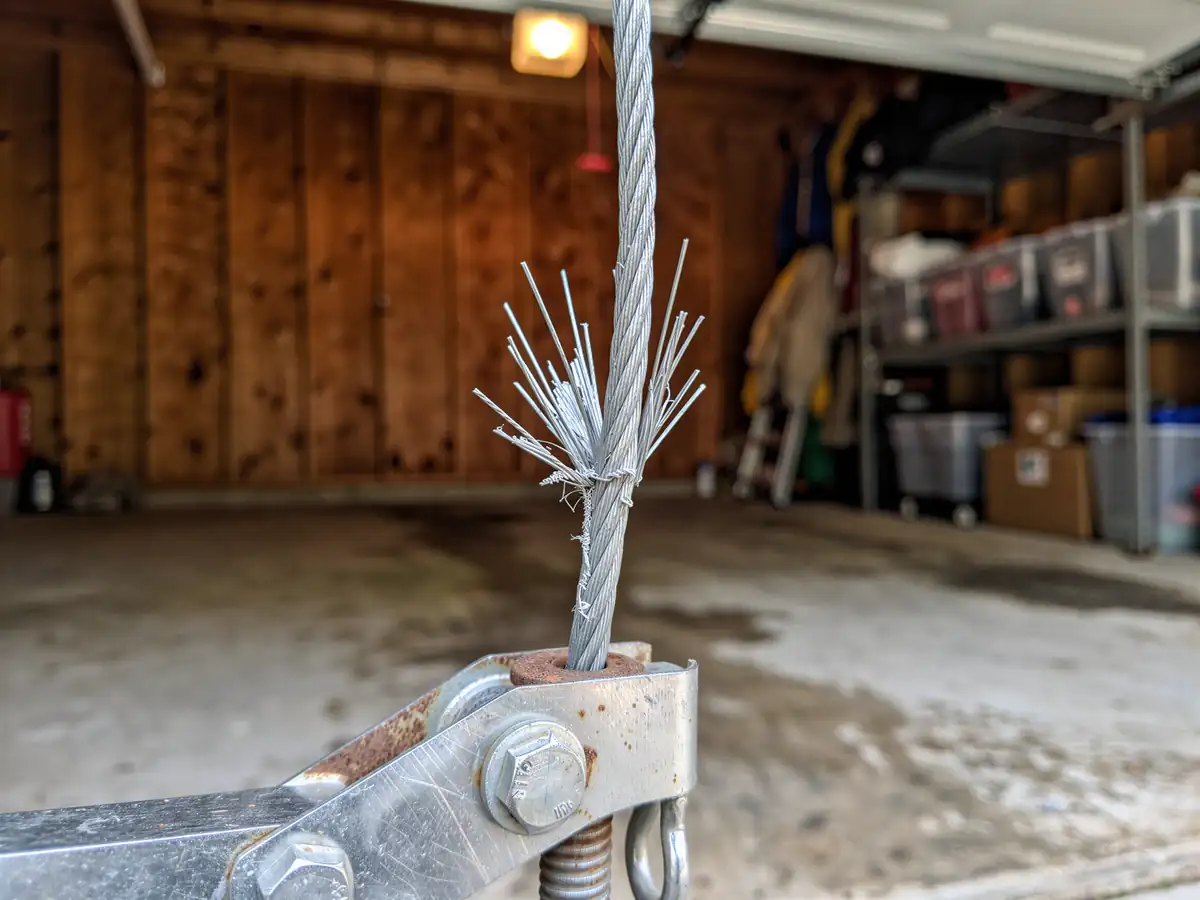
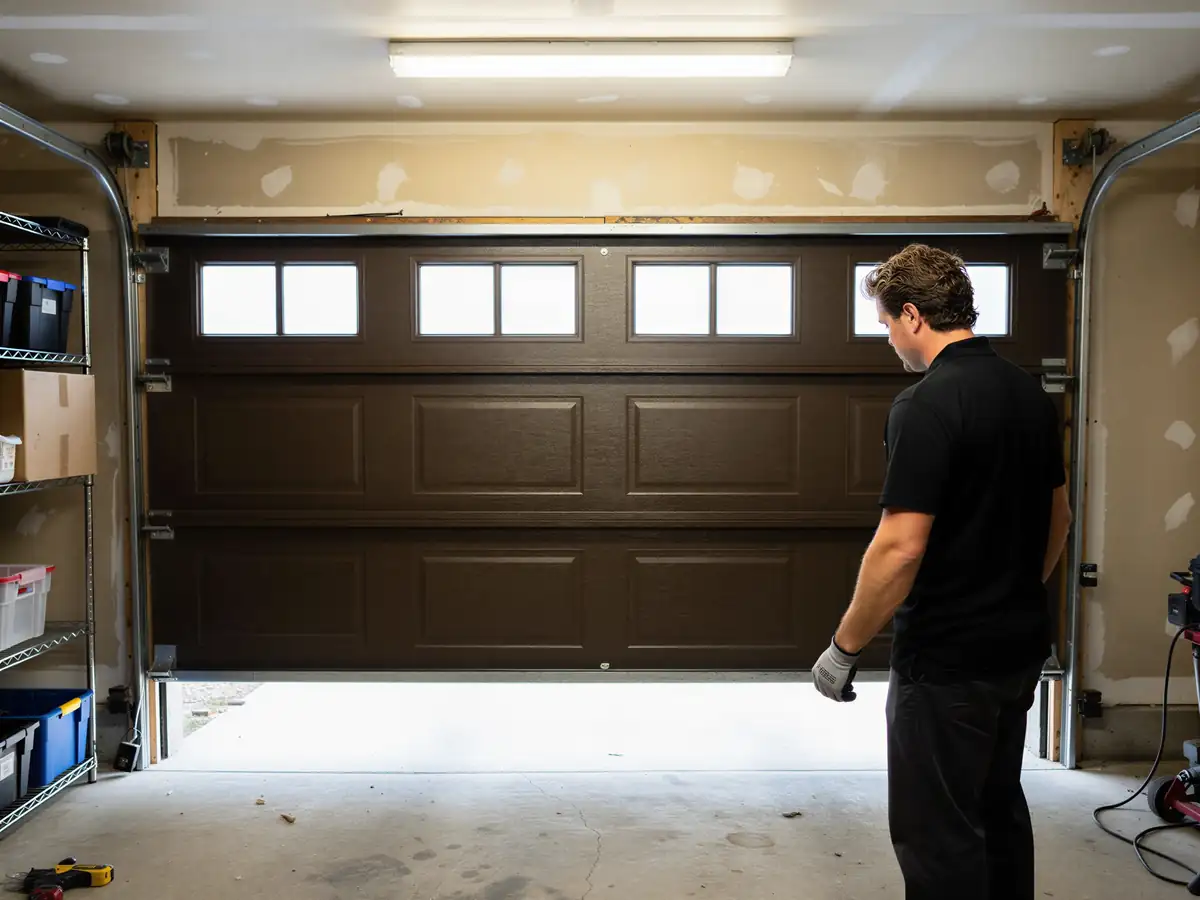
The call we get most from Reading is a door that won't open past a few inches, or one that slams down instead of lowering under control - both point to a broken or weakening torsion spring, not the opener, even though the opener usually gets blamed first. A second common symptom: the door opens fine but reverses partway up, which on houses from this era is often a cable that's frayed on an original drum that was never replaced when the spring was. Neither symptom means the whole door is bad. Both mean the spring and cable system is carrying weight it was sized for decades ago, on hardware that's had one or two owners and maybe one repair since. If the door is still moving at all, don't keep running the opener against the resistance - that's how a cable snap turns into a bent track.