Stocked Parts
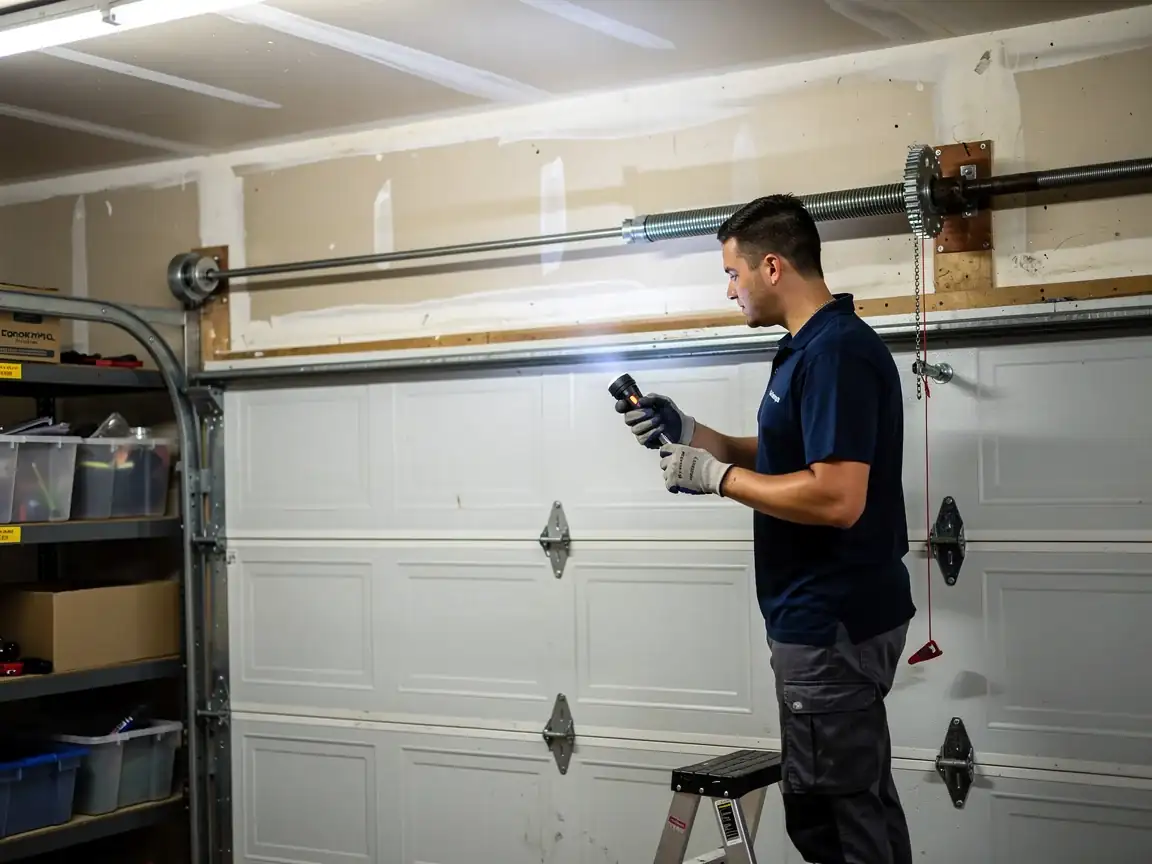
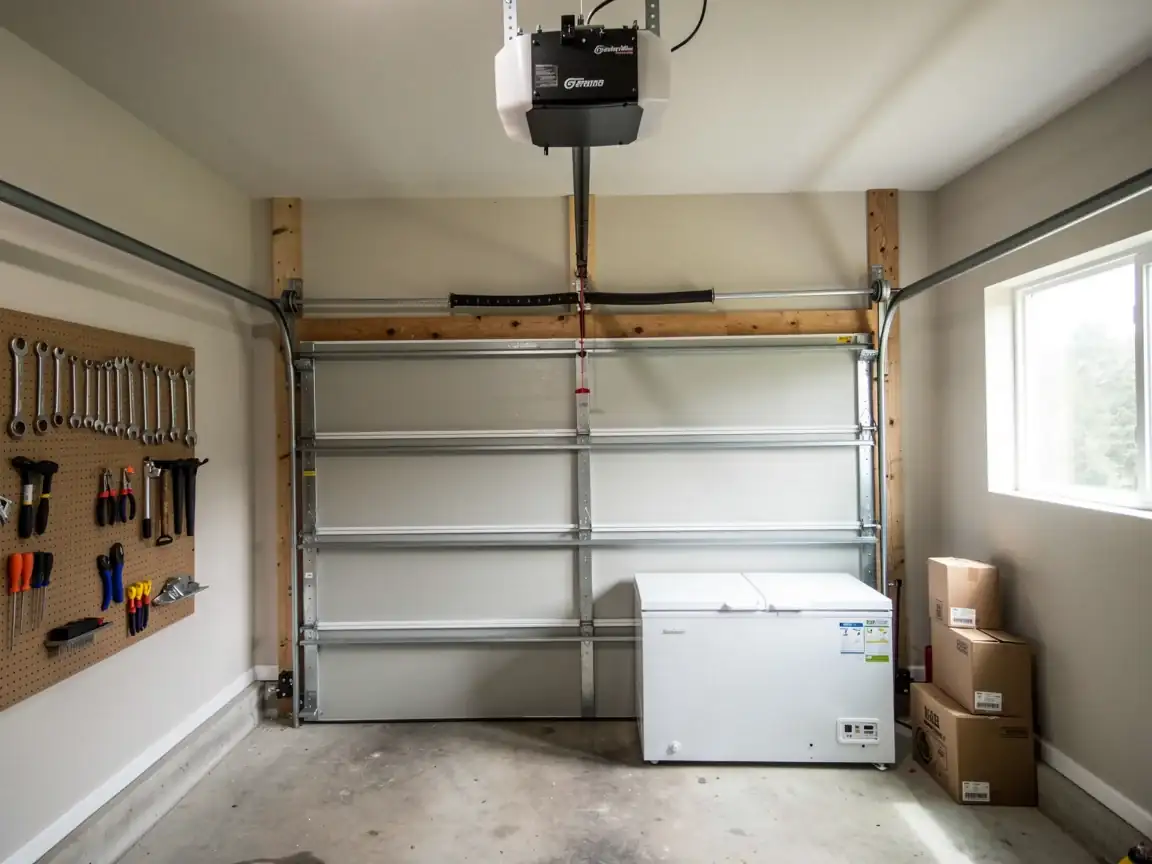
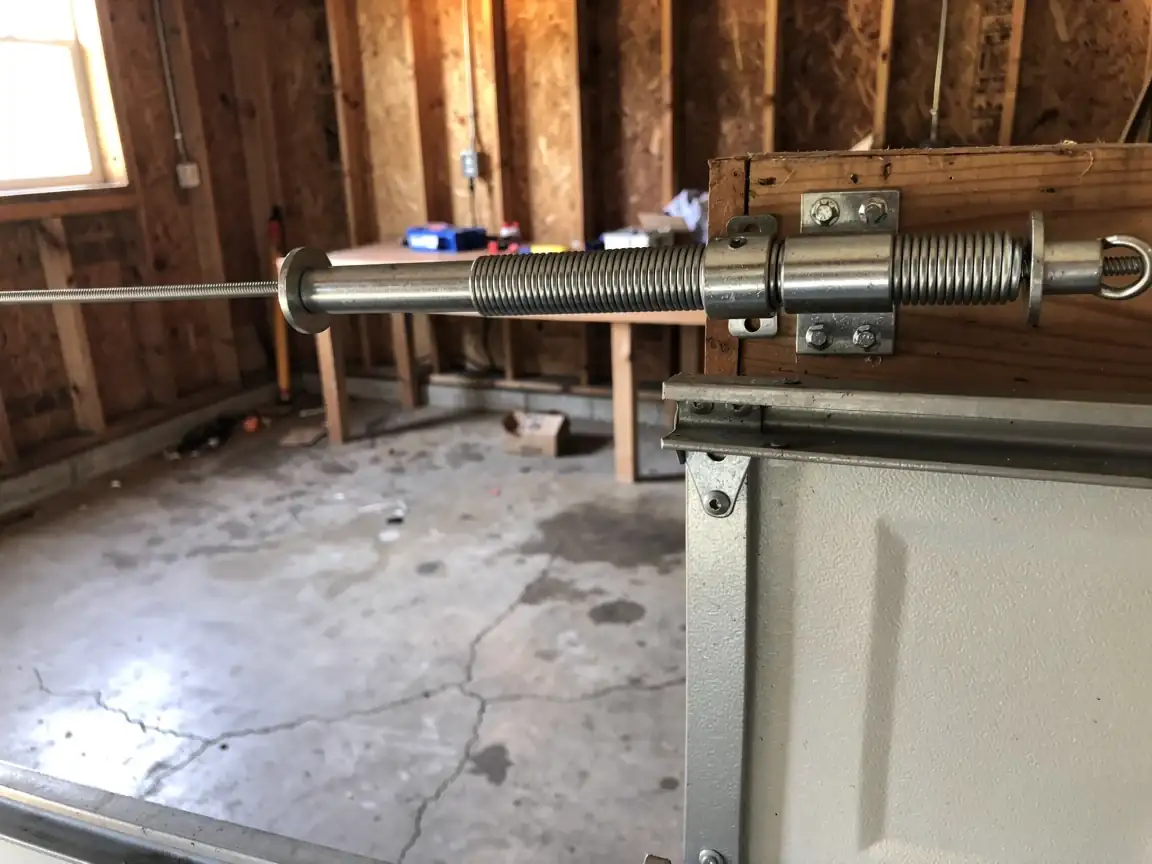
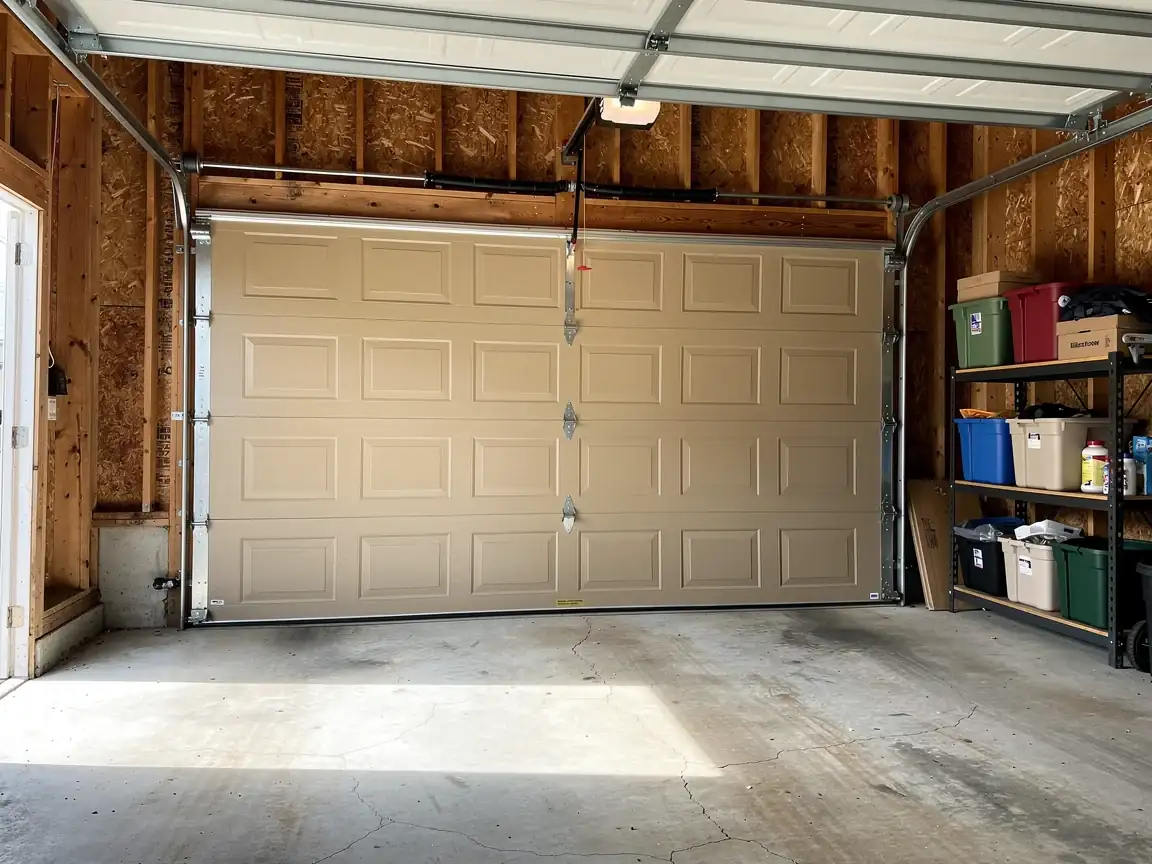
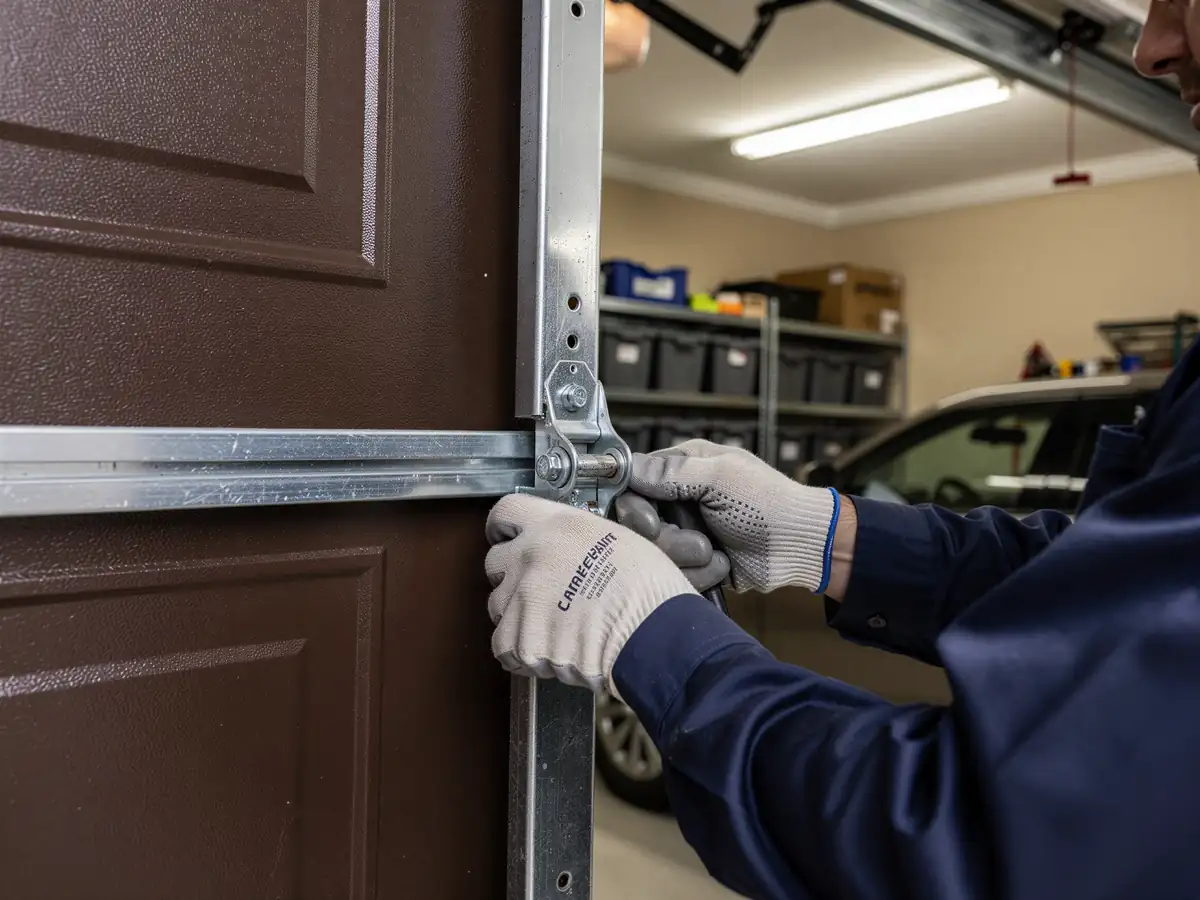
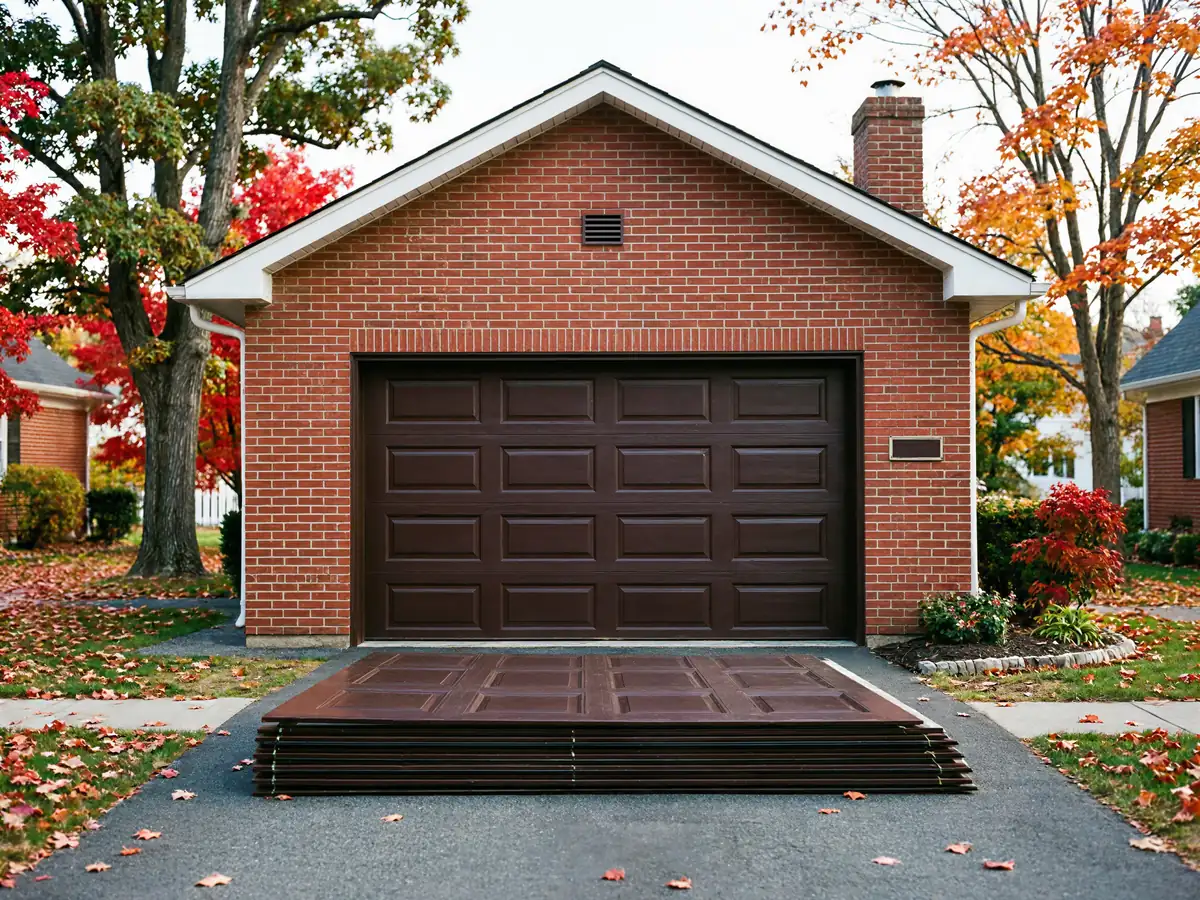
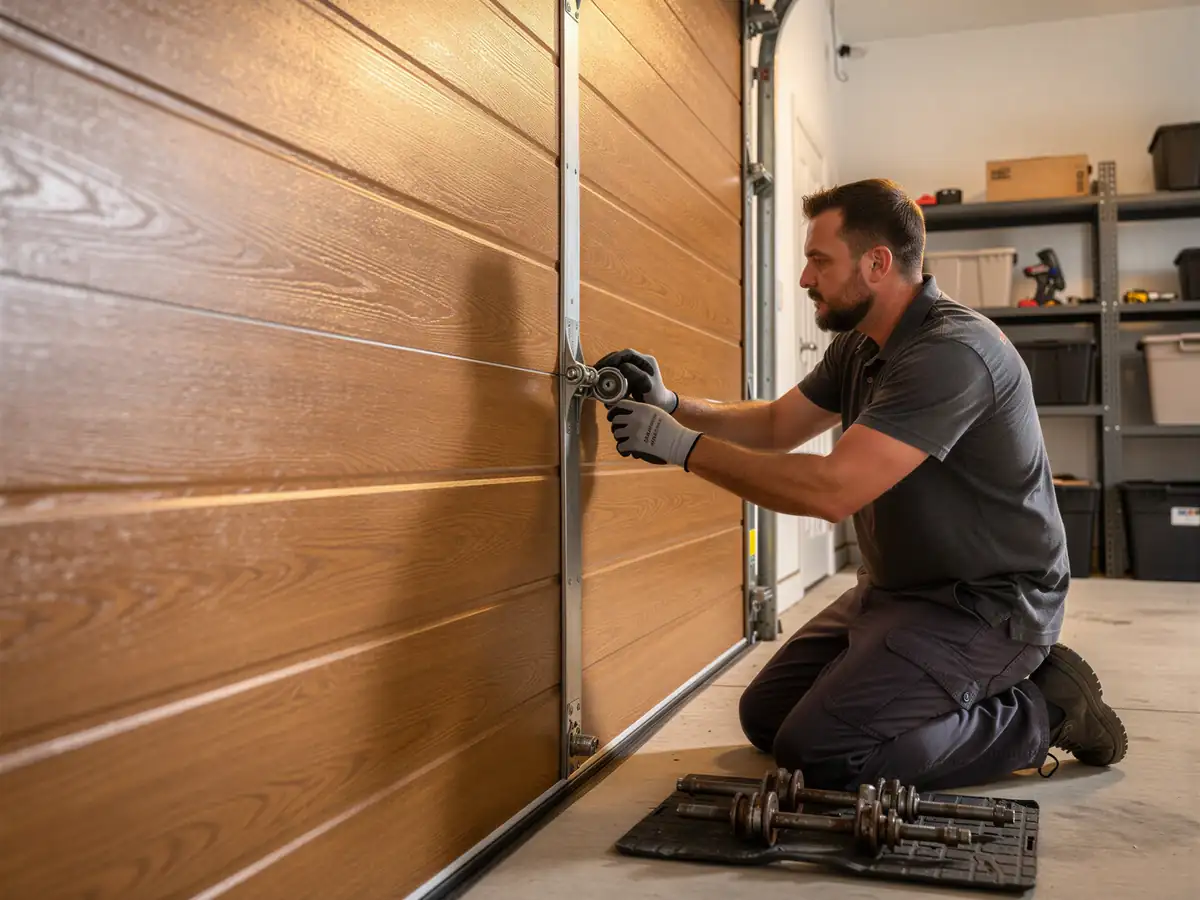
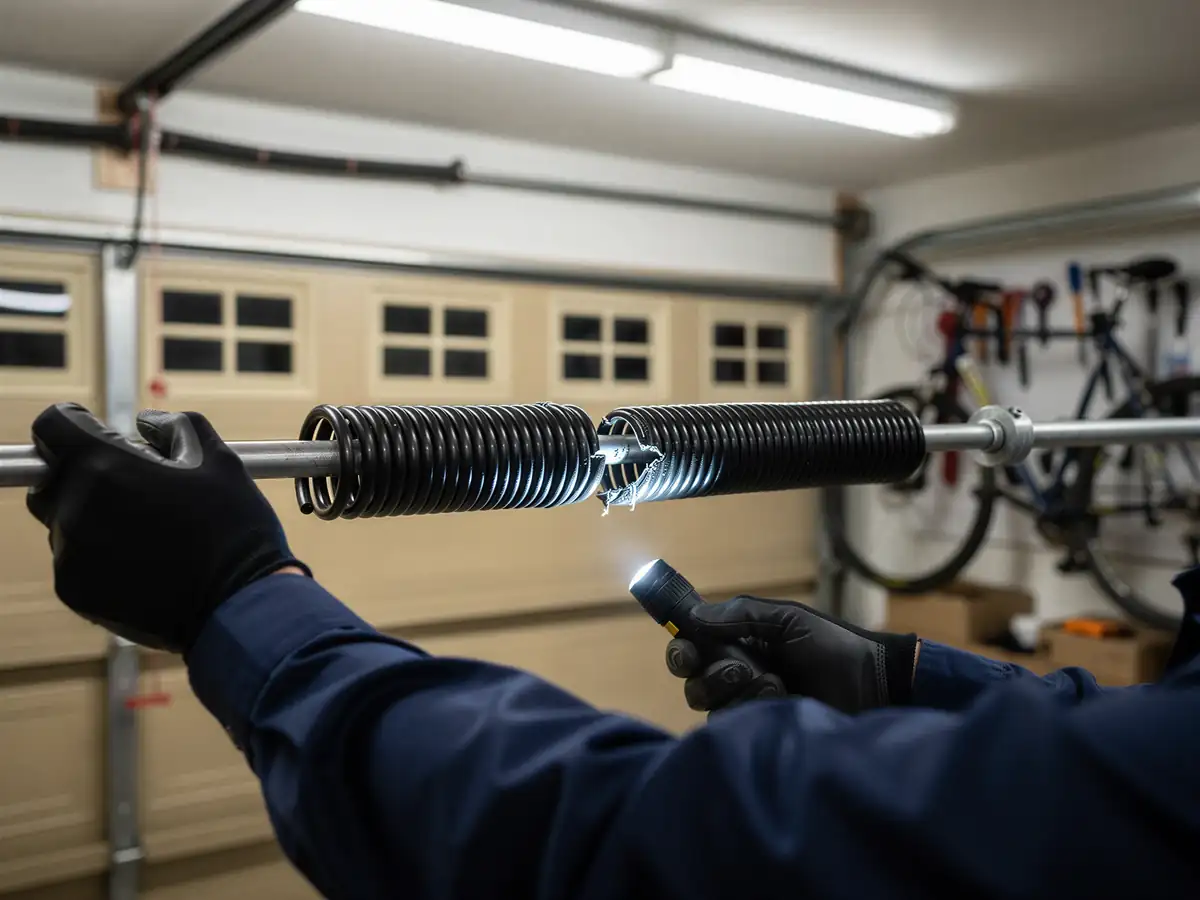
Reading's median house dates to 1960, which puts most garage doors here on hardware that's never been swapped out piece by piece - it either still has the original cable drums and track from the build, or it got a full replacement at some point and nothing since. We carry both 7-foot and 8-foot aircraft cable in the gauges that match doors from that era, along with the galvanized drums sized for older torsion setups that don't match what's sold off the shelf today. A lot of these doors use a drum diameter you won't find at a hardware store, so we bring take off measurements before we cut anything. We also stock the safety cables and the clips for extension-spring doors, since plenty of houses in this part of town still run springs over the horizontal track instead of torsion bars overhead. If a drum is pitted or the track is bent enough that the cable keeps jumping groove, that's a different repair than just a cable swap, and we'll tell you which one you're actually looking at before we start.
Where This Job Goes Sideways
A cable that snaps on a door this old rarely snaps alone. On a 1960-vintage door, the drum it was wound on has usually seen six decades of expansion and contraction through New England winters, and that metal gets brittle at the edges where the cable sits. We'll pull the broken cable and find the drum groove worn to one side, which means a new cable on the same drum fails again in a season. The other common sideways turn: the door is still on its original extension springs, not torsion, and one side's cable comes off the bottom bracket because the pulley has seized. That's a pulley and bracket job stacked on top of the cable, not a quick swap. Given this area's winters run cold and hard, cold-stiffened cable strands are also more prone to fraying right where they wrap the drum, so what looks like a one-wire fix sometimes turns into both cables once we're actually looking at the hardware up close.
The Symptom
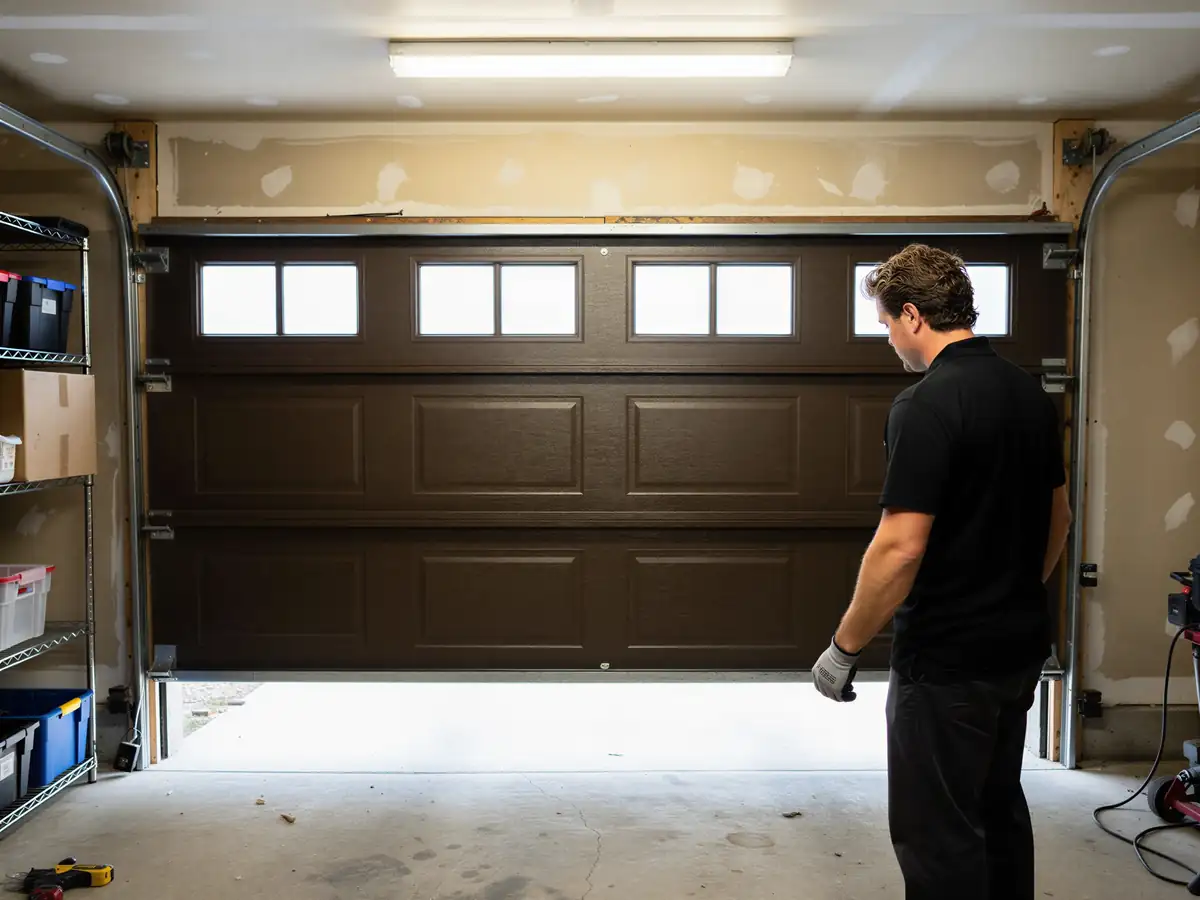
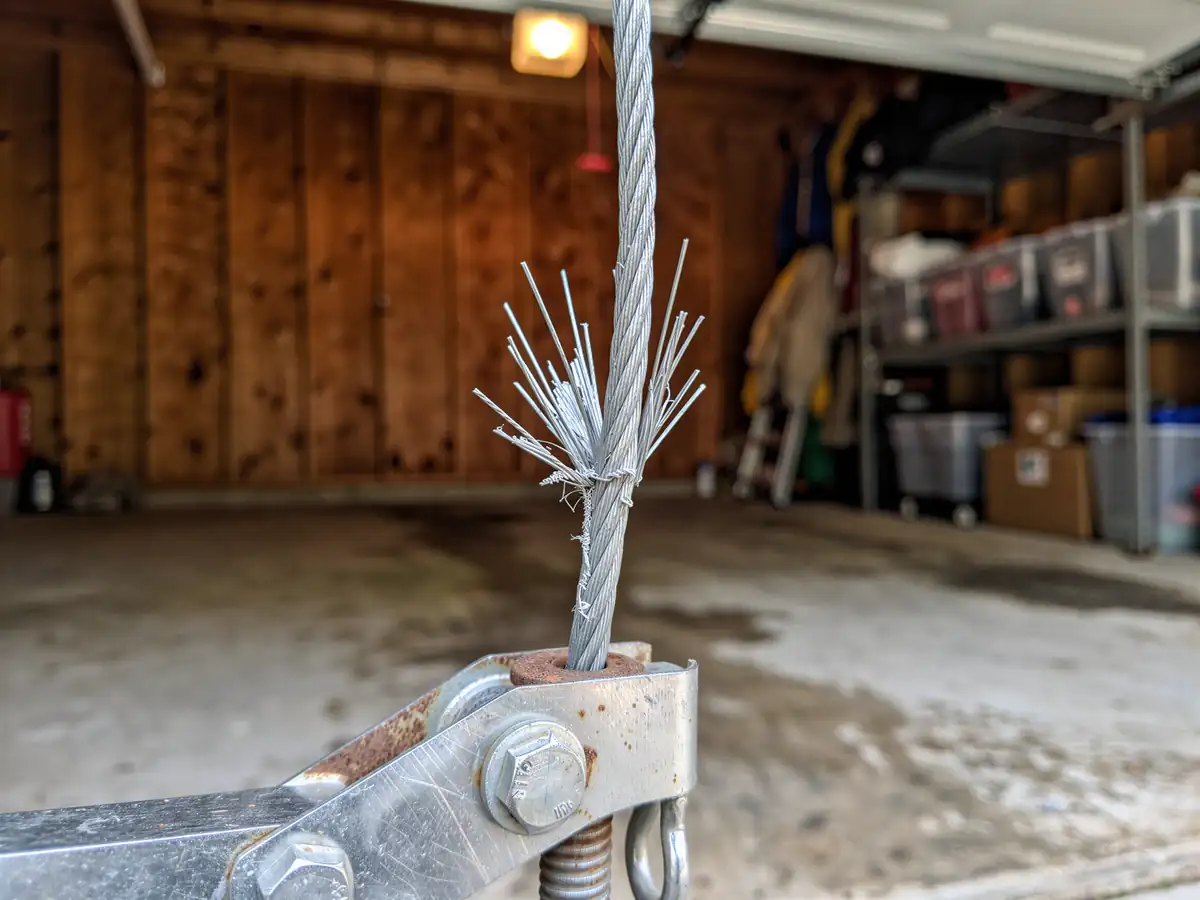
Usually it starts as the door hanging crooked - one side drops lower than the other, or the door stops a foot off the ground and won't go further. Look at the bottom corners: if a cable has come off its drum, you'll see it bunched or hanging slack on one side while the other stays taut. Sometimes you catch it earlier, as a frayed wire visible where the cable wraps the drum, or a faint pop sound right before the door refuses to move. Don't run the opener again once a cable's gone - a door hanging on one cable can fall or twist off the track, and on a door built in 1960 that track is often original too, which means it's not built for that kind of stress twice.