Serving Woburn, MA & nearby
(781) 201-6676
Woburn, MA

What That Noise in Your Garage Actually Means

Woburn homes mostly date to the 1960s and 70s, with original hardware still running on many. Here's which noises in a cold-climate garage mean call now, and which can wait.

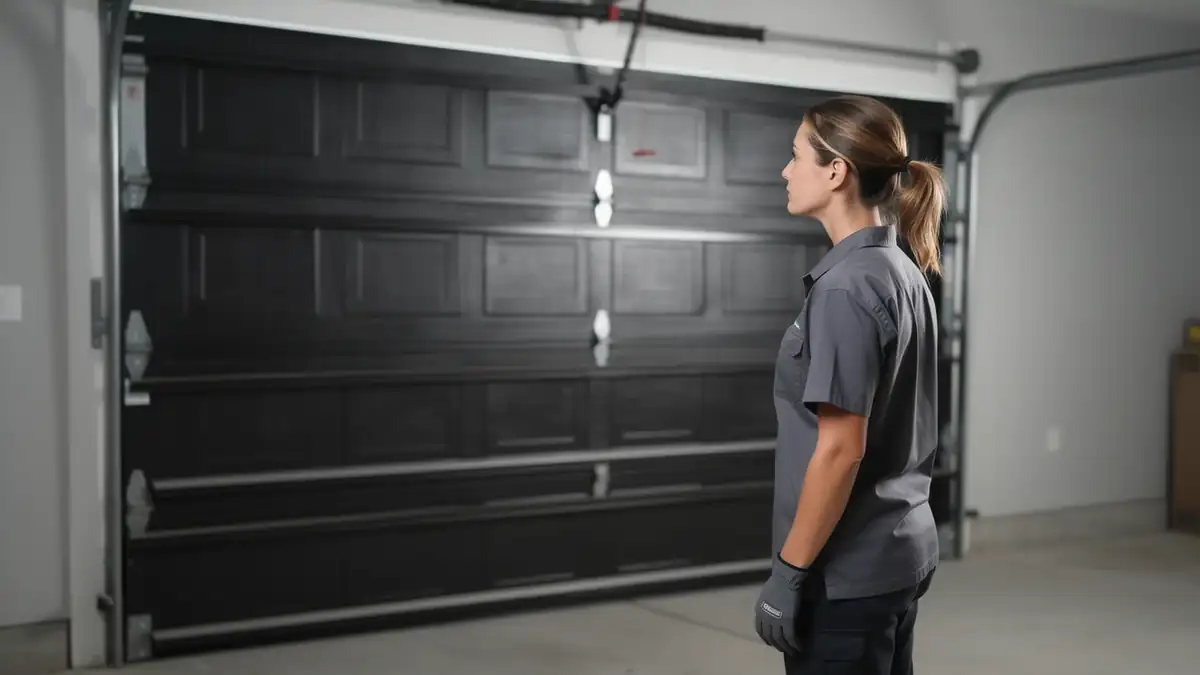
A technician in a gray shirt and gloves stands facing a closed black garage door.

What the Weather Here Does to It

Woburn sits in a cold-climate band with real winter severity, and that matters more for a garage door than most owners think. Steel contracts in the cold, grease thickens, and metal-on-metal parts that were quiet in August start talking in January. If your house was built in the stretch between 1938 and 1988 that covers most of this area, with a median build year around 1965, there's a good chance the torsion spring and track hardware are original or close to it. That hardware was engineered for a different era of daily cycles and wasn't built with today's weatherstripping or insulated panels in mind. Cold makes brittle springs snap instead of fatigue, and it makes rollers that are low on lubricant grind instead of glide. A door that sailed through a mild fall can suddenly bind hard on the first real cold snap, and that's not bad luck - it's the house doing exactly what a 1960s-era garage does in New England winter. None of this means the door is failing. It means the noise it's making right now is worth listening to, because cold exaggerates whatever was already starting to go.

The Situation

Across this part of the state - Woburn and the neighboring towns like Winchester, Burlington, Stoneham, and Reading - you're looking at roughly the same housing generation: mostly 1960s and 70s construction, across dozens of named neighborhoods and subdivisions built in waves rather than all at once. That means a lot of doors, springs, and openers hitting the same age-related wear at roughly the same time, even if the house down the street looks newer. Median household income in this service area runs well above $150,000, and that tends to mean more owners who've already replaced the door itself but kept the original torsion hardware - because the opener got swapped in the 2000s but nobody touched the spring. That combination, newer opener bolted to decades-old spring and track, is where a lot of the odd noises start. It's also why two houses built the same year can sound completely different: one's had the hardware serviced along the way, one hasn't.

When to Call Someone

A loud bang, especially right as the door opens or closes, usually means a torsion spring has let go or is about to. Don't run the opener again - on original 1960s-era hardware under heavy winter tension, a second cycle can bend the track or drop the door hard. A grinding or scraping sound that gets worse as the door moves, rather than staying steady, points to a roller or bearing that's failing, not just dry. If you hear a sharp metallic pop followed by the door refusing to move at all, that's a cable or spring failure and the door is not safe to force by hand. Any noise paired with the door sitting crooked, or one side dropping faster than the other, means the counterbalance system is compromised - on an older torsion setup that's not a tightening job, it's a parts job. Call before you try to lift it yourself; a wound spring under tension on hardware this age has enough stored force to do real damage.

When Waiting Is Fine

A light rattle on an otherwise smooth-running door, especially after it's sat cold overnight, is often just grease that hasn't warmed up yet and loosens once the door's cycled a few times. A squeak from a hinge or roller that doesn't change the way the door moves is usually a lubrication gap, not a failure - worth greasing at your convenience, not worth an emergency call. If the opener hums a touch longer before it engages on cold mornings, that's common on older motors in this climate and isn't, by itself, a sign of anything breaking. Here's the honest limit: we can tell you a lot over the phone from a description, but we can't diagnose a spring by sound alone with full confidence - some noises that sound minor turn out to be a cable close to fraying, and some that sound alarming are just a dry hinge. If you're not sure which kind you've got, a quick look is cheaper than guessing wrong in either direction.
How it works

From “it’s stuck” to “it’s fixed”

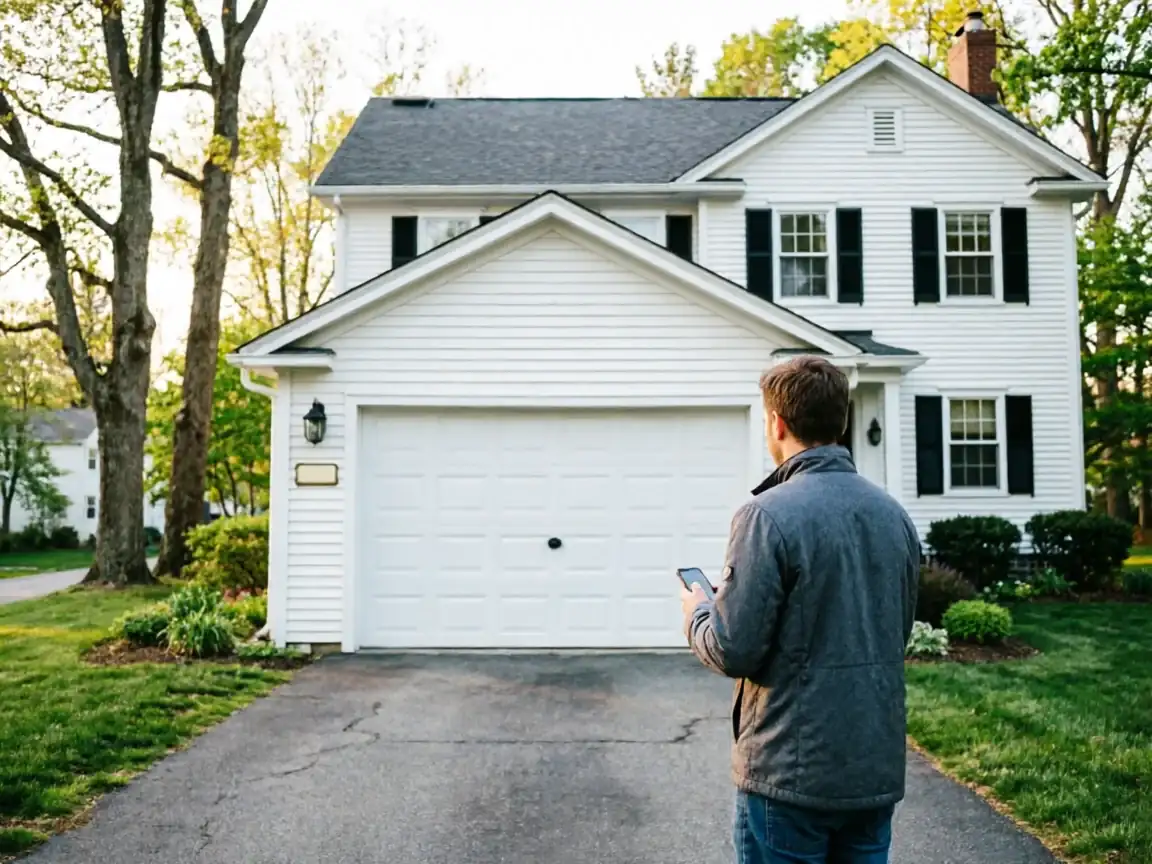
A man stands in a driveway looking at a white house with a white garage door.
1

Tell us what’s wrong

Describe the symptom - won’t open, loud bang, opener runs but the door won’t move.

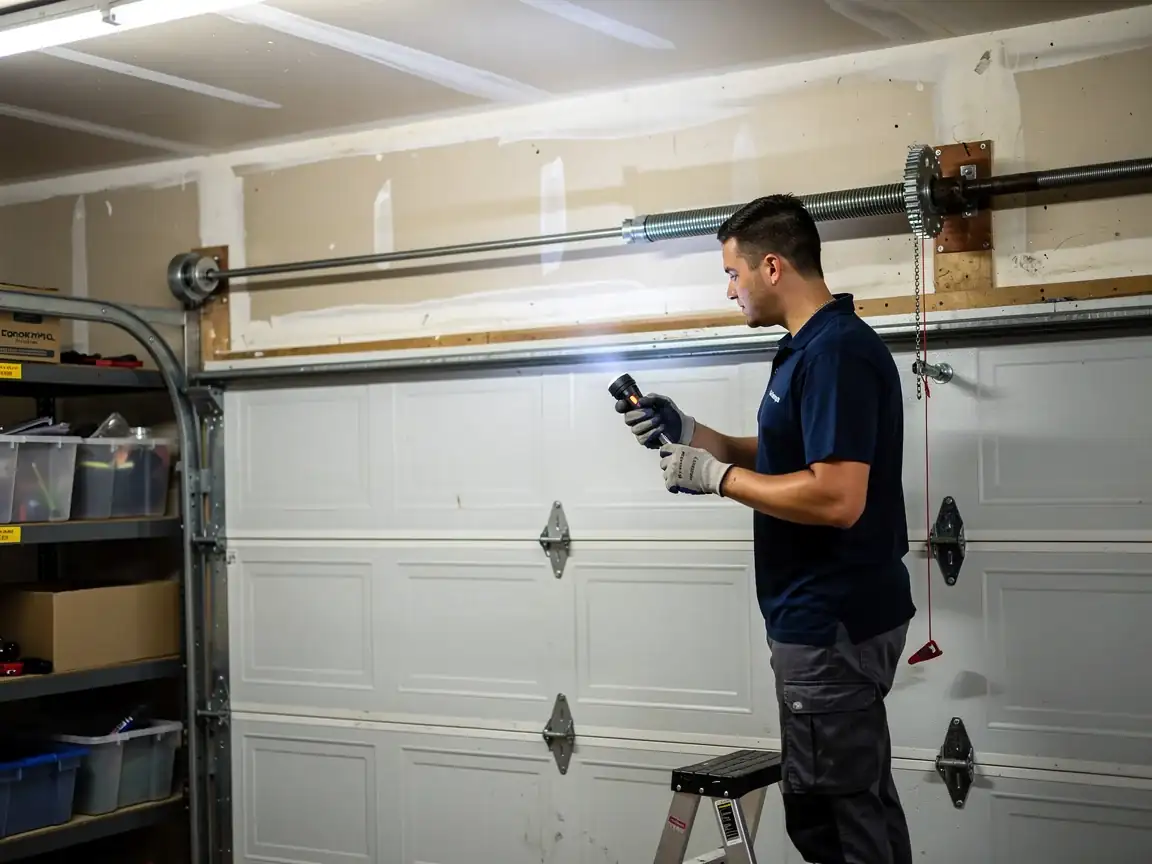
A technician shines a flashlight on a garage door torsion spring.
2

On-site diagnosis

A technician tests the door under power and by hand and finds what actually failed.

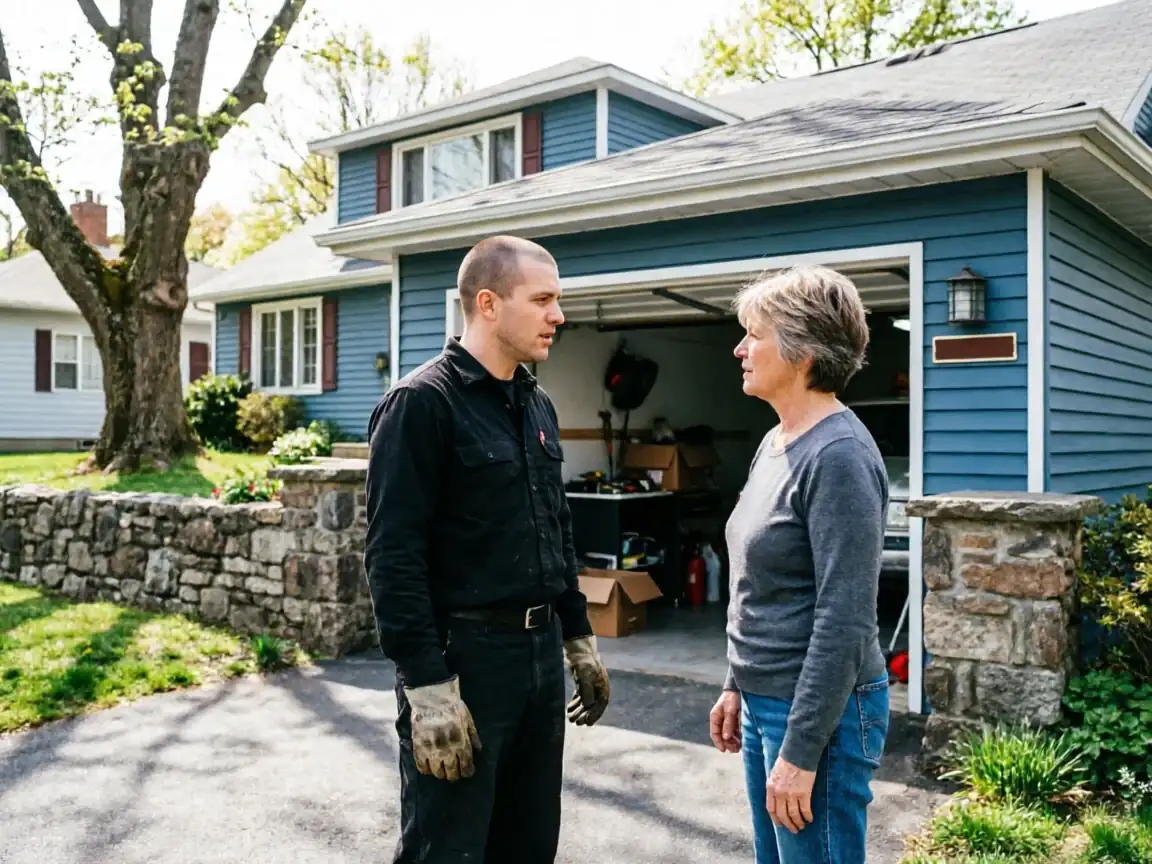
A technician and a woman stand in a driveway in front of a blue house.
3

Clear, up-front plan

You get the fix that’s needed and what drives the cost - before any work starts.

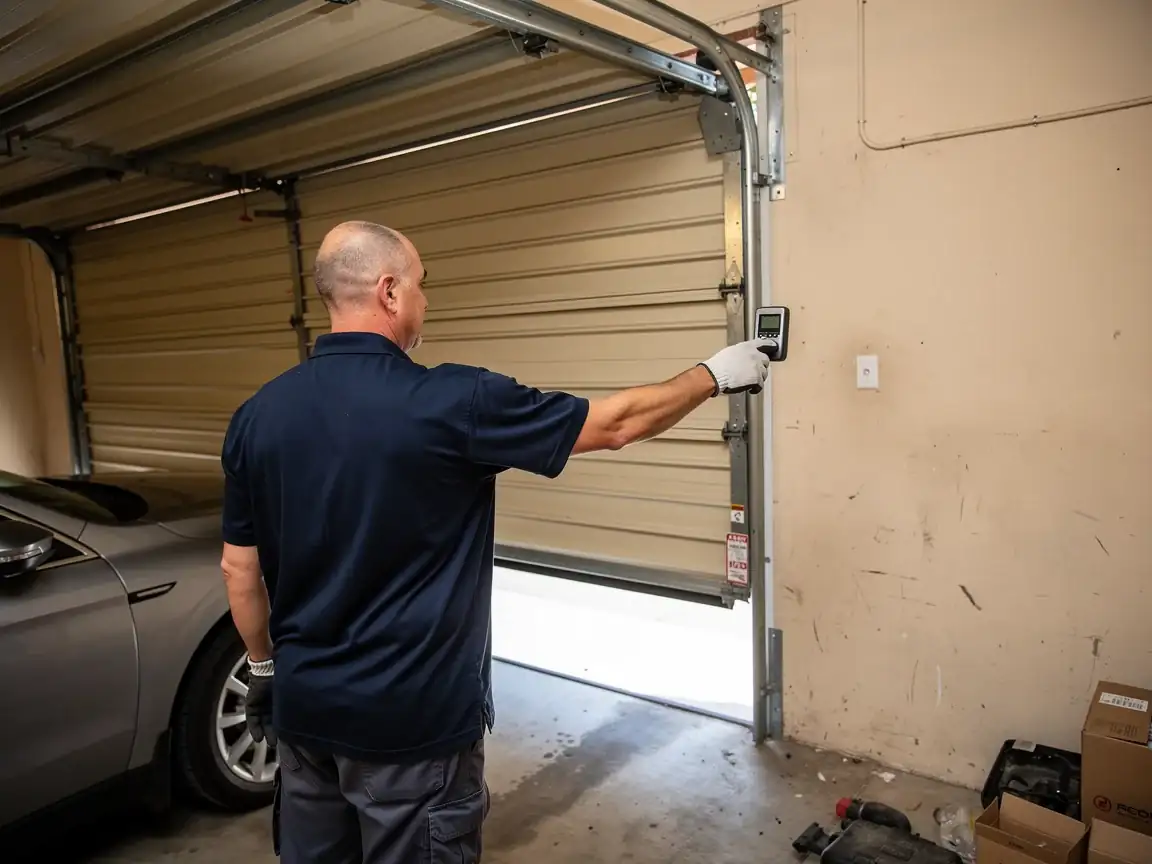
A technician holds a remote control while standing next to an open garage door.
4

Repaired & tested

The repair is done, the door is set true and tested, and the work area left clean.

Not sure which repair your door needs in Woburn, MA? Describe what it’s doing - every job starts with a diagnosis.

How we work

What to expect

Diagnosis firstEvery visit starts by finding what actually failed - not a pre-written parts list.
The right part for the doorSprings and openers matched to the door’s weight and age, so the fix holds up.
Straight answersWhen a repair makes more sense than a replacement - or the reverse - you hear it plainly.
Clean, careful workTension released safely, hardware set true, the door tested under power before we leave.
What we do

Garage Door Services

Repair and installation work for Woburn homes and businesses.

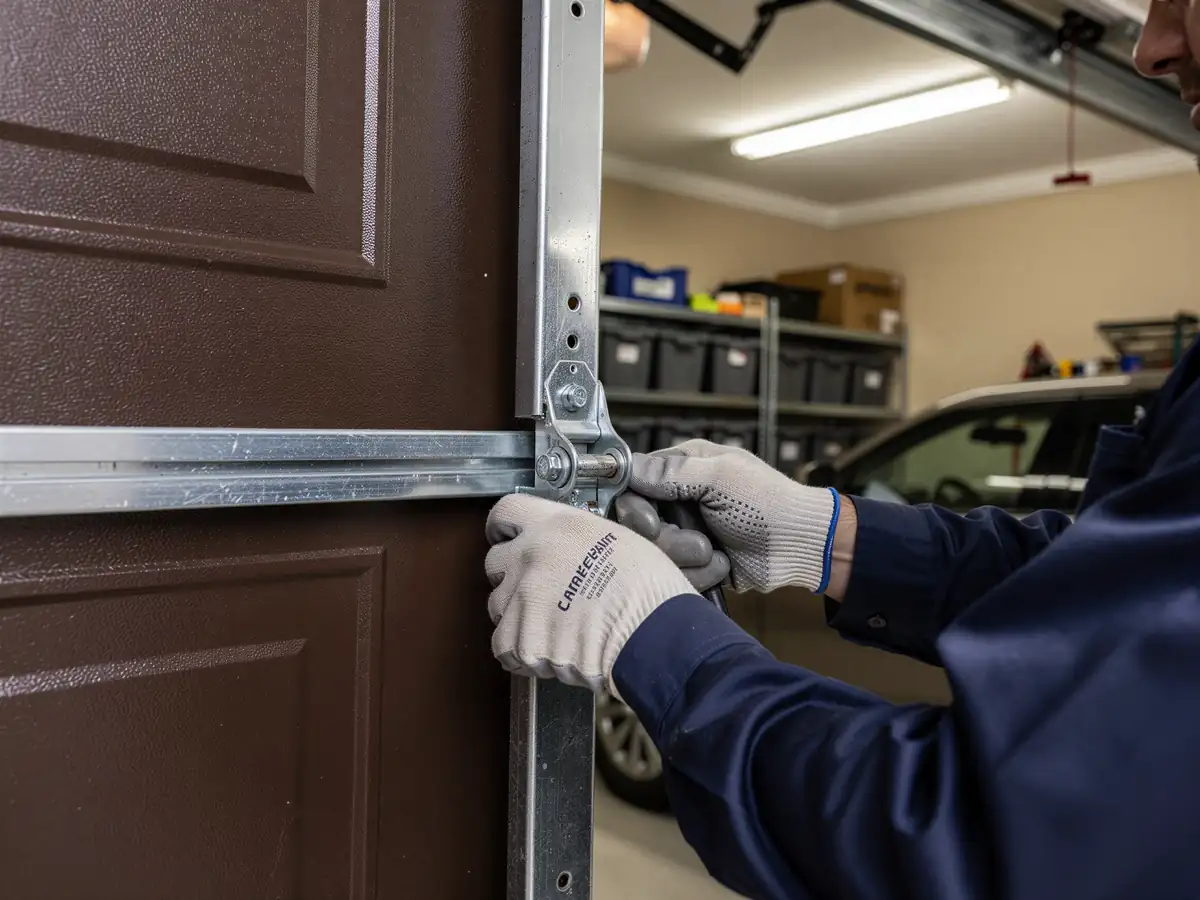
A technician in gloves adjusts the metal track of a brown garage door.

Garage Door Repair

Garage door repair for Woburn homes built 1938-1988. We carry the torsion springs and rollers that fit this area's original openers and cold-climate hardware.

Learn more
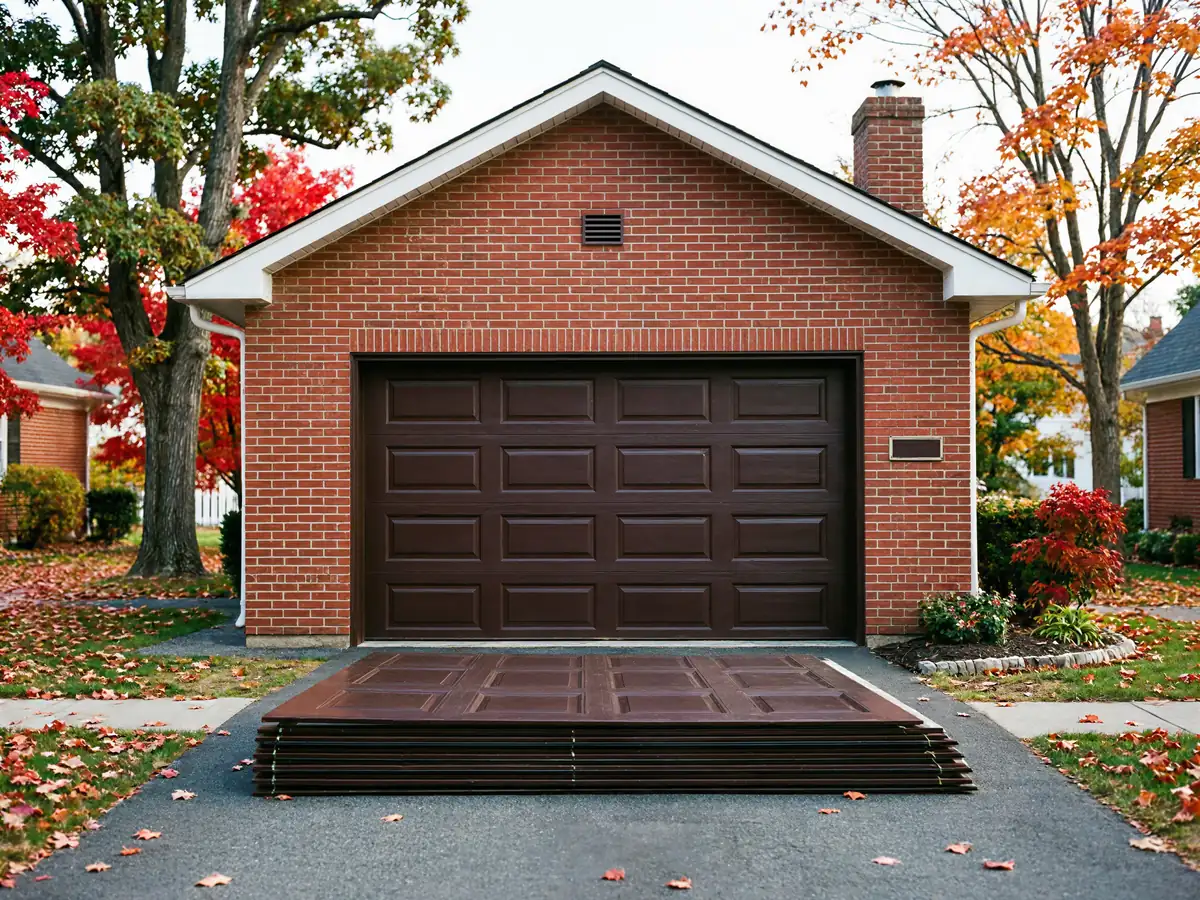
A brown garage door on a brick house with new door panels stacked on the driveway.

Garage Door Installation

Replacing a garage door on a Woburn house built between 1938 and 1988 means matching the original rough opening, not just picking a door off the shelf. Here's what that job actually involves.

Learn more
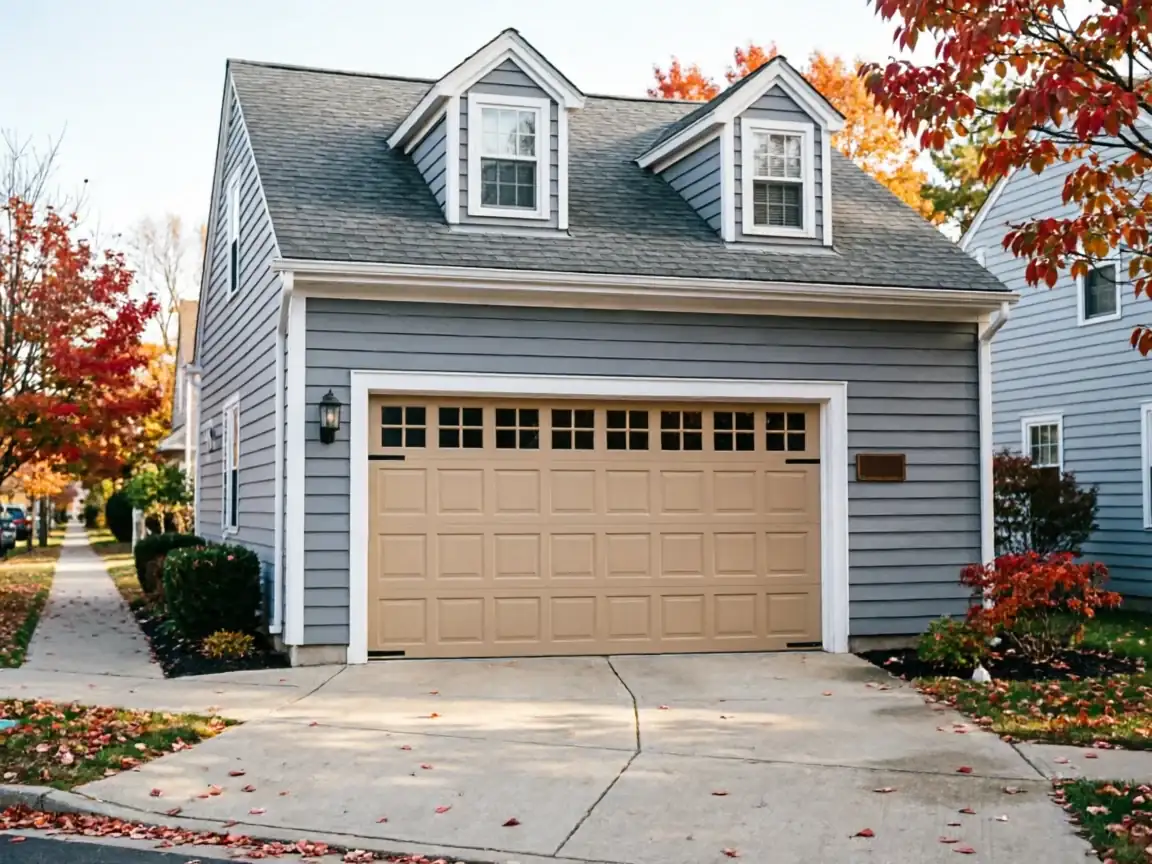
The garage door is tan with windows, on a gray house with dormers.

Garage Door Service

Spring, cable, and opener repair for Woburn homes built 1938-1988. We stock the torsion springs this era of builder-grade door actually needs.

Learn more
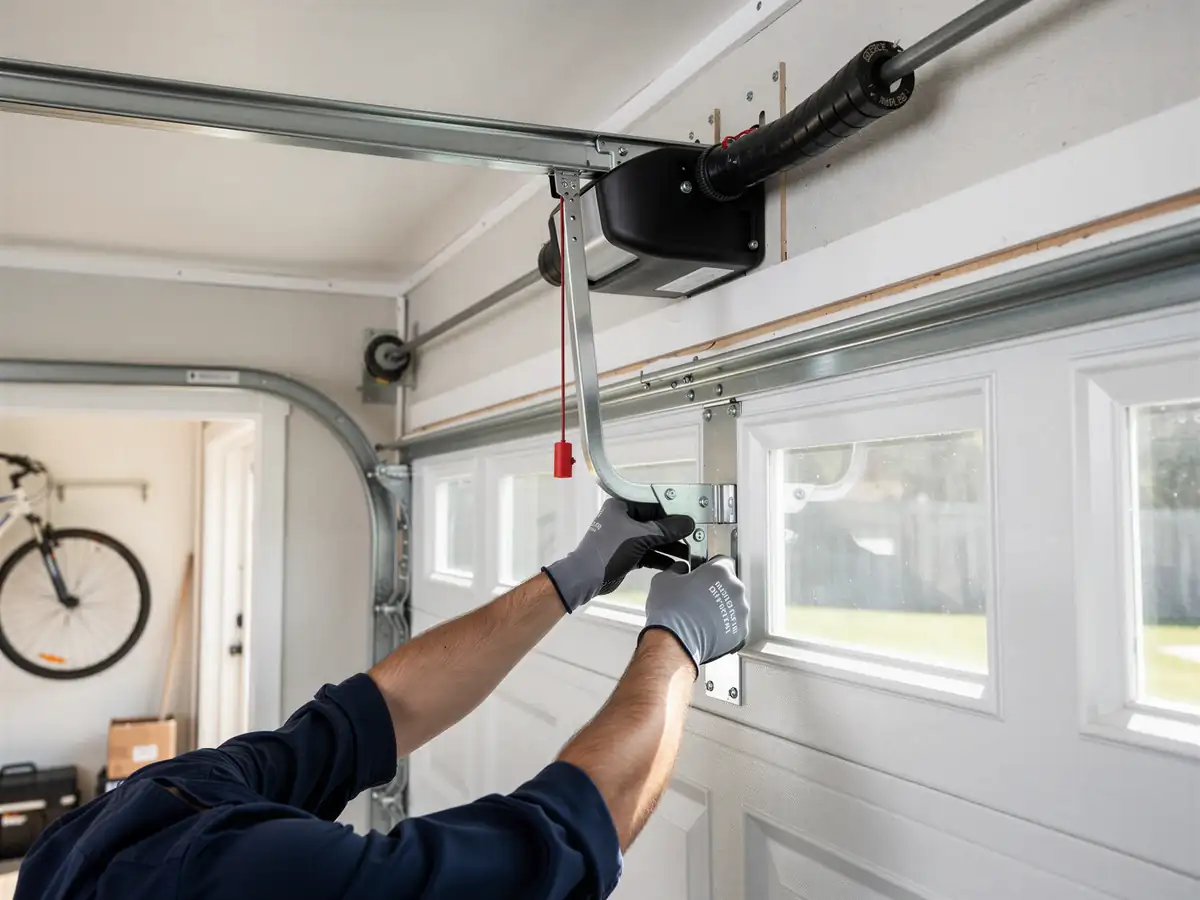
A technician's gloved hands are adjusting a garage door hinge and roller.

Opener Installation

Opener installs and swaps for Woburn's 1960s-70s housing stock, built for cold-climate loads and the chain-drive units that came standard on original builders.

Learn more
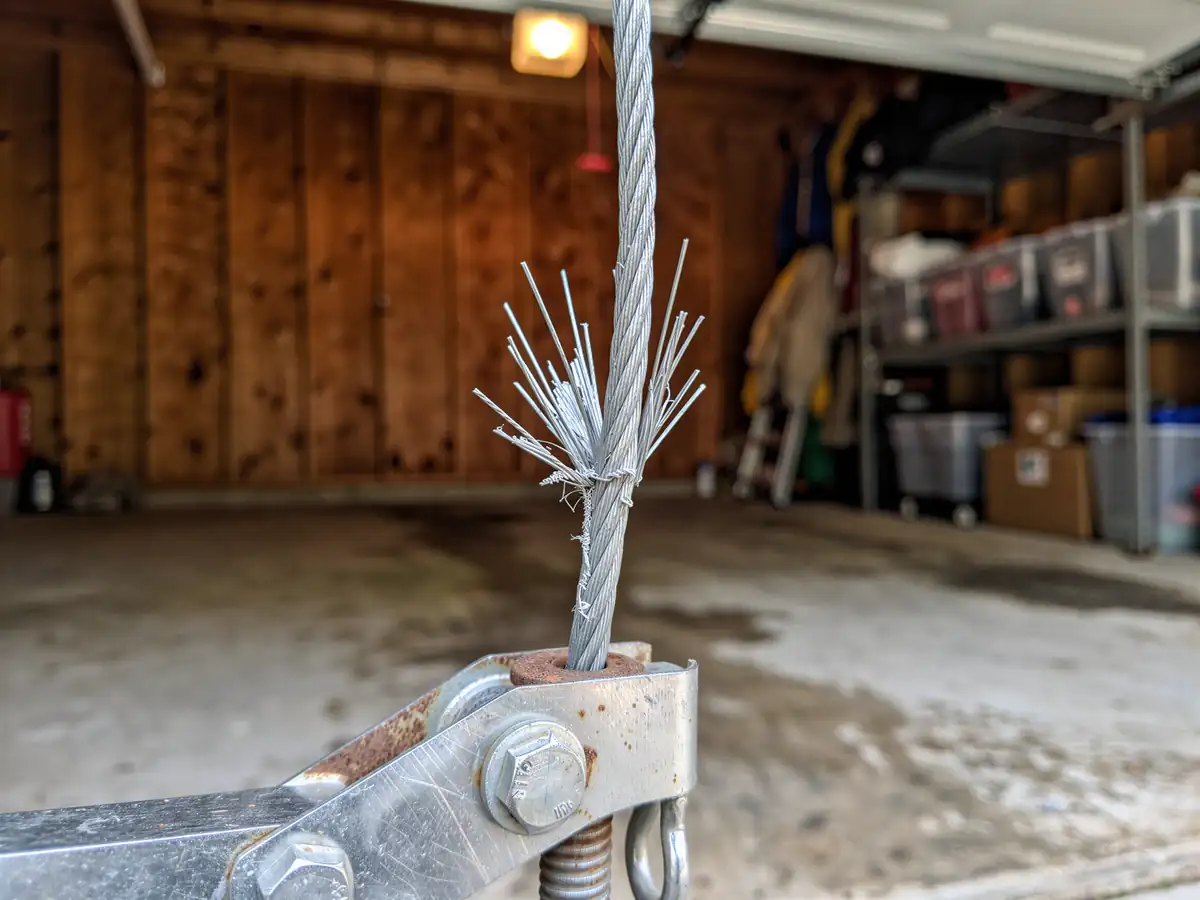
The frayed garage door cable is attached to a metal bracket in a garage.

Cable Repair

Cable repair for Woburn garage doors: why cables snap in houses built mostly in the 1960s and 70s, what we stock on the truck, and what the fix actually involves.

Learn more
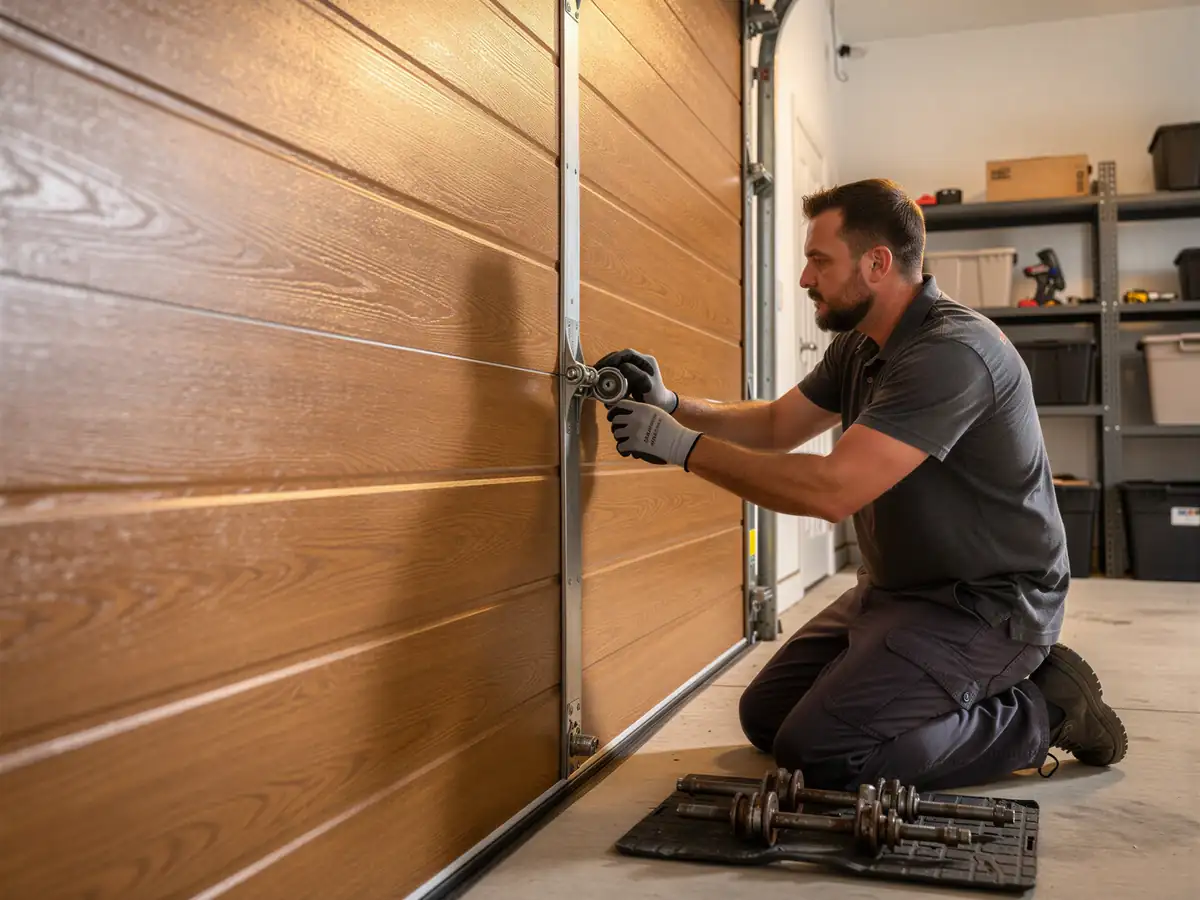
A technician kneels, adjusting a roller on a brown wood-grain garage door.

Roller Replacement

Worn or cracked rollers on a Woburn garage door usually trace back to original steel hardware from the 1960s building boom. We stock matching rollers and fix it right.

Learn more
A technician stands in front of a brown garage door that is partially open.

Maintenance

Woburn Garage Door Pros handles spring, roller, and opener maintenance for the 1960s-70s housing stock across Woburn and the surrounding service area.

Learn more
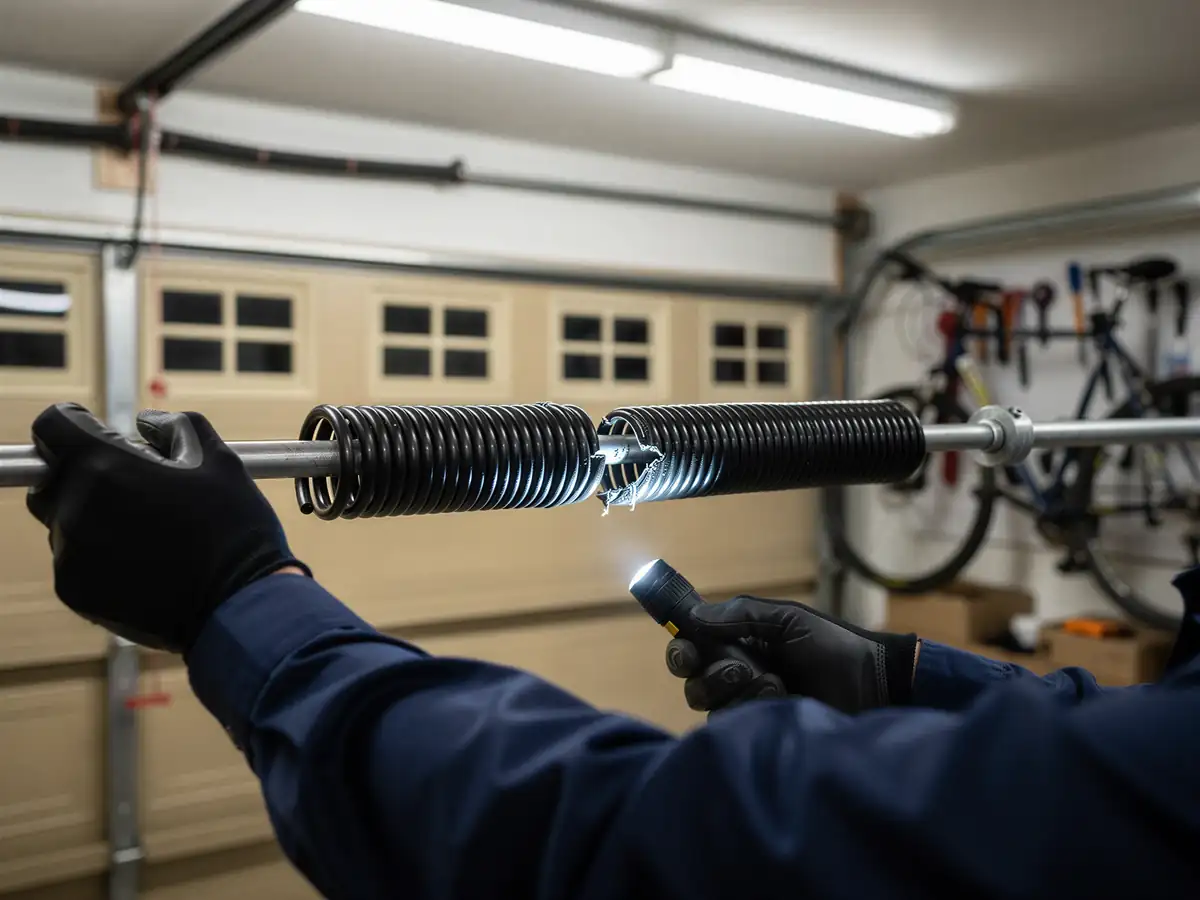
A technician inspects a broken garage door torsion spring with a flashlight.

Emergency Garage Door Repair

Broken spring or dead opener at 6am in Woburn? We stock parts sized for the 1960s-70s torsion hardware common across this area and get doors moving again.

Learn more
Questions

Frequently asked

Straight answers about garage door repair in Woburn. Still unsure? Ask us directly.

My garage door bangs loudly once in a while but still opens fine. Is that urgent?

Treat it as urgent. On the torsion hardware common in this area's 1960s-era housing stock, a bang like that is often a spring starting to fail, not a one-time fluke. Stop using the opener and get it looked at before the spring lets go completely, especially in cold weather when brittle metal is more likely to snap outright.

Why does my door sound worse in winter than in summer?

Cold thickens grease and makes steel hardware contract slightly, so parts that run loose in warm weather bind and grind in winter. This is especially common on original hardware in houses built in the 1938-1988 range that makes up most of the area - the parts simply weren't designed around today's lubricants.

Is a squeaky hinge something I should fix myself?

Usually, yes. A squeak that doesn't change the door's motion or alignment is typically just a dry hinge or roller. A can of garage-door-rated lubricant on the hinges and rollers solves most of this. It's the noises paired with uneven movement or sudden bangs that need a professional look.

Ready to get your garage door sorted?

Tell us what it’s doing and where you are in Woburn - we’ll take it from there.

Request a QuoteCall