Stocked Parts
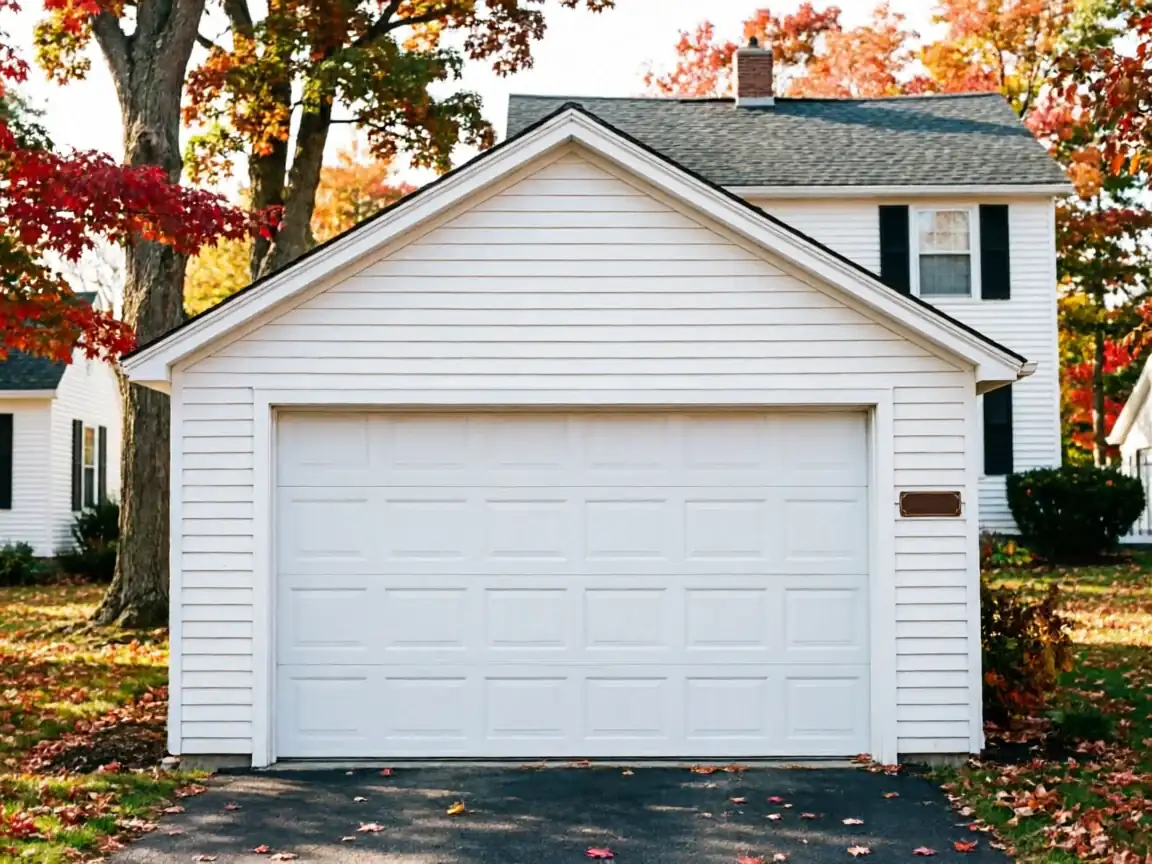
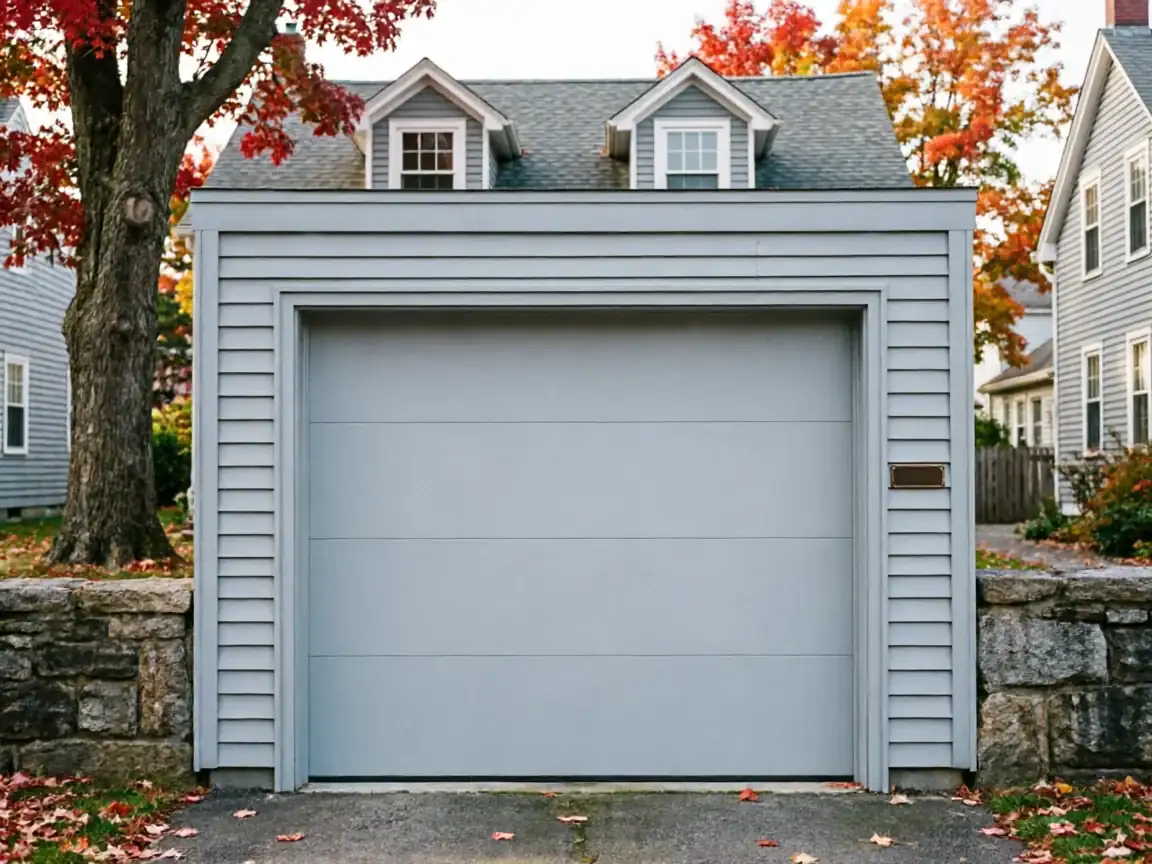
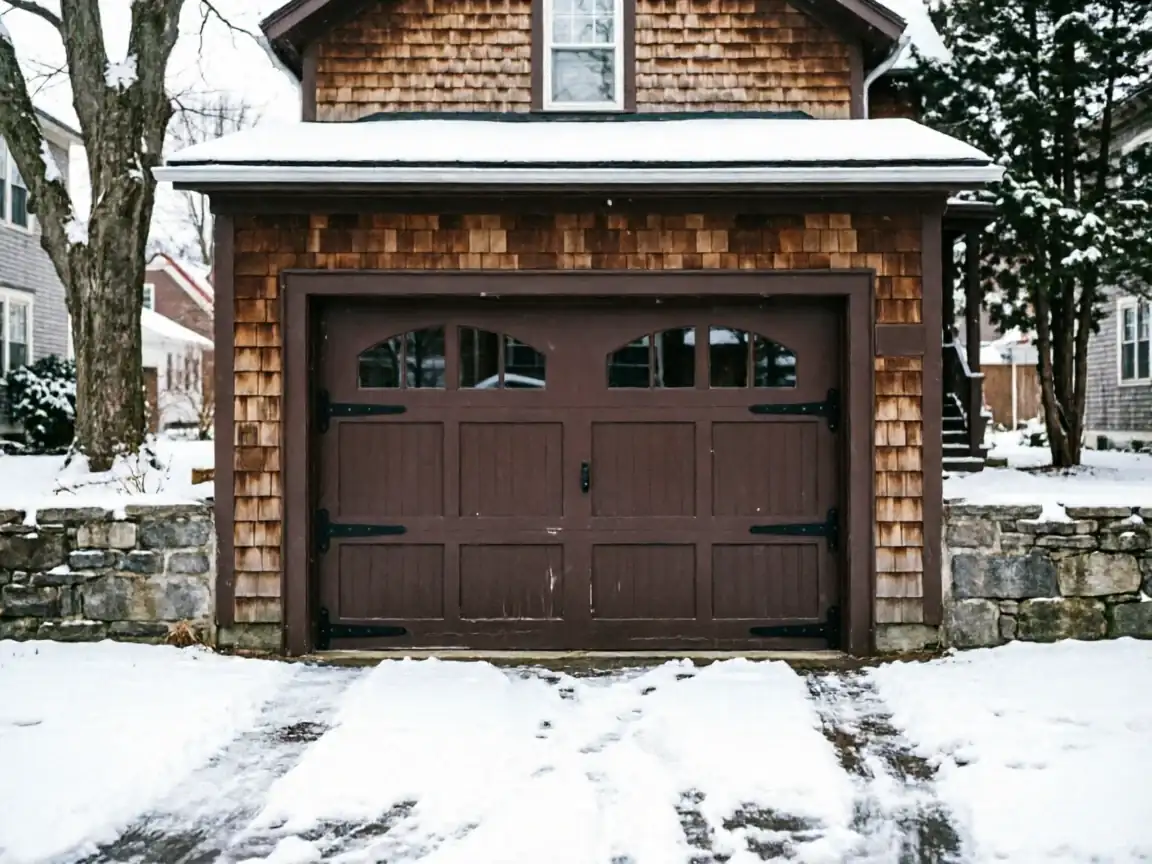
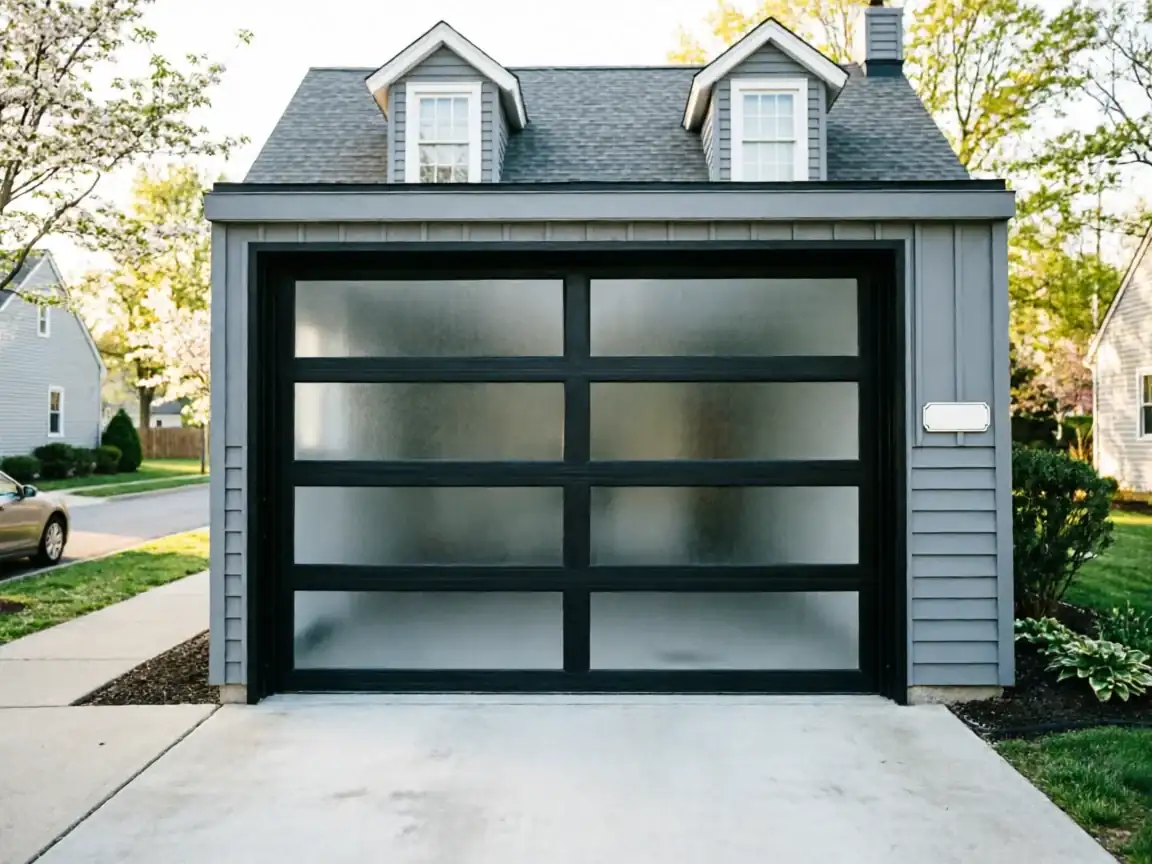
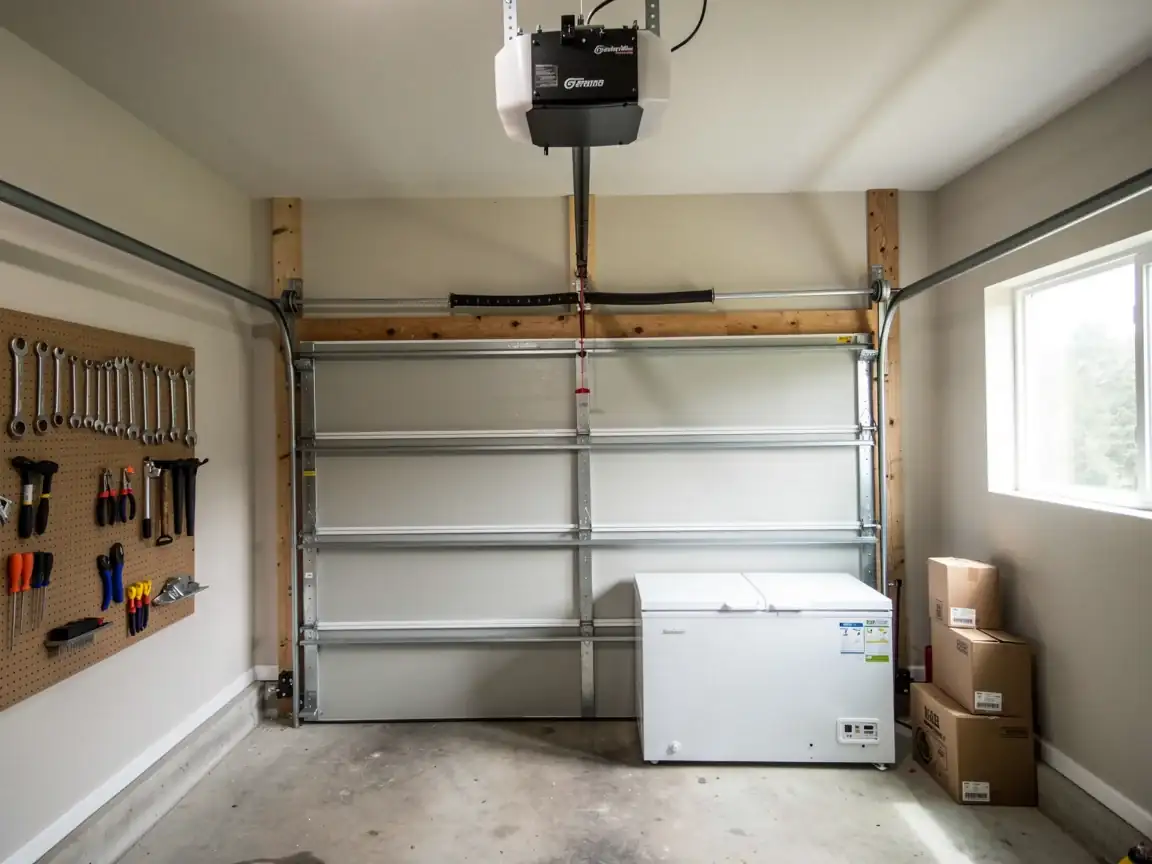
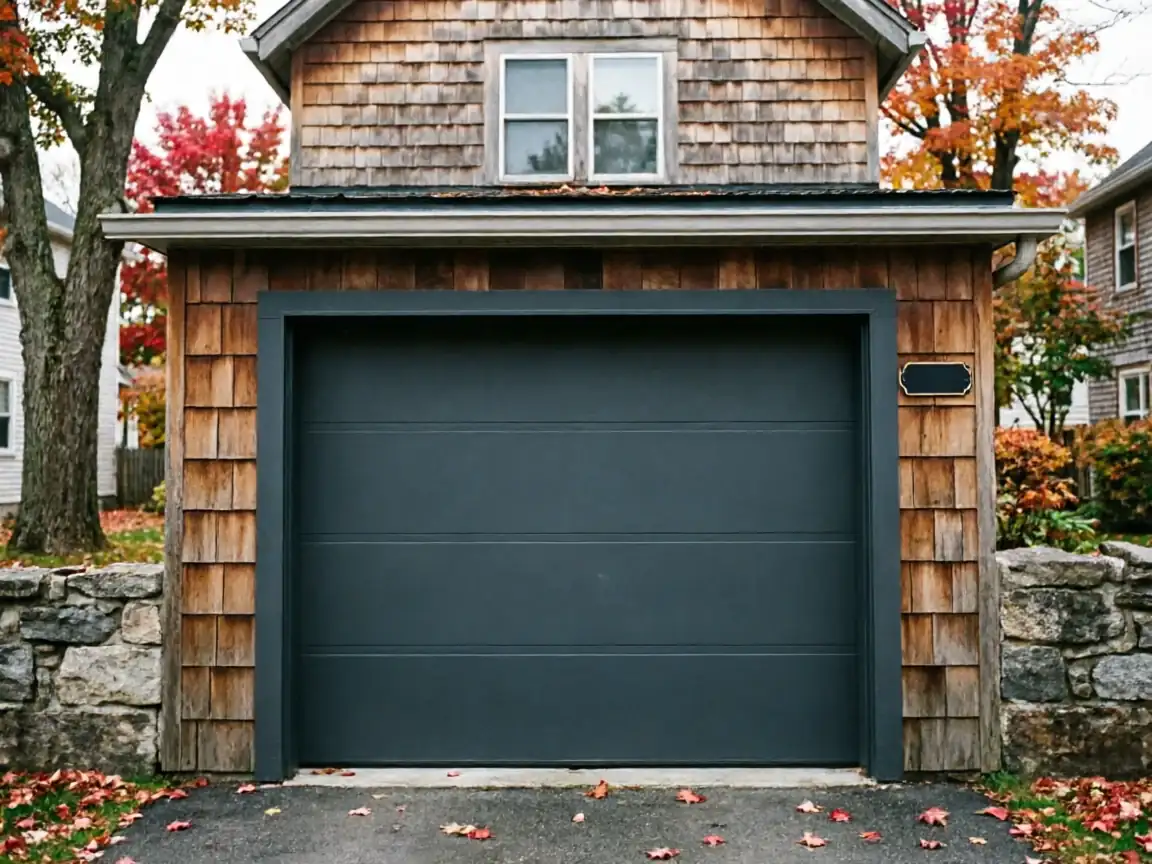
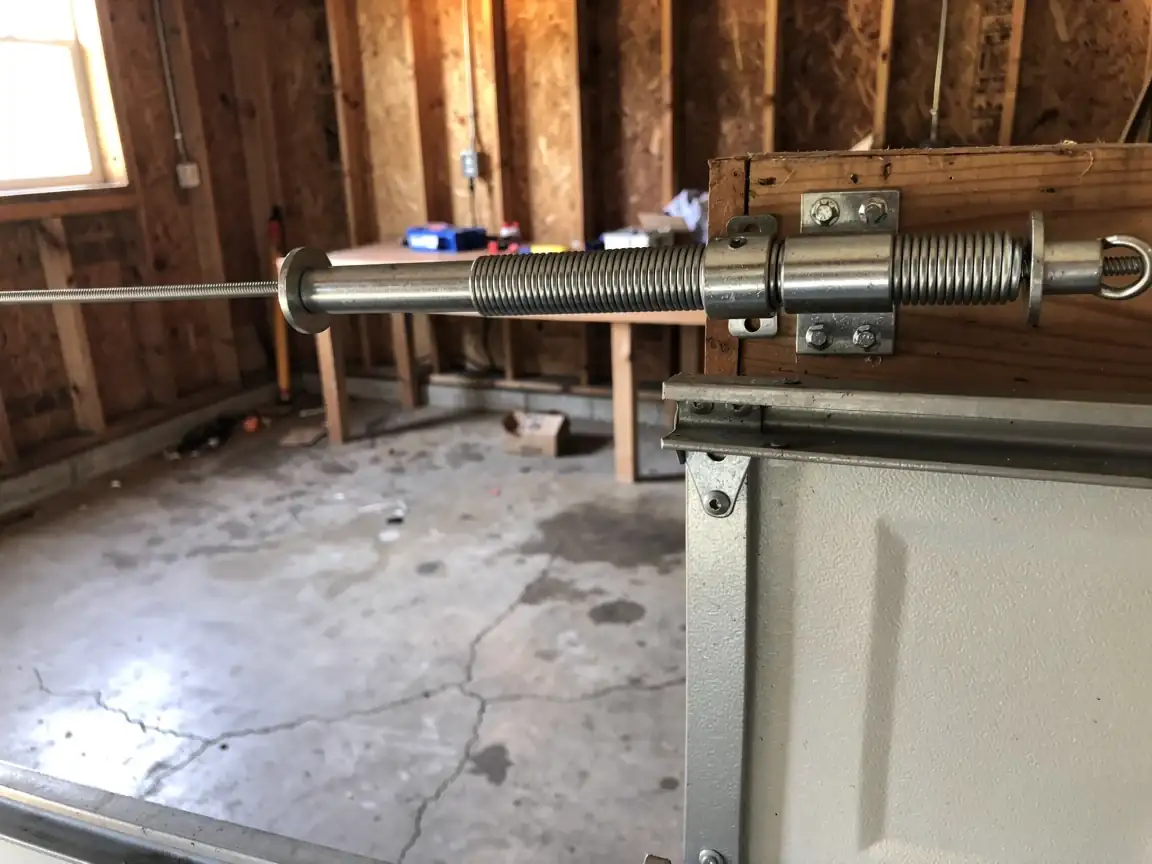
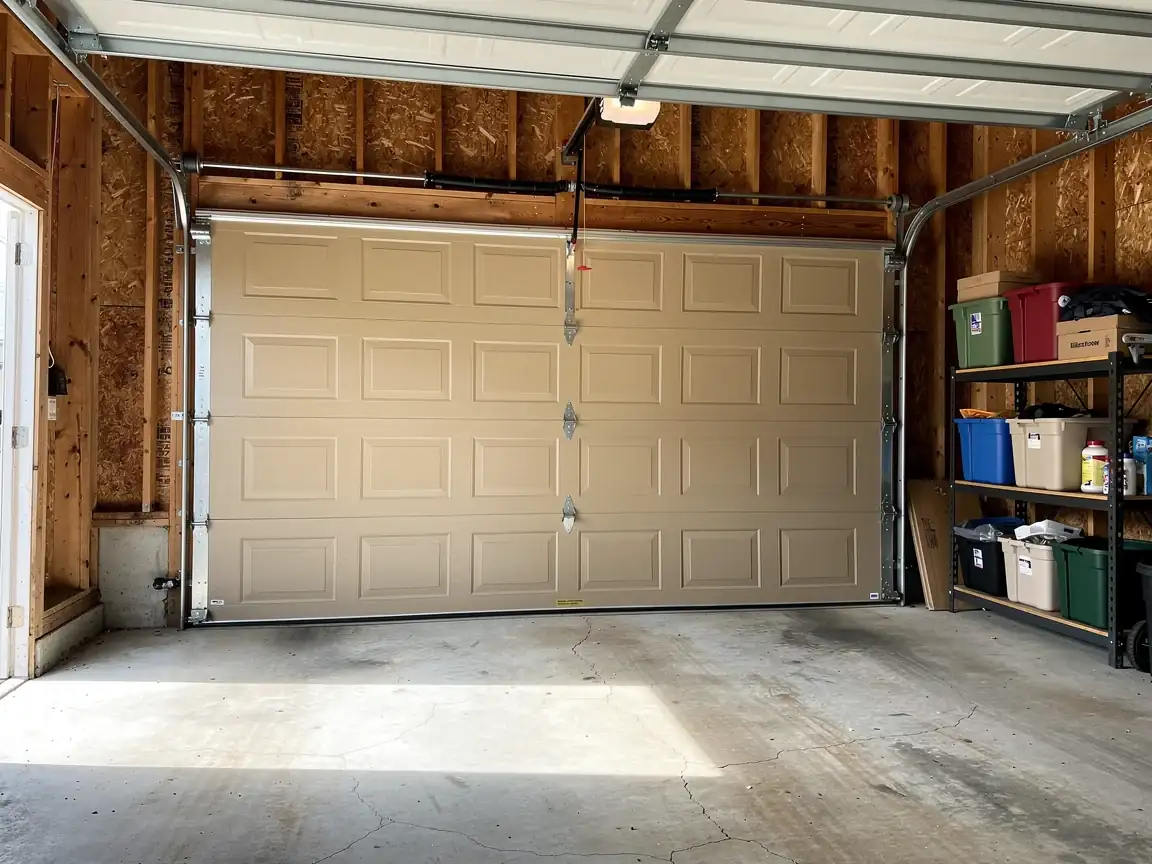
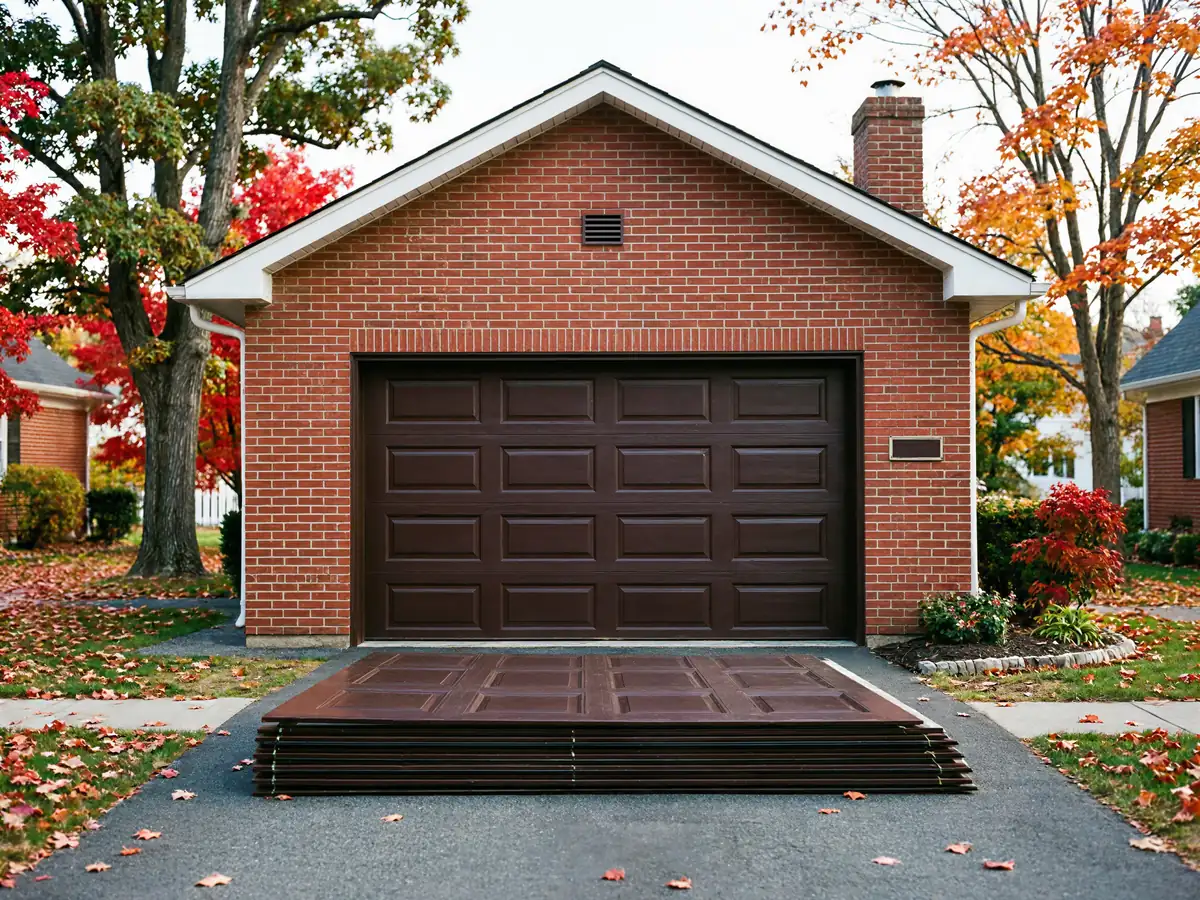
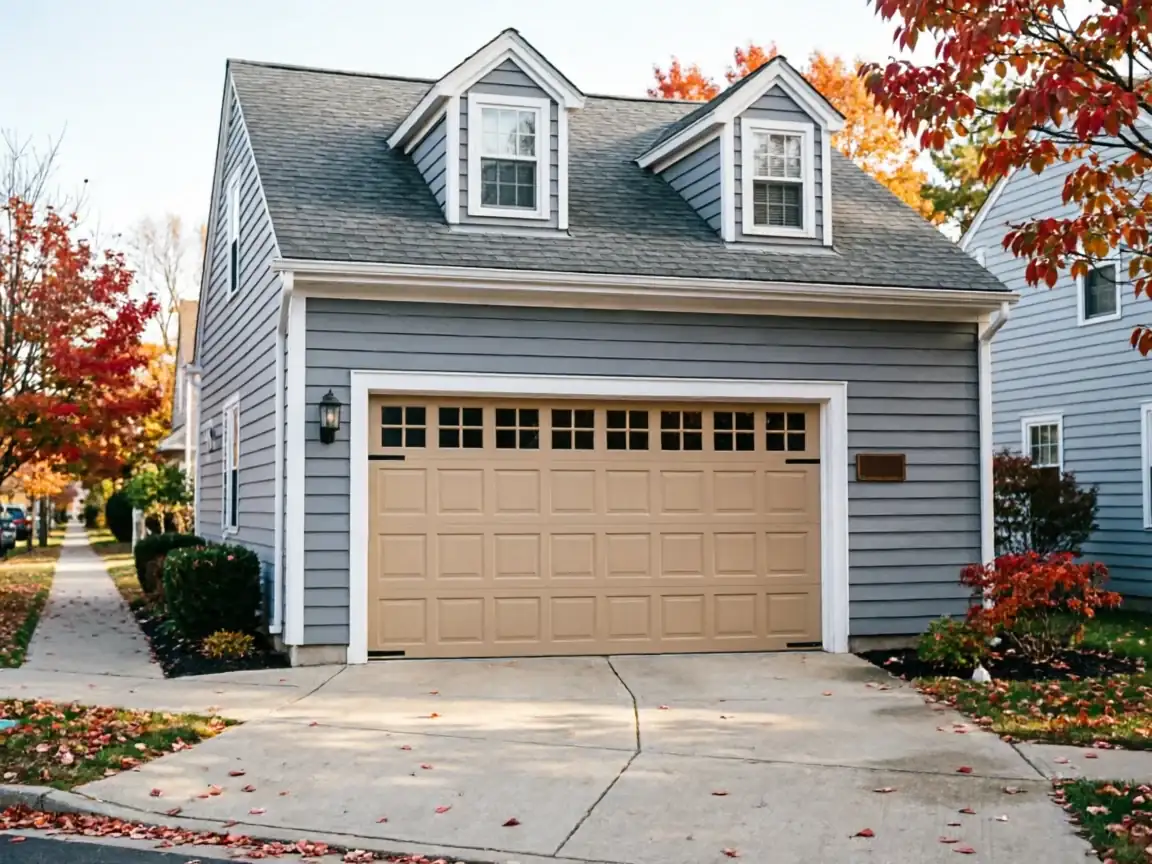
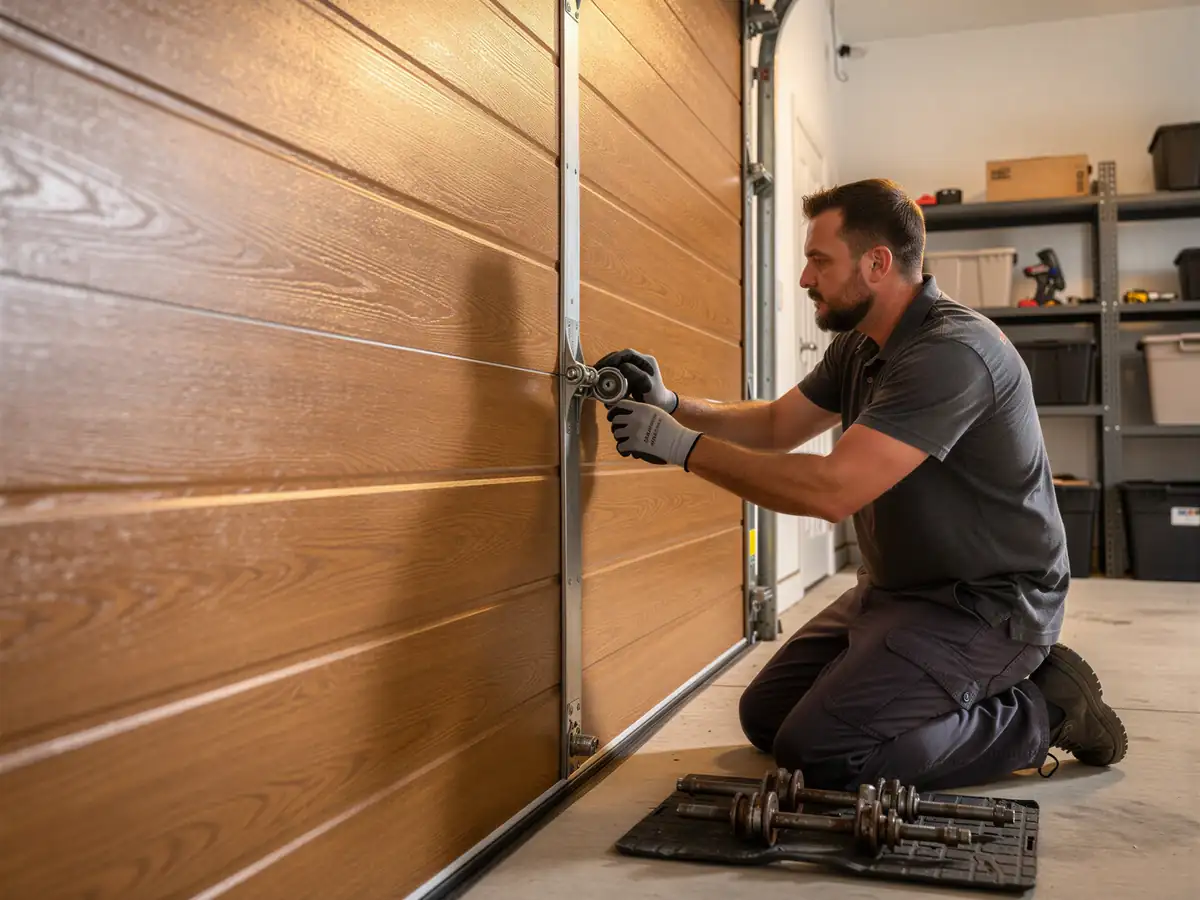
Most of Reading went up around 1960, and the garage doors that came with those houses are steel sectional units, usually 16x7 for the two-car builds or 9x7 for the single bays, hung on side-mounted torsion springs rather than the center-mount setups you see on newer construction. That hardware is still common enough that we carry it on the truck: standard torsion springs in the sizes that fit a 7-foot door, galvanized lift cables, and steel rollers in both the sealed and open-bearing styles depending on what the original builder used. What we don't stock is anything custom - if a door was replaced at some point with an odd-width insert or a wood carriage-style panel, that's an order-in part, and we'll tell you that on the call rather than pretend otherwise. For the stock 1960-era door, though, the repair usually doesn't wait on a part.
Where This Job Goes Sideways
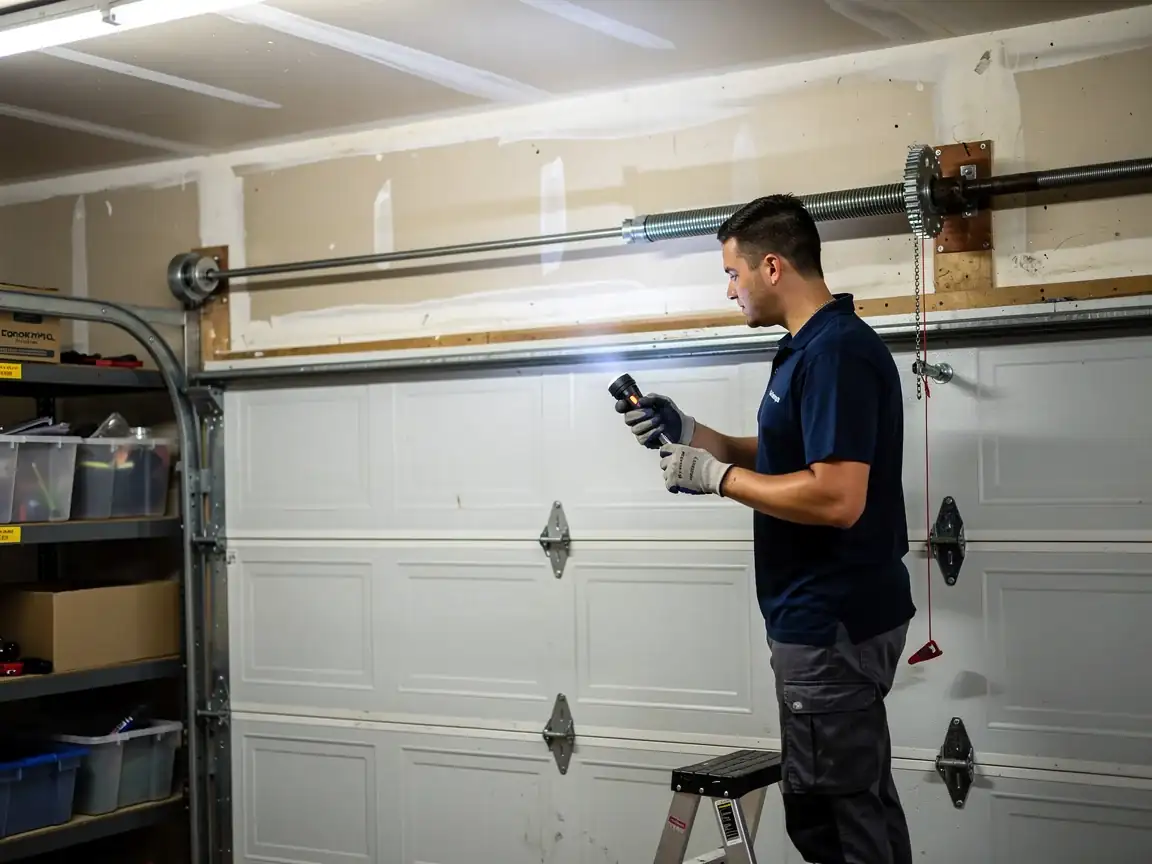
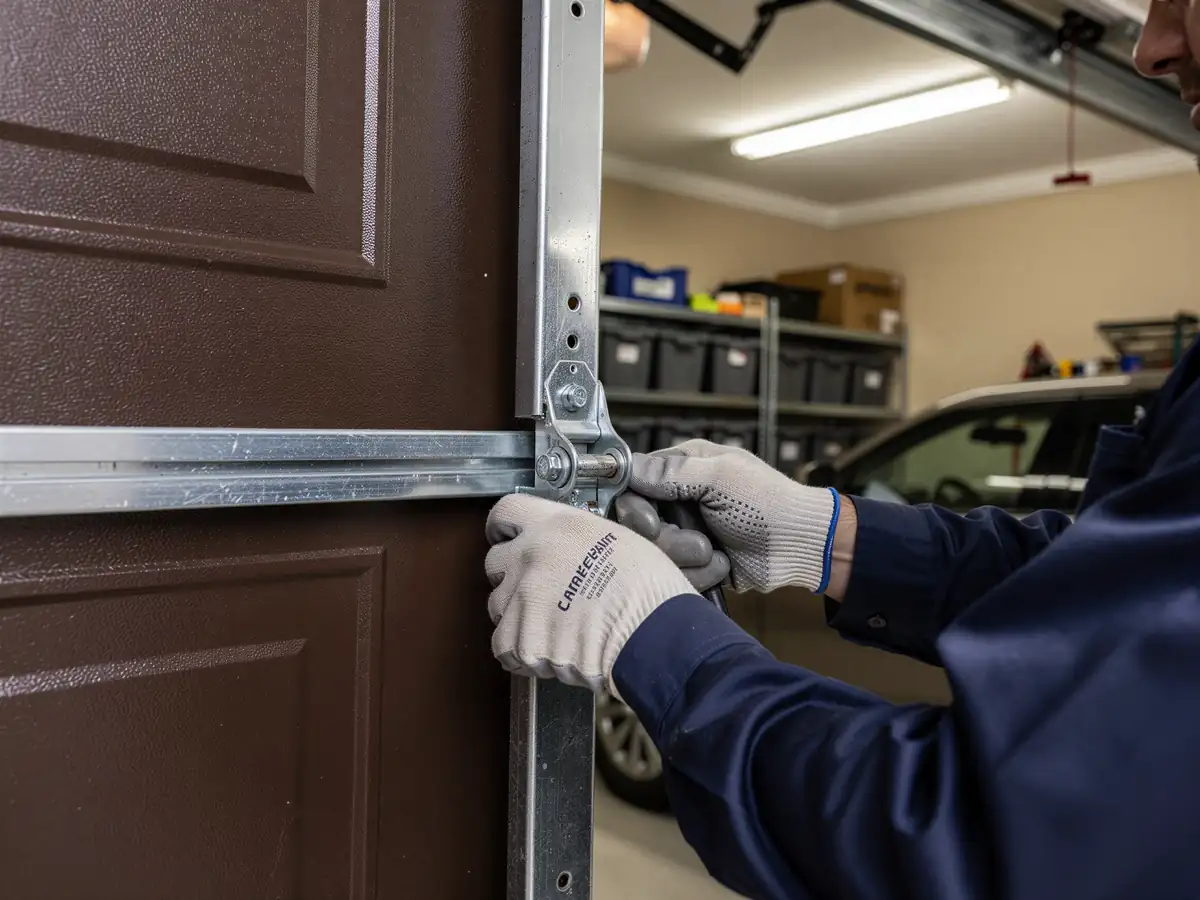
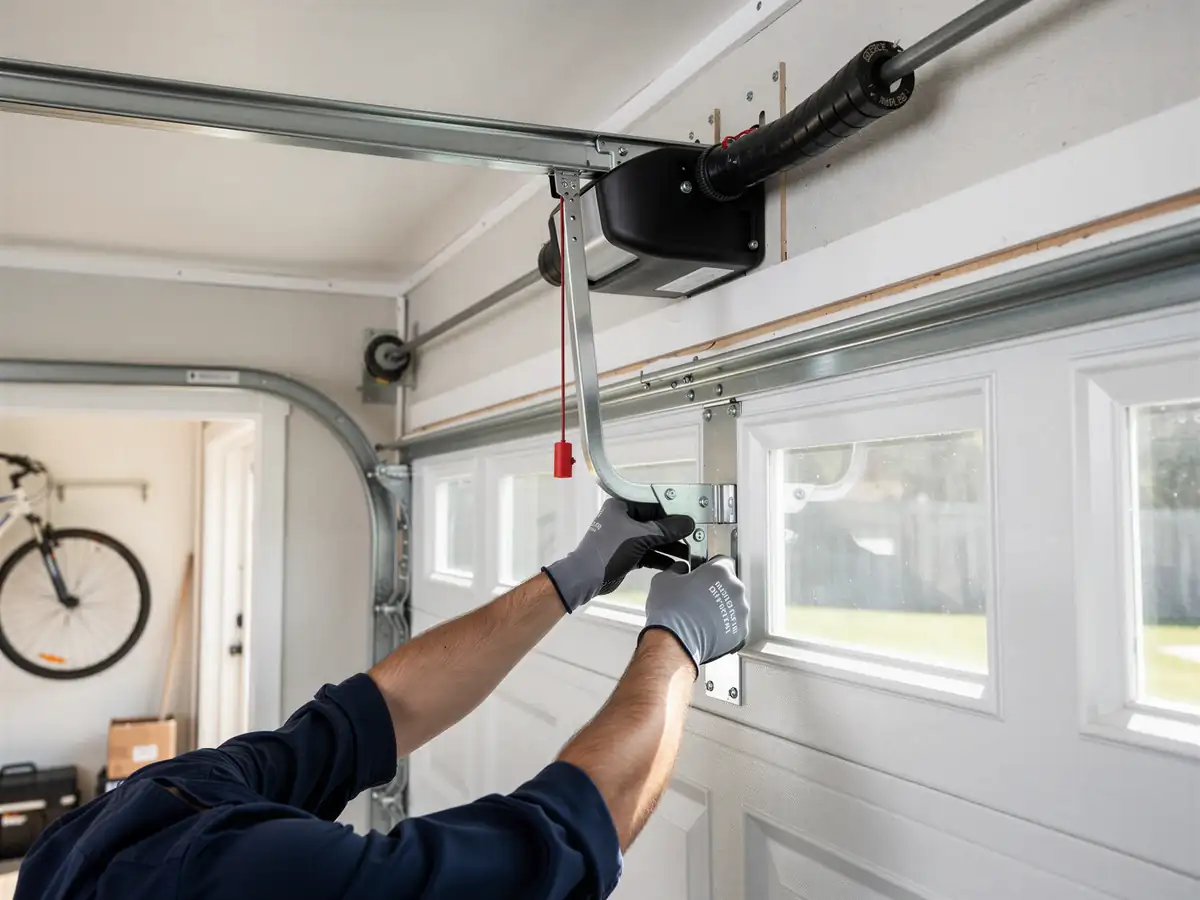
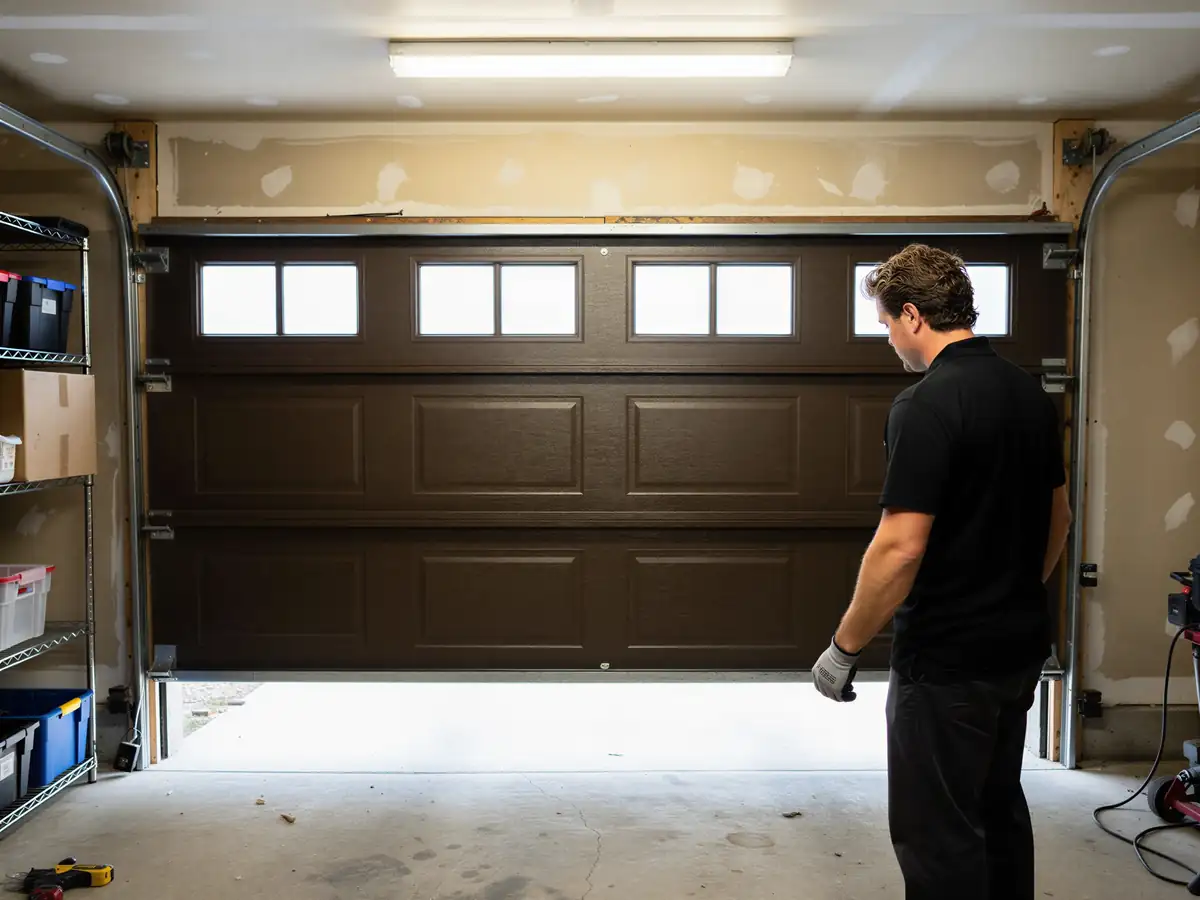
A door built around 1960 has had roughly six decades to work on its original drums, end bearings, and track brackets, even if the spring itself was swapped at some point. The failure that looks simple - a snapped torsion spring - often isn't the only thing wrong. The drum it was wound on can be scored, the end bearing plate can be rusted into the jamb from the region's cold, damp winters, and the track itself can have shifted a few degrees out of plumb over fifty-plus years of frost heave under the slab. We see it more in this housing band than in newer builds: you replace the spring, the door lifts, and it's still binding on a bent track or a dragging roller nobody flagged. That's the honest limitation here - a clean spring swap on a 1960 door sometimes turns into a two-hour job instead of a forty-minute one, and we'd rather say that up front than quote you low and walk it back at the house.
The Symptom
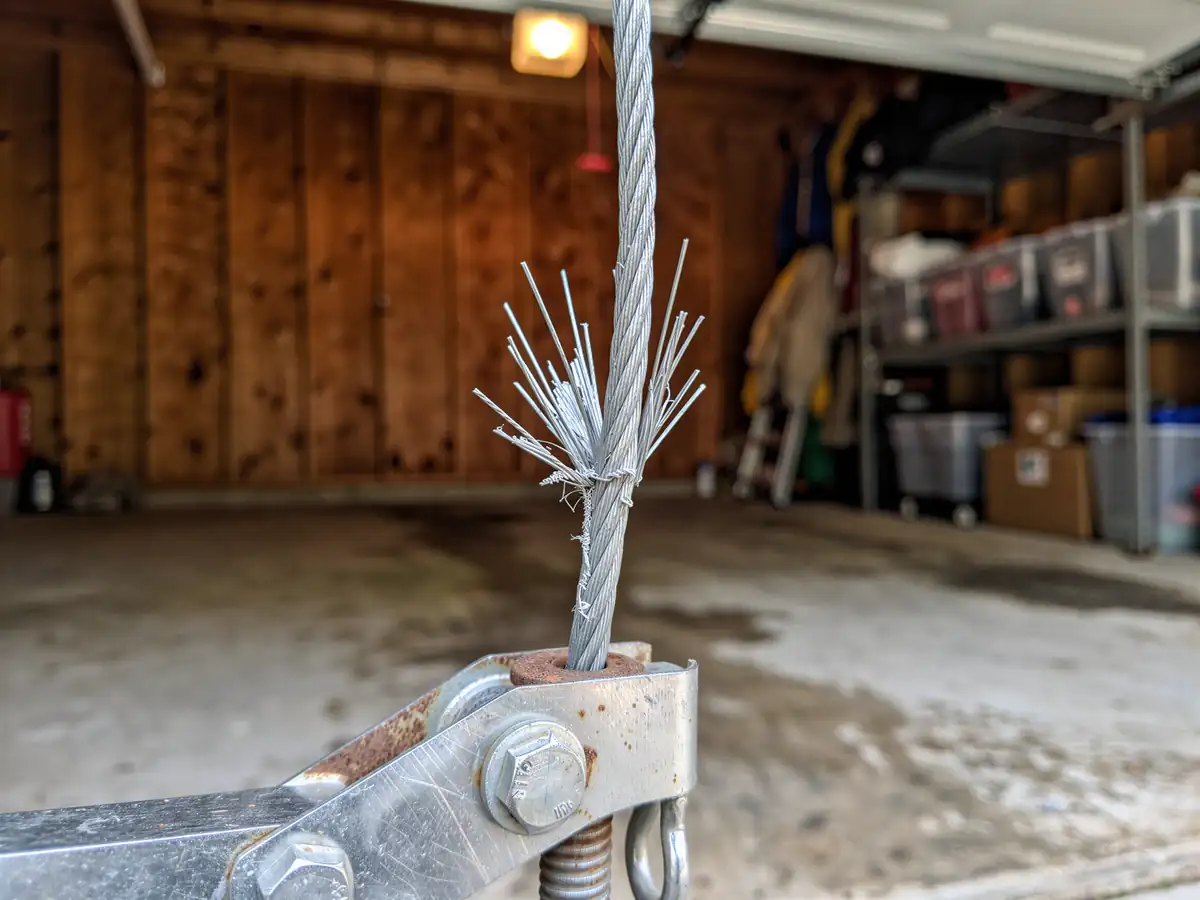
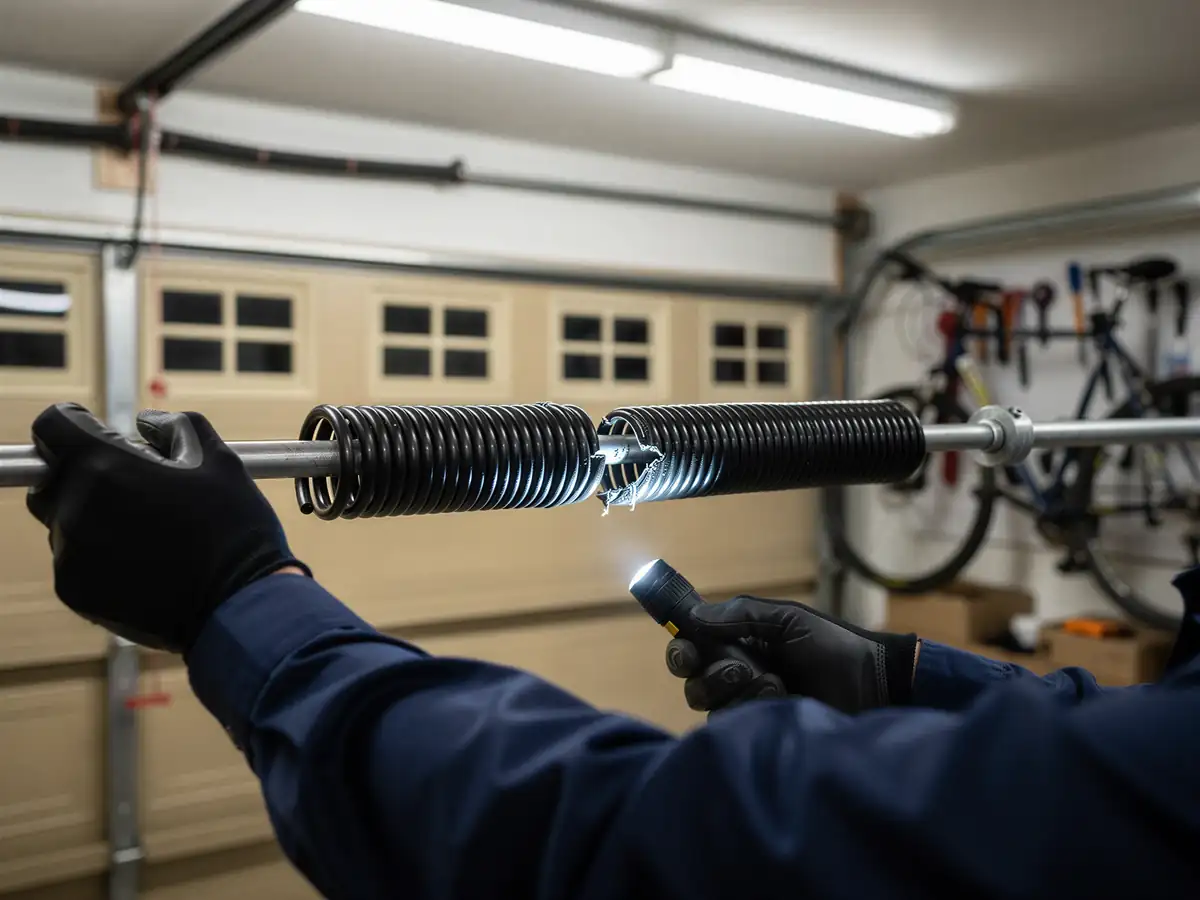
If the door won't budge and one cable is hanging loose instead of taut, that's a broken spring - common on the 1960s torsion setups that make up most of Reading's stock, and not a job to force open by hand or opener. If it opens but sags on one side partway up, that's usually a cable or a drum, not the spring, and running the opener against it will strip the gears. A door that's noisy going up but otherwise working is a roller problem most of the time, and it can wait for a scheduled call rather than an emergency one. The one case where replacement beats repair: if the panels themselves are rusted through or the track brackets have pulled out of rotted jamb wood, a new spring won't fix a door that's structurally done - we'll say so rather than sink a repair into it.