Stocked Parts
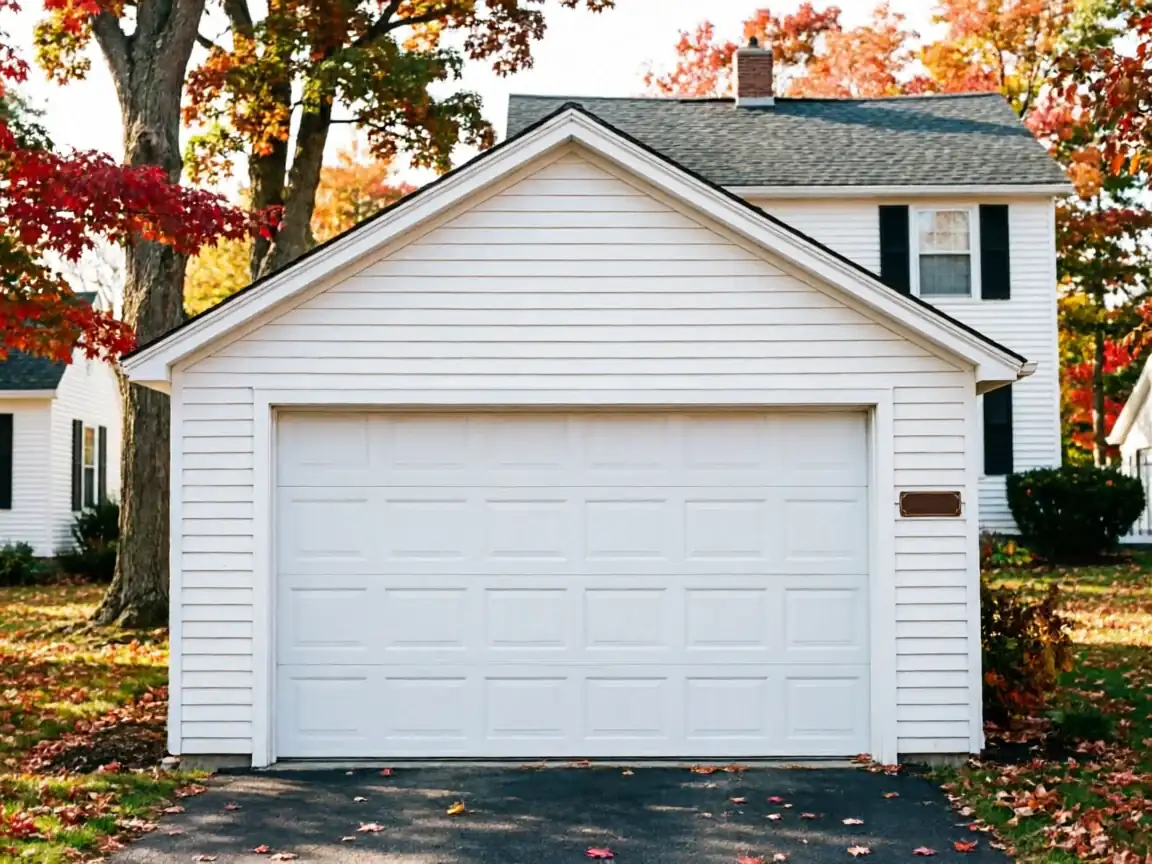
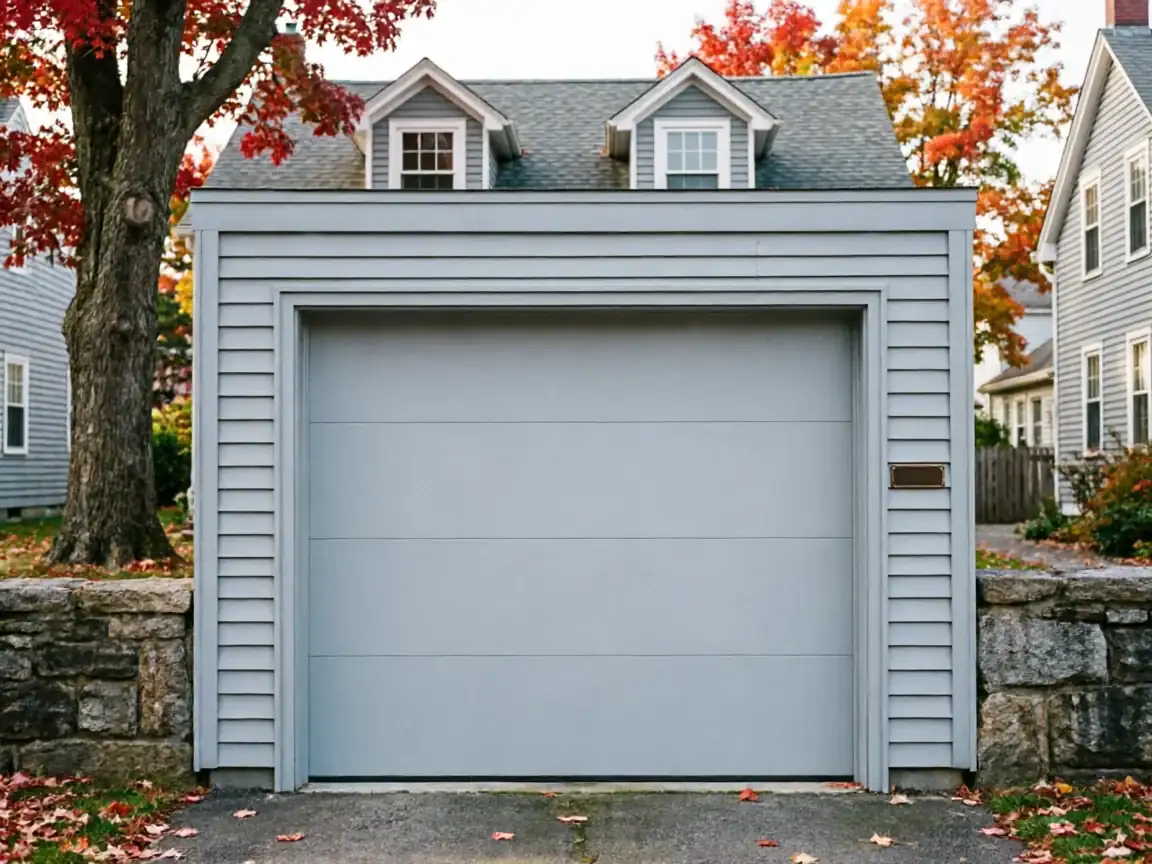
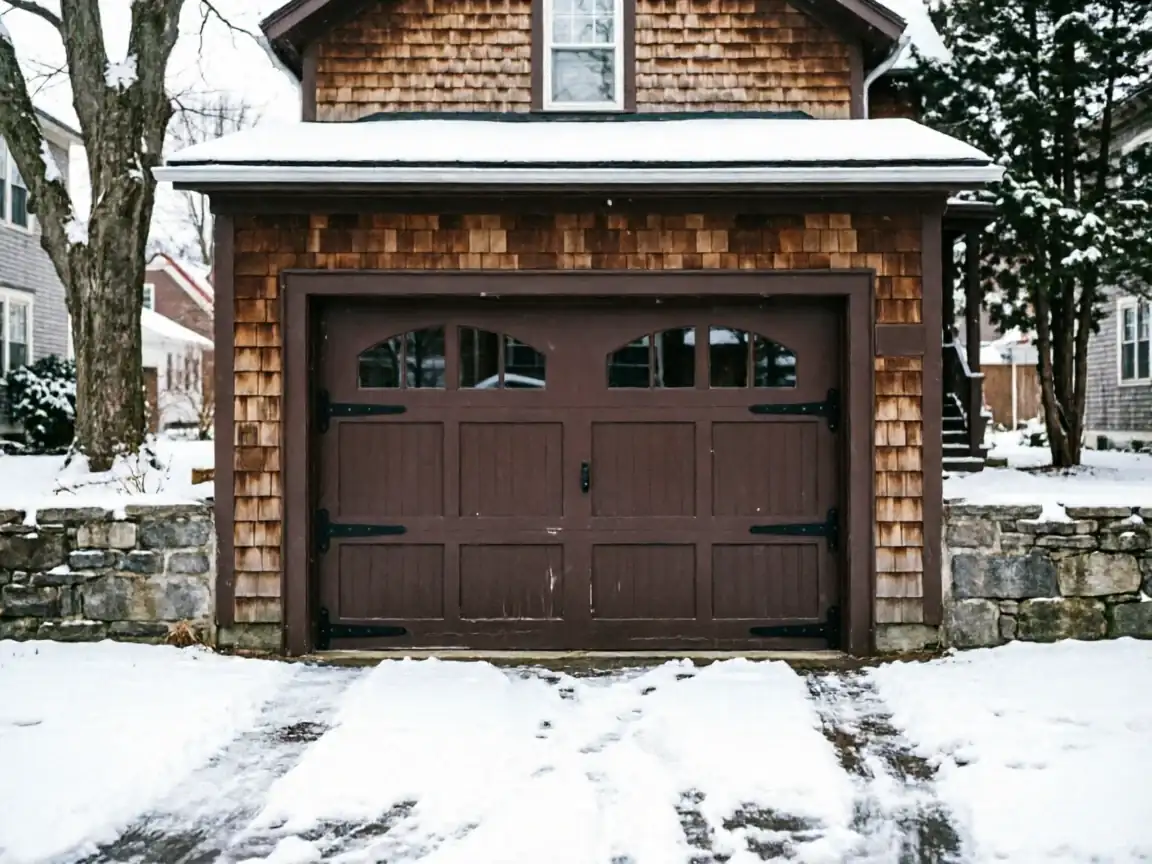
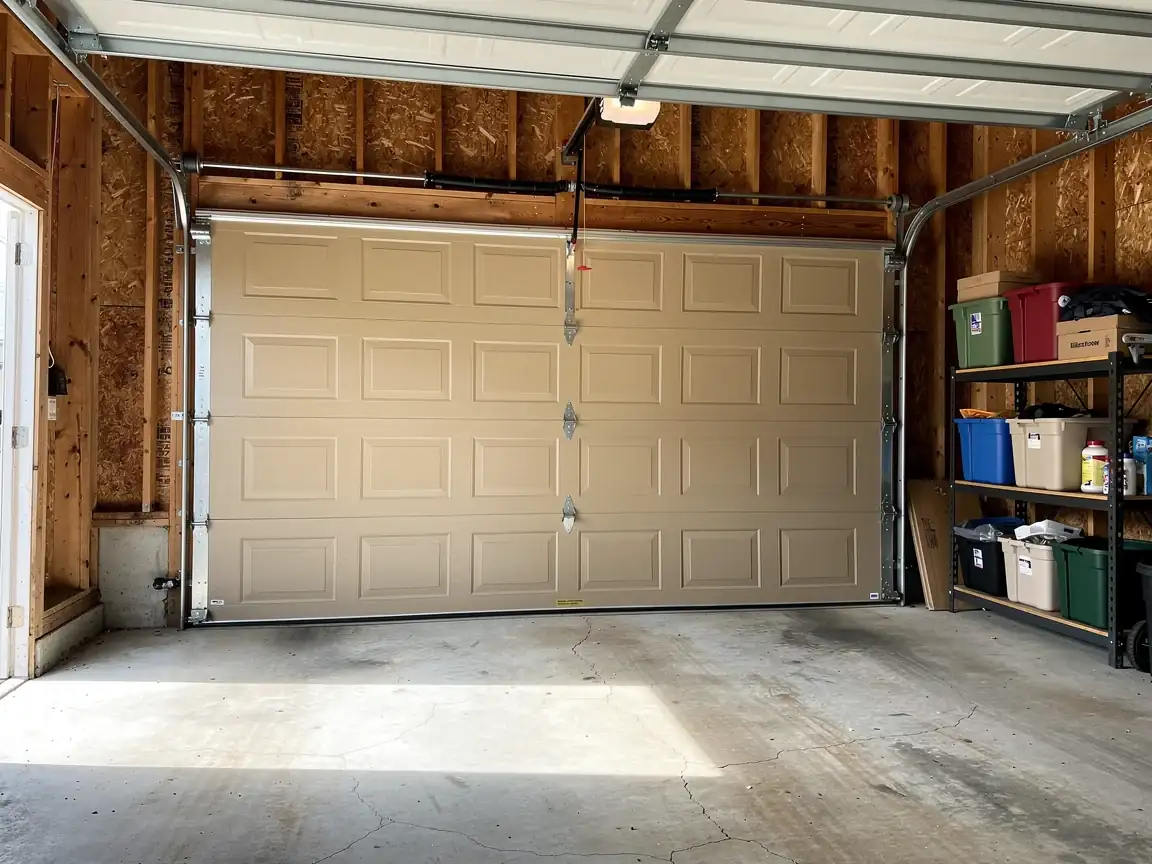
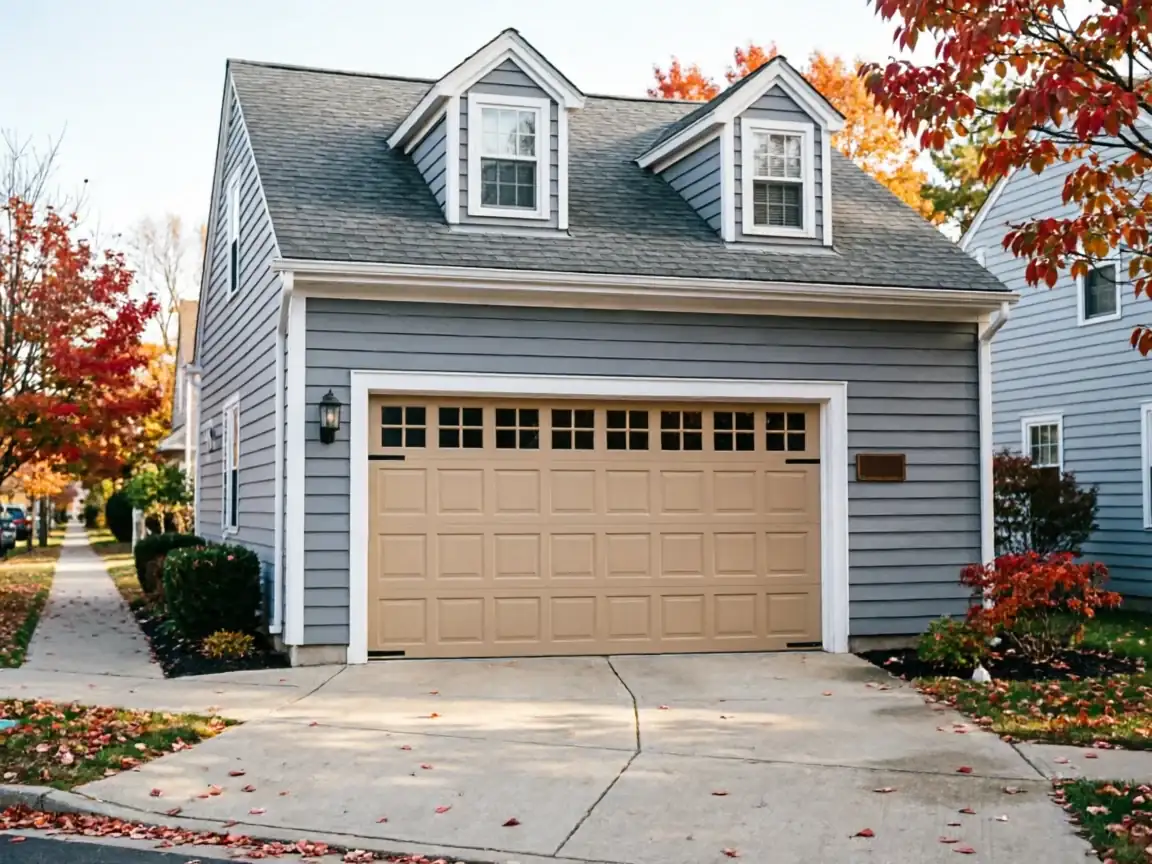
Most of the trouble on a Reading install traces back to one thing: the house was framed around 1960, before insulated steel doors existed. The original openings were cut for a single-layer wood or light-gauge steel door, usually 7 feet tall, with jamb depth that doesn't match a modern 2-inch insulated panel without some adjustment at the header and side jambs.
That 1960 median build year matters because it sits right in the middle of the 1938-1988 range that defines most of this service area's housing, and it's a notch older than some of the newer pockets nearby. We carry jamb extension stock, new header brackets, and track hardware sized for both the old 7-foot and newer 8-foot rough openings, because we don't know which one we'll find until we're standing in front of it.
We travel the 4 miles from our Woburn shop with that mixed inventory loaded, rather than guessing and making a second trip. On older Reading houses we also bring wider jamb brackets as a default, since the original framing rarely sits perfectly square after six decades of settling.
What we don't stock on the truck: custom wood doors built to a specific historic profile. Those get special-ordered, and that adds lead time we can't shorten.
Where This Job Goes Sideways
The failure point on a Reading install isn't usually the door itself, it's the opening. Houses from the early 1960s were framed to tighter rough-opening tolerances than builders use now, and over sixty years of frost heave, this being a severe-cold climate zone, that framing has shifted out of square more often than not.
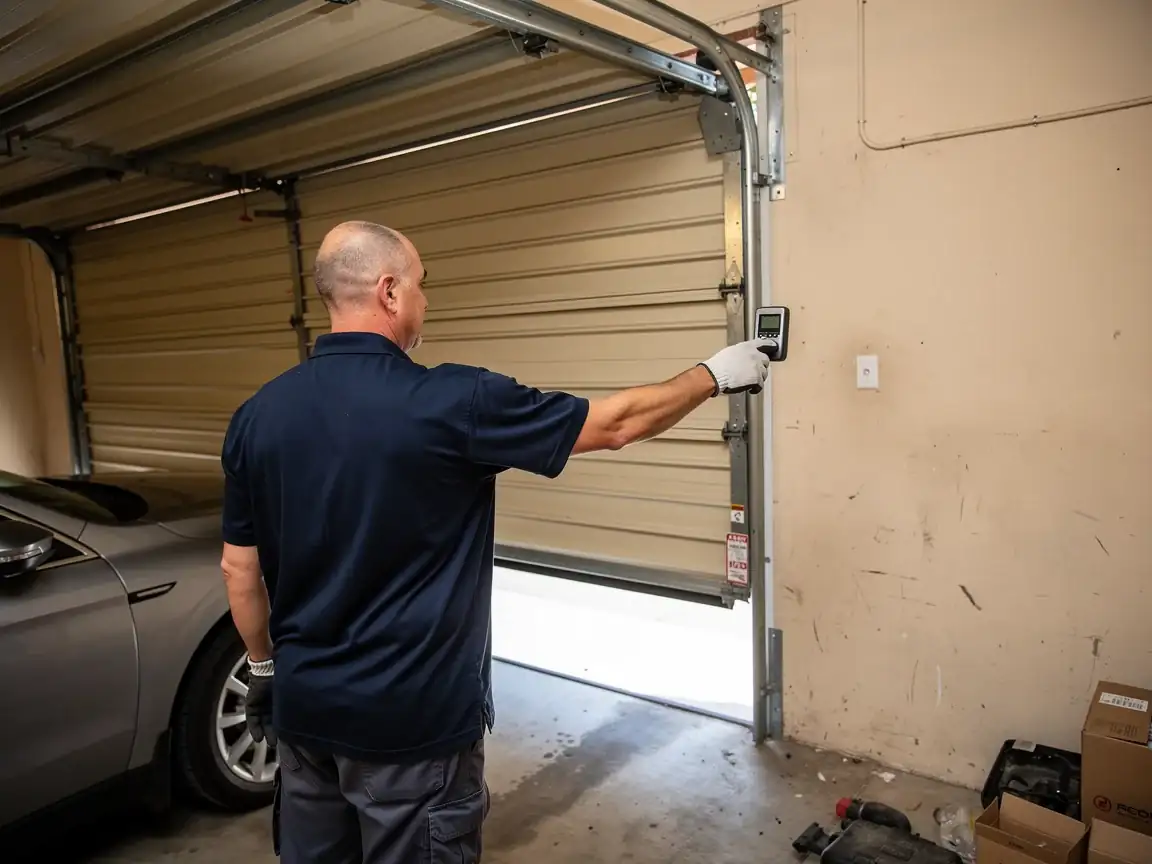
If we don't check level and plumb on both jambs before we set the new track, the door will bind on one side within the first winter, usually right when the cold makes the steel contract and the clearance disappears. We've opened up jobs where a previous install just hung the new door to the old track position and called it done - that's the corner that gets cut, and it's the one that costs the homeowner a service call eighteen months later.
The other sideways moment is insulation mismatch. A 1960-era opening sized for a thin door can leave a visible gap around a new insulated panel if nobody re-measures. We re-measure every time, even on a straightforward swap, because assuming the old numbers still apply is how this goes wrong.
What the Repair Takes
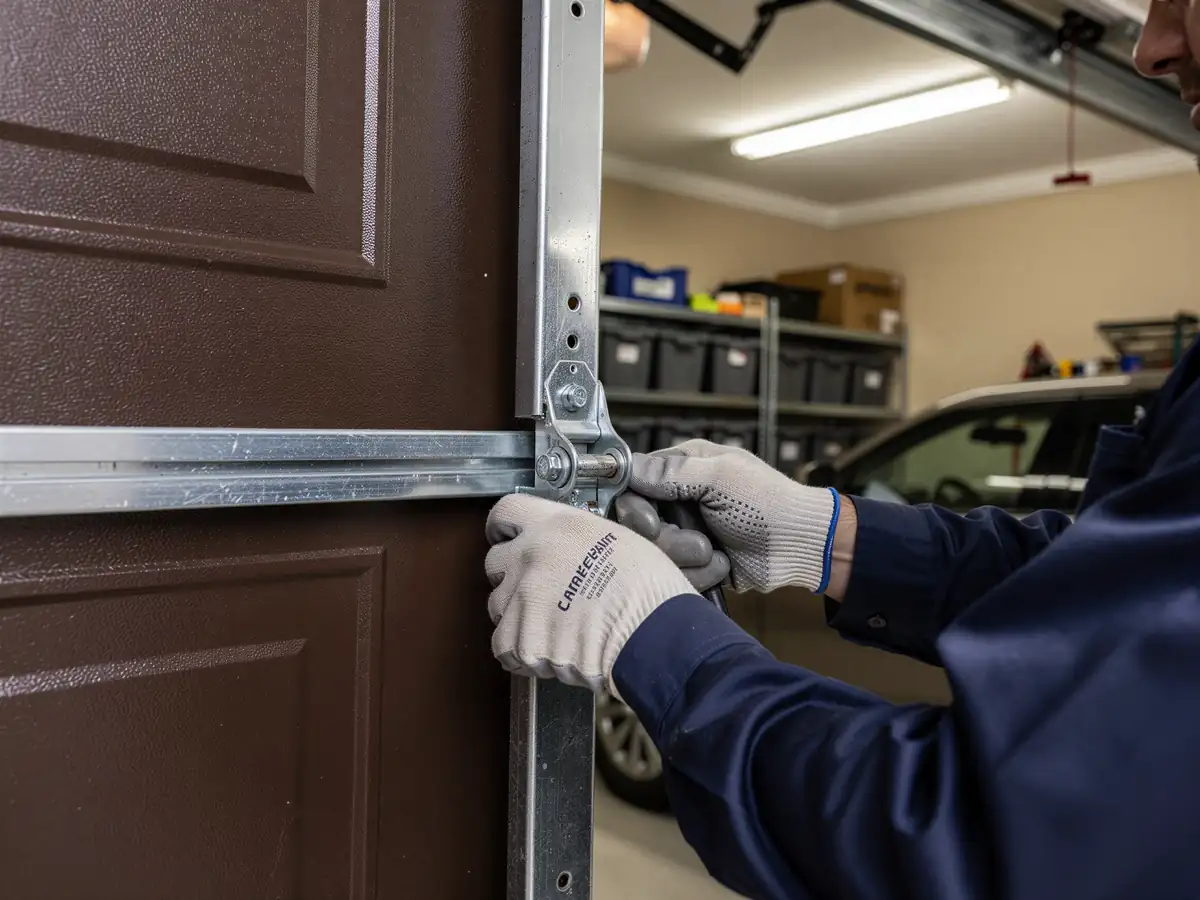
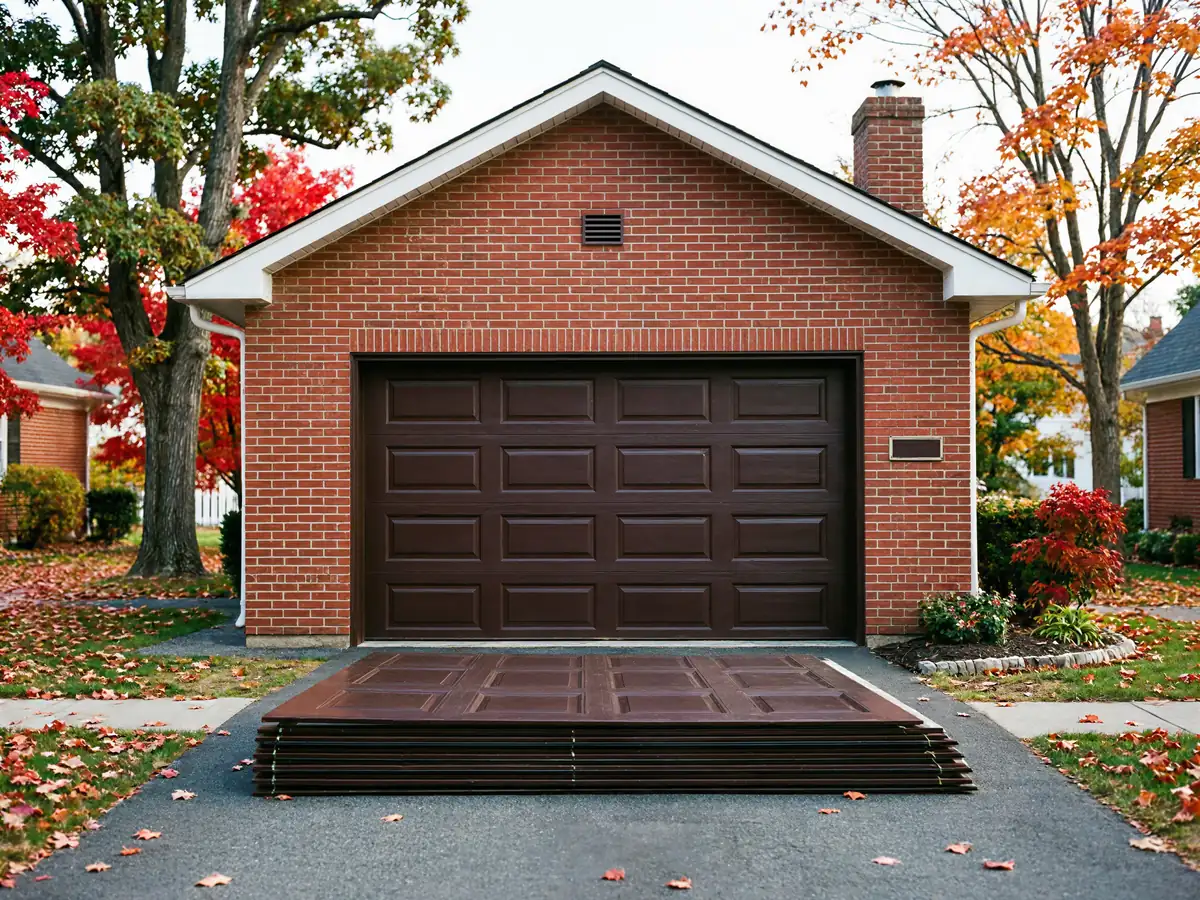
A full new-door install on a Reading house usually means pulling the old track and header hardware entirely
Not just hanging a new door on what's there. Given the severe-cold climate rating for this area, we set weatherstripping and bottom seals to spec rather than eyeballing it, since a loose seal here means real heat loss, not just a cosmetic gap.
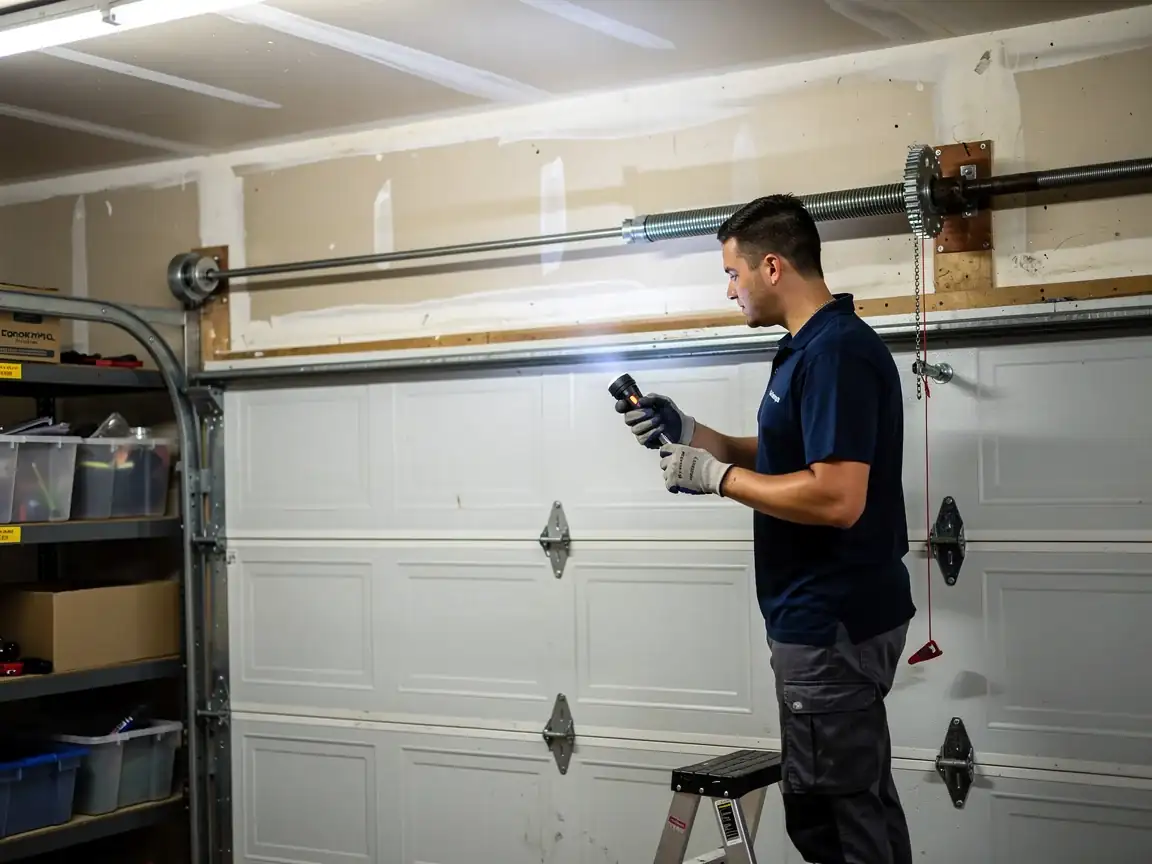
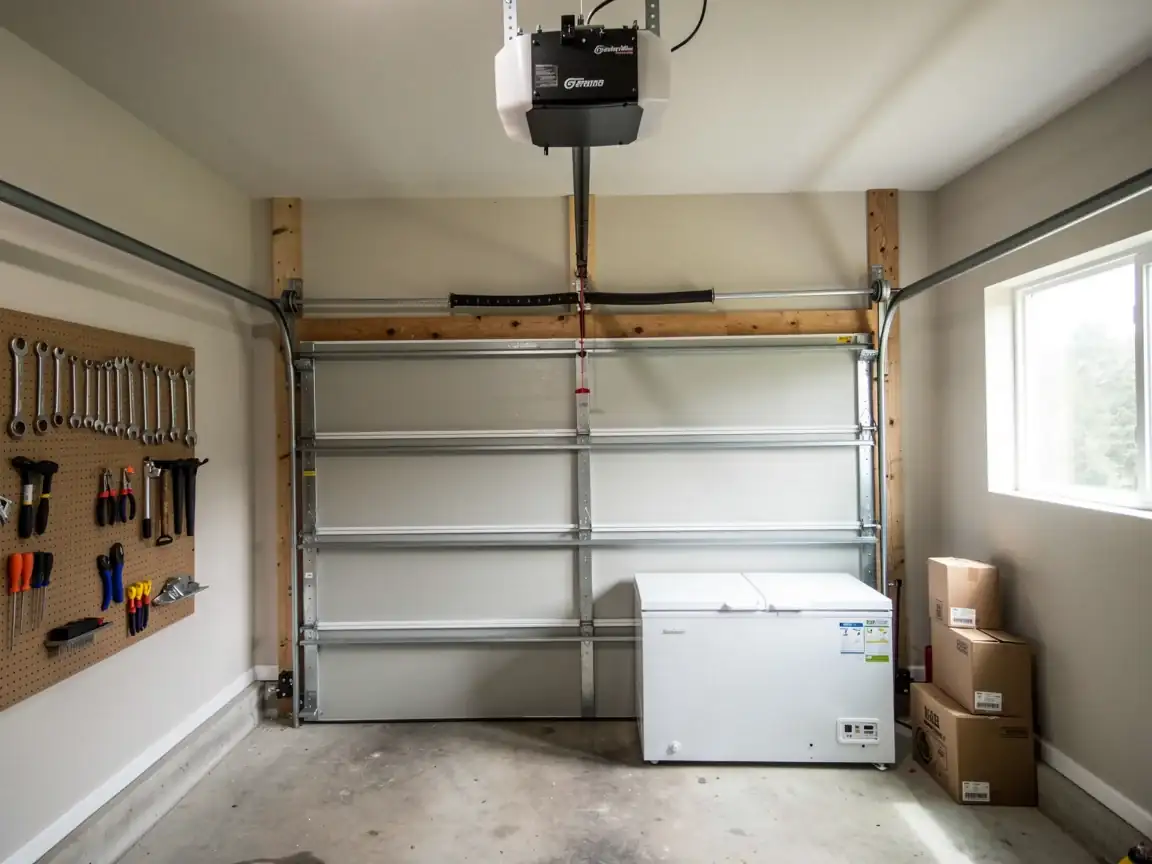
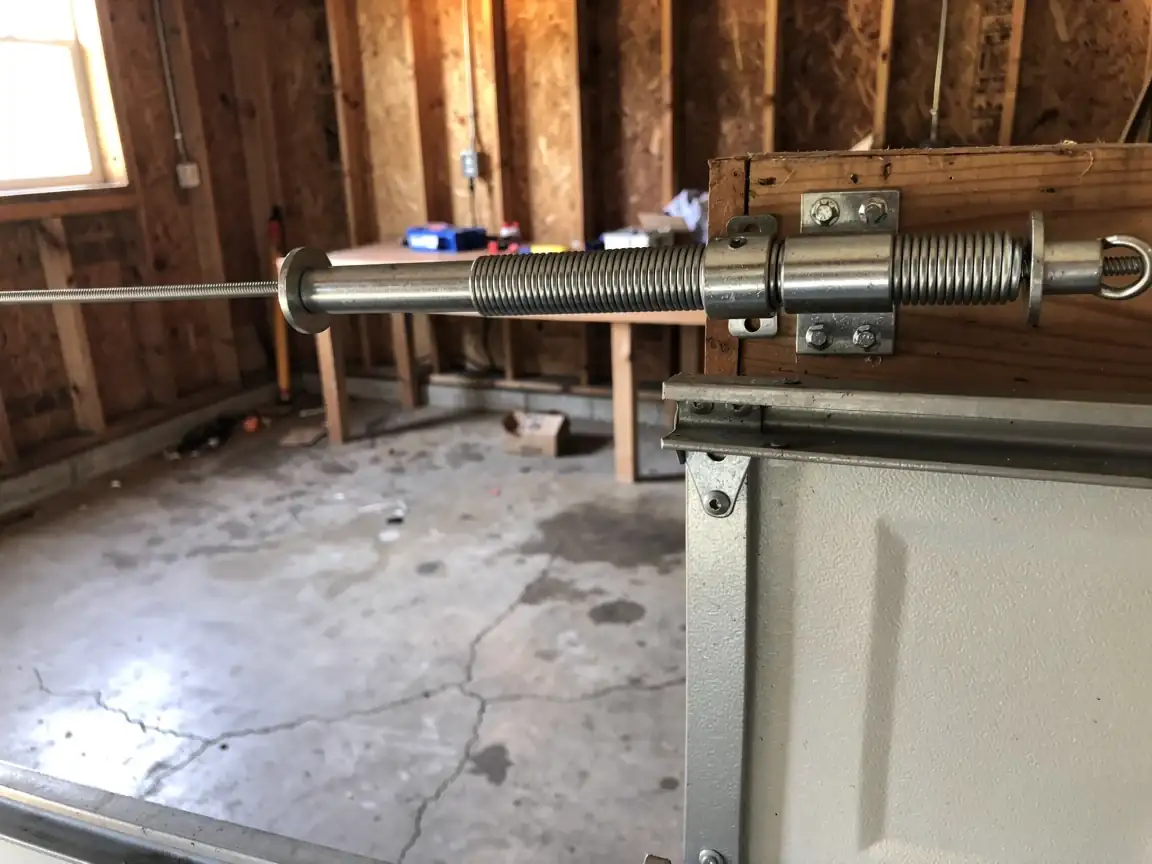
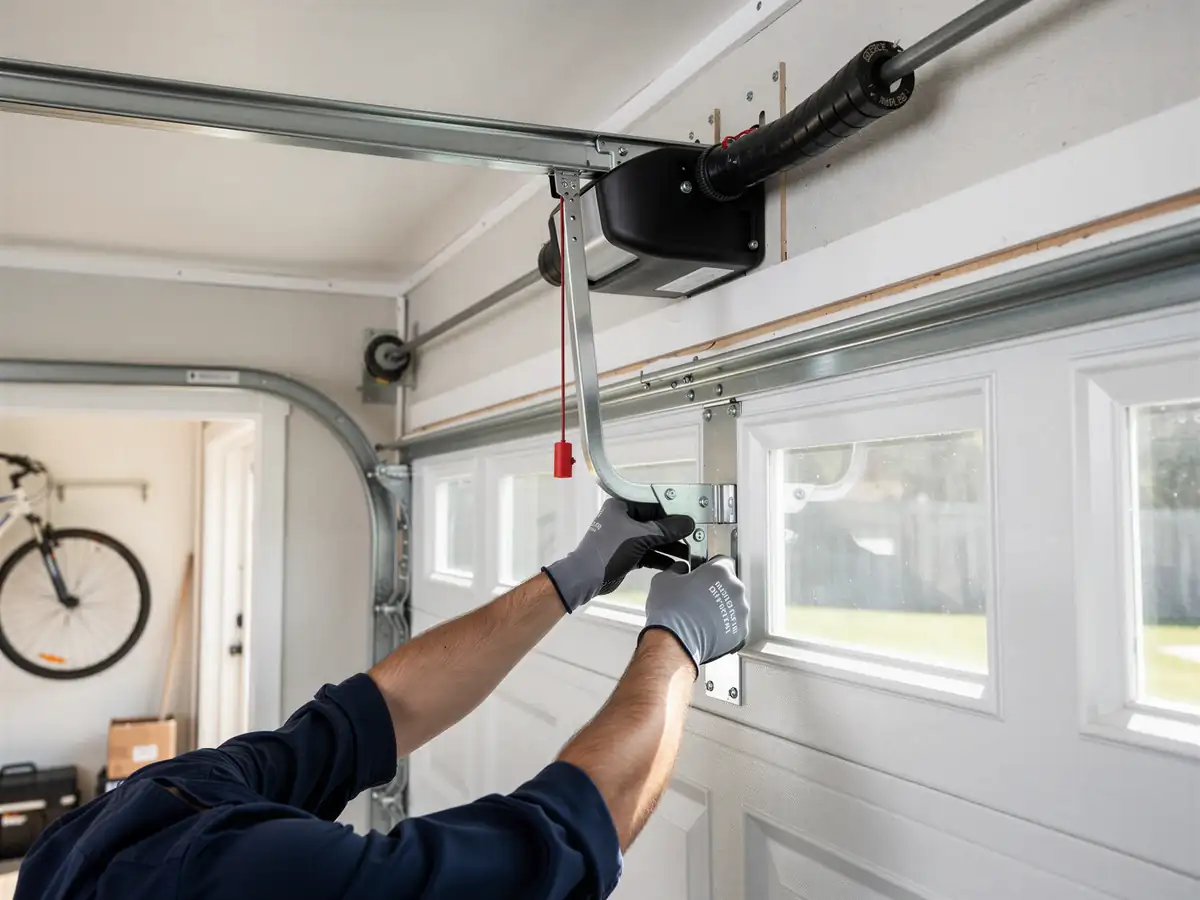
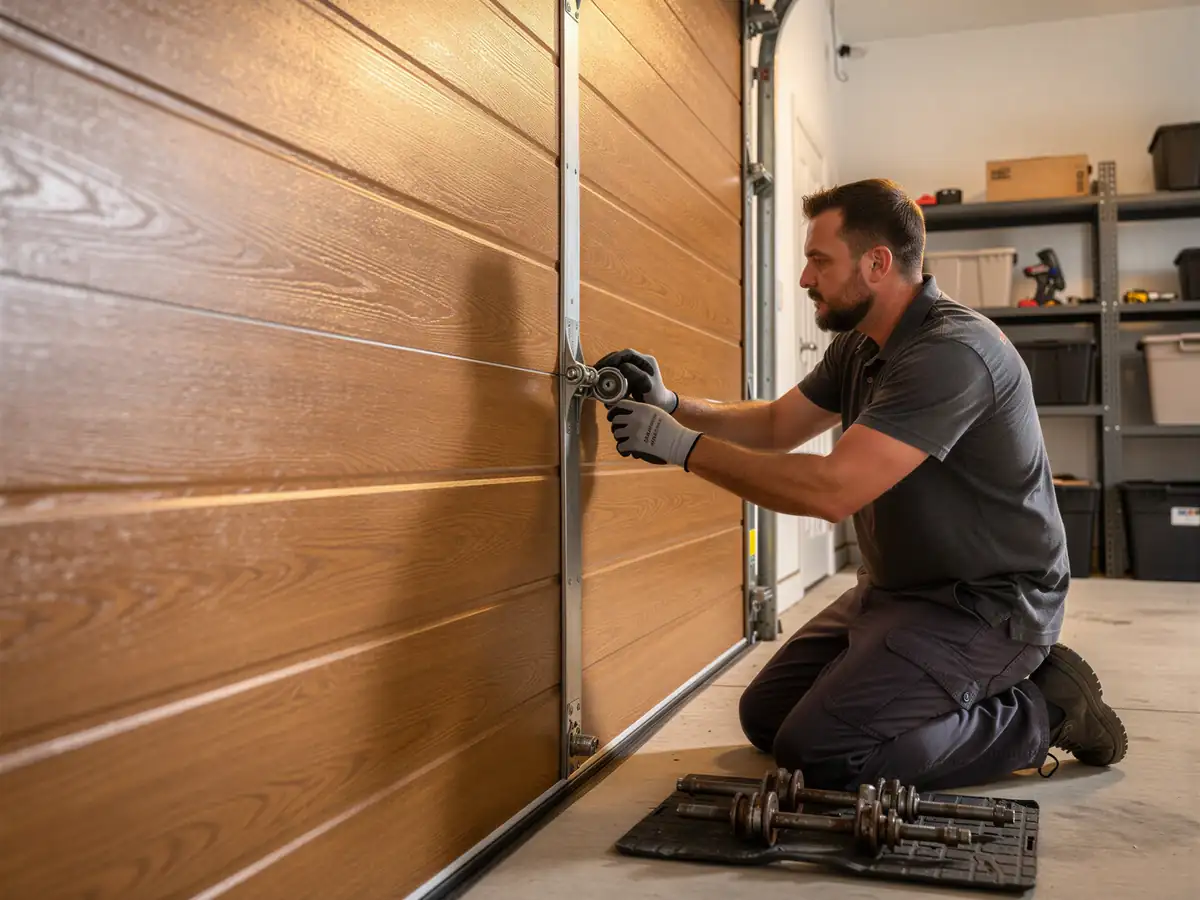
We check the opening for square, shim or extend the jambs as needed, mount new track sized to the door weight
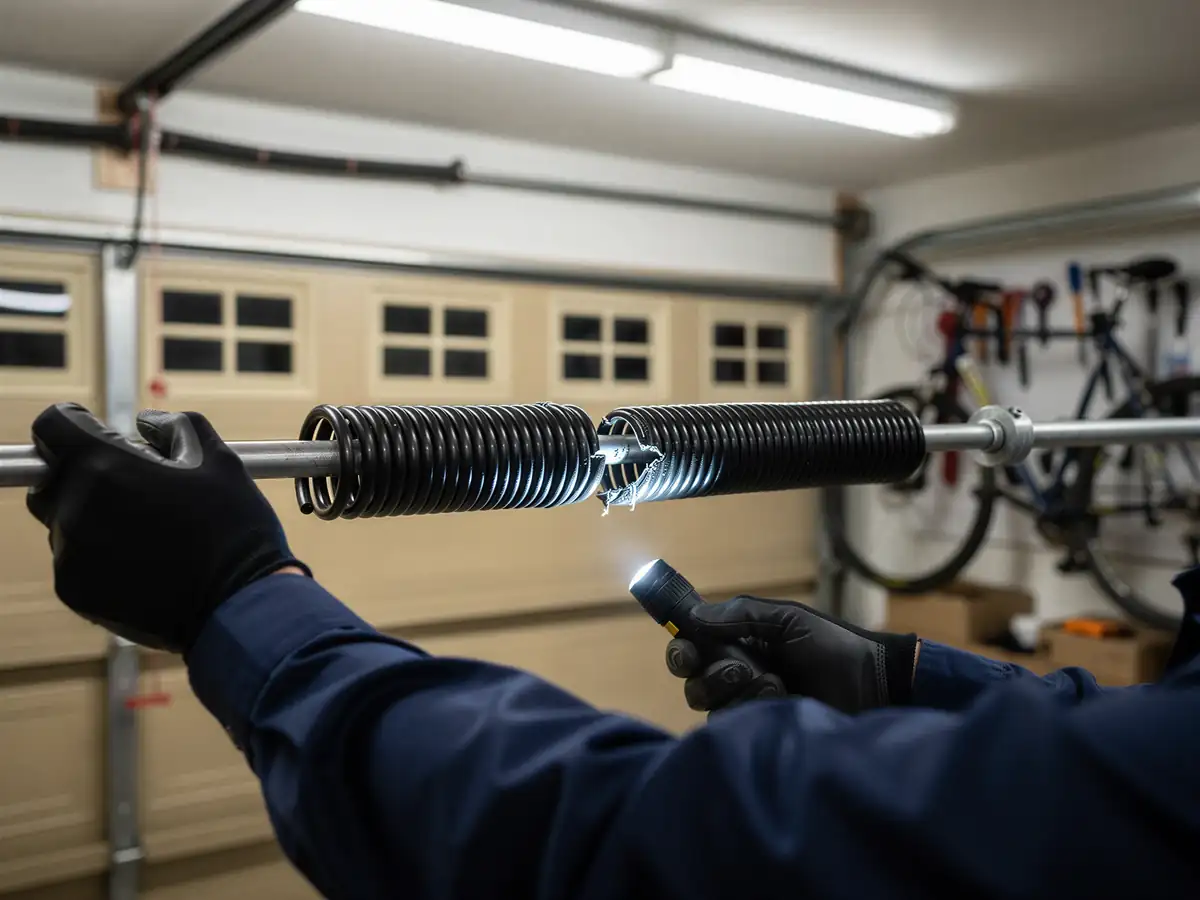
And balance the springs to the actual panel weight rather than a generic chart number. On a standard single door this is a one-visit job; double doors with insulated steel panels take longer because the hardware is heavier and the balance has to be dialed in more carefully.
We don't do same-day emergency installs sourced on the spot
If the door needs to be special-ordered in a nonstandard size, that's a second trip once it arrives. We'd rather tell a Reading homeowner that up front than promise a timeline we can't hold from 4 miles away in Woburn.
- 4 miles
The Symptom
The clearest sign you need a new door rather than another repair on a Reading house is a panel that's warped or rusted through at the bottom corners while the opener and track are still fine. On houses built around that 1960 median, the original or first-replacement door is now old enough that steel fatigue shows up as visible waviness across the face, especially on south-facing garages that take direct sun.
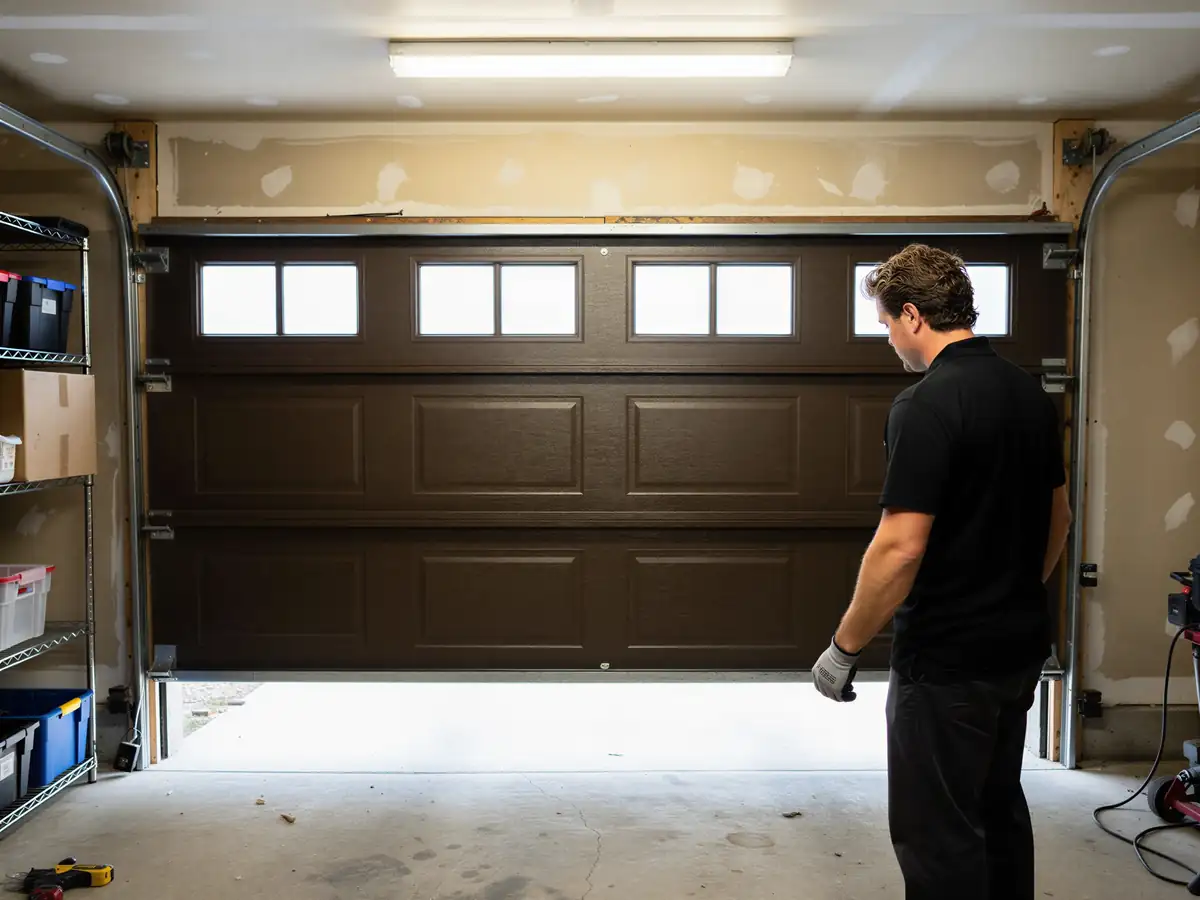
A second common symptom: the door closes but daylight shows at the corners even with the seal adjusted. That's usually the panel itself having shrunk or warped slightly out of flat, not a track problem, and no amount of track adjustment fixes a bent panel.
If you're only noticing noise - grinding, popping, a slow close - that's more often a spring or roller issue, and replacing the whole door would be the wrong call. We'd tell you that and fix the part instead. New-door installation makes sense when the panel or frame itself has failed, not when the moving parts are just worn.