Why This Fails Locally
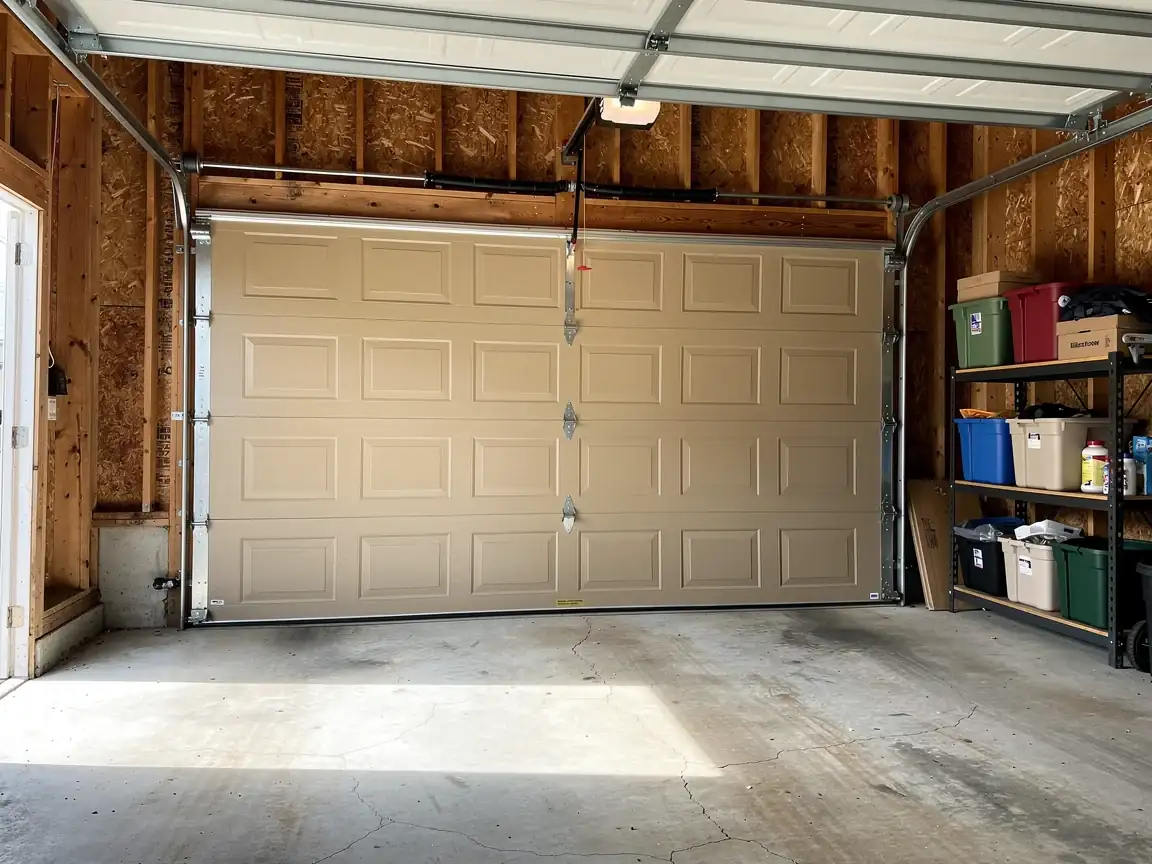
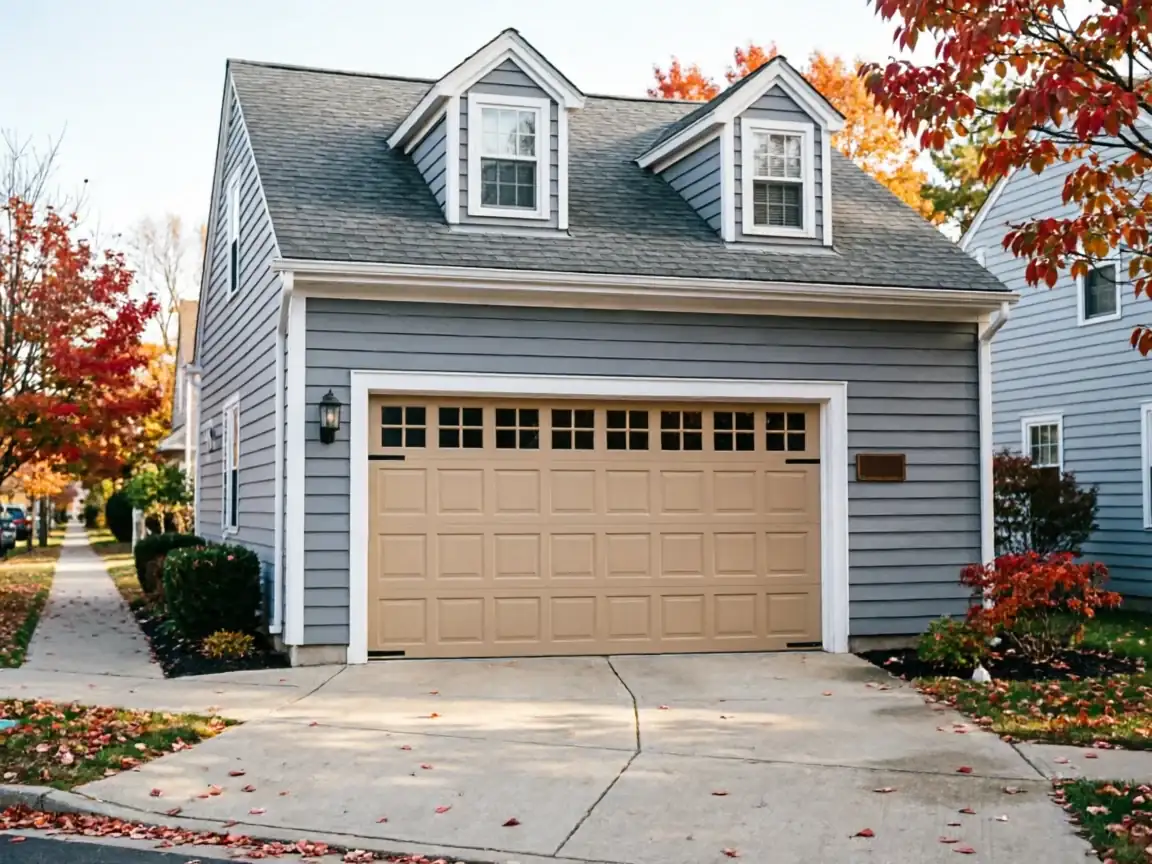
Most of the Woburn service area was built out between 1938 and 1988, with a median year of 1965 across the whole territory. Wilmington runs later than that average - its housing stock centers on 1978. That ten-plus year gap matters more than it sounds like it should. A house built in 1965 often still has its original wood-jamb door on steel track with whatever rollers came with it, sometimes plain steel with no bearing at all. A house built in 1978 is more likely to have a raised-panel steel door, factory nylon rollers, and 2-inch track sized for that door. The failure mode is different too. On the older stock, rollers seize from decades of dried grease and rust. On Wilmington's newer stock, the common failure is cracked nylon - the roller stem is fine, but the wheel itself has gone brittle and split, usually from age and cold rather than from wear. If a tech walks in expecting the older failure and swaps steel-for-steel, the door still won't run quiet, because the track geometry on a late-70s door assumes a nylon or sealed-bearing wheel, not bare steel.
Stocked Parts
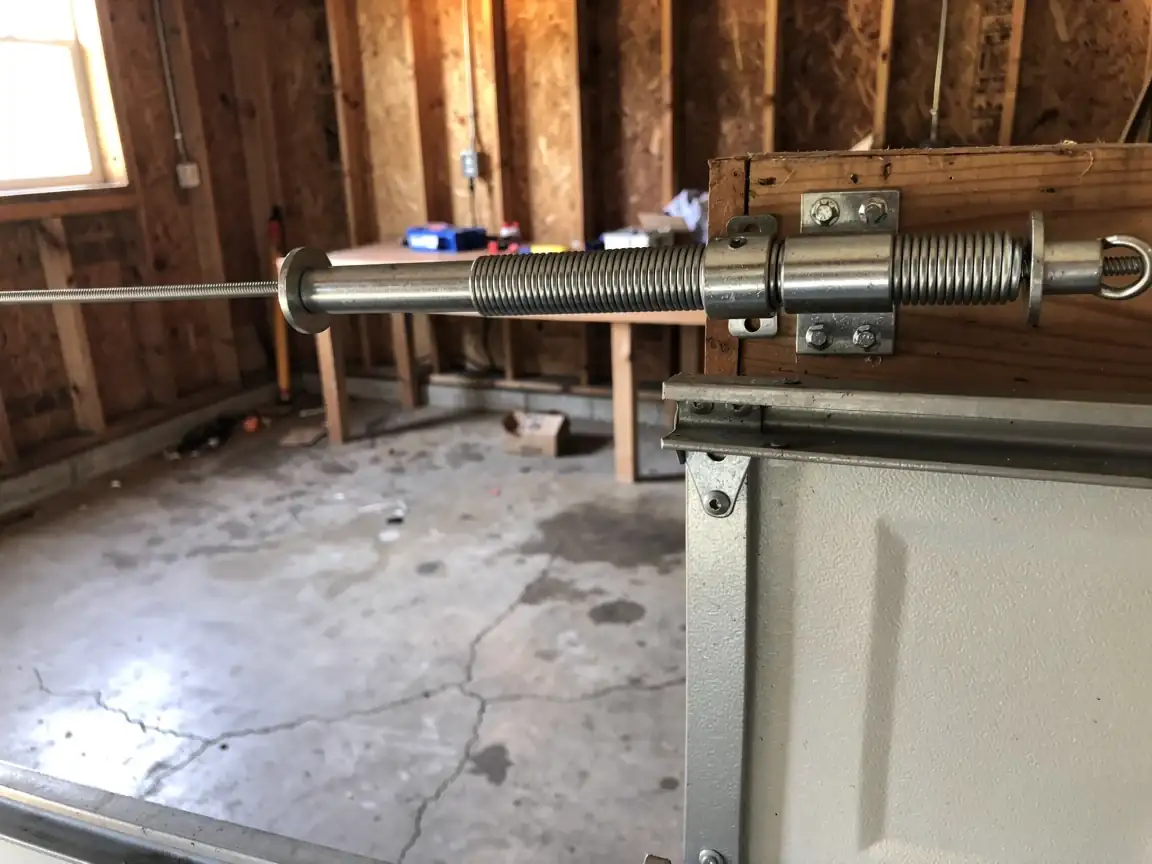
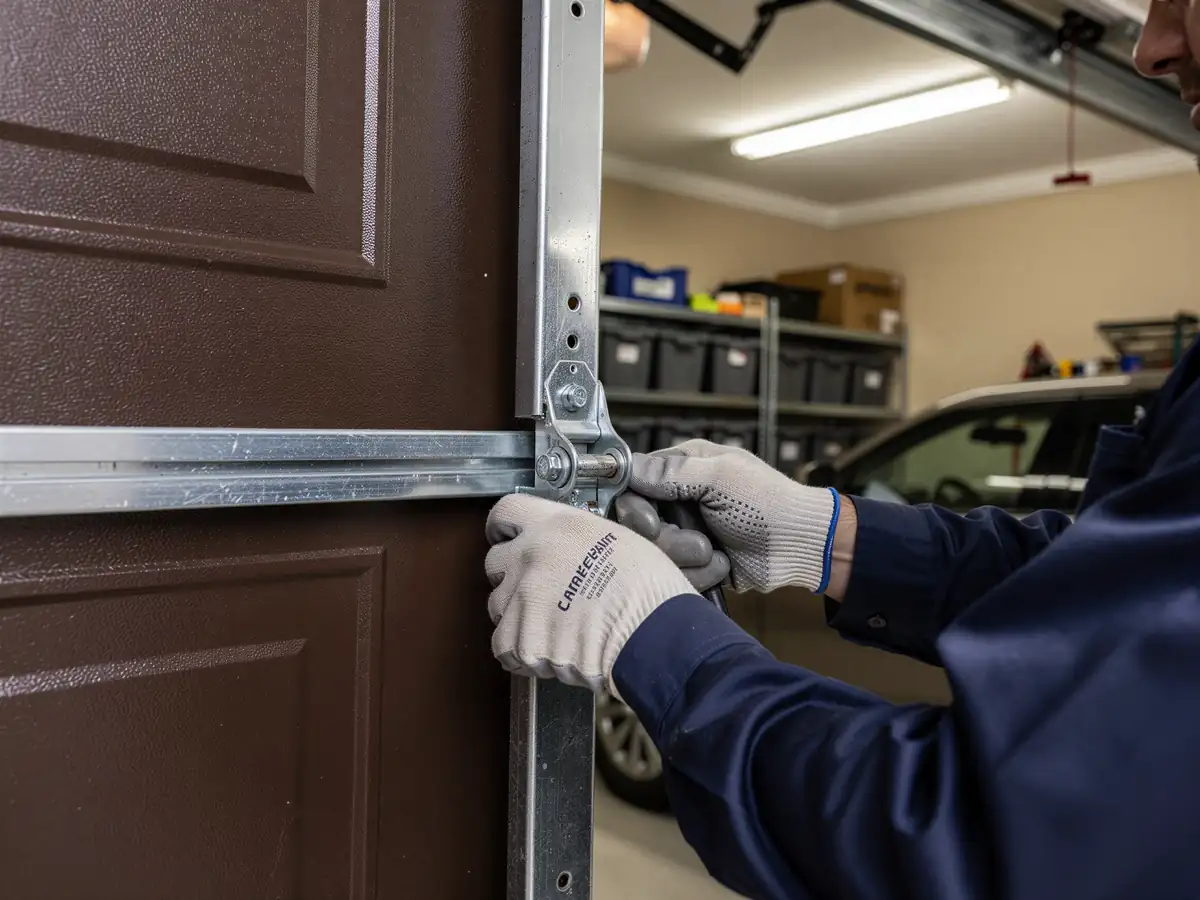
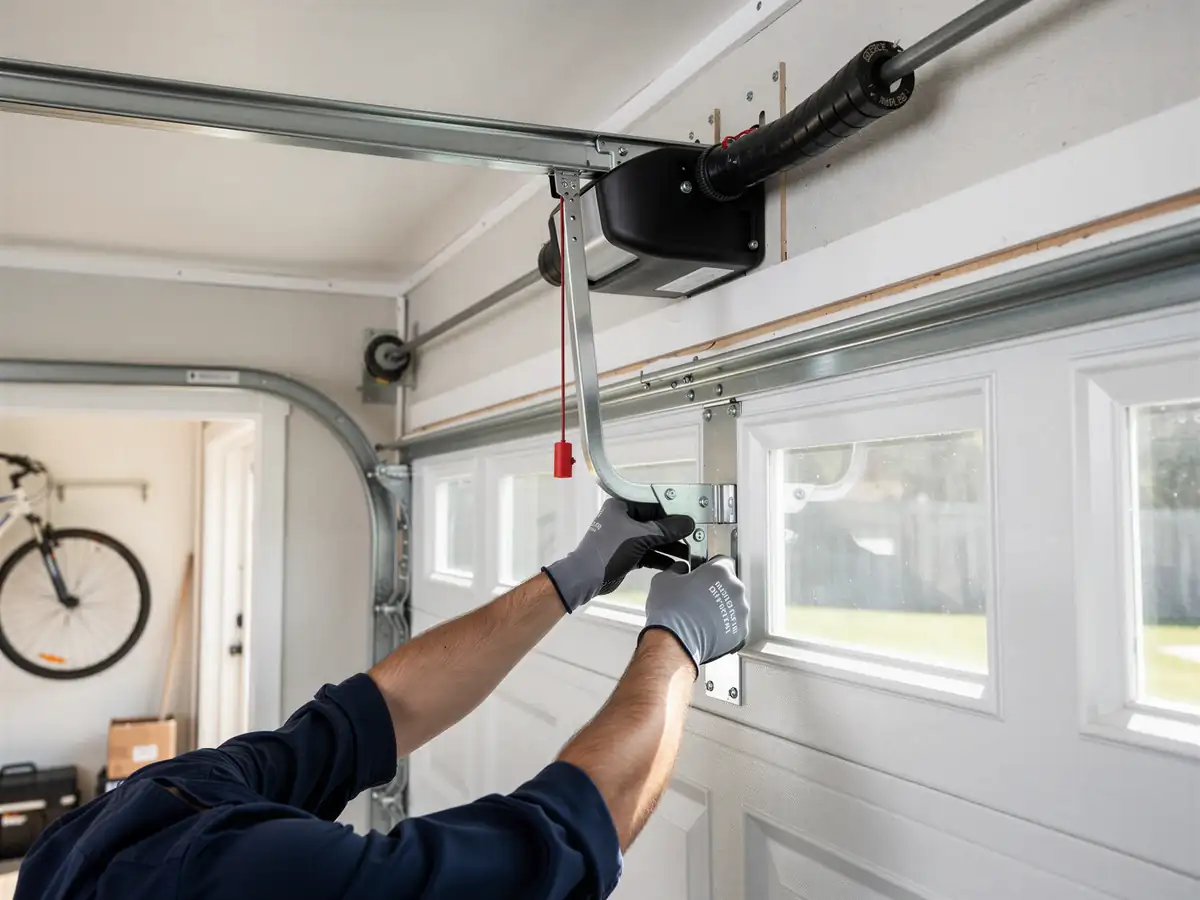
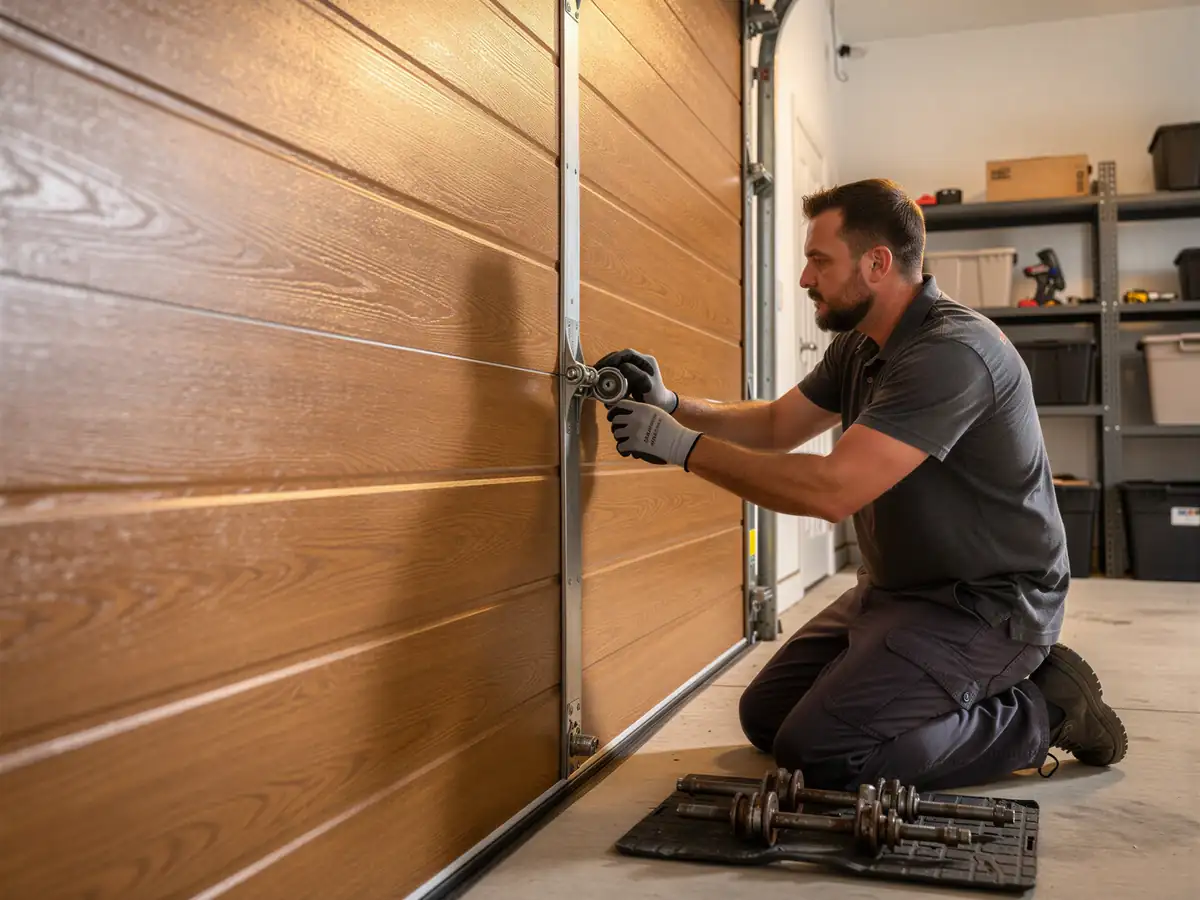
For Wilmington's typical door era, the truck carries 2-inch nylon rollers with sealed ball bearings, standard 4-inch stems, and the shorter 7-inch stems used on the bottom bracket where clearance is tight. Sealed bearings matter here because the area sits in a cold-climate band with severe winters - open bearings pack with grit and ice over a season and start grinding within a year or two. Steel rollers are kept on the truck too, but mainly for the older portion of the service area's stock, not the typical Wilmington door. What isn't stocked: oversized 3-inch industrial rollers, since residential 7-foot doors here don't call for them, and custom-length stems for odd track configurations - those get special-ordered and the job comes back on a second visit.
The Symptom
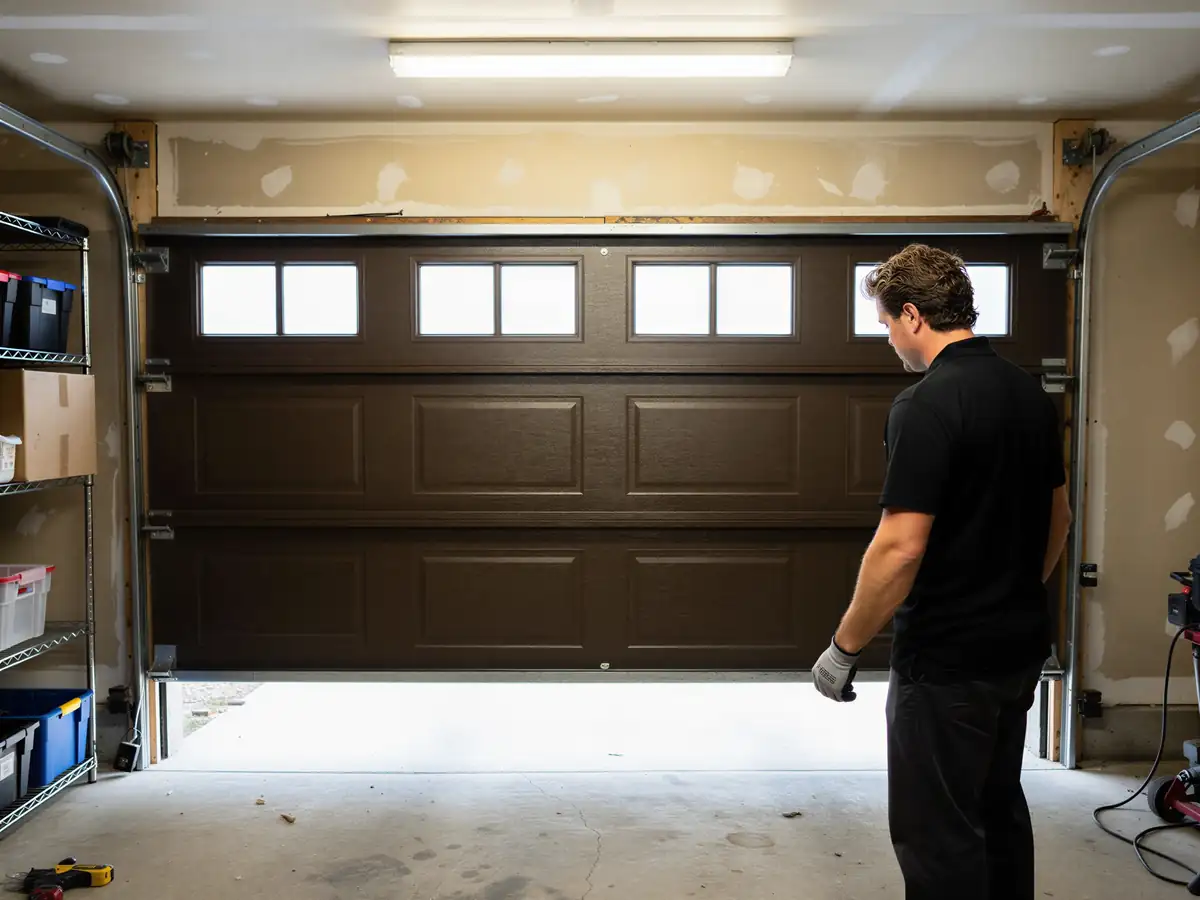
The giveaway on a Wilmington door is usually sound before it's sight: a rhythmic thunk or squeal that times out with each roller passing a track bracket, getting louder through a cold snap and easing up some once temperatures climb back above freezing. That temperature swing is the tell - it points to nylon that's gone brittle rather than a bearing that's simply worn out, which tends to sound the same regardless of weather. Catch it at the sound stage and it's a roller swap. Let it run through a winter grinding against the track and you're looking at bent track sections too, which is a different bill.