Why This Fails Locally
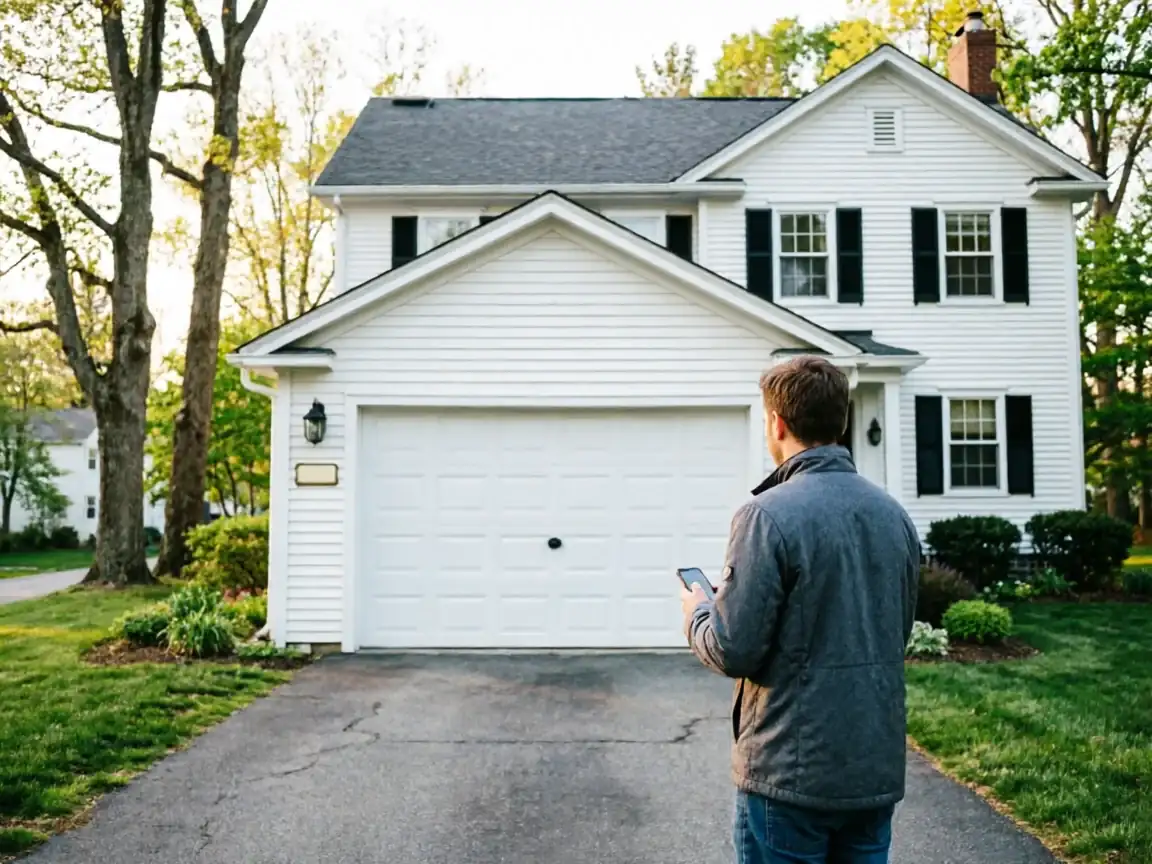
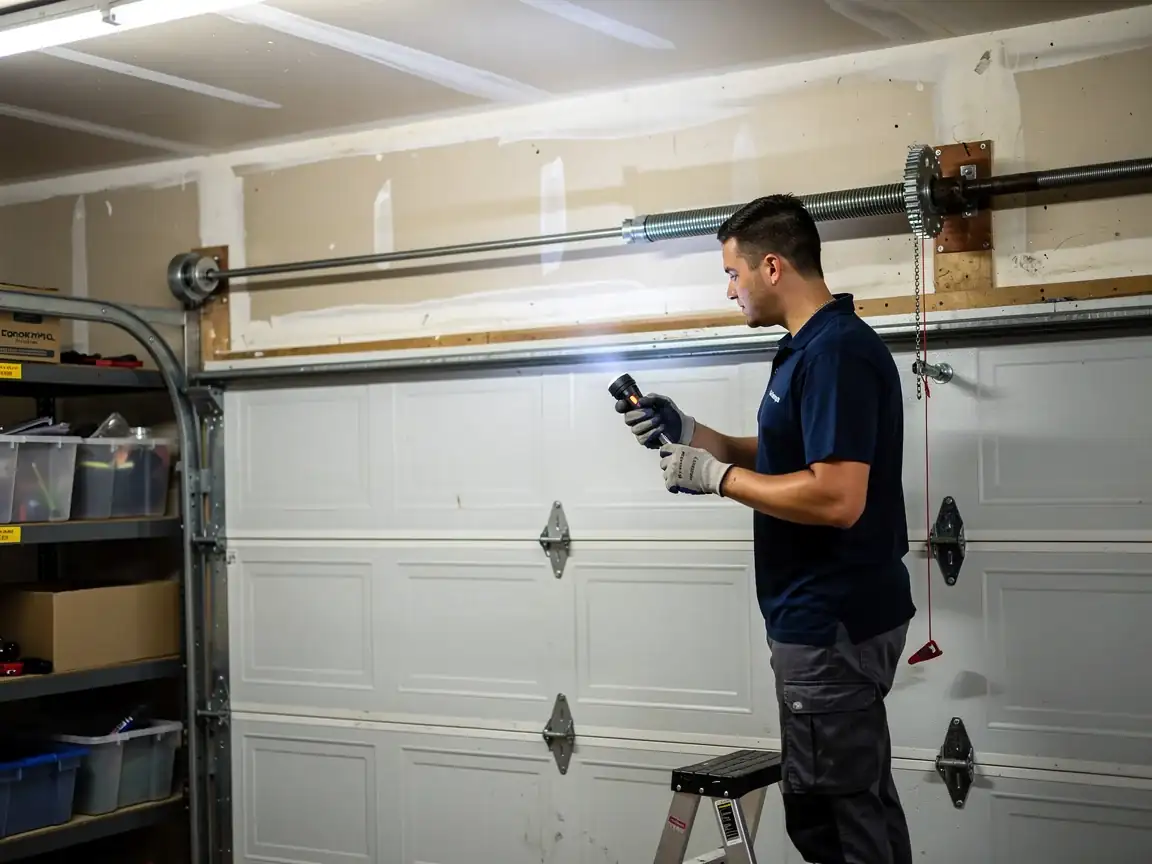
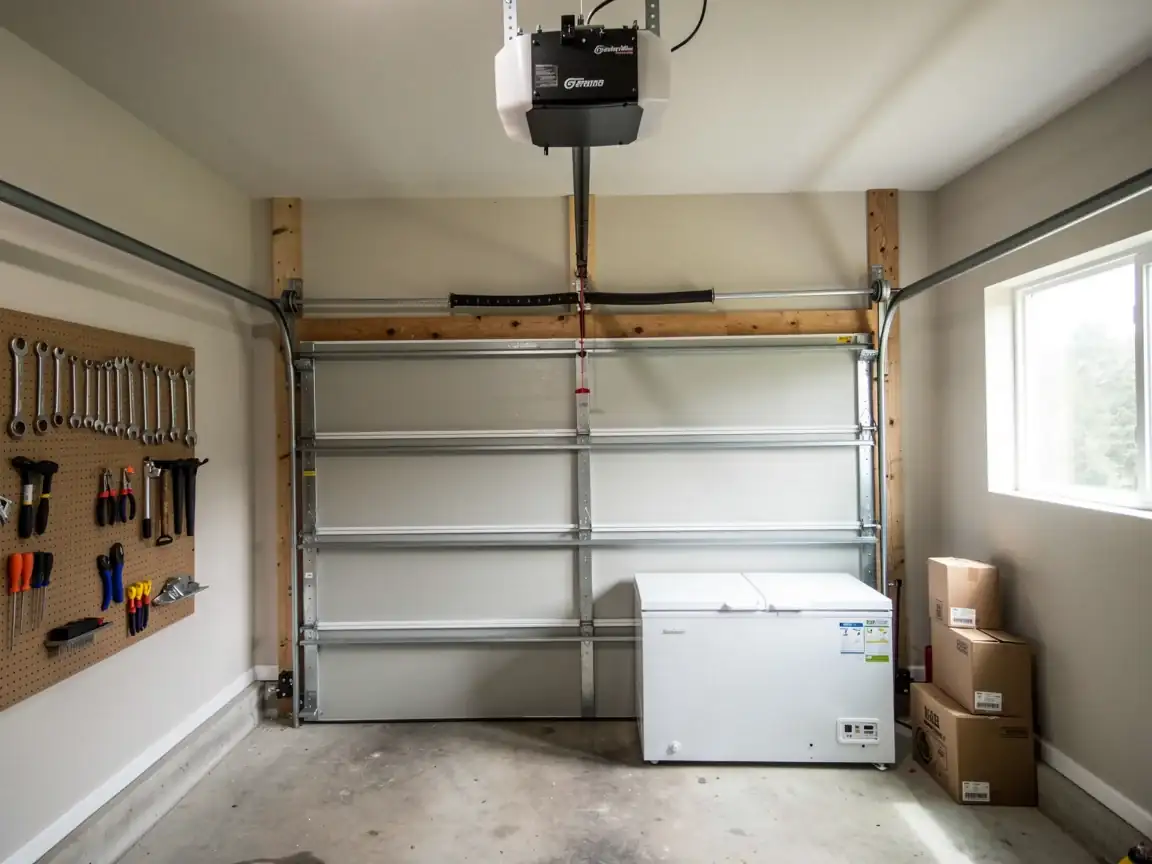
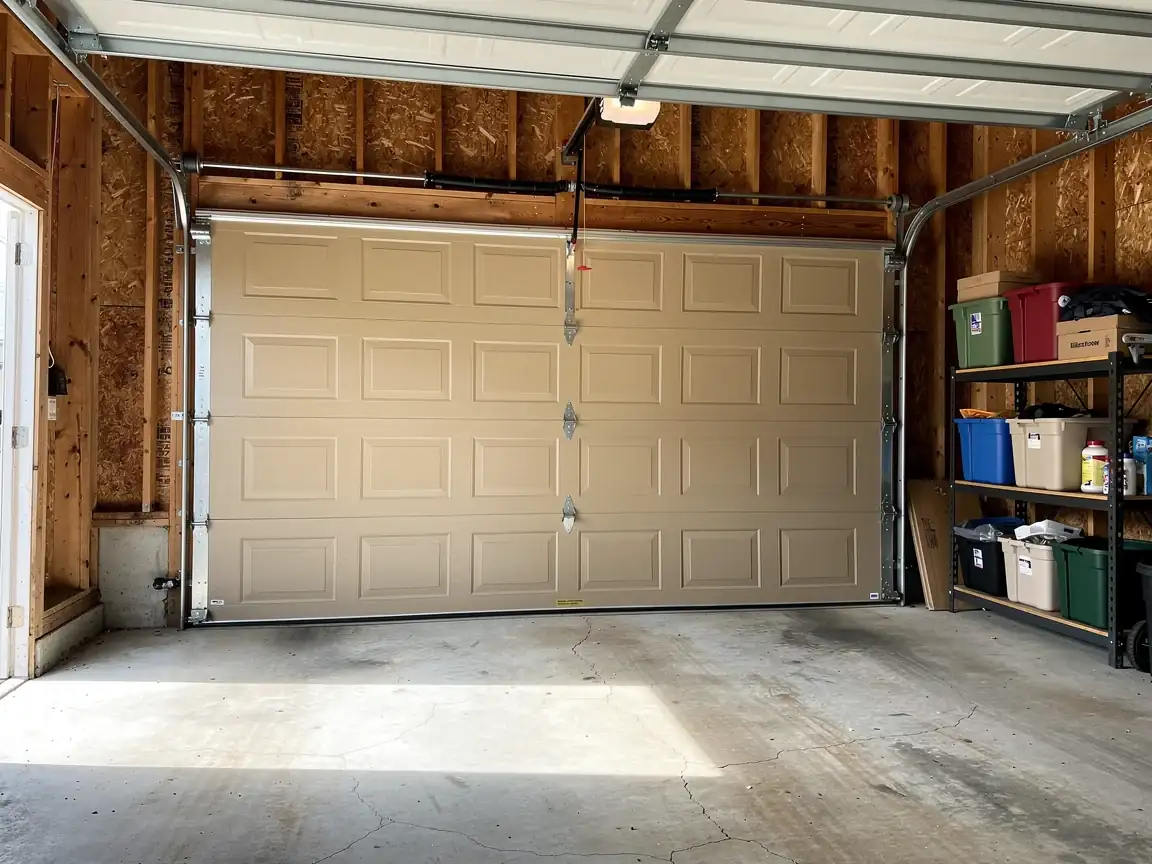
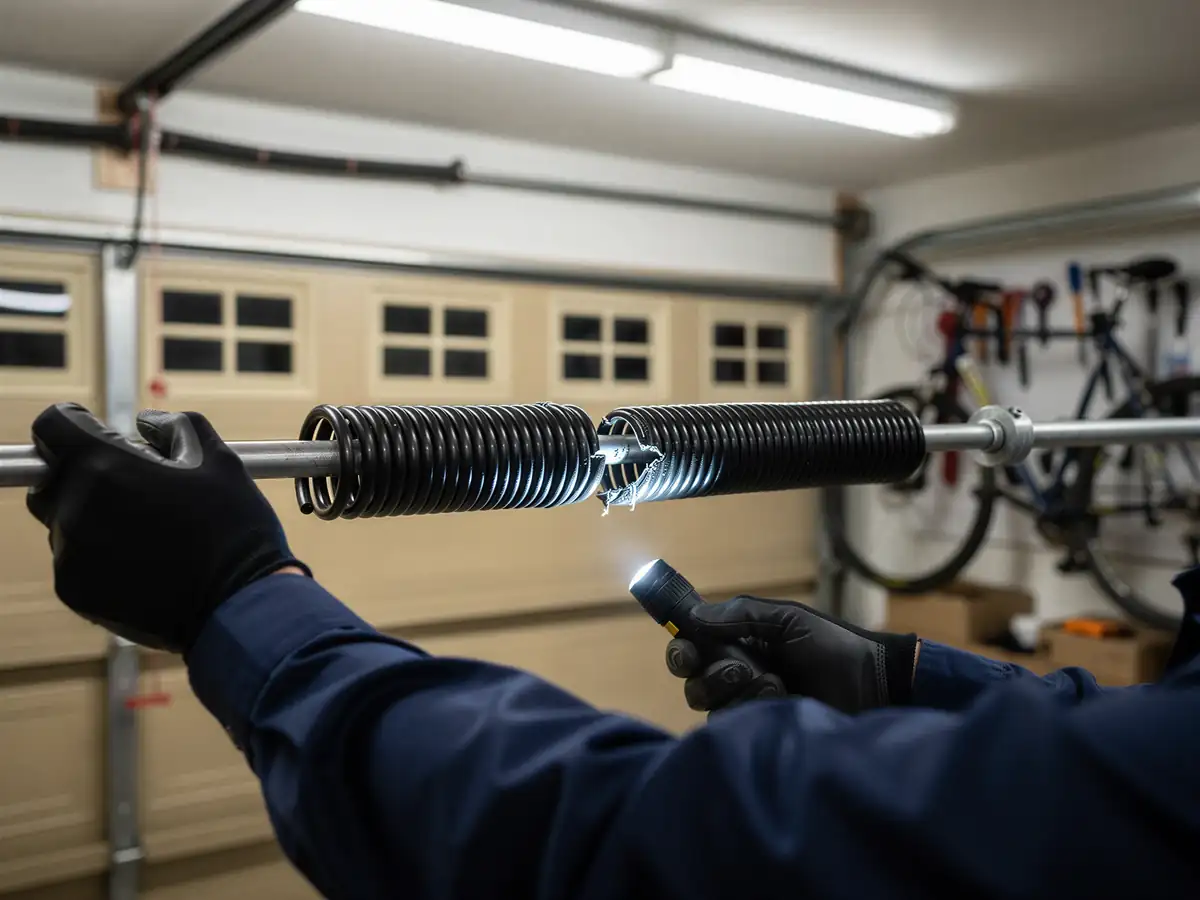
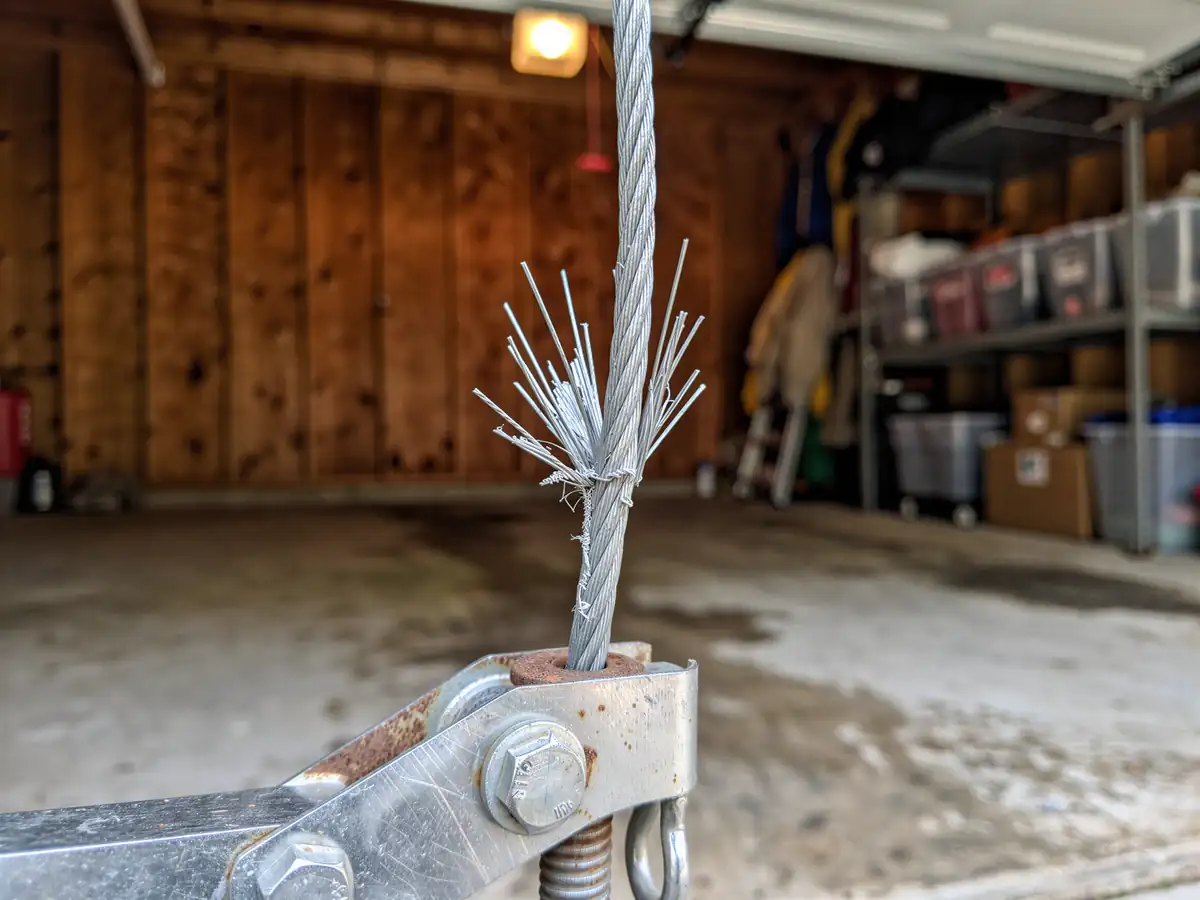
Most houses in Wilmington went up around 1978, which puts this town on the later edge of the build-out that shaped the wider Woburn service area. By the late 1970s, builders had mostly moved off the old heavy wood sectional doors and onto lighter steel panels running on standard-lift track with galvanized lift cables looped around a drum at each end of the torsion shaft. That setup works fine for decades, but the cable itself is a wear part, not a lifetime part. On a door installed in 1978, you're looking at cable that's either original and brittle or already been swapped once by a previous owner, and either way the drum grooves and cable diameter need to match exactly or the door pulls crooked on every cycle. We see this pattern across the 7,871 households here more than we'd expect on a random sample, simply because so much of the housing stock landed in the same ten-year window.
Stocked Parts
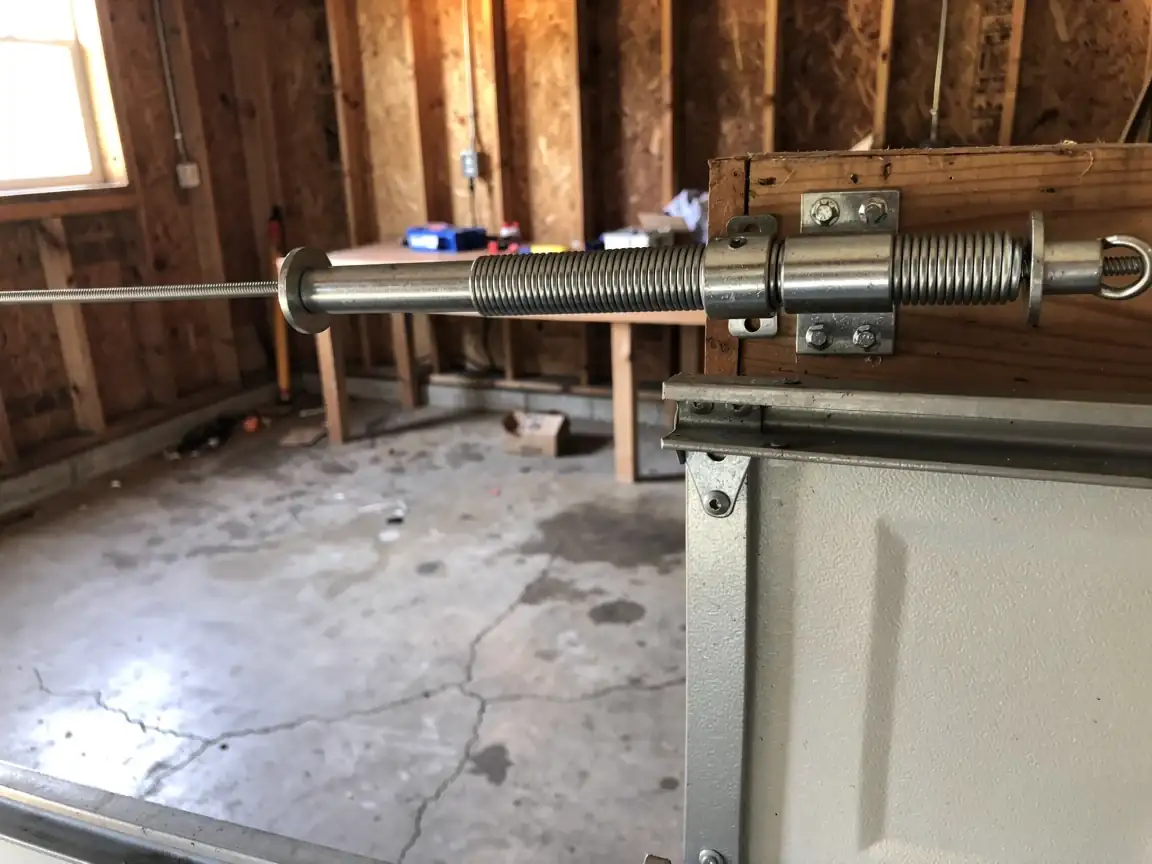
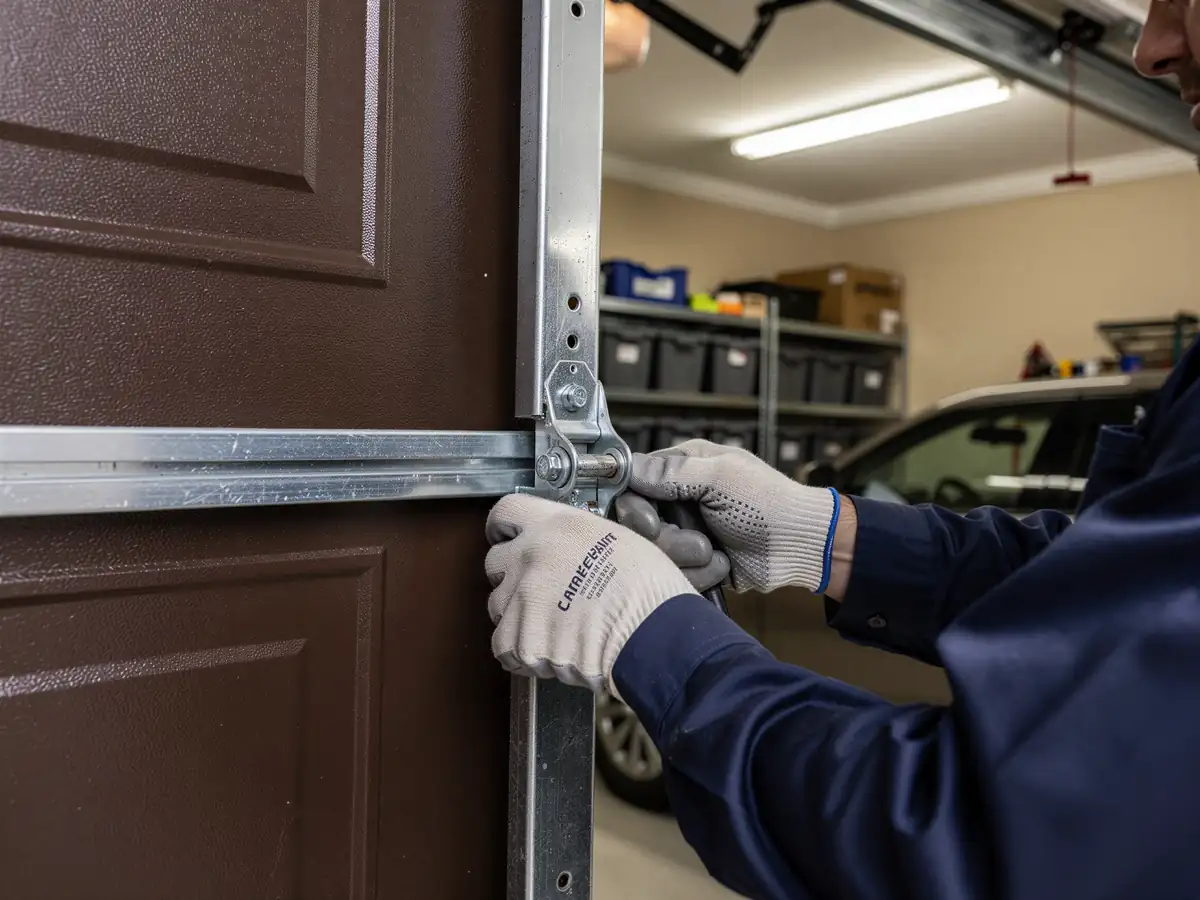
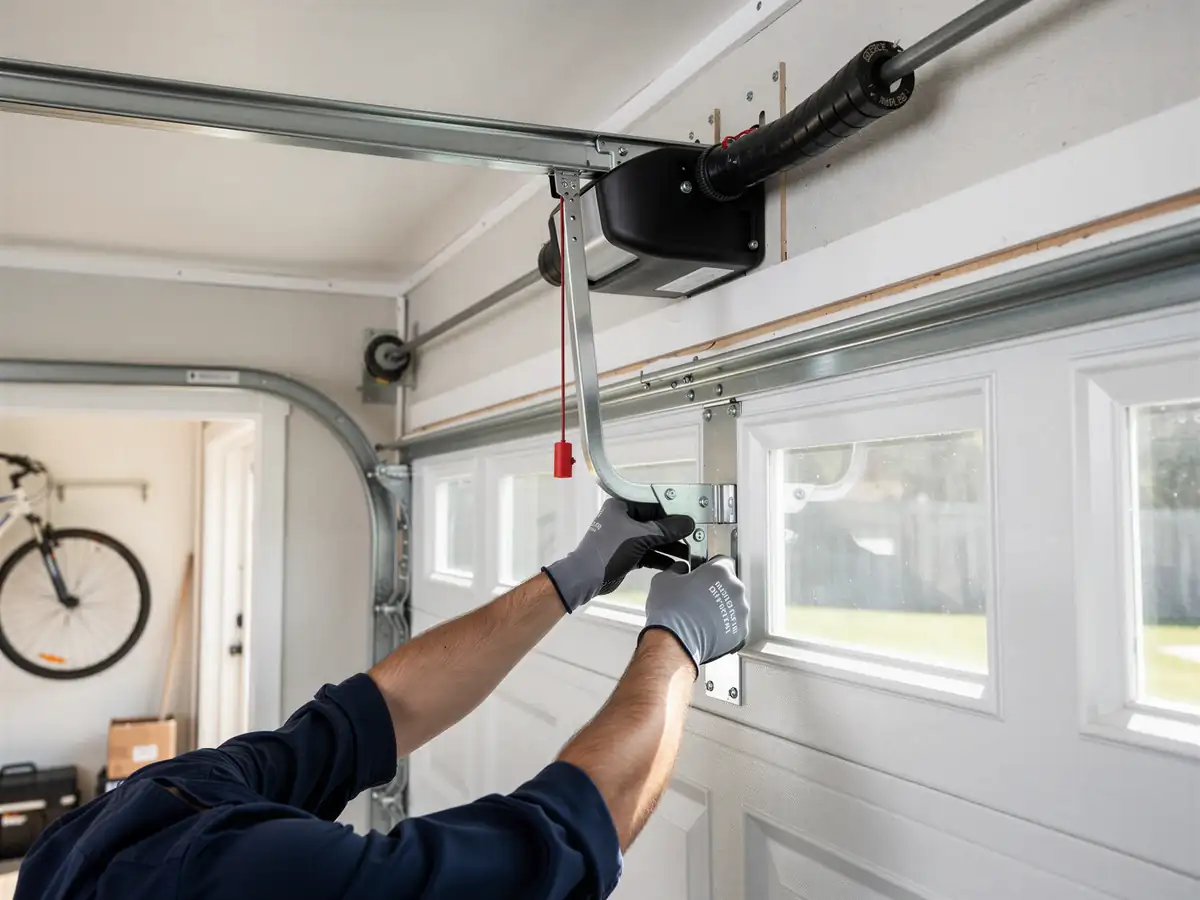
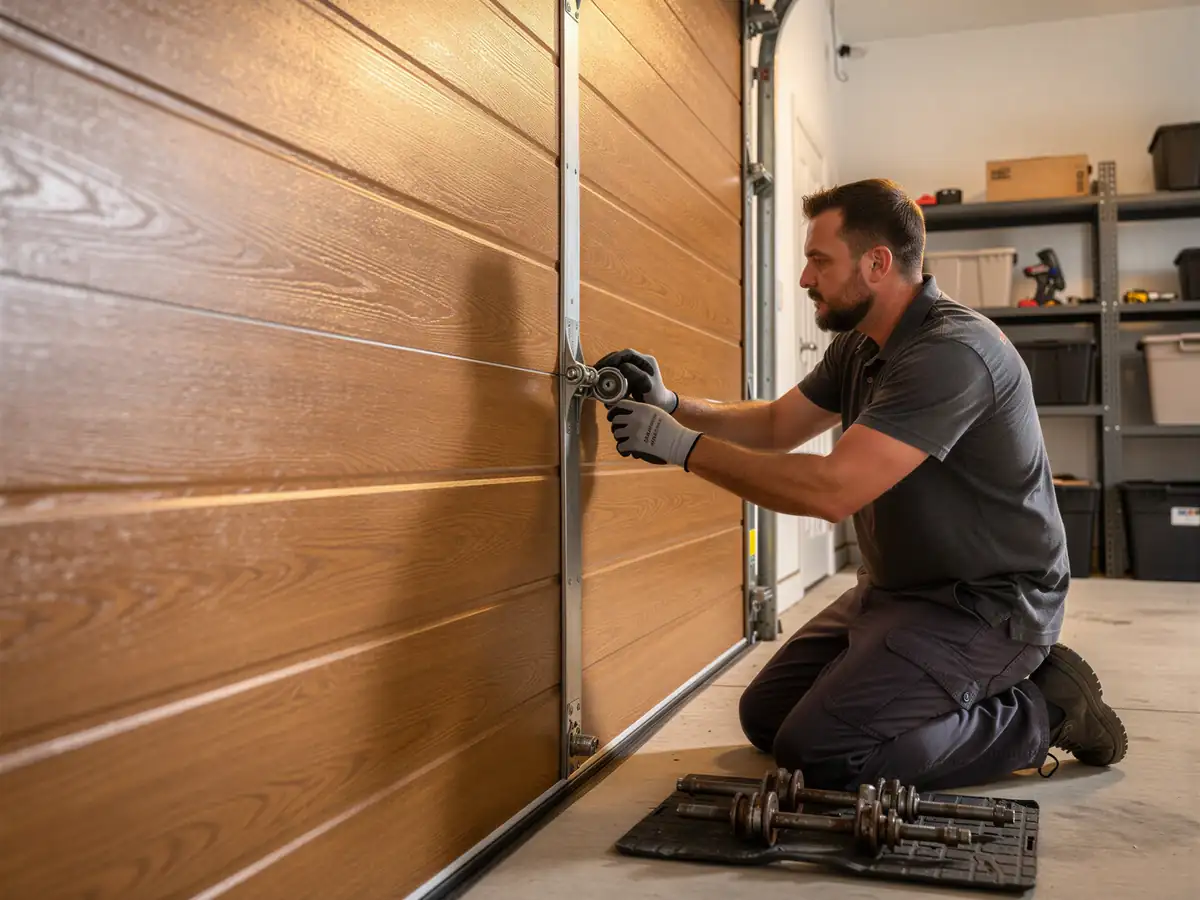
We carry galvanized aircraft cable in the common diameters used on standard-lift residential doors from this era, plus the drums and fasteners that go with them. What we don't keep on the truck is anything custom-length for an odd track configuration or a door that's been modified from its original hardware - if a prior repair swapped in mismatched drums or a different cable gauge than the door was built for, that's a special-order part and we'll tell you the lead time instead of guessing. On a door that still has its factory torsion setup, which is the norm for houses built in this window, cable replacement is a same-visit job once we're on site.
The Symptom
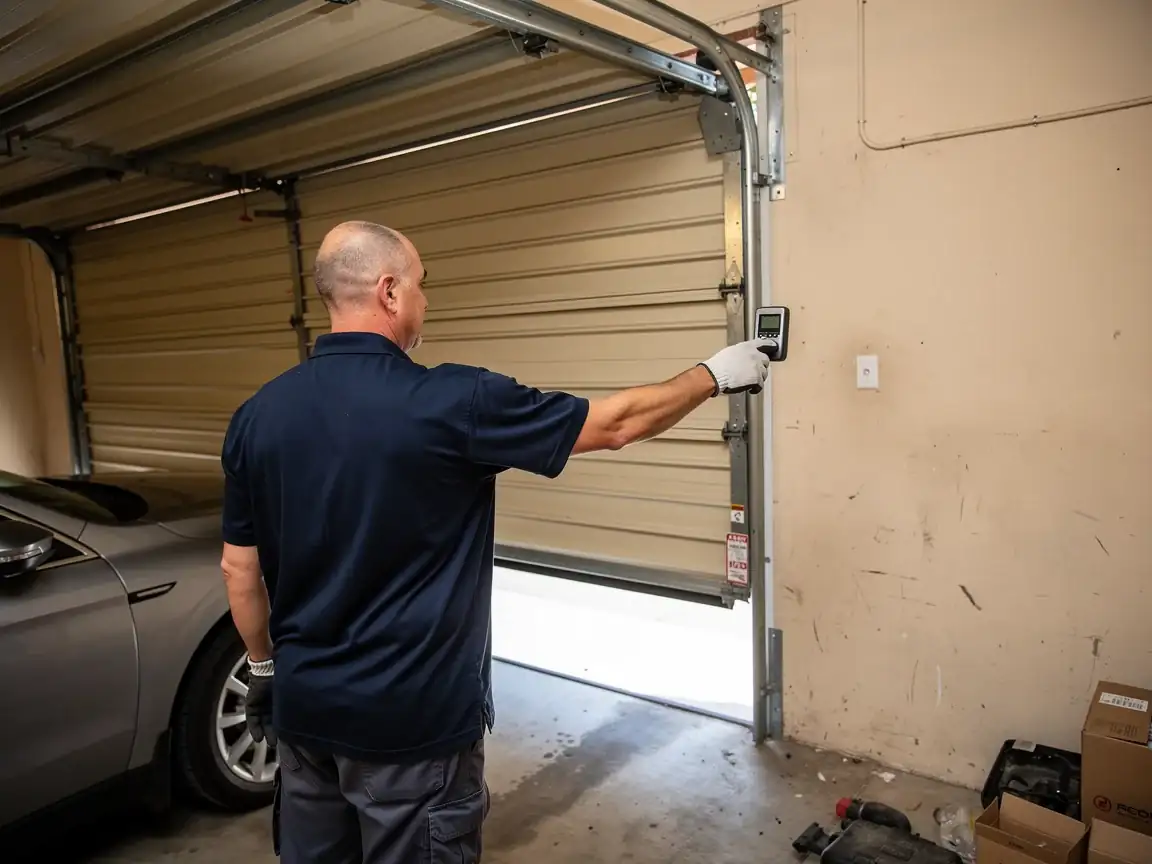
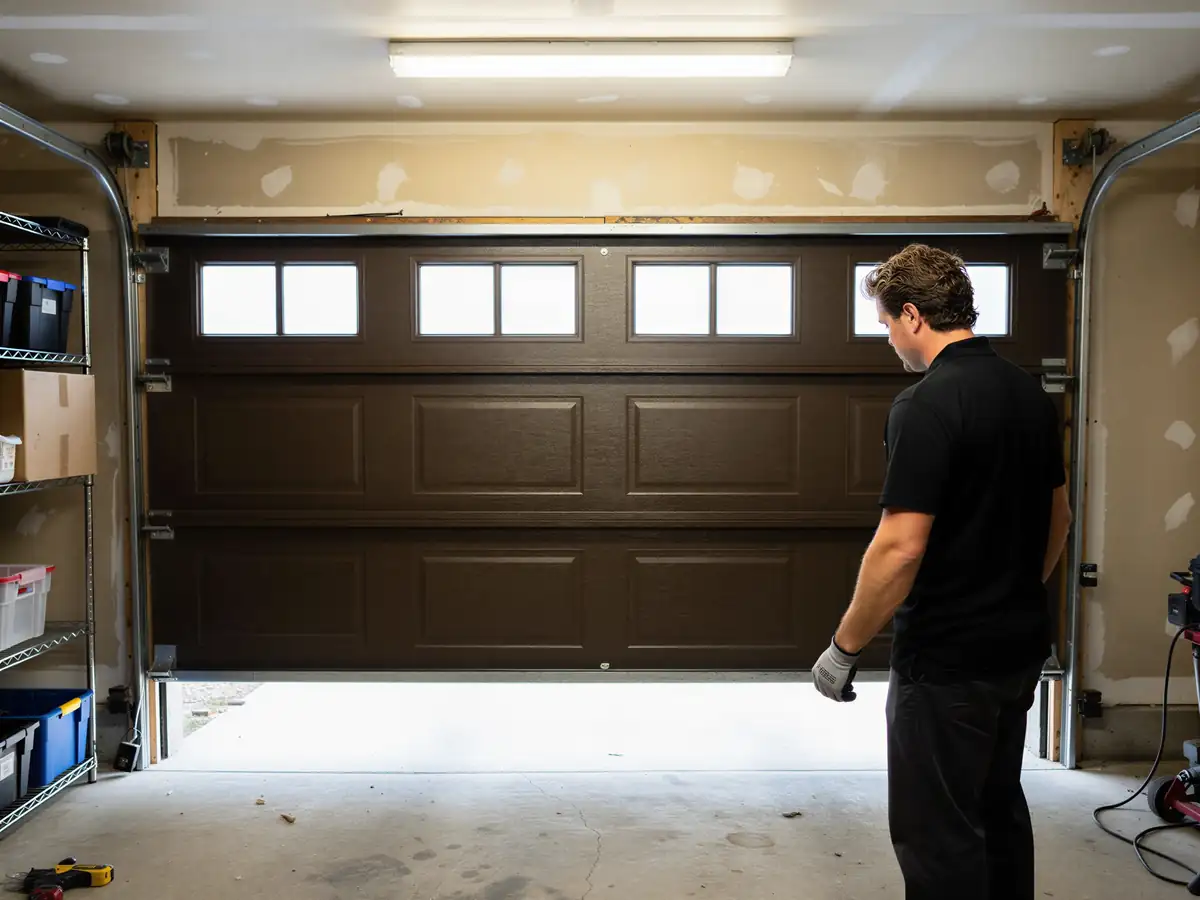
Wilmington's winters sit in a cold, severe climate band, and cold is hard on galvanized cable - the strands stiffen, lose a little flex, and fray at the drum faster than they would in a mild climate. What you'll notice first is a door that hangs a half-inch lower on one side, or a loud pop followed by the door refusing to open past a few inches. That's a cable that's let go, usually on the side that's been bearing more load. Don't force the opener past that point; it strains the opener motor and can bend the track. We come out from Woburn, five miles up the road, to handle it.