Why This Fails Locally
Start with the money, because it decides the job before we ever touch a wrench. Wilmington's median household income is $161,473, well above the $152,014 median across the wider service area we cover from Woburn. That gap matters for one reason: at this income level, most owners are past the point where it makes sense to keep nursing a dying opener with a $40 part from the hardware store. The math flips toward replacement sooner here than it does in lower-income pockets of the area.
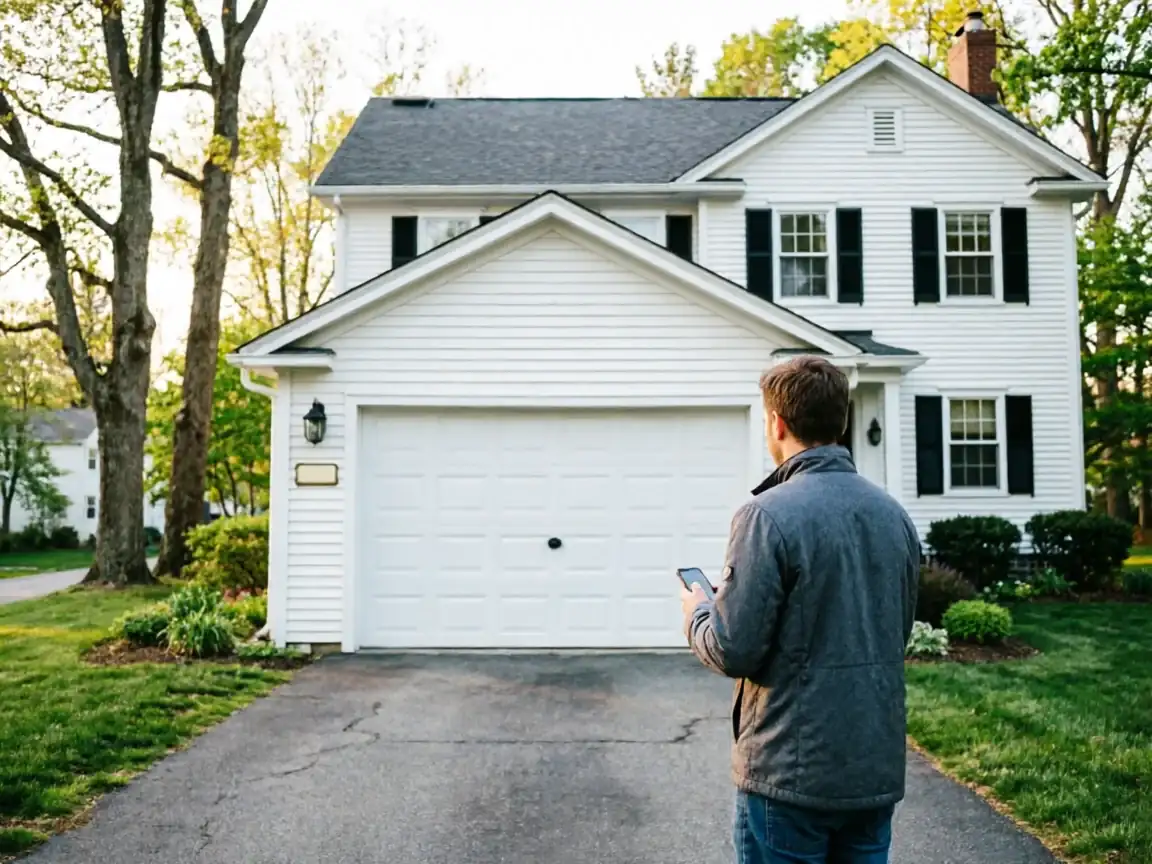
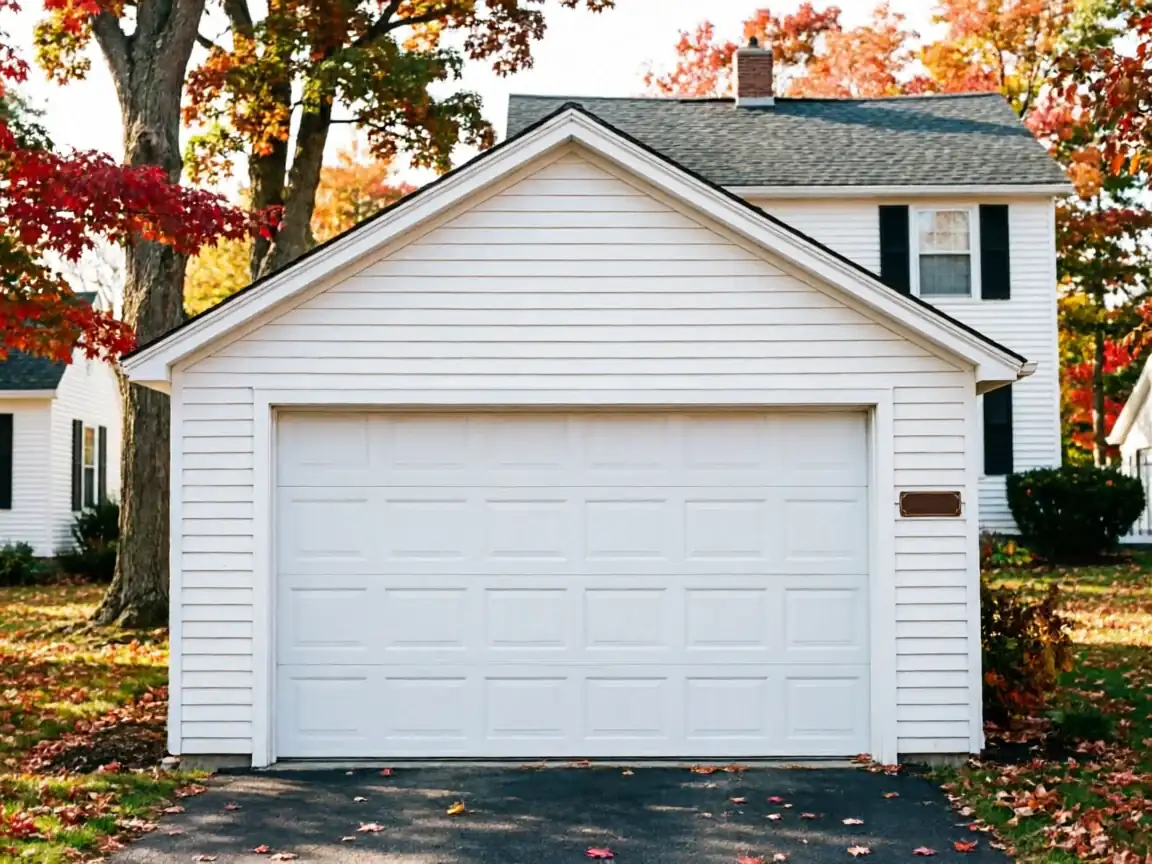
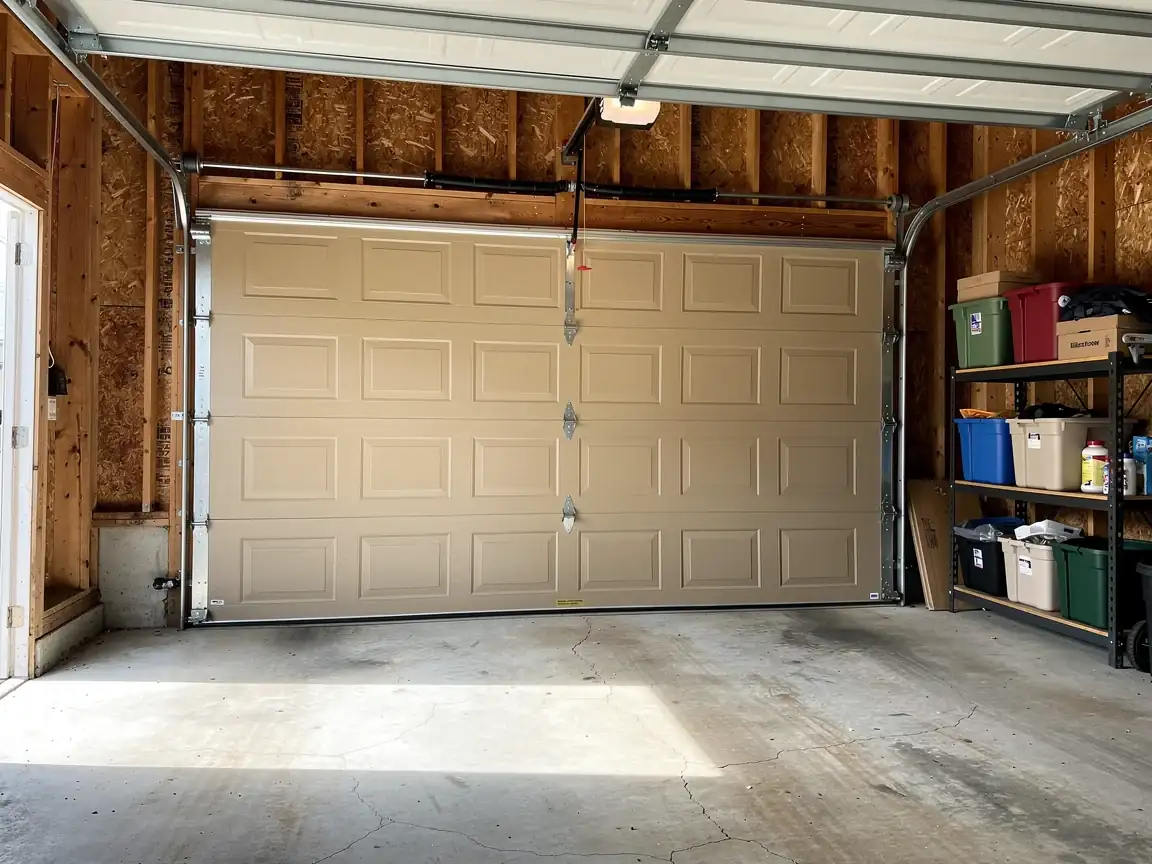
The housing stock backs that up. Wilmington's homes went up mostly around 1978, a good decade past the 1965 median for the broader area's 1938-1988 building wave. That means a lot of these garages got their openers during the chain-drive, half-horsepower era - installed new, often never upgraded, running the original rail and a motor that was never built for daily use past 20 years. The symptom shows up as grinding, not silence: these units don't quit clean, they wear loud for months first.
We travel the five miles from Woburn for these calls. We don't stock a branch in town, so what we bring depends on what we load before we leave - more on that below.
Stocked Parts
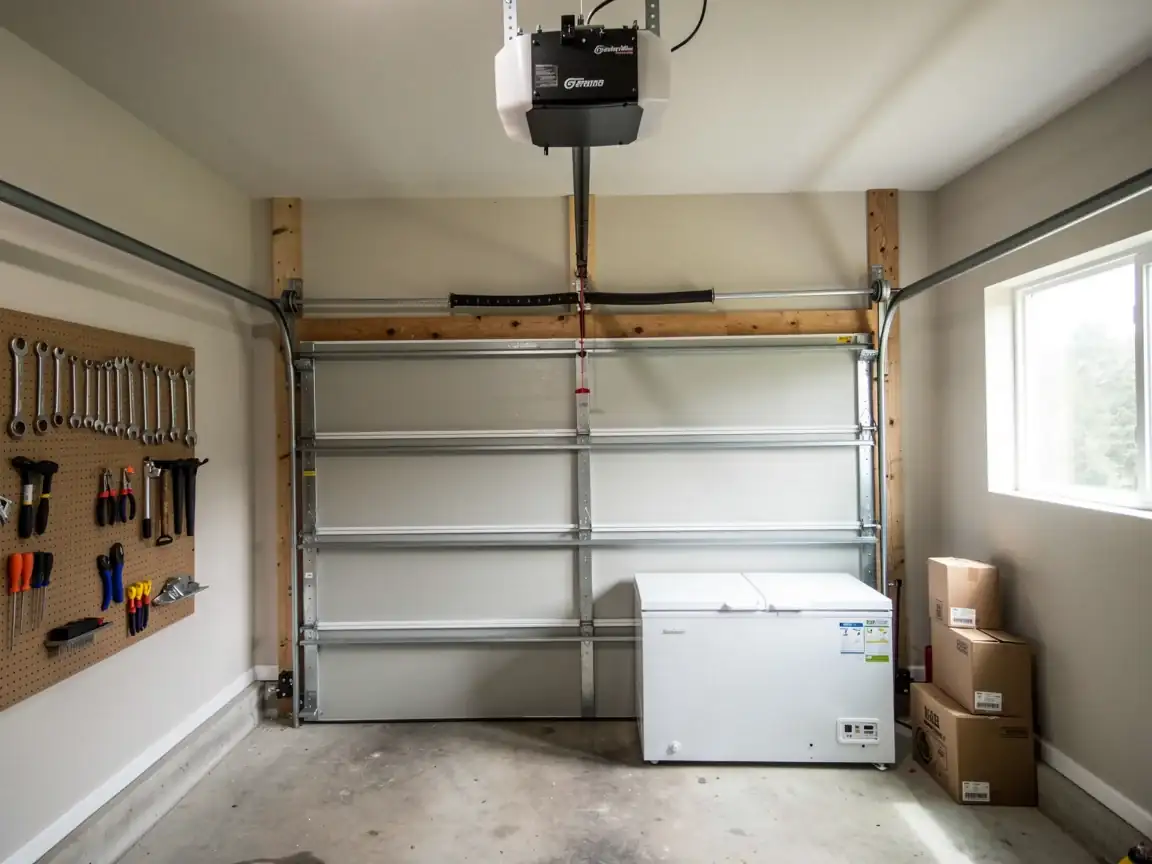
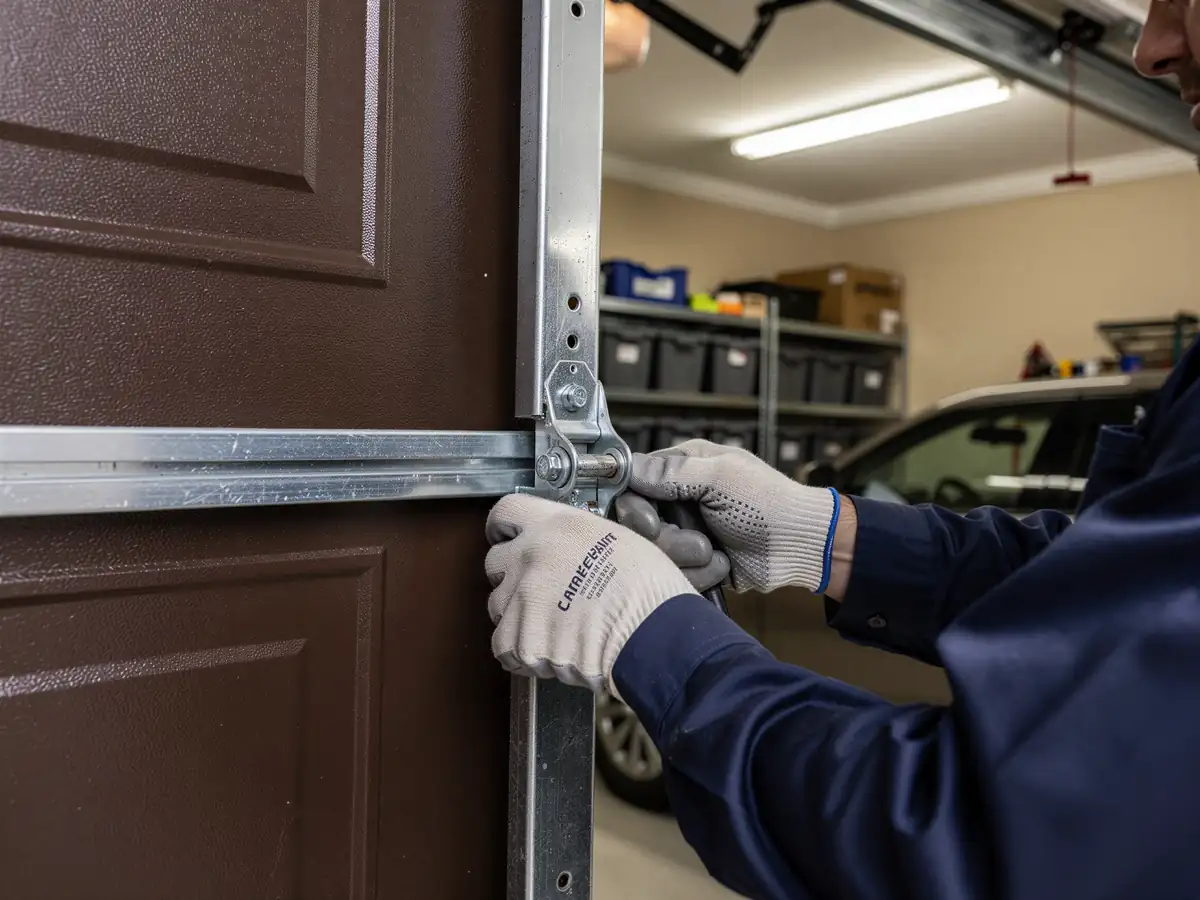
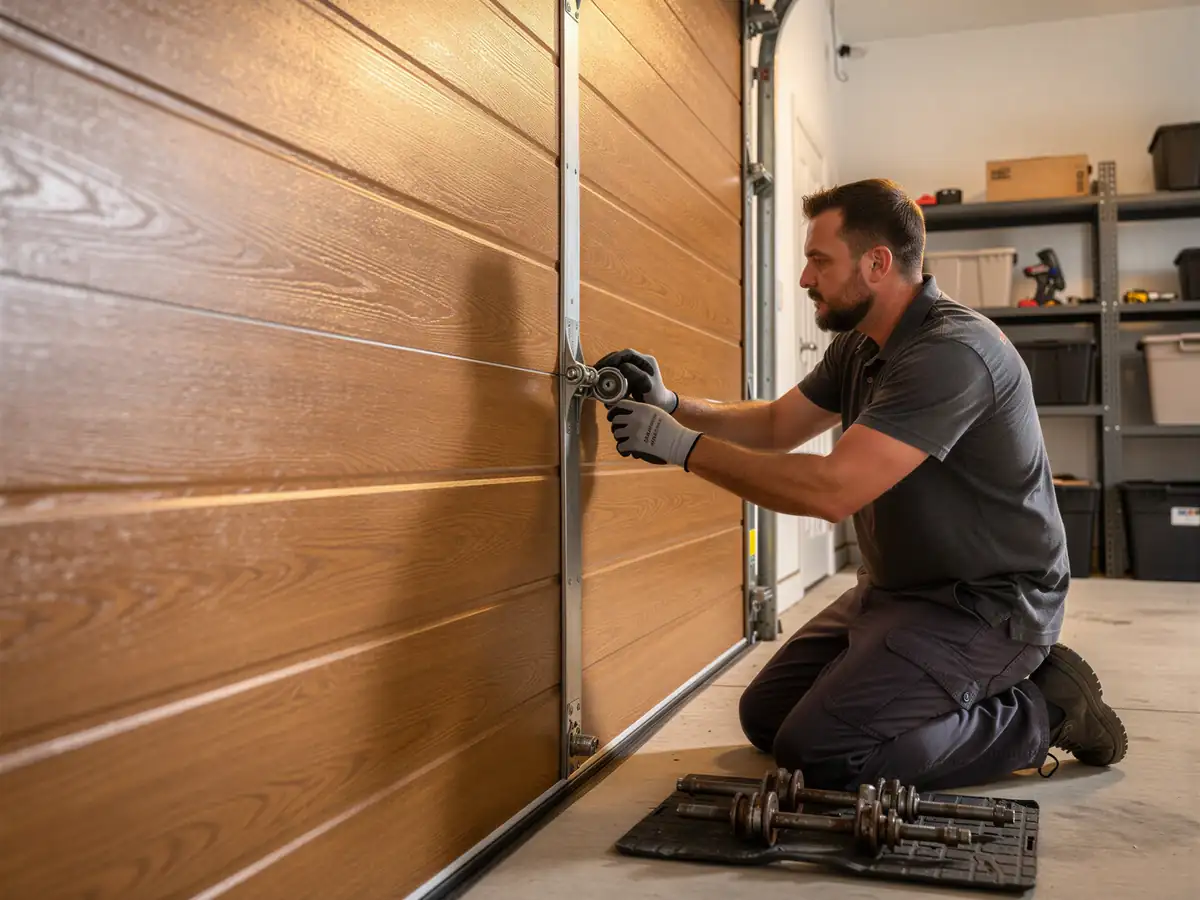
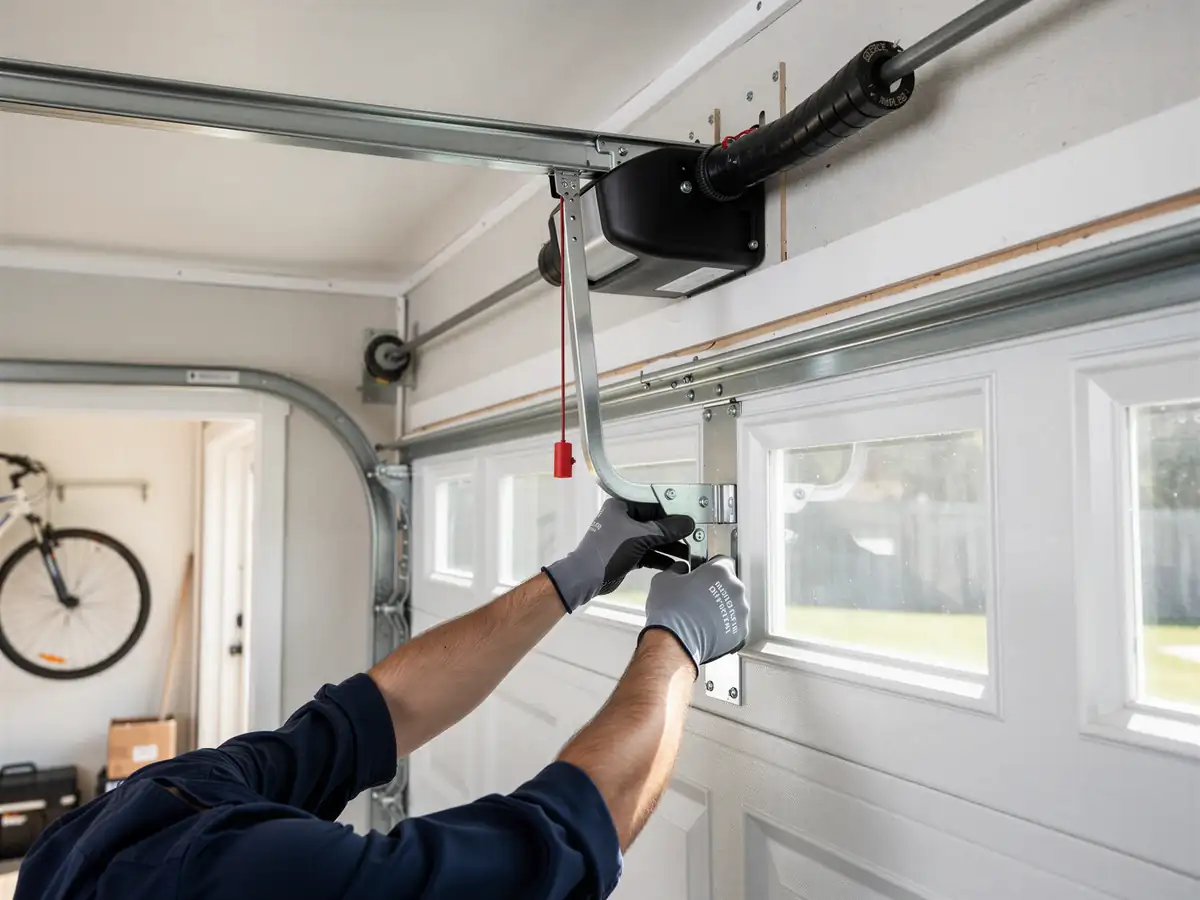
For late-1970s Wilmington garages, the opener itself is rarely the only thing that's shot. The rail, the trolley, and the wall button are often original or close to it, and swapping just the motor head onto 45-year-old rail is a bad trade - you've put a new engine on an old chassis. We carry belt-drive and chain-drive openers sized for standard residential door weights, plus the rail kits, safety sensors, and wall controls that match them, so a full swap doesn't turn into a second truck trip.
Severe cold matters here too. This area sits in a severe-cold climate band, and that's hard on the plastic drive gear inside older chain openers - it's usually the gear that strips, not the motor, when the garage sits unheated through a hard winter. We stock replacement gear kits for the common chain-drive models still running in these houses, along with cold-rated lubricant for the rail, because standard grease gums up and slows the carriage once the temperature drops.
What we don't carry on the truck: openers for commercial doors or anything oversized for a residential bay. That's a special-order item with its own lead time, and we'll tell you that up front rather than promise a same-day install we can't back.
Where This Job Goes Sideways
The trouble spot on a 1978-era garage isn't the opener - it's the bracket it hangs from
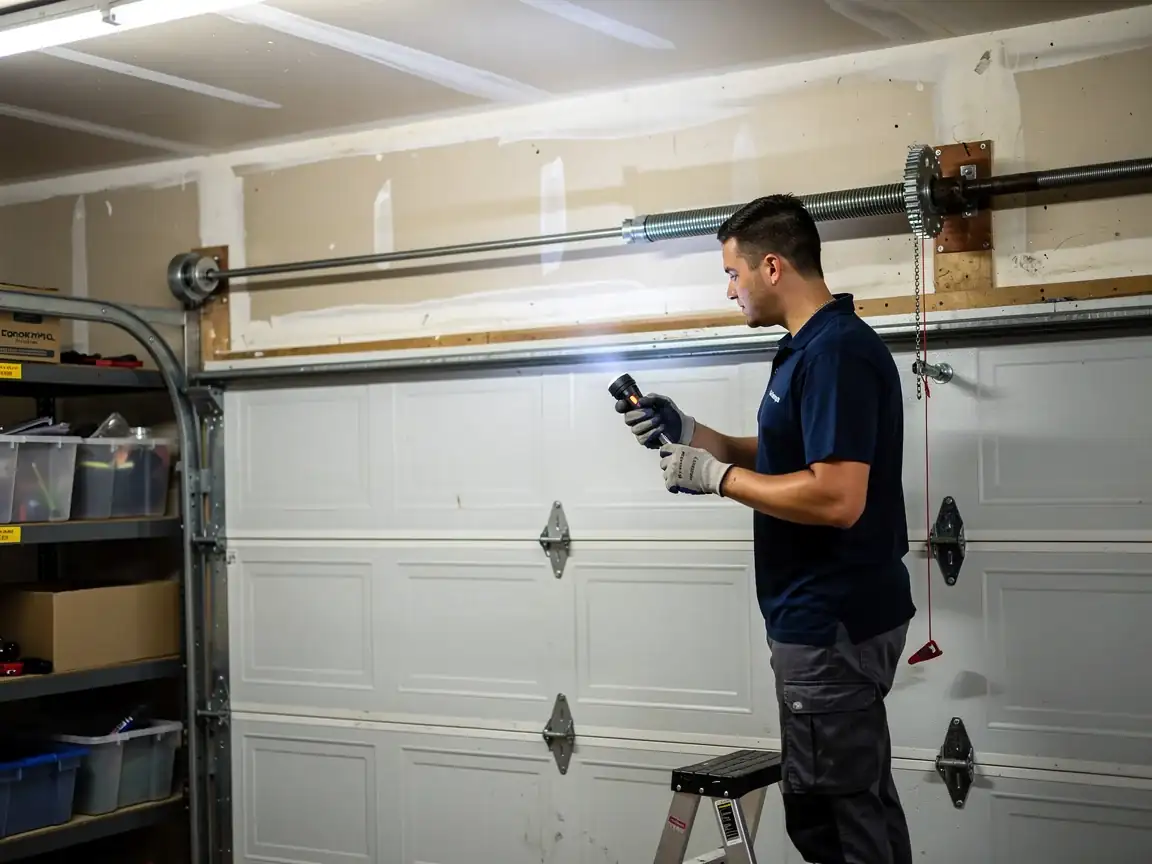
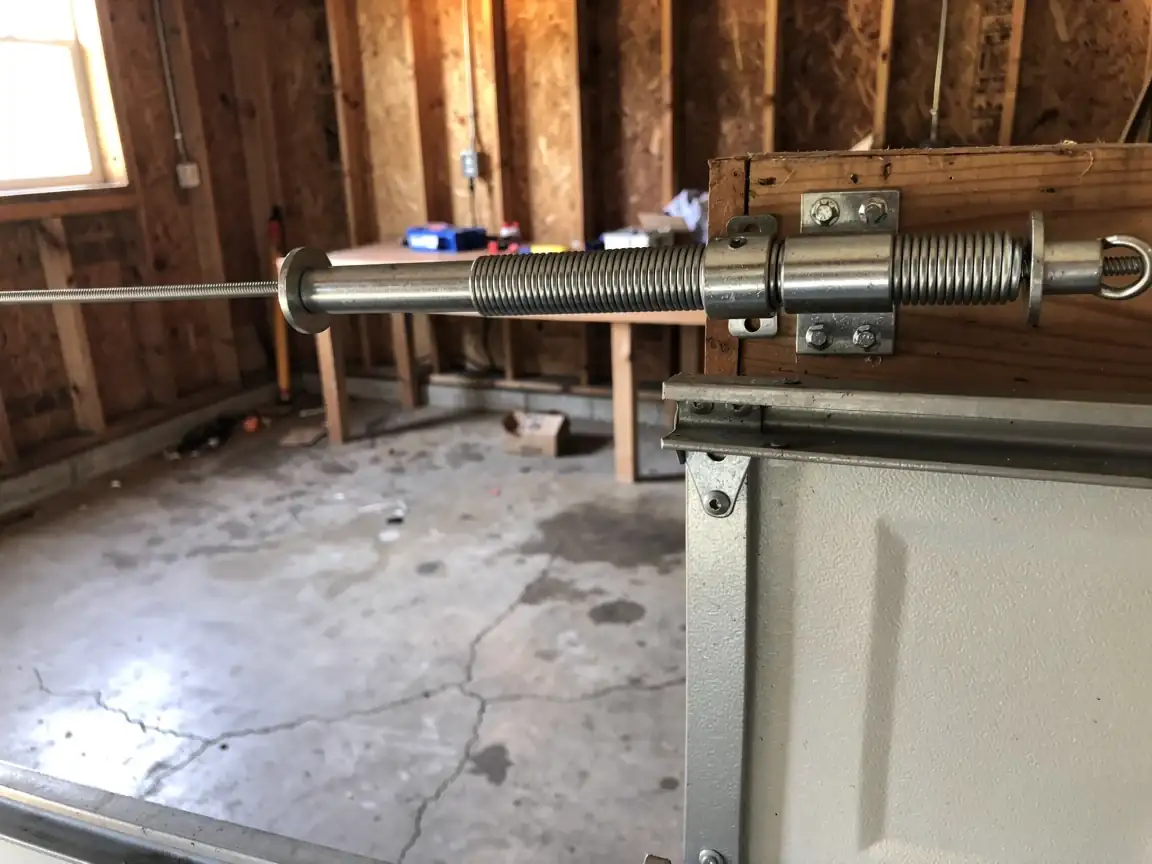
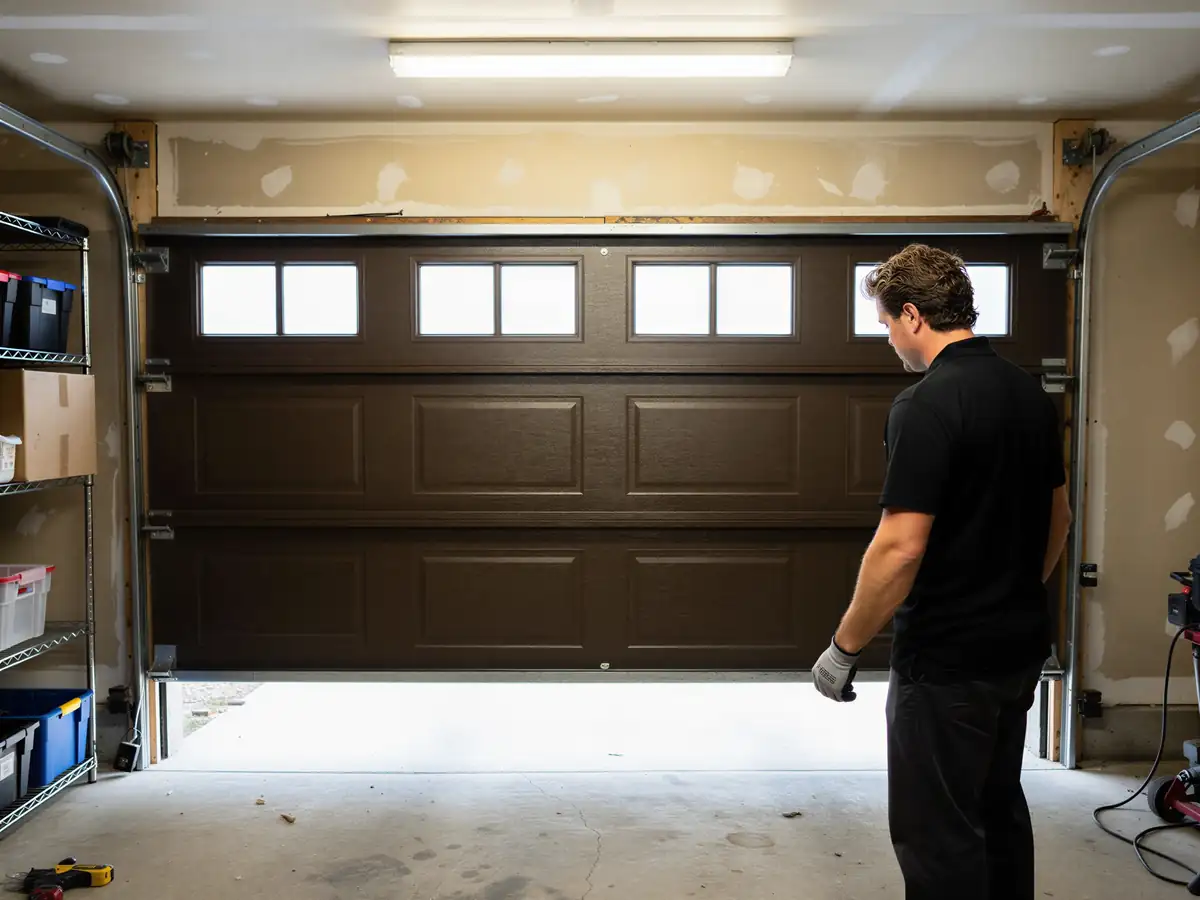
Houses from this build era often have a header board that was never reinforced for anything heavier than the original half-horsepower unit. Step up to a stronger modern opener without checking that board first, and you get vibration, a sagging rail, or a bracket that pulls loose six months in.
The other failure point is the safety sensor retrofit
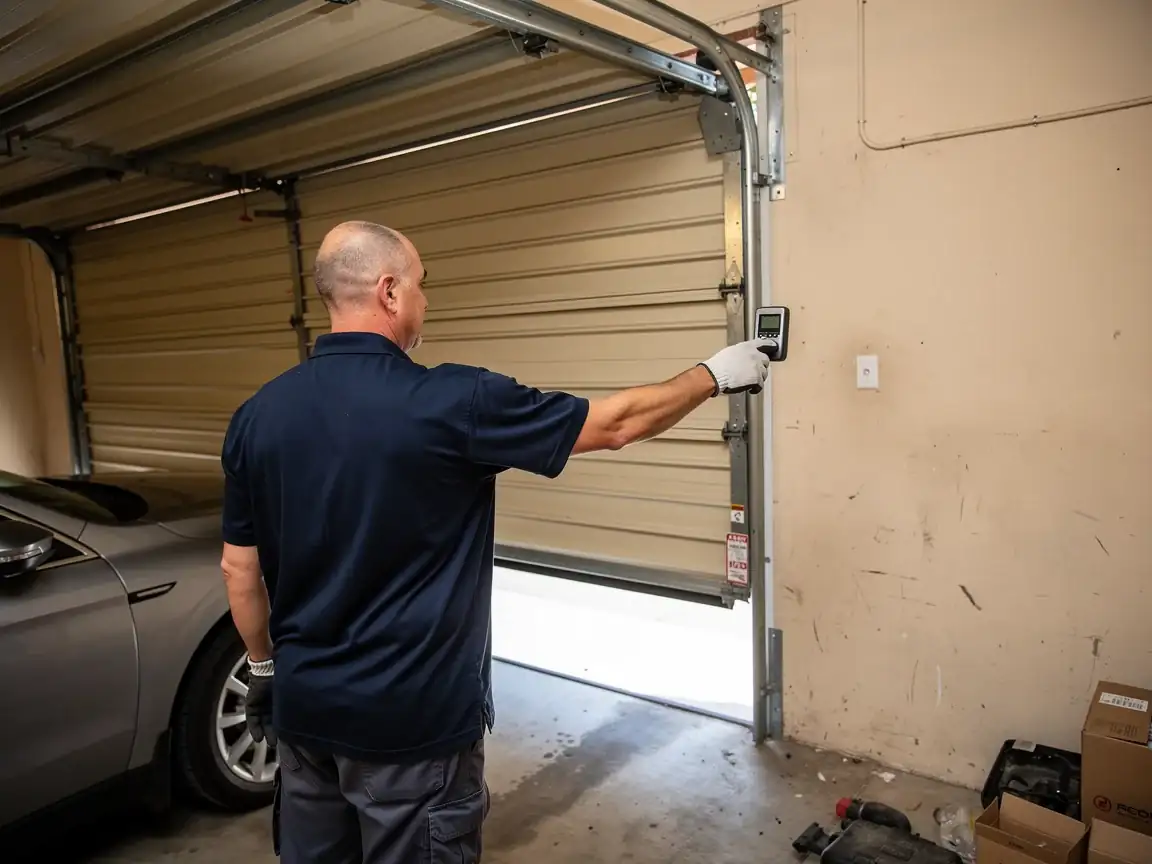
Openers from the 1970s predate the federal reversing-sensor requirement that came later, so plenty of these units in town were either upgraded piecemeal over the years or never upgraded at all. When we pull one of these, we sometimes find sensors wired in but mounted wrong, which defeats the point of having them. We won't leave a job with sensors that don't actually trip - that's not a judgment call, it's the one thing we don't compromise on regardless of what the old setup looked like.
We're honest about the limit here
If the header board is rotted or undersized, that's carpentry, not an opener job, and we'll say so rather than bolt a new unit to bad wood.
The Symptom
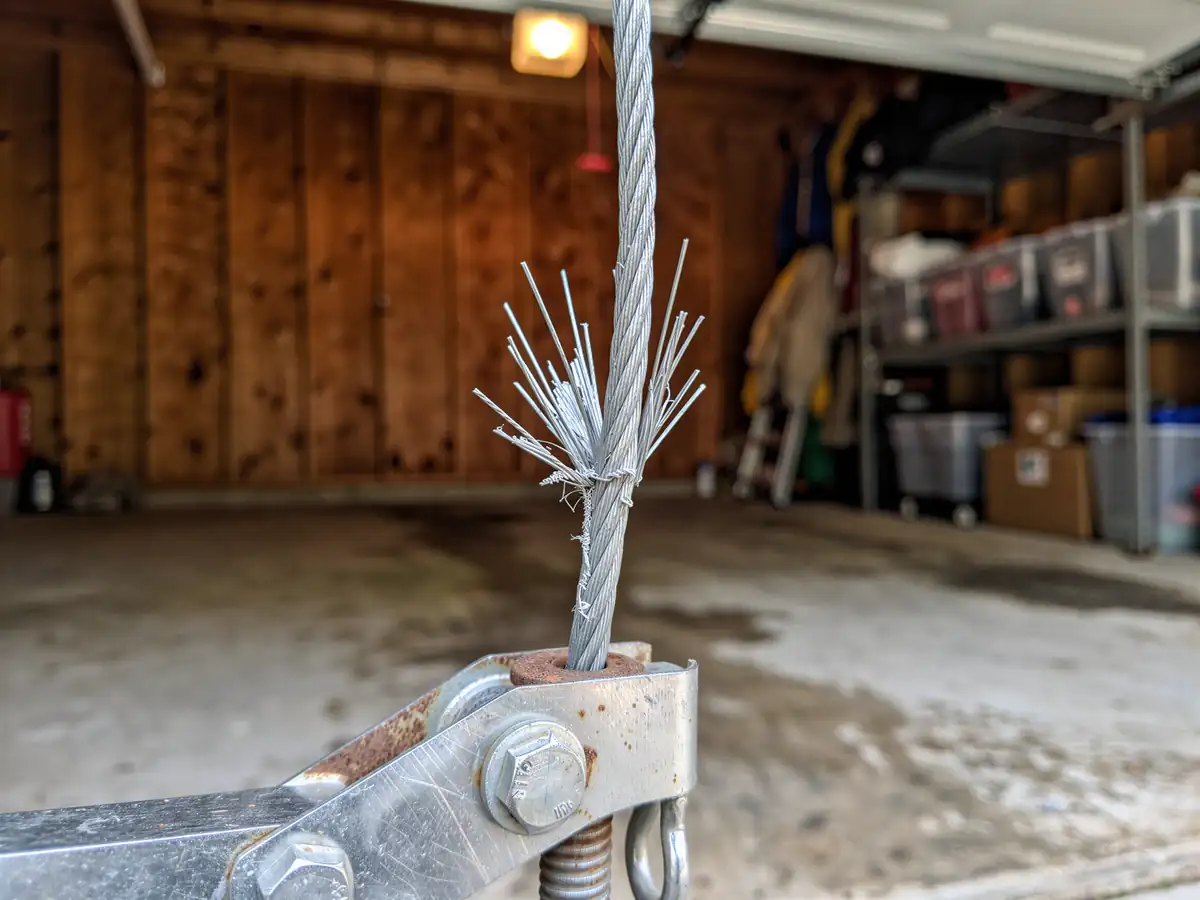
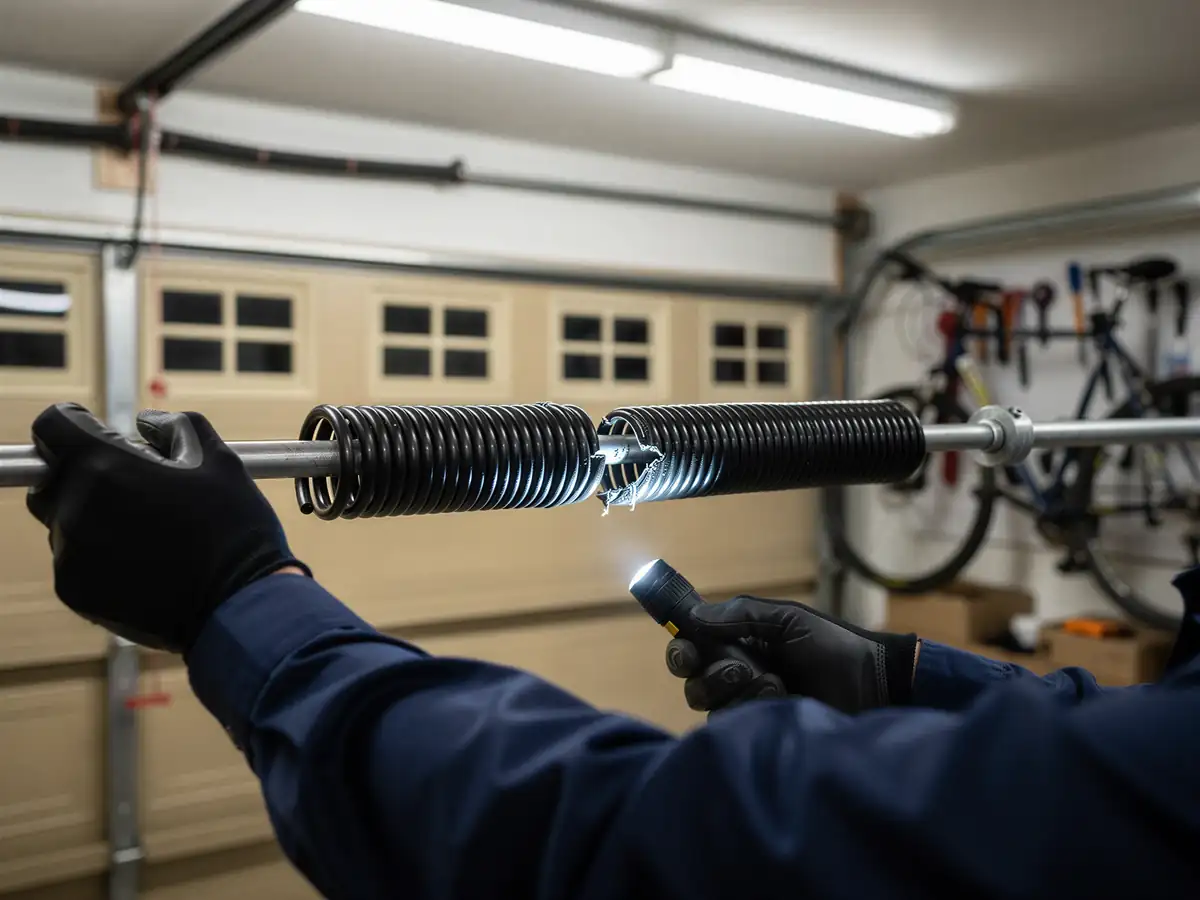
The call we get most from this part of town starts the same way: the opener runs louder than it used to, then starts stalling partway up before finishing the cycle a second or two later. That's the drive gear going, not the motor, and on a 1978-built garage it's almost always been running the original gear for far longer than it should have.
A second version of the same call: the door reverses on its own partway down for no clear reason. On houses this age, that's frequently a sensor that's drifted out of alignment over decades of settling, not a new fault. Either symptom is worth a look before the unit fails outright and leaves a car trapped inside on a cold morning - not an unreasonable worry given the severe-cold winters this area sees.
If you're hearing either of these, it's worth a call before the gear strips completely, since a full stall mid-cycle on a double door can jam the panel in the track.