Why This Fails Locally
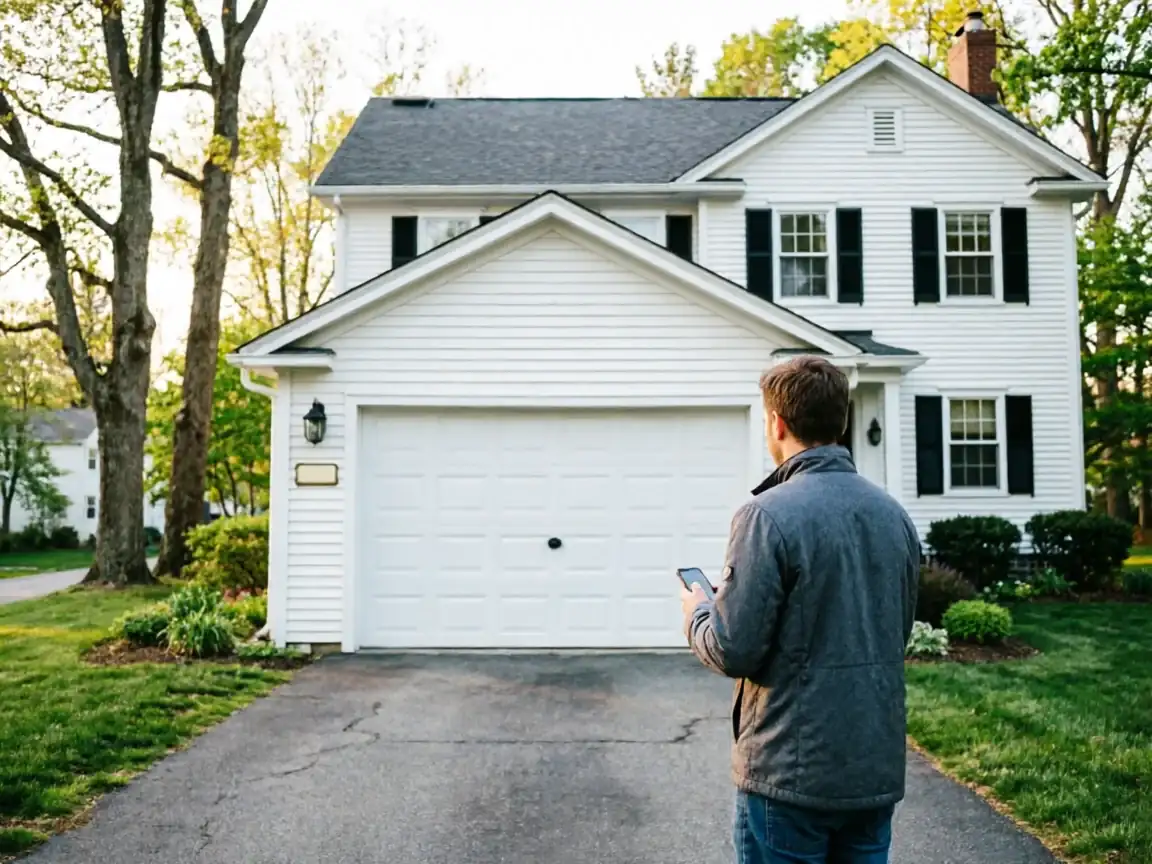
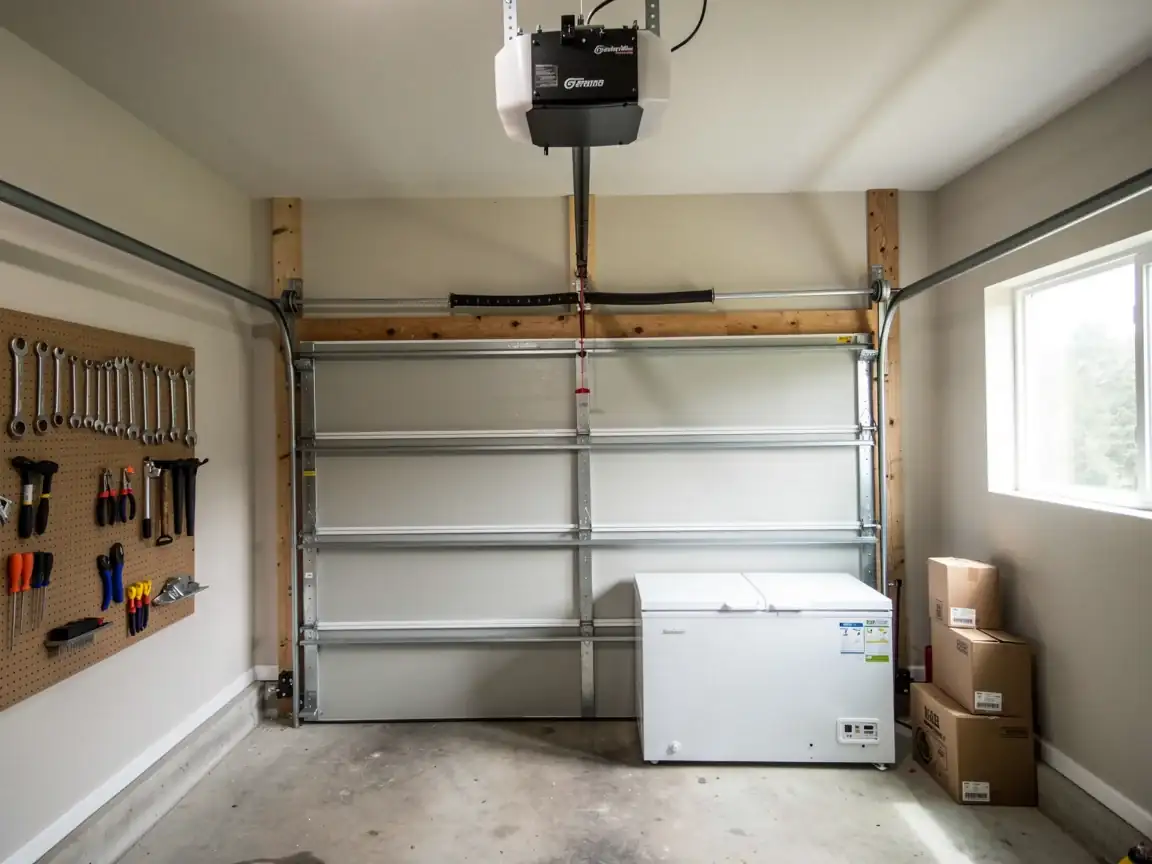
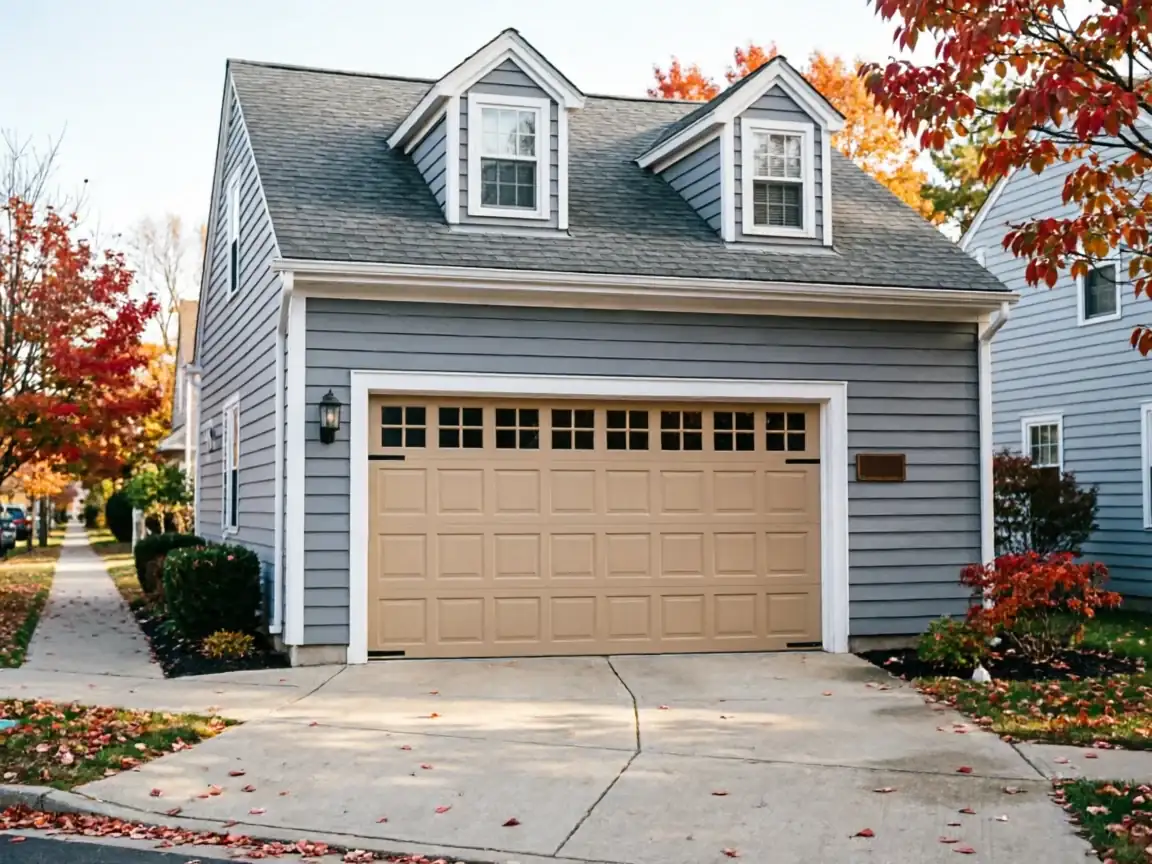
Wilmington is a town of 7,871 households, which is small enough that the garage door stock here doesn't look like the rest of the area we cover out of Woburn. Across our wider service area, the typical house went up somewhere in the 1960s or 70s, with plenty even older. Wilmington's median build year is 1978, noticeably later than that regional mix. A house built in the late 70s usually came with a lighter steel door and, depending on when it was last replaced, either an old extension-spring setup from the original build or a torsion conversion done sometime in the 80s or 90s. That split matters. We see more mixed hardware here than in towns with a single dominant building decade, because owners who replaced doors on a 1978-era house did it across three different decades of opener and spring technology. The fix that worked on your neighbor's door from the same build year can still be wrong for yours if someone swapped the spring system along the way and didn't update the rest of the hardware to match. We're 5 miles out from our Woburn base to get here, which isn't far, but it means we show up knowing what to check before we even open the door panel, not guessing based on the house's age alone.
Stocked Parts
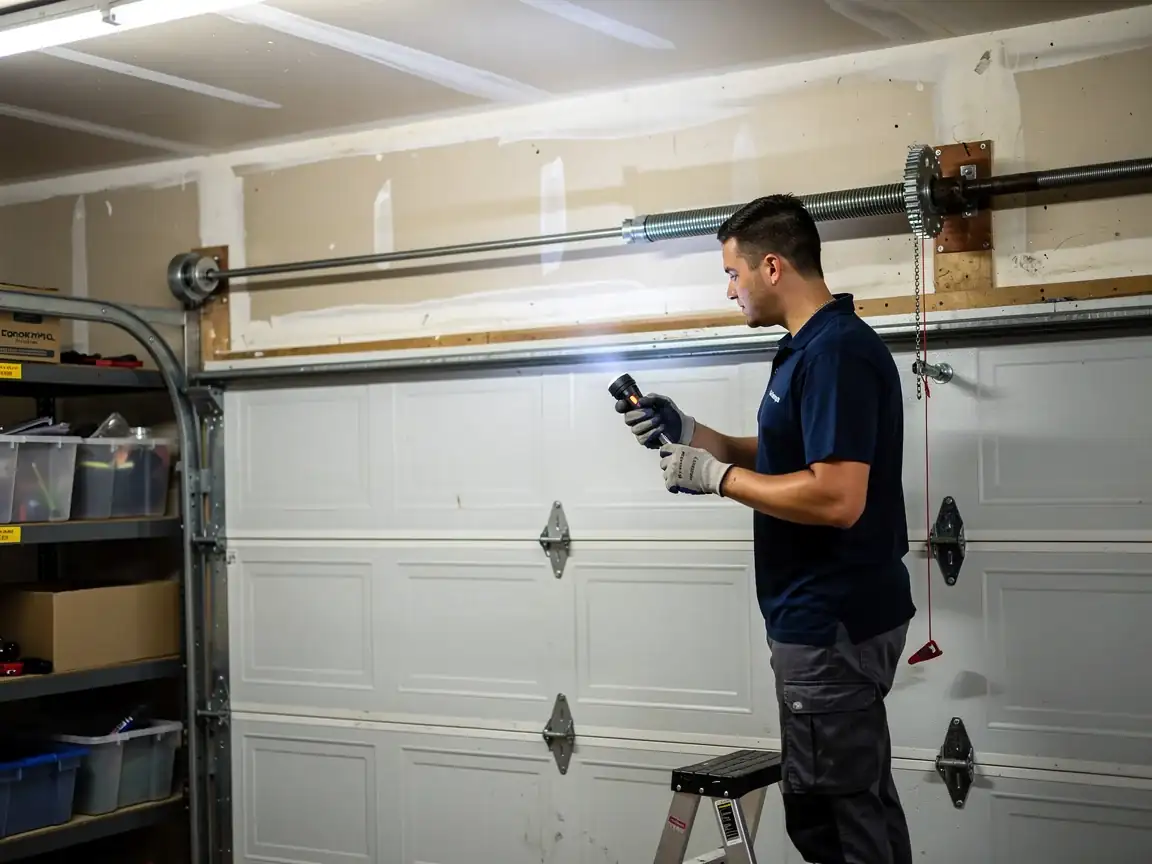
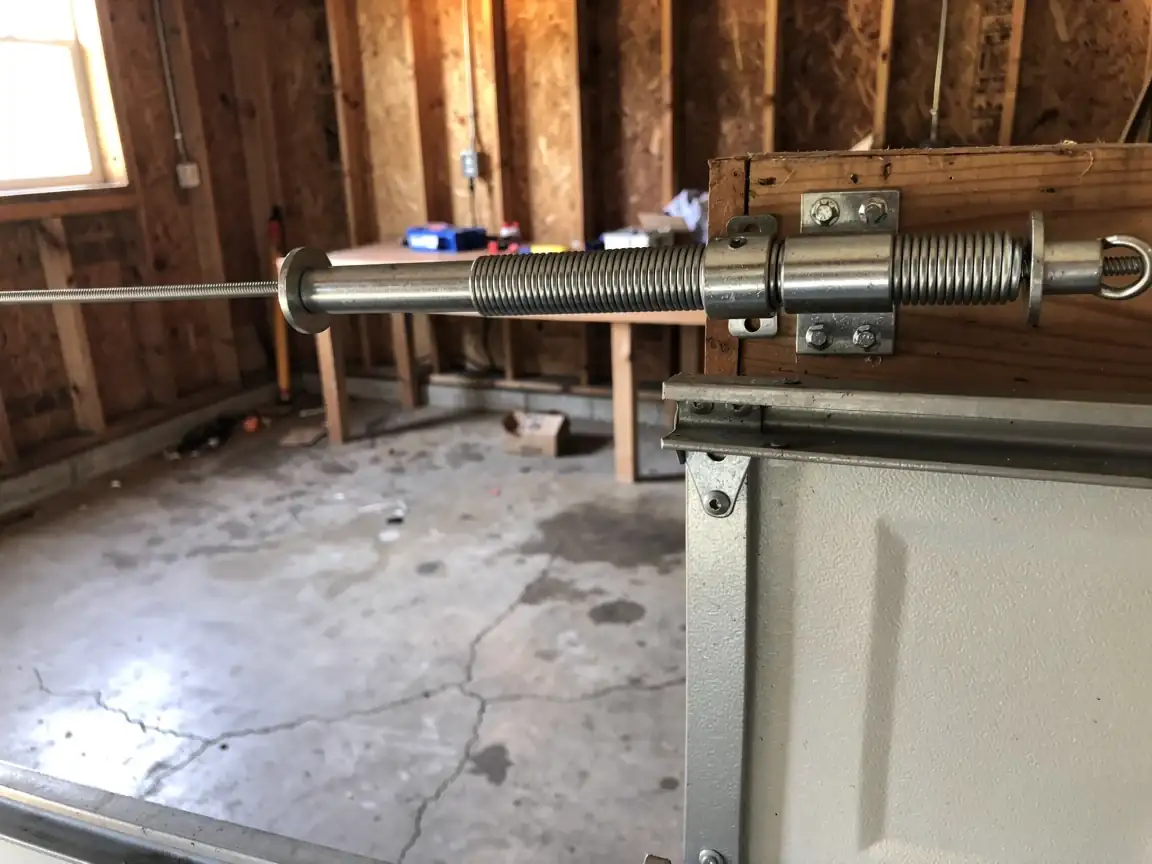
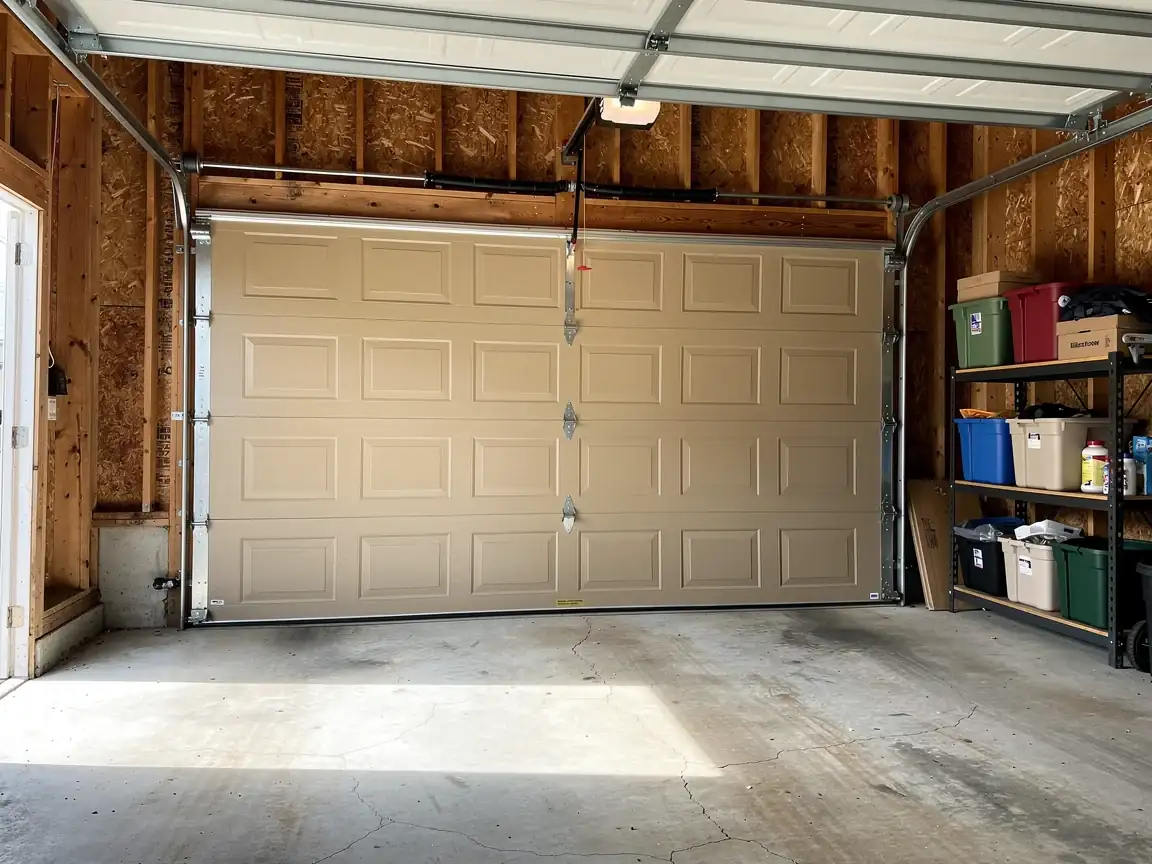
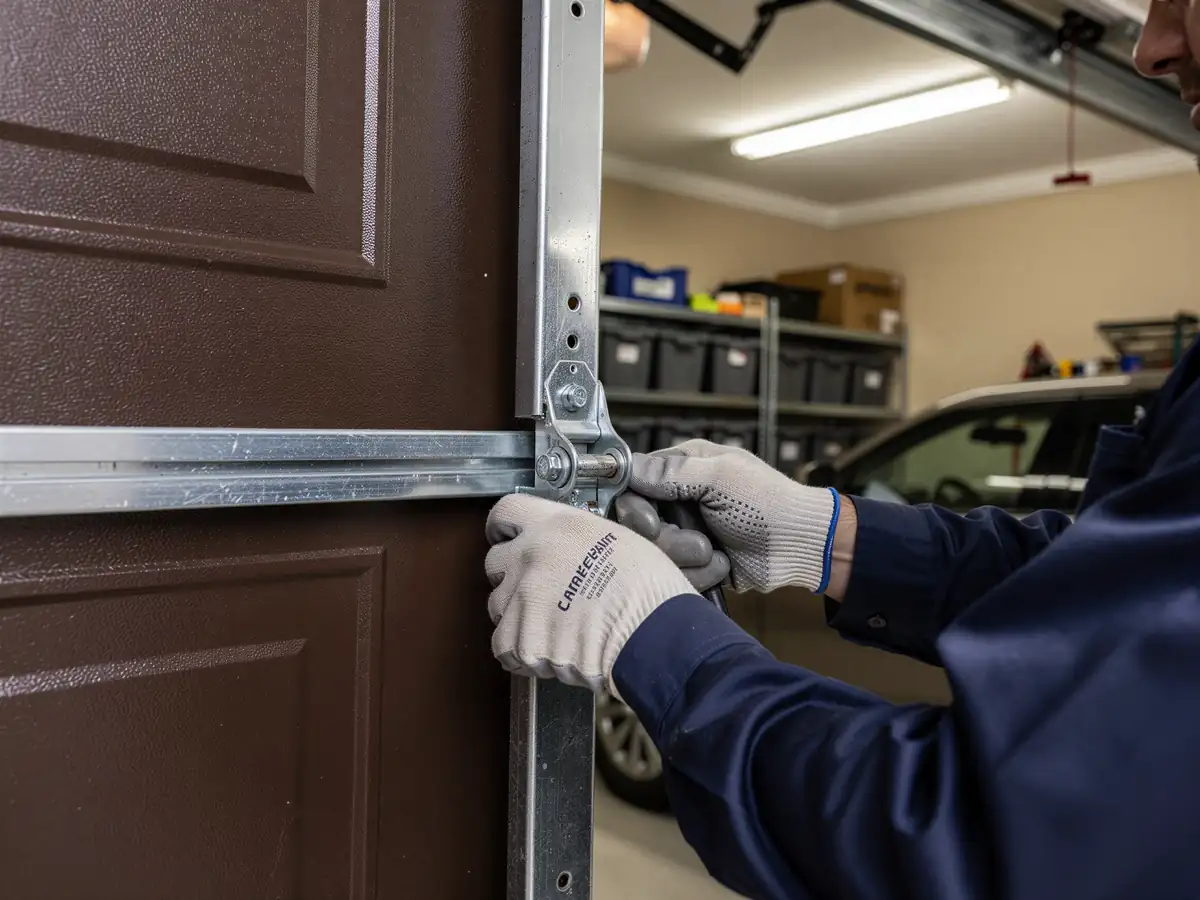
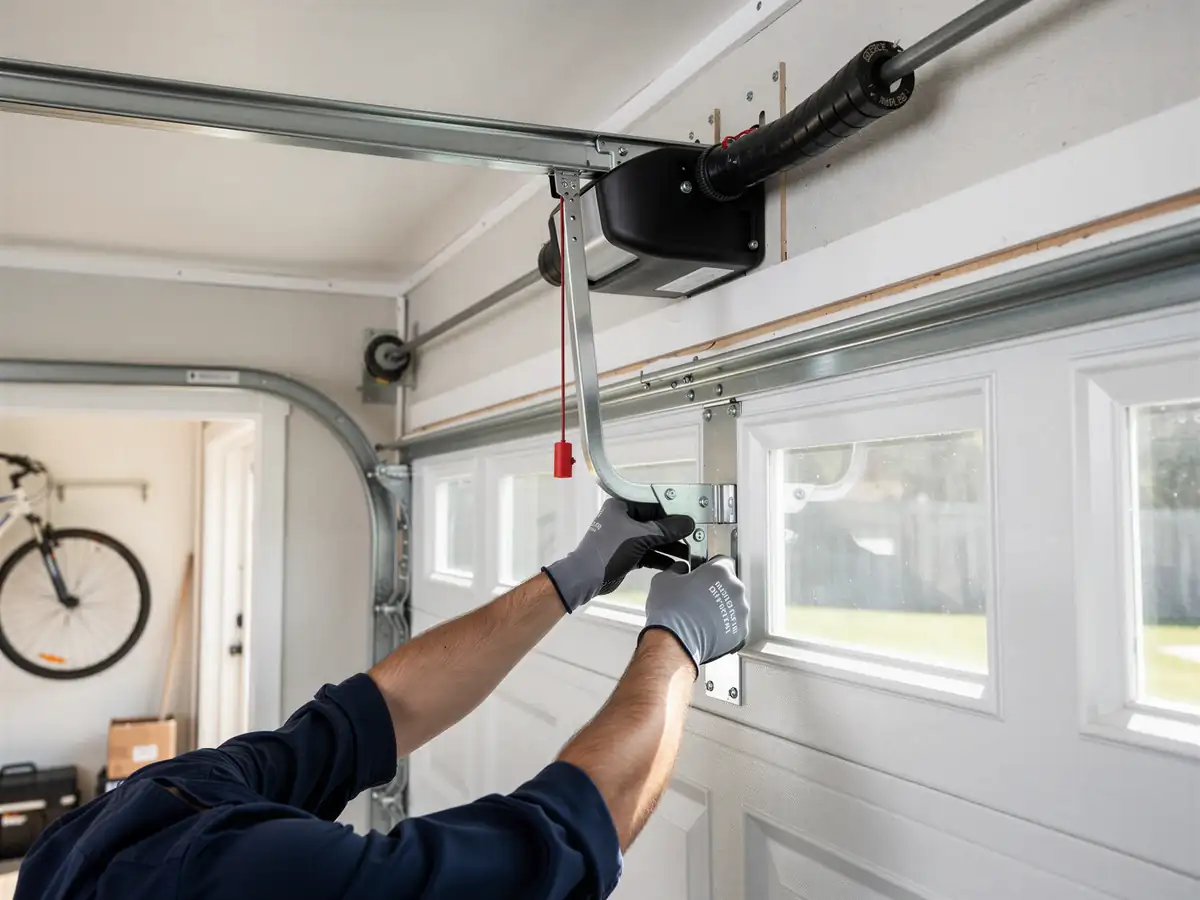
Because Wilmington's housing sits in that late-1970s band, we carry torsion springs sized for the lighter steel doors common to that era, along with the extension-spring hardware that still turns up on houses that never got upgraded. Nylon rollers and standard 2-inch track sections cover most of what we find. Openers from the 80s and 90s conversions often need belt or chain parts that don't match whatever's on the shelf at a big box store, so we keep both styles on the truck rather than driving back to Woburn mid-job. What we don't stock is anything built for a door older than that main stretch of construction - if your house predates the neighborhood's typical build year and still has its original door, that's a job we price after we see the hardware in person, not off a parts list.
The Symptom
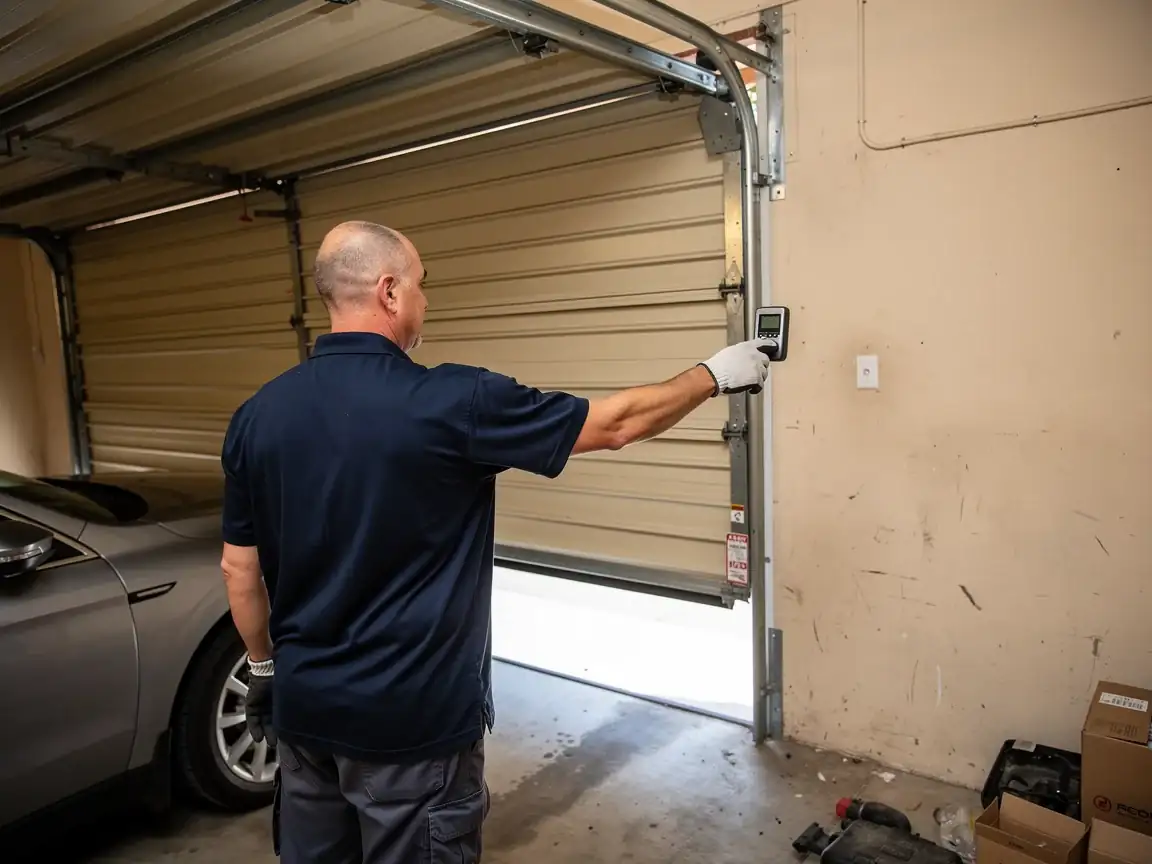
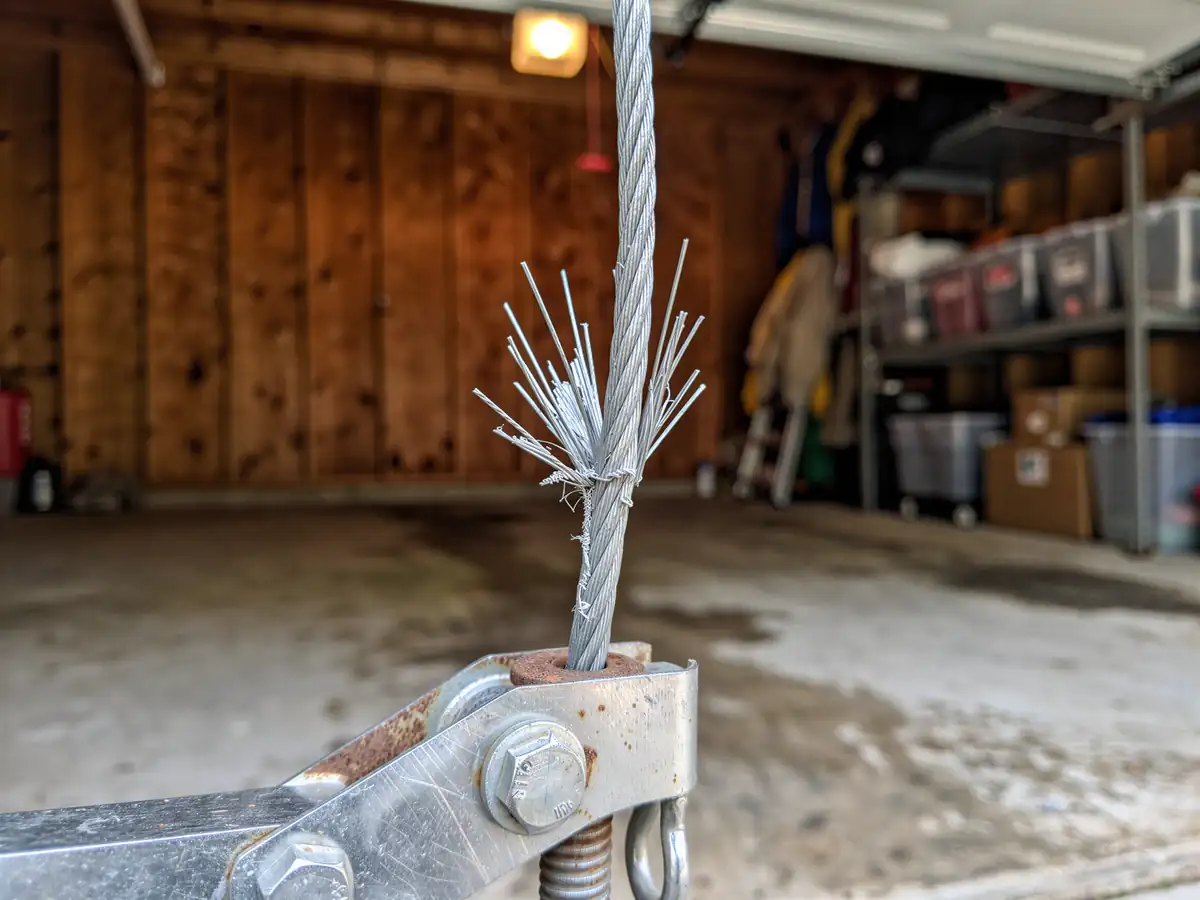
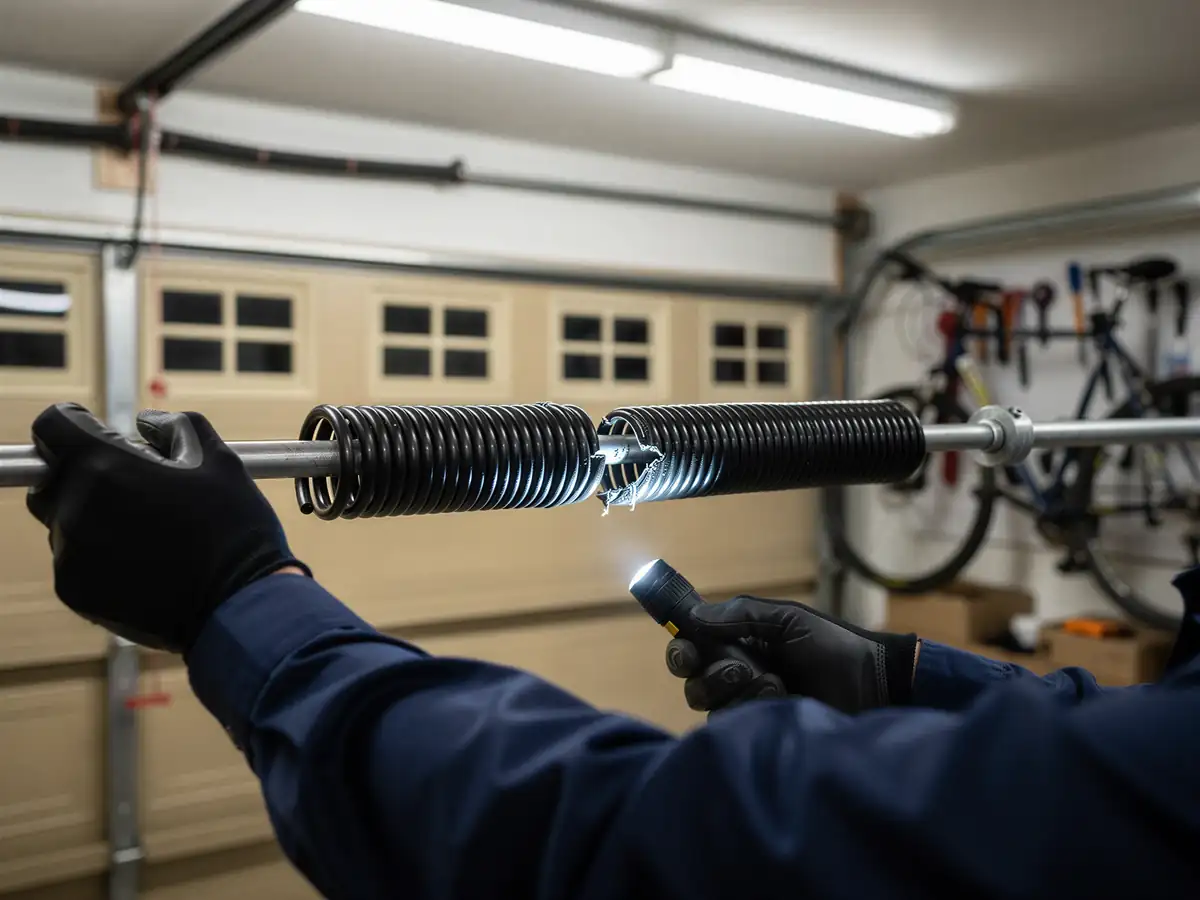
If your door is slow to close, reverses partway, or the opener strains and clicks before it moves, that's tension loss talking, not necessarily a dead opener. On a house built around 1978, we check the spring and cable condition first, because replacing a $40 part beats replacing a $400 one, and we won't push a full opener swap when the fix is smaller. One honest limit: if the door's original hardware is original to the house and has never been serviced, there's a point where the frame and rollers have worn enough that maintenance just delays a replacement you'll need in a year or two anyway. We'll tell you straight when that's where you are instead of billing for a tune-up that won't hold.