Why This Fails Locally
Wilmington sits about 5 miles from our shop in Woburn, which is close enough that a broken spring or a door stuck half-open doesn't turn into an all-day wait, but it's still a real drive, not a walk down the block. That matters for how the call actually runs: we're loading the truck with parts based on what we expect to find before we ever pull out of the lot, because there's no running back for a part we guessed wrong on.
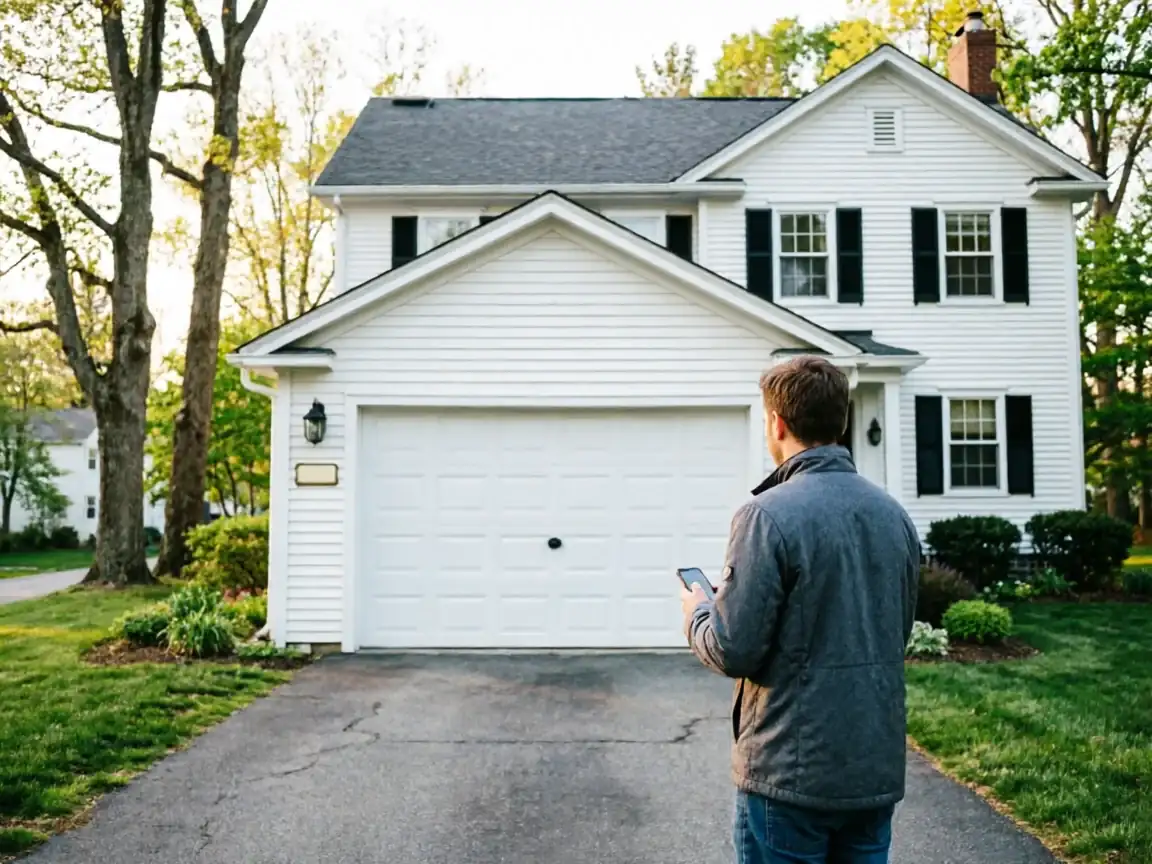
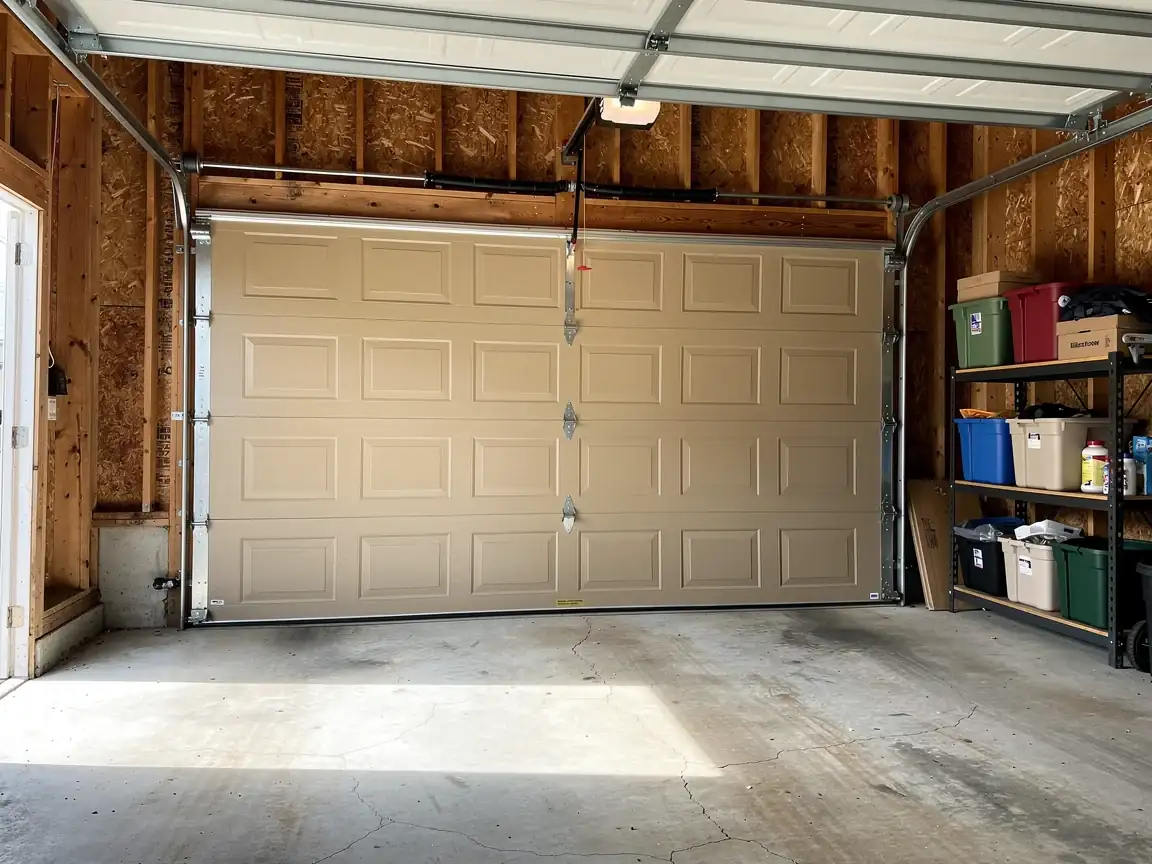
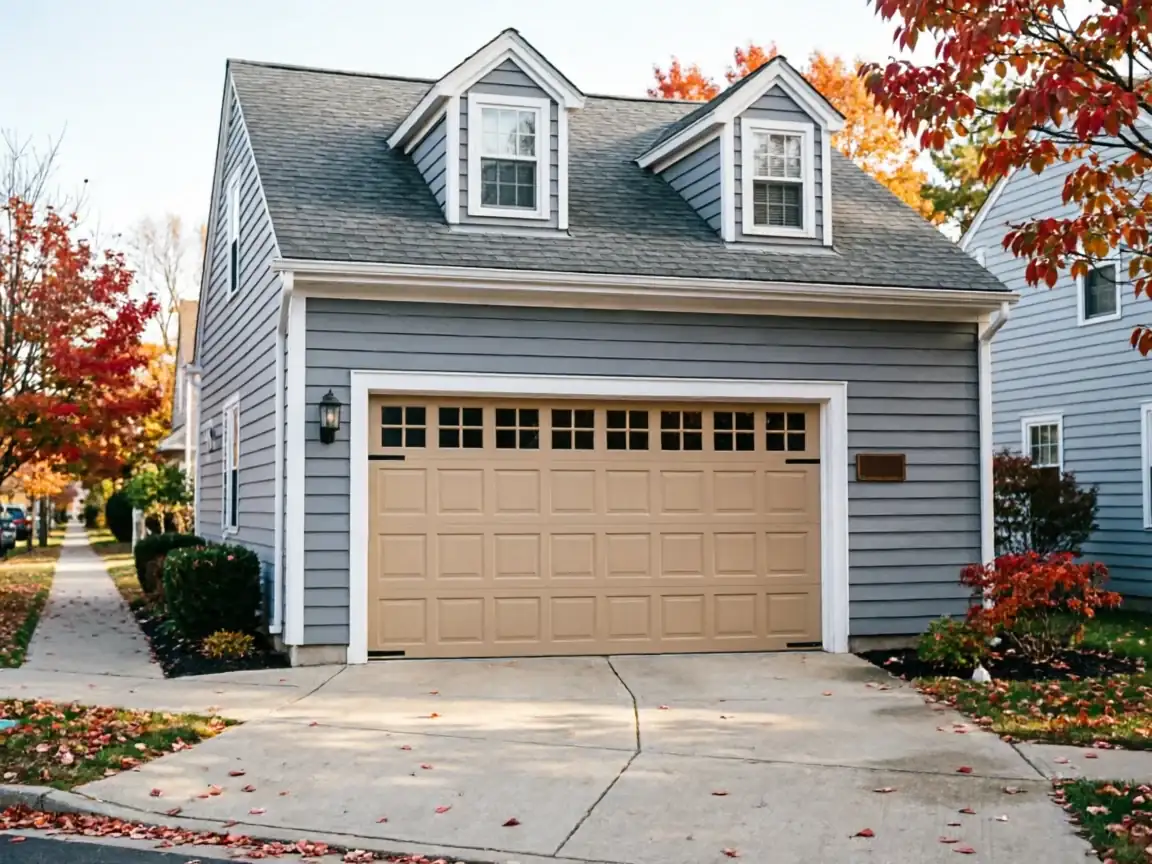
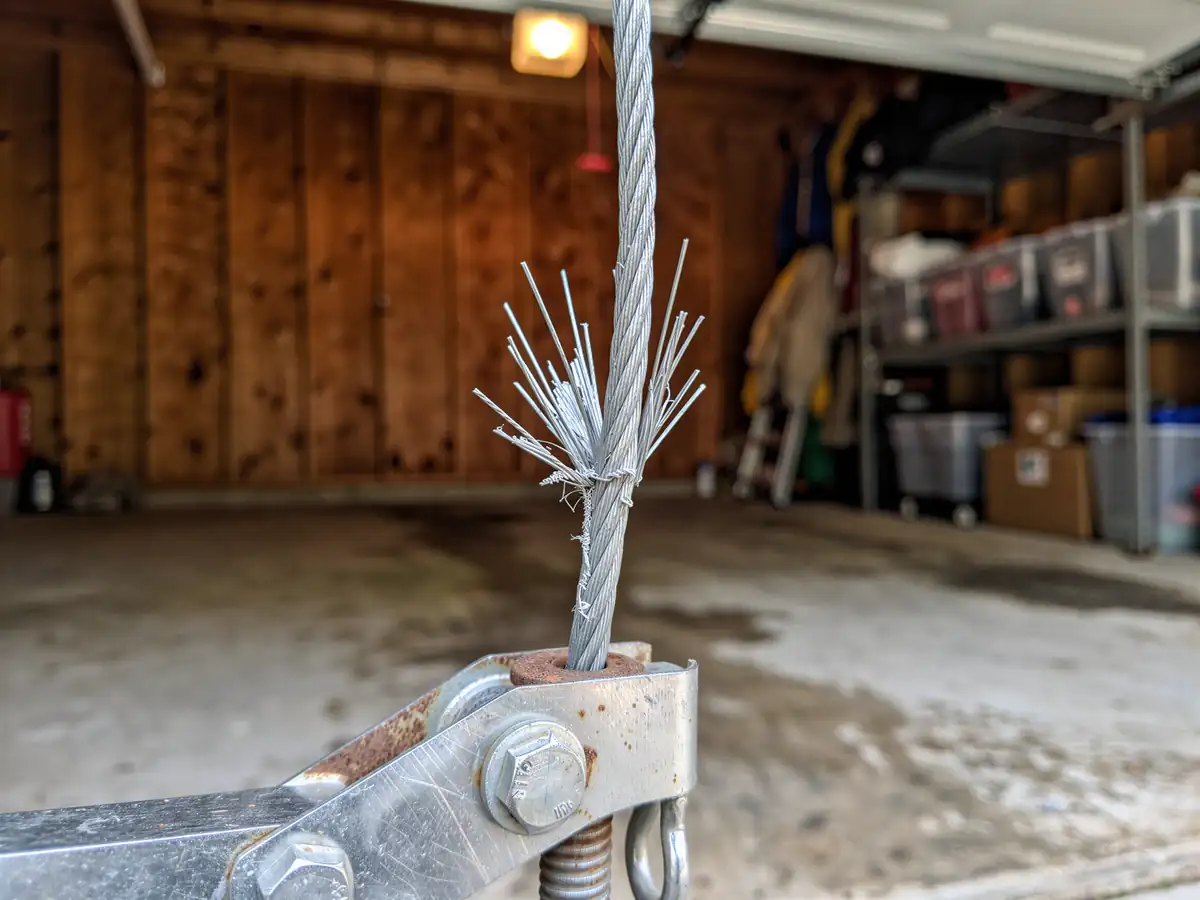
What we expect is shaped by the houses here. The median home in Wilmington went up around 1978, which puts a lot of this town squarely in the era of early torsion and extension spring setups paired with chain-drive openers that were standard through the late '70s and into the '80s. That's a different animal than the older colonials closer to Woburn's center, built in the 1960s. Newer hinges, different drum sizes, different opener mounting. Combined with a climate that runs cold and severe for a good chunk of the year, steel hardware from that build era has had decades of freeze-thaw cycling on it. Springs fatigue, cables fray at the drum, and it tends to let go on the coldest mornings, not the mild ones.
Stocked Parts
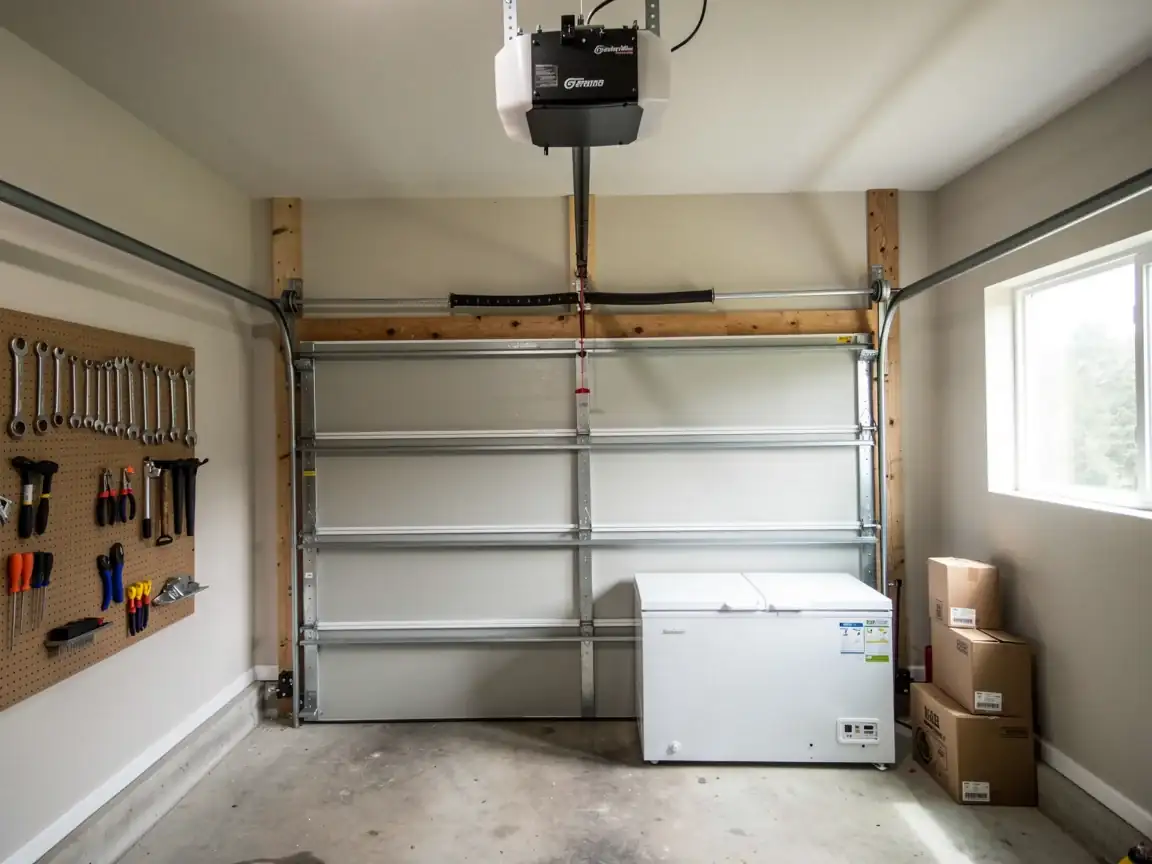
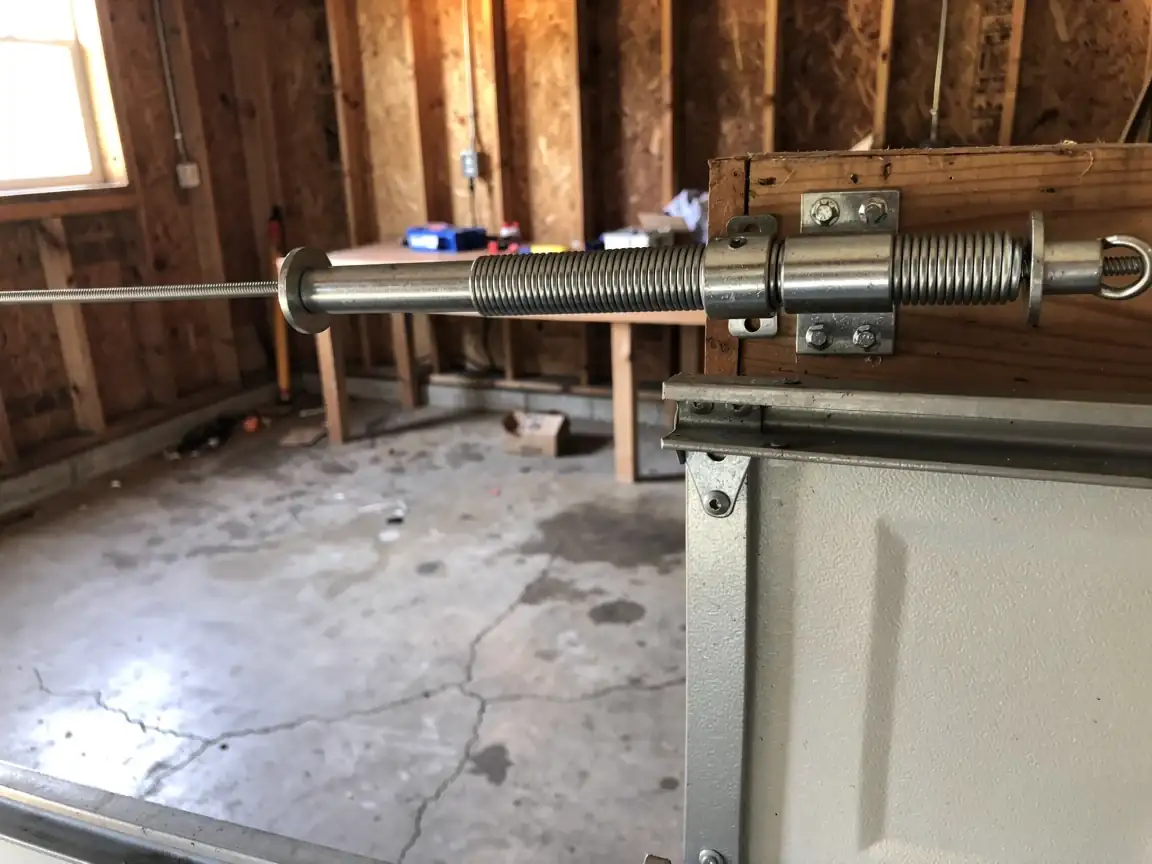
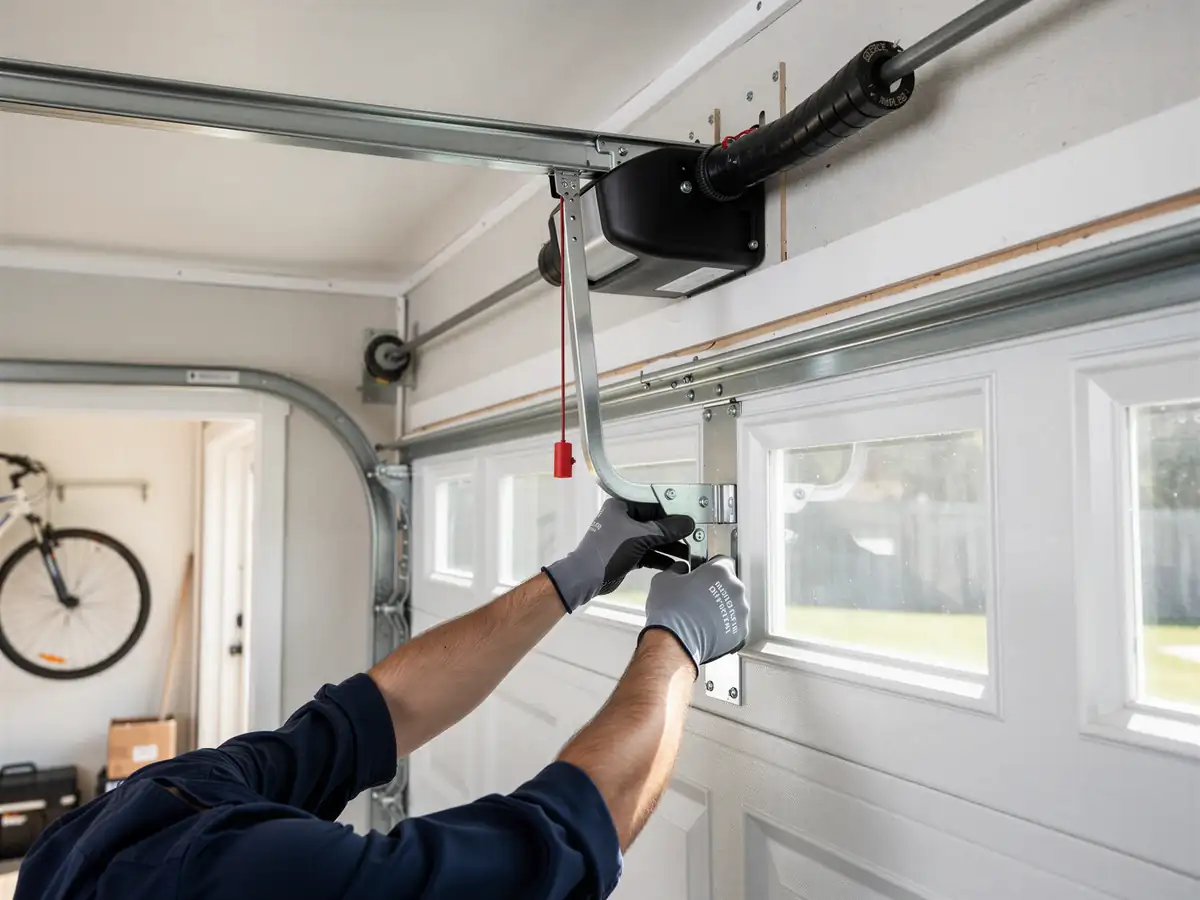
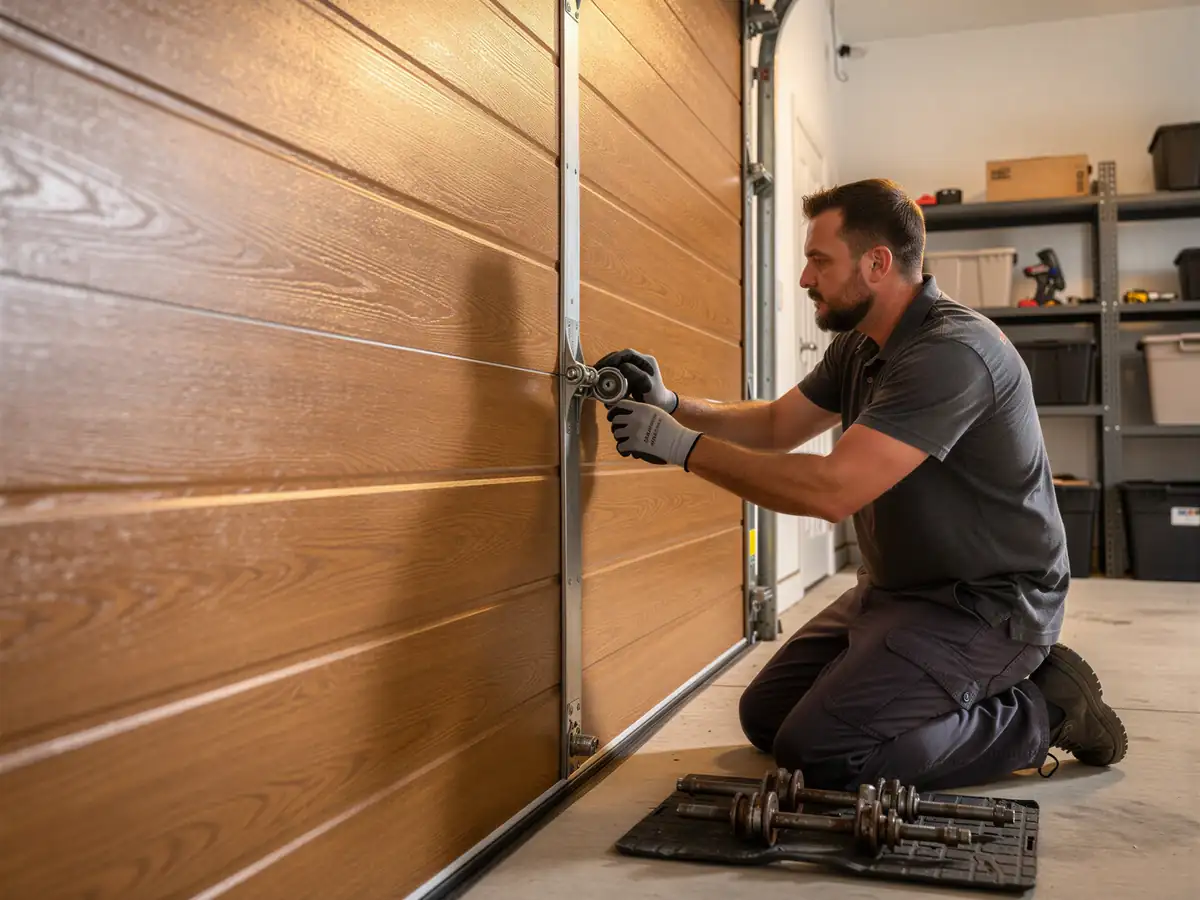
Because Wilmington's housing clusters tightly around that 1978 median, we stock toward torsion springs sized for the door weights common to that build era, extension spring pairs for the garages still running the older two-spring setup, and replacement drums and cables sized to match. We carry chain-drive opener parts more heavily for Wilmington calls than we might for an older neighborhood, since that's what's actually bolted to the ceiling in most of these garages.
We don't stock every opener logic board or every belt-drive assembly on the truck. If your door has already been upgraded to a newer belt-drive unit, or if a part turns out to be an odd size we didn't anticipate, that's a second trip or a short wait on an order. We'd rather tell you that up front than pretend every job gets fixed in one visit.
Where This Job Goes Sideways
The job goes sideways when a stuck door gets treated as a simple fix before anyone's actually looked at the spring
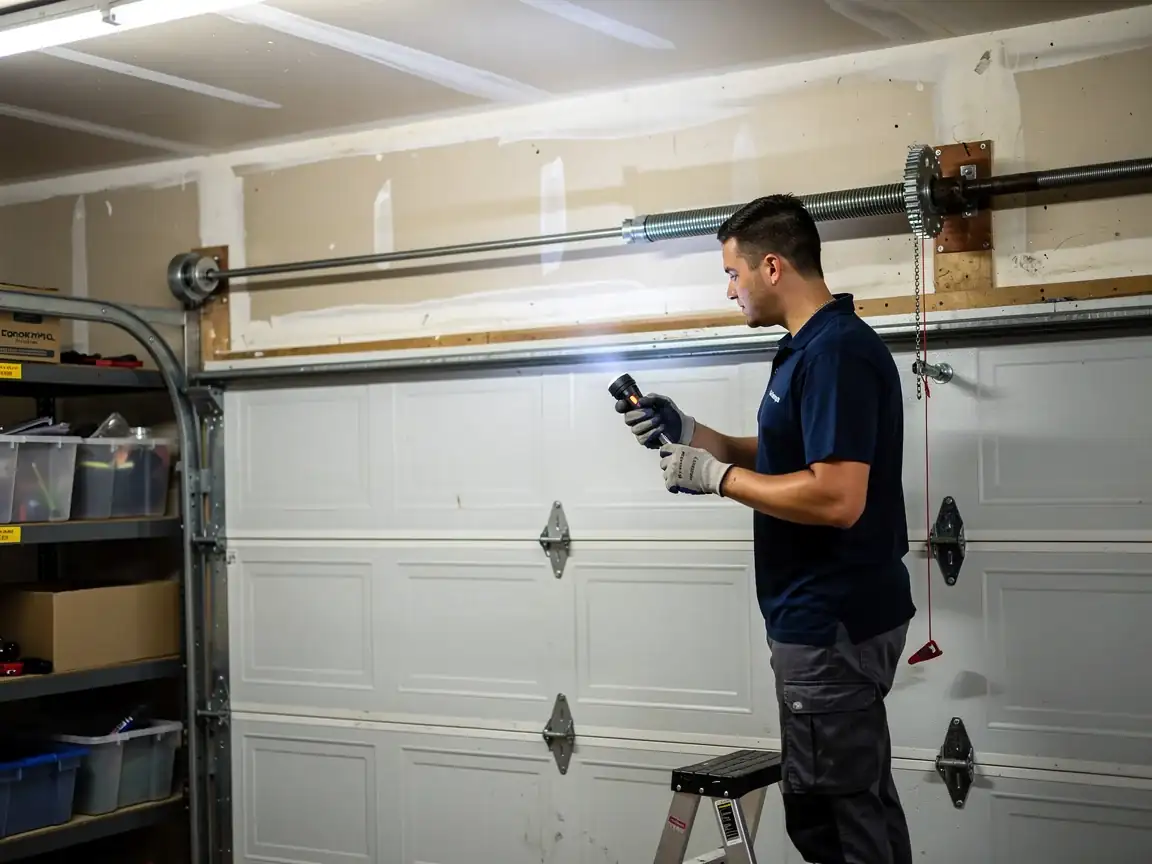
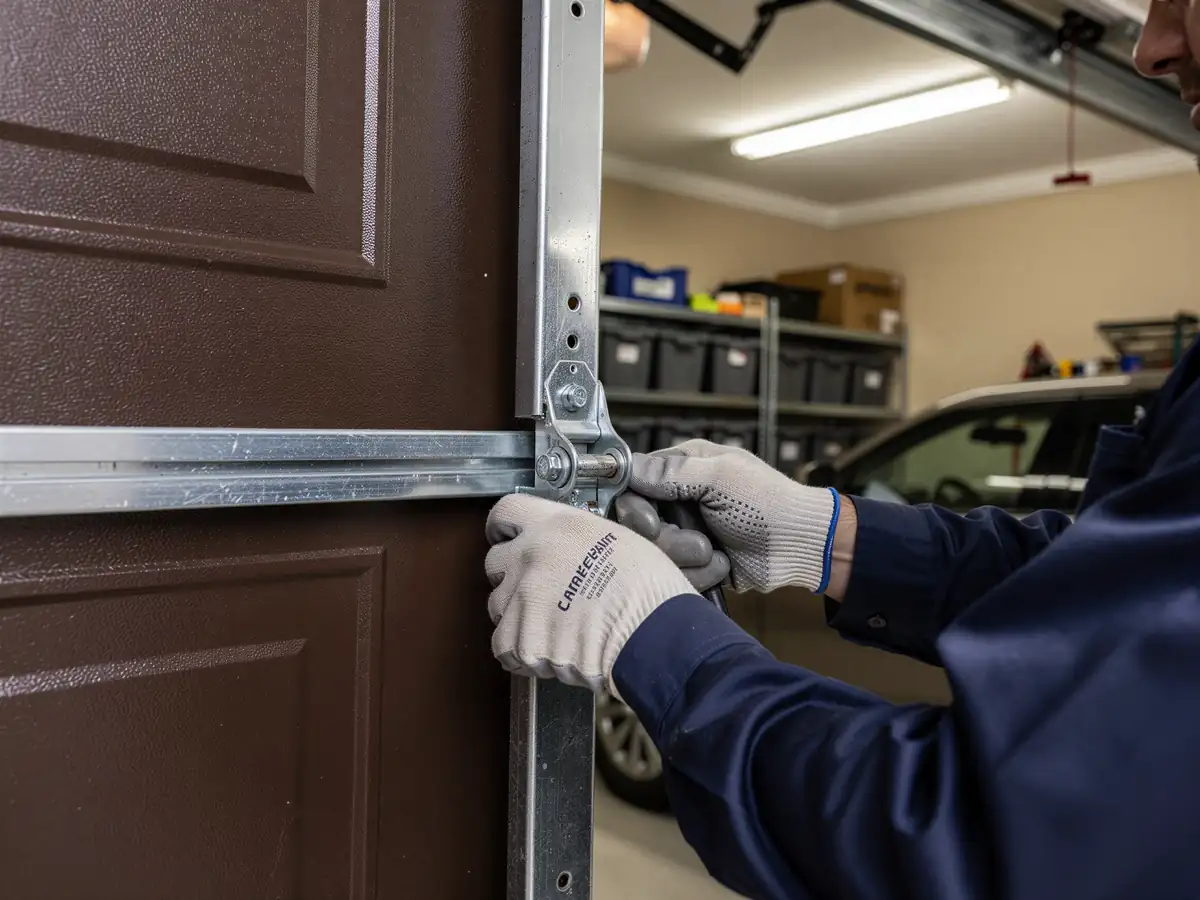
A door that won't open on a cold morning in a house from this era is very often a broken torsion spring, not a track problem or a sensor issue, and trying to force the opener through it strips the gear or burns out the motor. Once that happens, you're not looking at a spring repair anymore, you're looking at a spring and an opener.
It also goes sideways when the cable has already jumped the drum
On the extension-spring setups common in Wilmington's older section of this stock, a frayed cable under tension can whip loose and bend the track on its way out, which turns a 20-minute spring swap into a track replacement. The honest answer is that if you hear a bang or a loud snap and the door won't budge, stop pulling on it and stop hitting the opener button. Every extra attempt usually adds a part to the list.
The Symptom
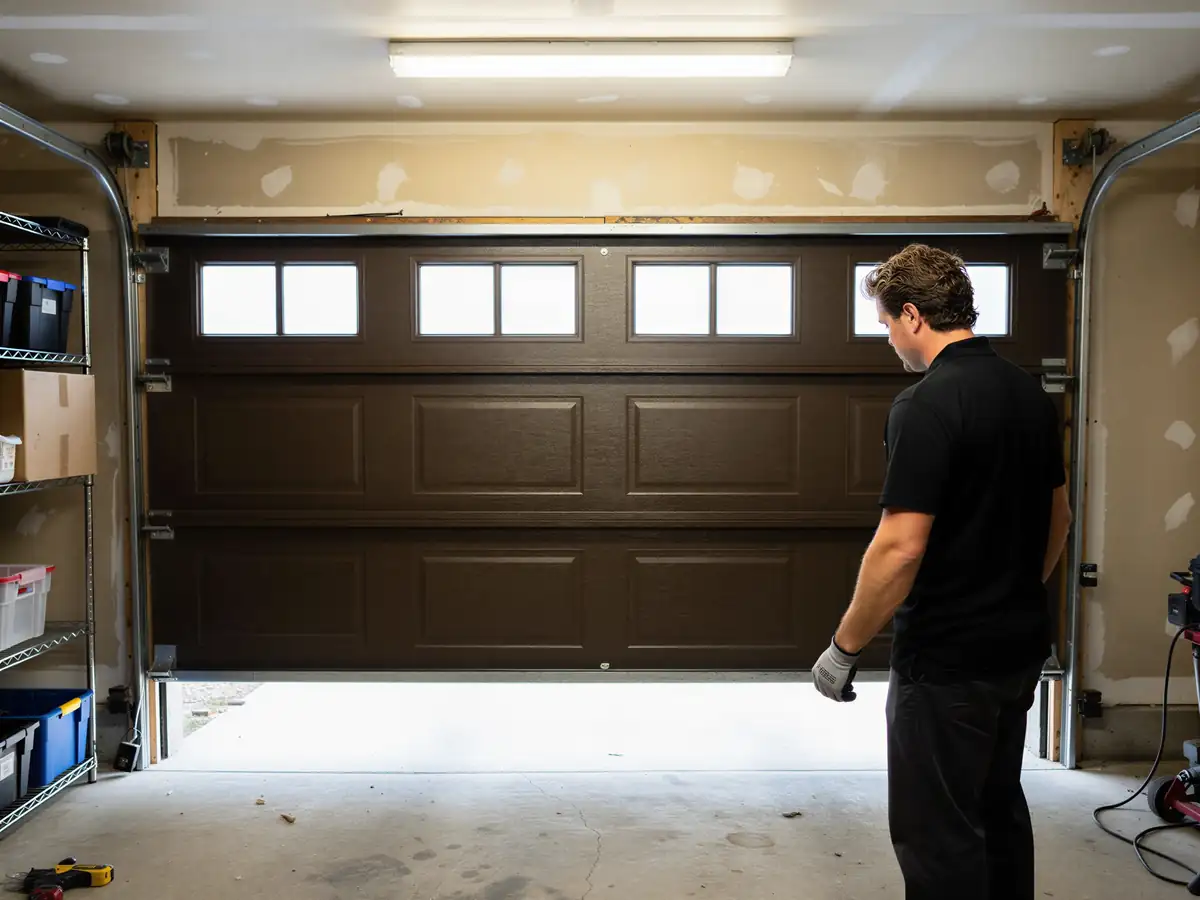
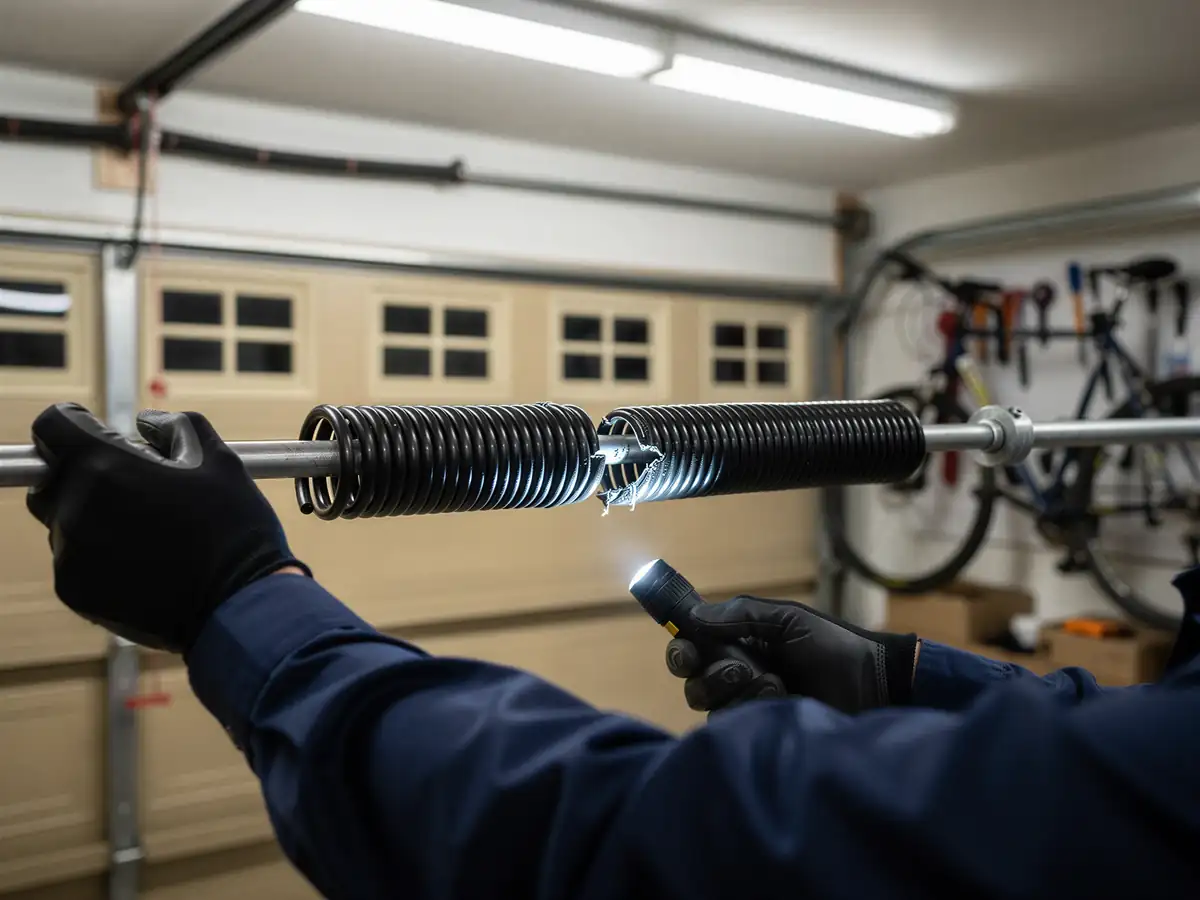
The call we get most from this part of town is a door that was fine the night before and won't lift at all the next morning, usually after a hard overnight cold snap. The opener runs, the light comes on, but the door doesn't move, or it moves an inch and stops. That's a torsion or extension spring that's lost its tension, and on hardware from the late '70s build era, cold makes brittle metal let go faster than it would in July.
The other version is a door that's noticeably heavier to lift by hand than it used to be, which is usually the same spring failing gradually instead of all at once. Either way, it's a spring job, not an opener job, and it's worth having that distinction clear before anyone touches the opener's force settings trying to compensate.