Why This Fails Locally
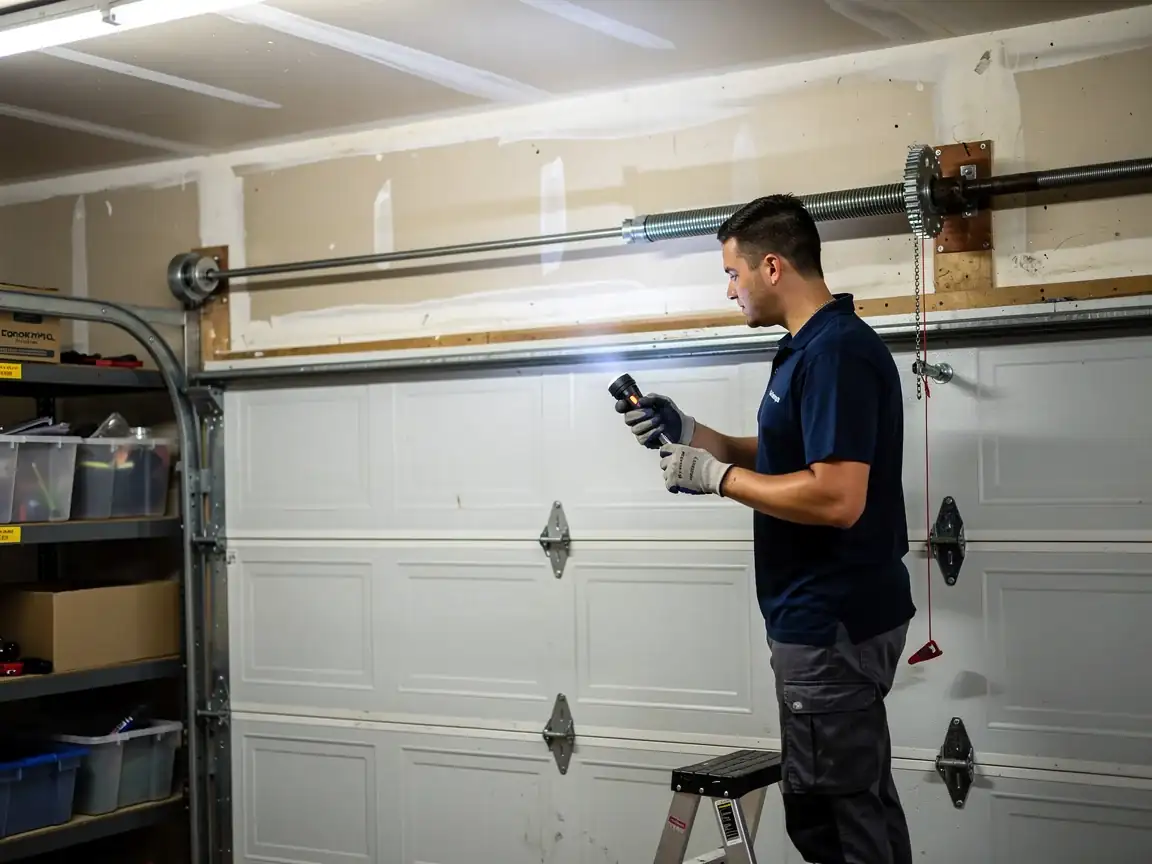
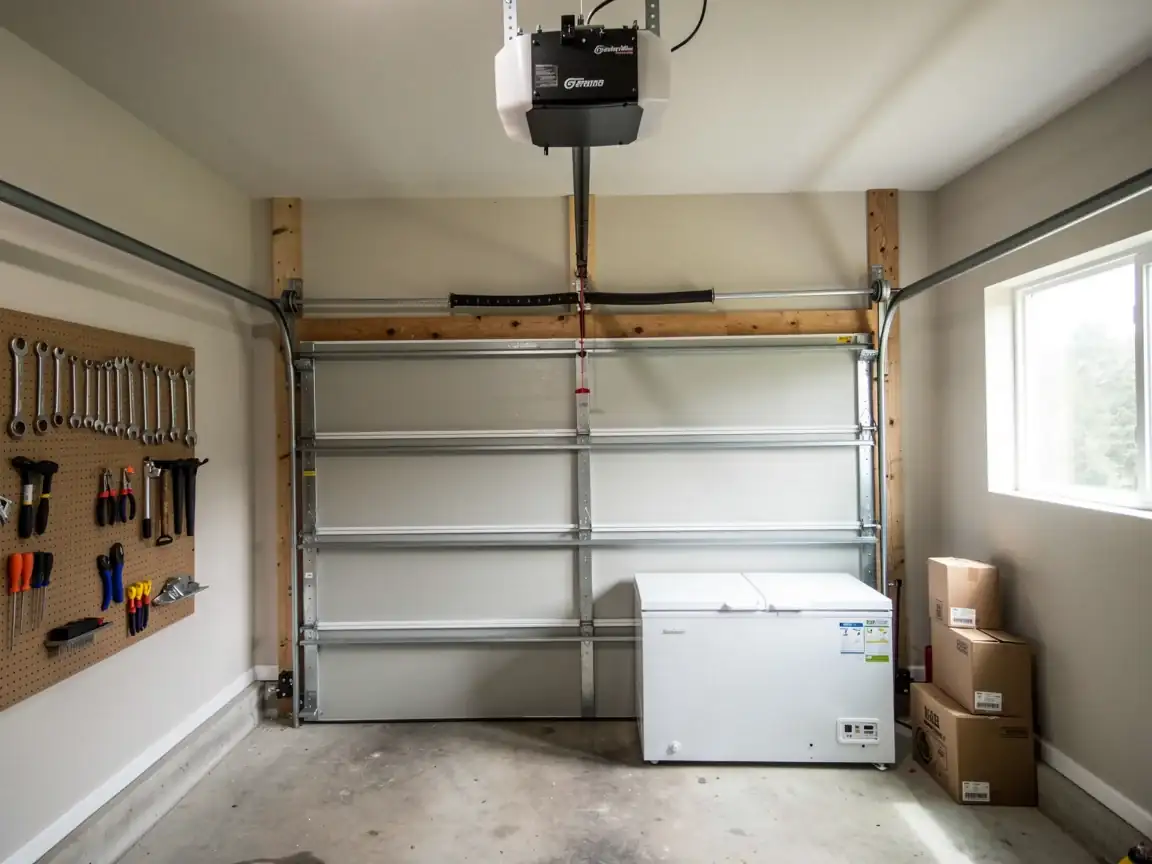
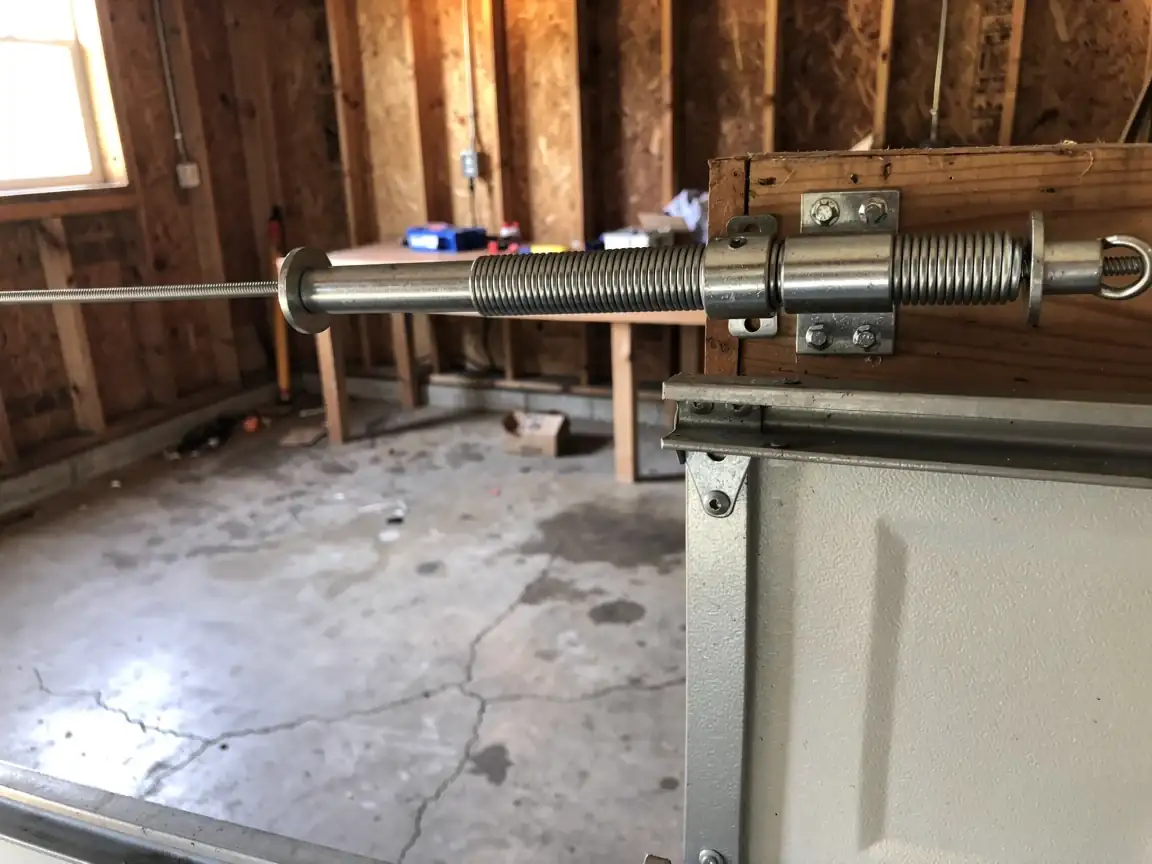
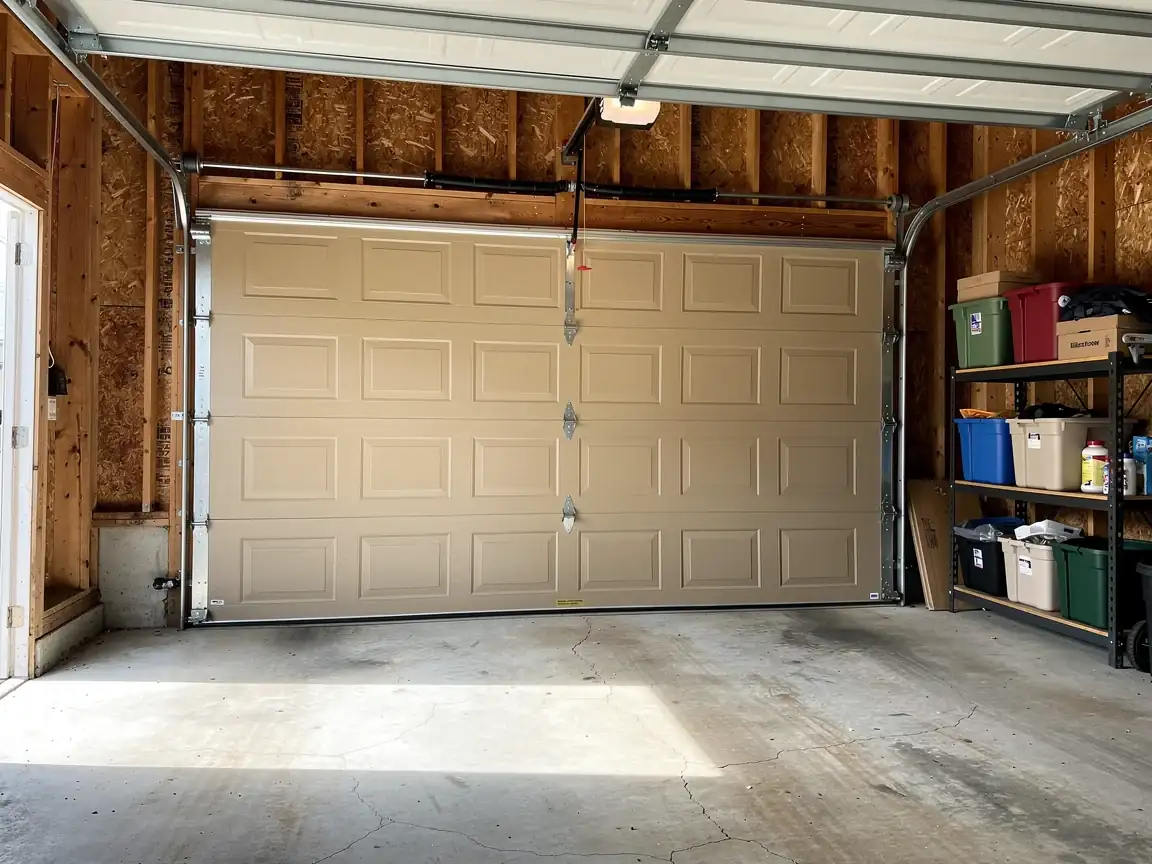
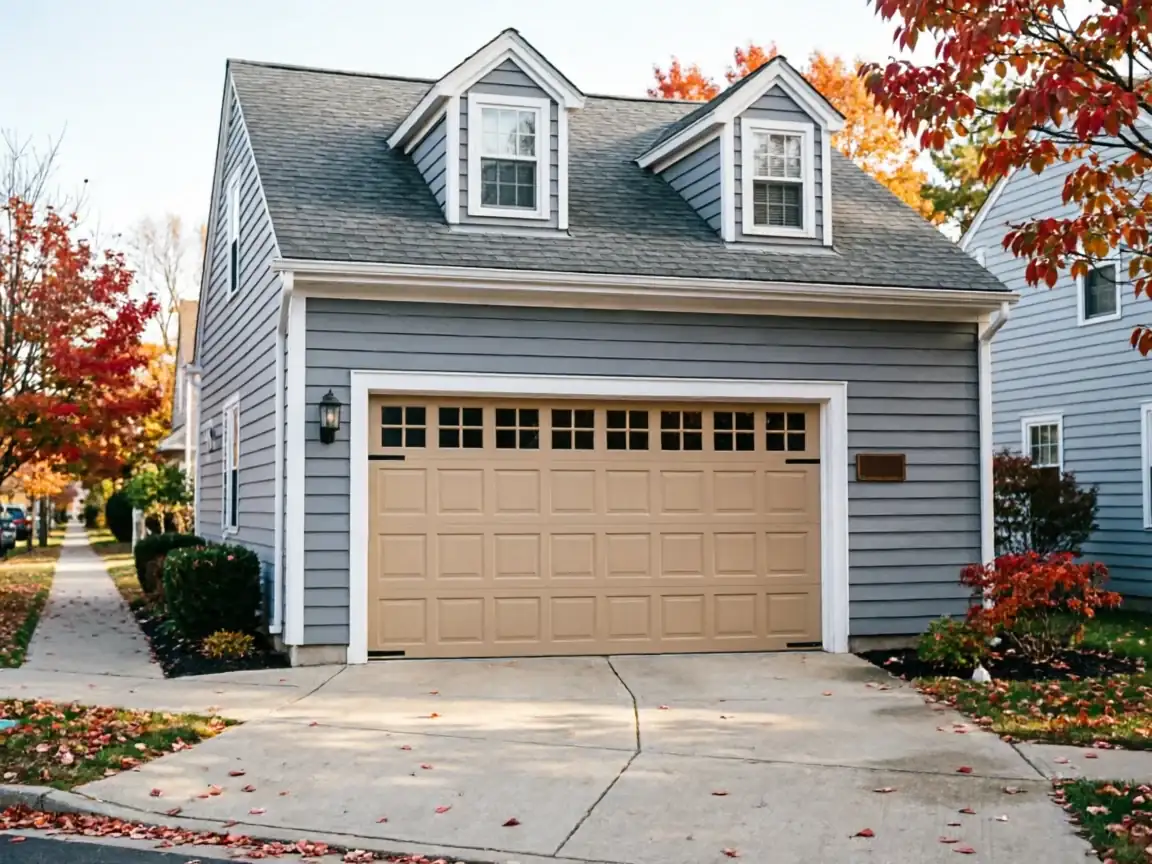
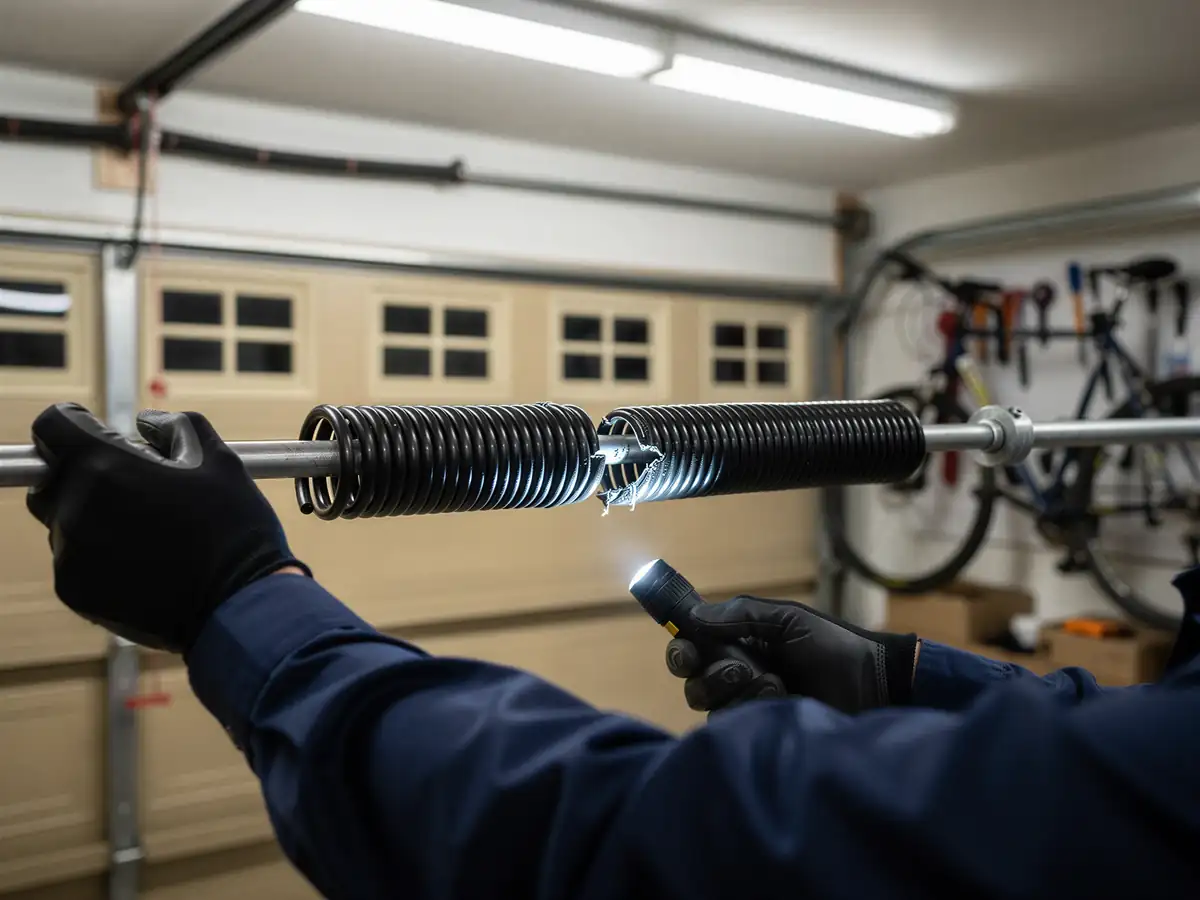
The garage door call we get most from Wilmington isn't a dead opener - it's a spring that let go on a door heavier than the hardware was ever sized for. Wilmington's housing stock centers on 1978, which puts most garages here a full decade or more newer than the older torsion setups common closer in toward Woburn. That later build date means steel doors largely replaced the wood panel doors of the 1960s wave, but it also means a specific transition-era hardware mix: some houses got torsion springs mounted on a center bracket, others kept extension springs running along the horizontal tracks because that was still cheap and common through the late 70s. Neither setup is wrong, but they fail differently, and a tech who assumes one and finds the other loses time on the job.
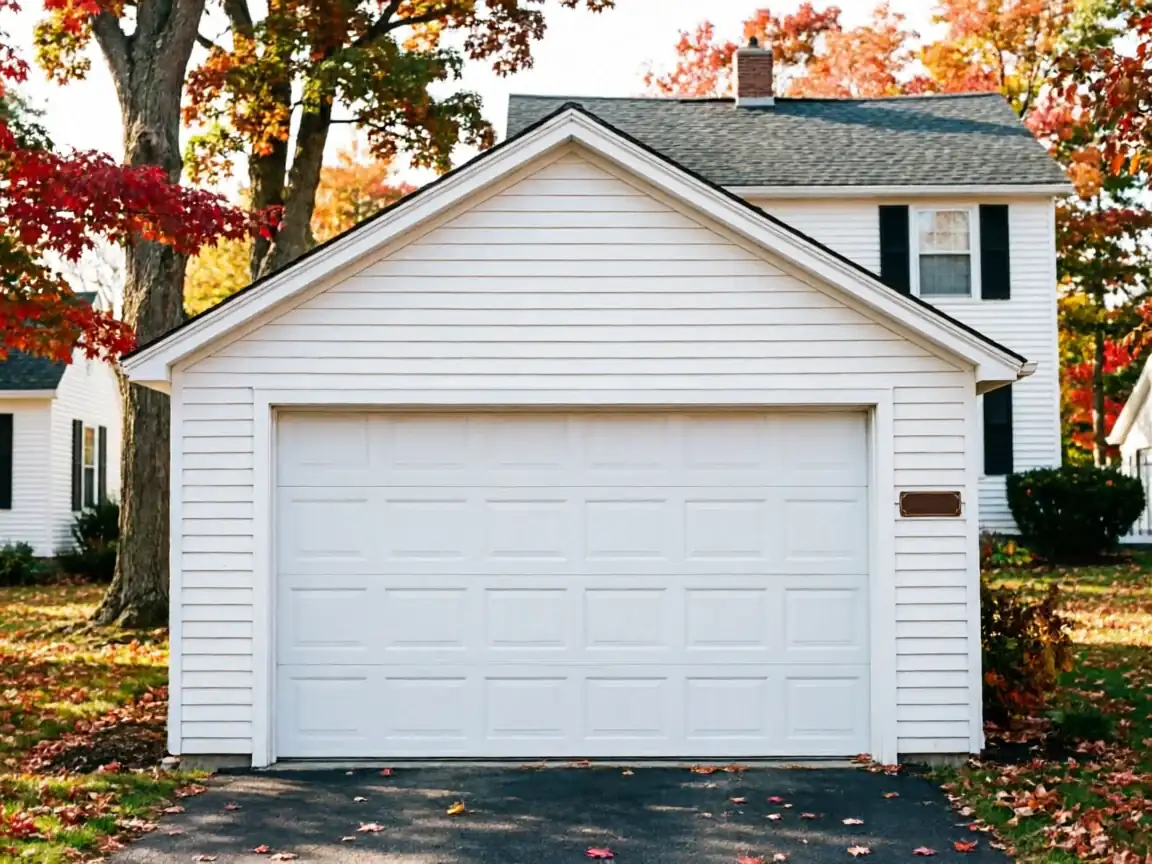
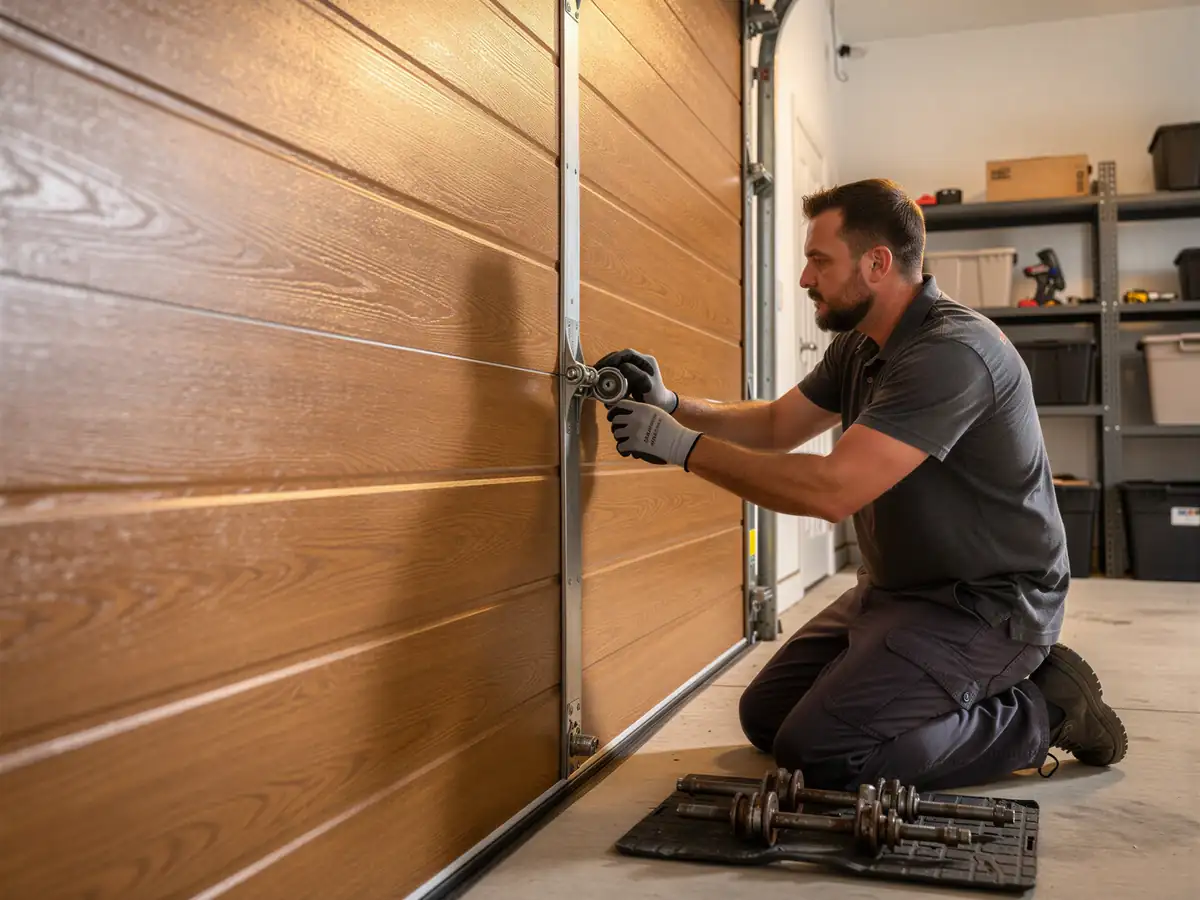
We drive out from Woburn, about 5 miles, so we're not guessing at this from a different build era. A door original to a 1978 garage is now pushing 47 years on its structure even if the opener's been swapped twice. Steel panels from that period dent and rust at the bottom section first, especially where the door sits low near grade, and the original rollers - steel, not nylon - are usually the first thing to start grinding before anything else quits.
Stocked Parts
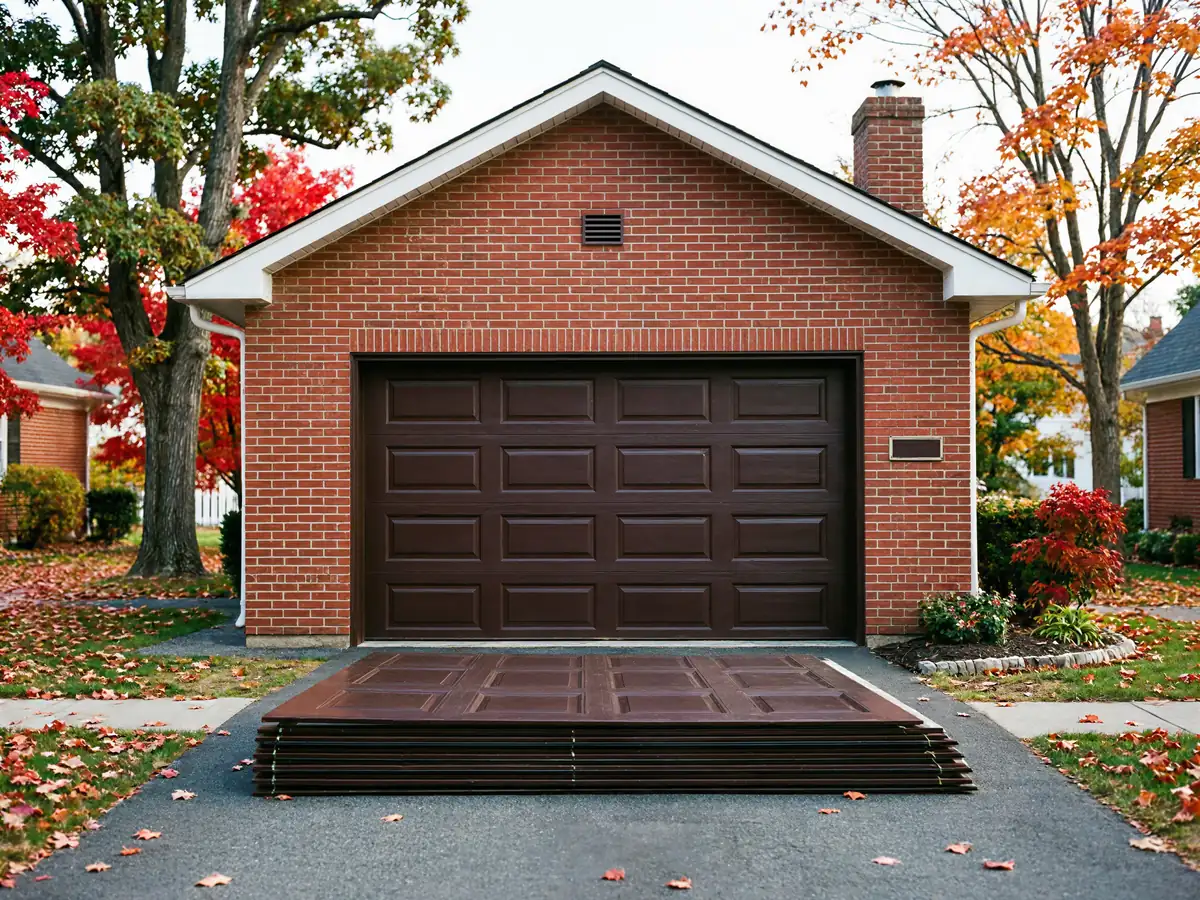
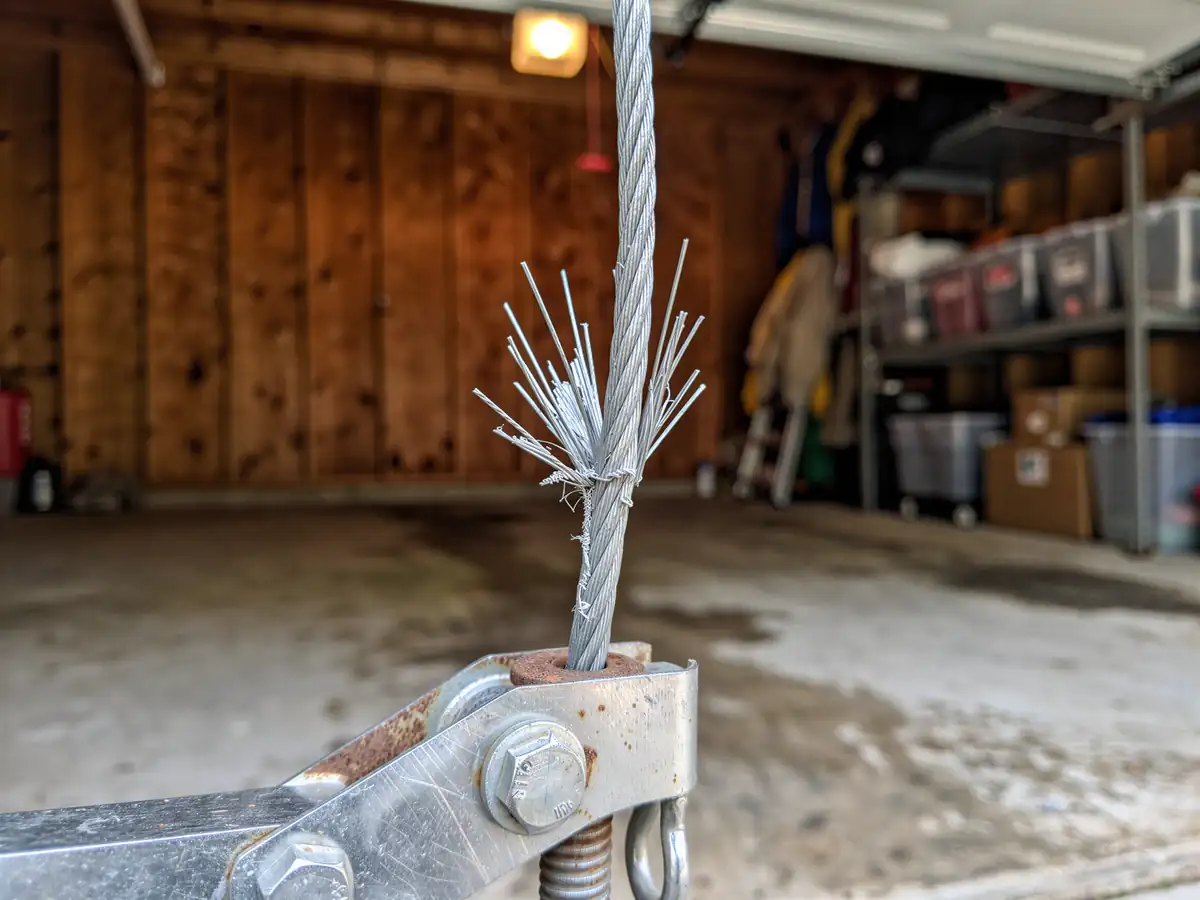
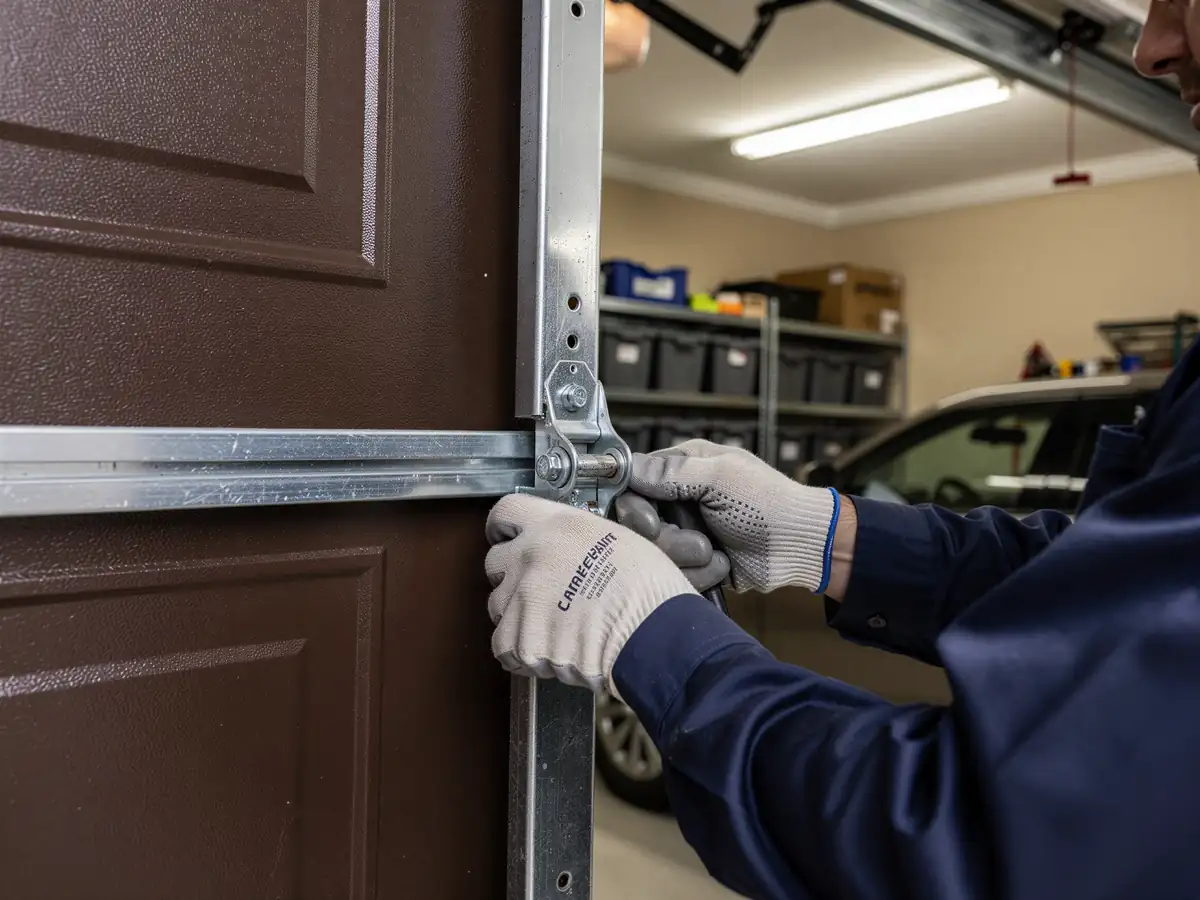
For Wilmington's mix of torsion and extension setups, we carry both spring types on the truck rather than special-ordering once we're on site, since showing up to a late-70s extension-spring door with only torsion stock means a wasted trip. We also carry standard 1-3/4 inch steel door sections sized to the common widths from that building era, bottom brackets, and galvanized cable for the extension-spring jobs, since fraying cable is a frequent companion to an aging extension system.
What we don't stock on the truck: anything custom-width, insulated glass-panel inserts, or opener logic boards for less common brands. Those get ordered once we've confirmed the exact model on site, and lead time runs longer than a same-week fix - that's the honest limit of what a truck can carry. For the standard steel sectional doors that dominate Wilmington's housing stock, though, we're usually working with parts already on hand.
Where This Job Goes Sideways
The mistake we see most on 1978-era doors is treating a stuck or heavy door as an opener problem first
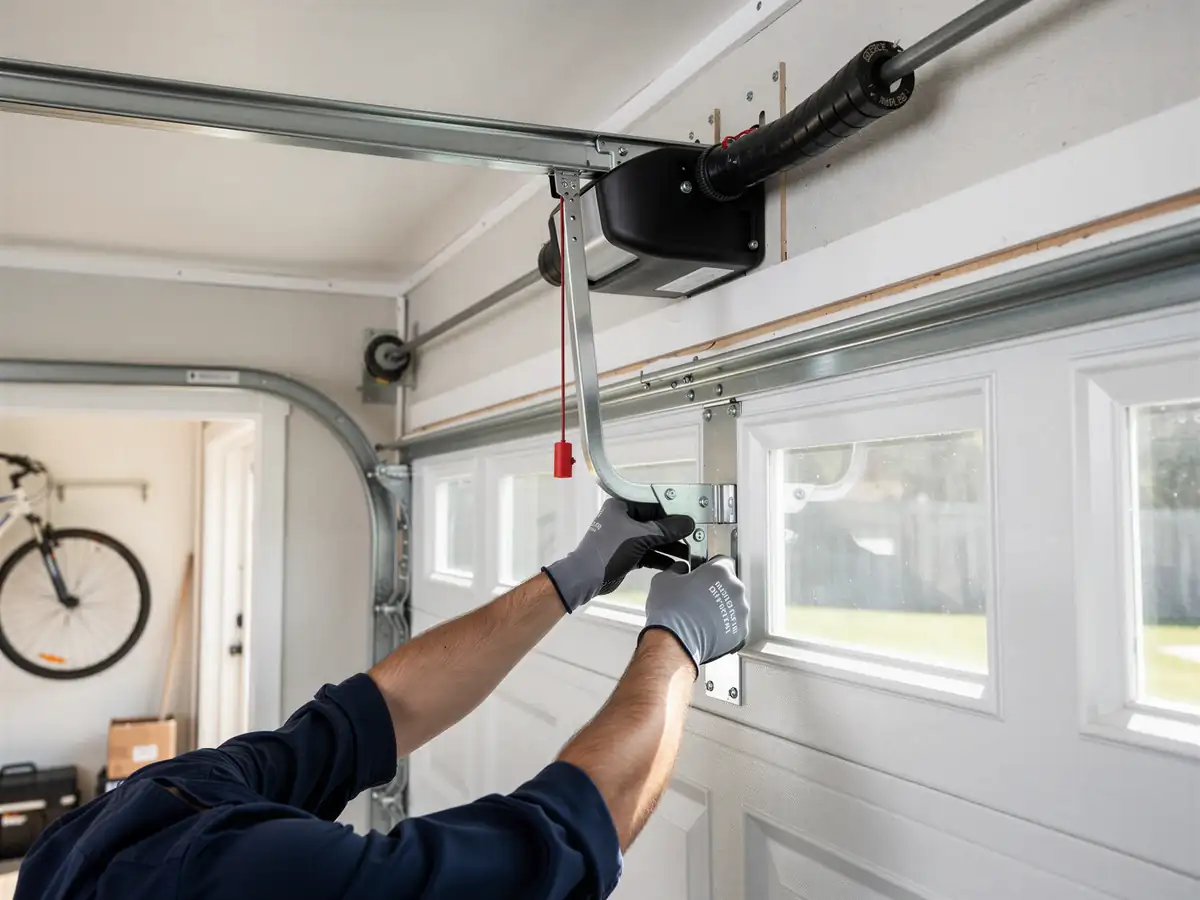
The opener is the easy part to blame because it's the part that complains loudest - grinding, reversing, or refusing to close. But on a door this age, the opener is often straining against a spring that's lost tension or cable that's started to fray, and replacing the opener without addressing the spring just moves the same strain onto new motor parts.
The other place this goes wrong is with households that assume a repair will always beat replacement because the door itself still looks fine
A steel panel door from 1978 that's been painted and maintained can look solid while the torsion hardware underneath is decades past its rated cycle count. We'll tell you straight when a repair isn't worth doing - sometimes the honest call is that the springs, drum, and track are tired enough that fixing one piece just means a different piece fails in six months.
The Symptom
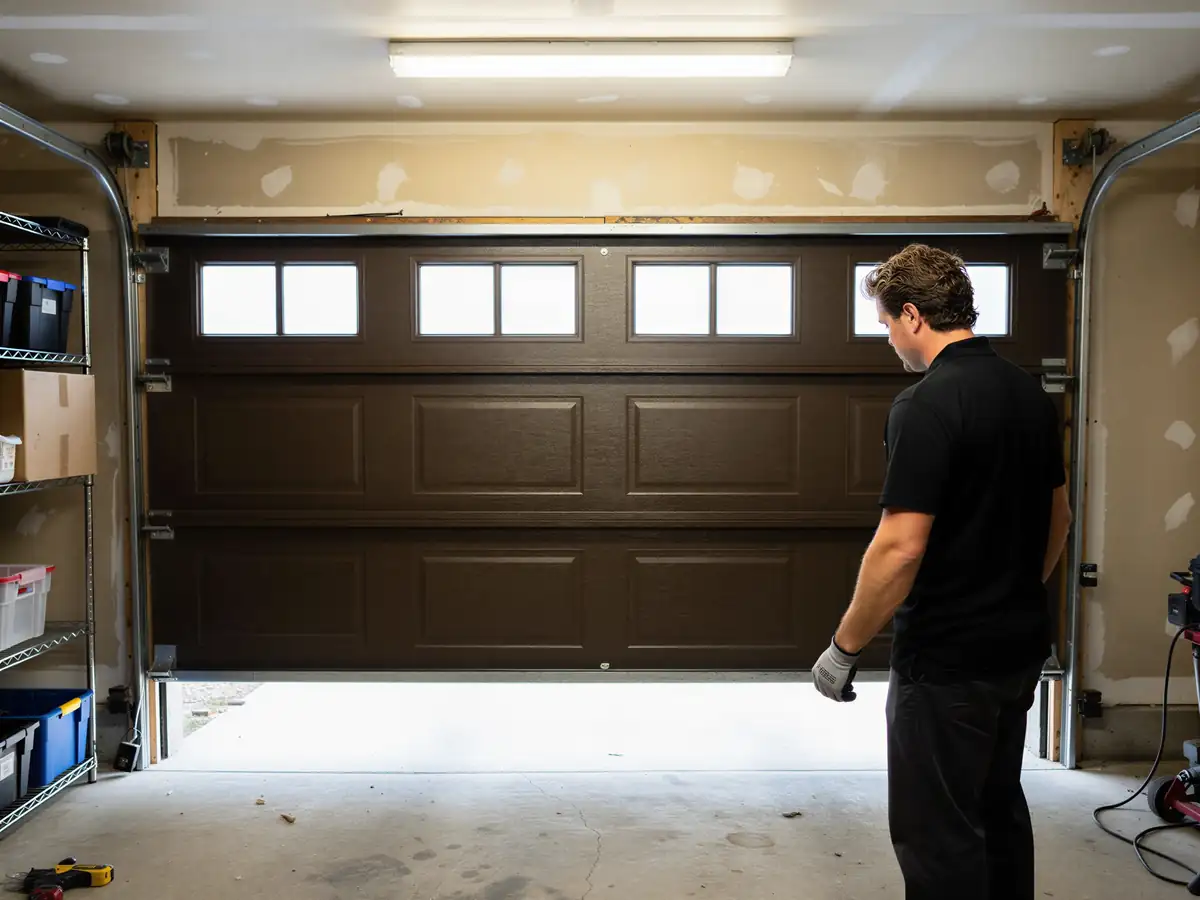
If your door in Wilmington has started reversing partway up, or the opener strains and groans before it moves at all, that's consistent with a spring losing tension rather than a motor failing outright. On the extension-spring setups still common from this era, listen for a door that drops suddenly in the last foot of travel - that's a telltale sign one spring has gone while the other's still holding, putting the whole weight on one side of the track.
A door that's gone noticeably heavier to lift by hand, with or without the opener engaged, almost always points to spring tension, not track alignment. We'd rather diagnose this over the phone before the truck rolls than have you guess at parts yourself.