Why This Fails Locally
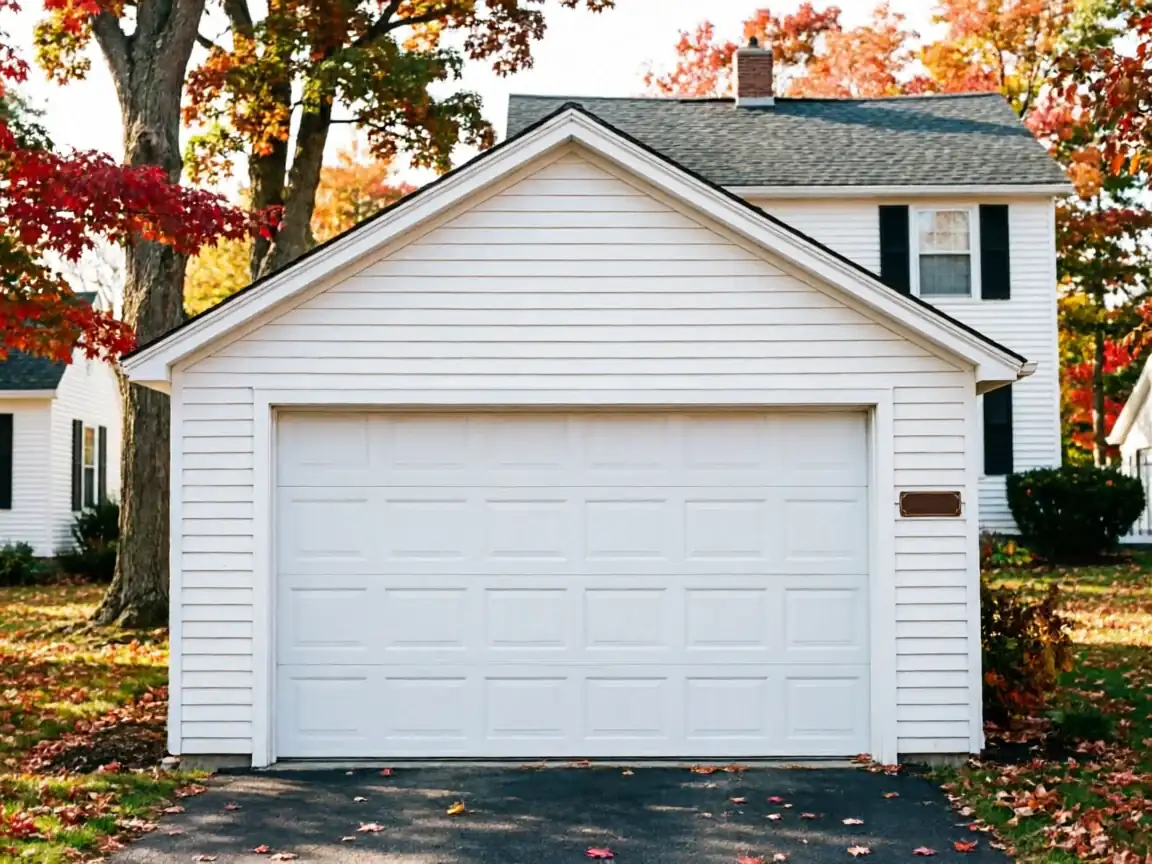
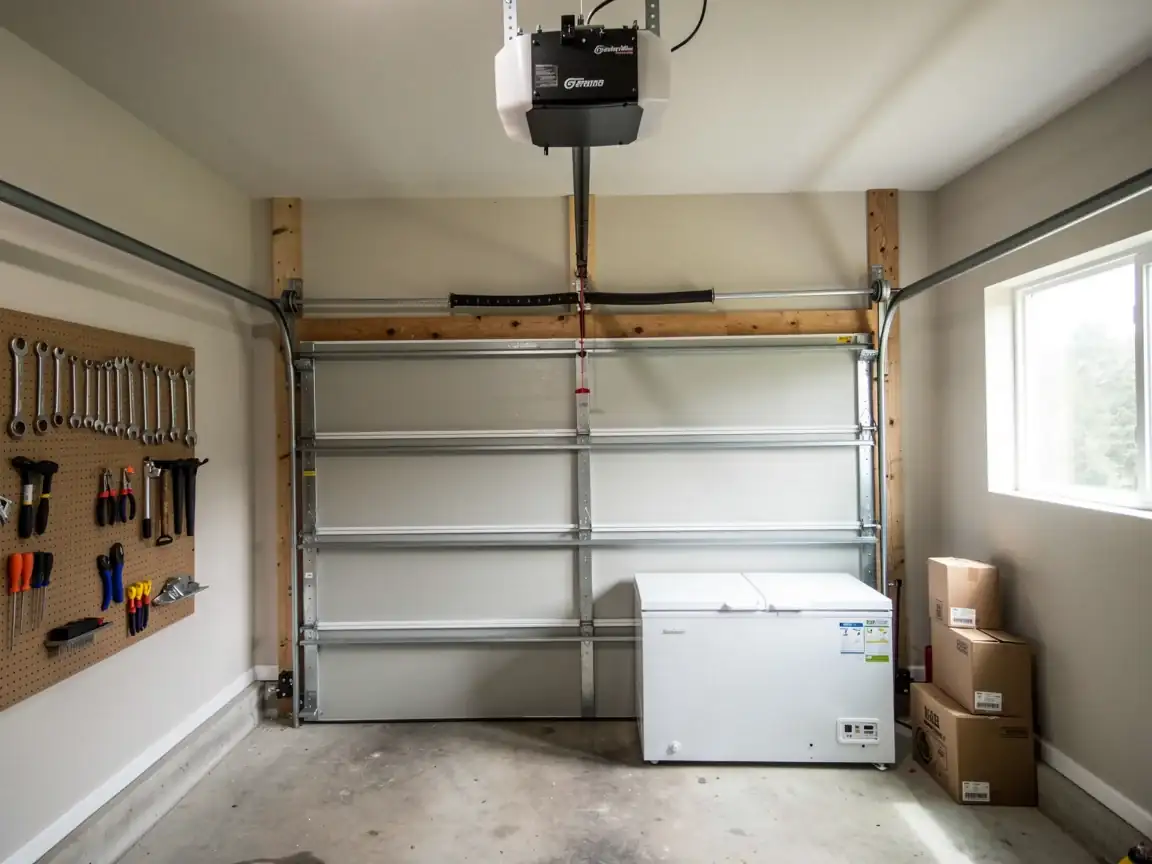
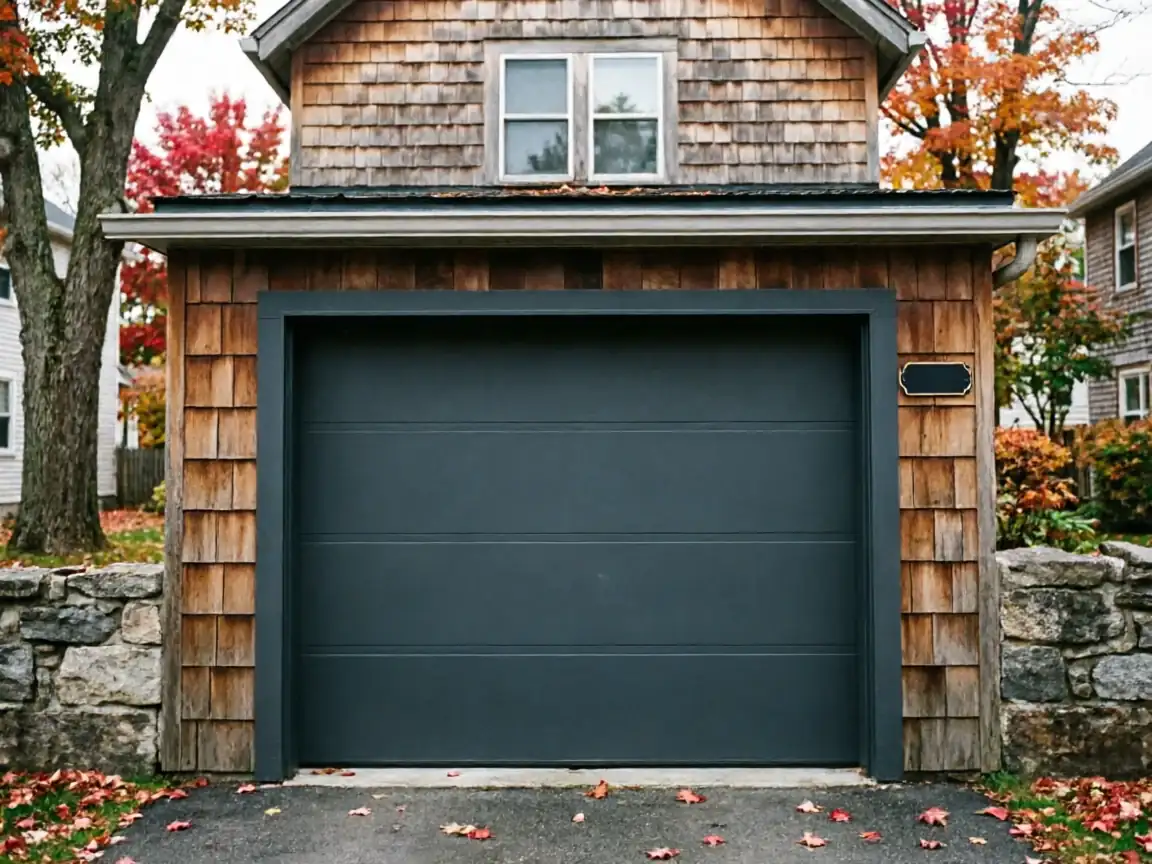
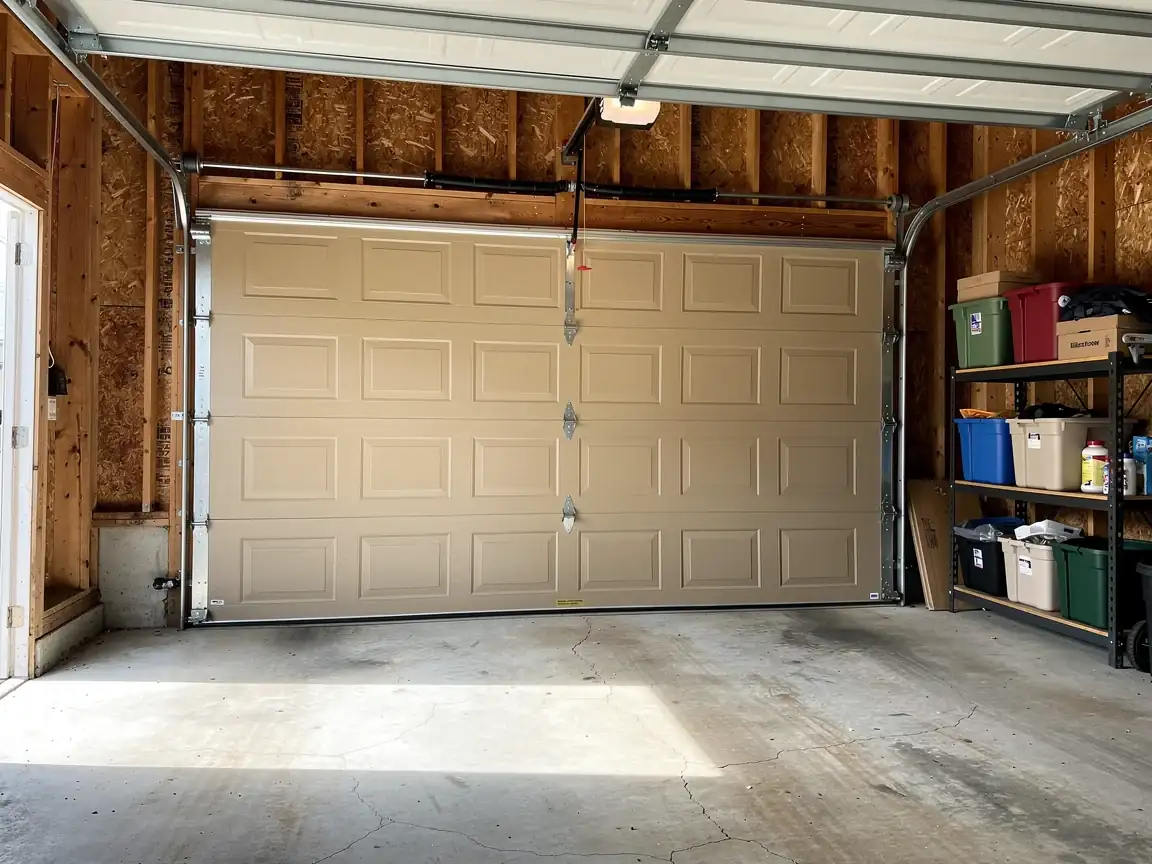
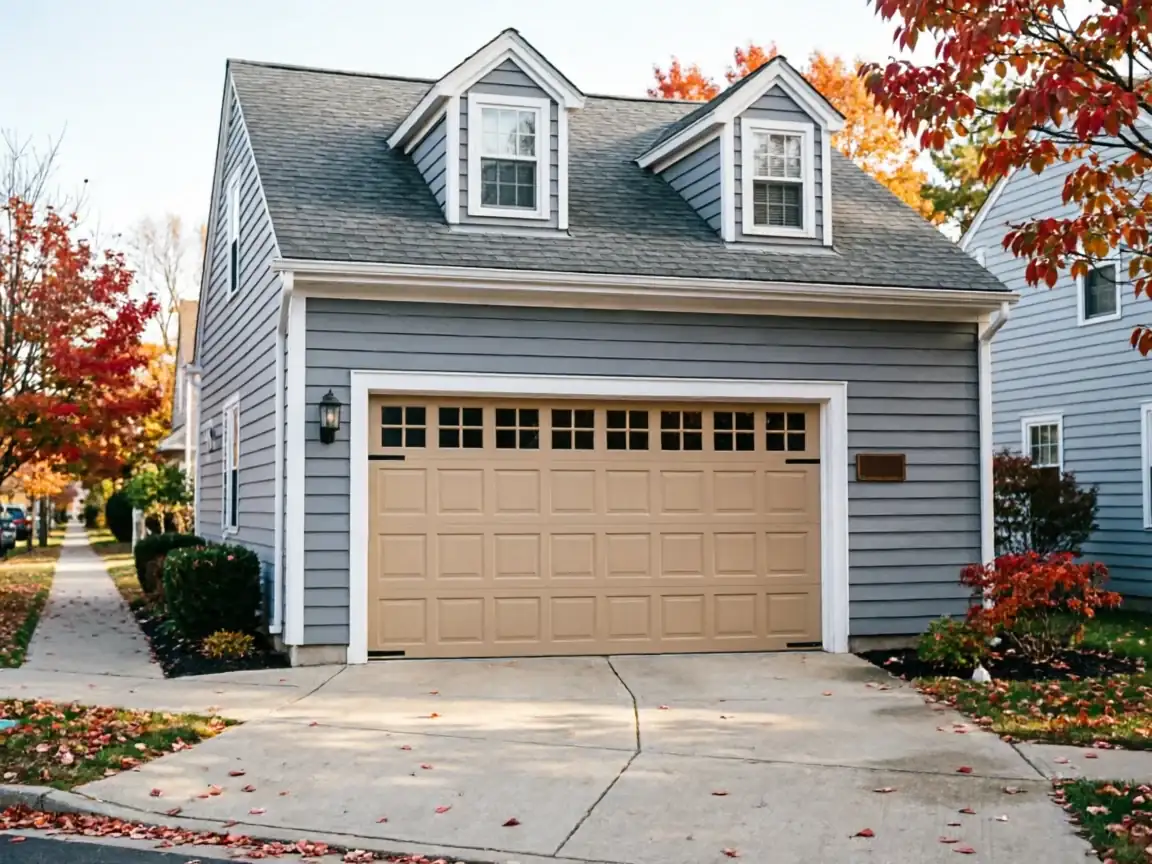
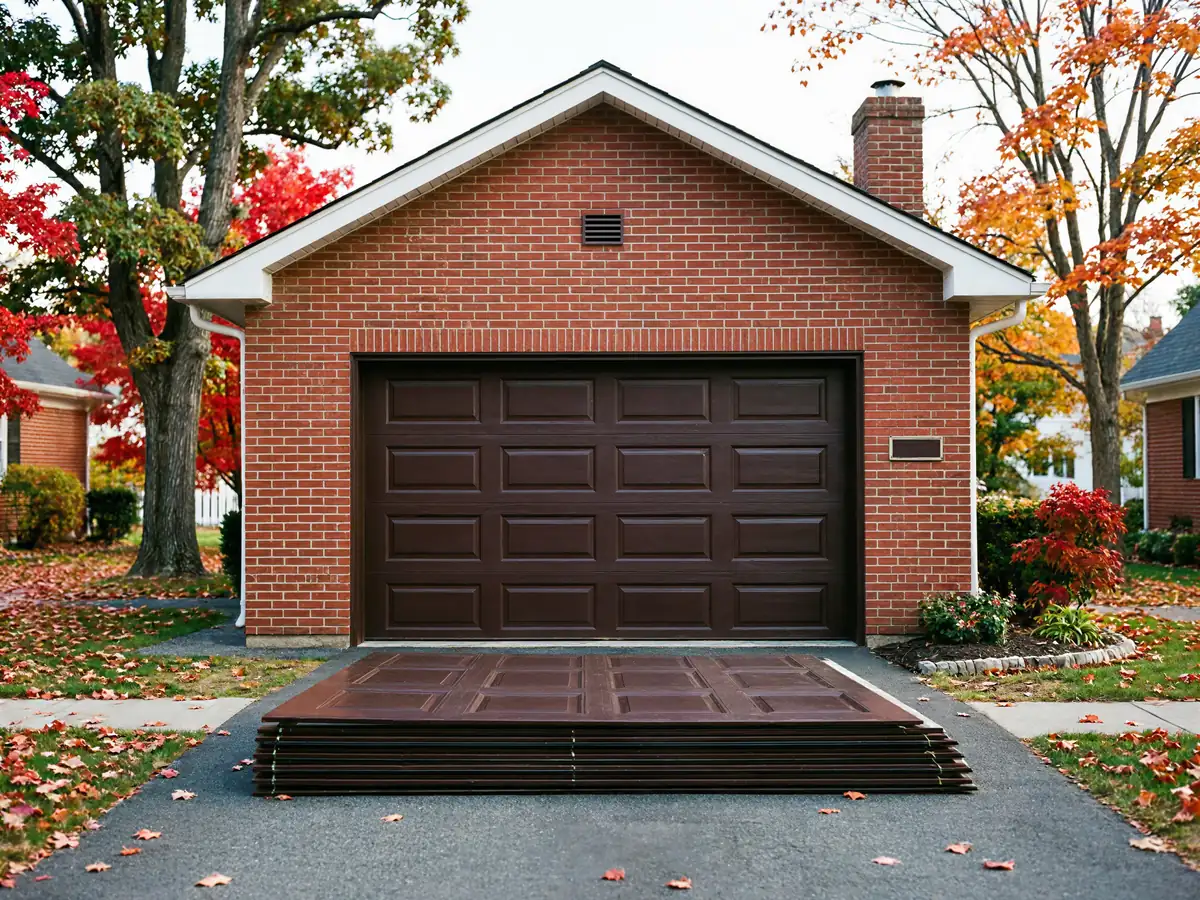
Wilmington's median house went up around 1978, which puts most of the town squarely in the split-level and raised-ranch building boom rather than the older colonial stock you'd find closer into Woburn. That era favored wide, shallow garage openings built into the foundation at grade, usually sized for a single 16-foot door or a pair of 9-footers, framed with headers that weren't built with much slack. The original door on a lot of these houses was a light steel sectional, often without any insulation layer, hung on hardware sized for a door half the weight of what's sold today. When that door finally gives out, the opening itself is usually fine, but the track length, the headroom above the opening, and the spring size all need to be matched to what the house was actually built for in 1978, not to a generic big-box kit. Swap in a heavier insulated door without checking the jamb and header depth first, and you've got a door that binds on the track or a header that flexes under the extra weight. This is the single most common mismatch we run into on install jobs out this way, and it's almost always because nobody checked the opening against the house's actual age before ordering.
Stocked Parts
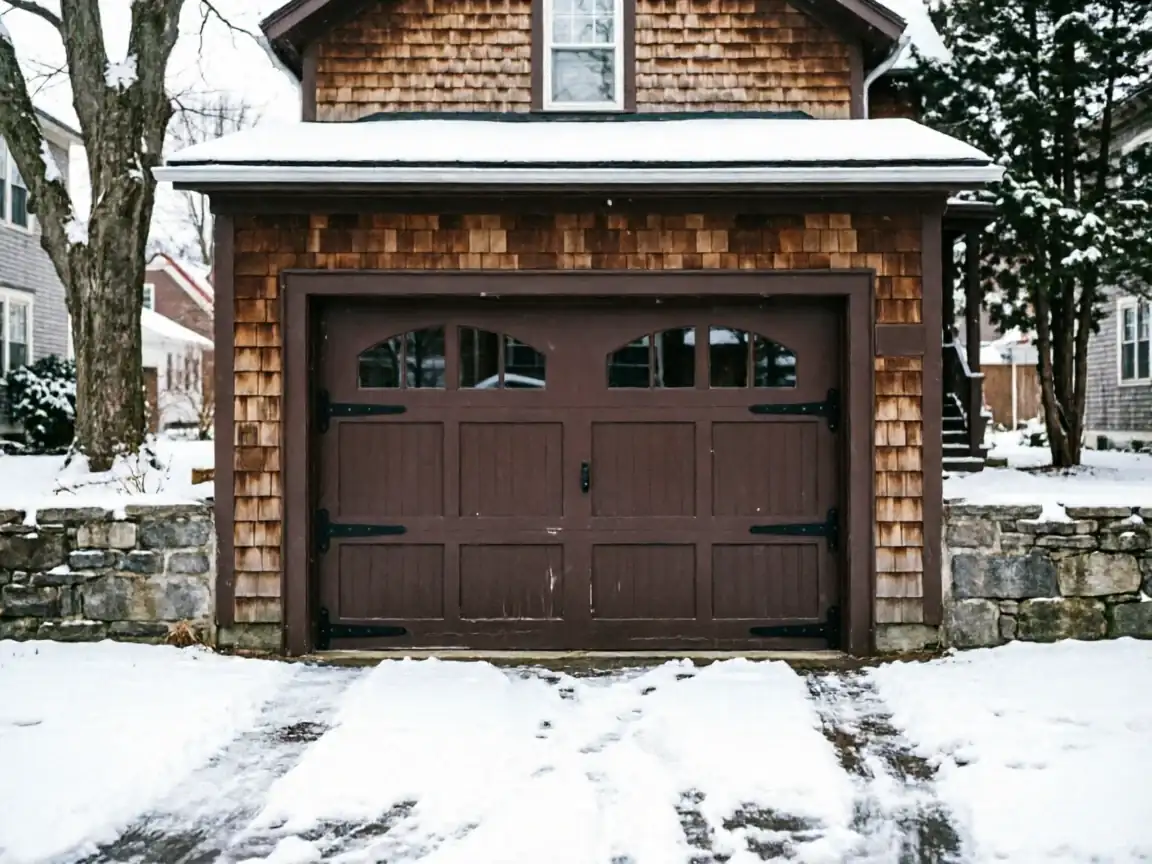
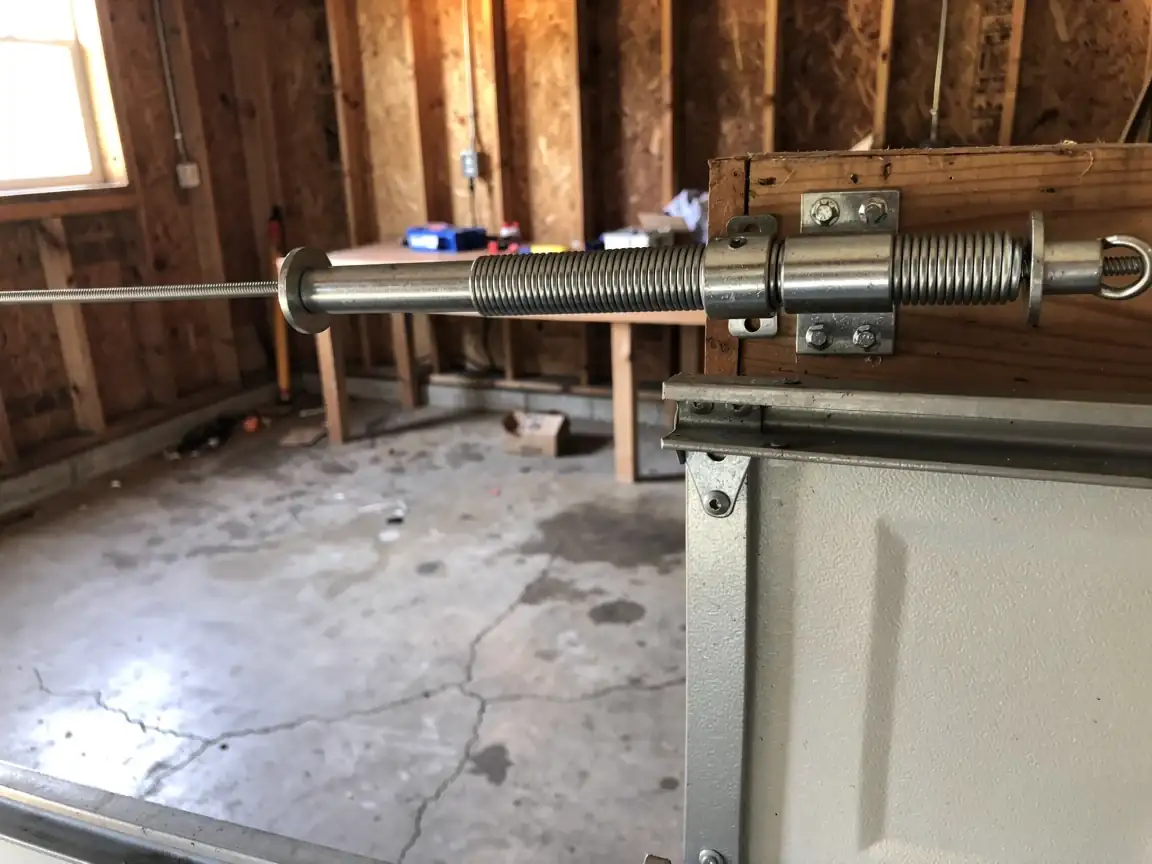
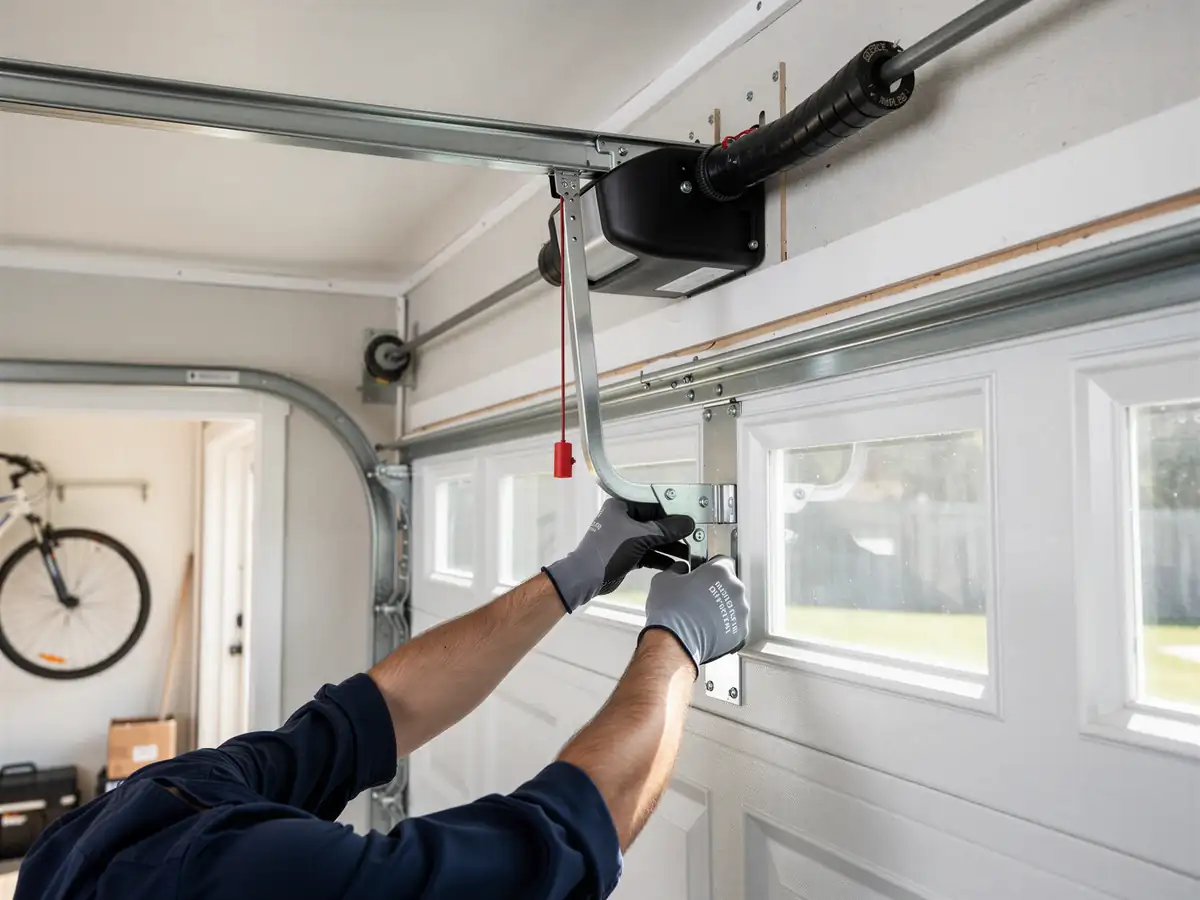
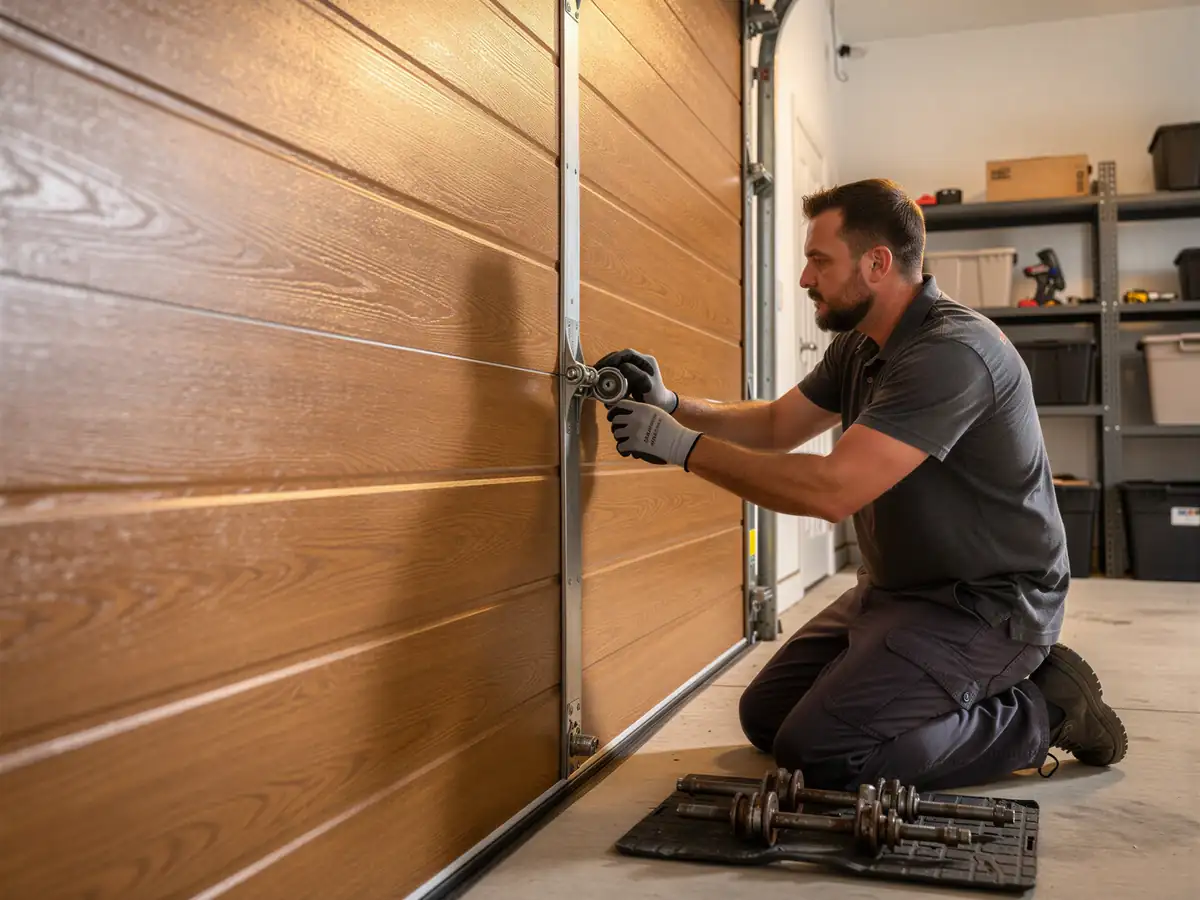
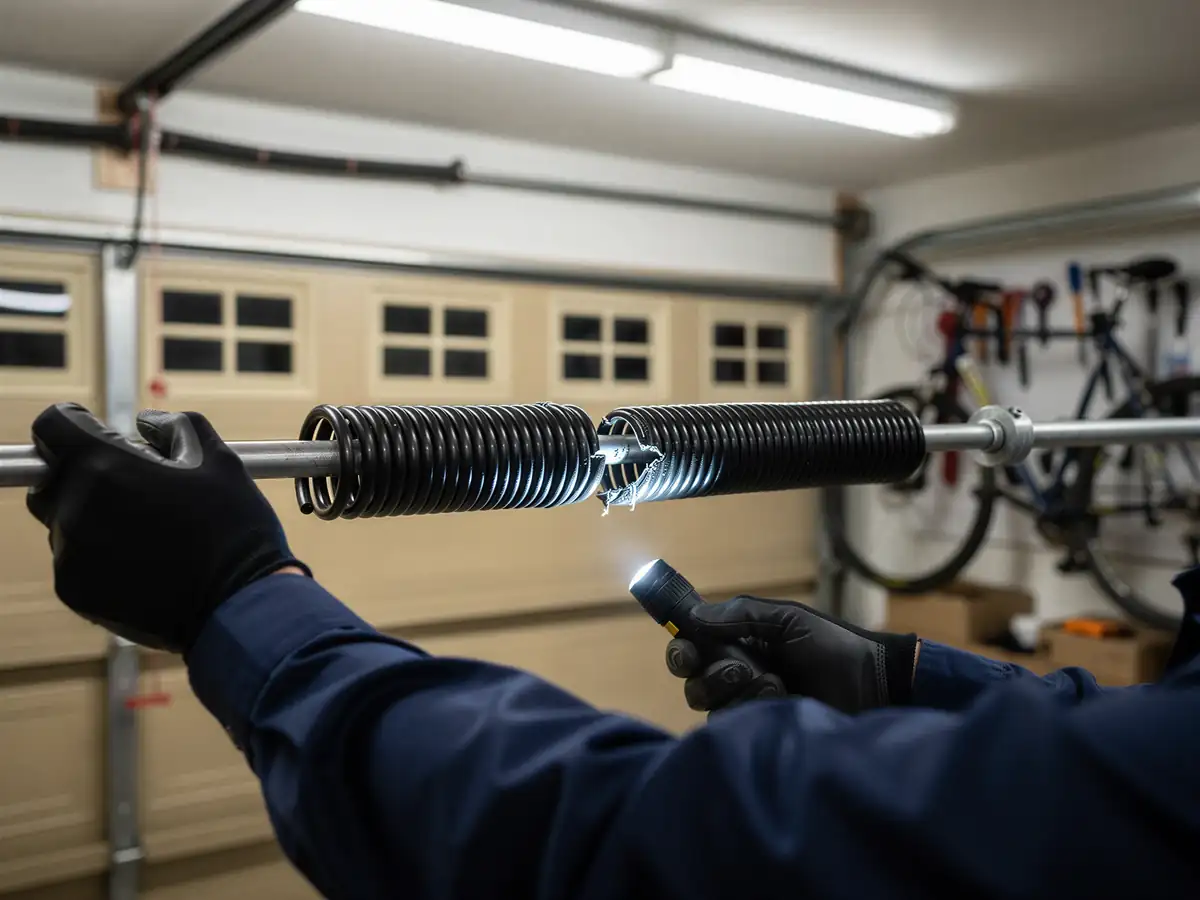
We carry sectional steel doors in the widths that match 1970s single and double openings, along with torsion springs rated for both light builder-grade doors and the heavier insulated options homeowners are asking for now. Track hardware, drums, and cables in the lengths those raised-ranch openings call for are standard stock on the truck, since the jobs out here tend to run the same handful of sizes. What we don't keep on hand is anything custom - arched carriage-house doors, oversized RV openings, or odd headroom conditions that need a low-headroom kit built to spec. Those get ordered in, and depending on the door, that can add real time to the job. If your opening is a standard 1970s-era double or single bay, we can usually get the install done off what's already on the truck.
The Symptom
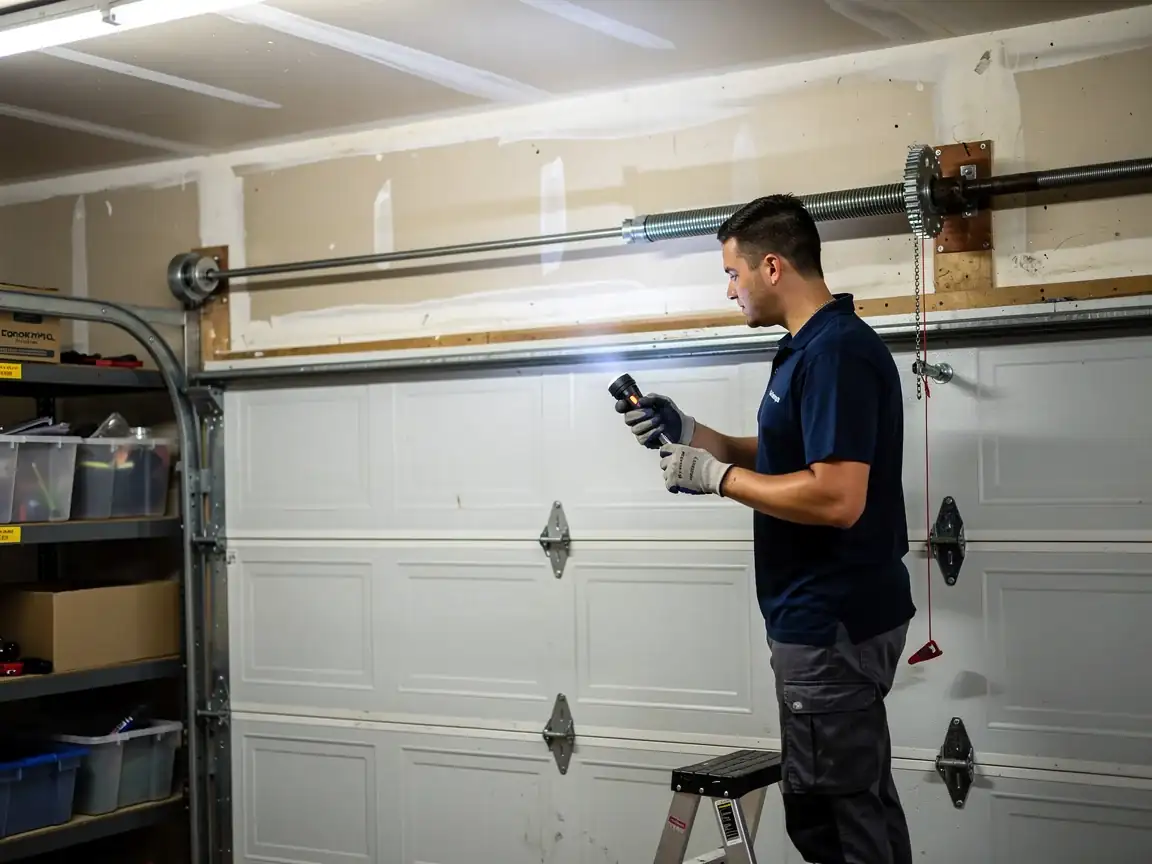
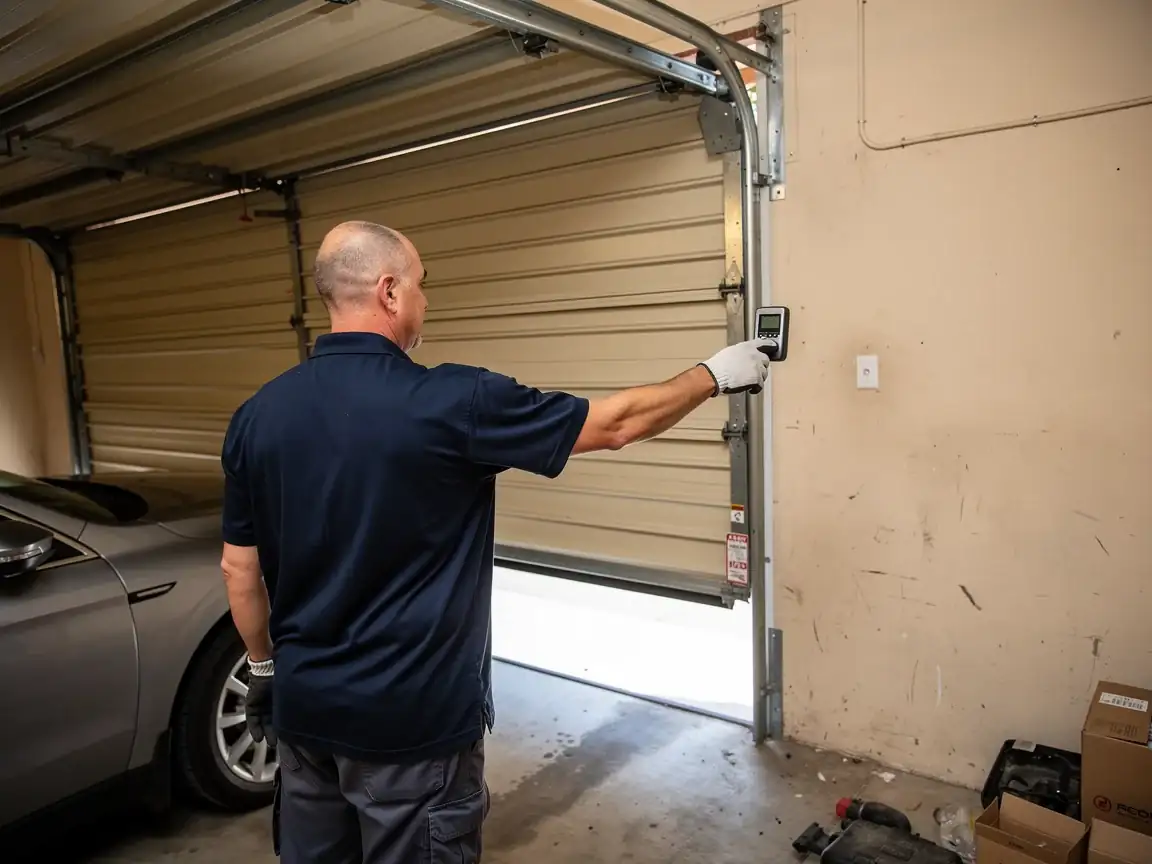
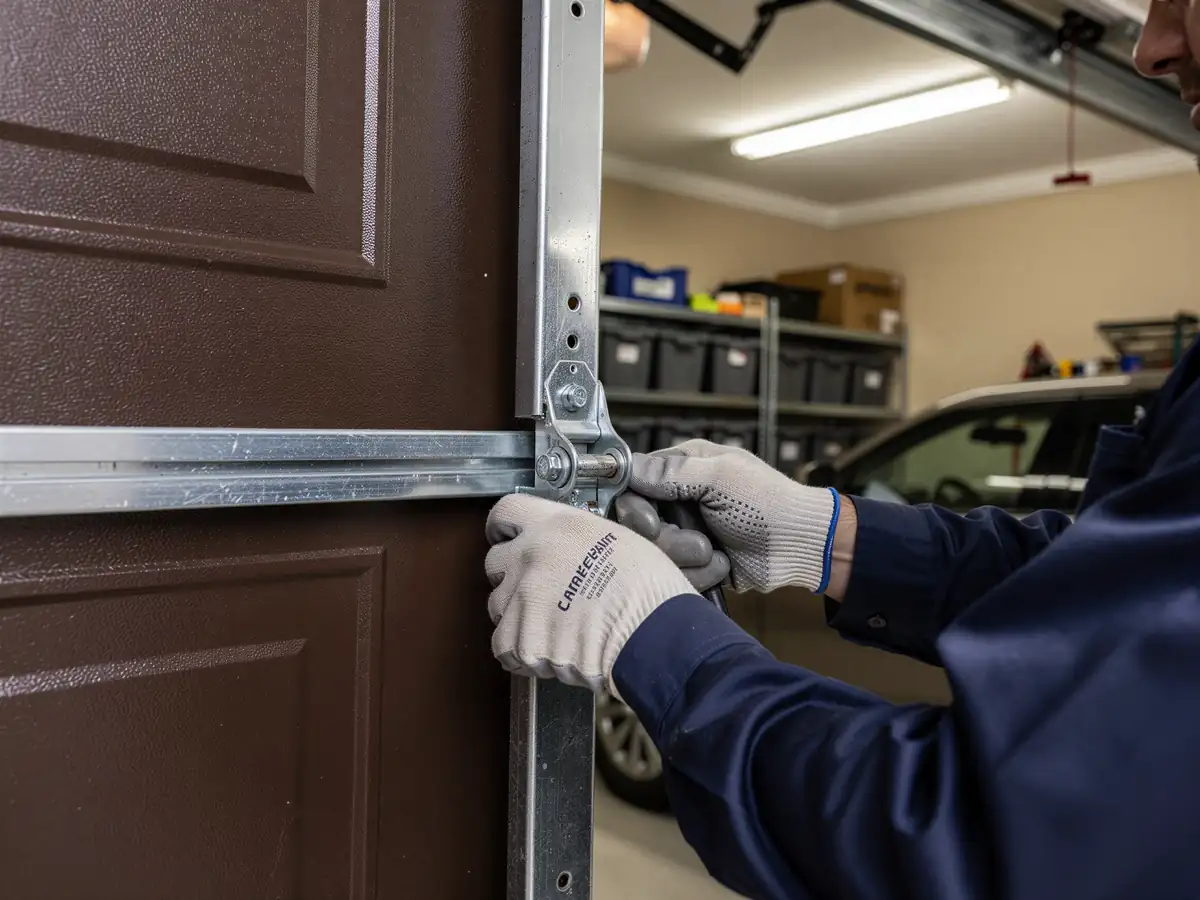
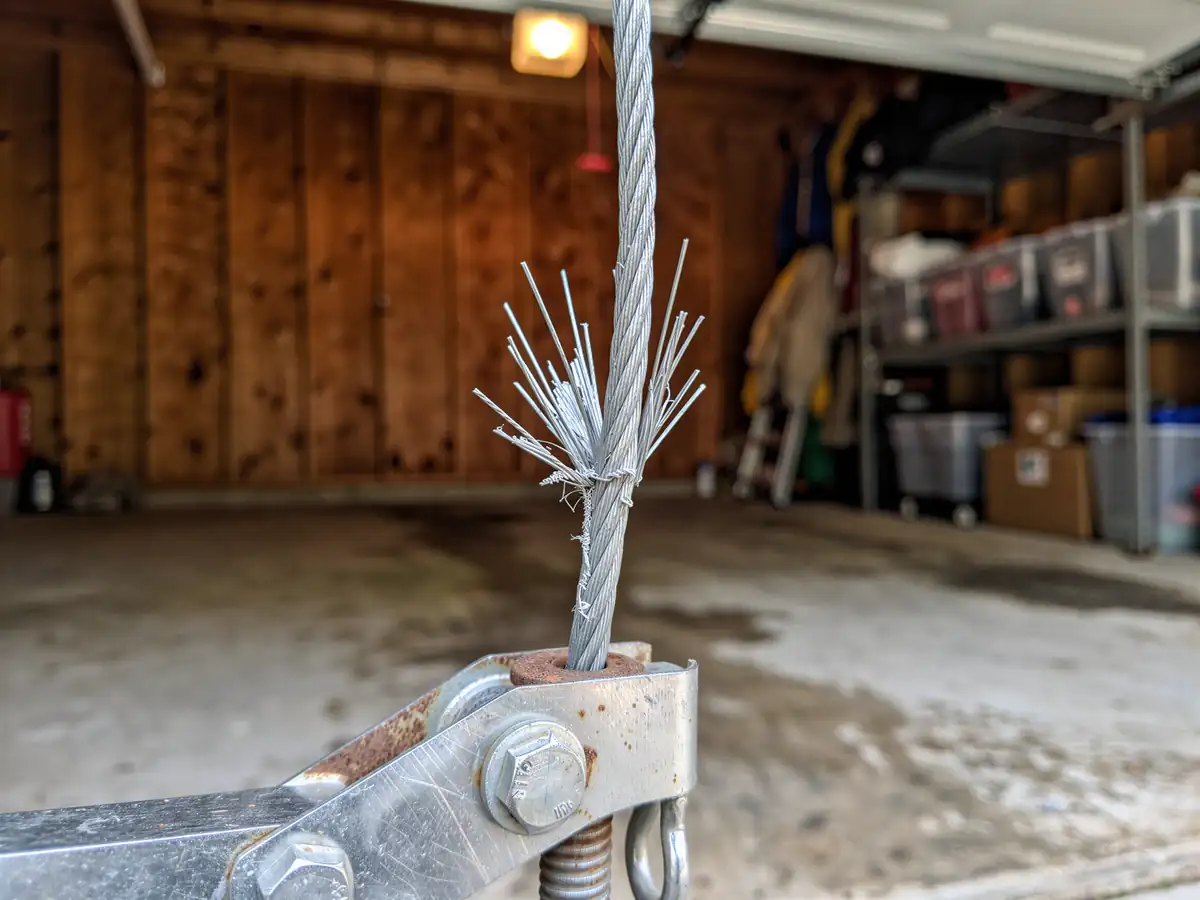
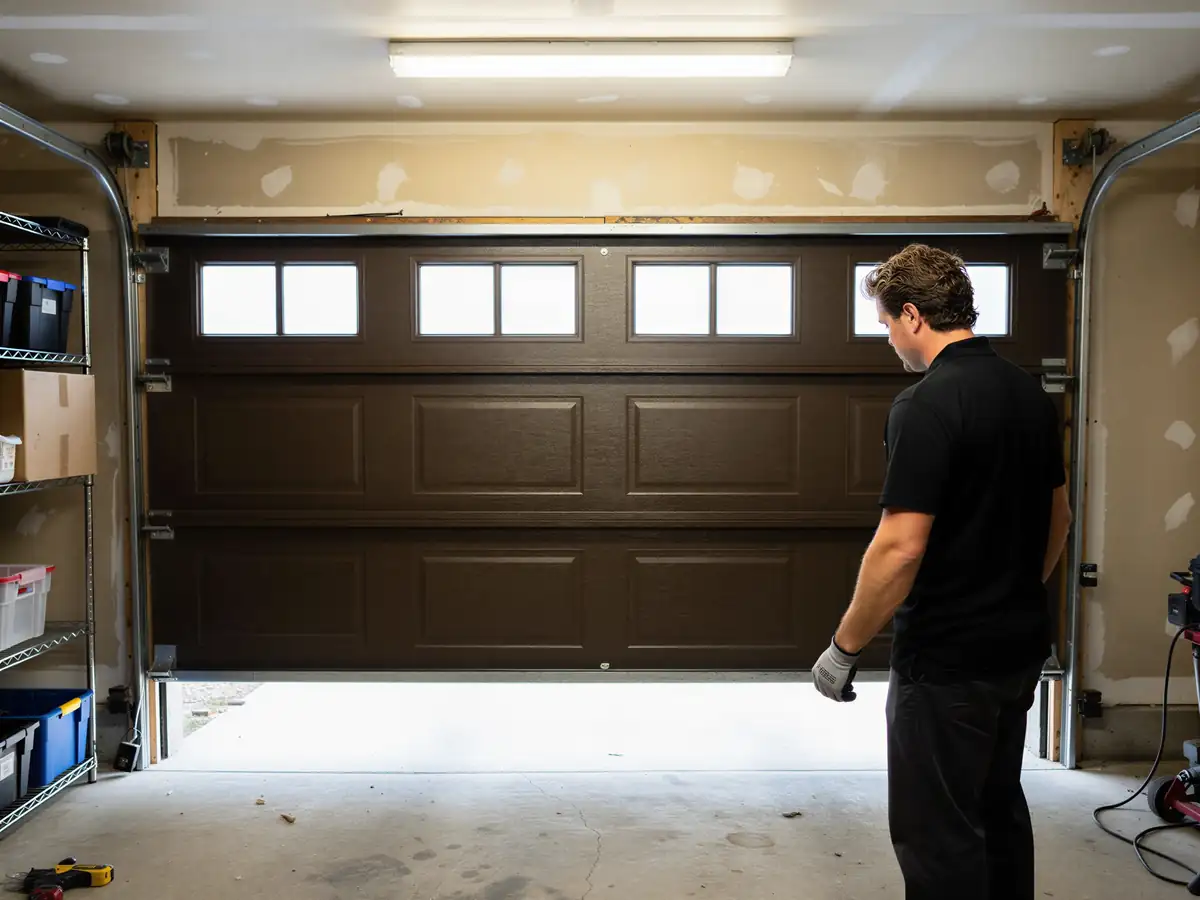
If your door is sticking partway up, dropping unevenly, or the opener strains and reverses before it closes, that's usually the original springs or a bent track giving out on a door that's outlived its hardware. On a lot of Wilmington's 1970s builds, that symptom shows up as one corner of the door lagging behind the other on the way up, because the track on that side has twisted slightly out of alignment over the years. That's a sign to look at full replacement rather than another round of spring swaps, especially once the door itself is original. We drive the 5 miles out from Woburn for these calls regularly; what we can't do is promise a same-day slot, since the route runs through several towns in the service area before it gets here.