Why This Fails Locally
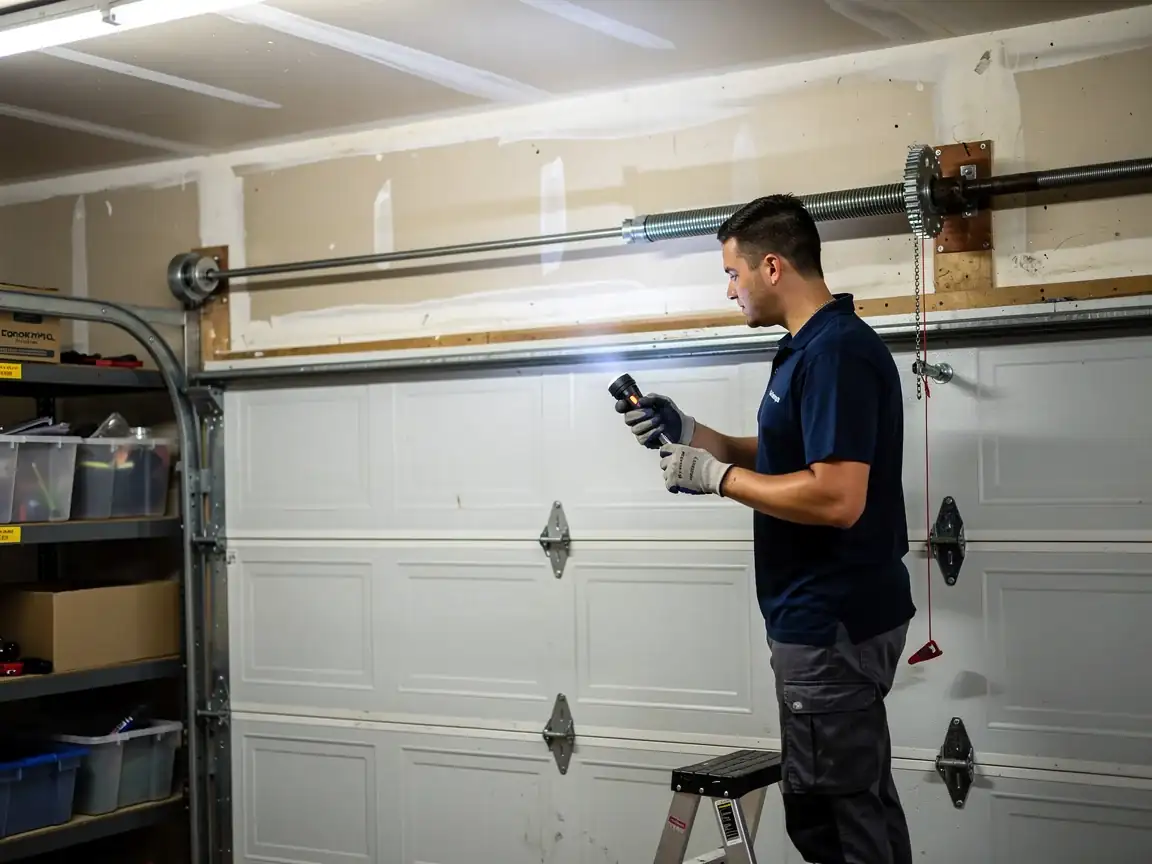
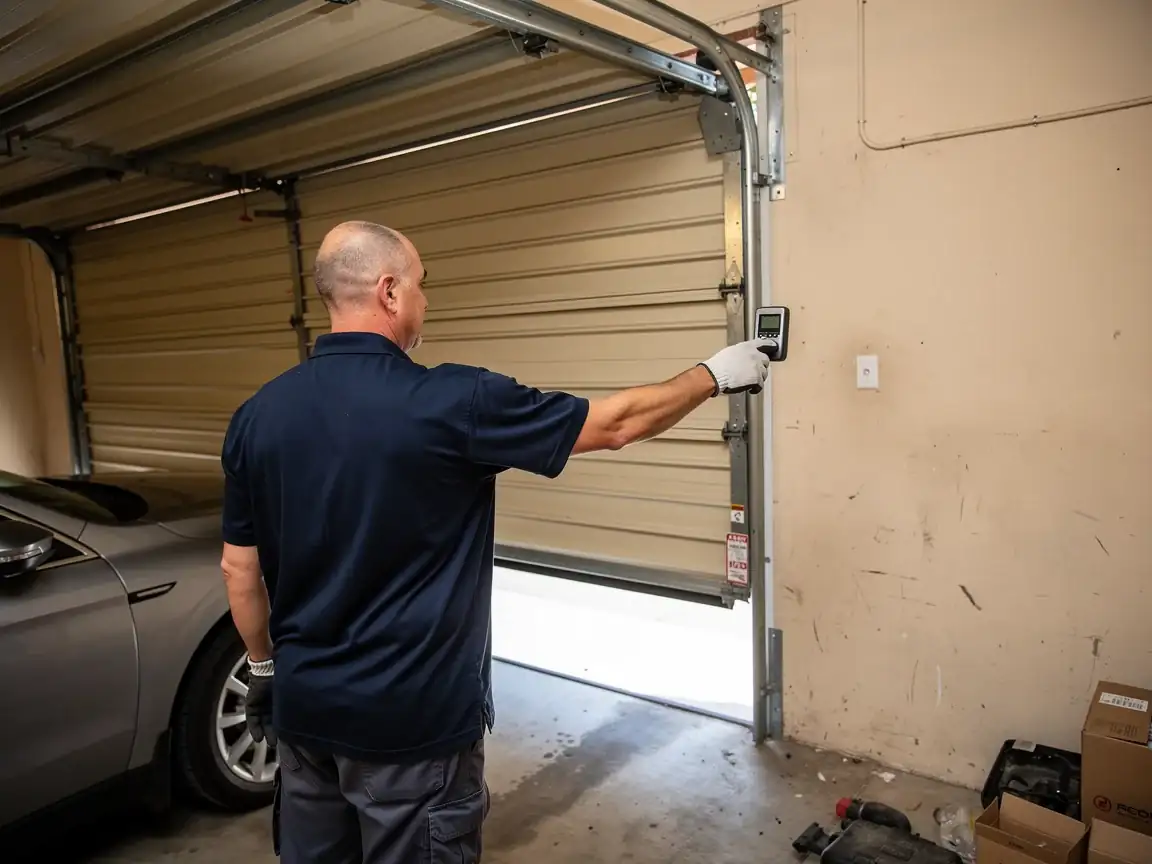
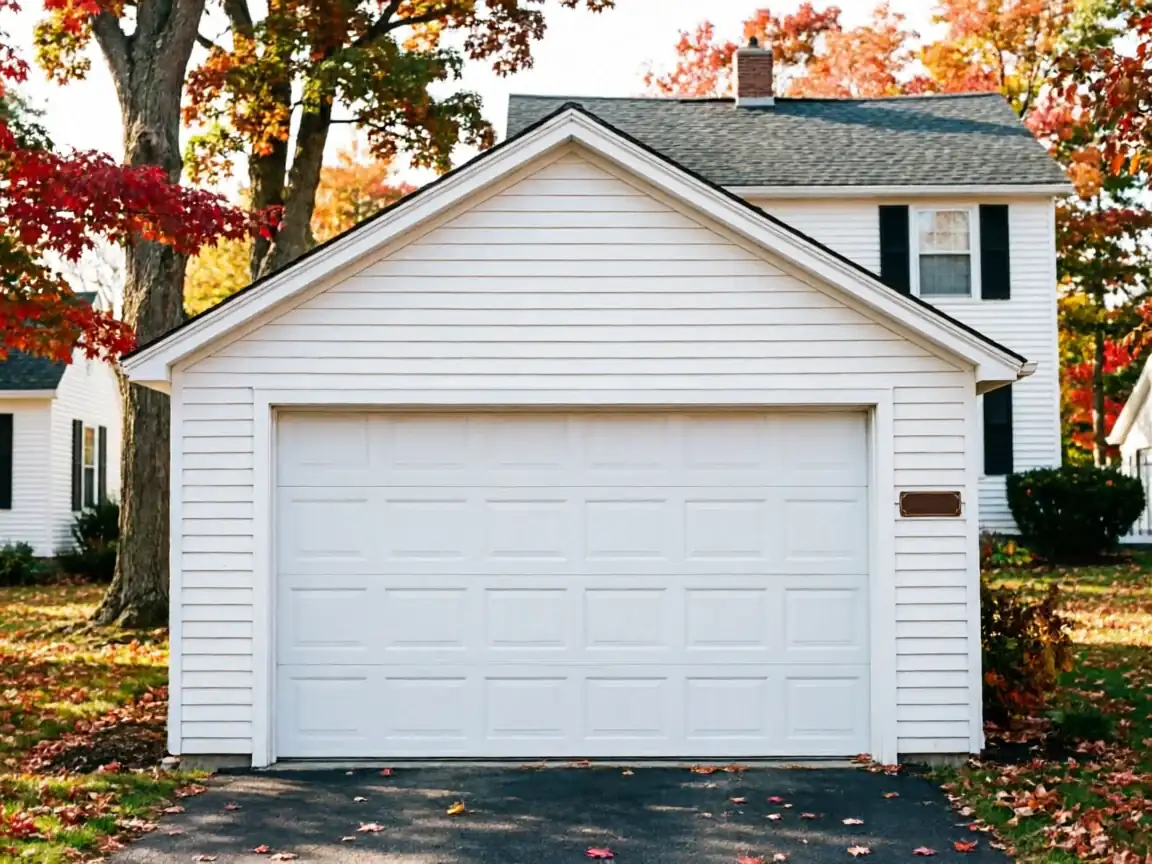
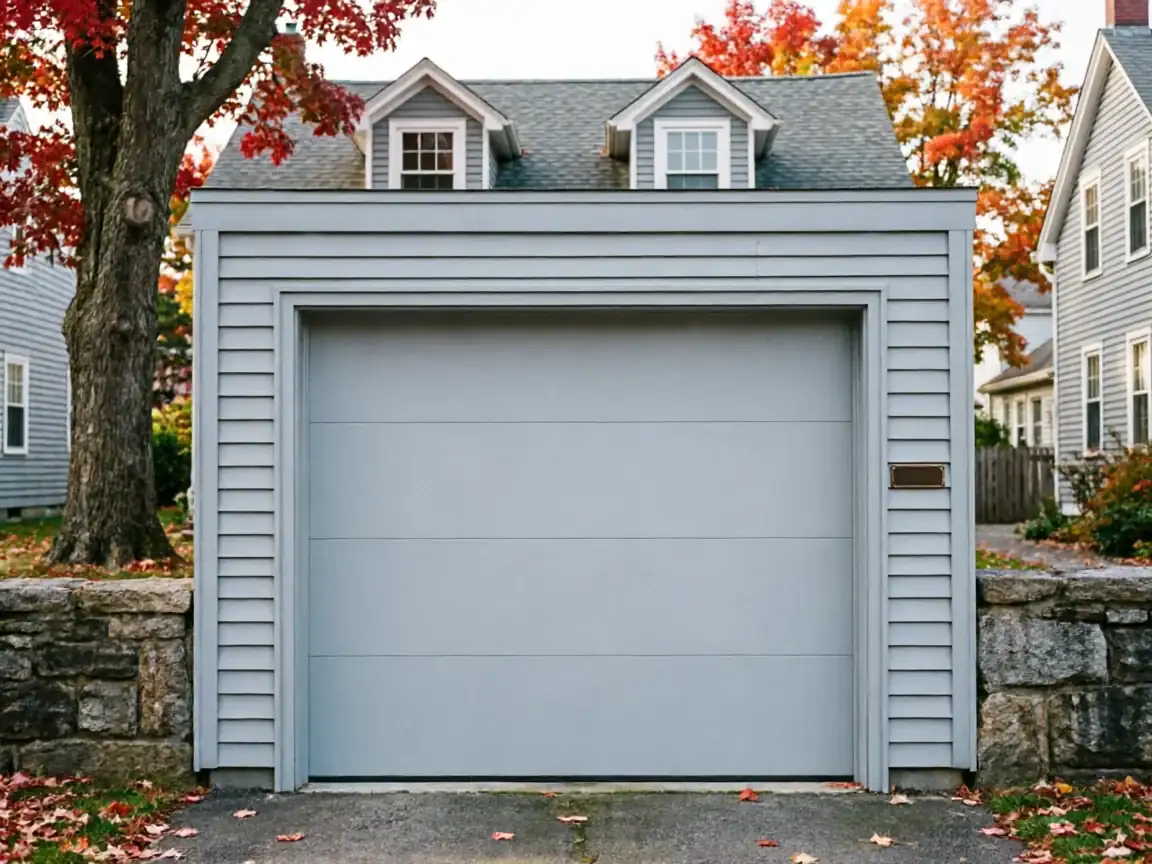
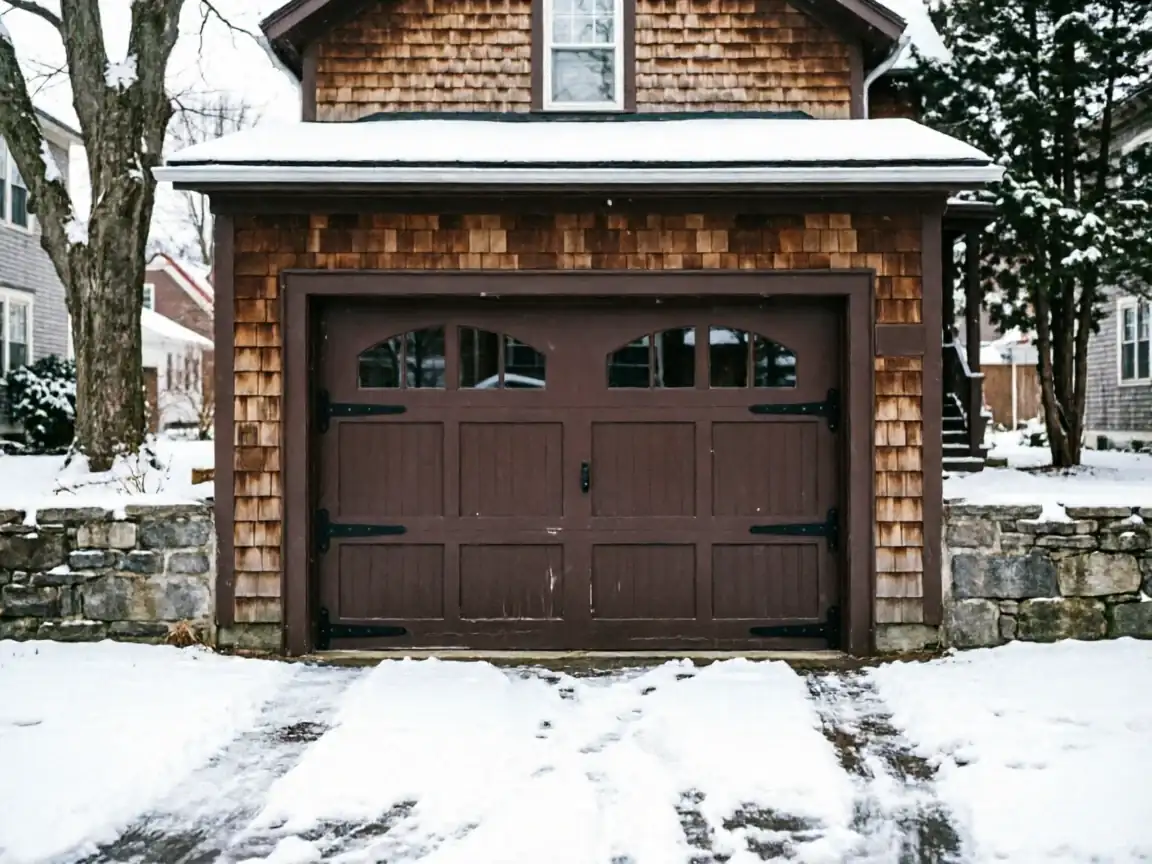
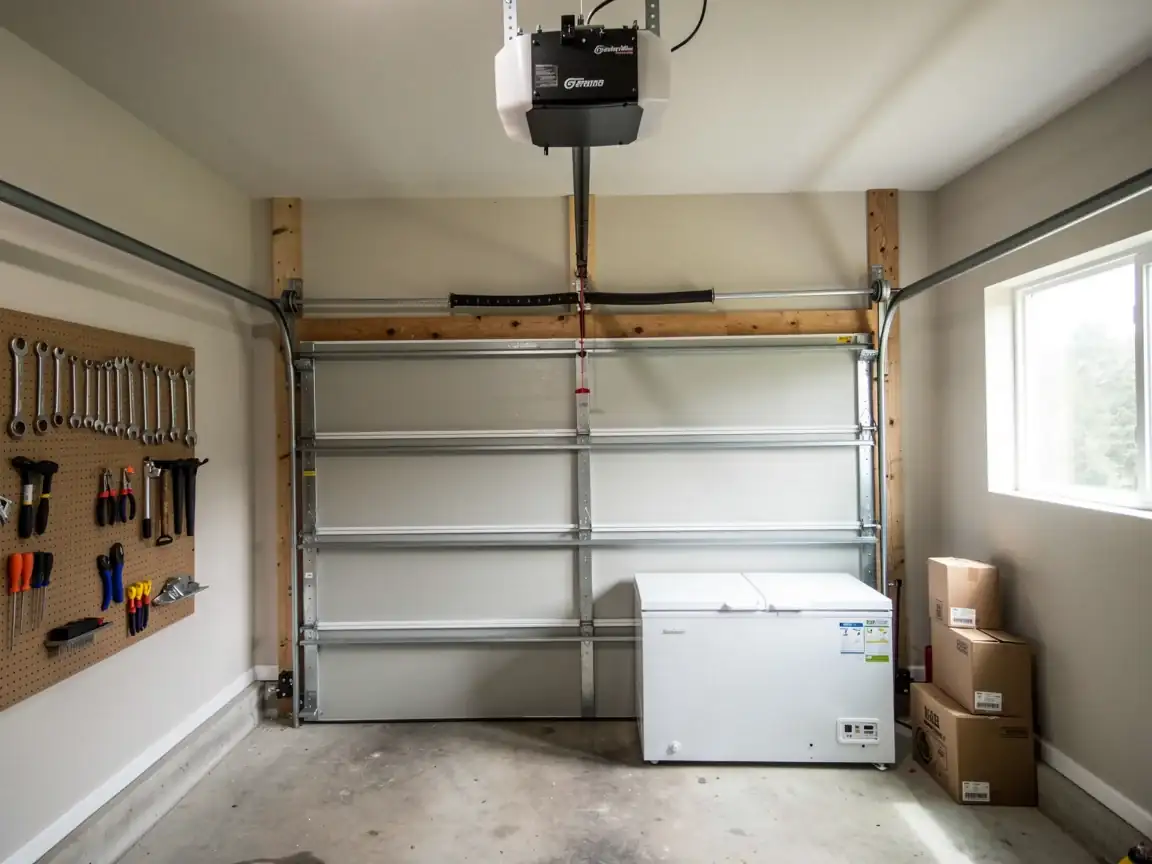
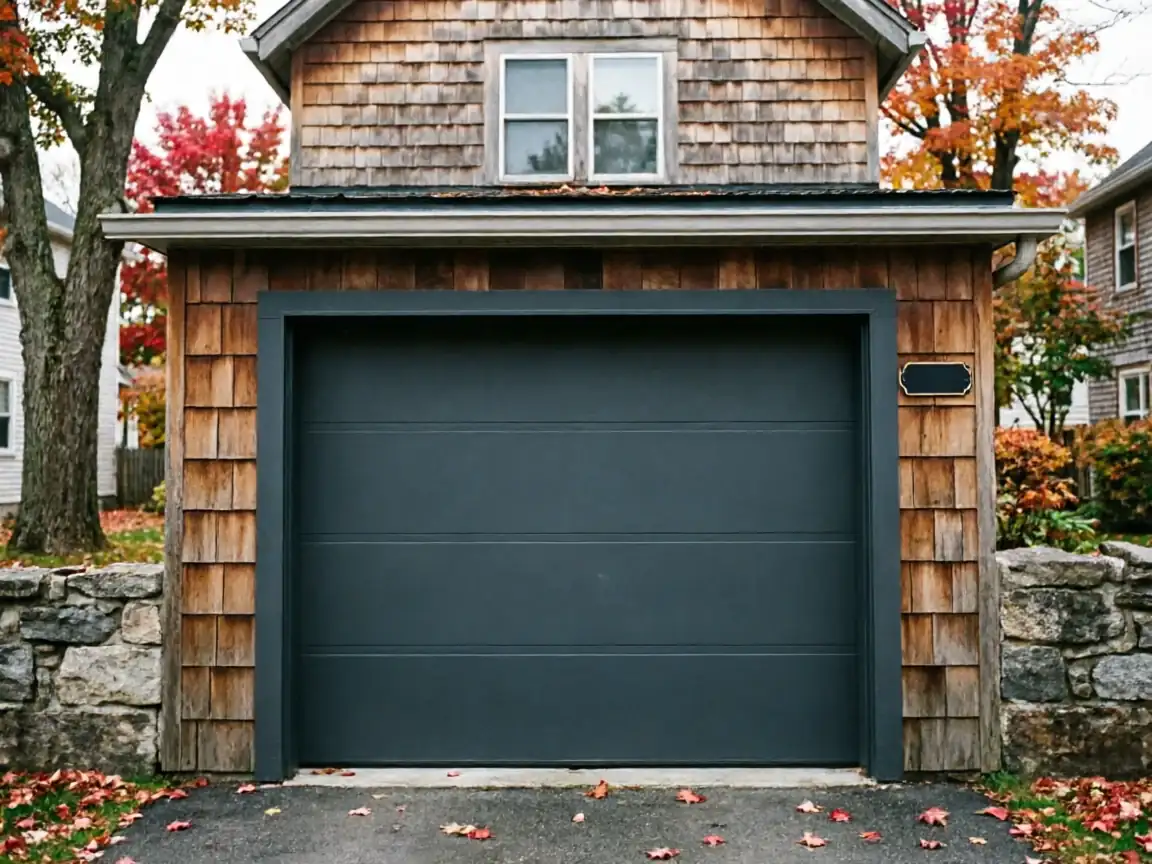
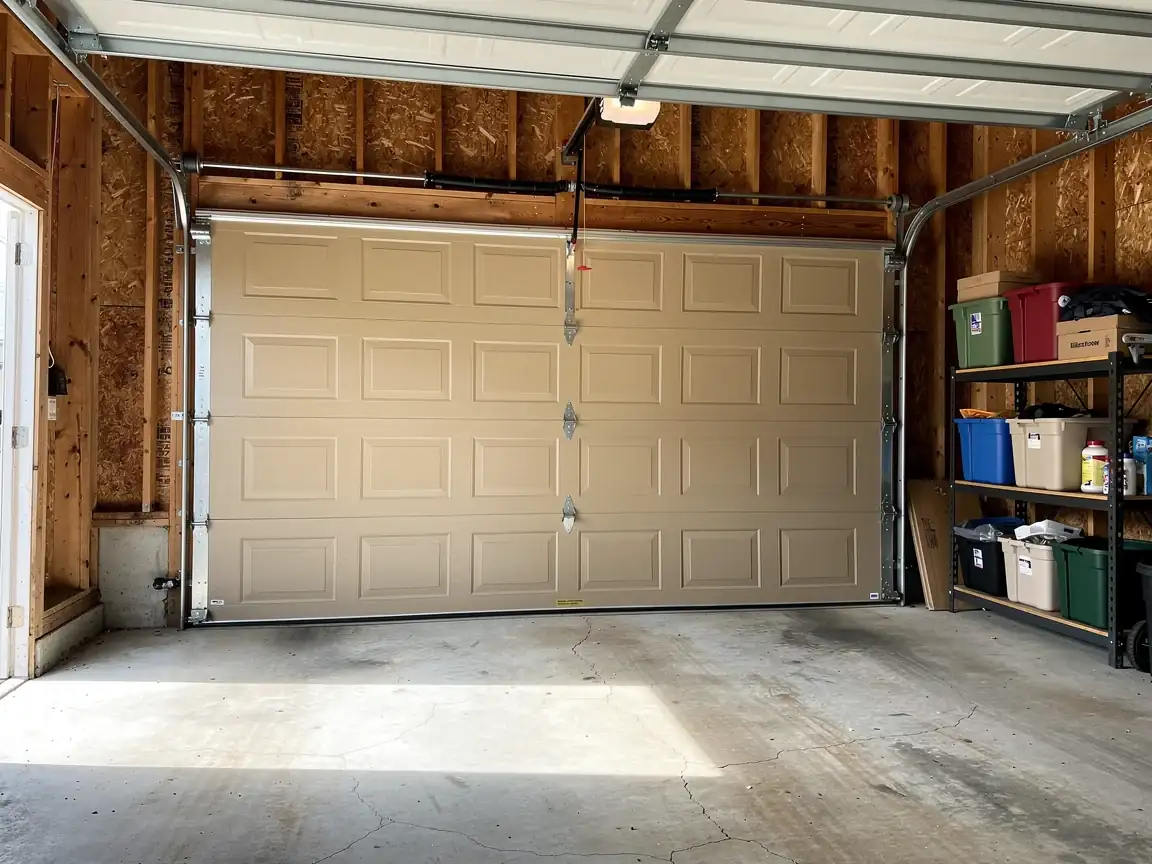
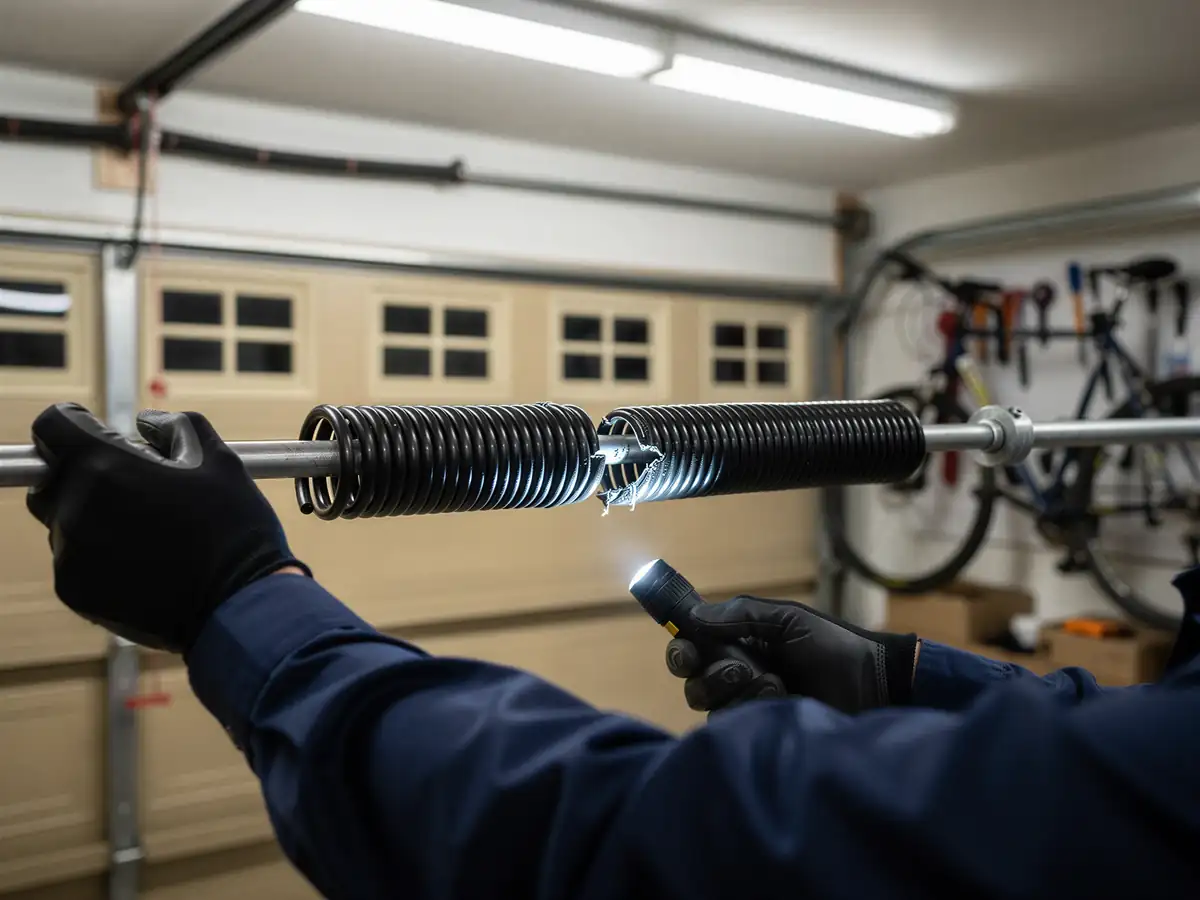
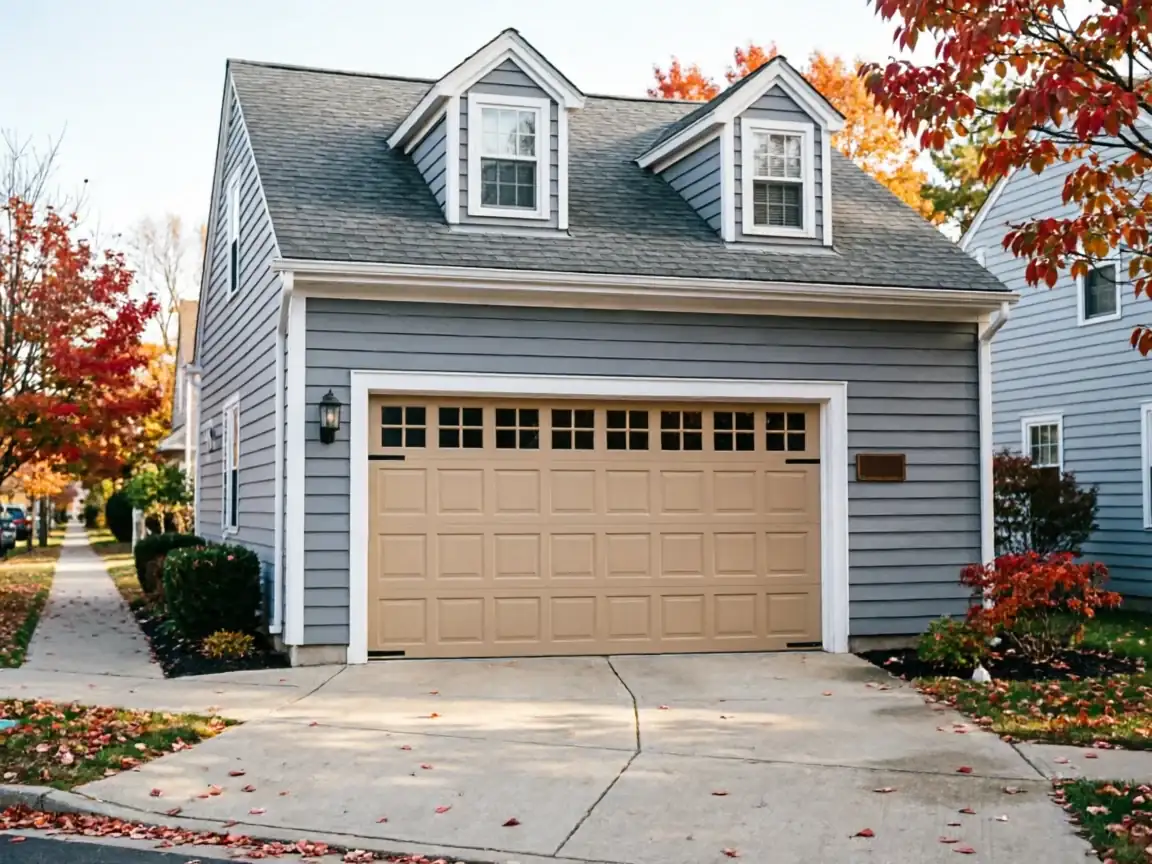
Most houses in Wilmington went up around 1978, which puts this town on the later end of the service area's 1938-1988 build window. That matters because a door installed in a late-70s build is old enough to be original and new enough that nobody thought to replace it yet. The steel is usually un-insulated single-layer, the rollers are the plain nylon kind without sealed bearings, and the torsion spring on the header has likely never been swapped. We drive the 5 miles from Woburn for these calls often enough to know the pattern: the spring finally gives out not because anyone misused the door, but because 45+ years of winter cycling is what torsion steel does eventually. Wilmington's household income runs higher than the wider service area average, which tends to mean owners replace openers before the mechanical parts fail outright - so we see newer chain-drive units bolted onto 1978-era track and hardware that was never upgraded alongside it. That mismatch is its own failure mode, separate from the spring.
Stocked Parts
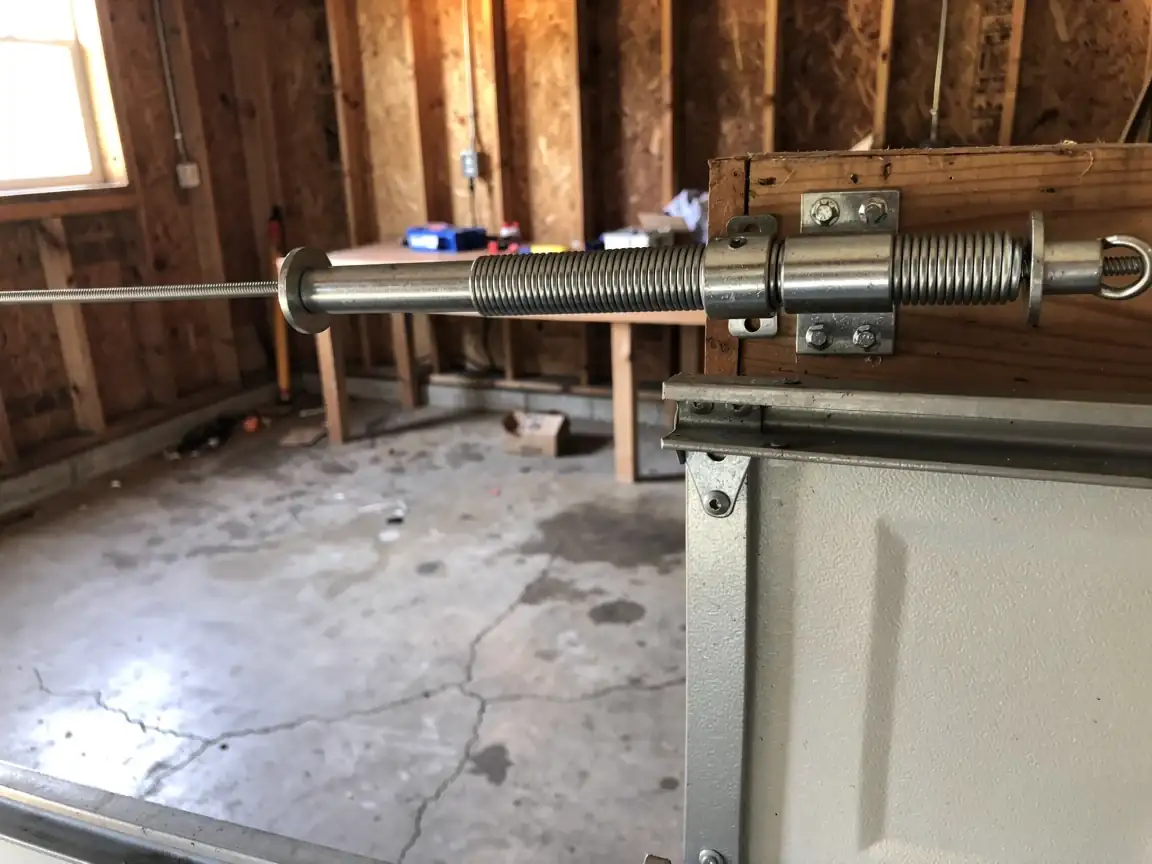
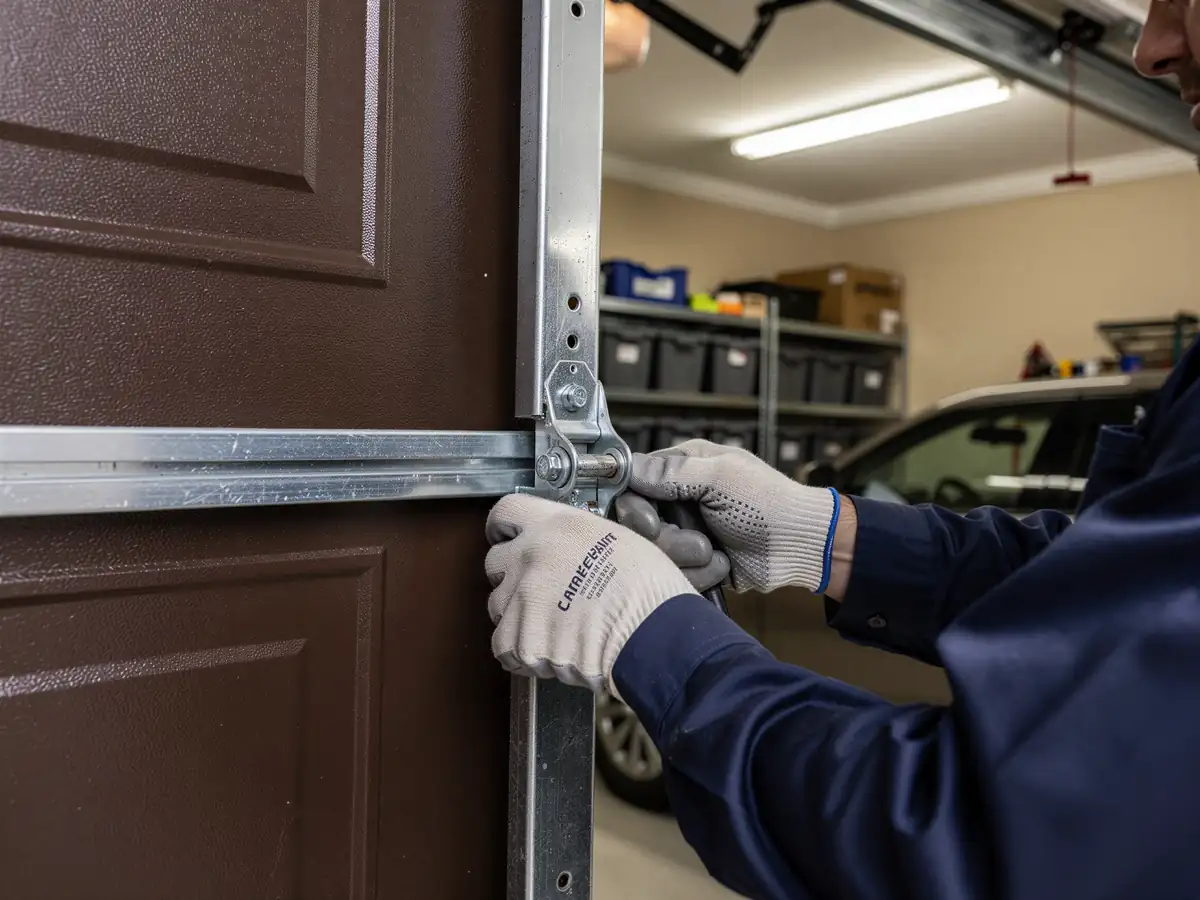
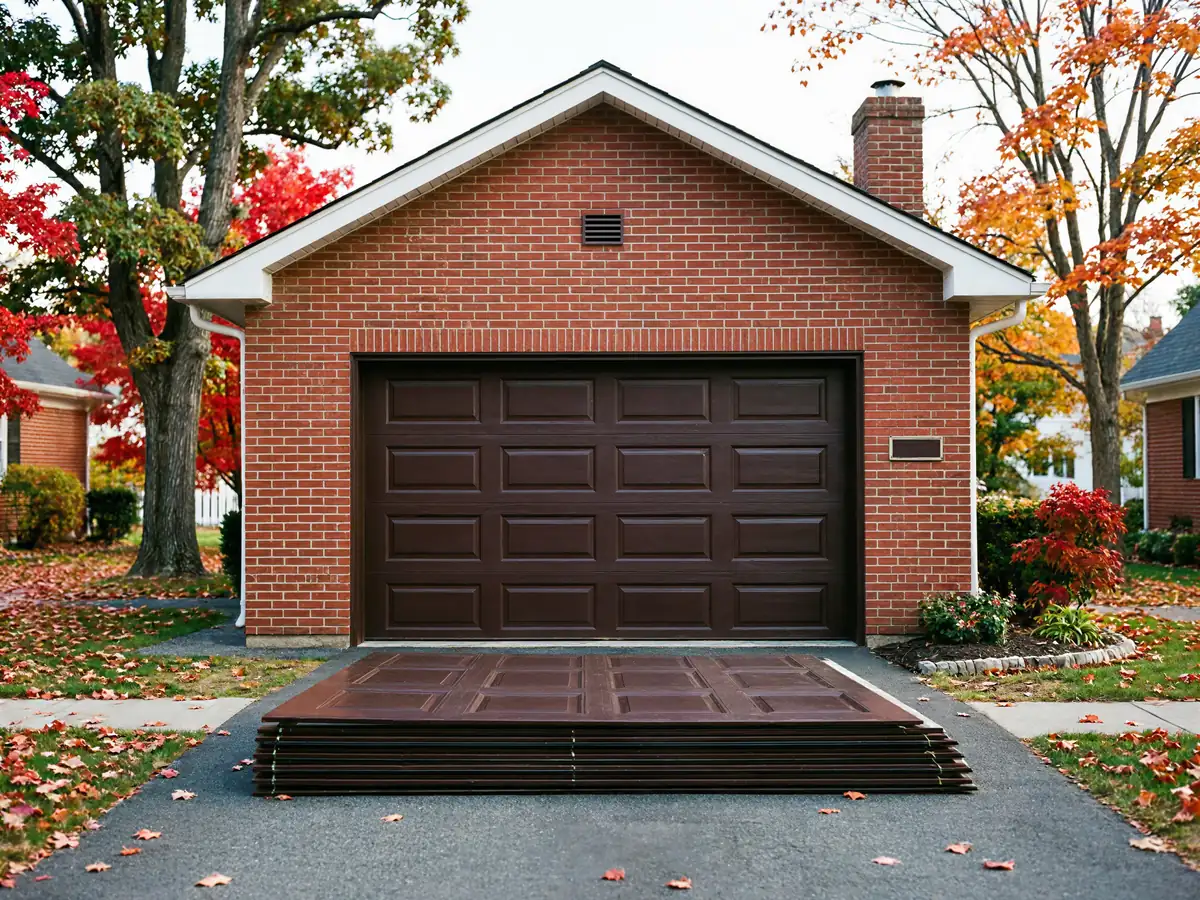
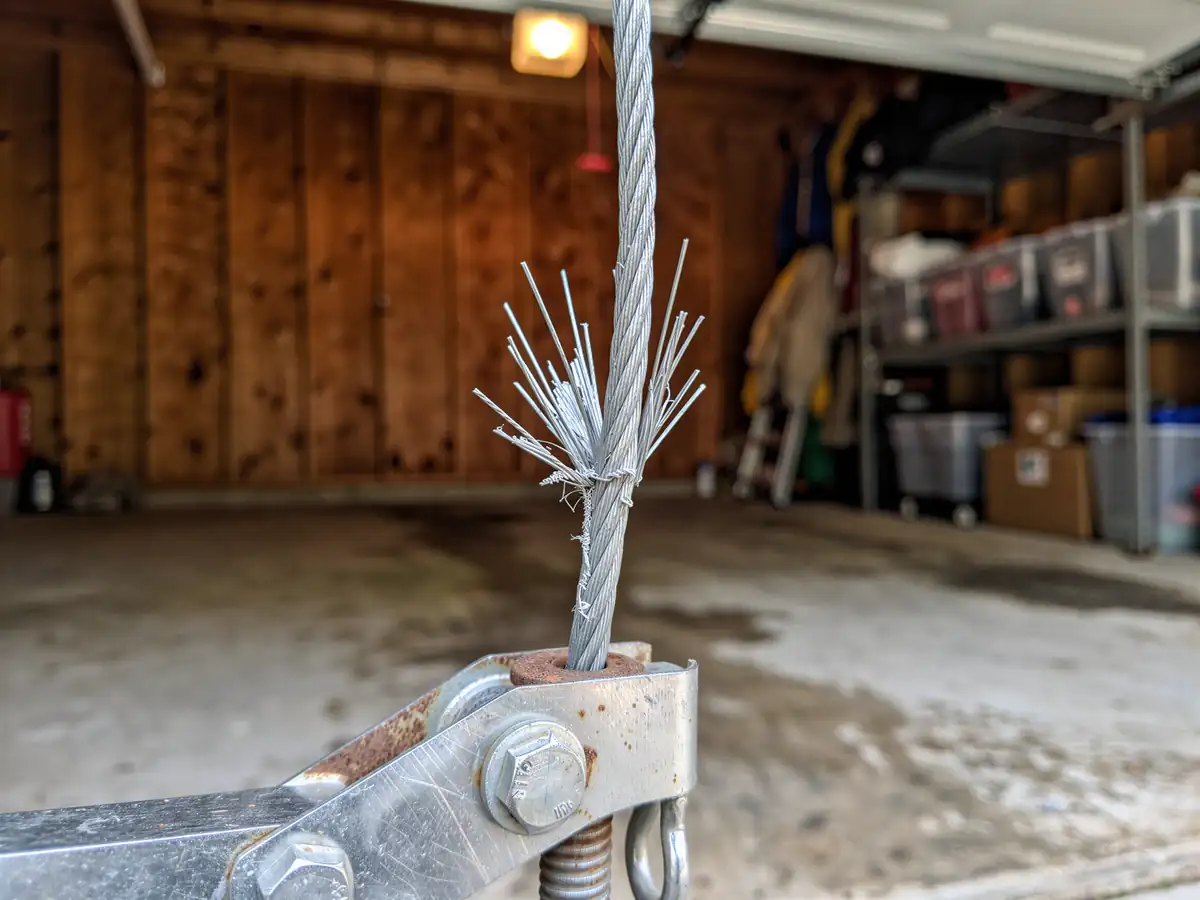
For a door of this era we carry the parts that actually fail on it: torsion springs sized for the heavier single-layer steel panels common to late-70s construction, standard-lift cable, and the galvanized rollers that replace the original nylon ones. What we don't always have on the truck is a matching panel - if a 1978 door has a dented or rusted-through section, finding an exact replacement panel from a long-discontinued line can take longer than the repair itself. In that case we'll tell you straight whether patching it makes sense or whether it's cheaper, long-term, to replace the section with new hardware that'll outlast the rest of the door.
The Symptom
The giveaway on a Wilmington house this age is usually one of two things: the door drifts down a few inches after you stop it mid-travel, or it takes a visible jolt partway up before the opener can finish the lift. Both point to a torsion spring that's lost tension, not an opener problem. On a door that's sat on its original hardware since 1978, that's the far more likely diagnosis than a motor failure, and it's the one we check first on these calls.