Getting It Booked In
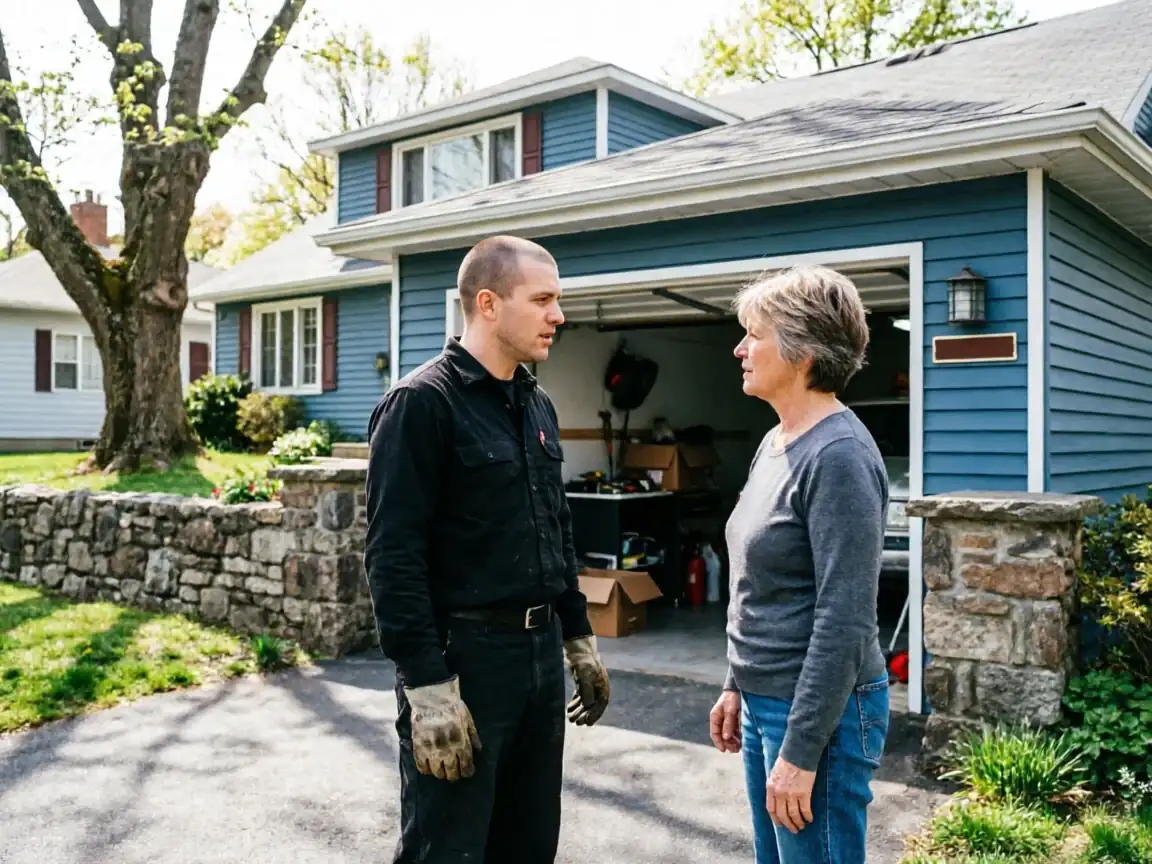
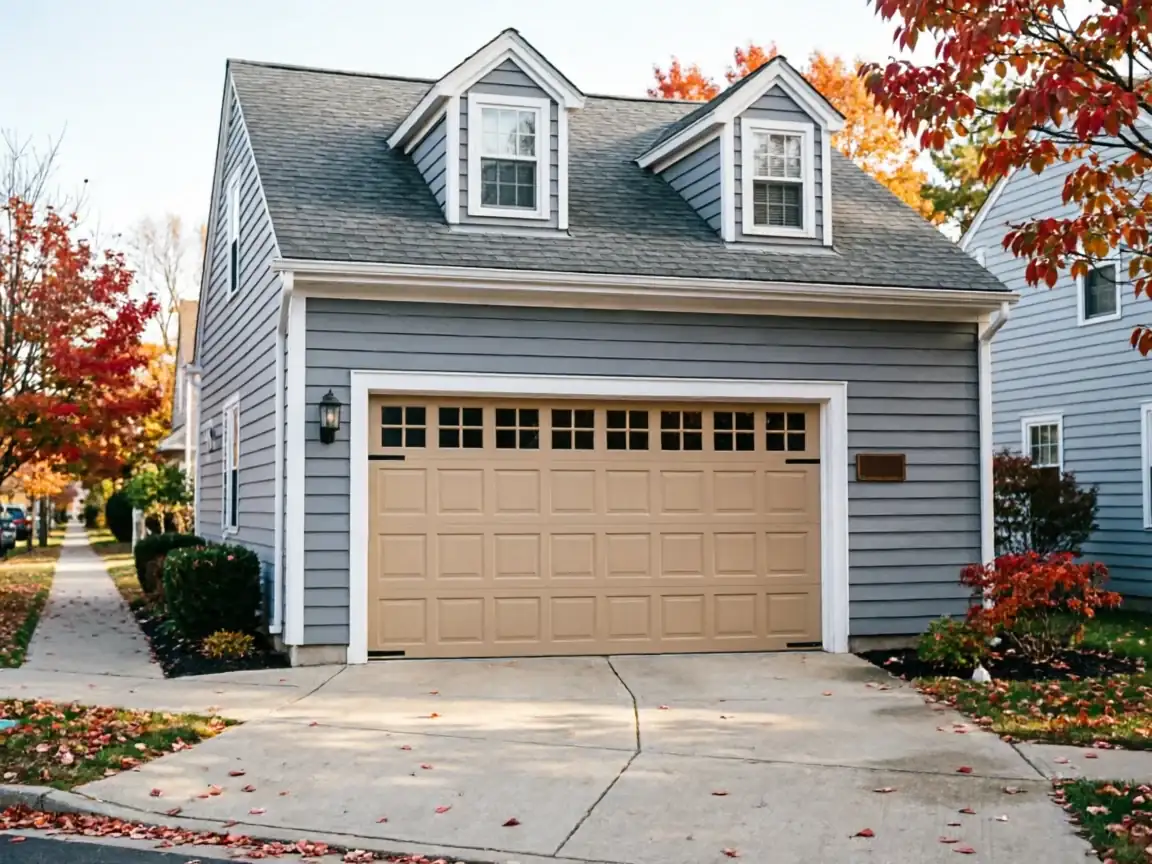
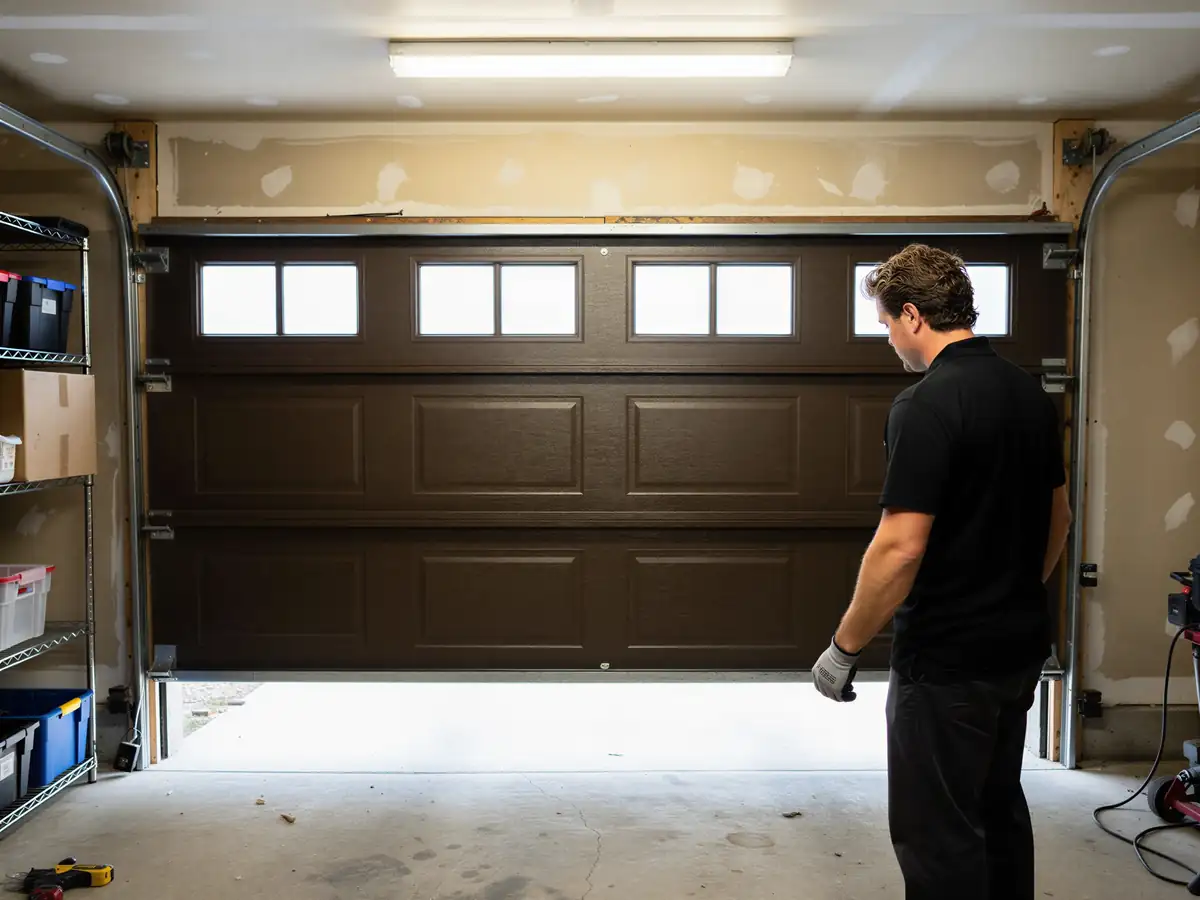
Lexington sits five miles from our Woburn shop, close enough that a call here isn't a special trip, just a normal stop on the route. When you call, we ask what the door is doing - won't open, stuck halfway, making noise on the track - and we bring parts based on what's common in houses your age, not a generic kit. We don't run a branch office in Lexington, so every job starts from Woburn and travels in, which is worth knowing if you're comparing us to an outfit that claims to be local to you specifically. The distance doesn't change what we can fix, but it does mean we're more useful when you can tell us the symptom clearly on the phone - torsion spring that let go with a bang, an opener that hums but doesn't lift, a panel that's bent and rubbing the track. That lets us load the right spring size and hardware before we leave, instead of diagnosing twice.
Doing It Yourself
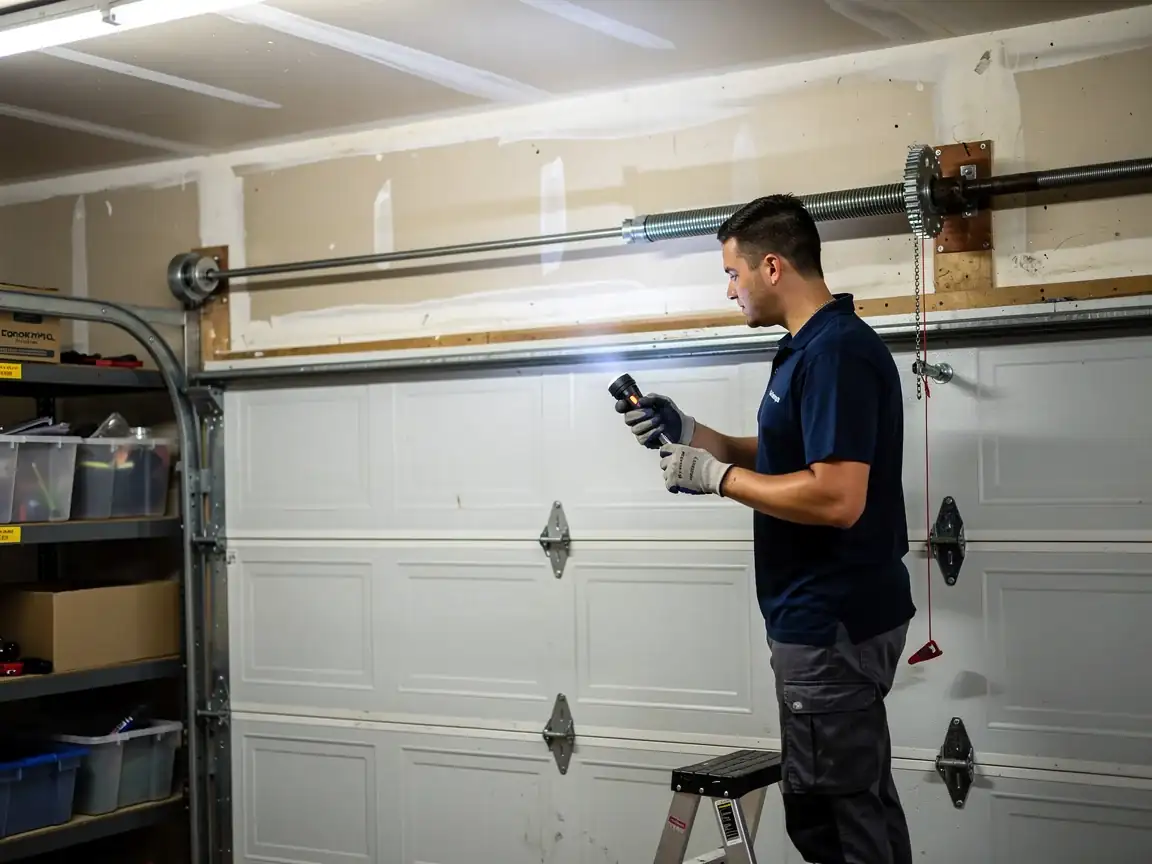
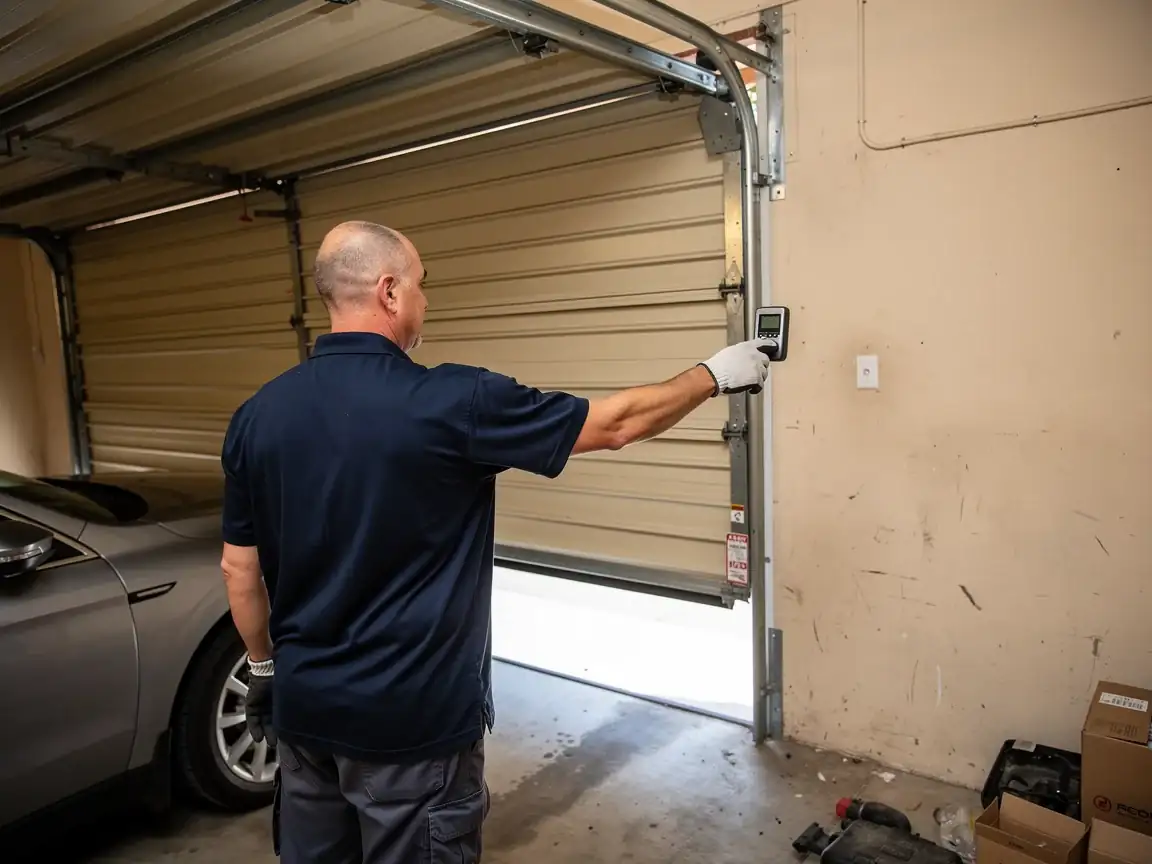
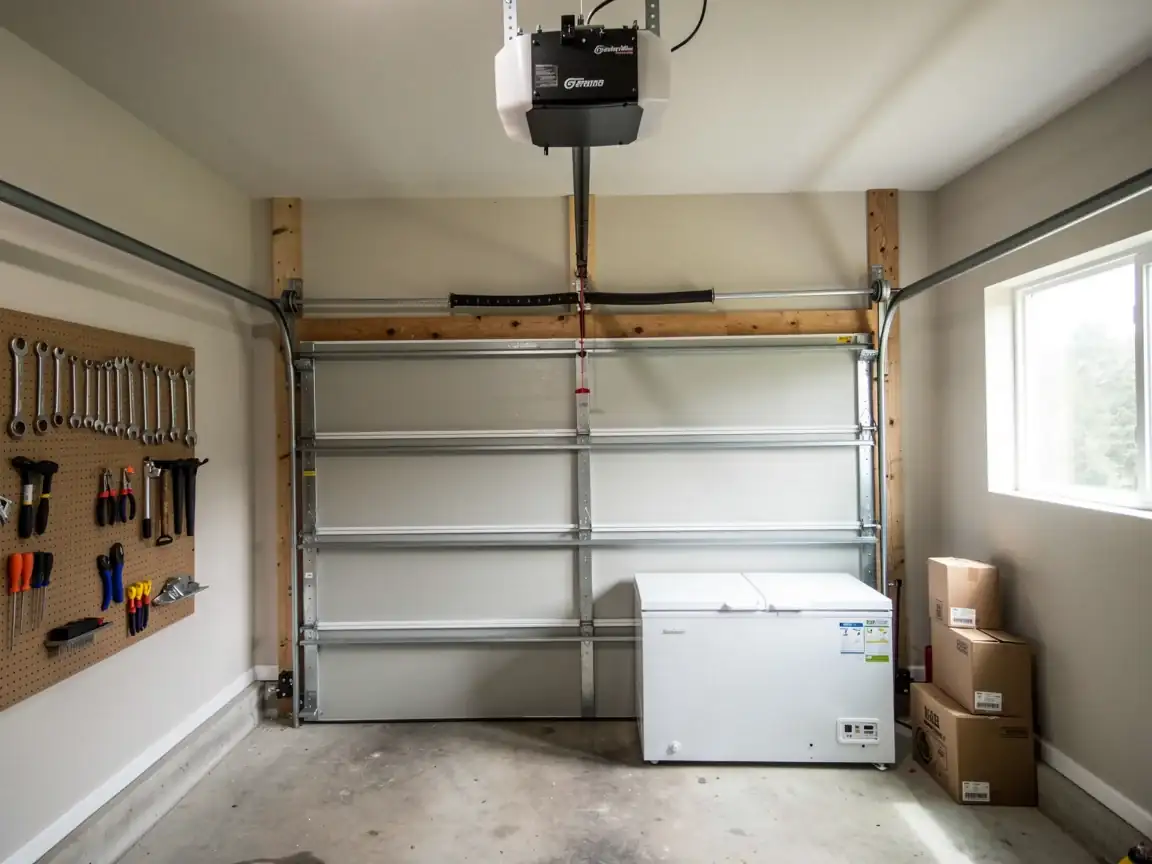
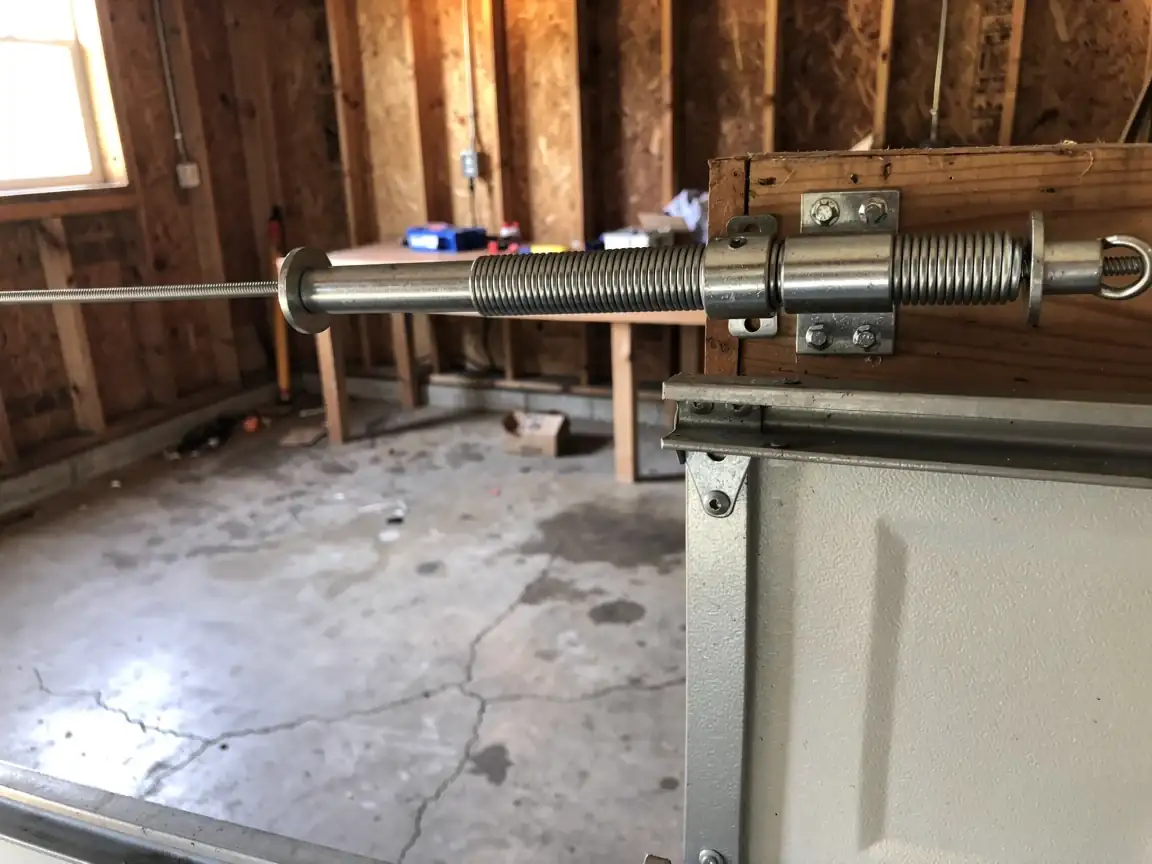
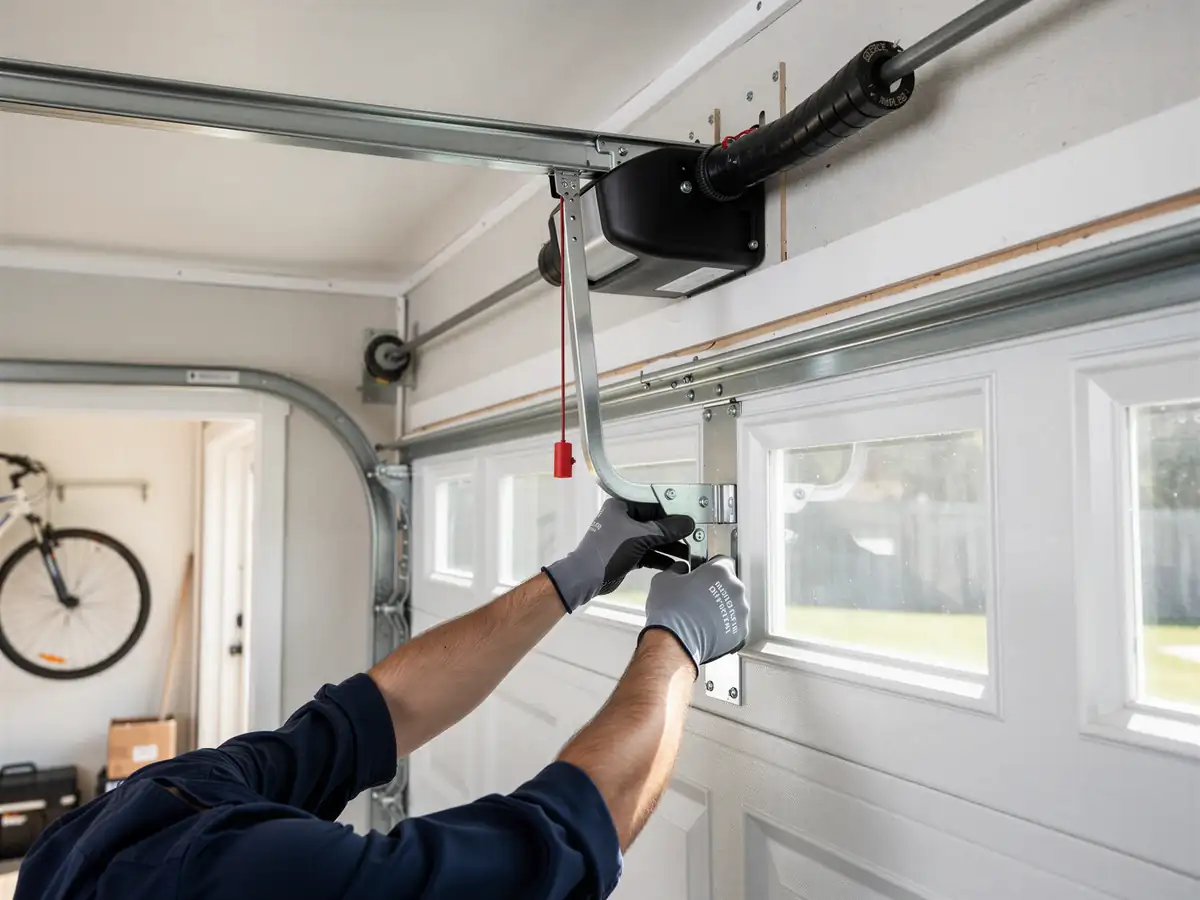
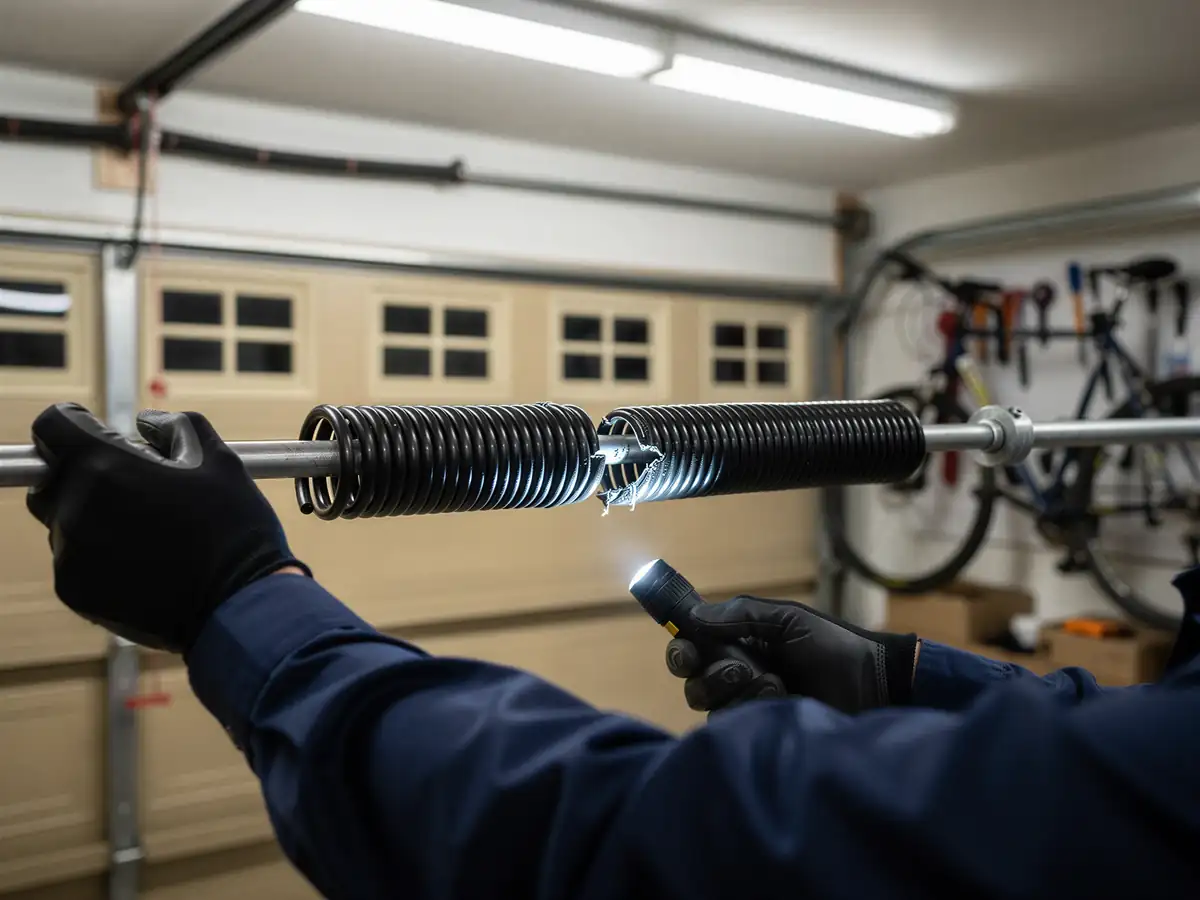
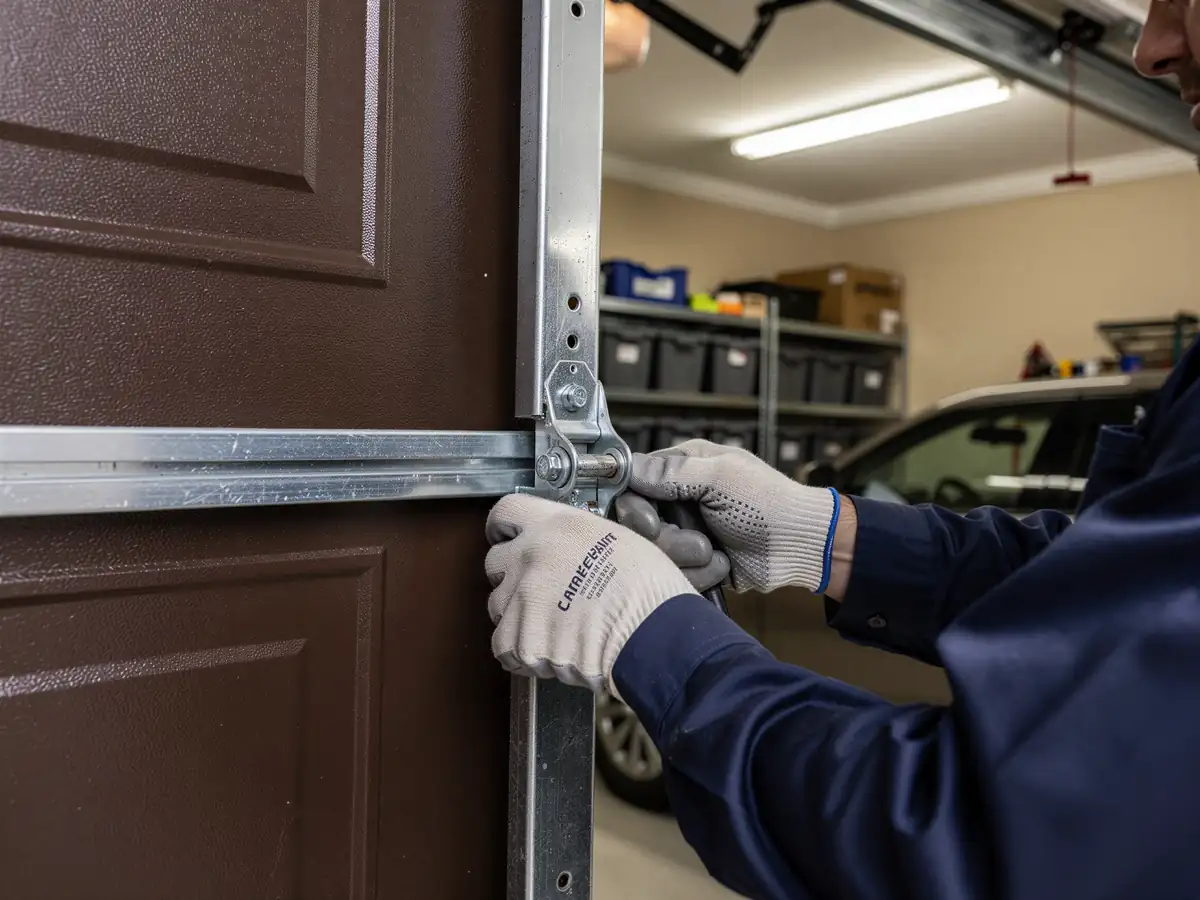
Some things on a Lexington garage door are fine to check yourself. If the door won't close, look for a misaligned photo-eye sensor near the floor on each track - a stray leaf or a knock from a bike can shift one out of line. Tightening loose hinge bolts and lubricating rollers is reasonable homeowner maintenance on any door. What isn't reasonable: touching the torsion spring above the door. On houses from this era, that spring is wound under enough tension to break a wrist or worse if it lets go while you're working on it, and we're not going to pretend otherwise to sound reassuring. If the door is heavy to lift by hand with the opener disconnected, that's a spring problem, not a track problem, and it's a call-us job, not a weekend project.
Why This Fails Locally
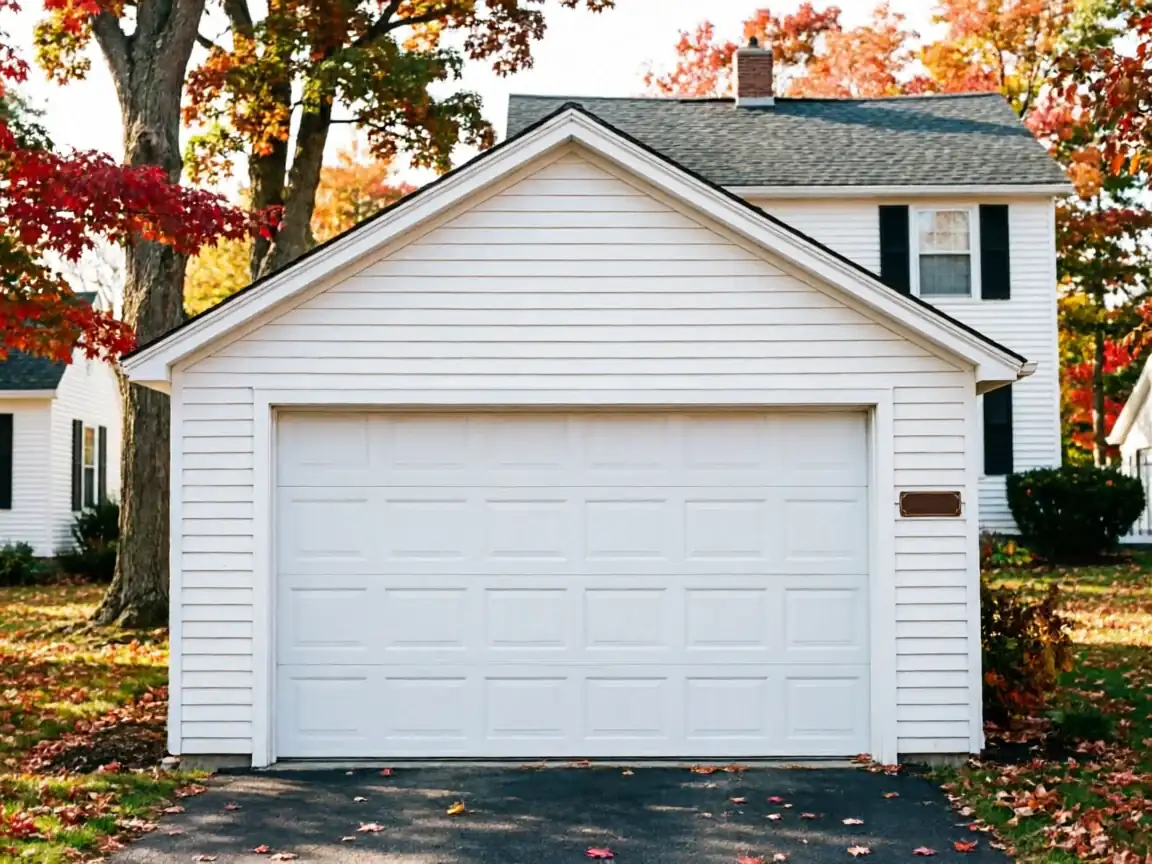
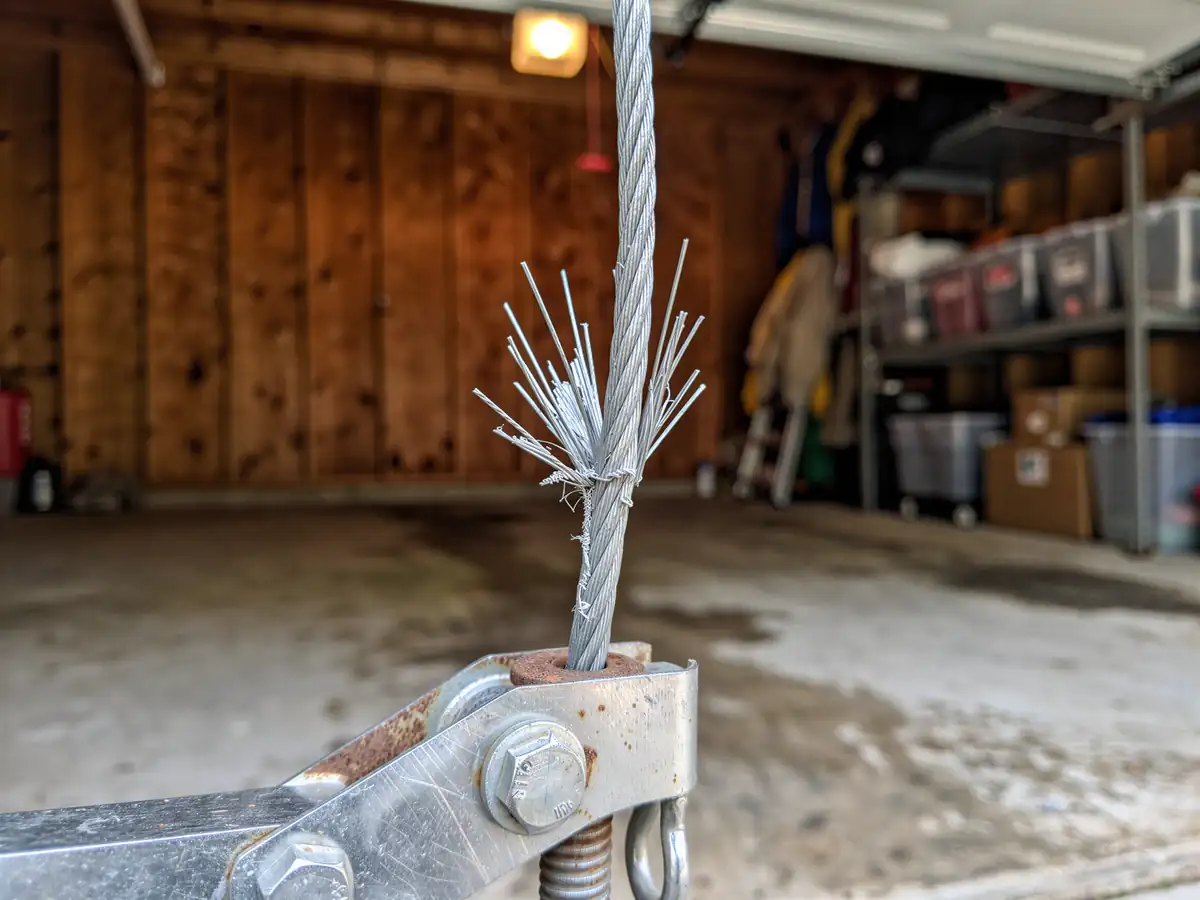
Lexington's housing mostly dates to the 1960s and 70s build-out across this part of the service area, and the median year built here lands around 1964 - close to the regional median of 1965 but still its own number. Doors and openers installed on houses from that period are closing in on, or past, the end of a normal torsion spring's cycle life, which is why spring failure shows up here more than on newer stock. Add the region's cold-climate exposure - real winter swings, not a mild coastal version - and steel springs and cables that have already done fifty-plus years of expansion and contraction are the parts most likely to let go on a cold morning when the door gets used hard for the first time in days.
Stocked Parts
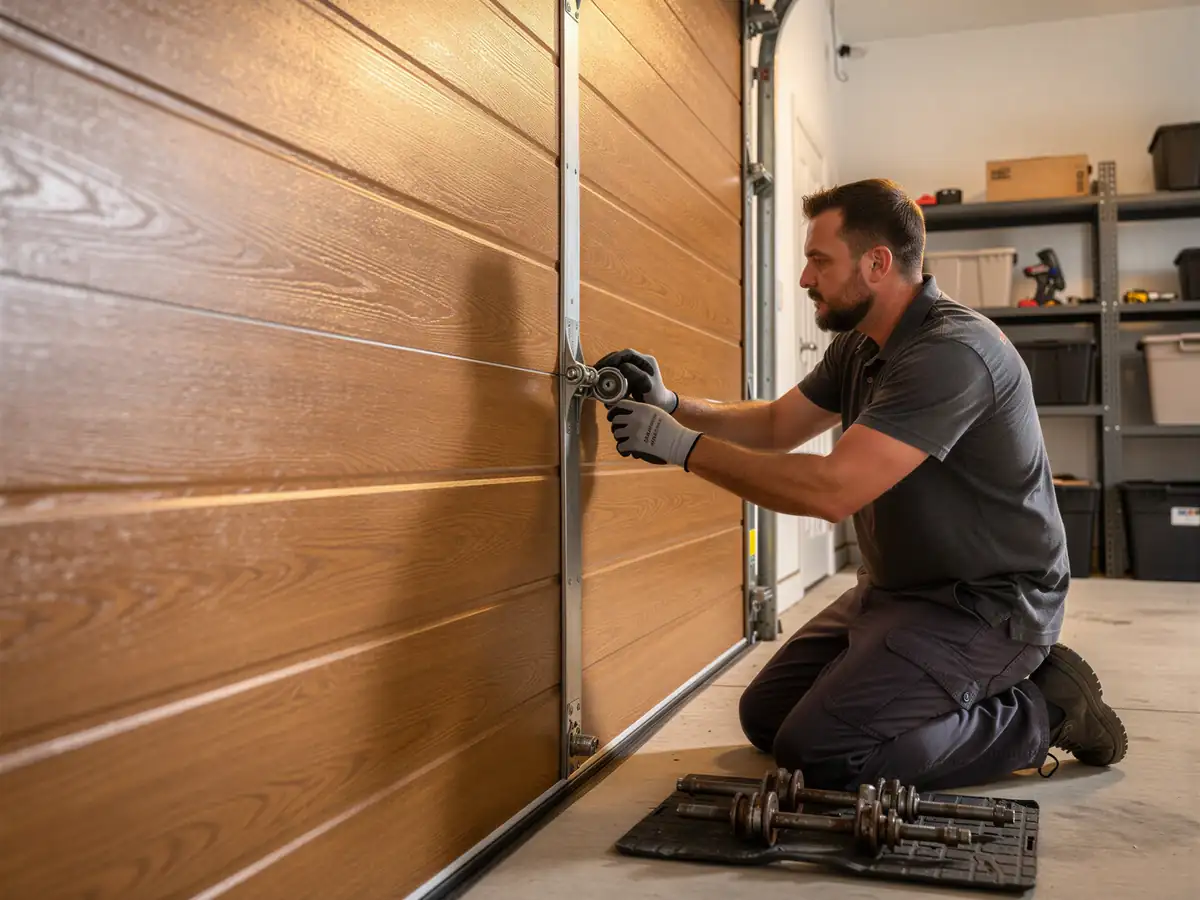
Because so much of Lexington's housing sits in that same 1960s-70s band, we stock the torsion spring sizes and drum/cable combinations that era commonly used, along with standard rollers and hinges that fit the panel styles from that period. Lexington's households carry a median income well above the wider service area's figure, and we see that reflected less in exotic door choices and more in owners who replace a failing opener or full door rather than nurse it along for years - which changes what we load on the truck for a Lexington call versus an older, lower-turnover block. What we don't stock on the truck is anything obsolete enough to need a special order, and on a house this age that occasionally happens - we'll say so rather than guess.