Getting It Booked In
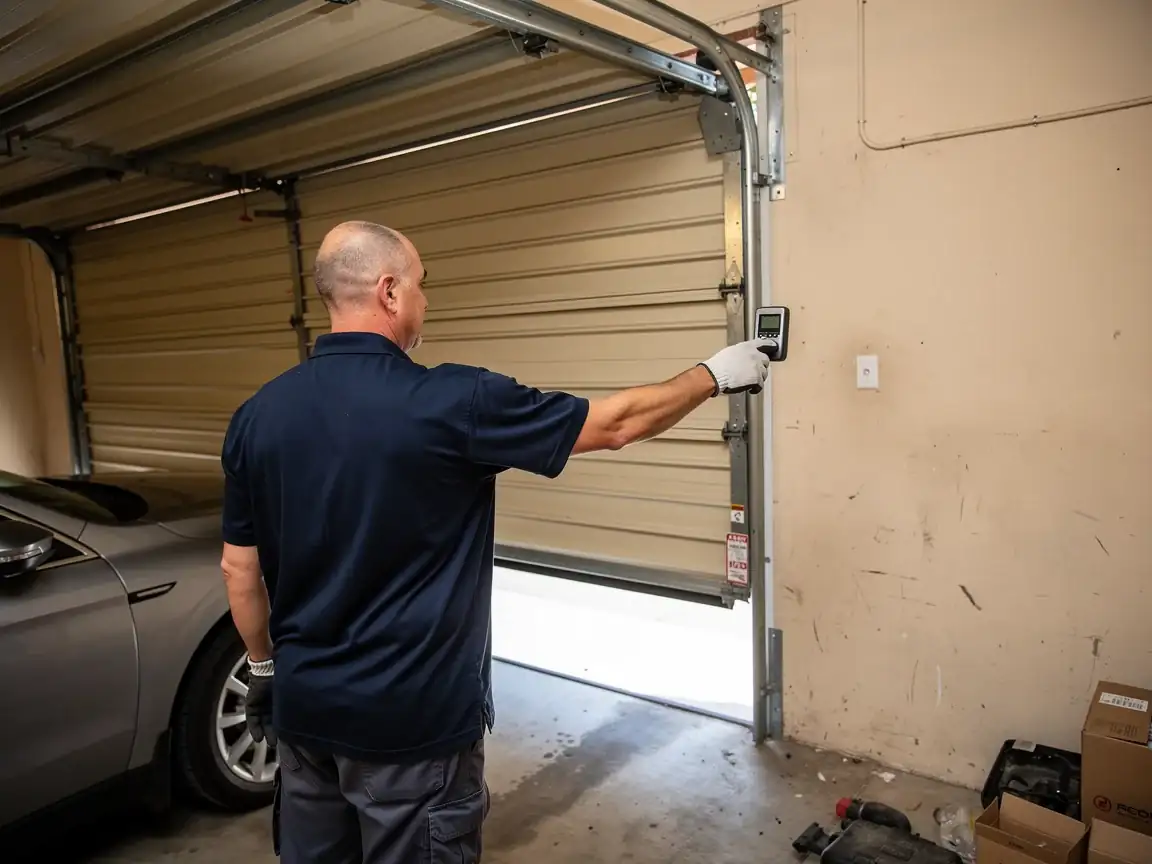
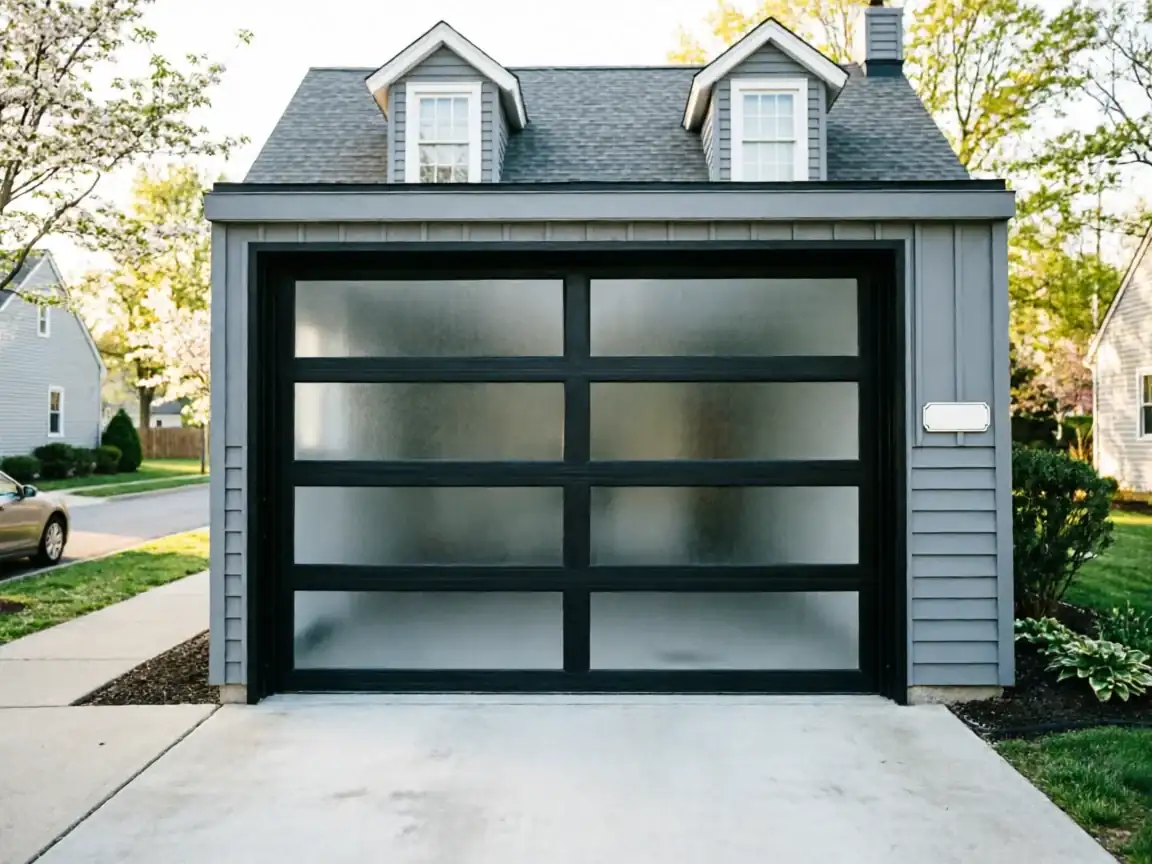
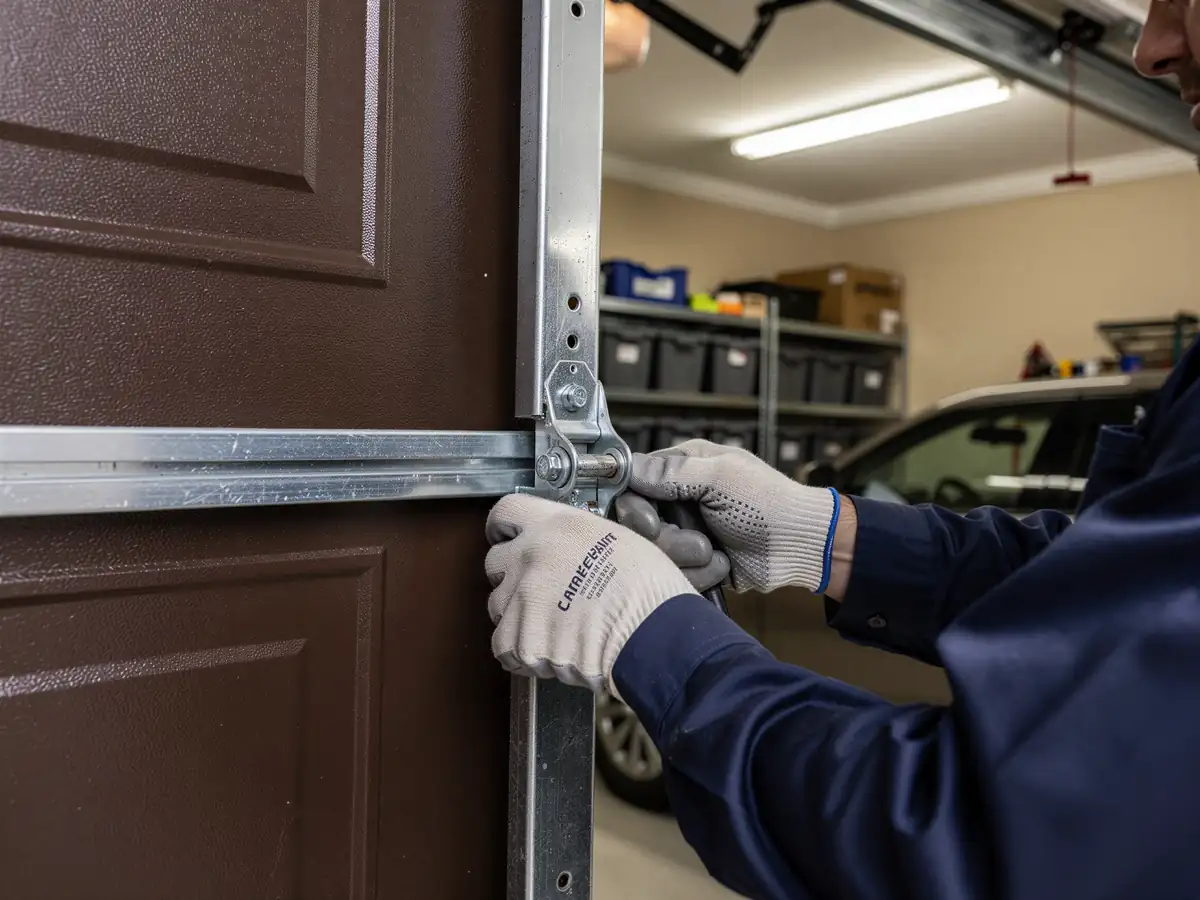
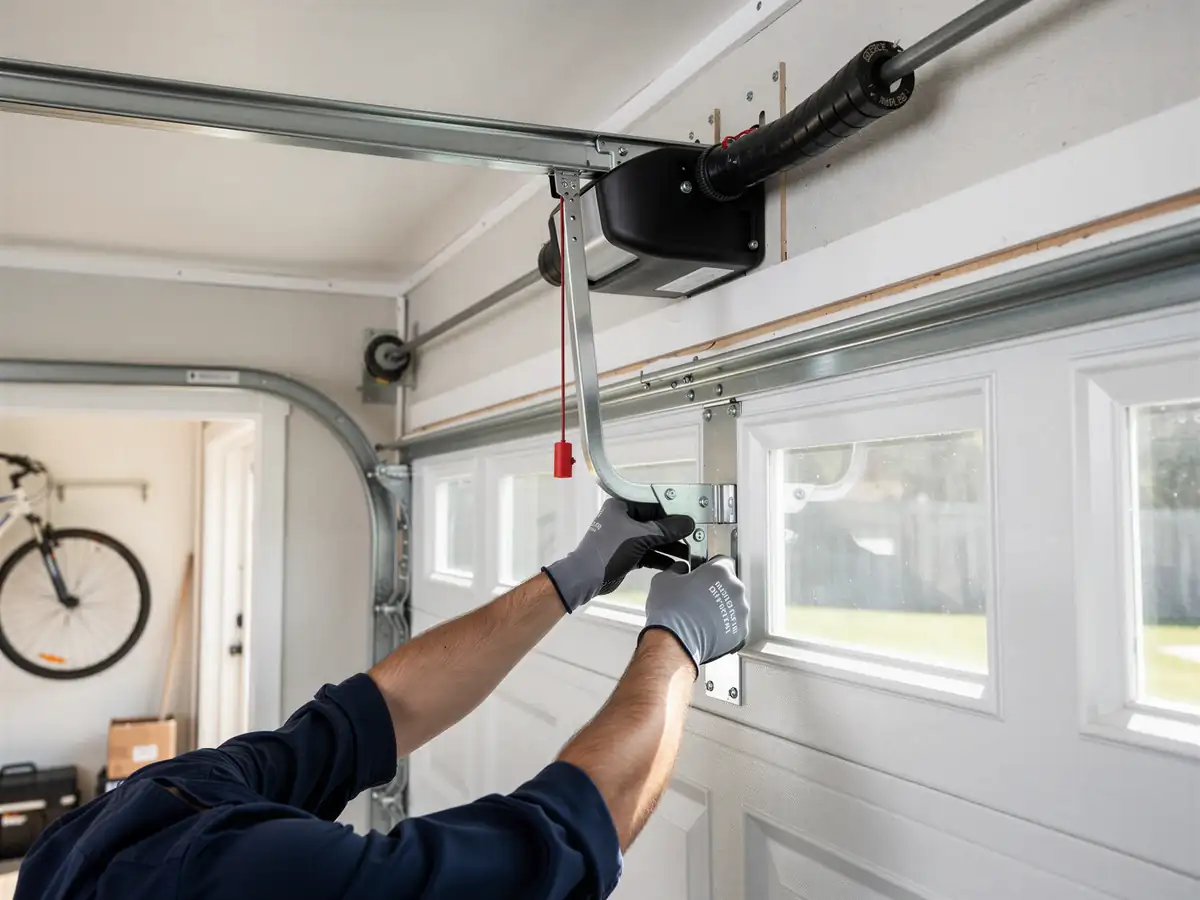
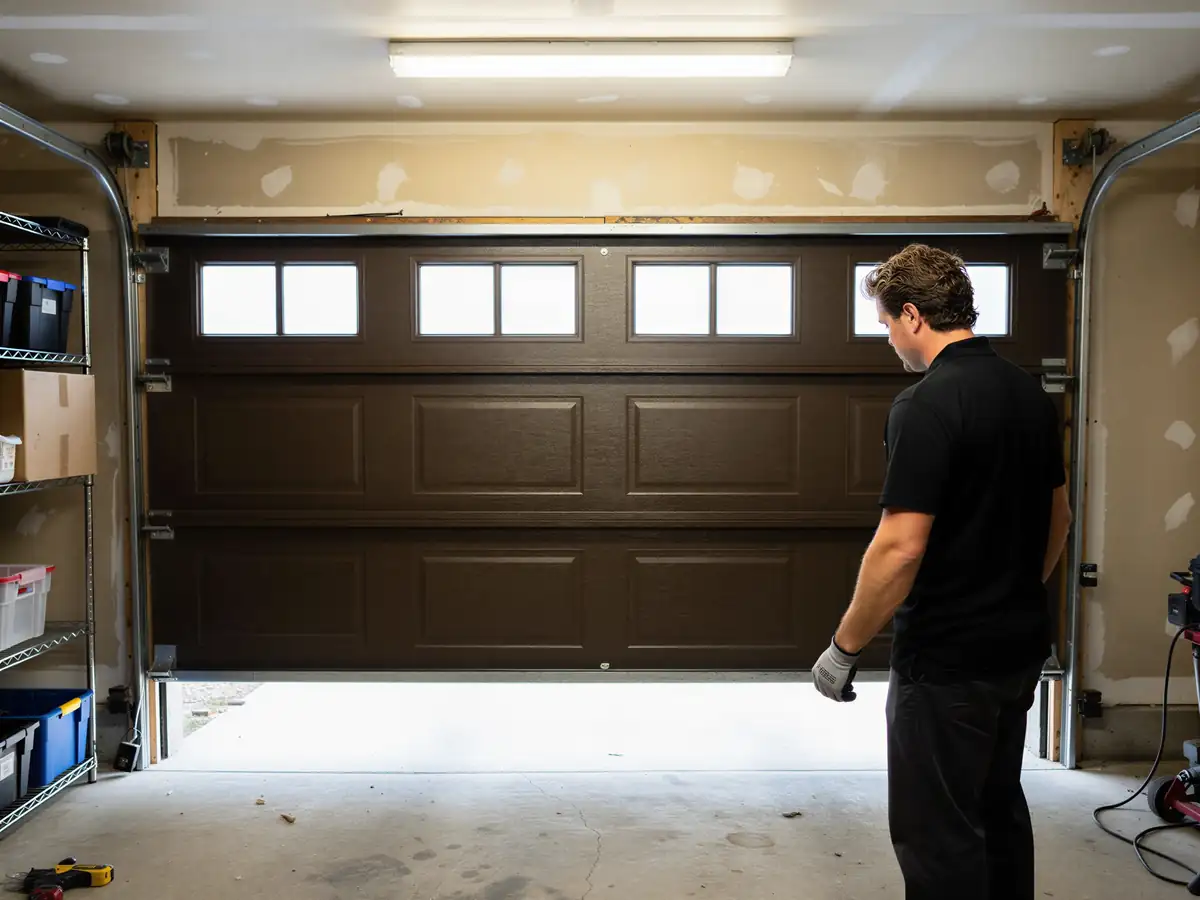
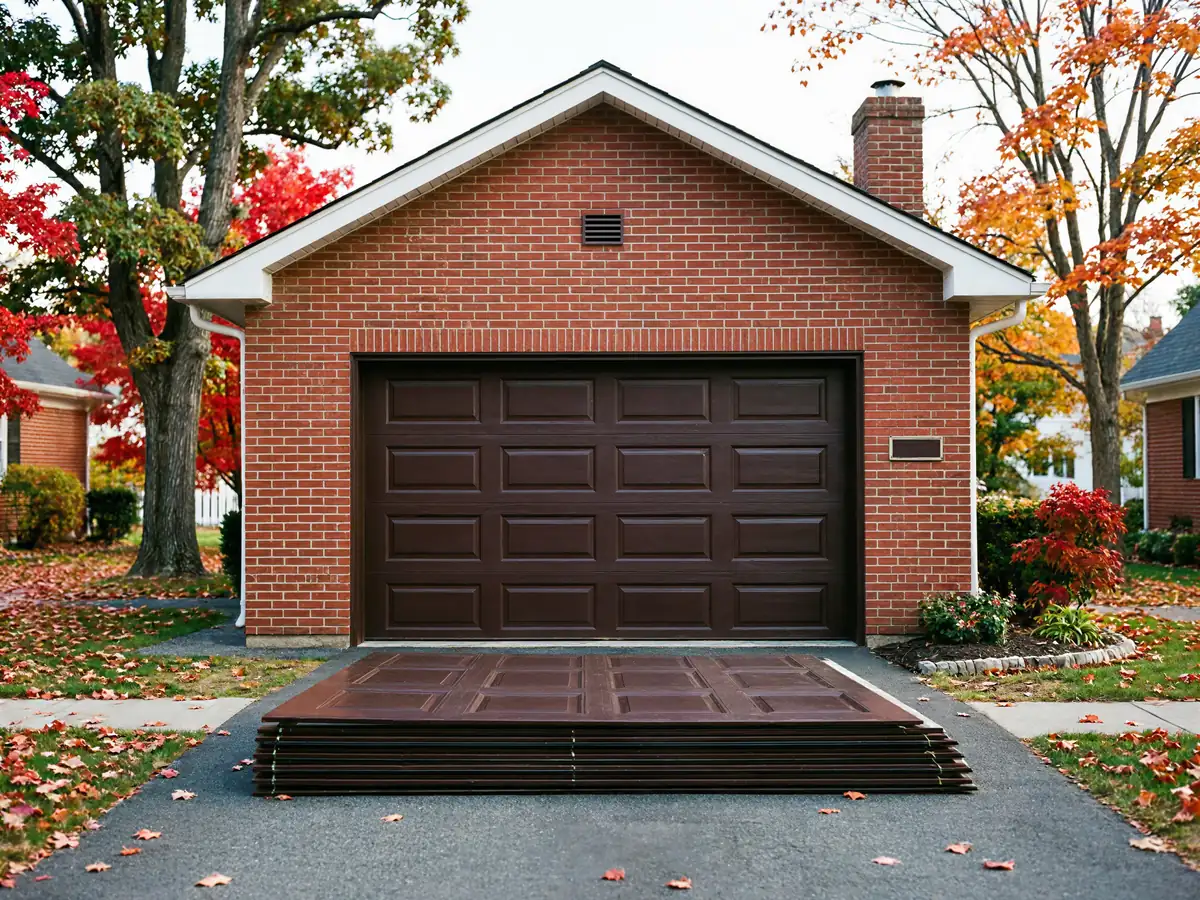
We run out of Woburn, about 5 miles from Lexington, so there's no branch office here and no claim of a same-day truck parked around the corner. What we can do is schedule the measure-and-quote visit around when you're home, then come back with the door once it's built and ready to hang. For a full new-door install that's two visits minimum: one to measure the opening and talk through panel and insulation options, one to remove the old door and set the new one plumb, square, and balanced on new track. If your opener is original to the house we'll flag whether it's worth keeping or replacing at the same time, since pulling a door and reusing a tired opener is a common way to end up calling us back in a year. Booking is simpler if you already know roughly what you want - steel, insulated, number of panels - because that cuts the first visit down to confirming measurements rather than starting from zero.
Doing It Yourself
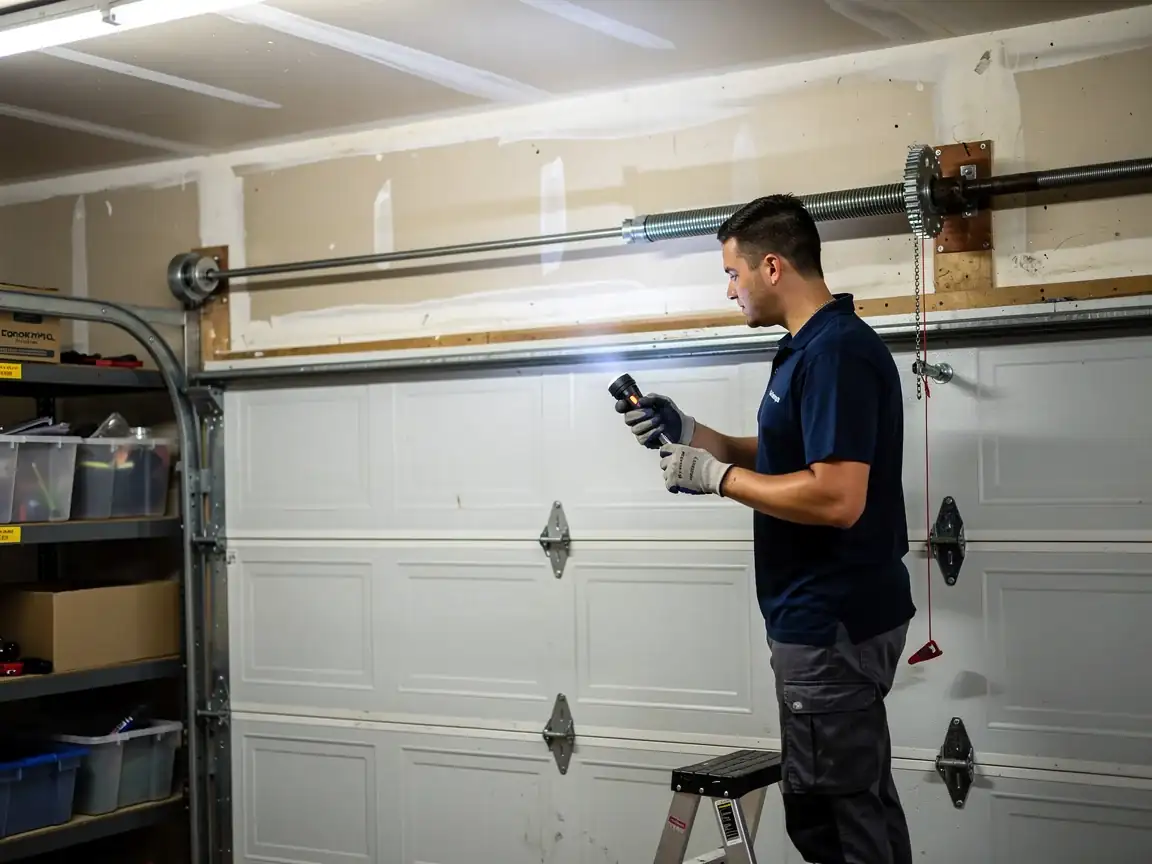
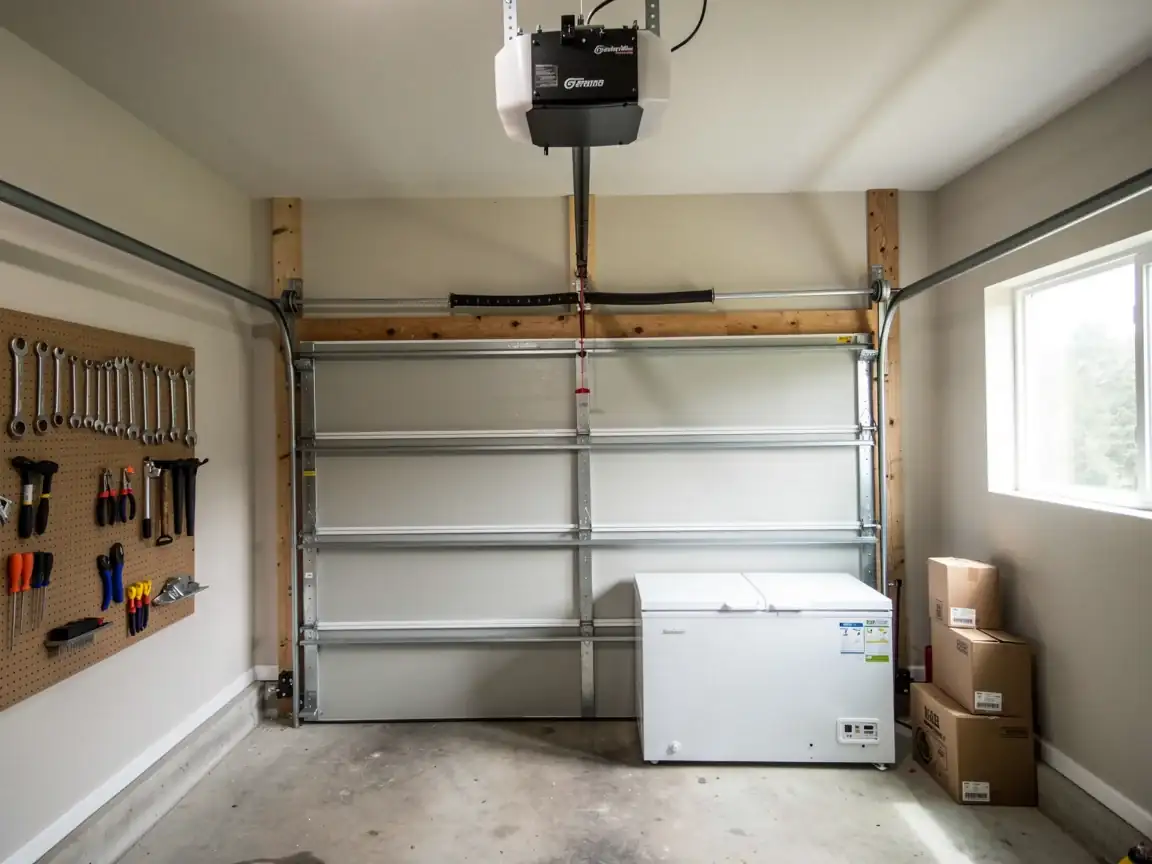
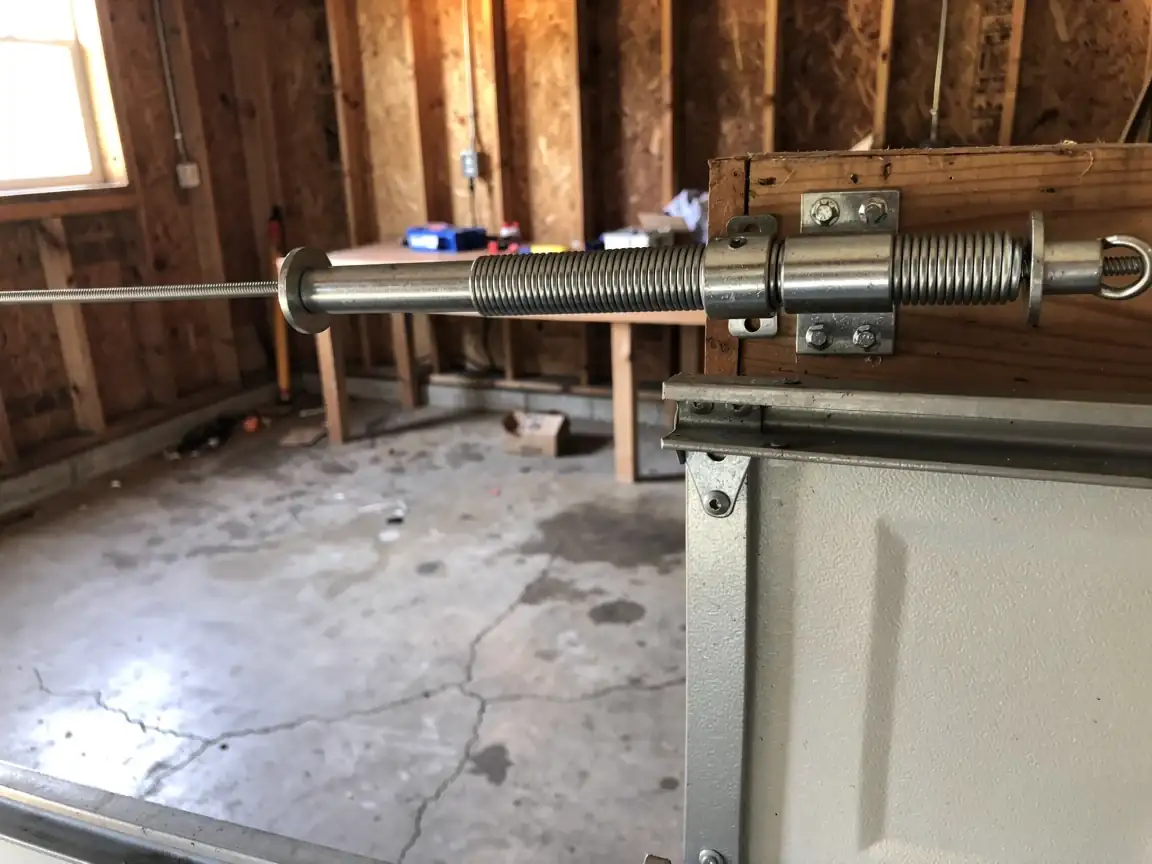
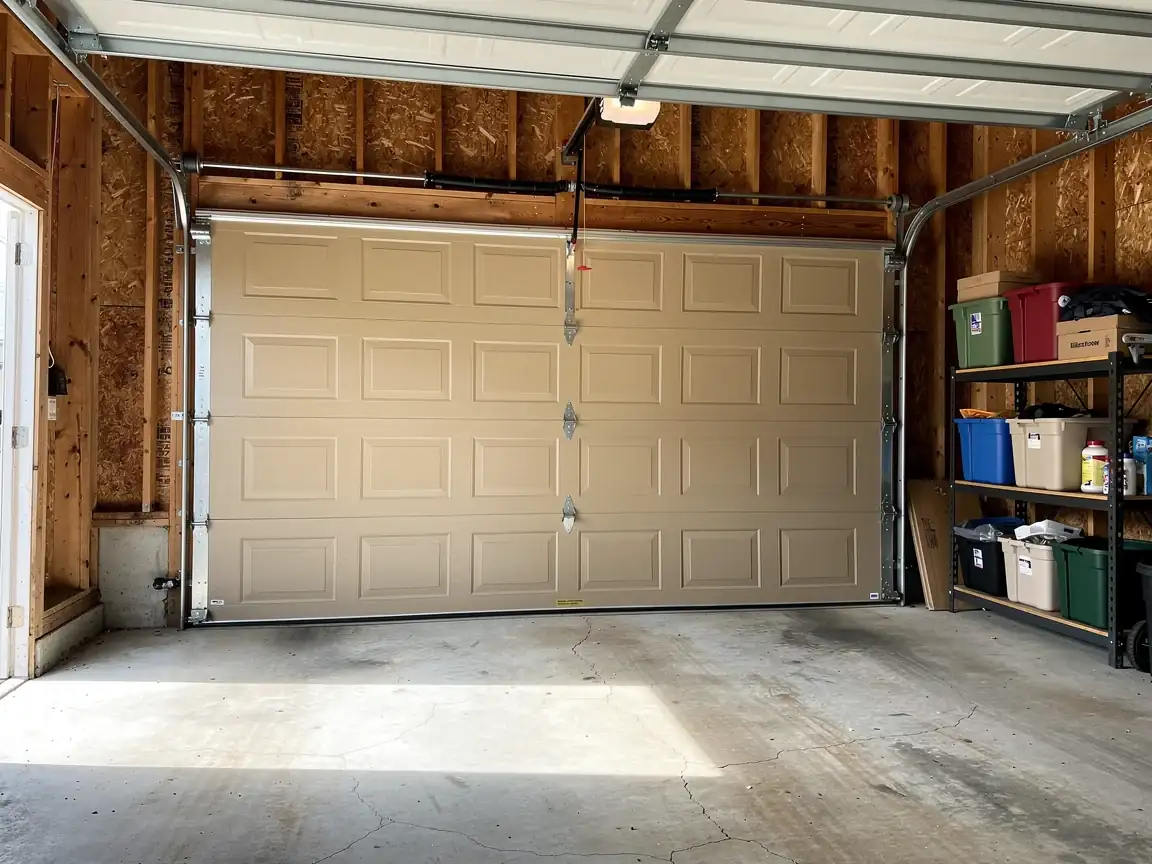
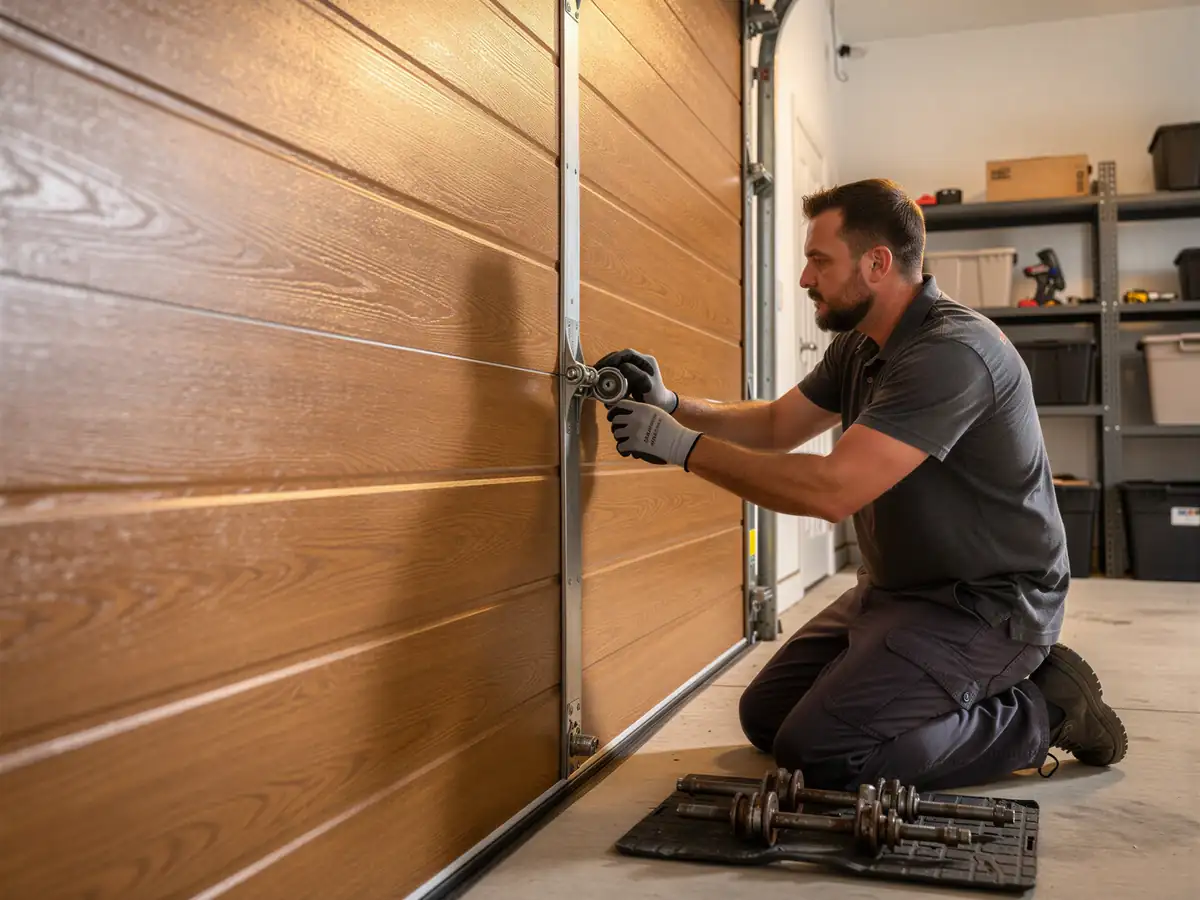
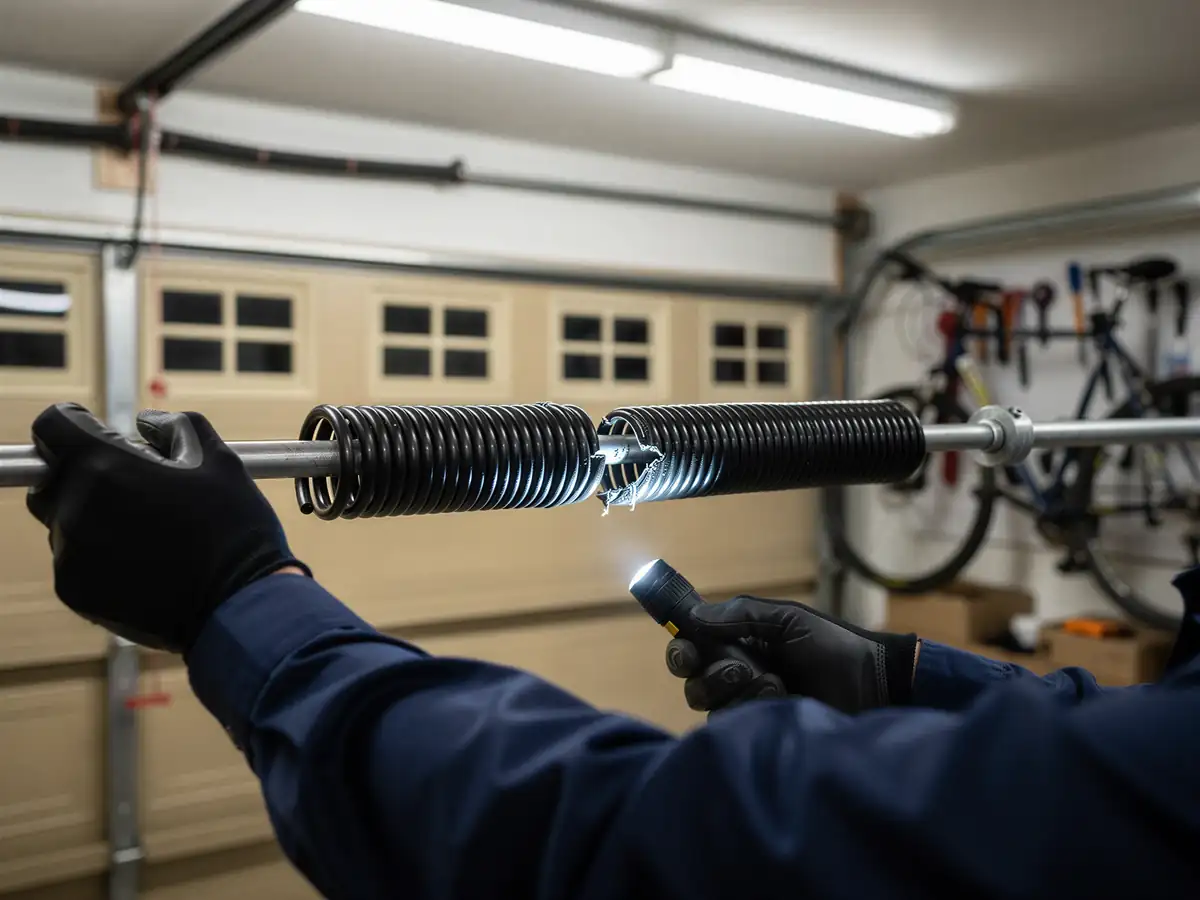
A new garage door install isn't a weekend bolt-together job, and the part that gets people hurt is the torsion spring system, not the door panels themselves. Getting the spring tension wrong on a double-wide door can snap a winding bar back hard enough to break bone. Beyond safety, fit matters more than most DIYers expect: track has to be plumb to a fraction of an inch or the rollers bind within months, and on a lot of Lexington's 1960s-era openings the framing has settled unevenly over sixty years, so the opening itself isn't perfectly square even if the old door looks fine. We're not going to tell you it can't be done - some people do hang their own doors - but we will say that a door that's slightly out of square costs you more in premature roller and cable wear than the labor you saved. If you want to do the demo yourself and have us handle the hang and spring setup, that's a reasonable split.
Why This Fails Locally
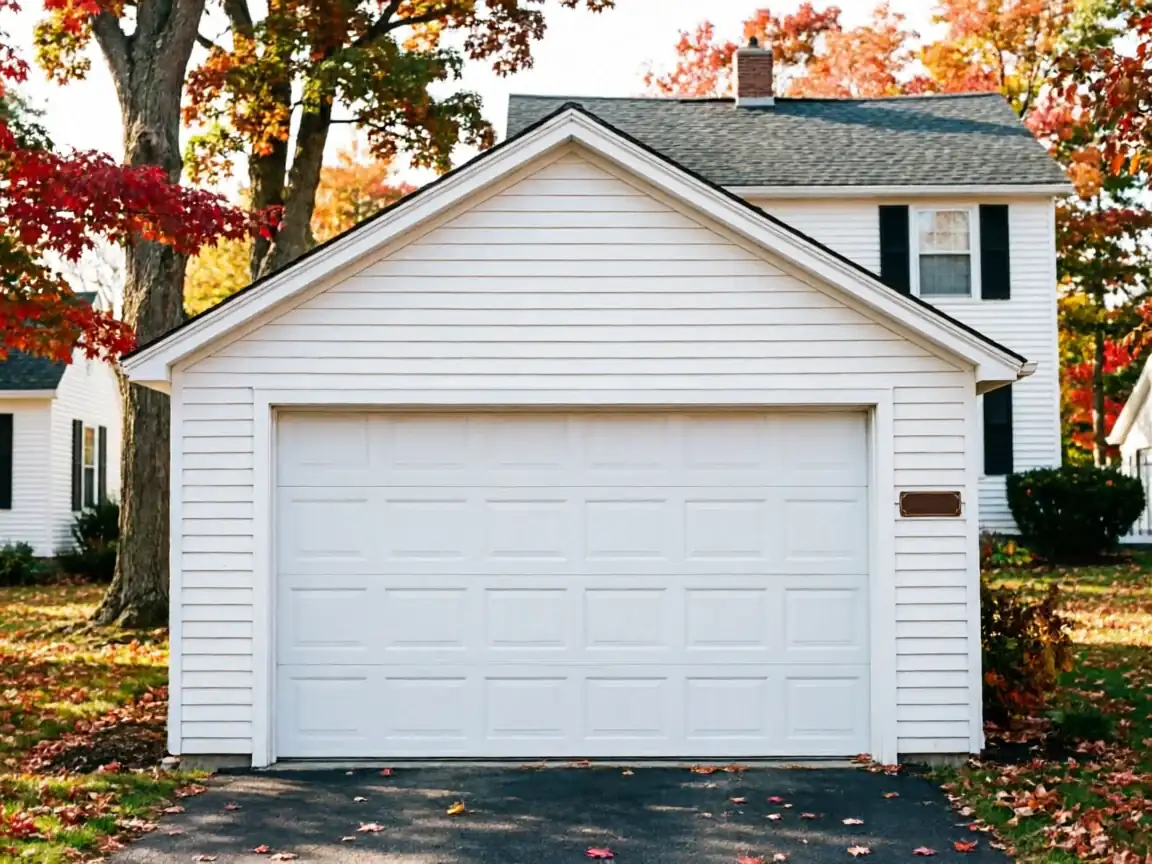
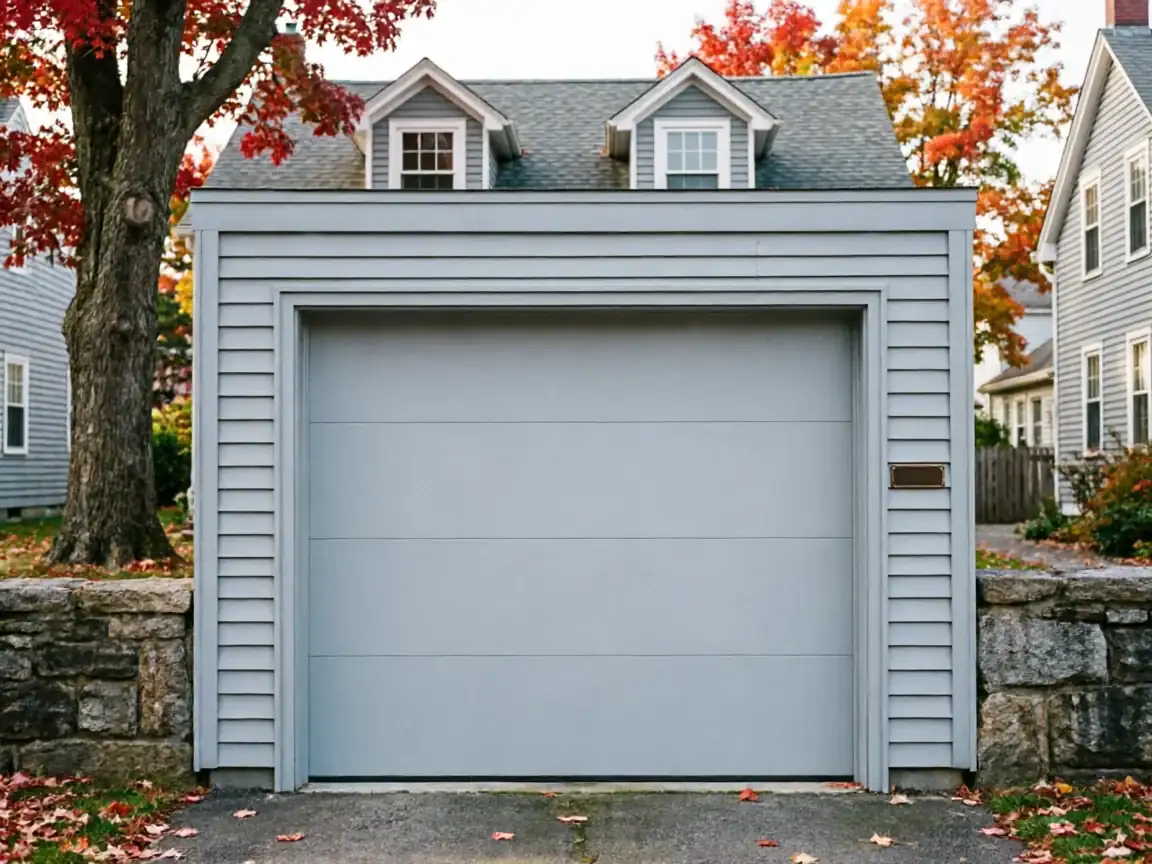
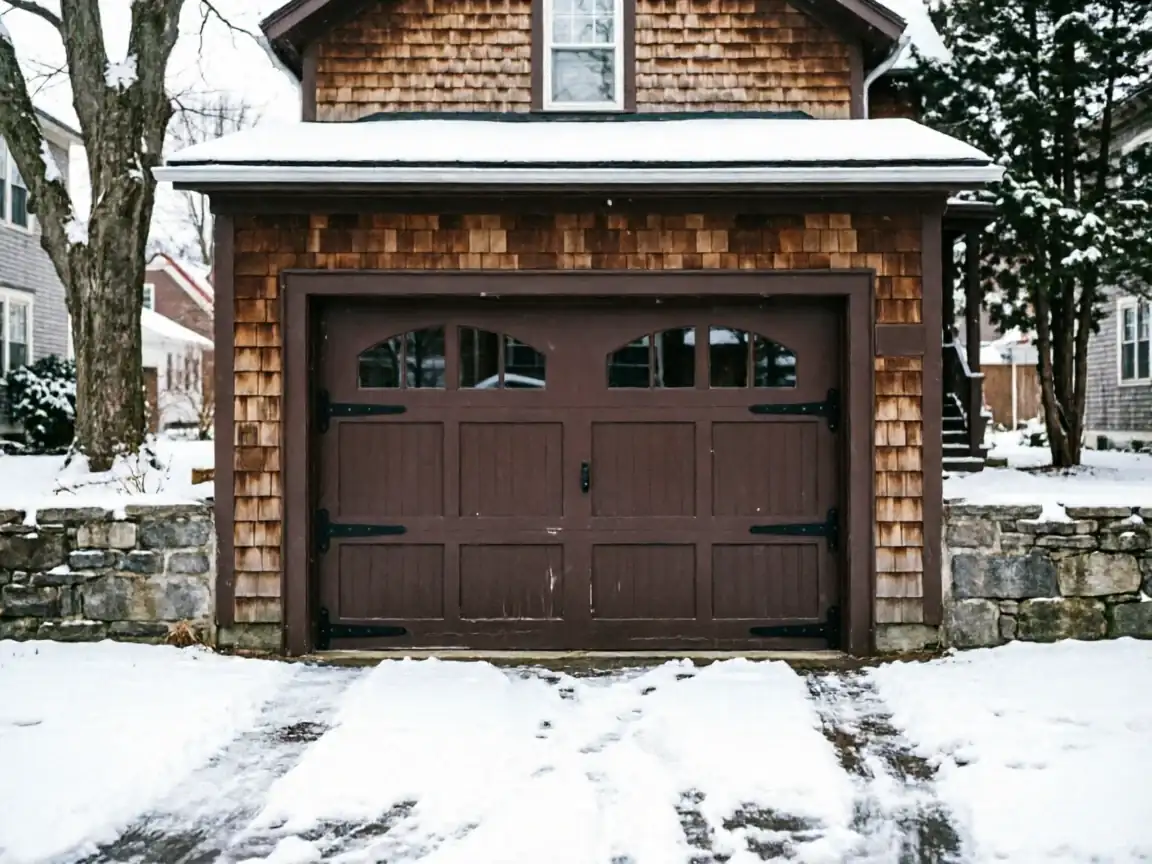
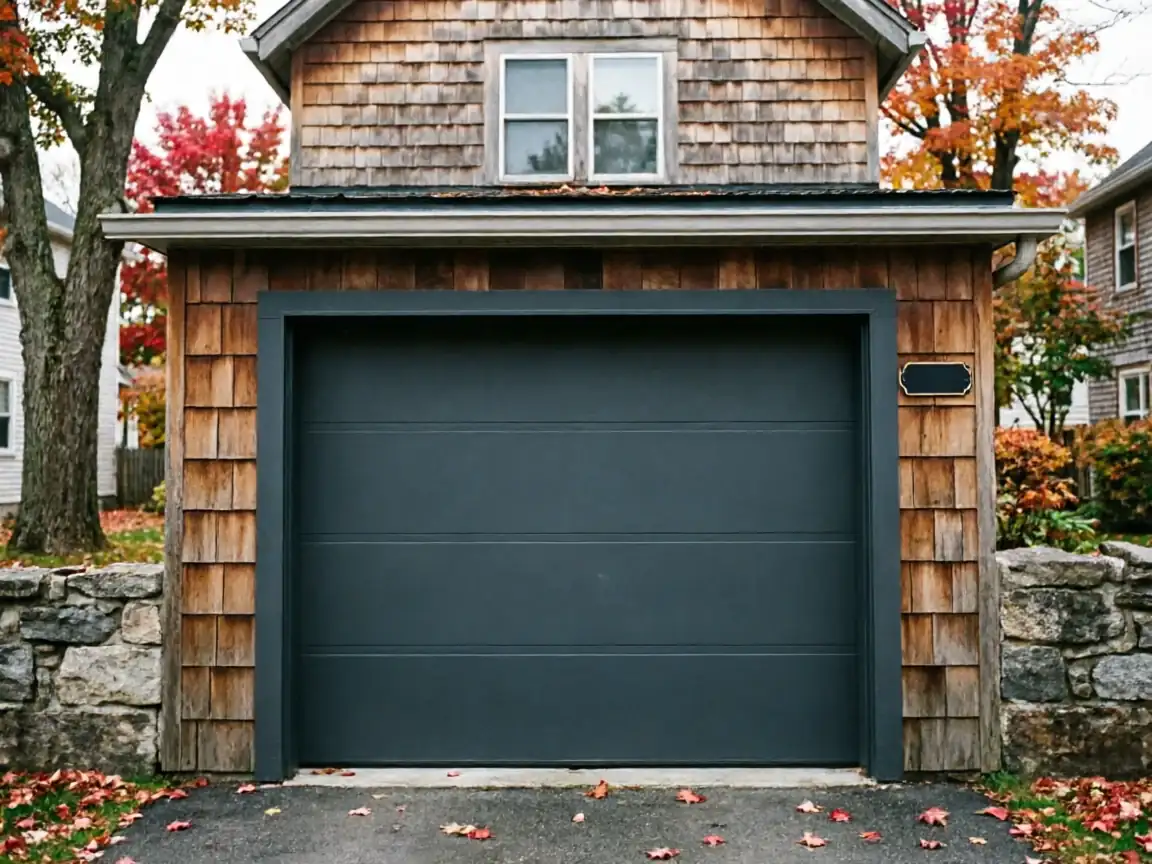
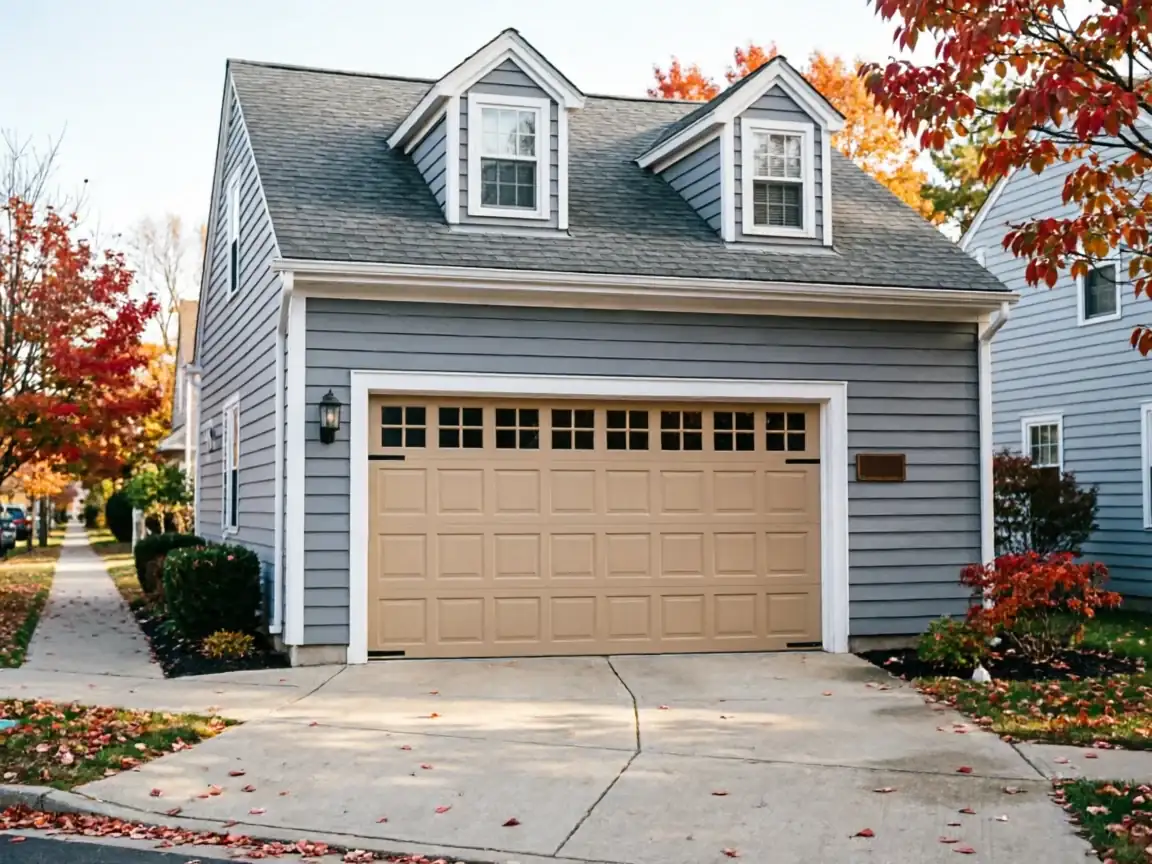
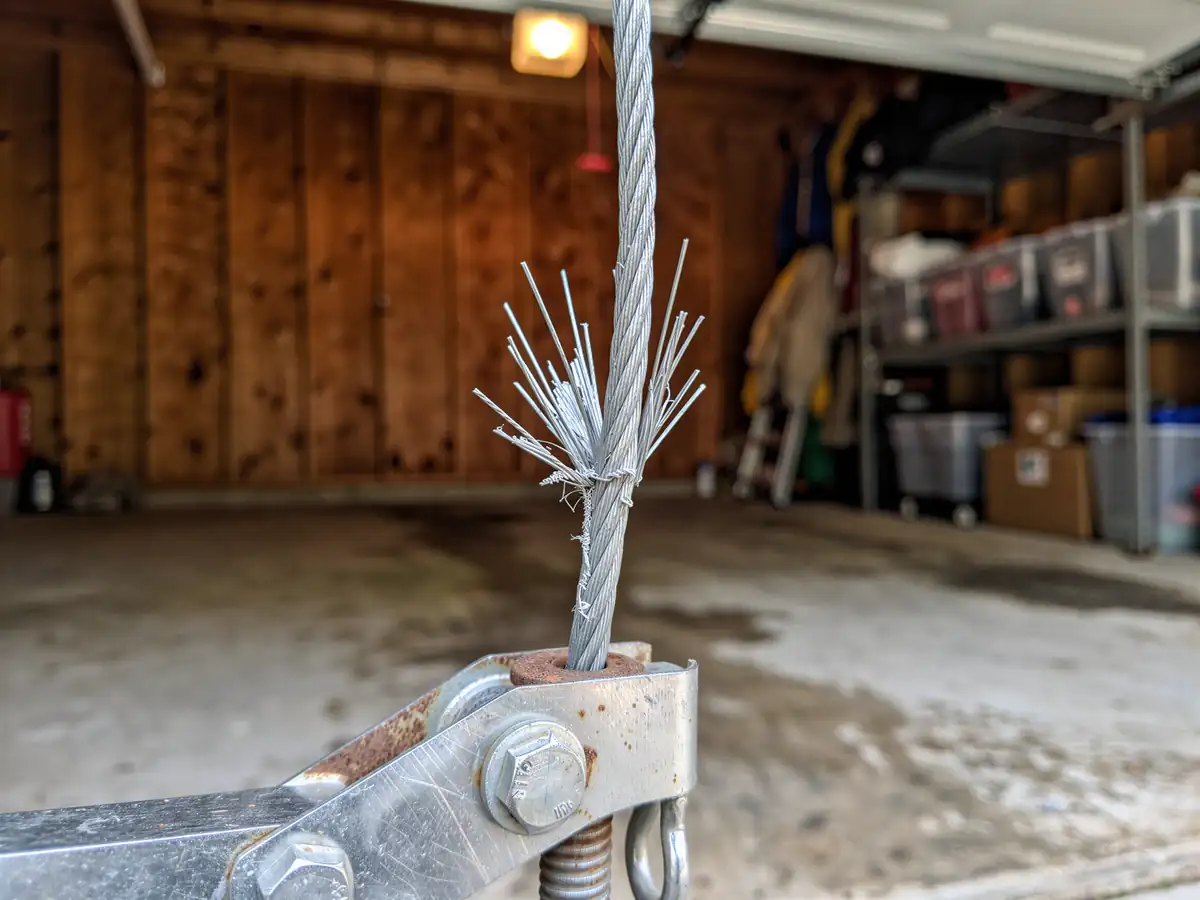
Lexington's housing stock centers on 1964, which puts most garage doors and their hardware squarely in the era before foam-core insulated doors were standard and before torsion springs were sized for the heavier doors that replaced them. That combination shows up as a specific failure pattern: a thin single-layer steel door on a spring that was rated for that lighter panel, now sagging or cracked after decades of New England winters. This area sits in a cold, severe climate band, and repeated freeze-thaw cycles work on steel seams and nylon rollers in older doors faster than they do in milder regions - rollers harden and crack, bottom seals split, and the gap lets wind-driven snow into the garage. A door built in 1964 was never designed around today's insulation expectations, so even a door that still opens and closes often isn't doing much to keep the garage, and the room above it, warm. That's the local failure, not a generic door breaks down with age line - it's specifically the mismatch between 1960s-era hardware and six decades of cold-climate wear.
Stocked Parts
Because so much of this area's housing landed in the 1960s and 70s, we keep stock geared toward that era's common track widths, spring sizes, and hinge patterns rather than toward newer builder-grade door lines. That covers a good share of what comes up on a Lexington job. The honest limitation: some original panel sizes and older extension-spring configurations from houses on the earlier end of that 1938-1988 range aren't things we keep on the truck, and those can mean a short order wait rather than a same-visit fix. When that happens we'll tell you up front rather than quote a timeline we can't hit. For a full new-door install this matters less, since you're choosing from current door lines anyway - it mostly affects repair calls where we're trying to match or replace a part on an existing older door instead of starting fresh.