Getting It Booked In
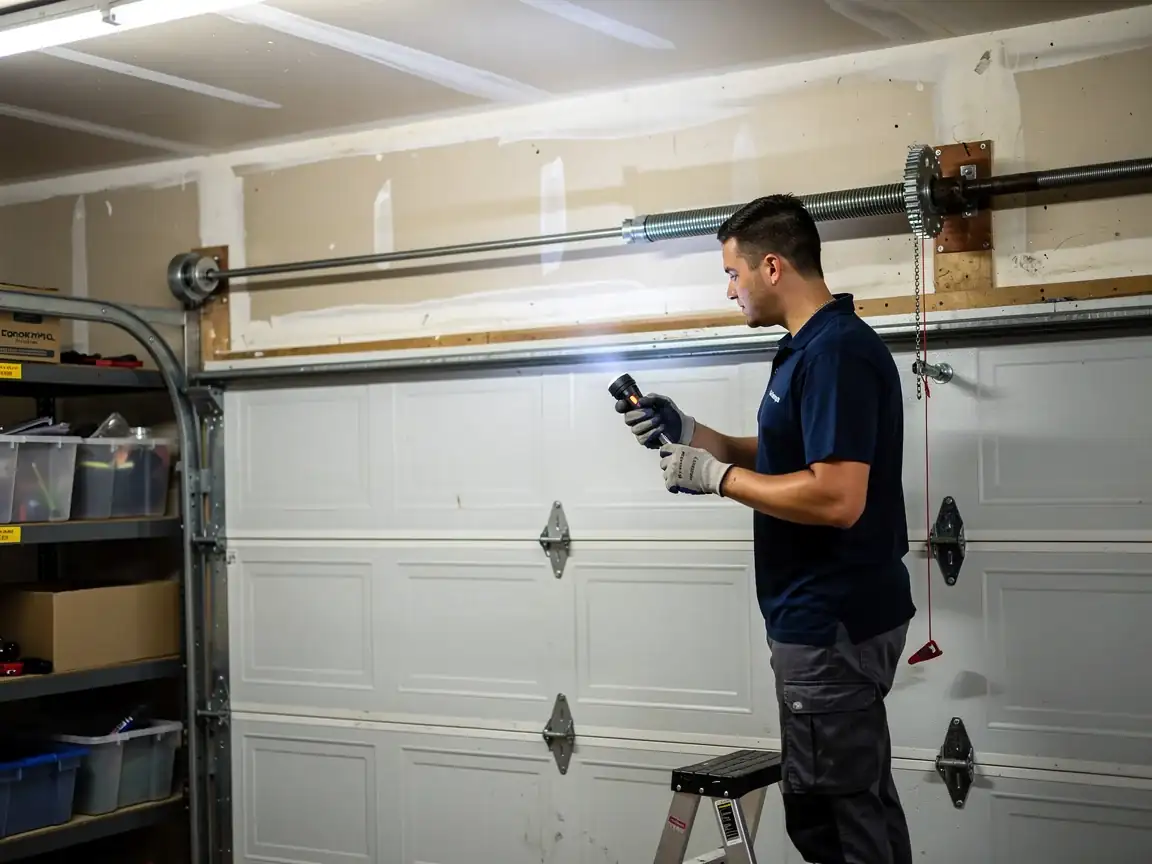
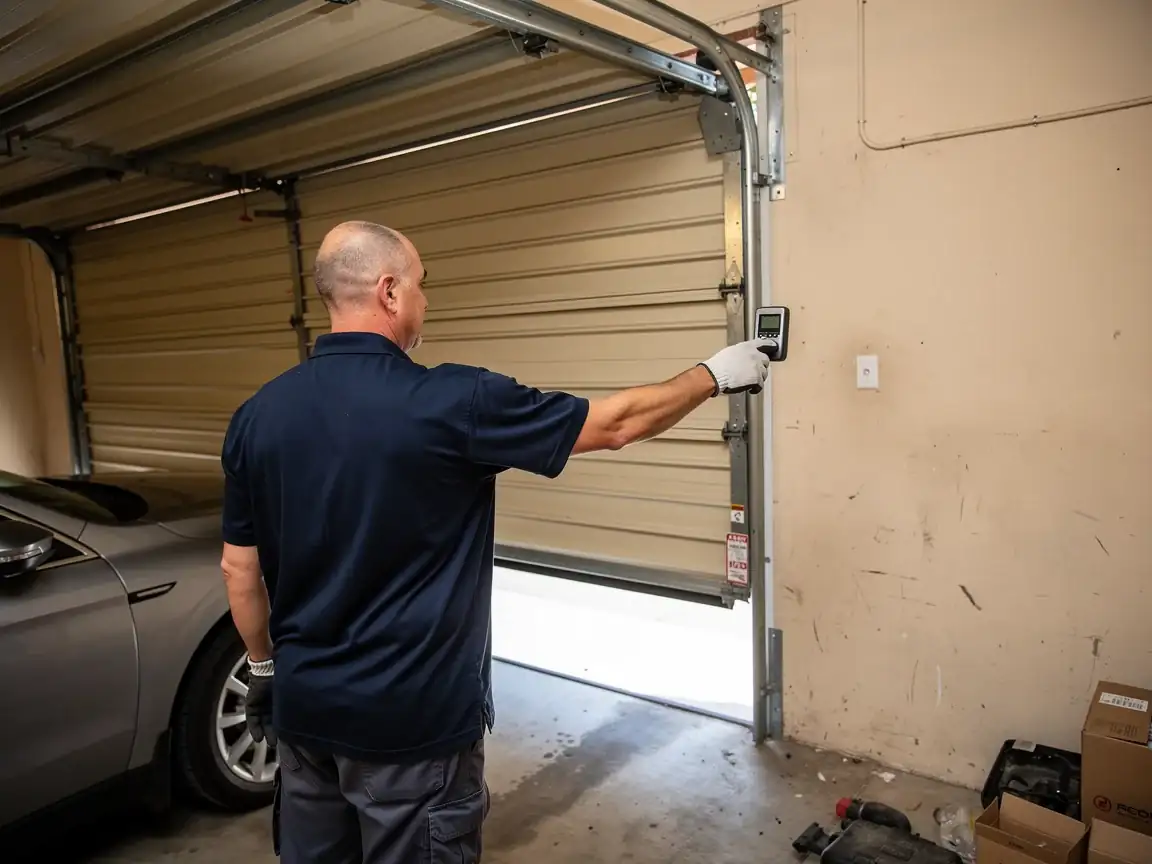
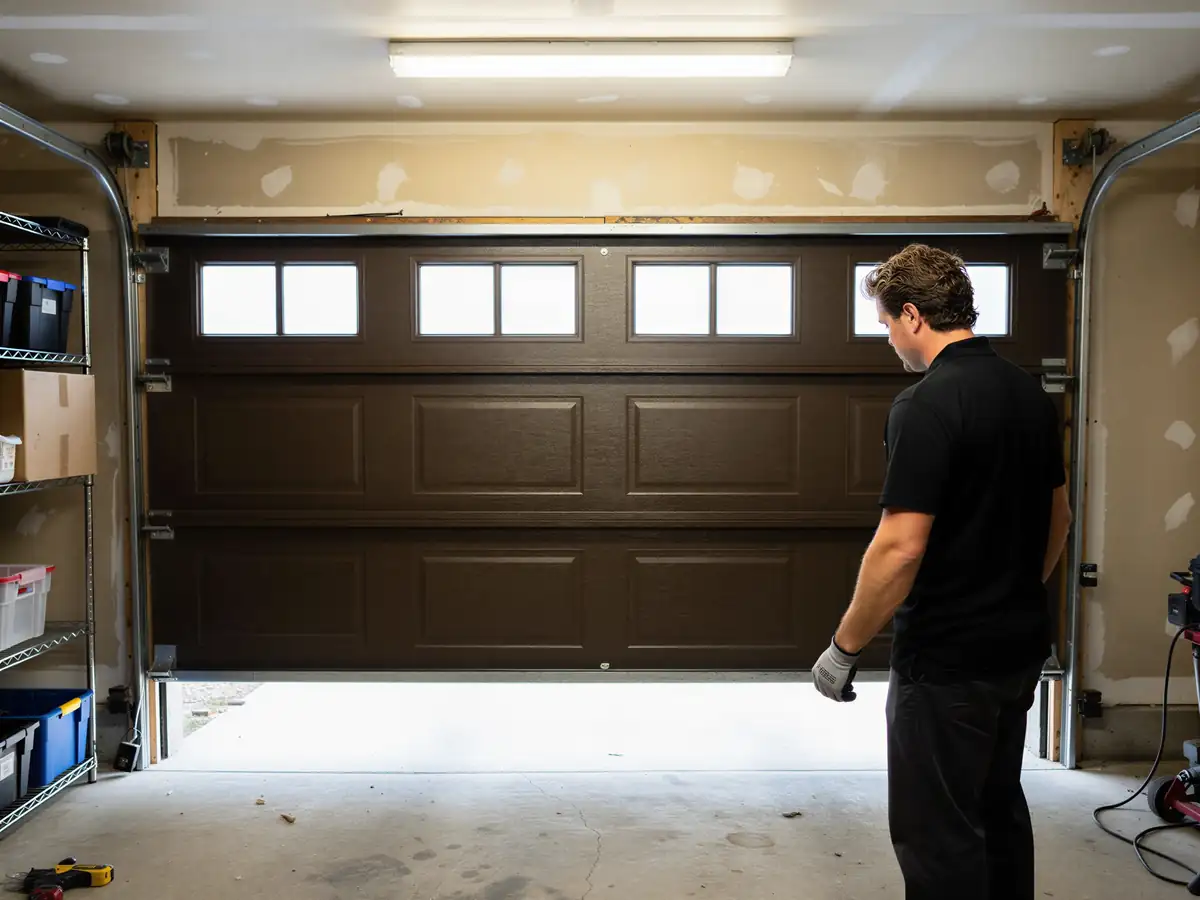
Lexington homes, going up mostly in the mid-1960s, came with steel rollers riding directly in galvanized track, no nylon bushing, no sealed bearing. That was standard hardware for a 1964-built house, and a lot of it is still up there, grinding away after sixty years of winters. When you call, we're coming from Woburn, about 5 miles out, so we book the visit around the drive rather than promising a same-hour window we can't back up from across town. Tell us whether the door is binding on one side, whether you hear a grinding or popping sound as it travels, and whether the rollers themselves look worn flat on one edge versus round. That tells us whether we're bringing a full roller set or just diagnosing a bent track that's chewing through good rollers. We work off what you describe on the phone and confirm it in person before anything gets replaced, because a roller job and a track alignment job are priced and scheduled differently.
Doing It Yourself
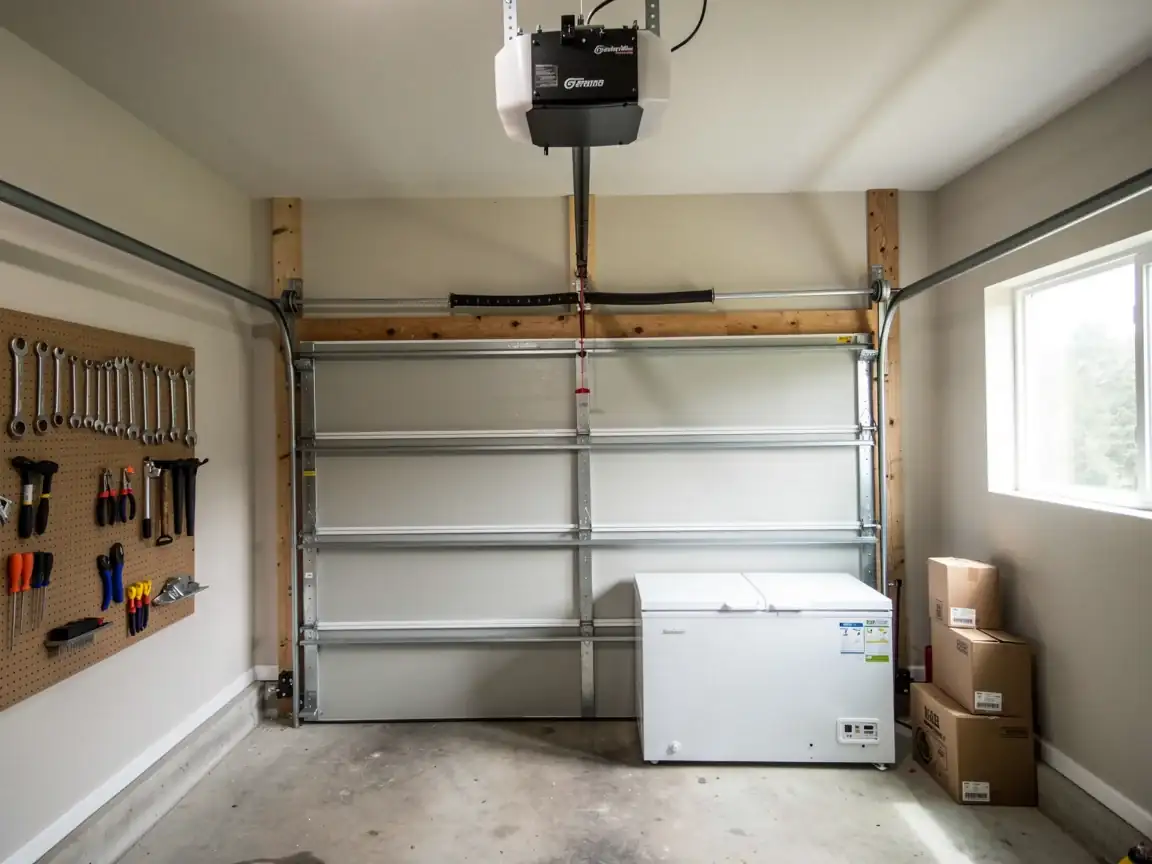
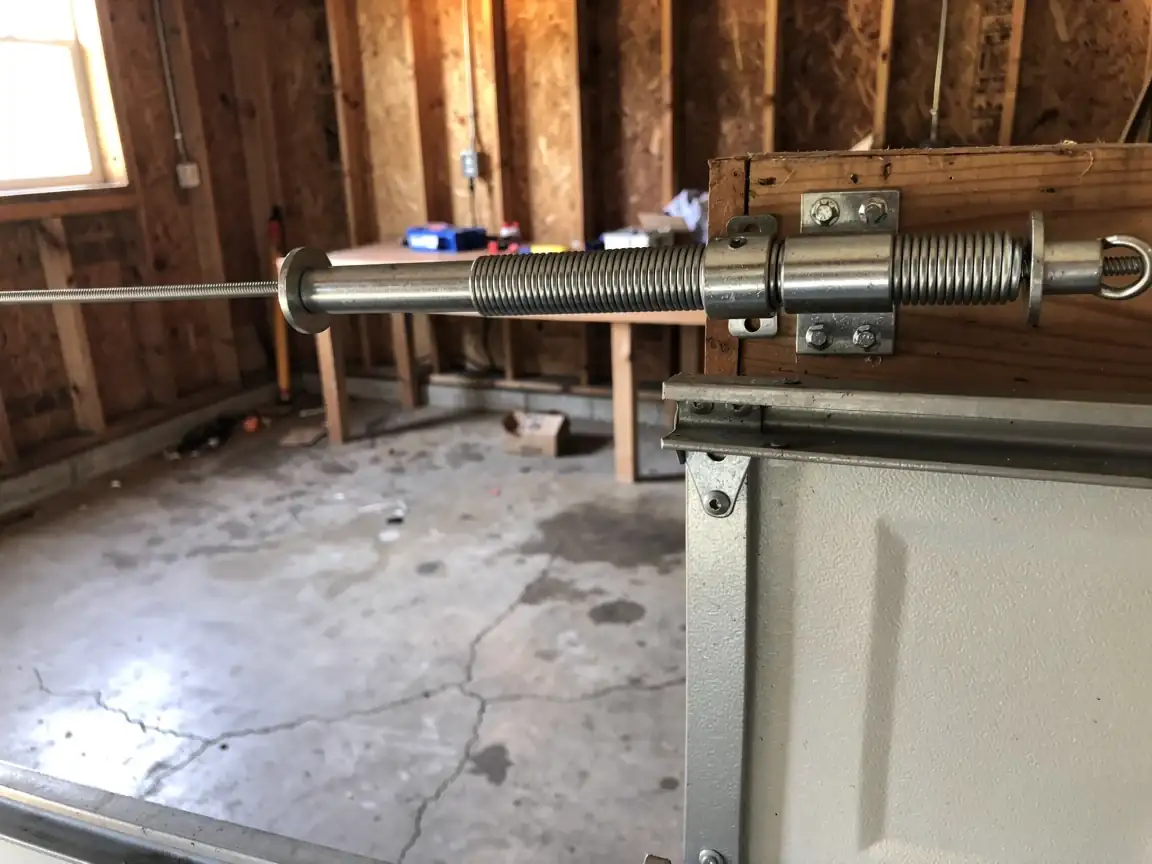
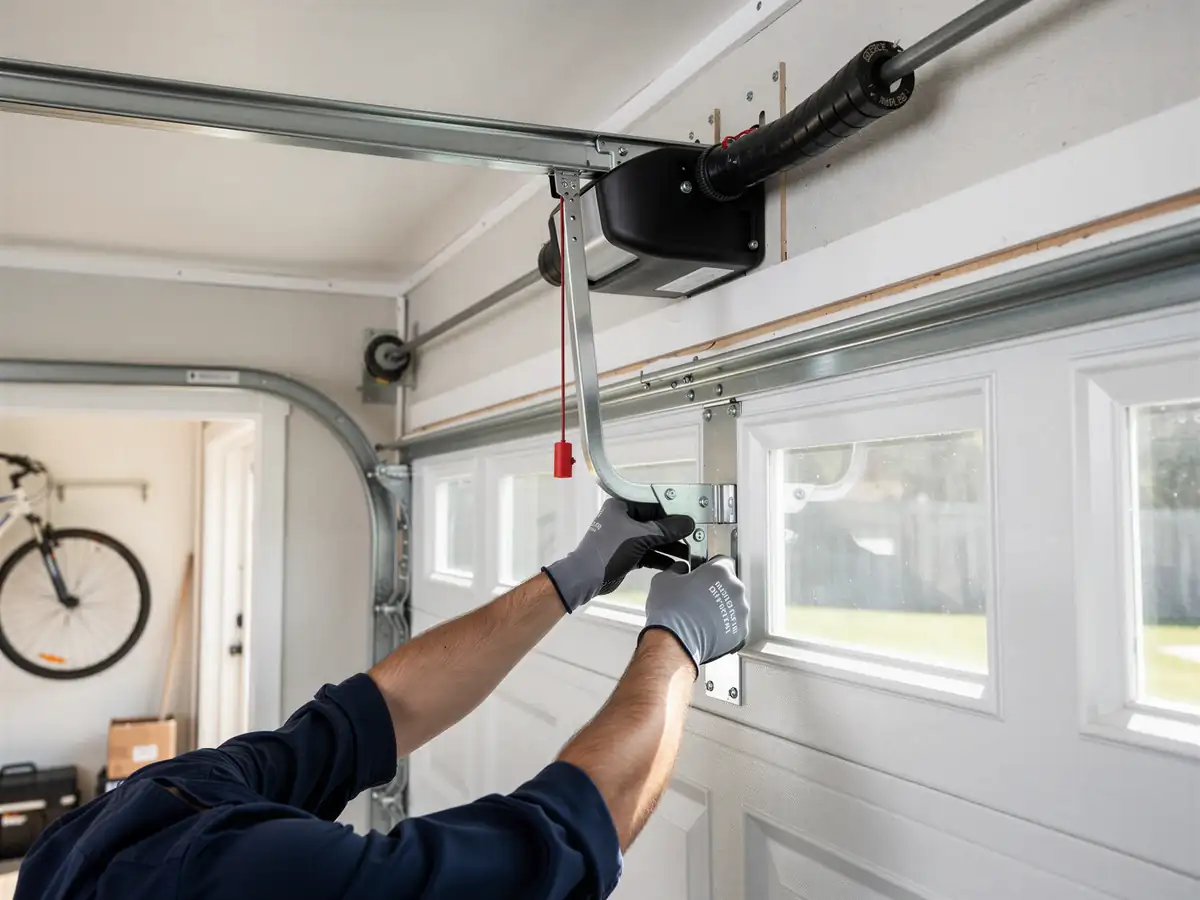
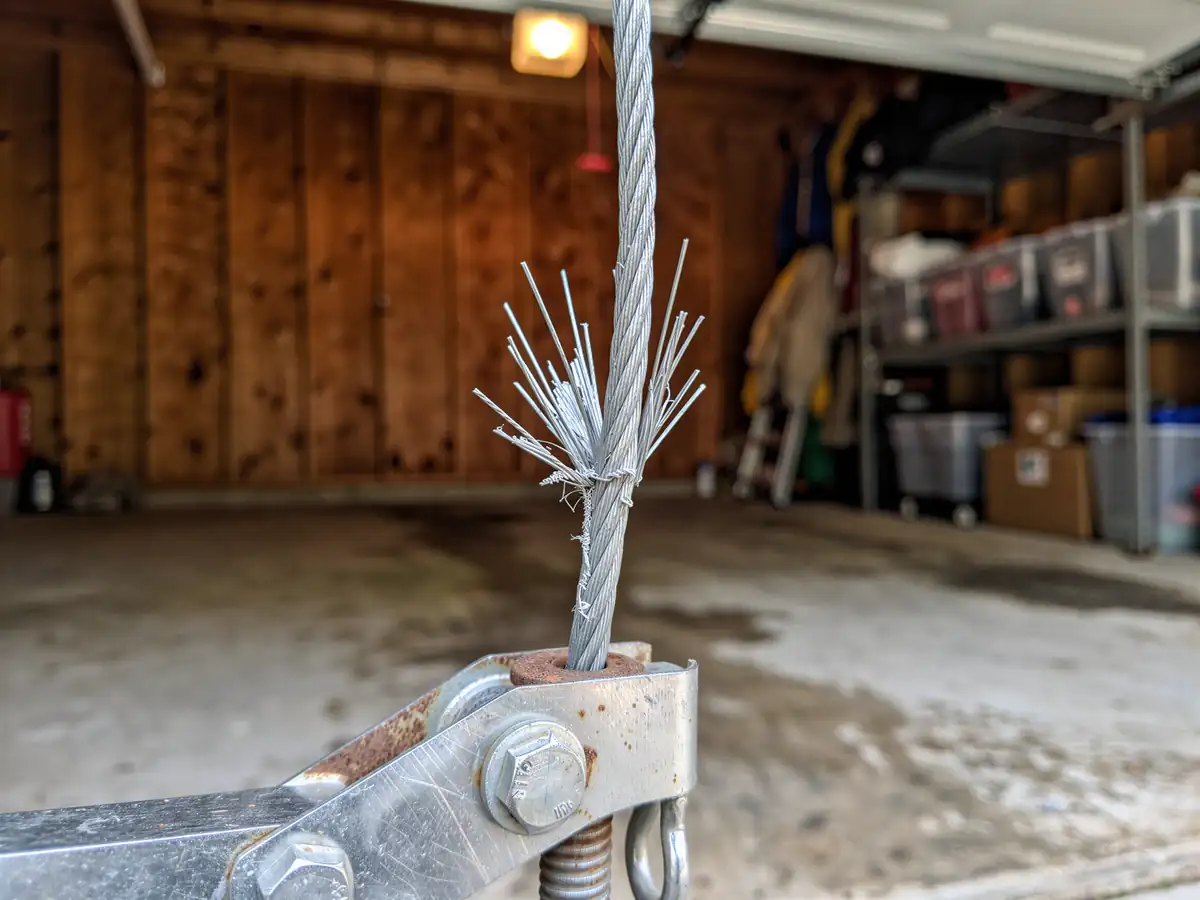
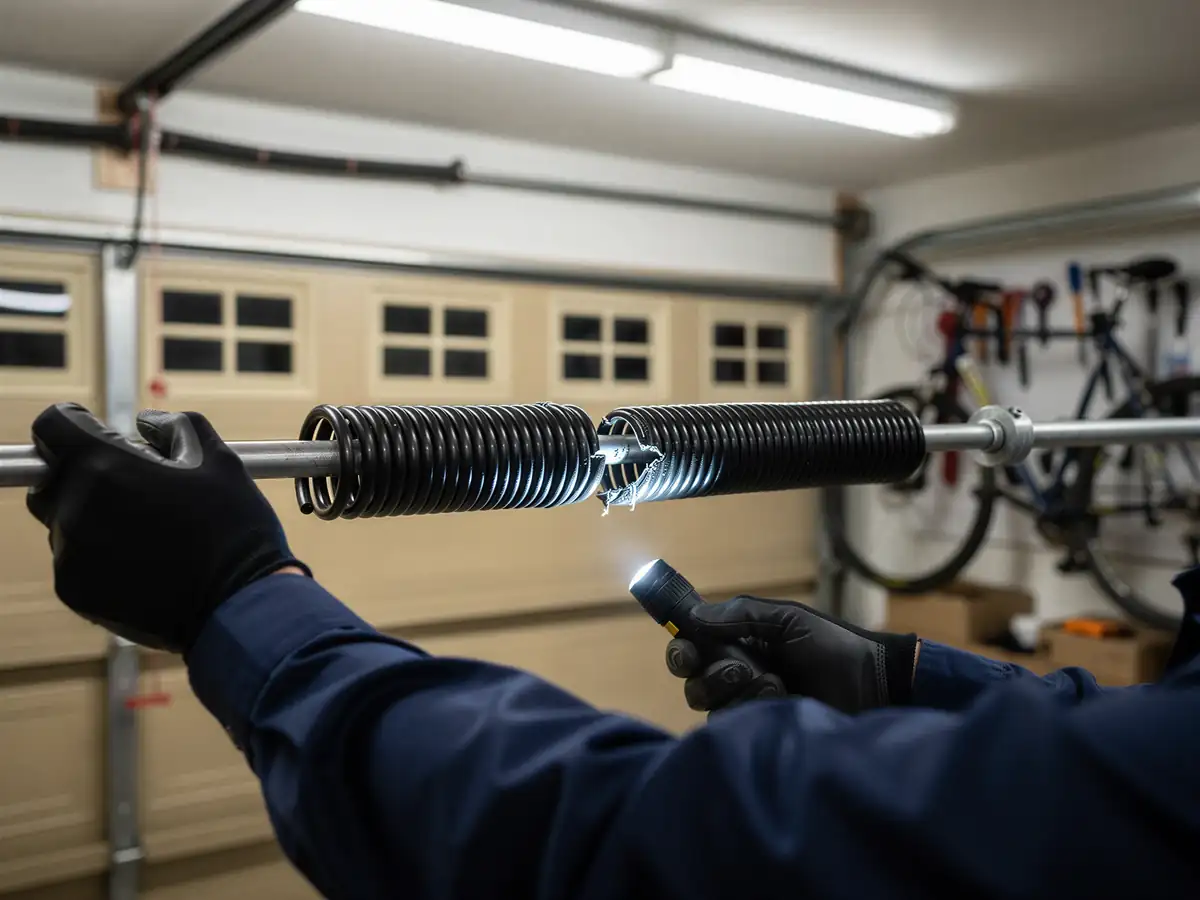
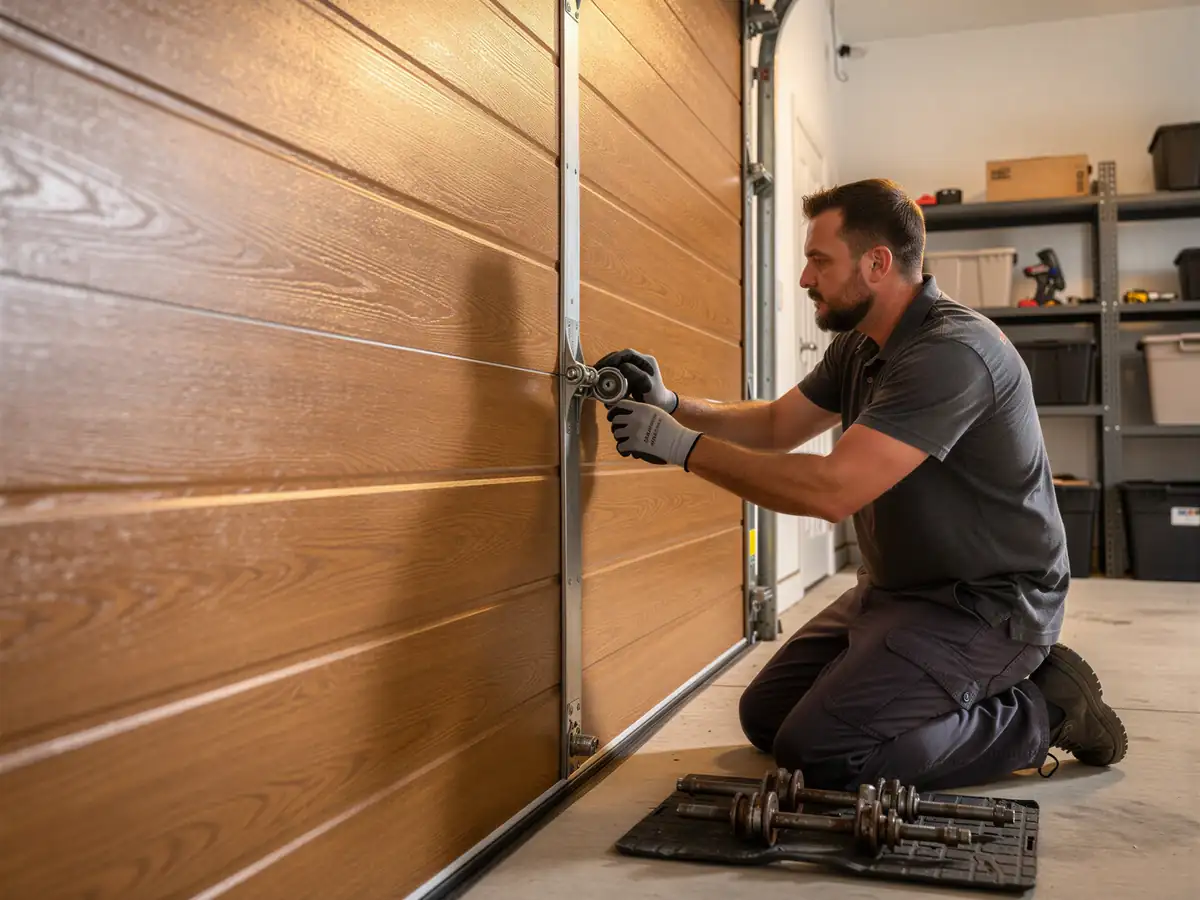
Swapping a single roller on a door with no spring tension on it is a job some owners handle themselves - pull the roller stem from the bracket, slide the new one in, done. The honest limitation: on a lot of these 1964-era doors, the bottom rollers sit in brackets tied into the cable system, and the top rollers run close to the spring. Get that wrong on a double door and you're not saving a service call, you're calling for an emergency one instead. If the door is original steel on a track that's never been swapped, the clearances are tighter than on newer doors, so a roller that looks like a drop-in replacement from a hardware store sometimes doesn't track true. We'd rather tell you that upfront than have you find out with the door half off its hinges.
Why This Fails Locally
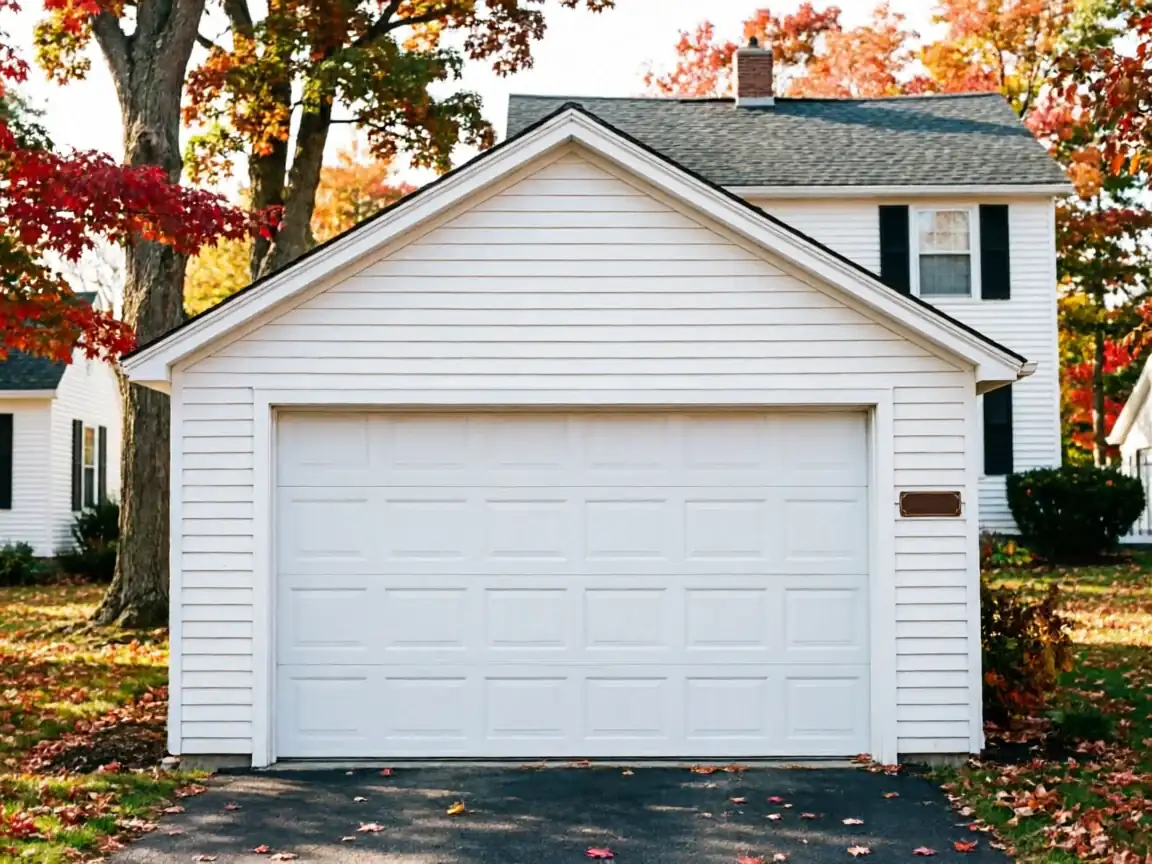
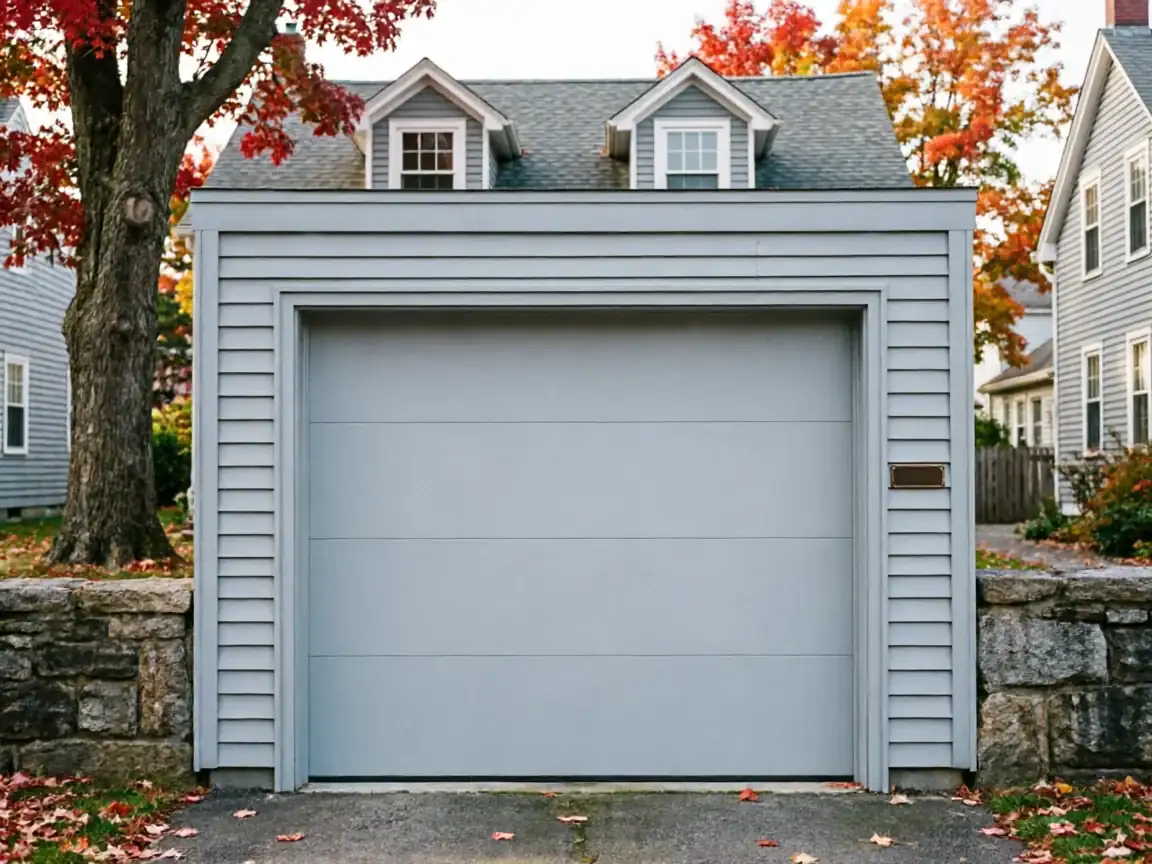
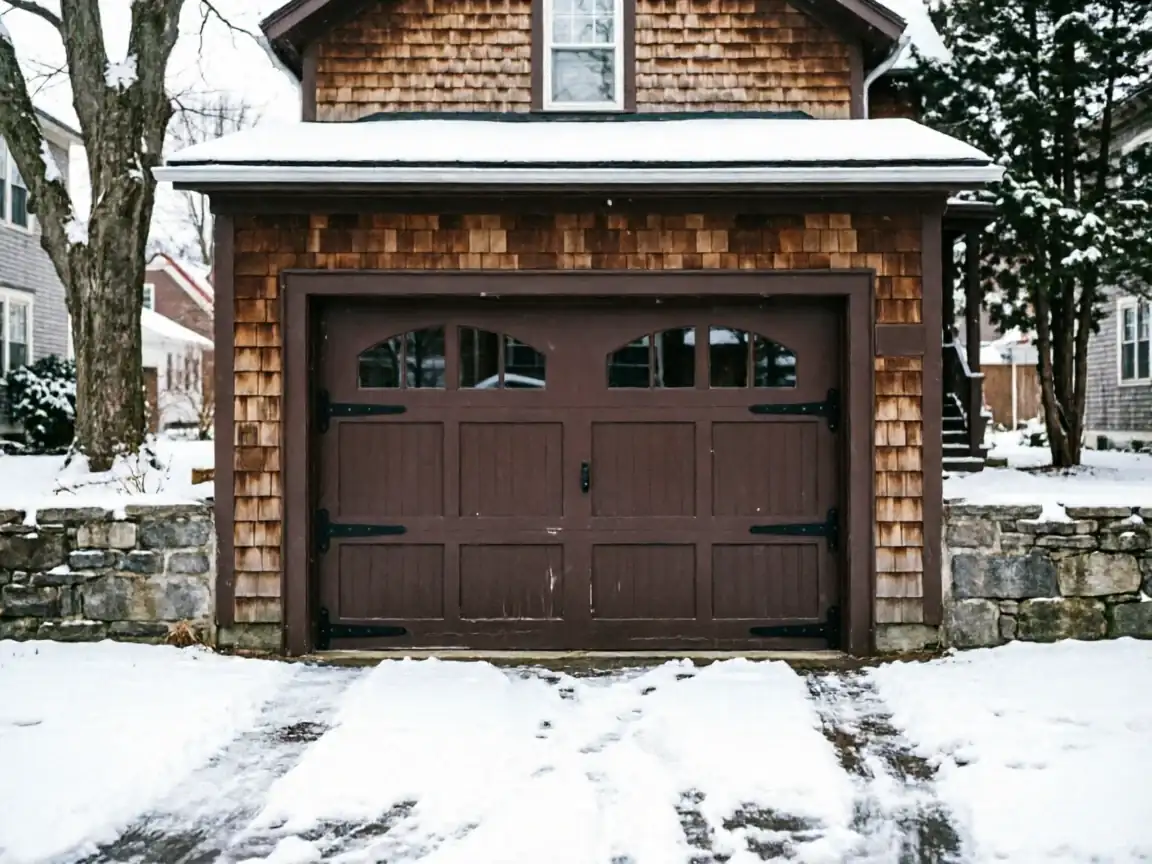
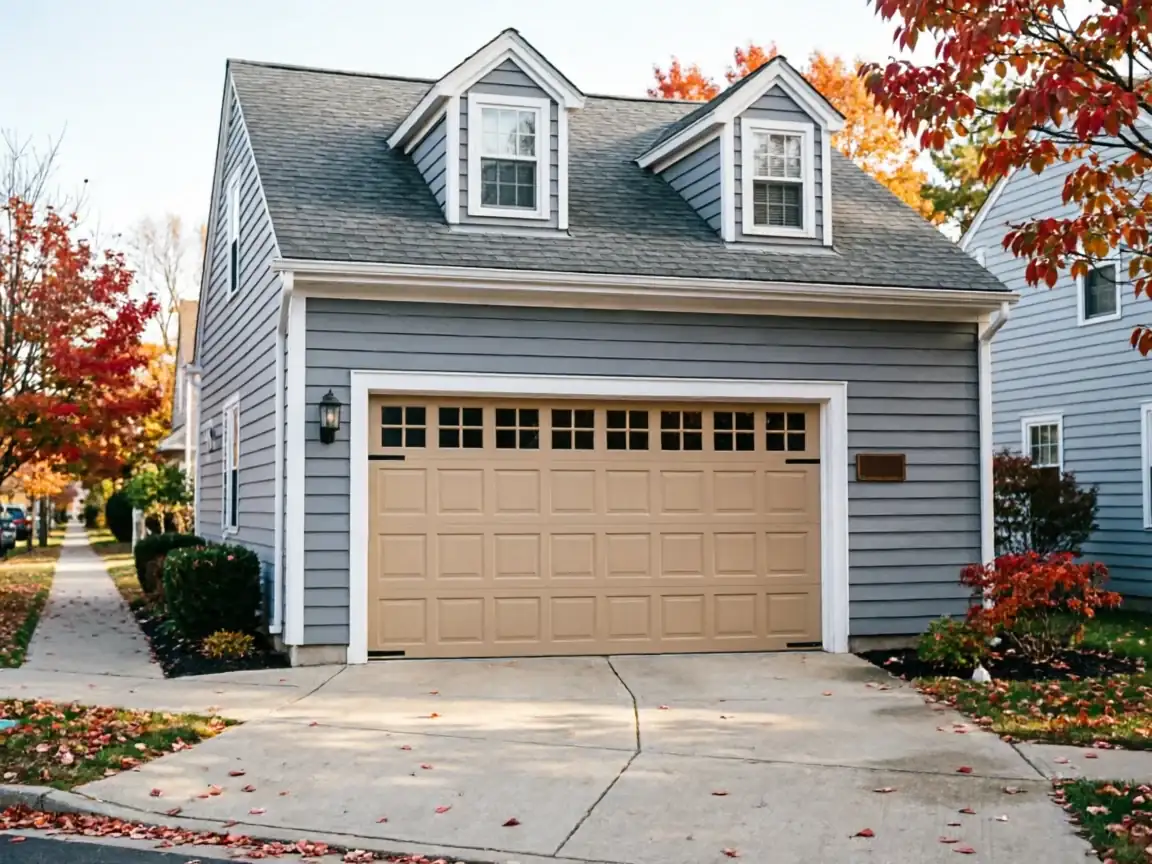
A house built around 1964 usually means a door that's been replaced once, maybe twice, but the track and roller hardware often got carried over because nobody thought to touch it during a panel swap. Add a winter climate on the severe end, and steel rollers in galvanized track see expansion and contraction every season that nylon never deals with. The steel edges wear flat, the flat spot slaps the track on every pass, and eventually the roller stem bends or the bracket cracks. On 12,337 households in Lexington, that's a specific, repeatable failure tied to the building era, not a generic garage door complaint. It's not a Lexington problem because of Lexington - it's a 1964-housing-stock problem that happens to be common here because that's when the town filled in.
Stocked Parts
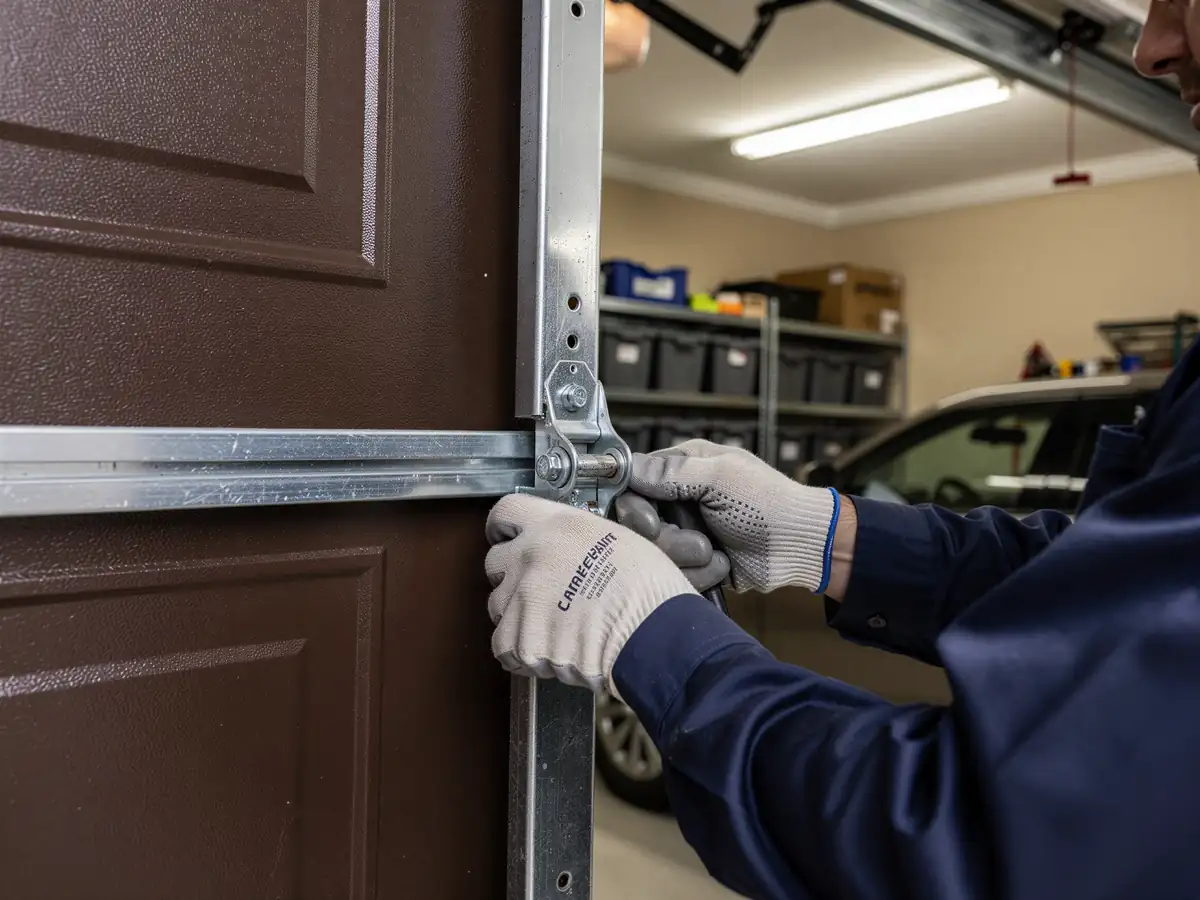
We carry standard nylon rollers with sealed bearings on the truck, which covers the large majority of swaps on doors from this era without a special order. Where we don't stock something is oddball stem lengths on older custom track setups or rollers sized for commercial-grade doors, which need to be ordered in and push the job to a second visit. On a typical 1964-vintage Lexington door, that's rarely the case, but we'd rather flag it now than promise a one-trip fix and miss it.