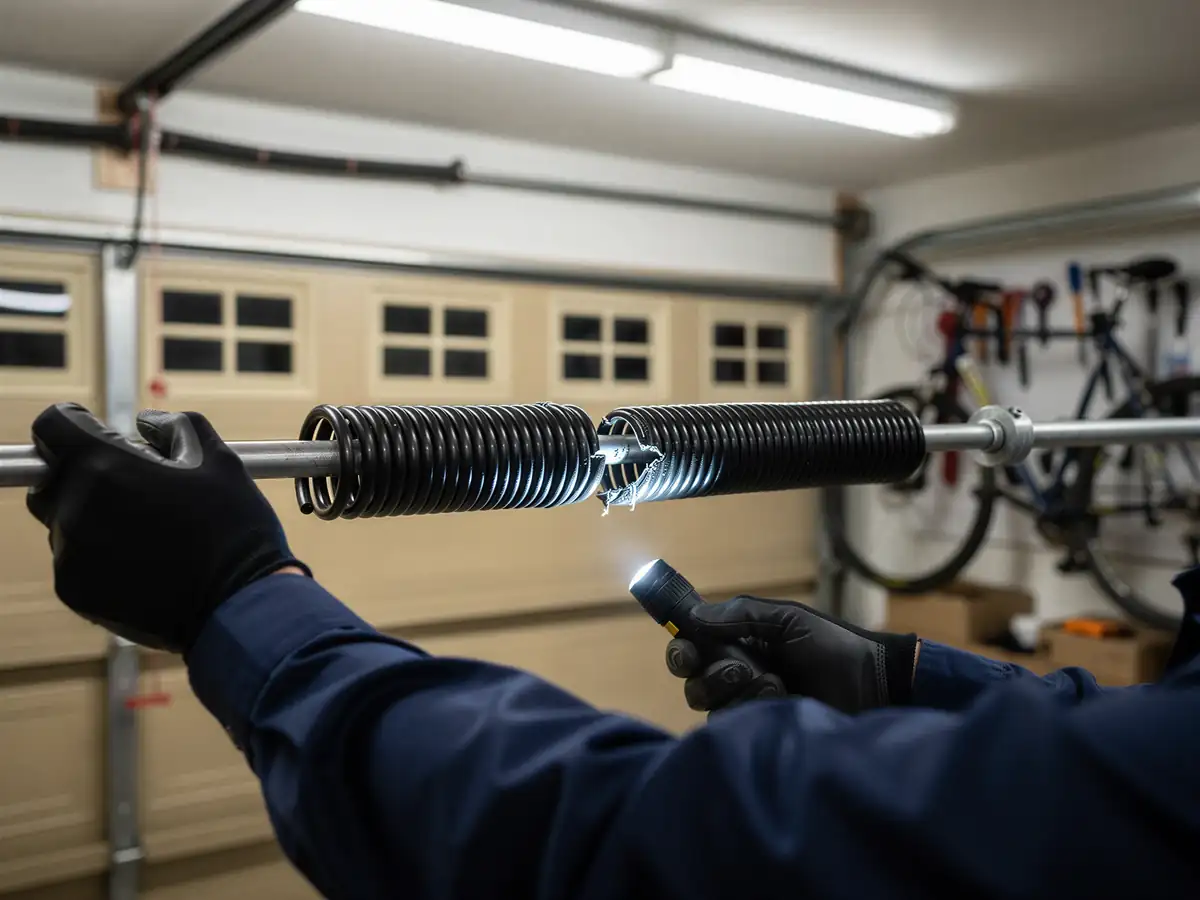
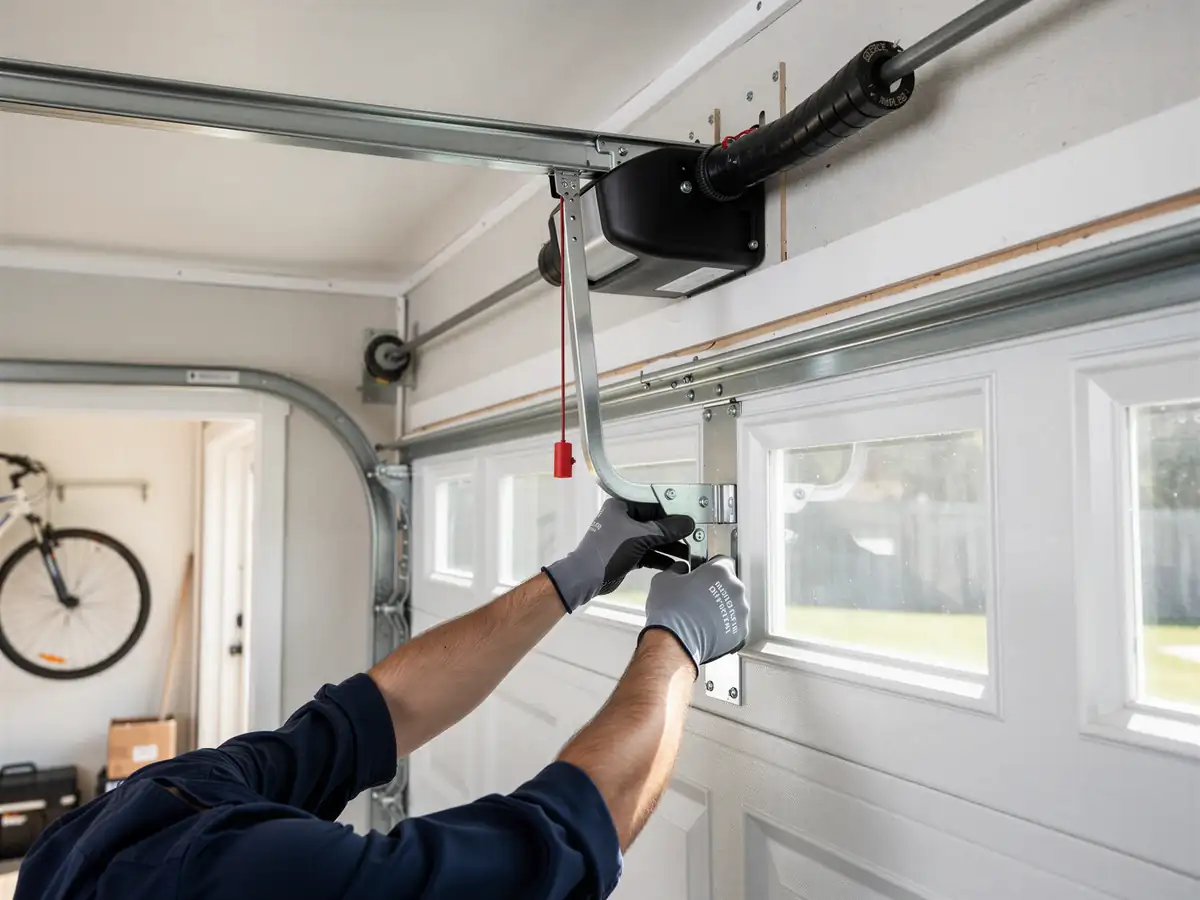
Getting It Booked In
We run this job out of Woburn, about 5 miles from most Lexington addresses, so there's no local branch to call - just a truck that comes to you. Because Lexington's housing stock sits in that 1960s-70s band across the wider area, a lot of the calls we get here are for the same thing: the original opener finally gave out, or a homeowner wants to swap a noisy chain-drive unit for something quieter before it fails on its own schedule. We book the visit, confirm the door type and ceiling clearance over the phone or by photo, and bring the right bracket and rail length with us rather than guessing on site. We don't keep a Lexington depot, so same-day isn't something we promise here - we schedule around the Woburn route.
Doing It Yourself
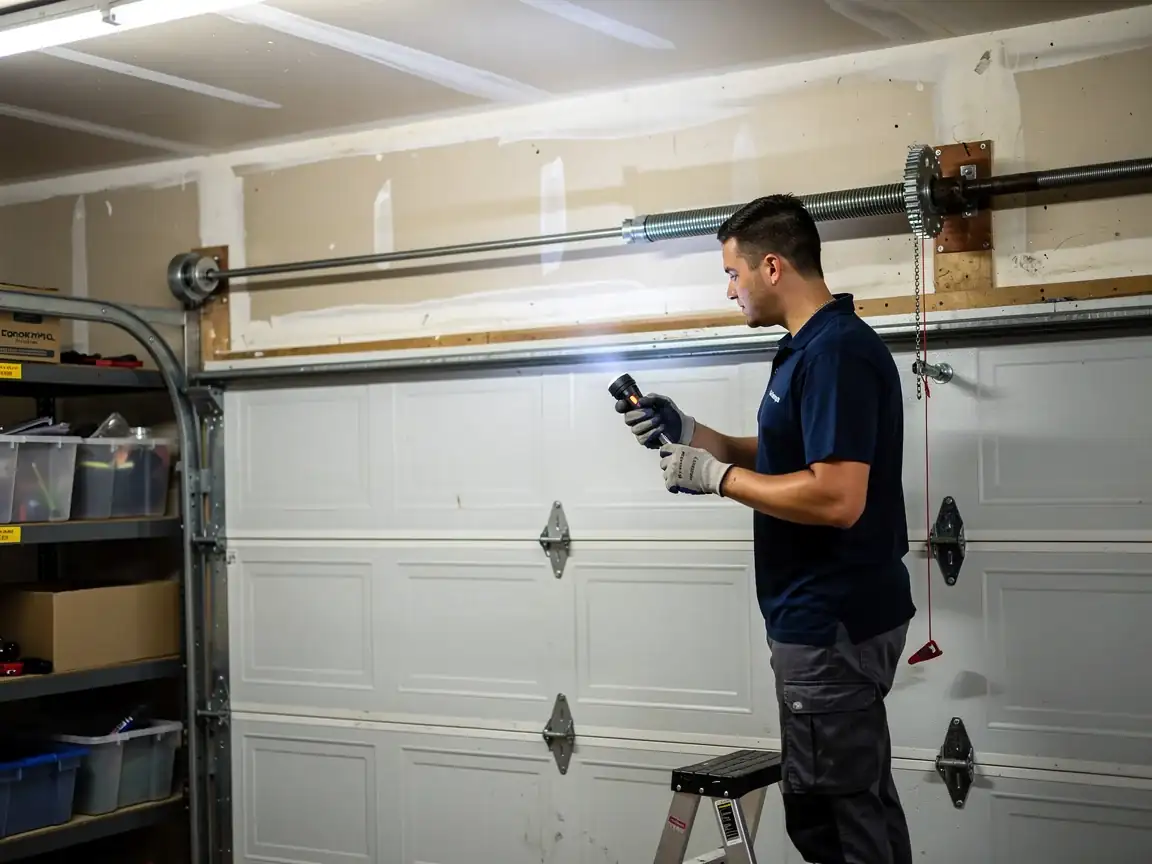
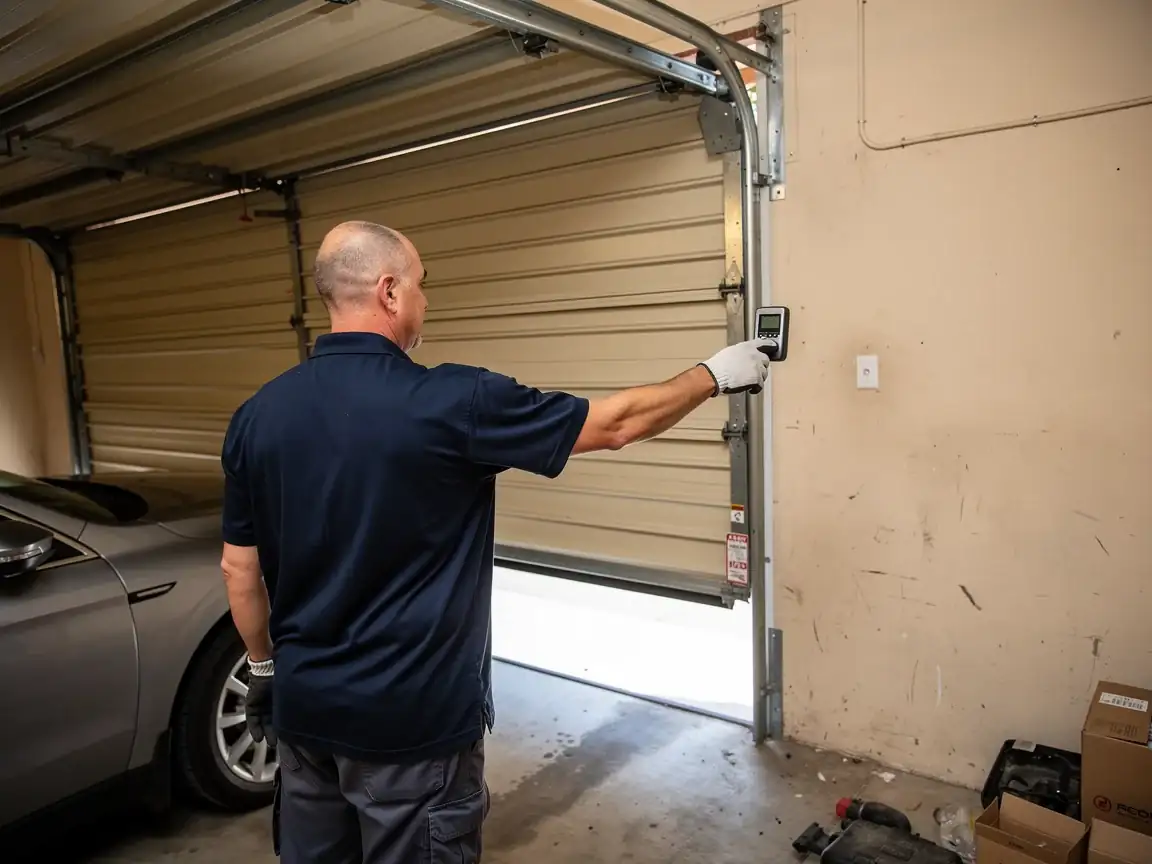
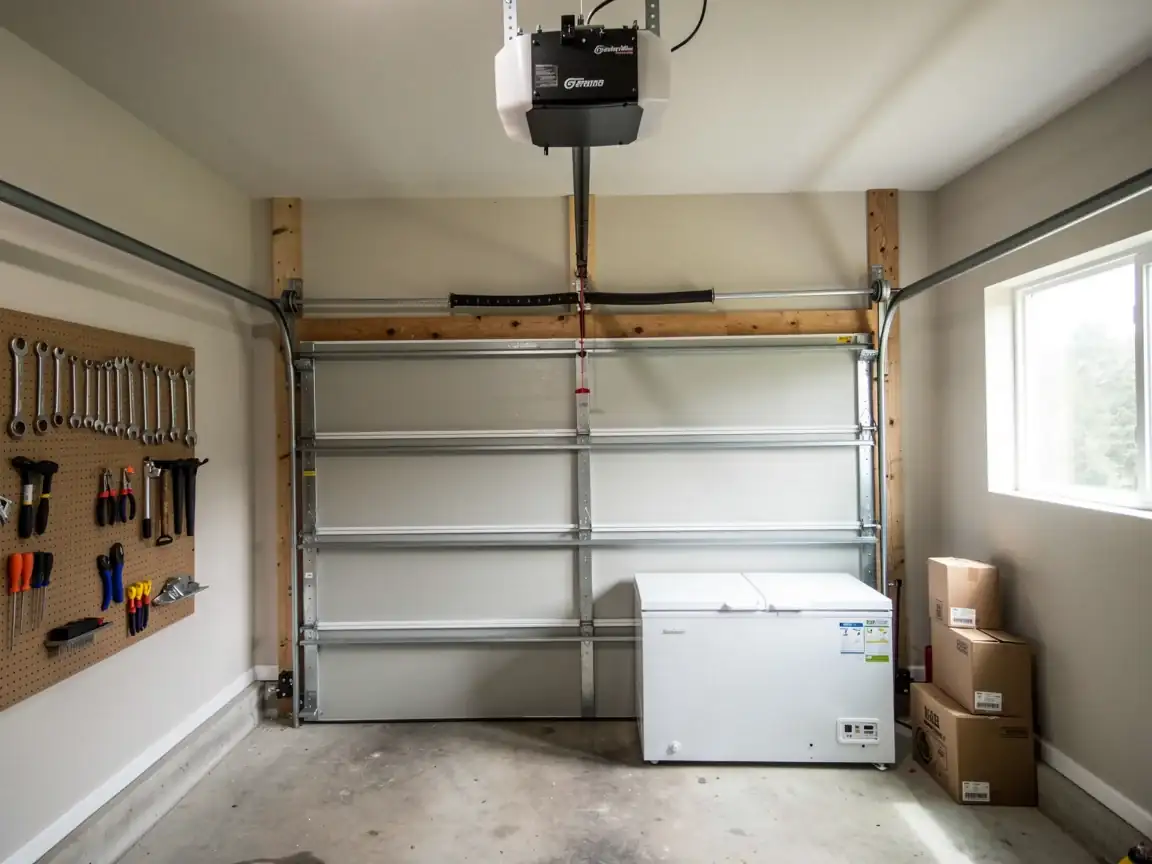
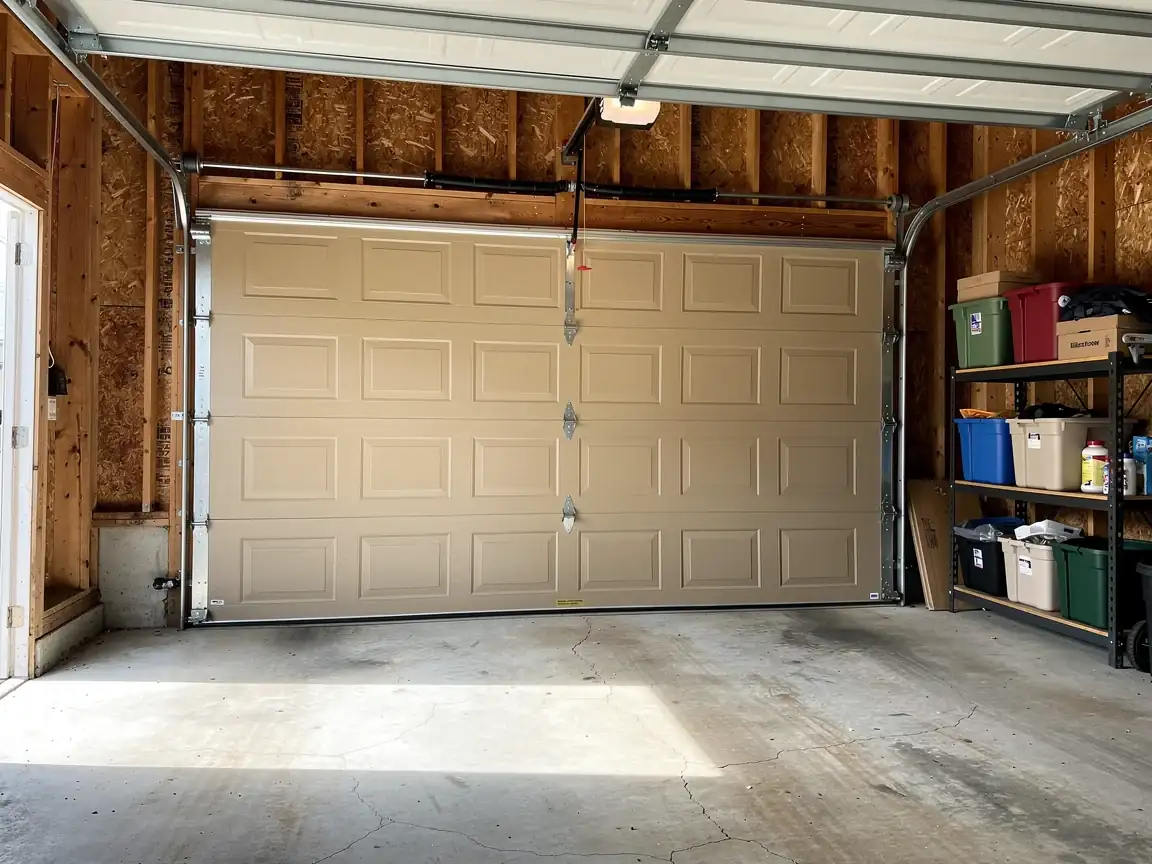
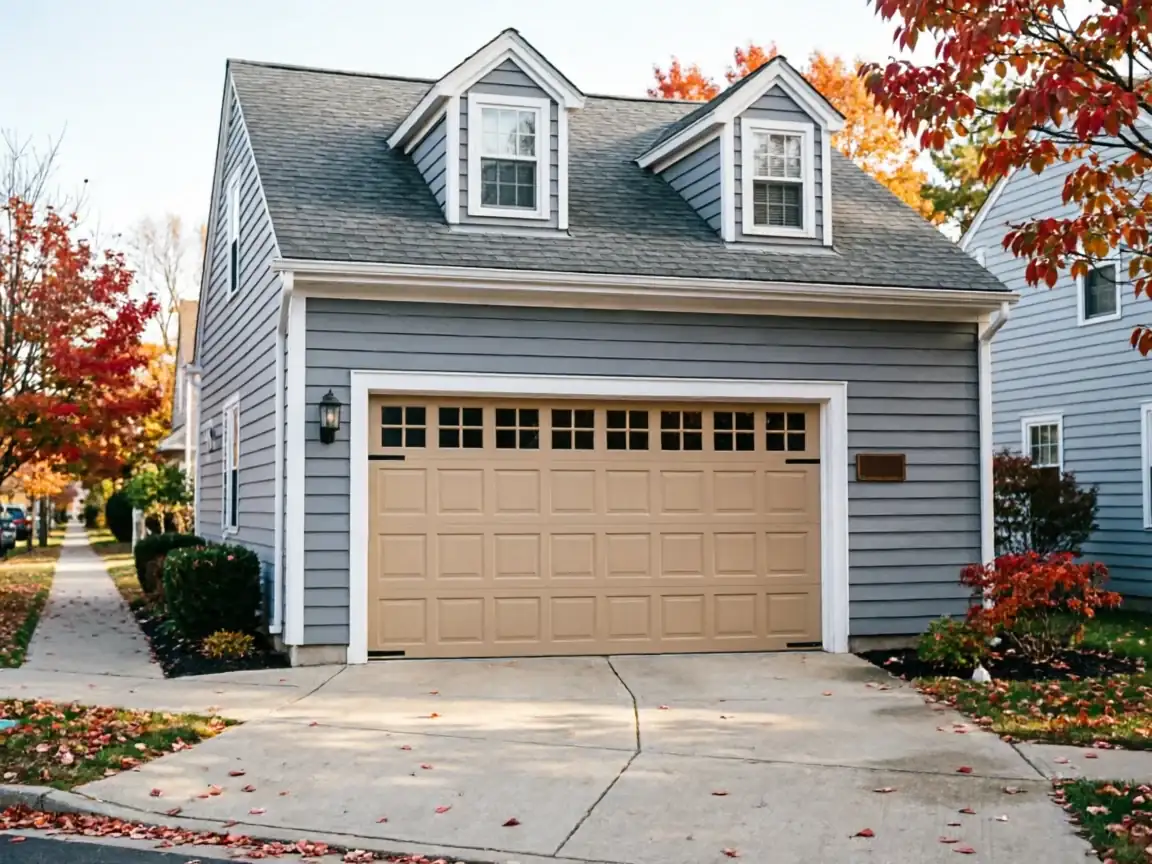
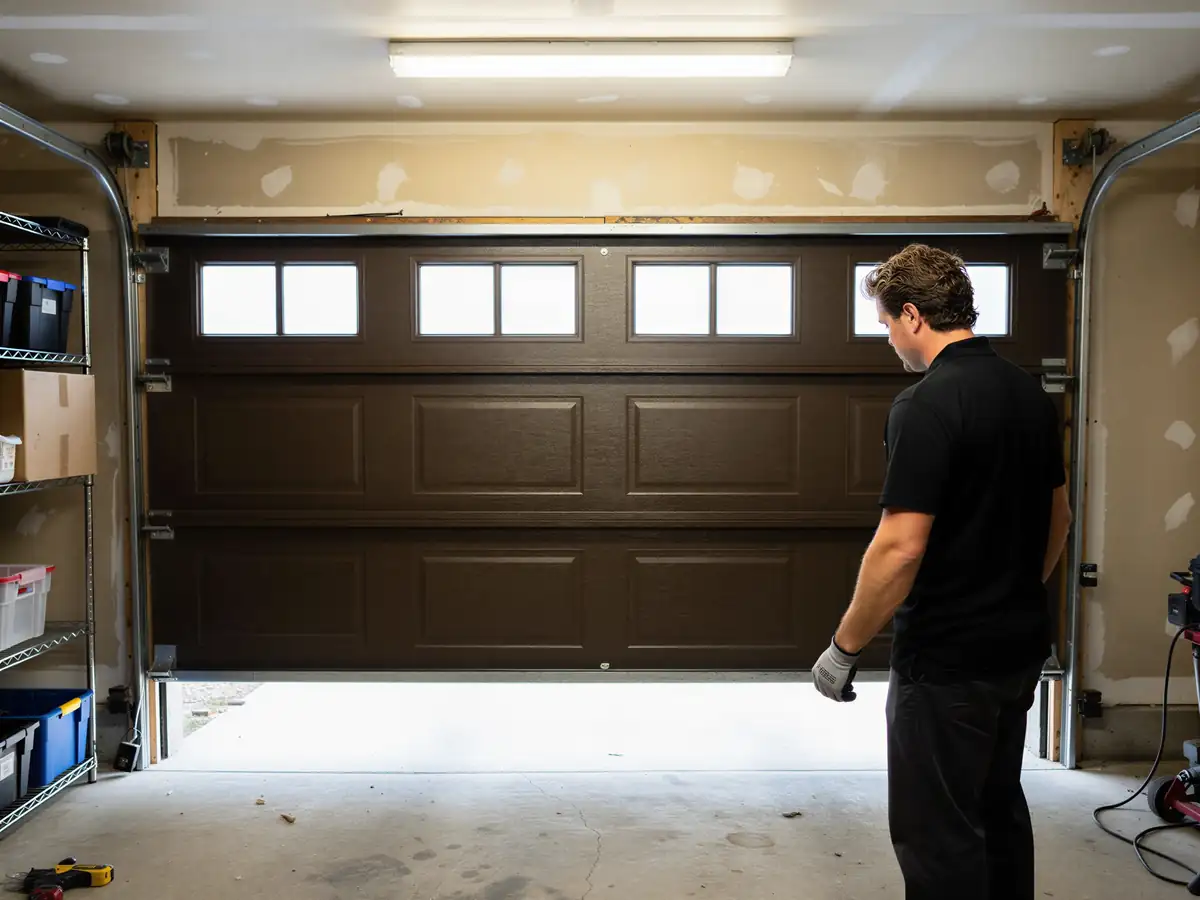
A new opener kit looks like a weekend project until you're standing on a ladder trying to square a rail to a header that was framed in 1964 and has settled since. Houses from that era in this area often have garages added or finished after the original build, which means the stud spacing and header height aren't always what the box instructions assume. We'll say plainly: if your garage is a straightforward single door with clear ceiling run, a capable DIYer can do this. Where it goes wrong is the safety sensor alignment and the travel-limit setting on doors with any age or sag to the track - both things that matter more on hardware this old than on anything built in the last decade.
Why This Fails Locally
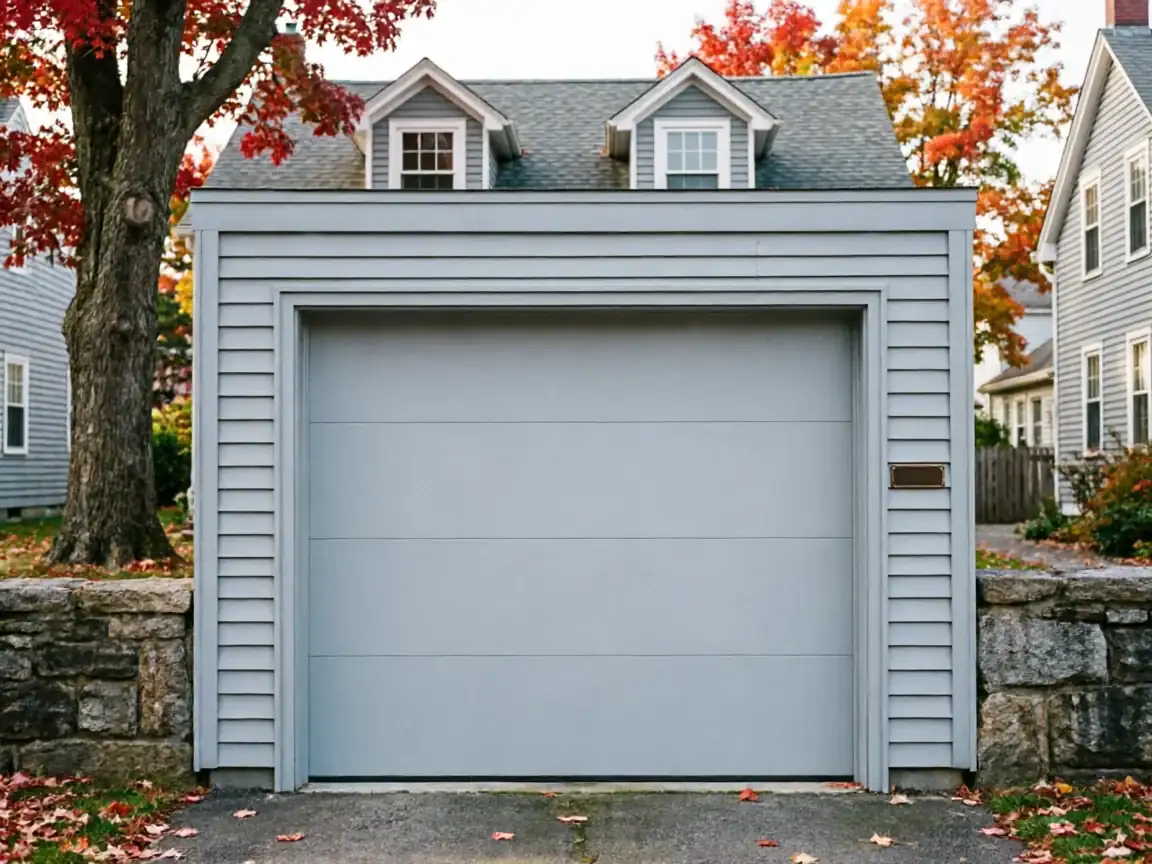
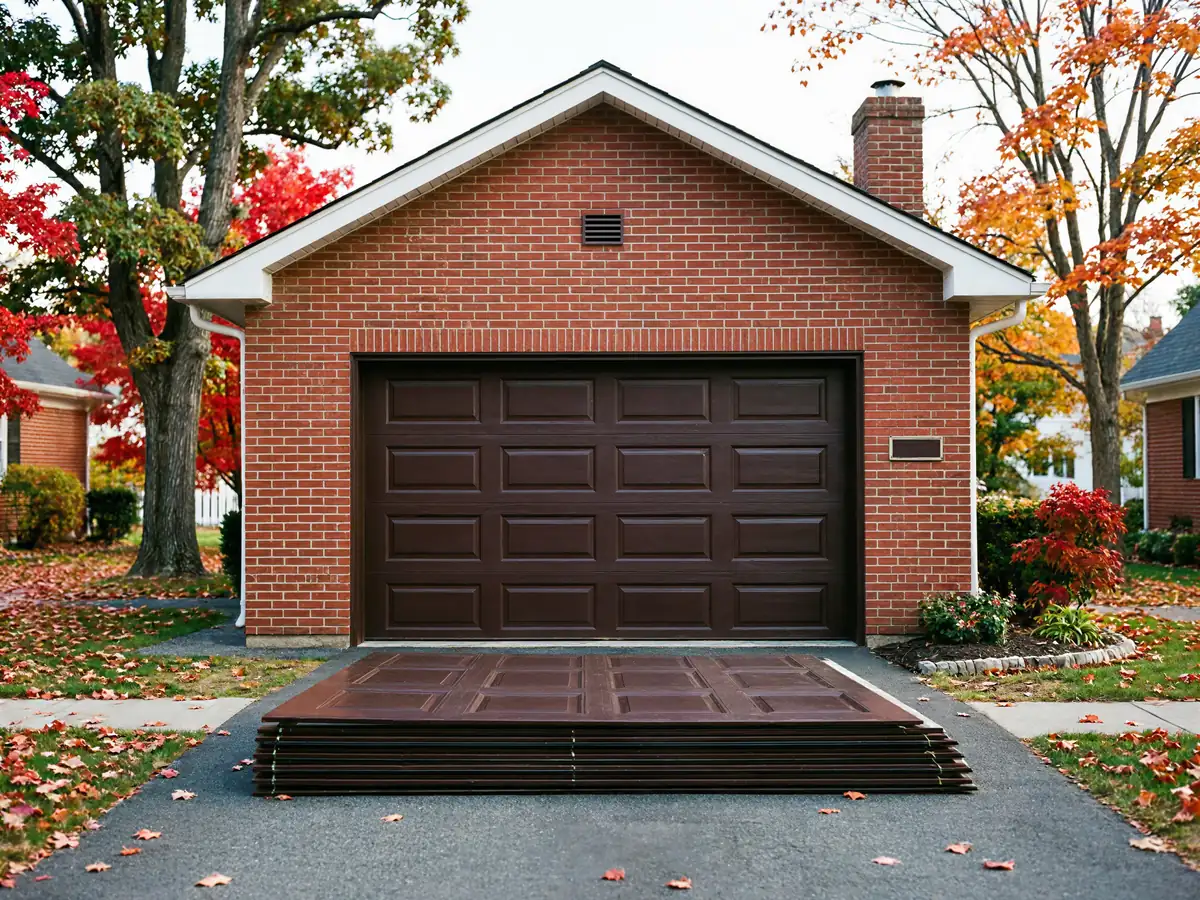
The area's housing runs 1938 to 1988 with a median build year of 1965, and Lexington sits right in that window at 1964. Doors from that period were built lighter than what's sold today - thinner steel or wood panel, no insulation layer - which means the opener originally paired with that door was sized for a lighter lift than a modern insulated replacement needs. Swap in a heavier door down the road without upgrading the opener's horsepower and drive, and you get an opener straining on every cycle, premature gear wear, and a travel limit that never quite sets right. This region also sits in a severe cold climate band, and cold makes grease stiffen and belts lose tension, which shows up fastest on a motor already working harder than it should.
Stocked Parts
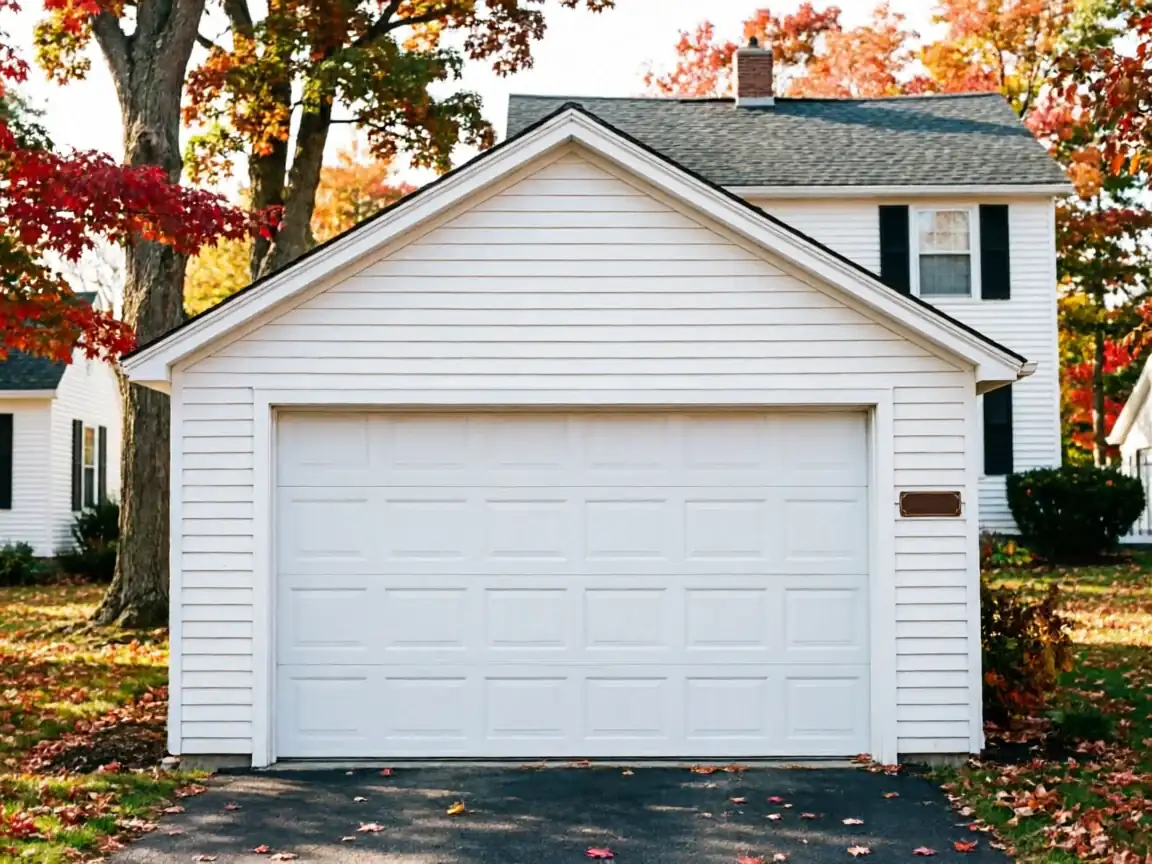
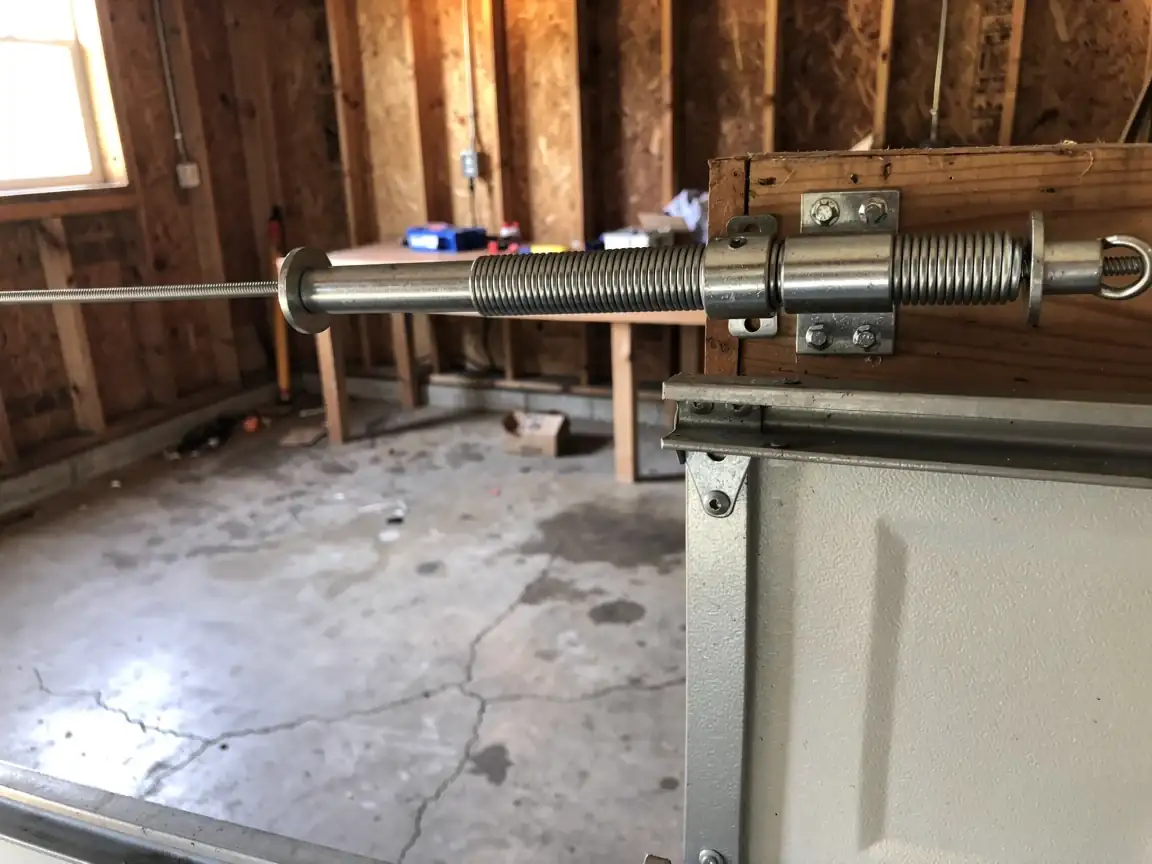
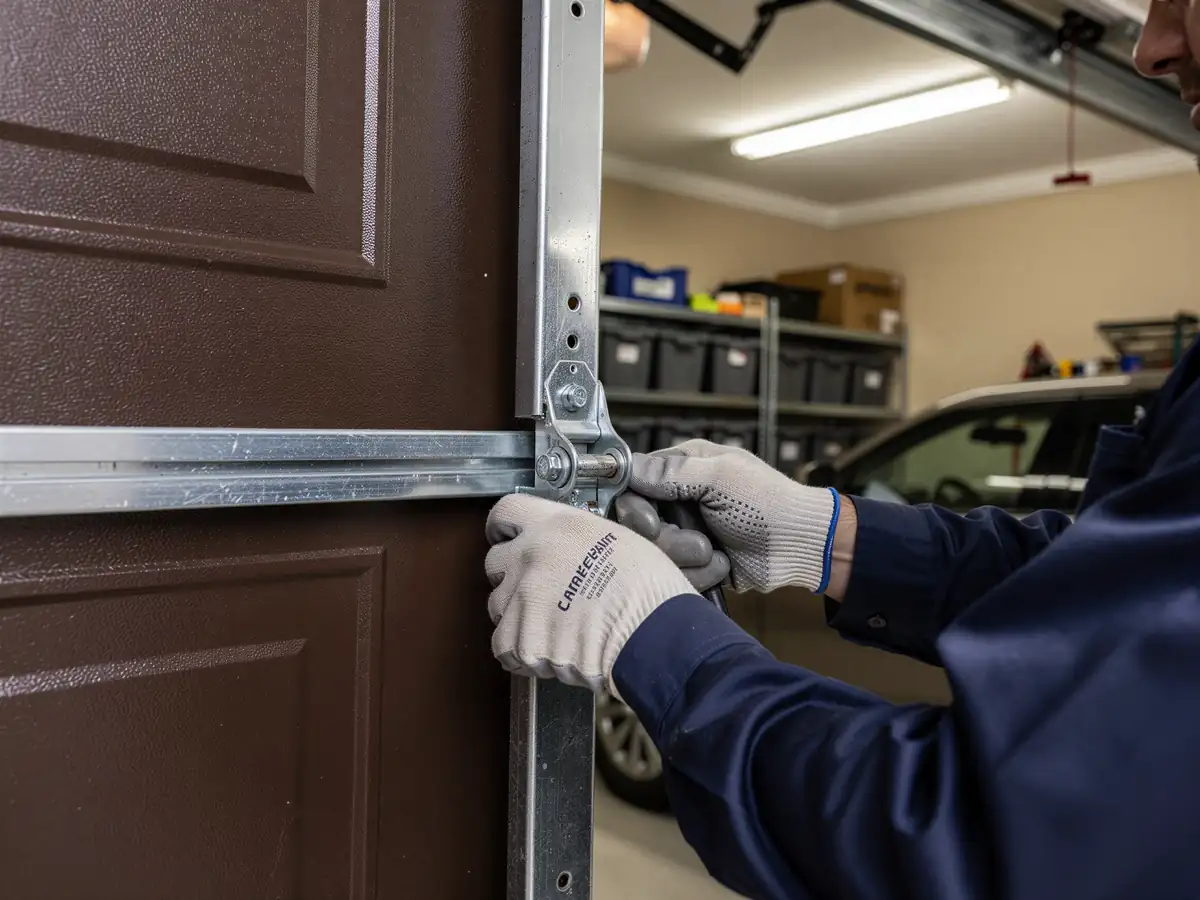
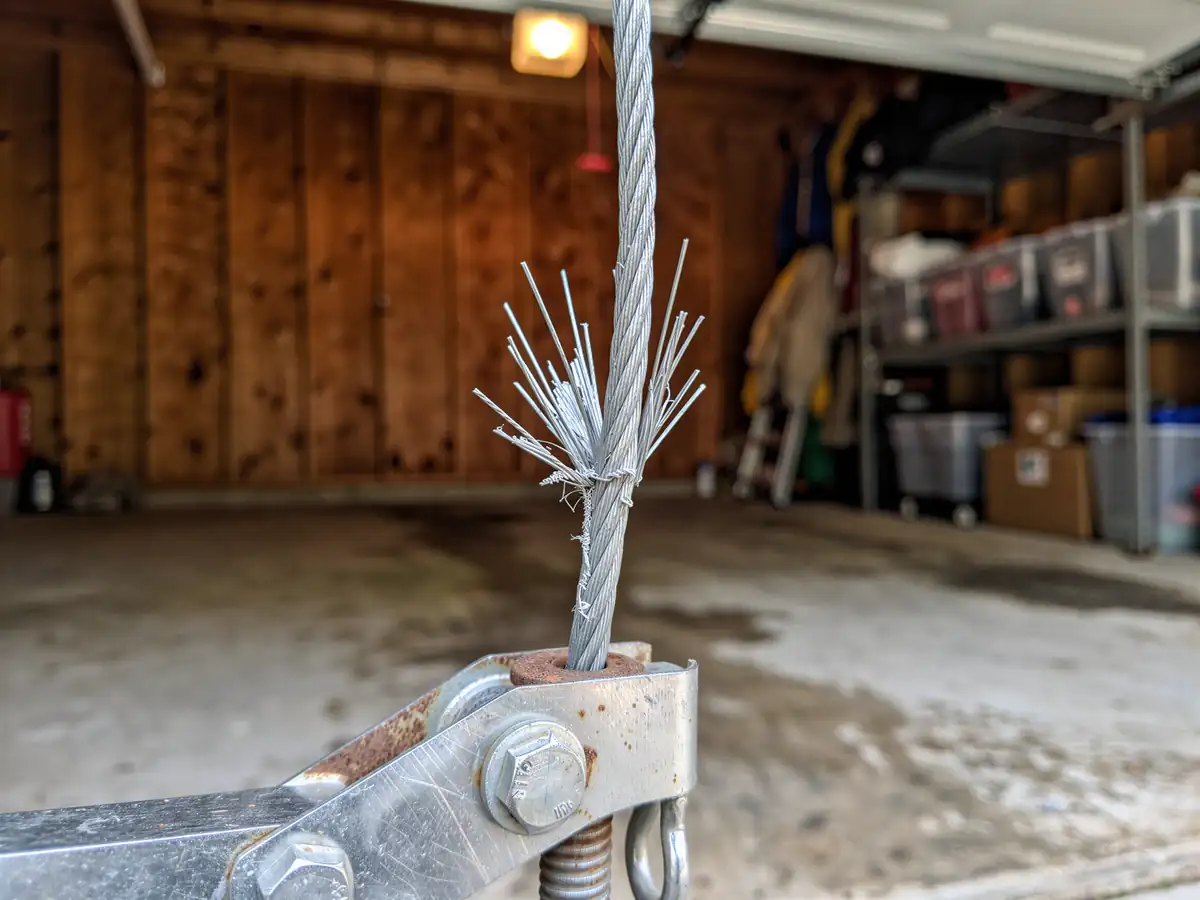
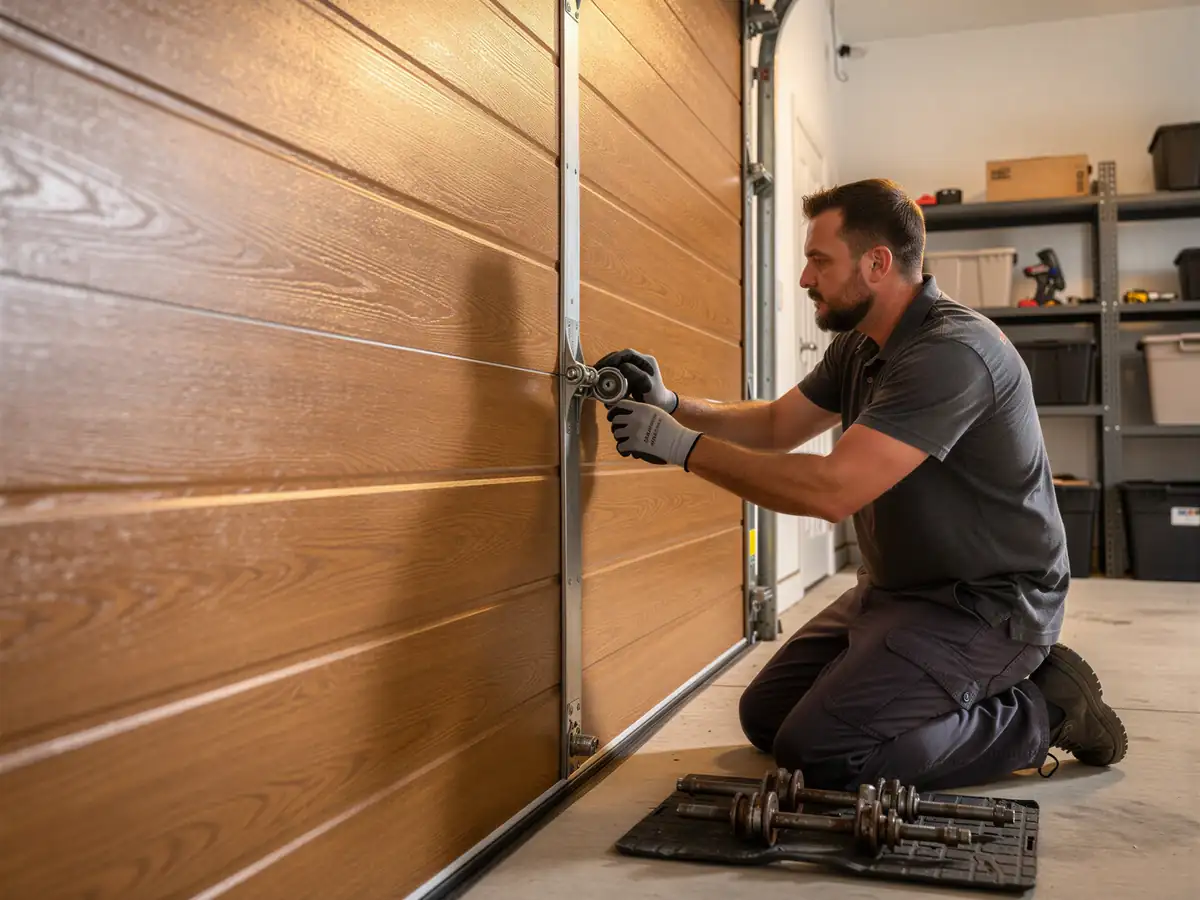
Because so much of the area's garage stock dates to the 1960s and 70s, we carry the brackets, rail extensions, and mounting hardware that fit older header heights and the narrower track spacing common to that build era - parts a big-box store often doesn't stock because newer construction doesn't need them. What we don't carry on the truck is every proprietary circuit board for every legacy opener brand; if yours is an obscure model from that period, the board itself can be a special-order item, and we'll tell you that up front rather than have you wait on a truck that doesn't have it.