Getting It Booked In
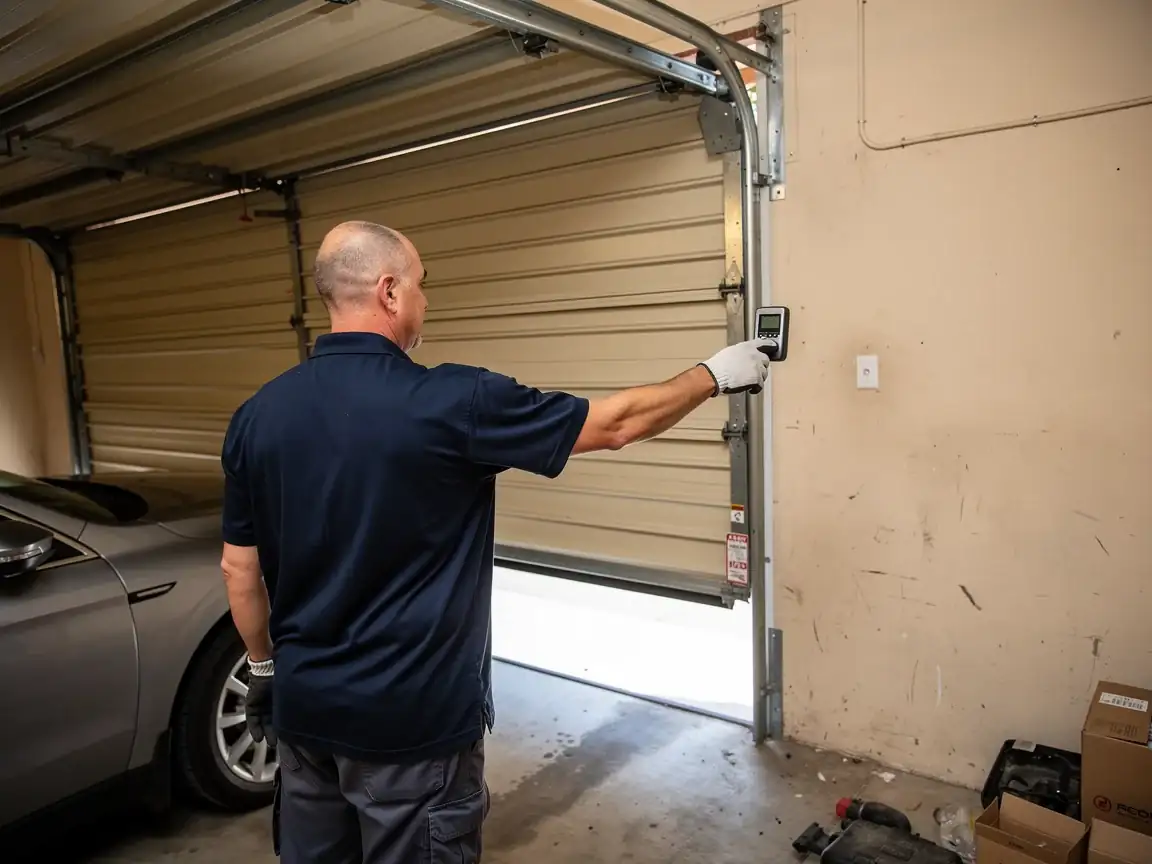
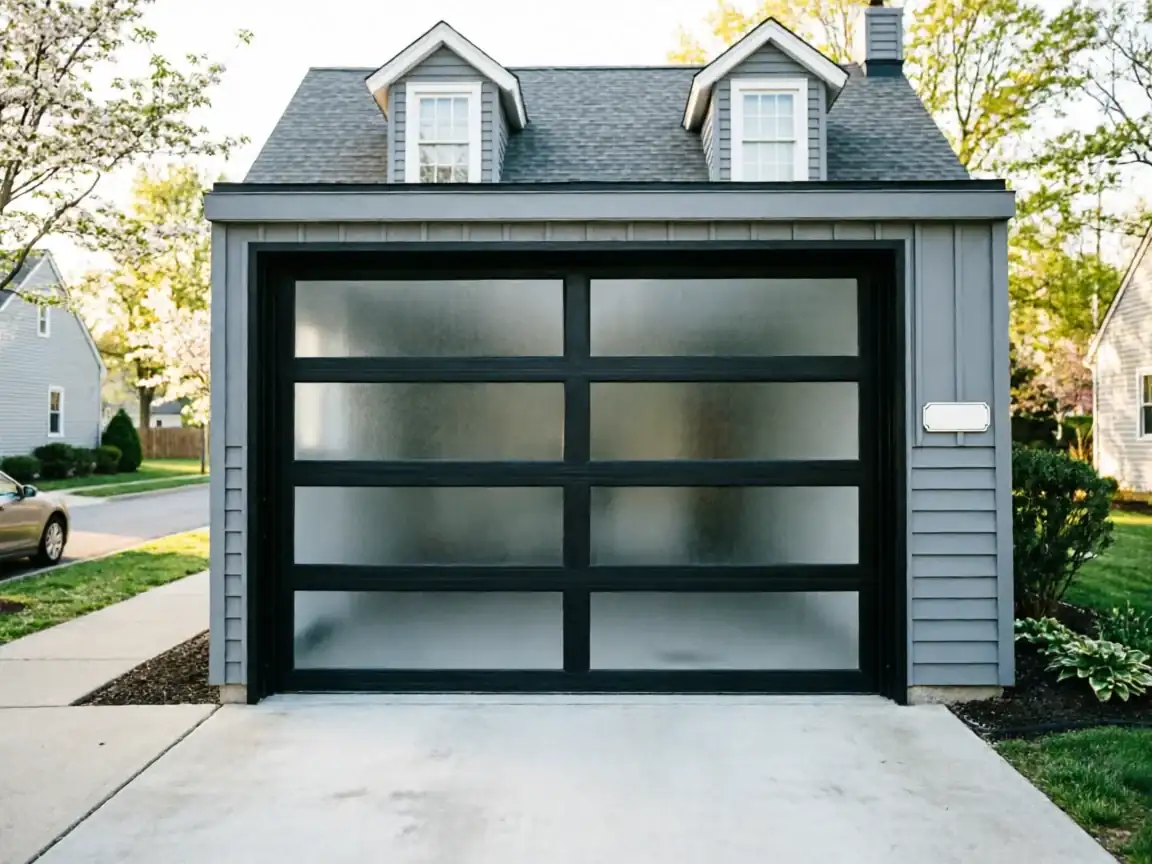
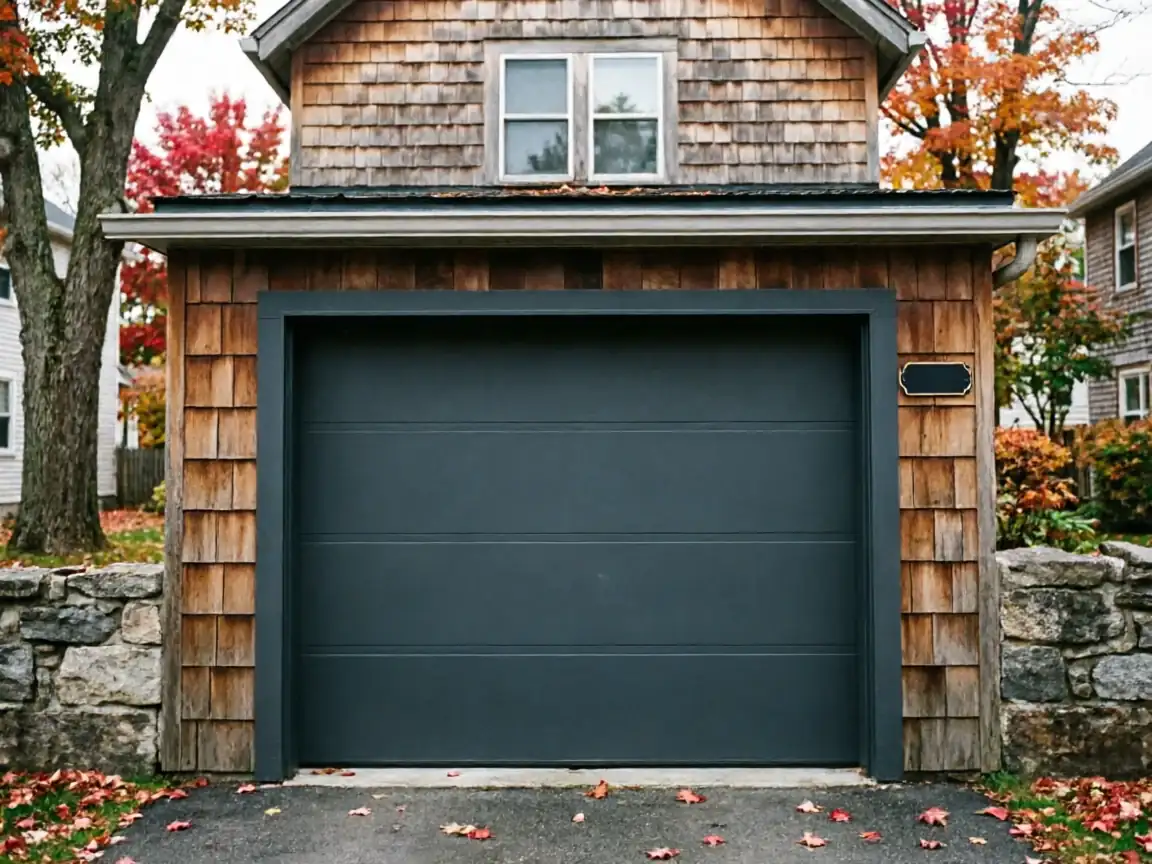
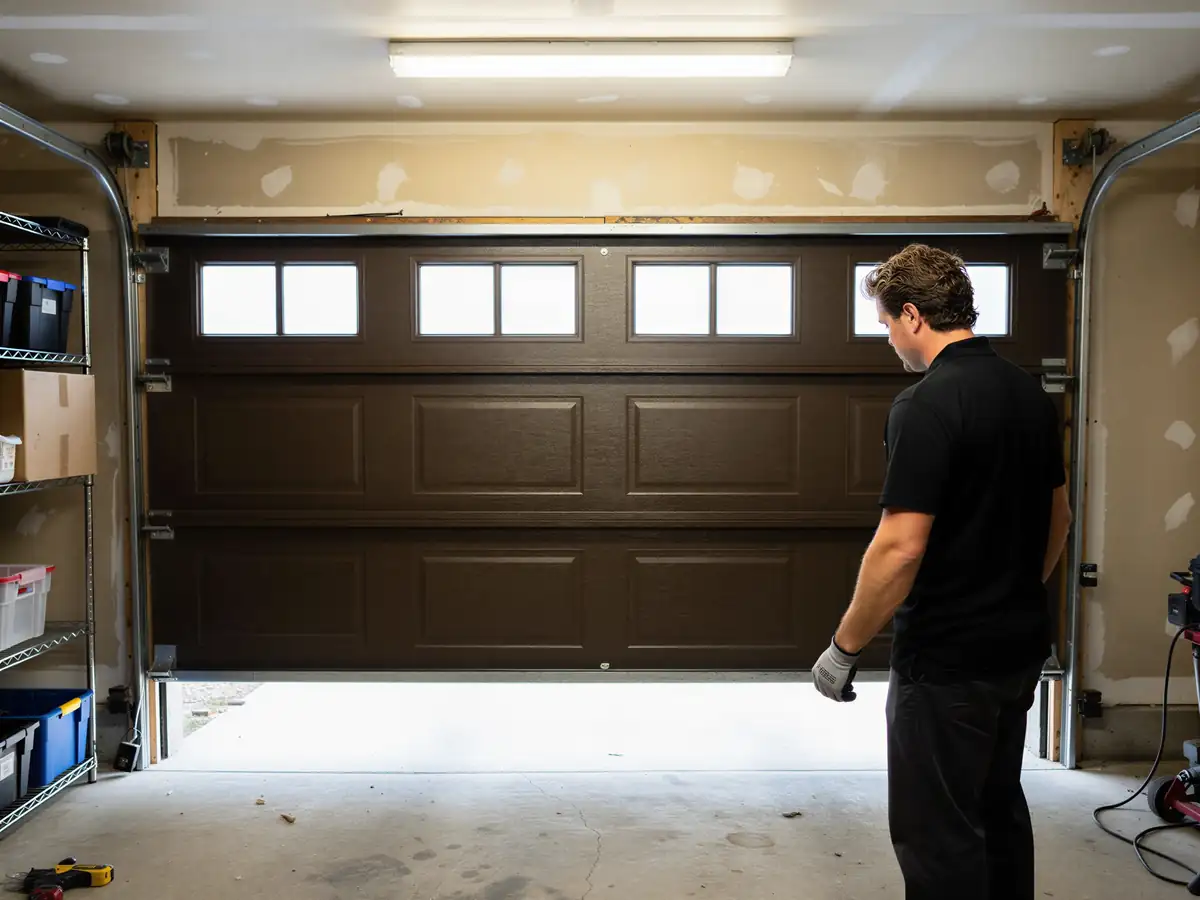
Lexington is a town of 12,337 households, which puts it in a different category of job volume than a small pocket neighborhood. That number matters because it means there's a real, steady mix of calls coming out of this town every month - not a handful of one-off jobs, but enough repeat work on the same handful of door types that the crew knows what's waiting before the truck leaves Woburn. We don't have a branch or a depot in Lexington. Every job here is a dispatch from Woburn, about 5 miles out, so when you call, you're booking a truck that's traveling in, not one parked around the corner. That's worth saying plainly rather than letting a page imply otherwise. Booking itself is simple: you describe what the door is doing (or not doing), we ask a few questions about the opener brand and door age, and we schedule the visit. If you know roughly when your house was built, mention it - in a town where most houses went up in the 1960s, that one detail tells us more about what hardware we'll find than almost anything else you could say on the phone.
Doing It Yourself
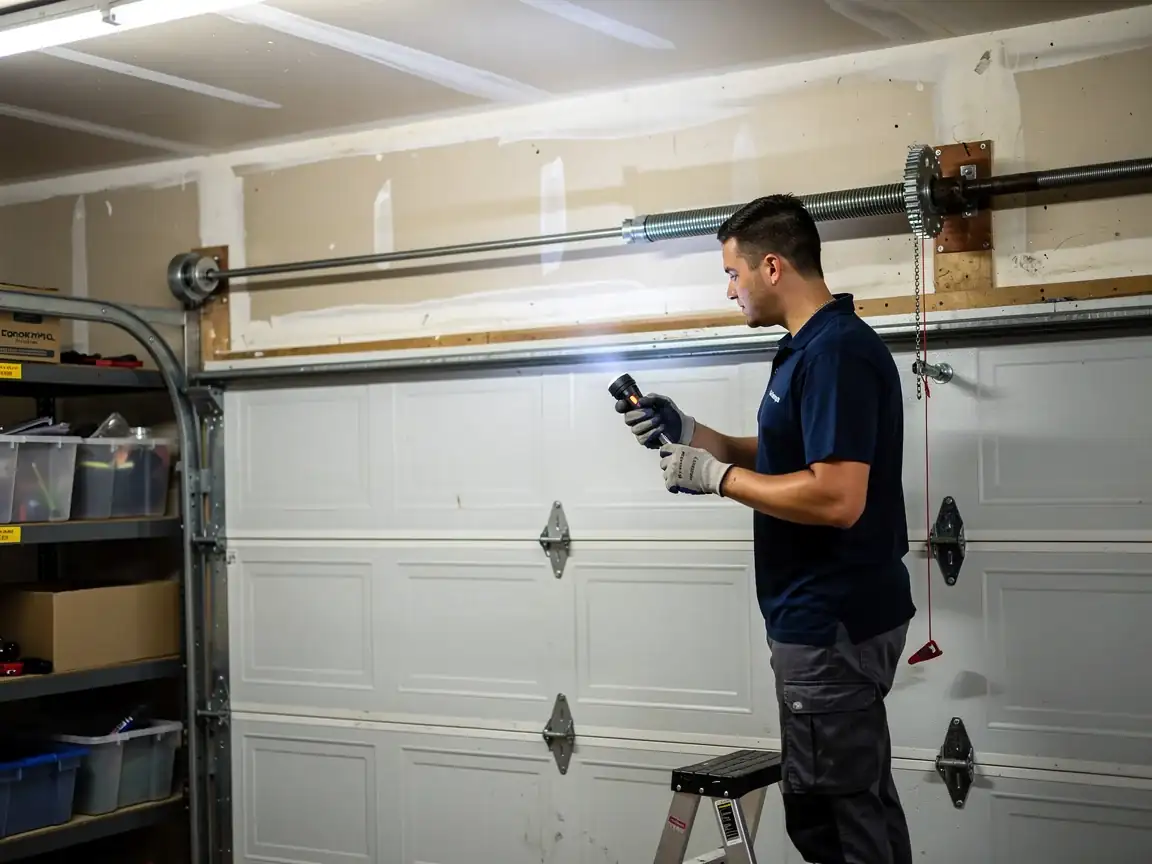
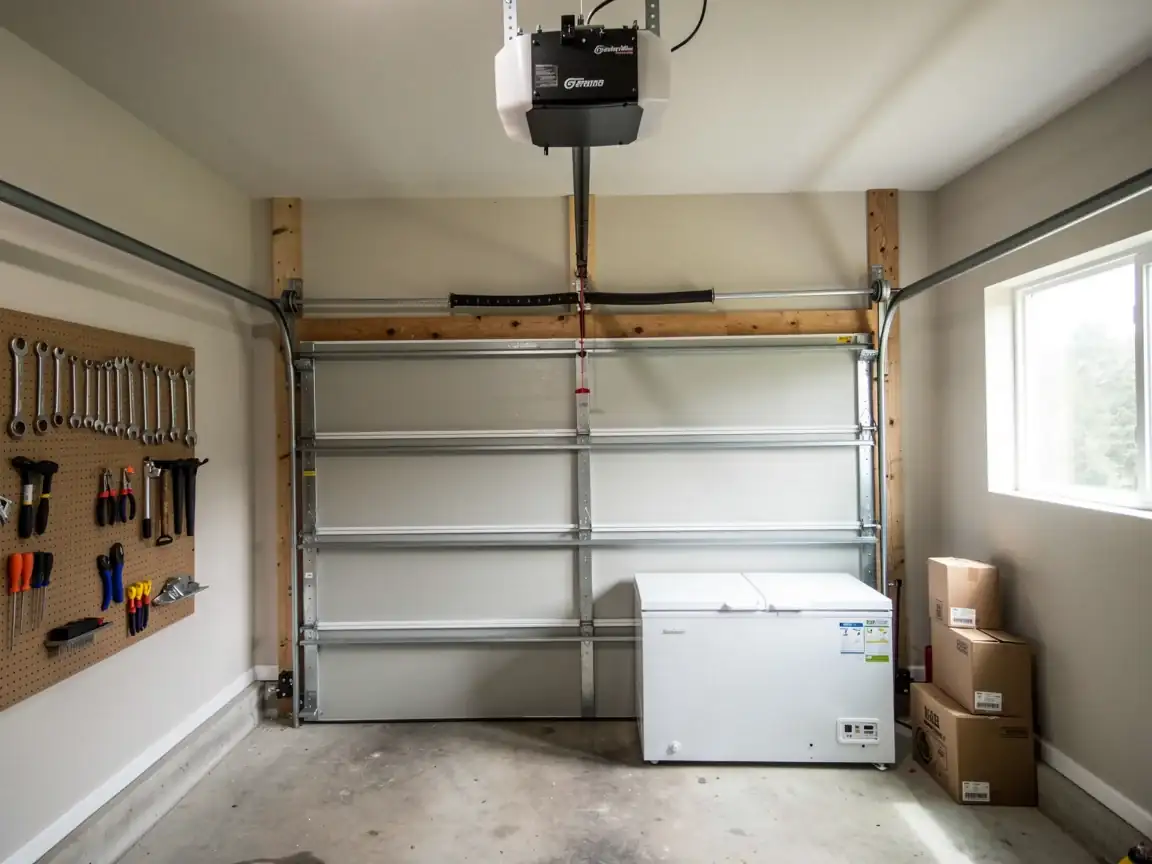
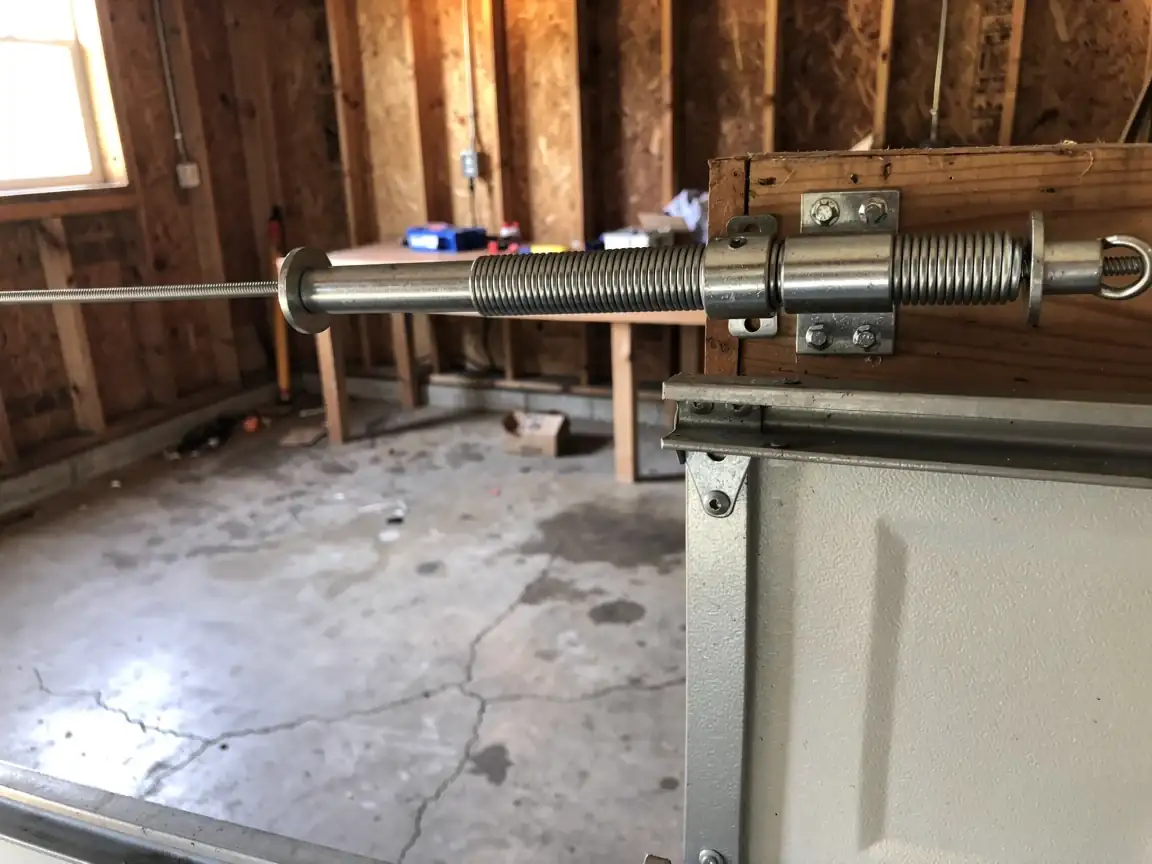
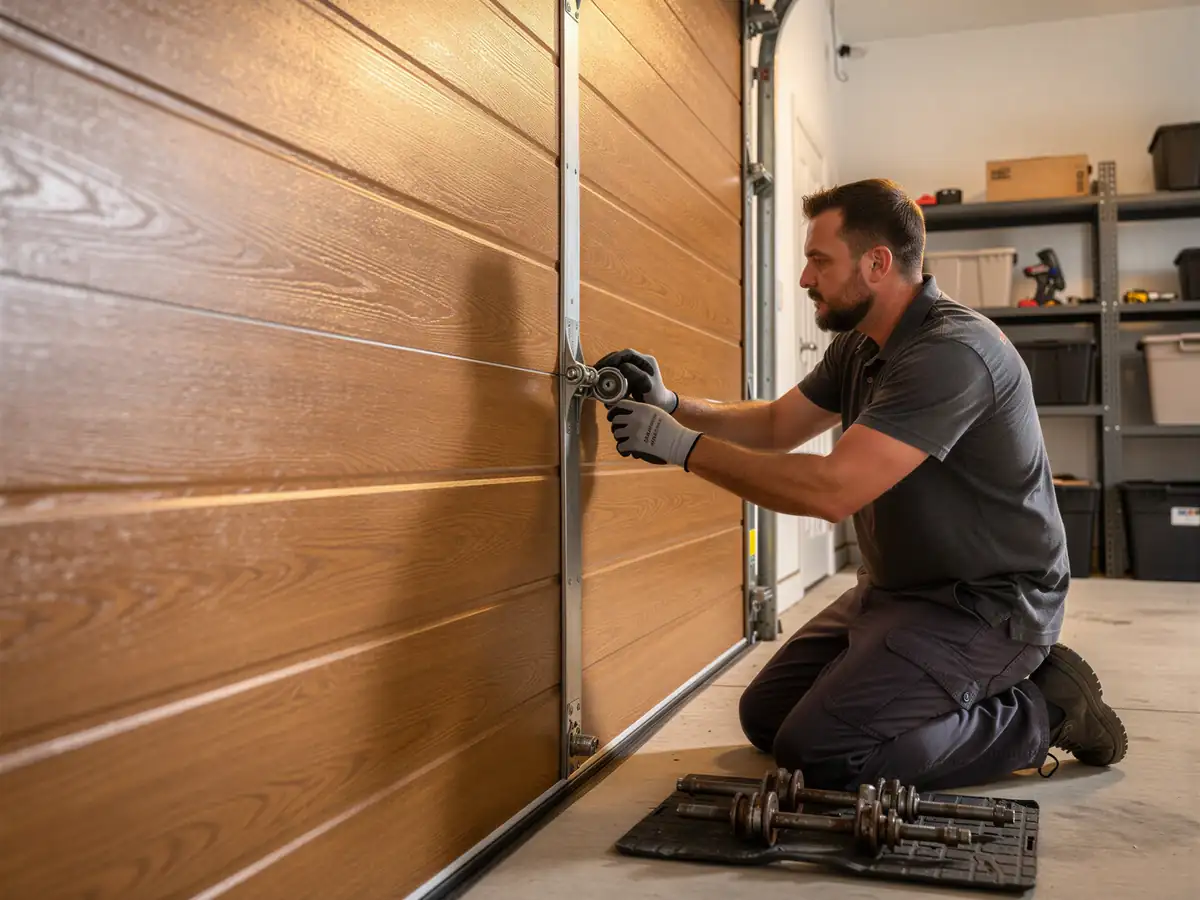
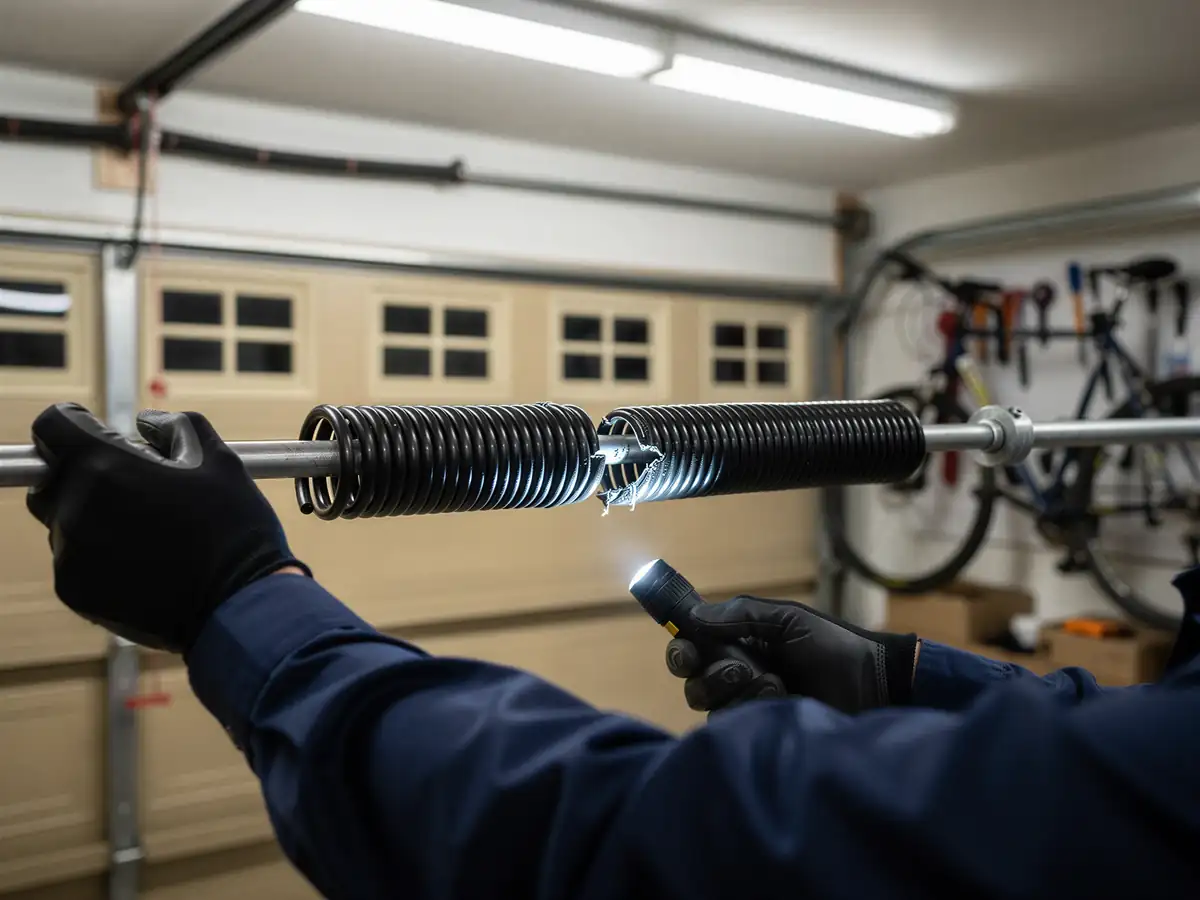
If your door is from the same build wave as most of Lexington's housing stock - median year built 1964 - there are a couple of things worth checking before you call anyone. First, look at the spring: if it's a single torsion spring mounted above the door and it's original, it has had sixty years to fatigue, and a snapped spring on an old door is not a DIY repair - torsion springs are under enough tension to cause real injury. Second, check the track alignment and the rollers. Steel rollers on houses this age often show their wear as noise, not failure, and a lot of owners live with a noisy door for years longer than they need to. Tightening loose carriage bolts on the track brackets is safe and reasonable to do yourself with the door closed and the opener unplugged. What you shouldn't touch: anything involving the spring, the cable drums, or the bottom bracket under tension. That's the honest limit - we'd rather tell you not to attempt it than have you call us after.
Why This Fails Locally
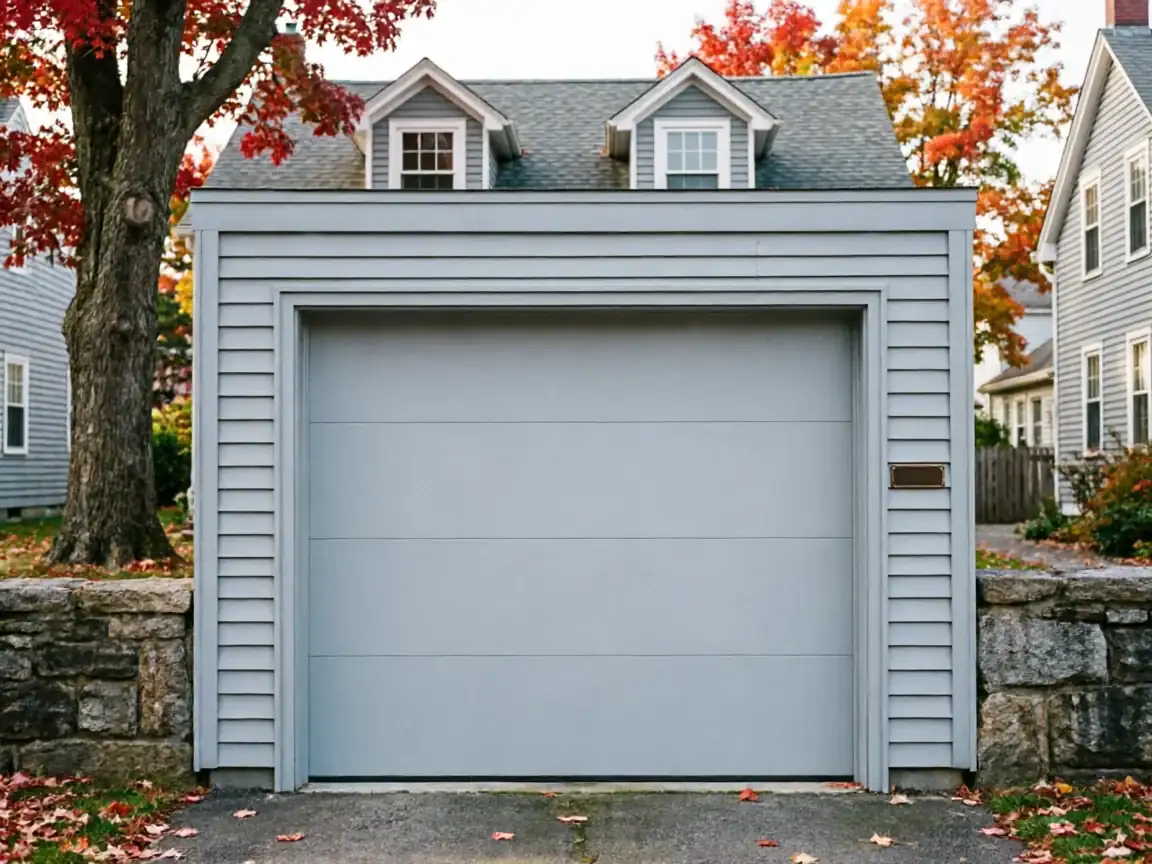
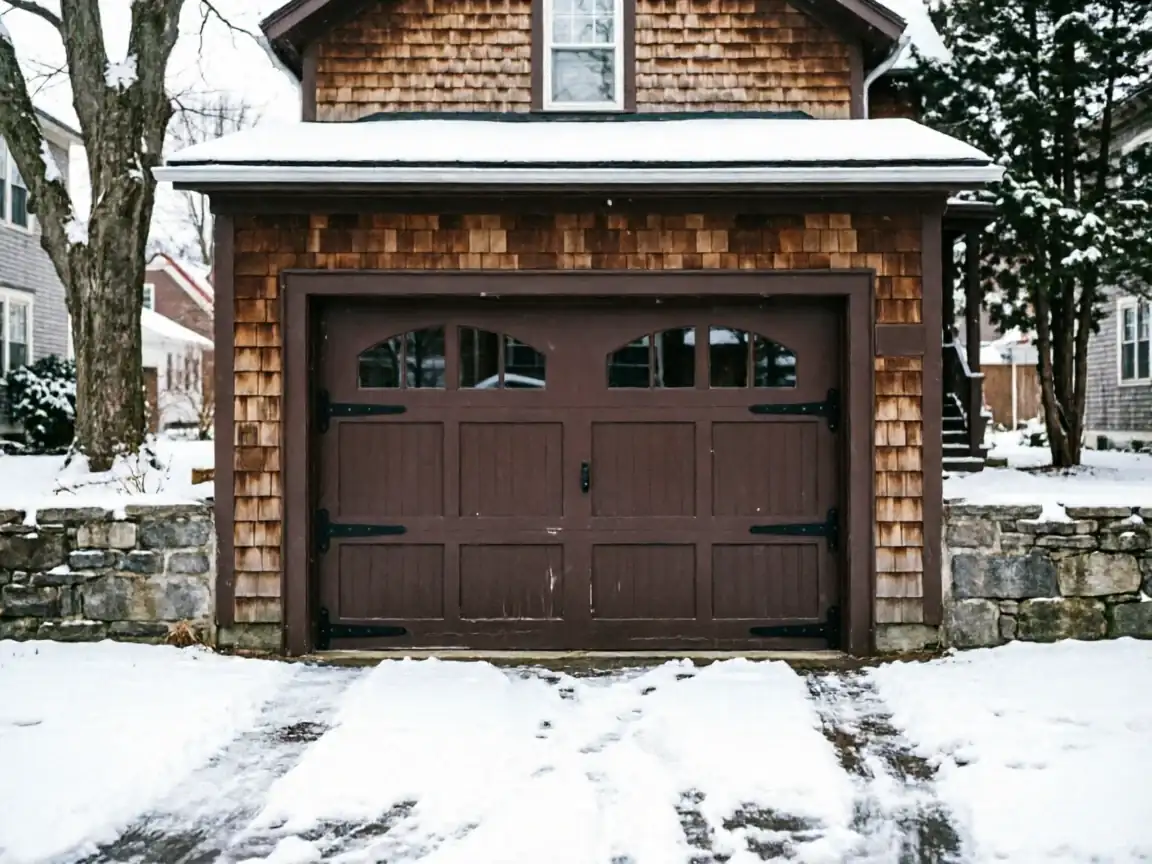
Two things stack on top of each other in Lexington: the age of the housing and the climate. With most homes built in the 1960s, a lot of the original torsion hardware is still in service, and that hardware was never designed to last sixty winters. Add a cold climate with severe seasonal swings, and you get a specific failure pattern - springs that have lost tension gradually finally let go on the first hard cold snap of the year, because cold steel is less forgiving under load than warm steel. Openers from the same era, where they haven't already been swapped once, tend to fail at the gear or capacitor rather than the motor itself. None of this is unique to one house; it's close to universal across a town built out in one tight stretch. The pattern repeats enough that when a Lexington call comes in describing a door that's suddenly hard to lift by hand, cold-stressed original springs are usually the first thing on the list to check, not the last.
Stocked Parts
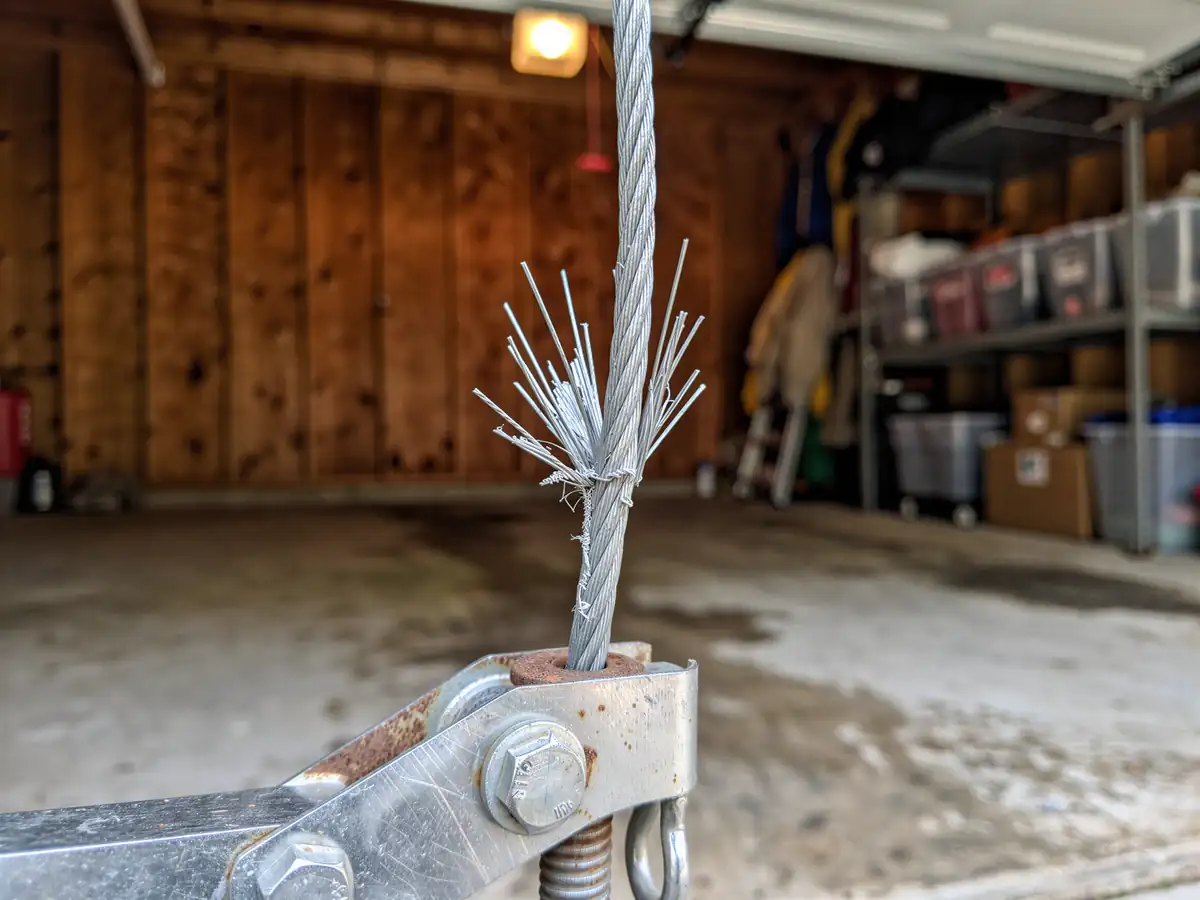
Because so much of Lexington's door stock dates to the same mid-1960s window, the truck carries what that era actually needs: torsion springs sized for the heavier original doors, steel rollers to replace the originals, and standard bottom brackets and cables that fit side-mounted torsion setups rather than the newer extension-spring configurations you see on some later construction. We also carry common opener gear kits, since a lot of these houses had their original chain-drive openers replaced once already in the 80s or 90s and that second generation of opener is now itself aging out. What we don't carry on the truck is anything custom - a non-standard panel width or an imported door profile needs a special order, and we'll tell you that up front rather than stall a job pretending otherwise. For most Lexington calls, though, the parts that solve the problem are already on board before we leave Woburn.