Getting It Booked In
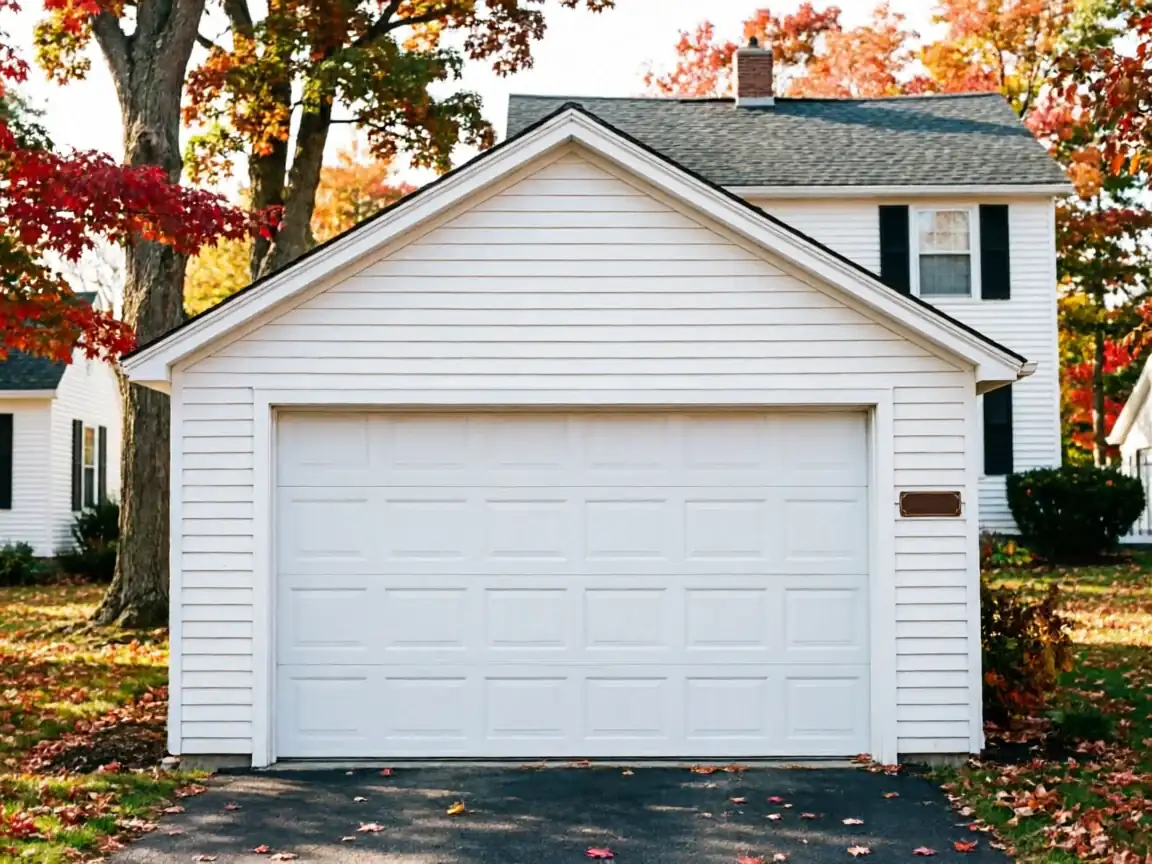
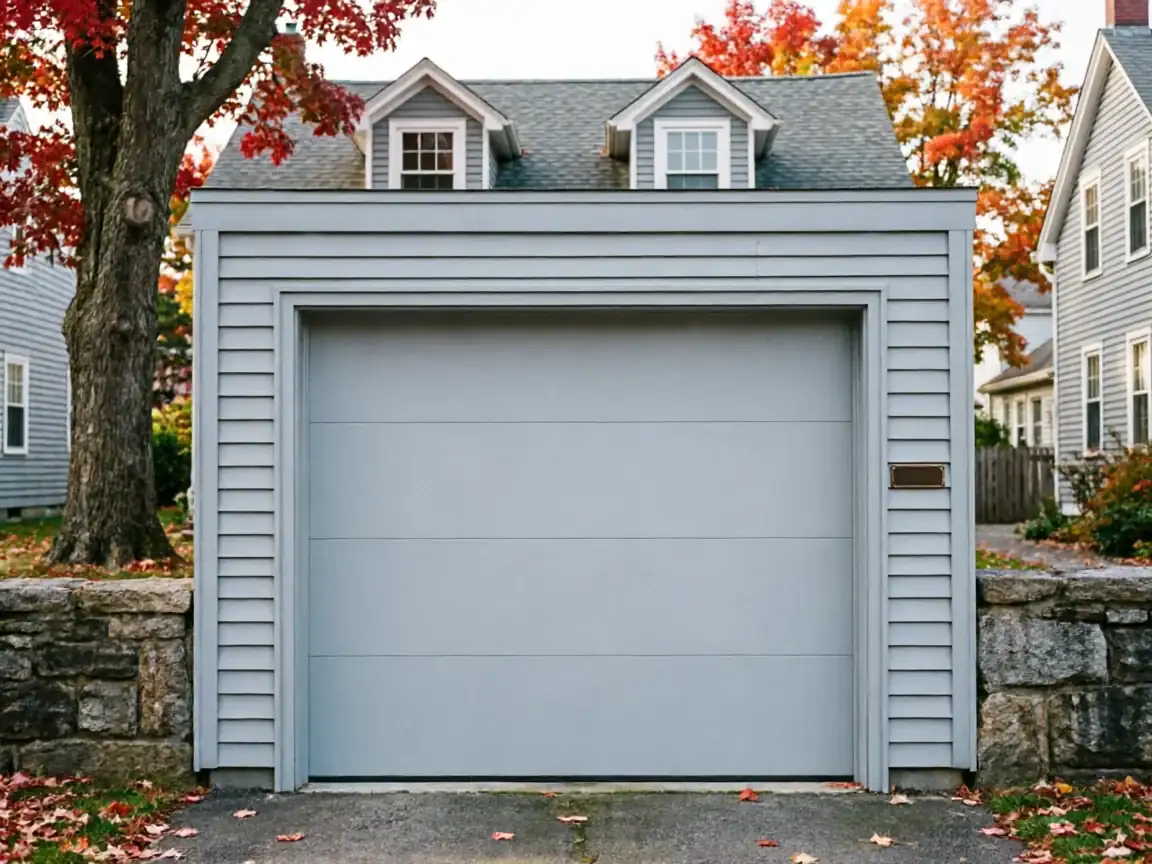
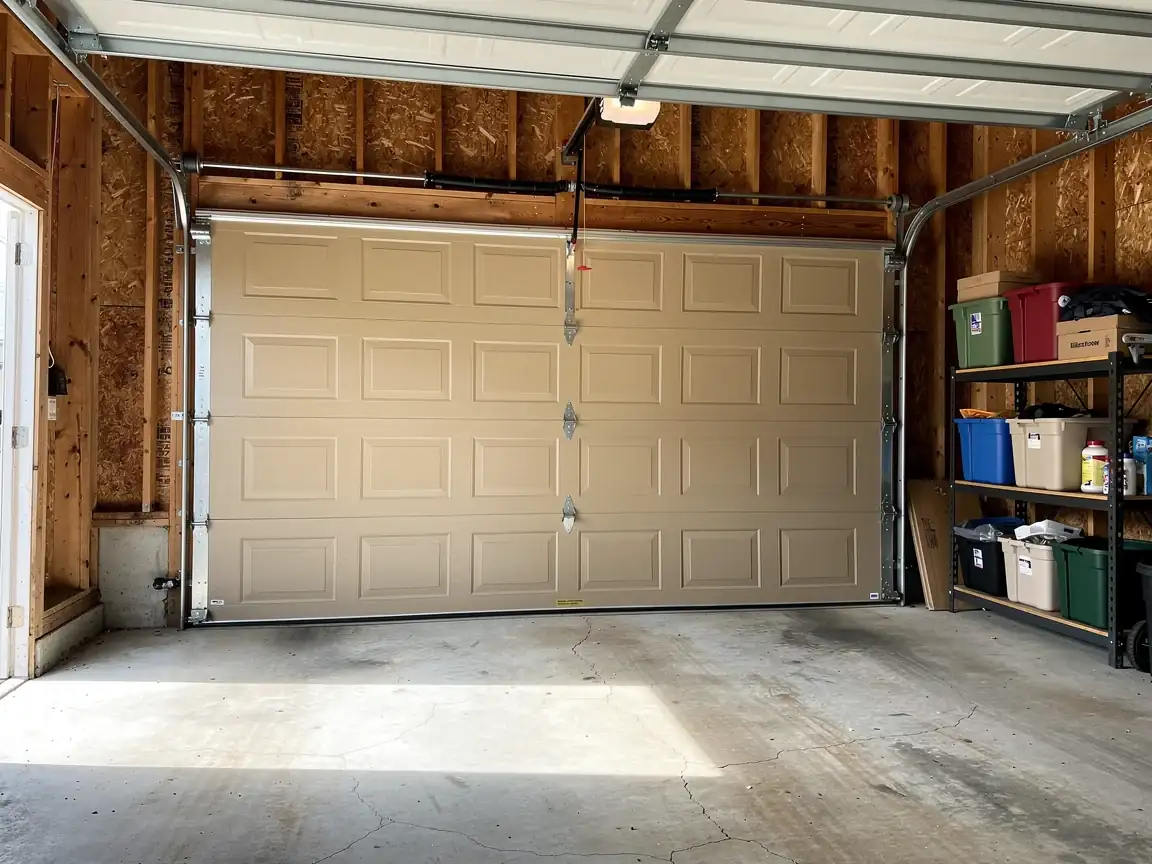
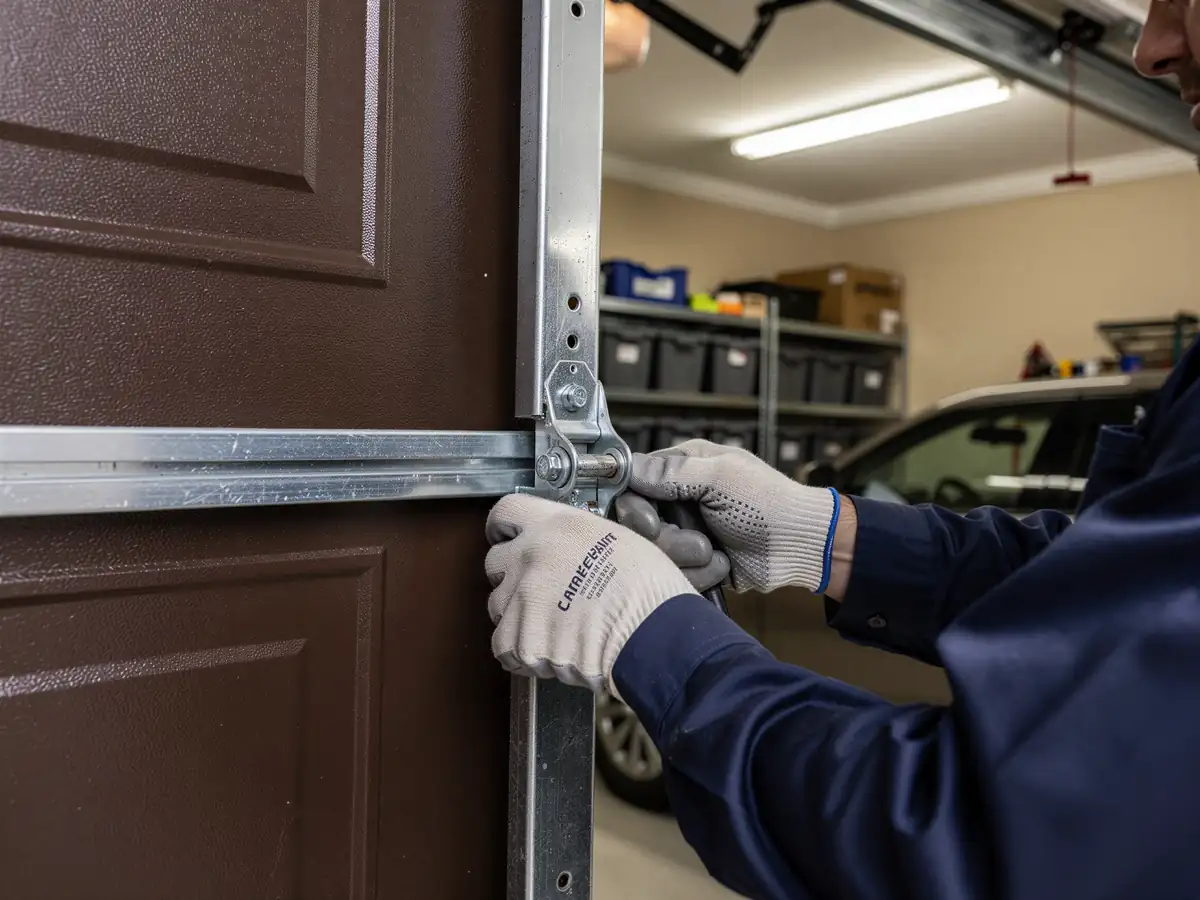
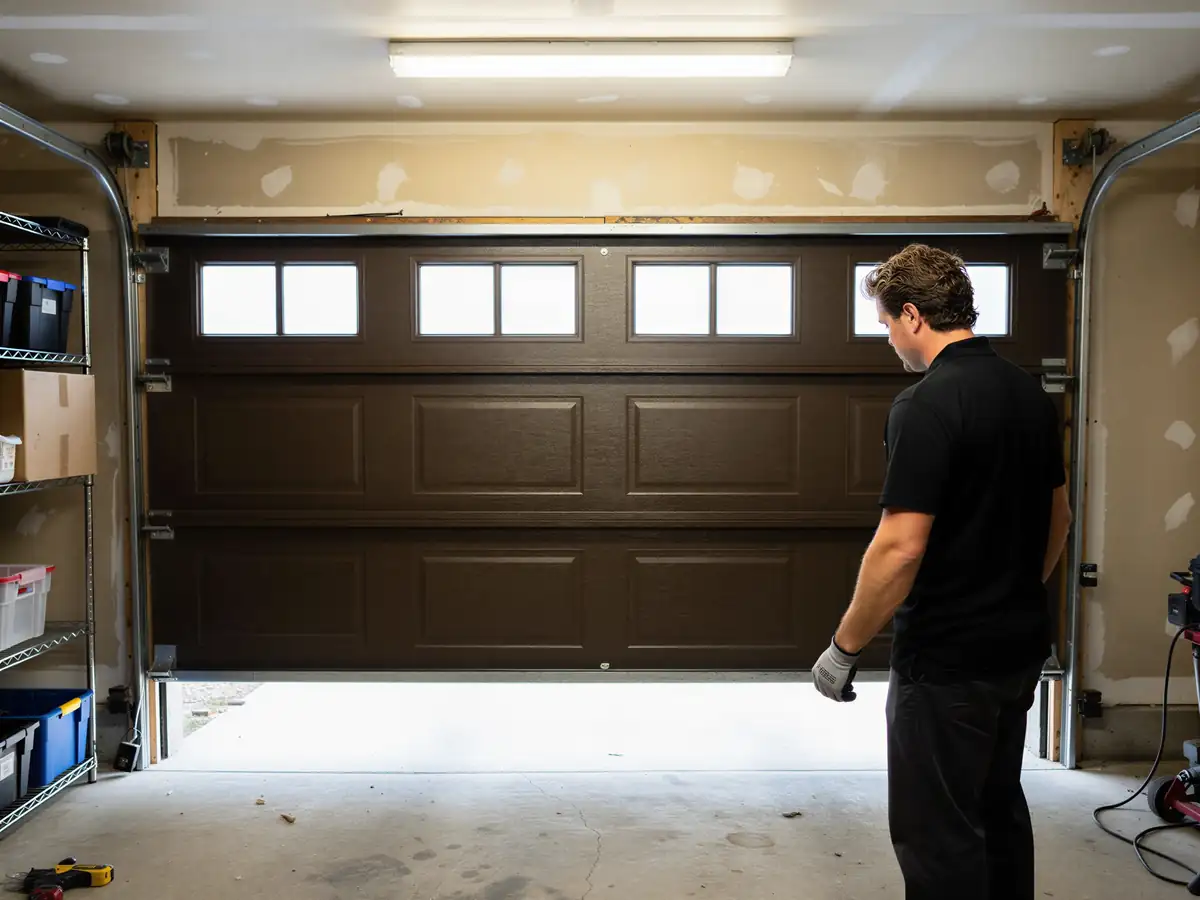
Most of Lexington's roughly 12,337 households sit in houses built around 1964, which puts the garage door hardware squarely in the original-equipment range - nobody has had a reason to touch the track brackets or the spring anchor bolts since the house went up. We come from Woburn, 5 miles off, so there's no local branch to call into; you're booking a truck that's already routed through this corner of the service area. When you call, tell us the year the house was built if you know it, and whether the opener looks like it's been swapped since - that one detail tells us more about what we're walking into than almost anything else you could say. We don't quote blind over the phone past that. A door that's never been serviced in 60 years needs eyes on the drum, the cable ends, and the hinges before anyone commits to a number.
Doing It Yourself
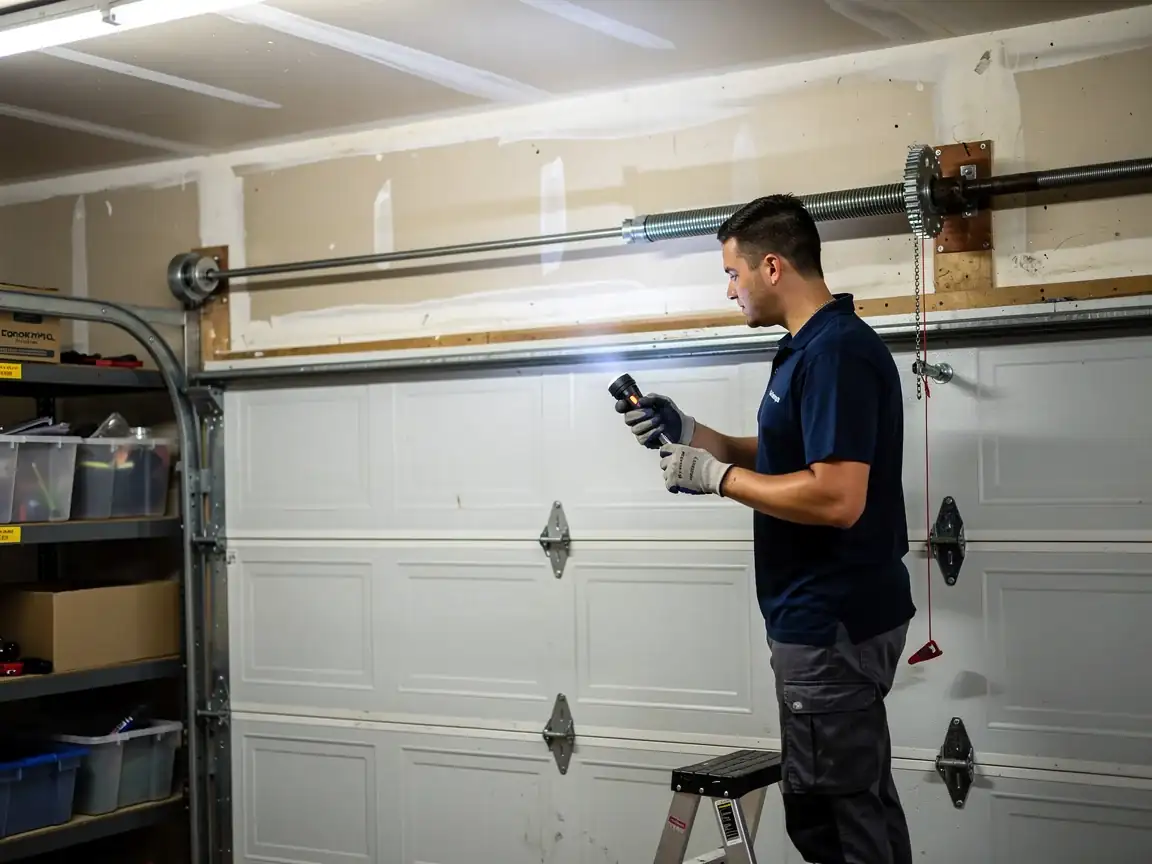
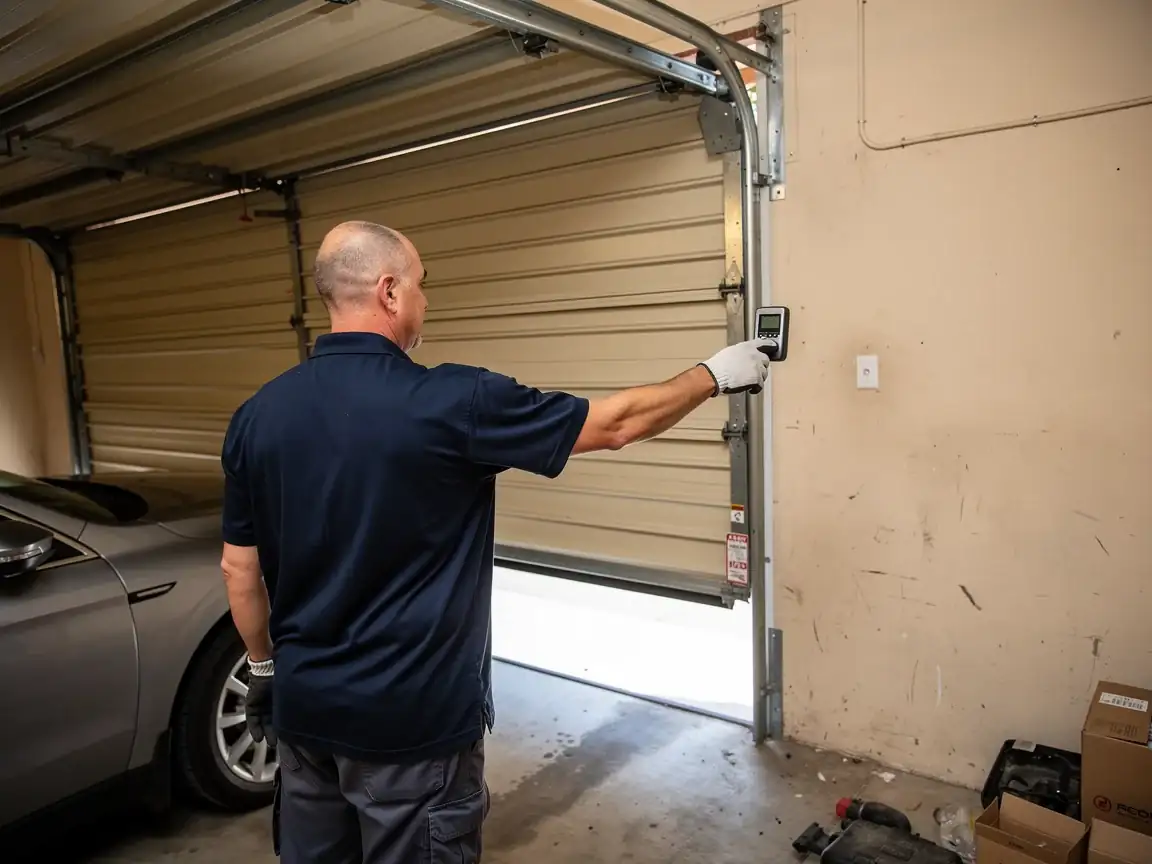
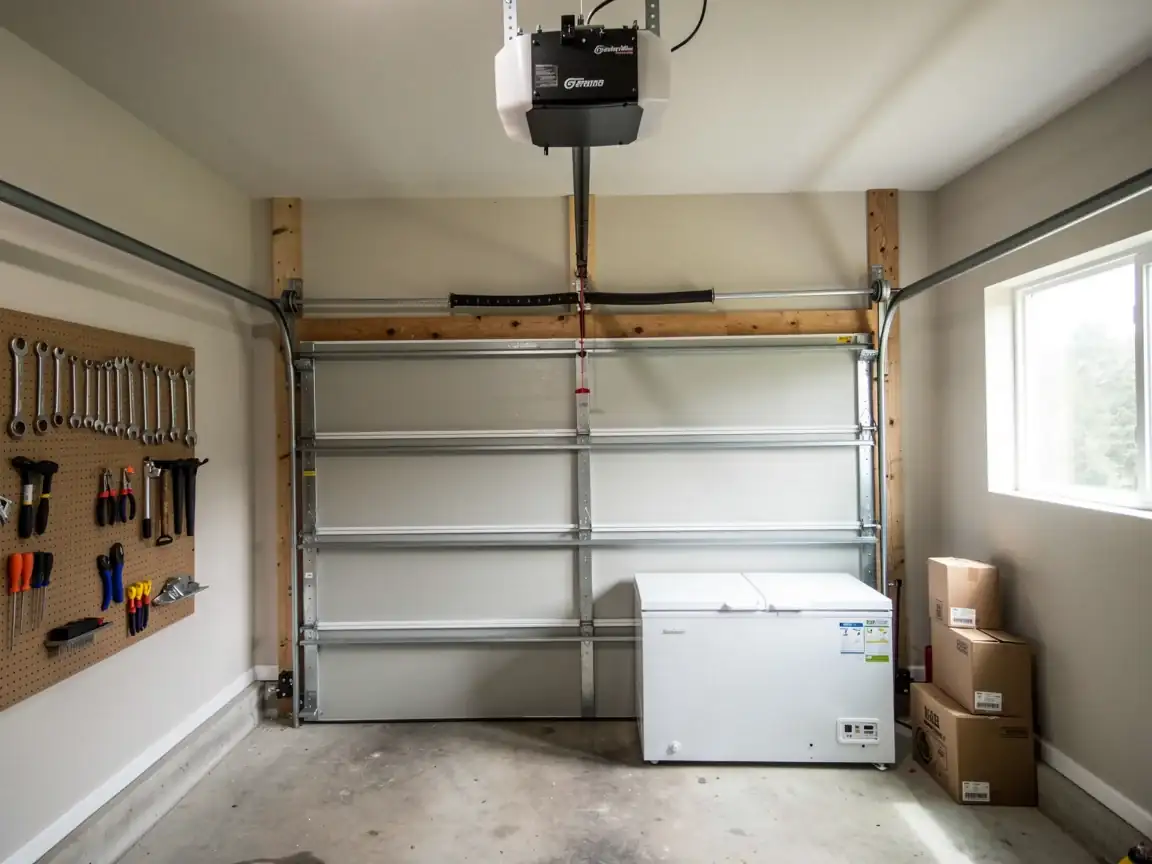
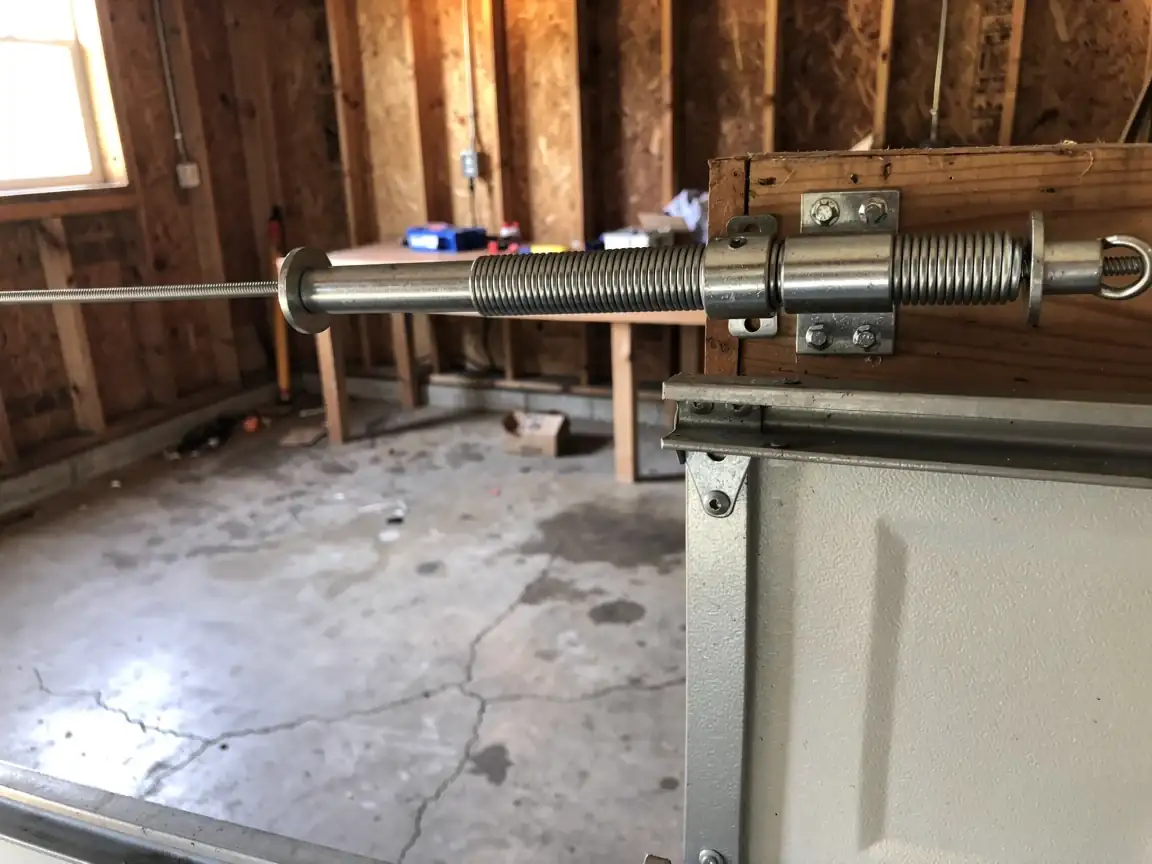
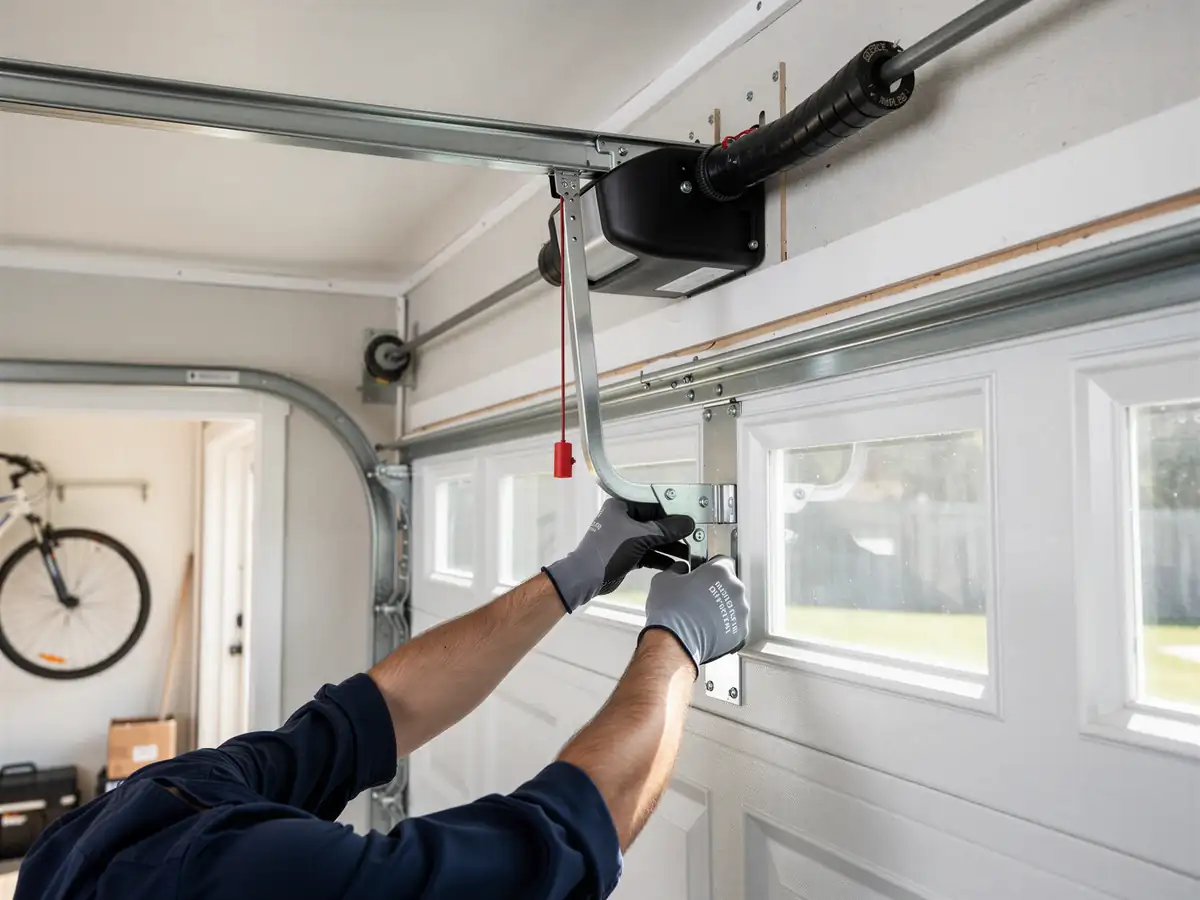
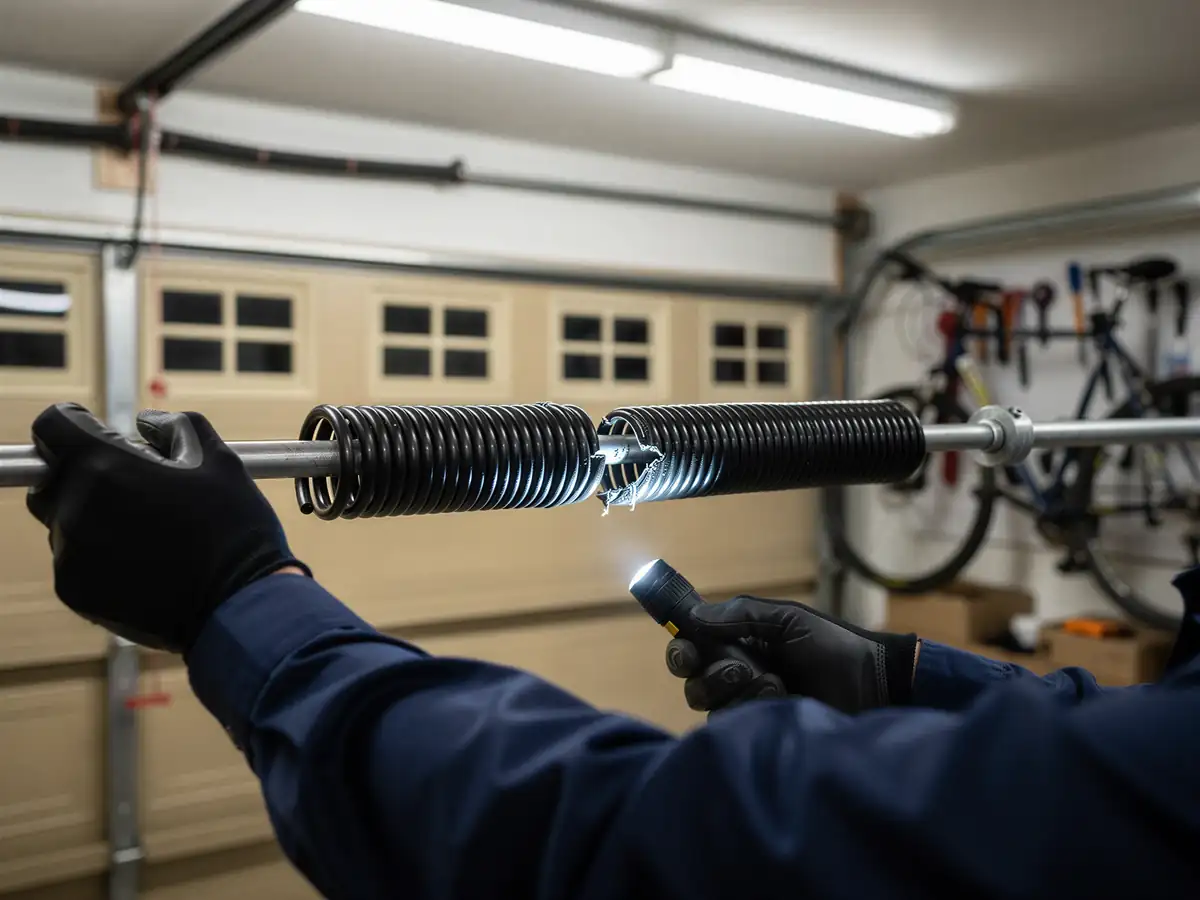
Lubricating the rollers and hinges twice a year is worth doing yourself - a white lithium spray, not WD-40, which washes grease out rather than adding it. Check that the photo-eye sensors near the floor are clean and aligned; dust and spider webs cause more false stops than actual wiring faults. What you shouldn't touch is the torsion spring itself, especially on a door this old, where the anchor bracket has been under tension since before most of Lexington's current owners bought the house. If the door is noticeably harder to lift by hand than it used to be, that's the spring losing tension - a job for a bar and a clamp, not a screwdriver. One honest limit here: if the opener is original to a 1964 build, we're not going to find parts for it. At that point the fix is a new opener, not a repair, and we'll tell you that up front rather than bill you for chasing a dead unit.
Why This Fails Locally
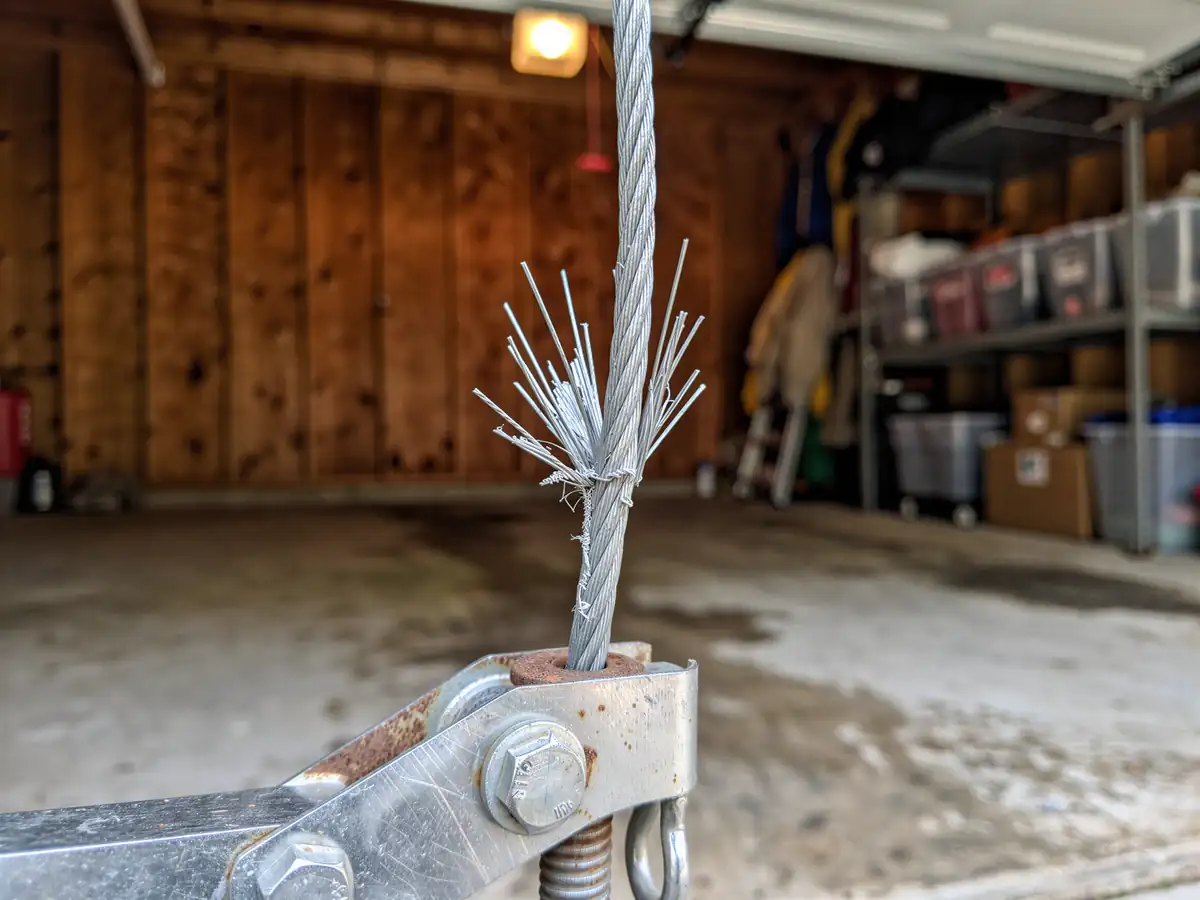
A door built around the Lexington housing stock's 1964 median was engineered for a New England winter, but not for 60 winters in a row. The region sits in a severe cold climate band, and steel springs and cables lose temper faster through repeated freeze-thaw cycling than they would somewhere milder - the metal fatigues from the inside before it looks worn from the outside. On a house this age, the torsion spring, the cable, and often the drum are all original, which means they've absorbed six decades of that cycling without a reset. The failure mode we see most in this bracket isn't a dramatic snap - it's a door that gets slowly heavier to lift by hand over a year or two, until one cold morning the opener just can't pull it anymore. By then the spring has usually already stretched past safe tension.
Stocked Parts
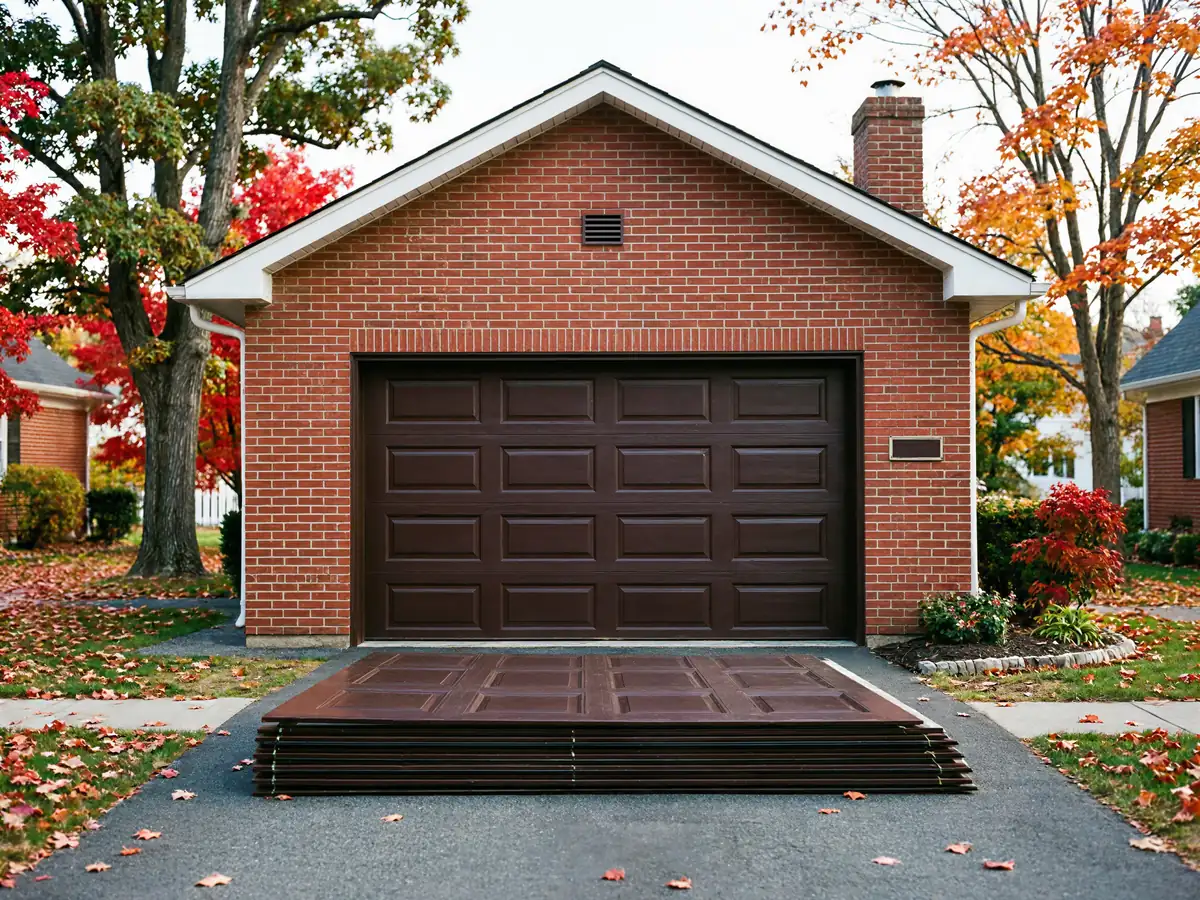
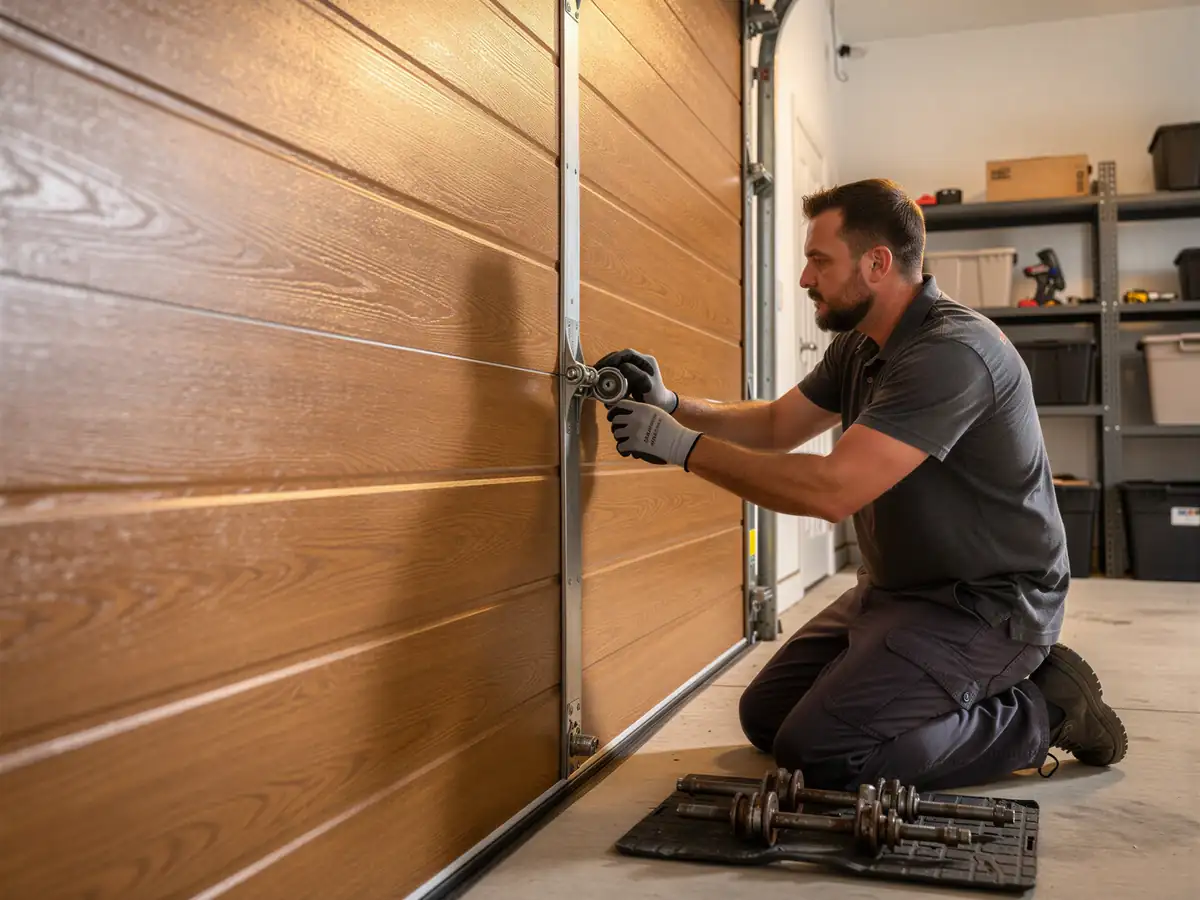
Because so much of Lexington's housing dates to the early-to-mid 1960s, we carry torsion springs and drum sets sized for that era's standard door openings, along with the older-style cable drums that don't match what's sold off the shelf today. What we don't stock is anything specific to a custom or architect-specified door - those get special-ordered, and lead time runs longer than a standard spring swap. If your house has had a door replacement since the original build, the hardware is likely newer than the house and a different conversation than what's covered here.