Why This Fails Locally
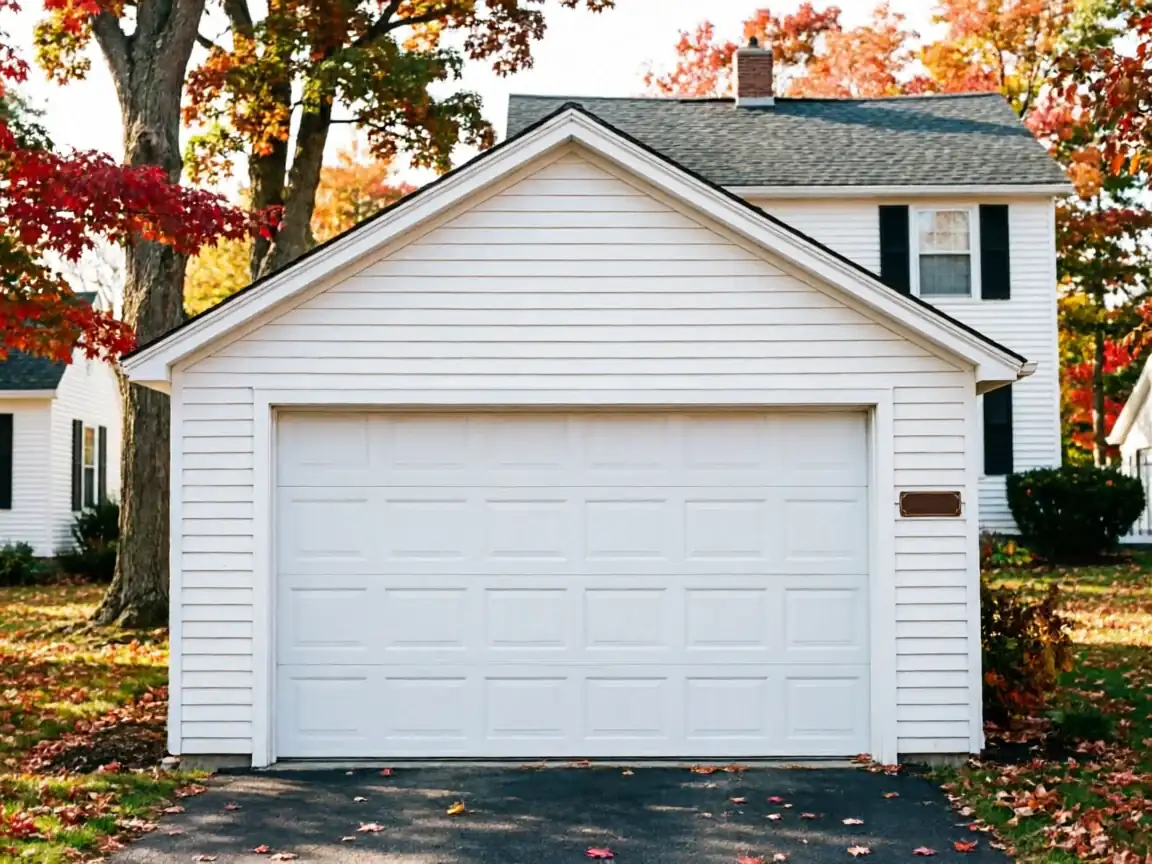
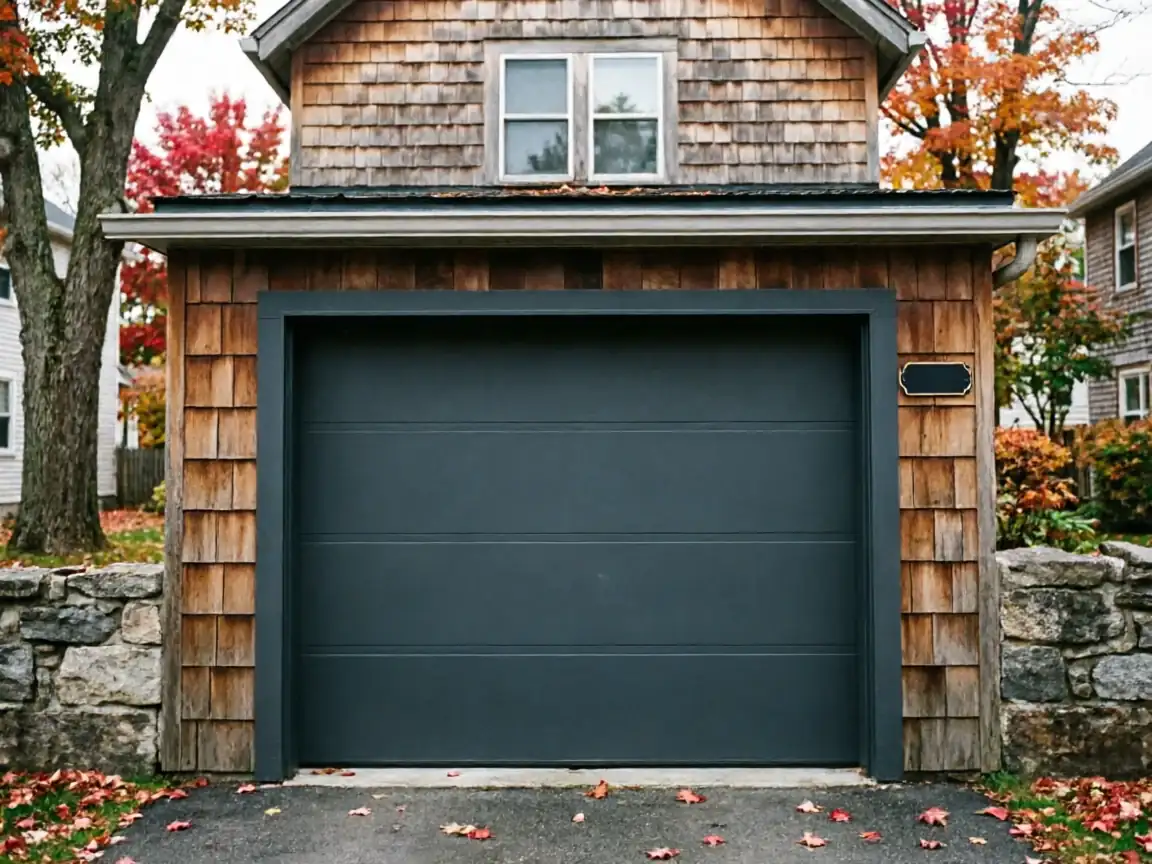
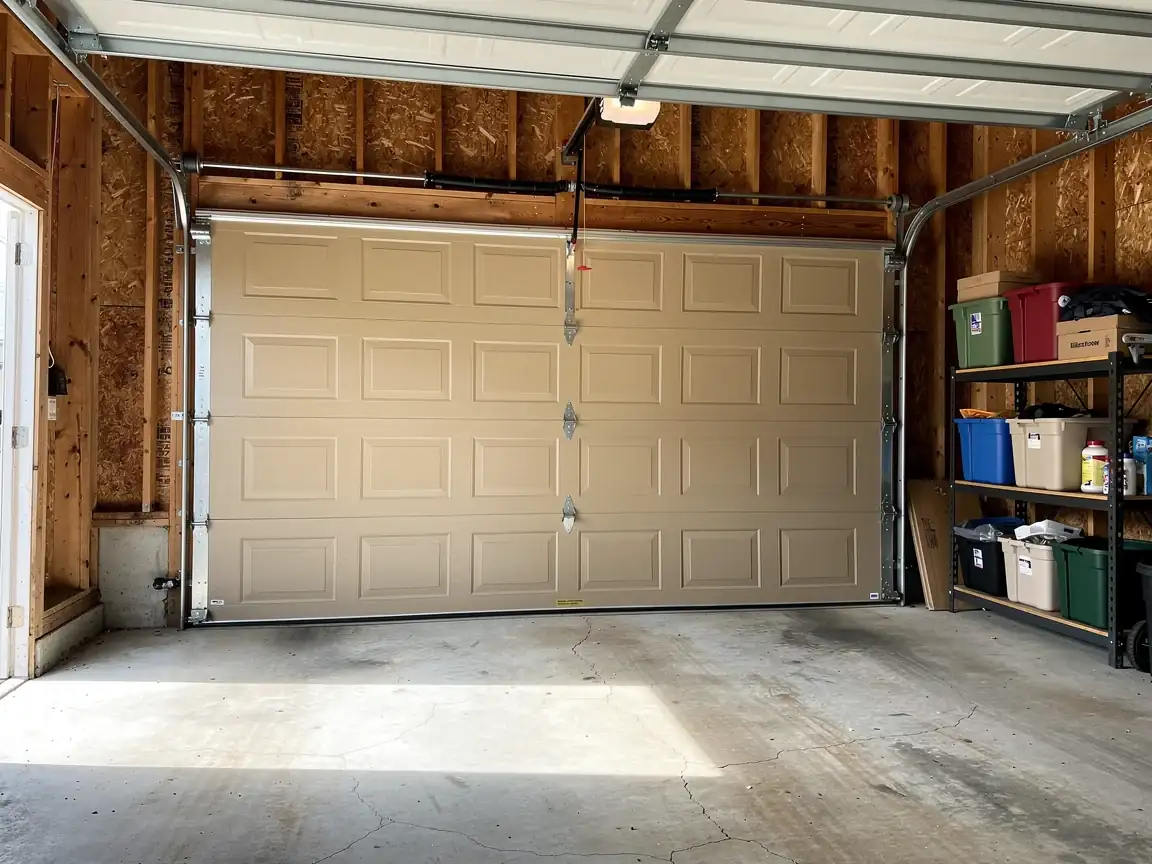
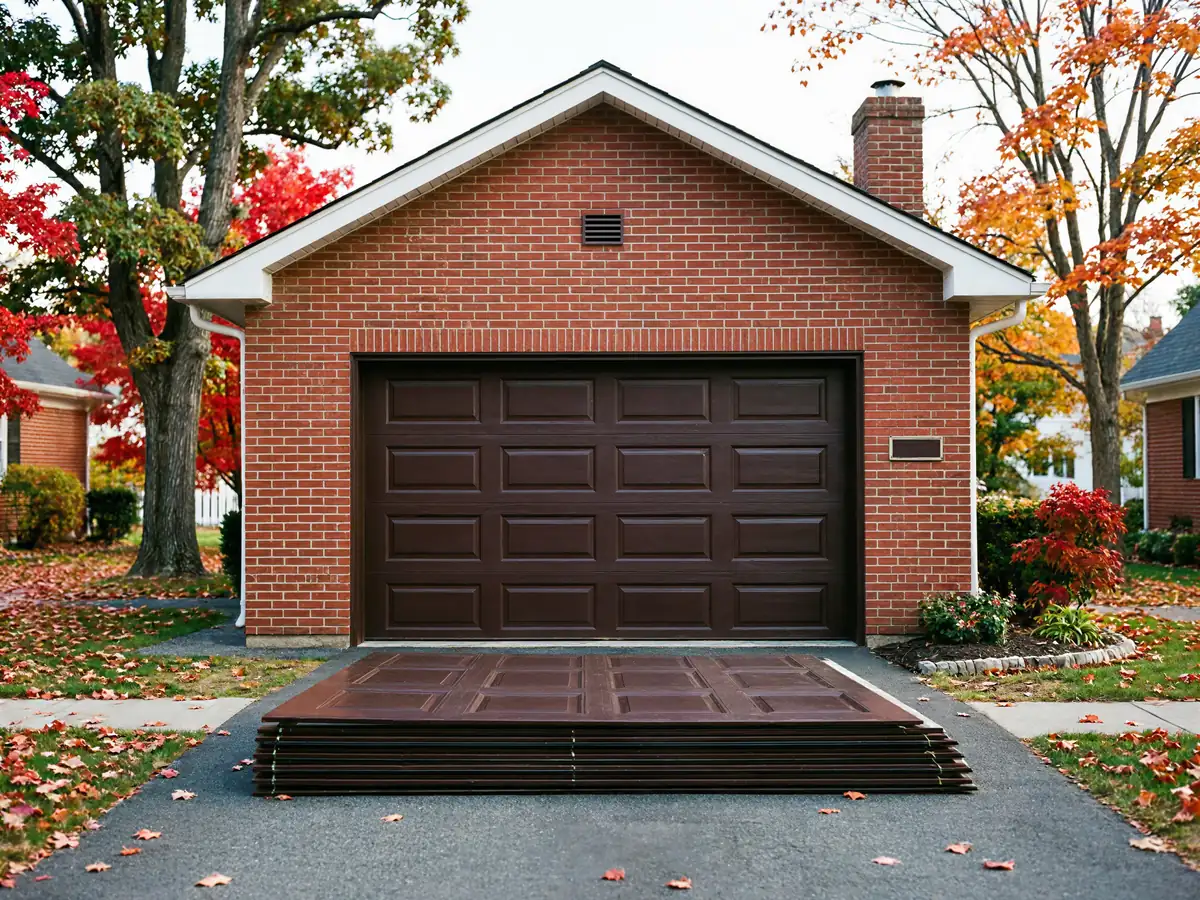
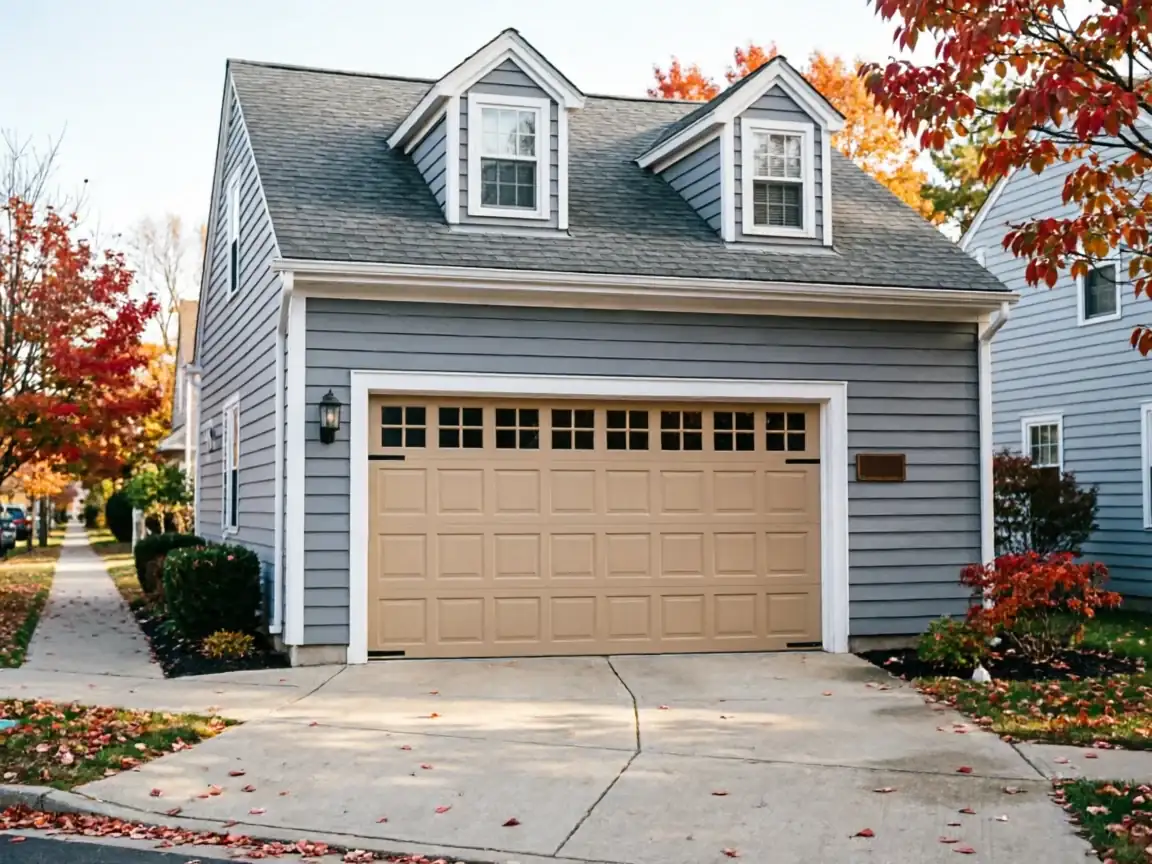
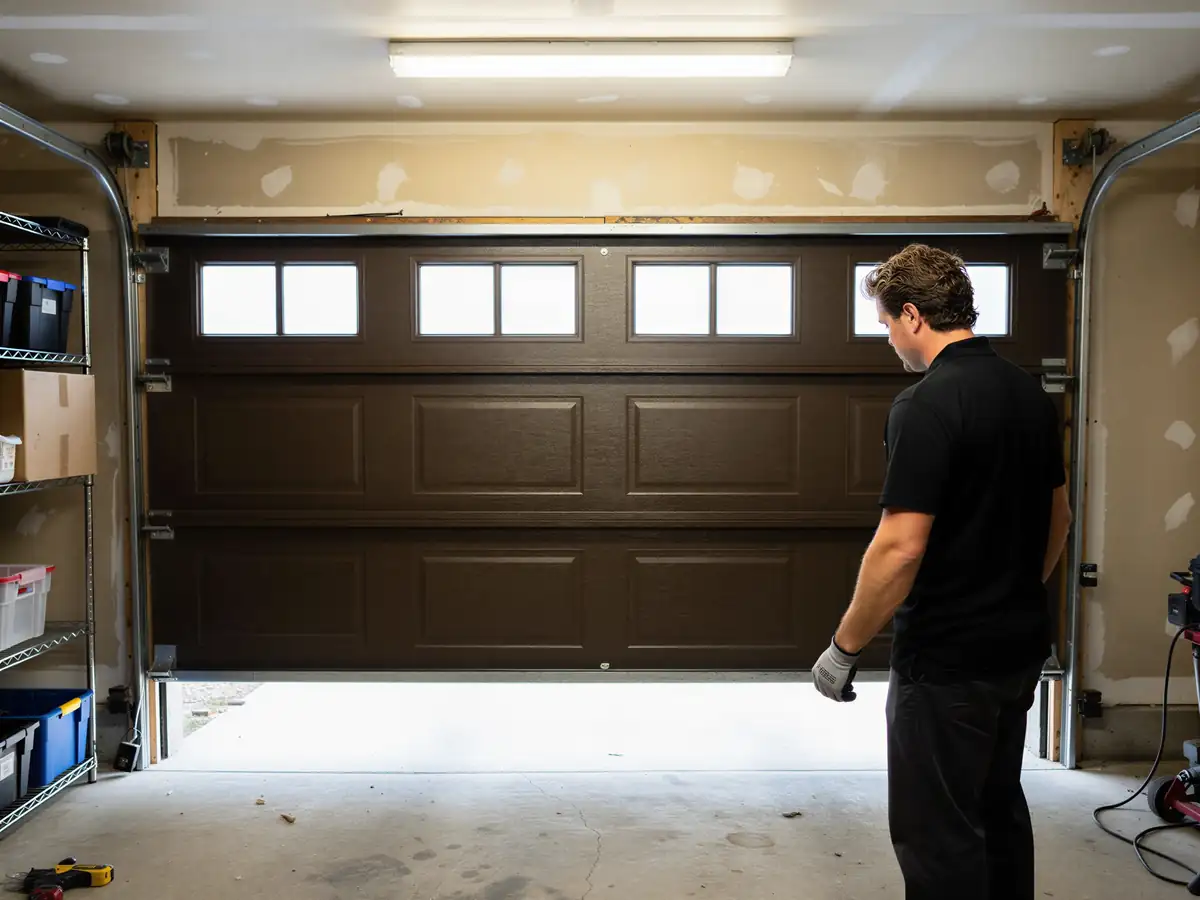
Burlington's housing stock centers on 1971, a few years newer than the broader service area median of 1965. That matters because by the early 1970s, builders here had mostly moved off wood panel doors and onto early steel sectional doors, usually on a single torsion spring instead of the older two-spring extension setups common in prewar stock. The doors are wider too - two-car garages became standard in this build wave, so you're looking at 16-foot double doors more often than the narrower 8 and 9-foot single bays from the 1940s and 50s housing nearby.
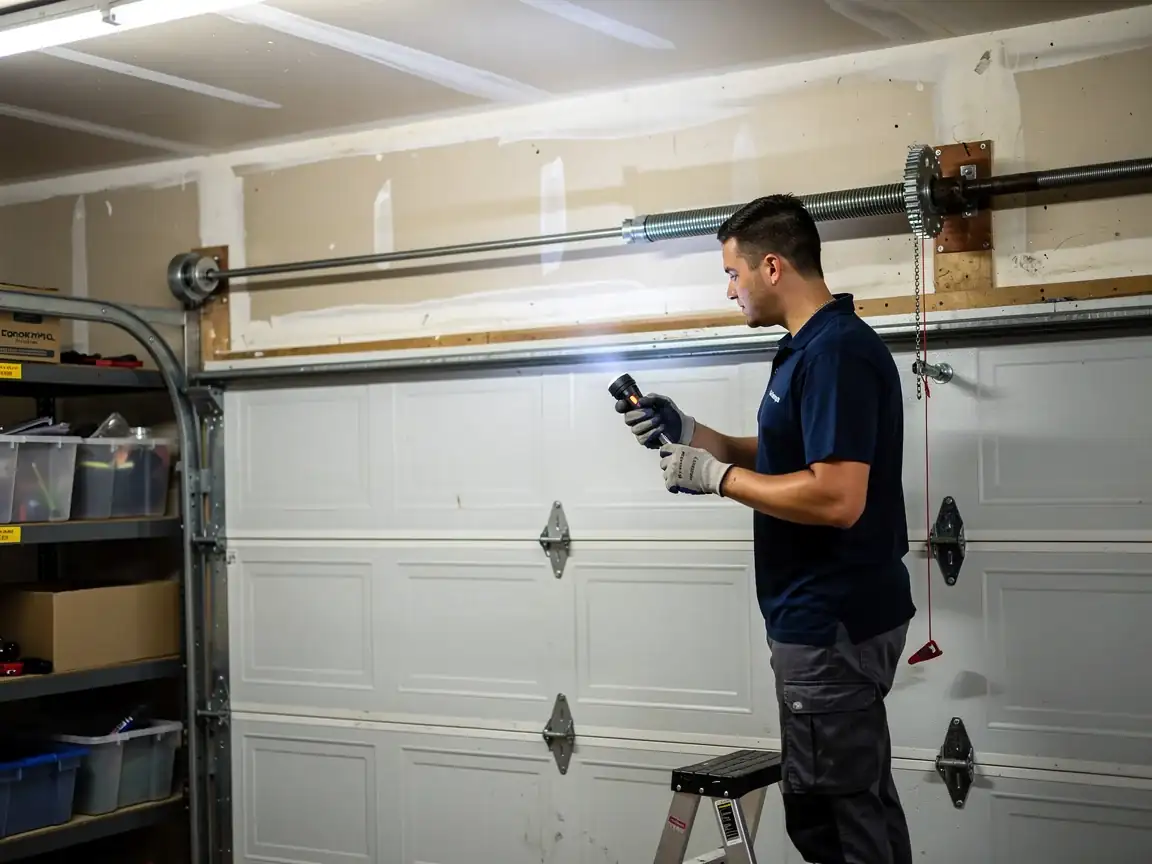
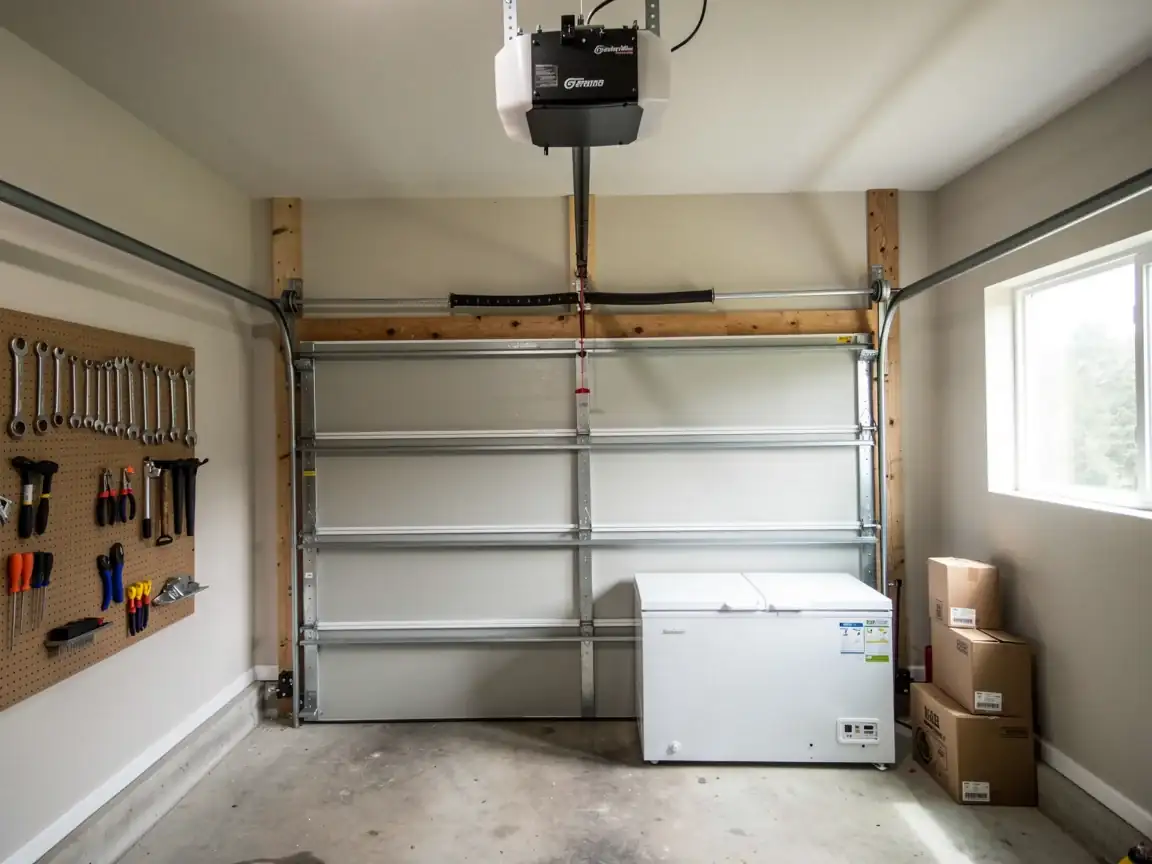
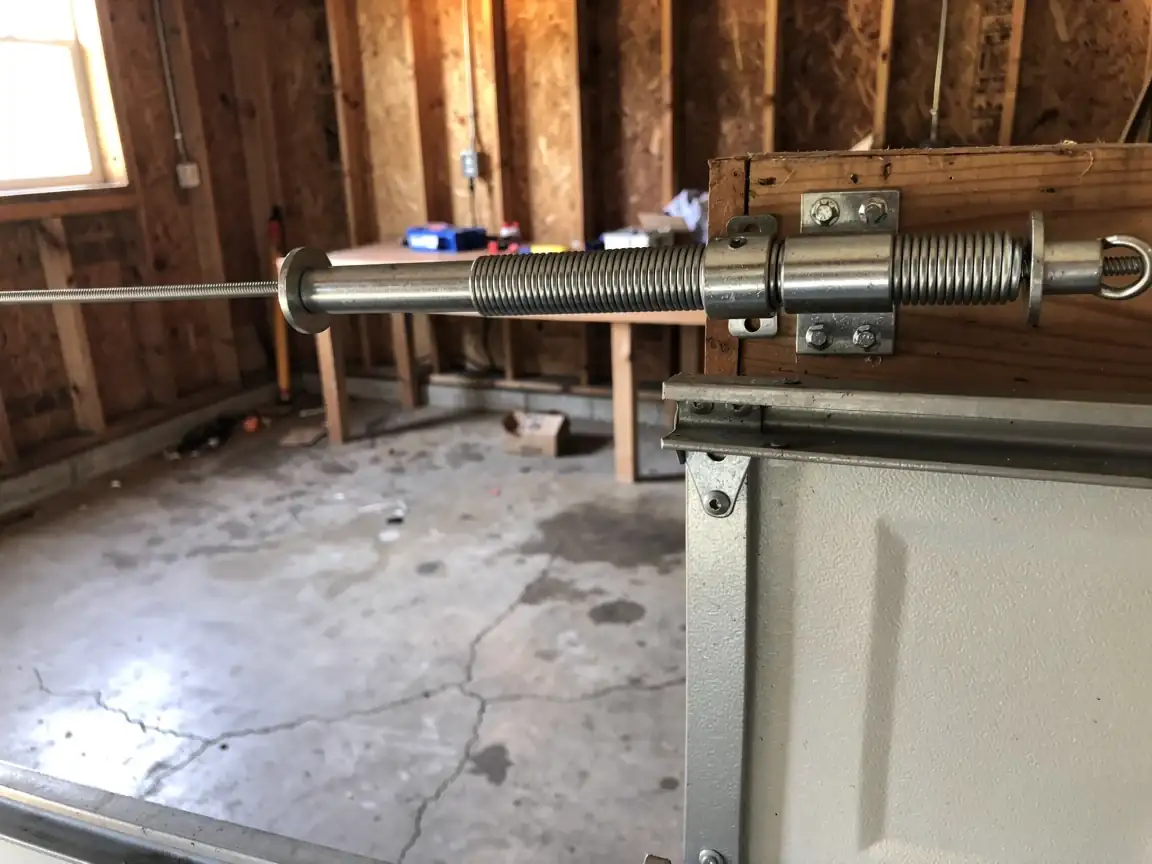
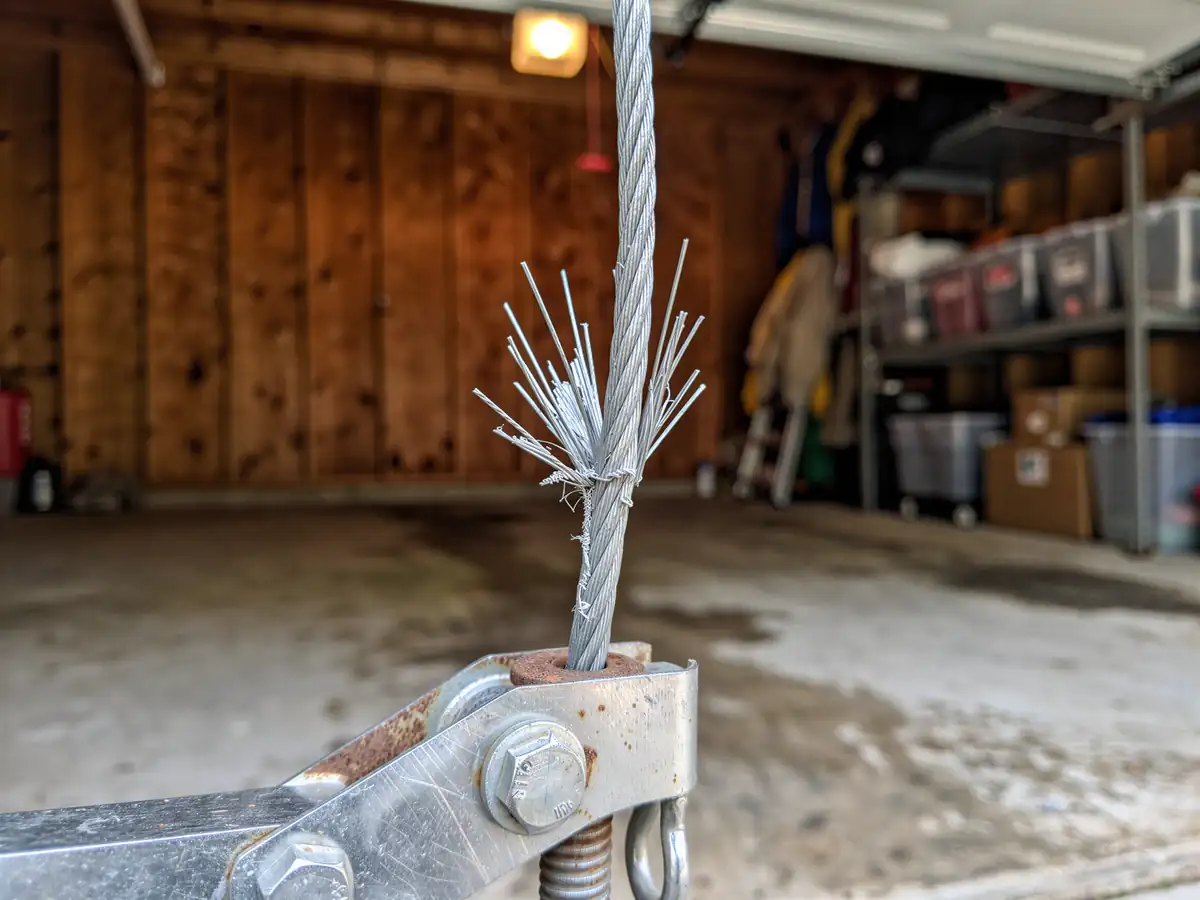
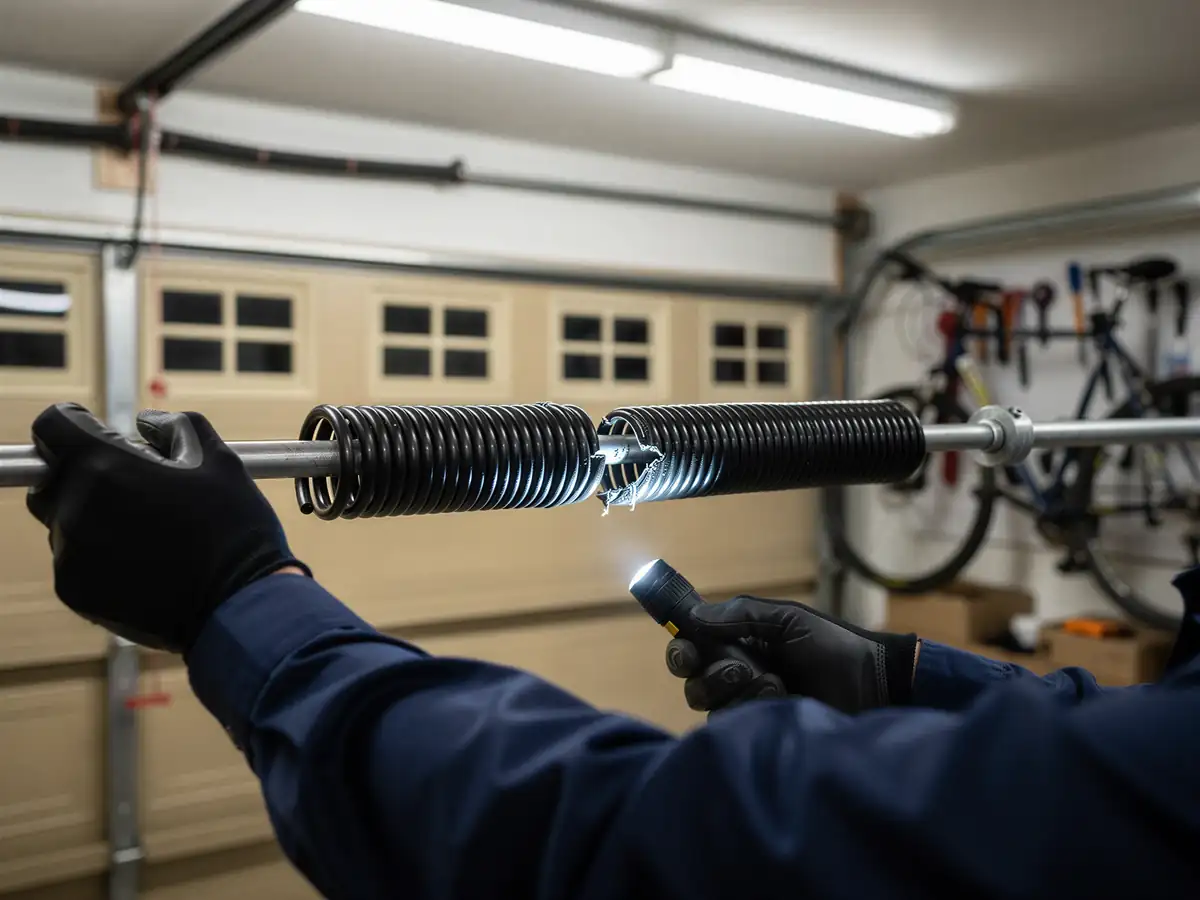
Fifty-plus years on, the steel skins are usually fine. What fails is the stuff bolted to them: the original torsion spring (rated for a lighter door than any insulated replacement panel homeowners have swapped in since), the center bearing plate, and the lift cables, which were never designed to run this long without a look. The service area overall sits in a COLD severe climate band, and that cold is hard on old cable and spring steel - it gets brittle faster than people expect, especially on a door that hasn't been serviced since it was installed.
A maintenance visit on a Burlington door isn't the same job as one on a house built in 1945. Different spring size, different door weight, different wear pattern. That's the whole reason to look at the build year before you look at the symptom.
Stocked Parts
We carry torsion springs sized for the standard 1970s-era double door, along with the rollers, cables, and center bearings that match that hardware generation. Those parts move through more Burlington jobs than almost anything else we stock, because so much of the town's garage stock landed in that same narrow build window around 1971.
What we don't stock on the truck: parts for doors predating the 1960s switch to steel, or anything custom-width outside the standard single and double sizes. If a Burlington door turns out to be an odd original size, or something was modified by a previous owner, that part gets ordered and the job becomes two visits instead of one. We'd rather tell you that up front than pretend every door is a stock fit.
Time on the Job
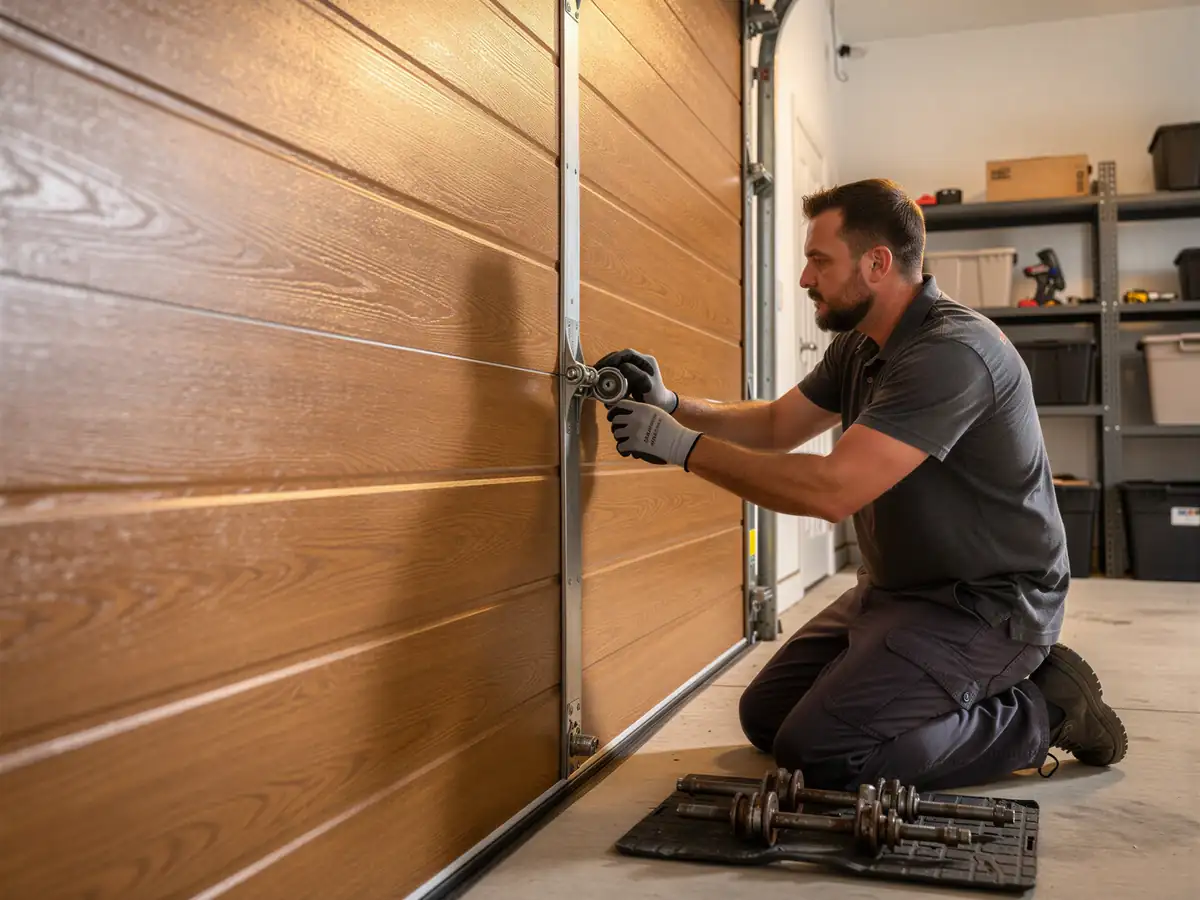
A standard maintenance visit on a Burlington double door
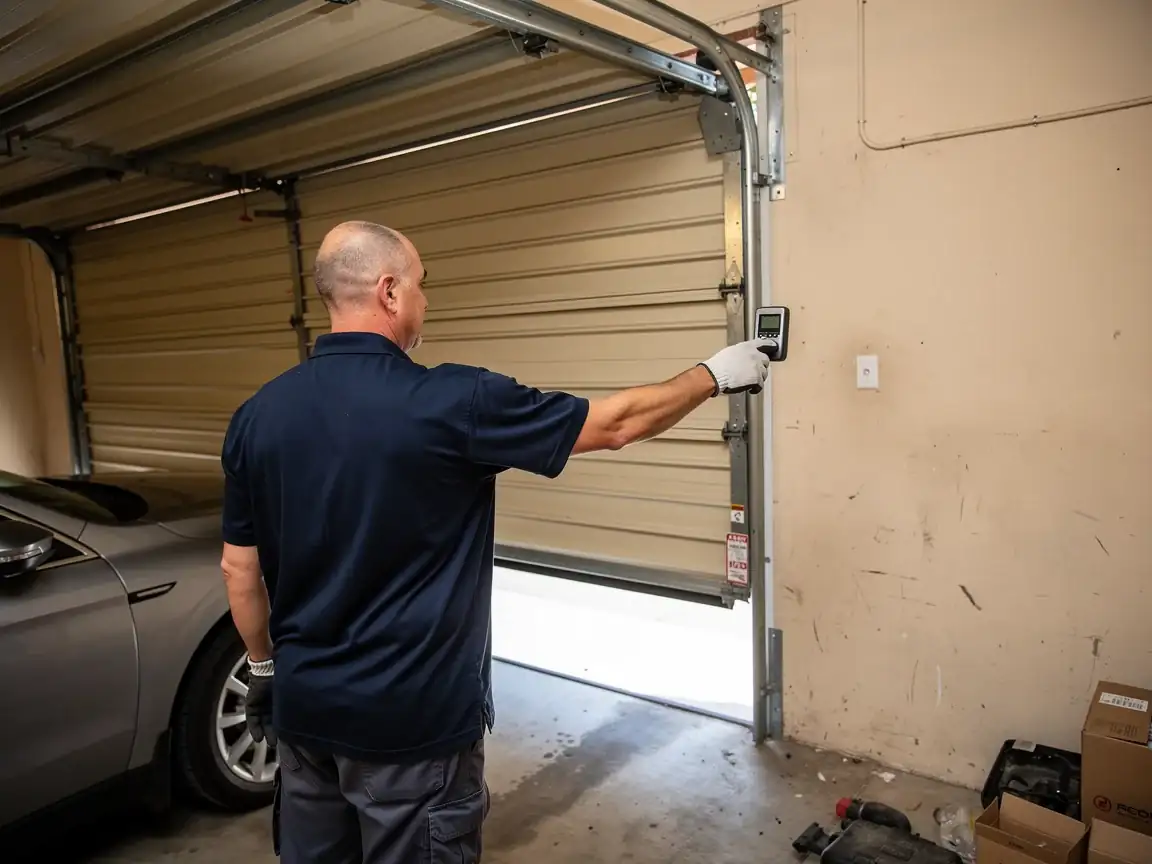
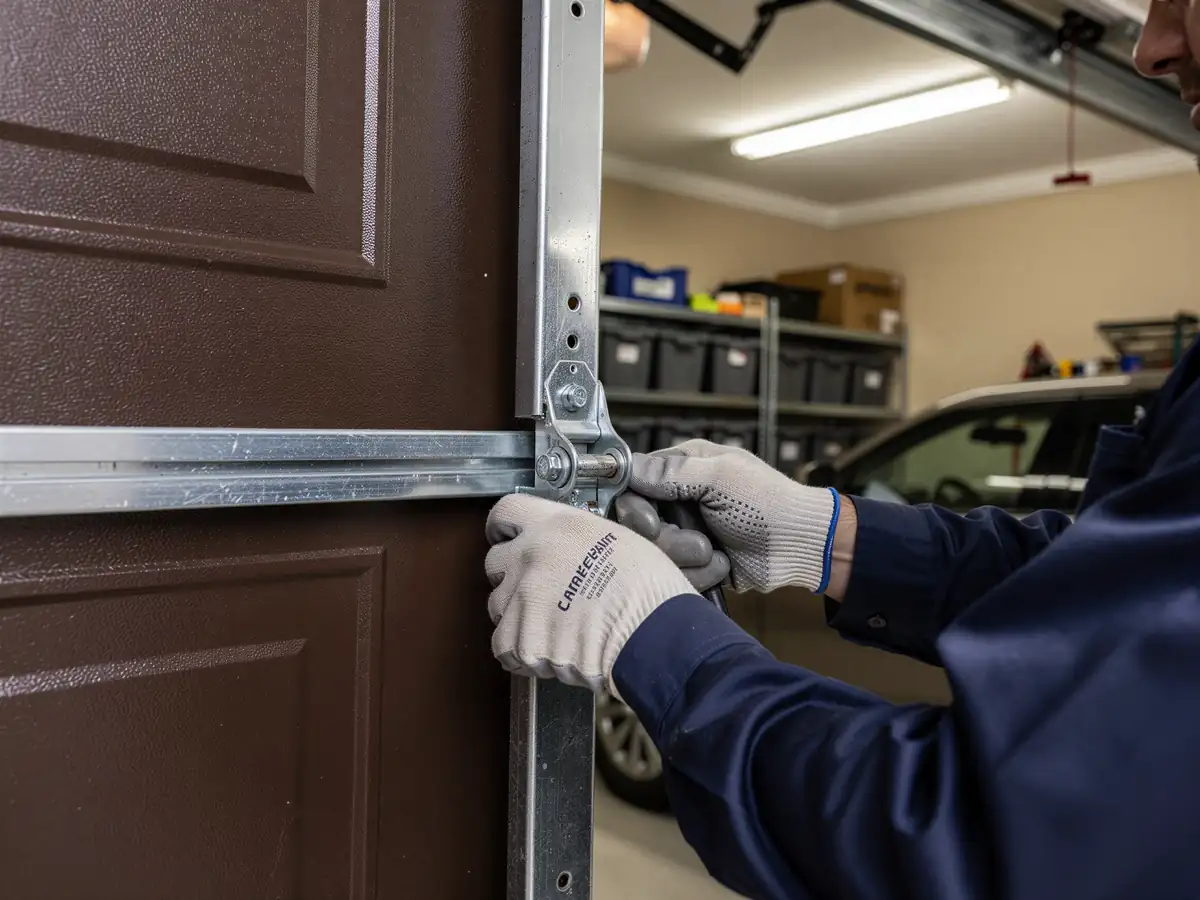
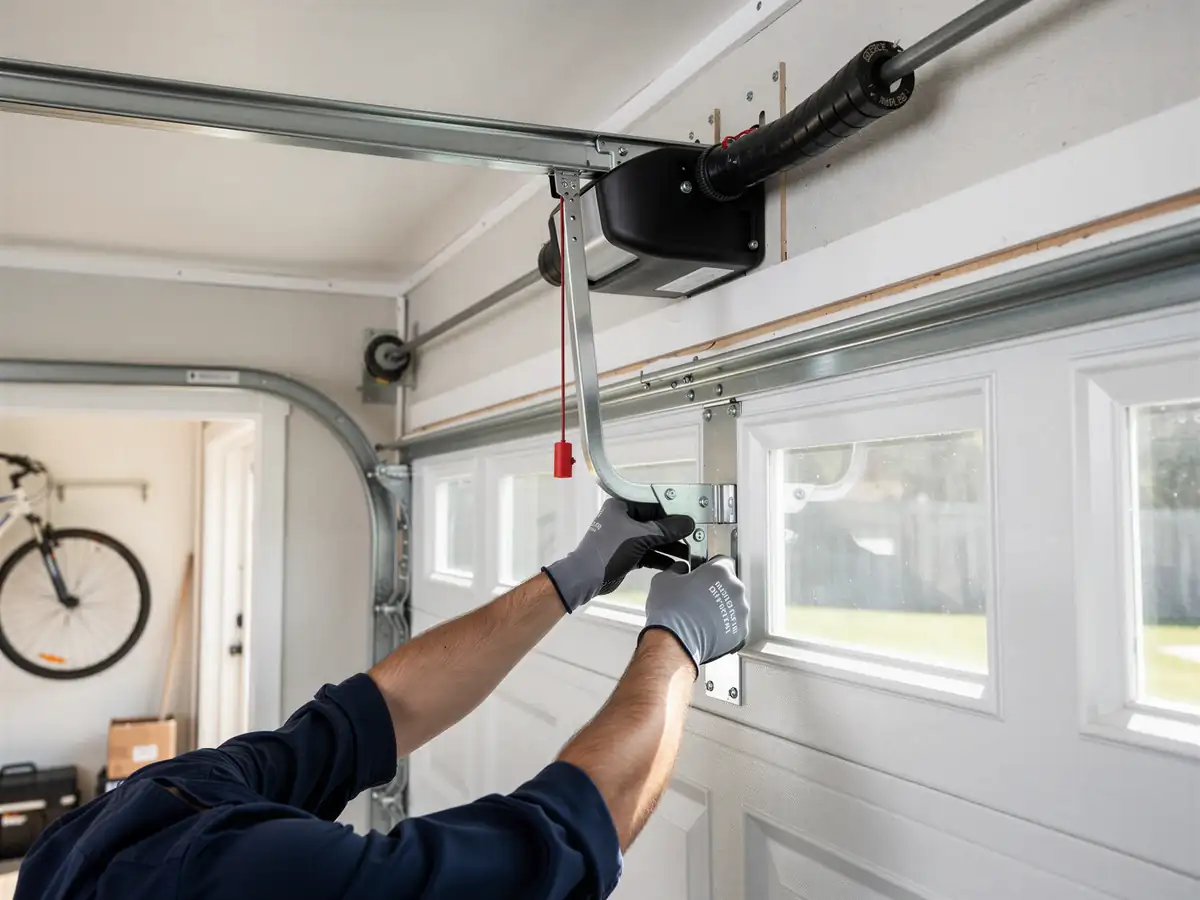
Spring check, cable inspection, roller and bearing service, track alignment - runs the same scope as any sectional door of that age and size. The age of the hardware is what decides whether it's a quick service call or a parts swap: original torsion springs from the early 1970s are now past the point where lubrication alone fixes the noise or drag, and cables that have never been replaced are a cable-replacement job, not a tune-up.
We come out of Woburn, about 3 miles away
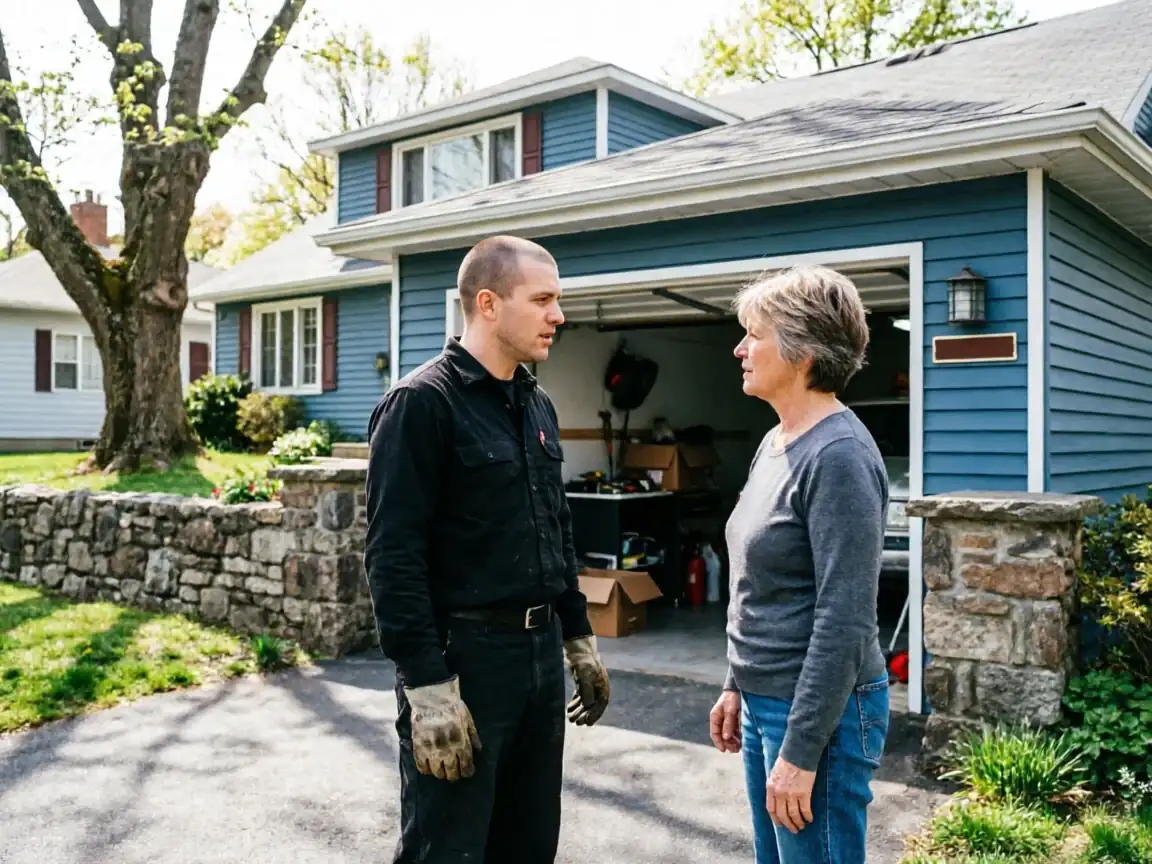
So there's no separate dispatch or travel charge built into the visit beyond the normal service call. What we can't do is promise a same-day slot purely because the distance is short - scheduling depends on the day's route, not the mileage.
- 3 miles
The Symptom
The complaint we hear most from this stretch of town is a double door that drags or shudders partway up, then finishes the lift with a jerk. On a door this old, that's almost always the torsion spring losing tension unevenly, or a cable starting to fray where it wraps the drum - both are things a straight lubrication job won't fix once they've started.
A second common one: the opener runs but the door barely moves, or reverses on its own. On original 1970s-era doors that have had an opener retrofitted later, the opener is often fighting a spring that's no longer matched to the door's weight. That's not an opener problem, even though it looks like one. Catching it at the maintenance stage, before the cable actually snaps or the spring lets go under load, is the whole point of servicing a door this age on a schedule instead of waiting for it to fail.