Why This Fails Locally
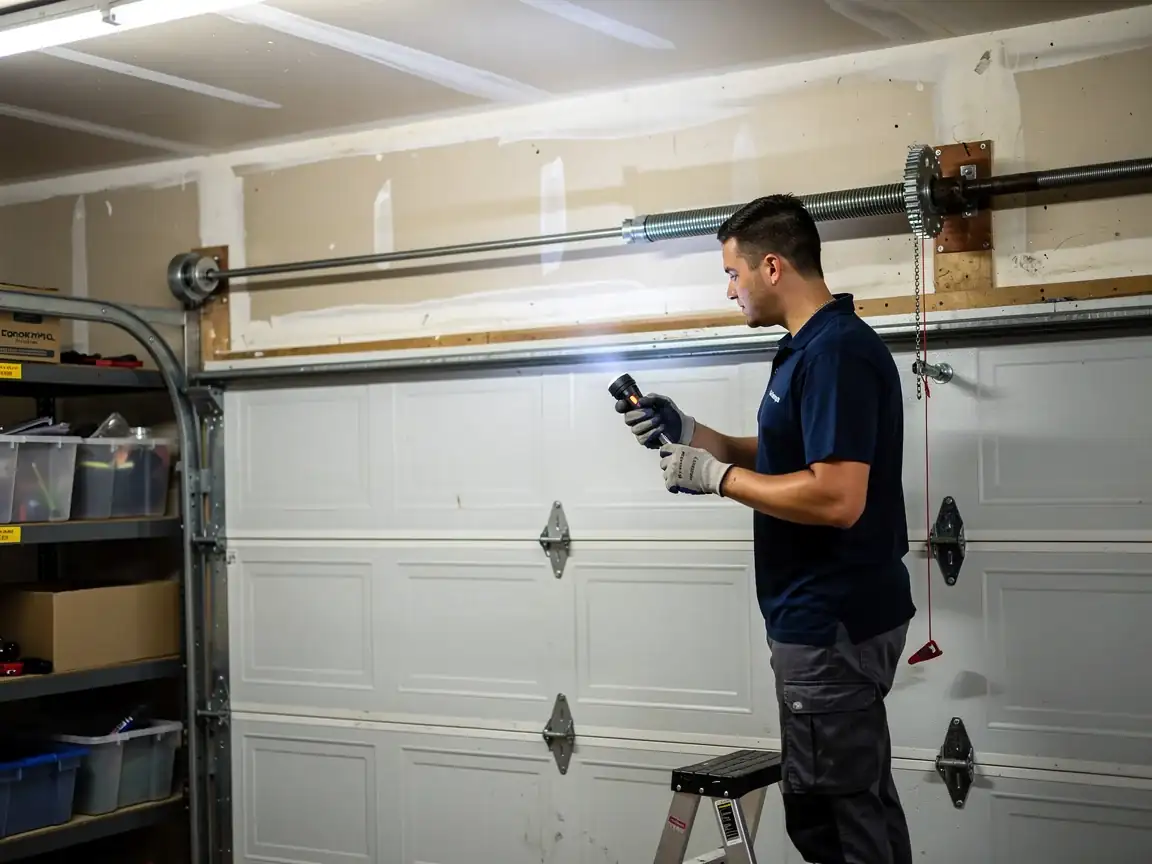
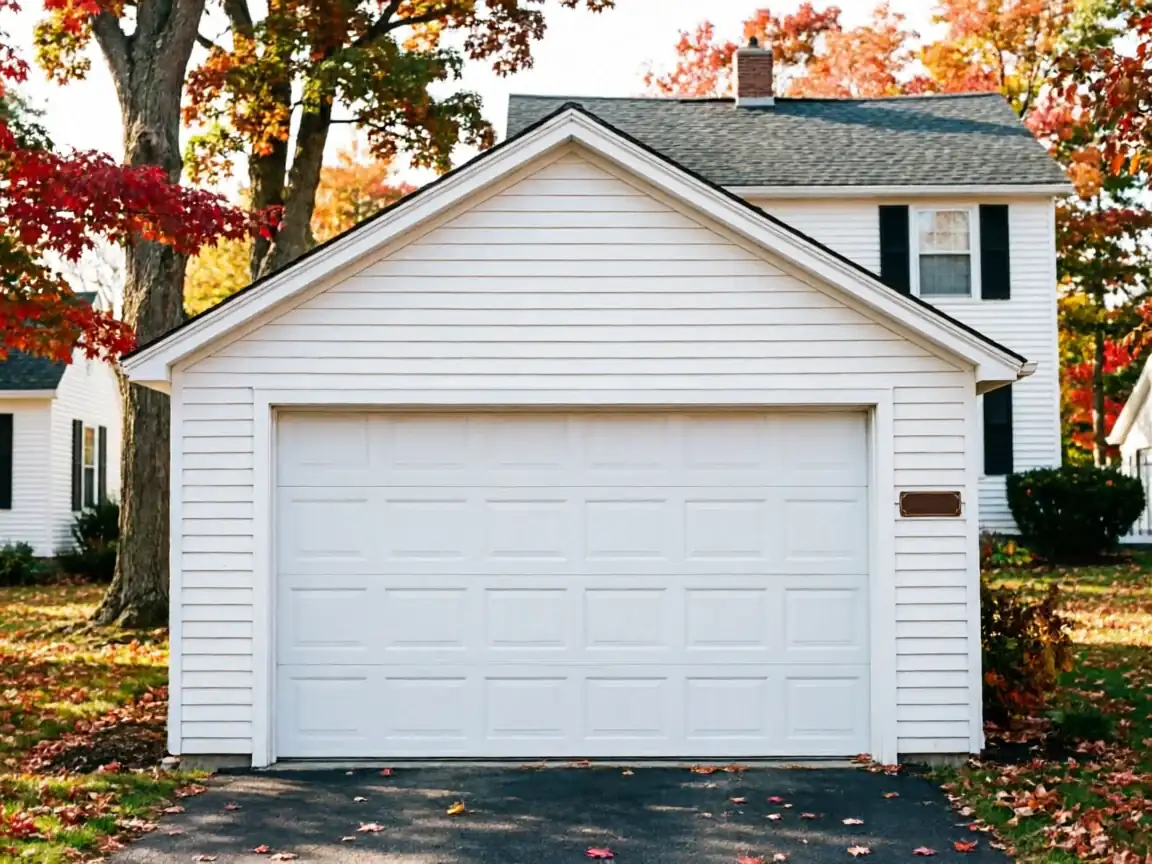
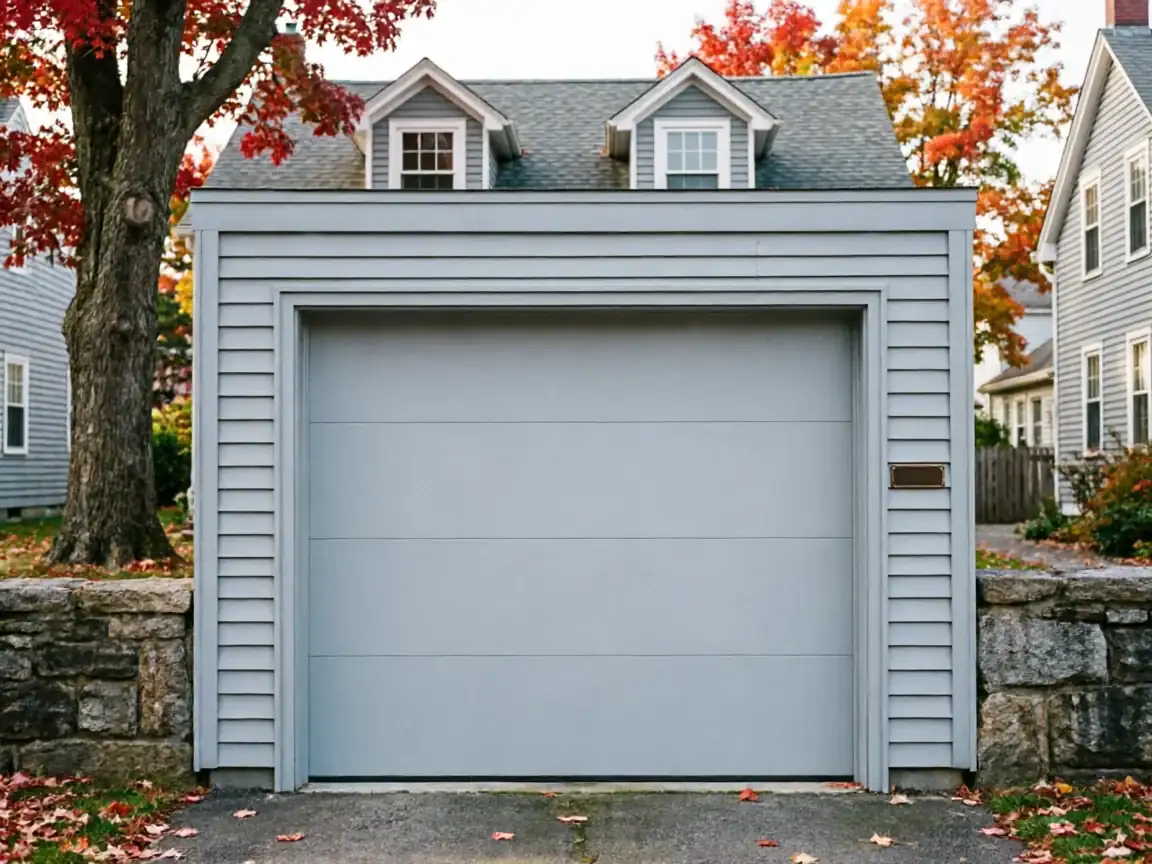
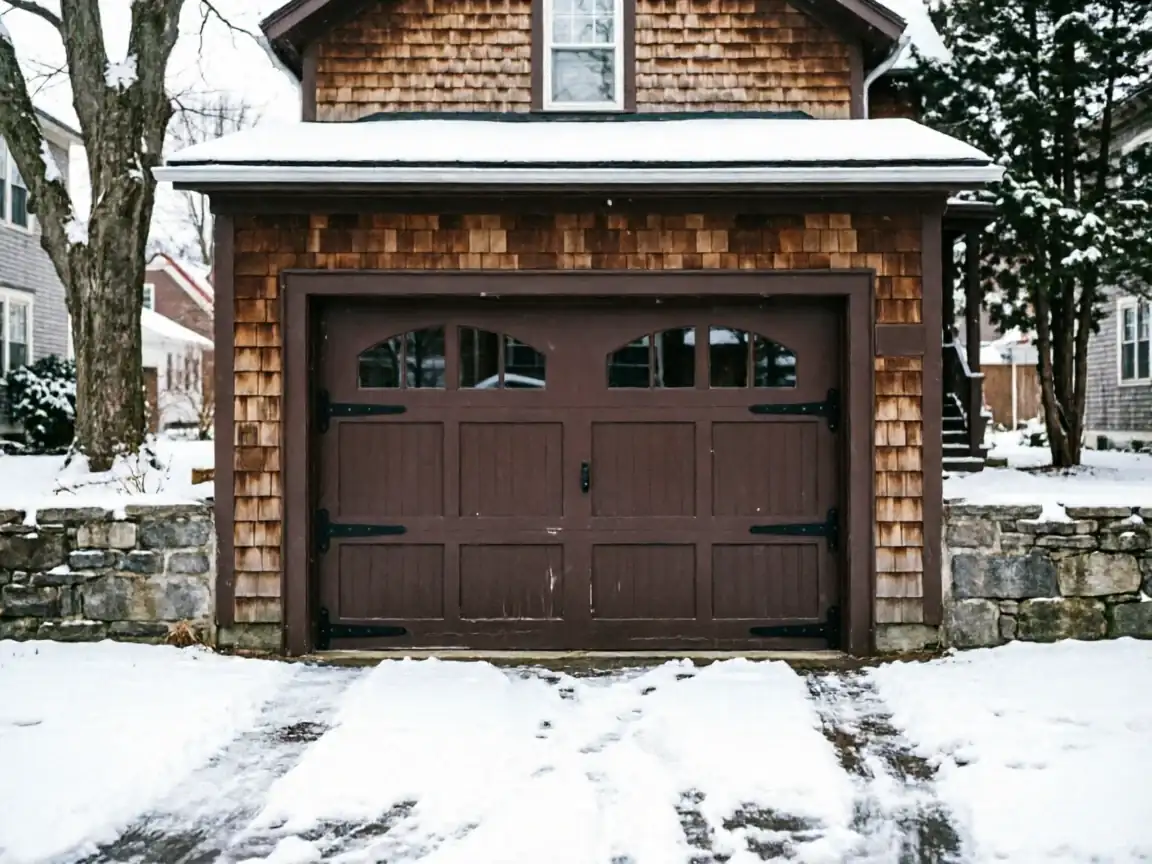
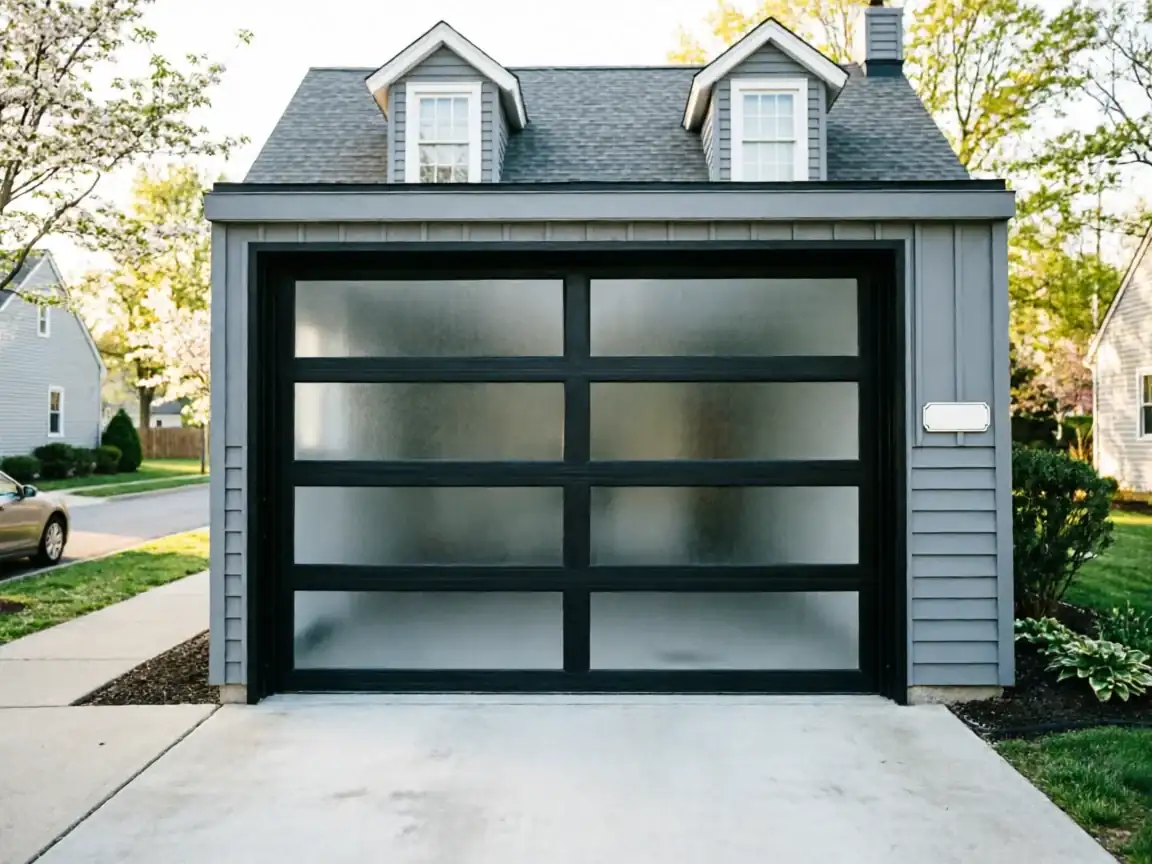
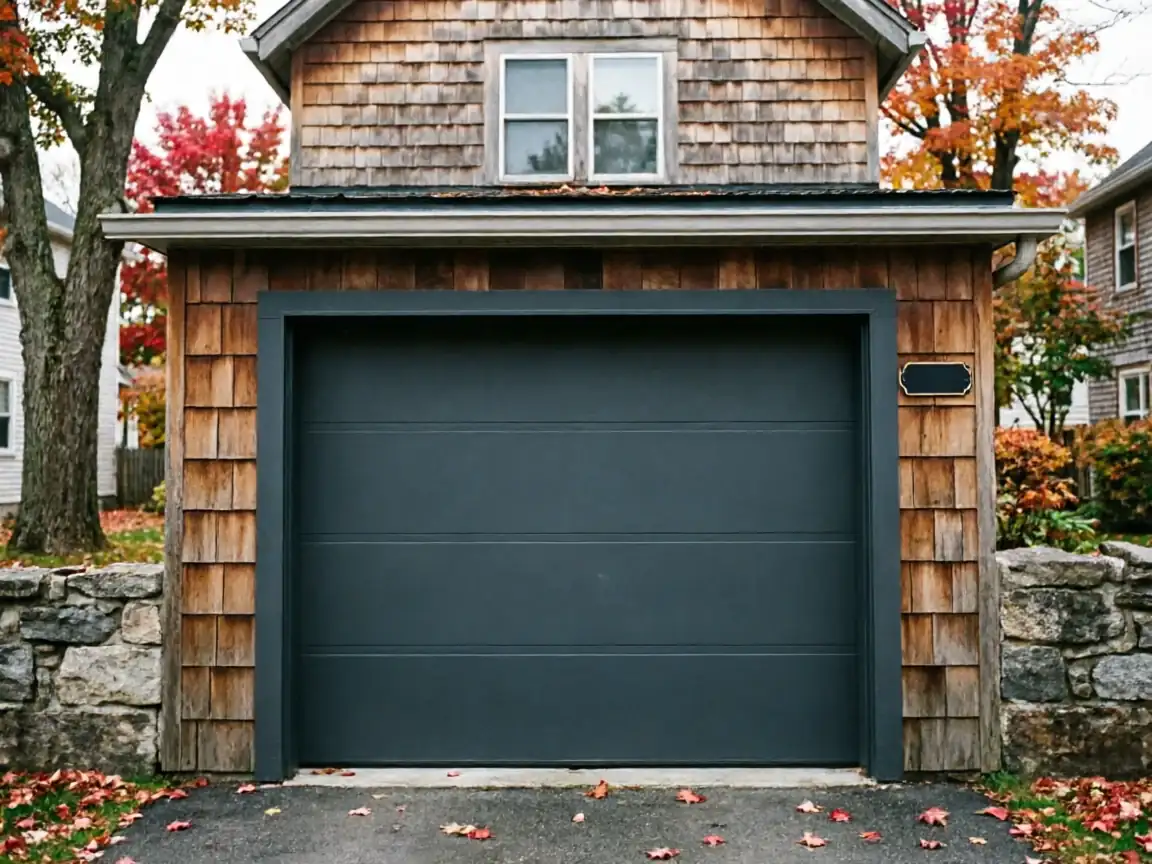
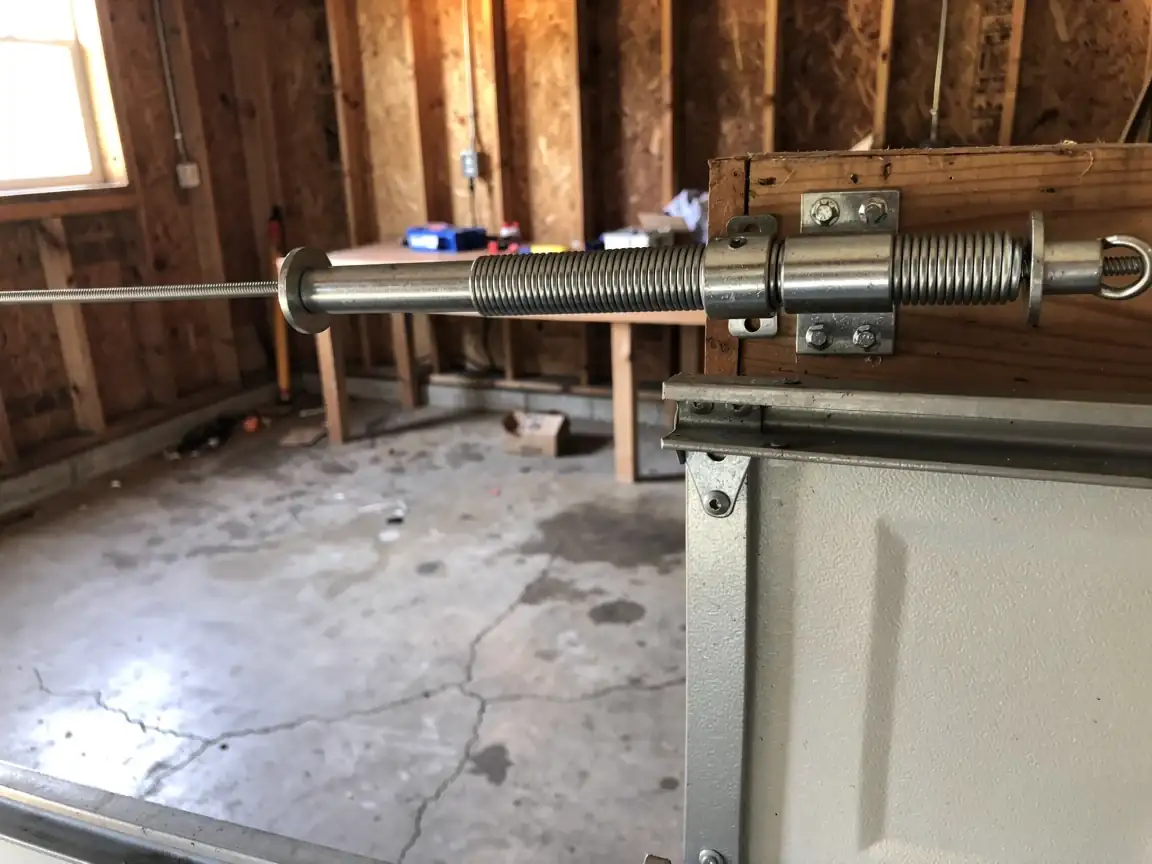
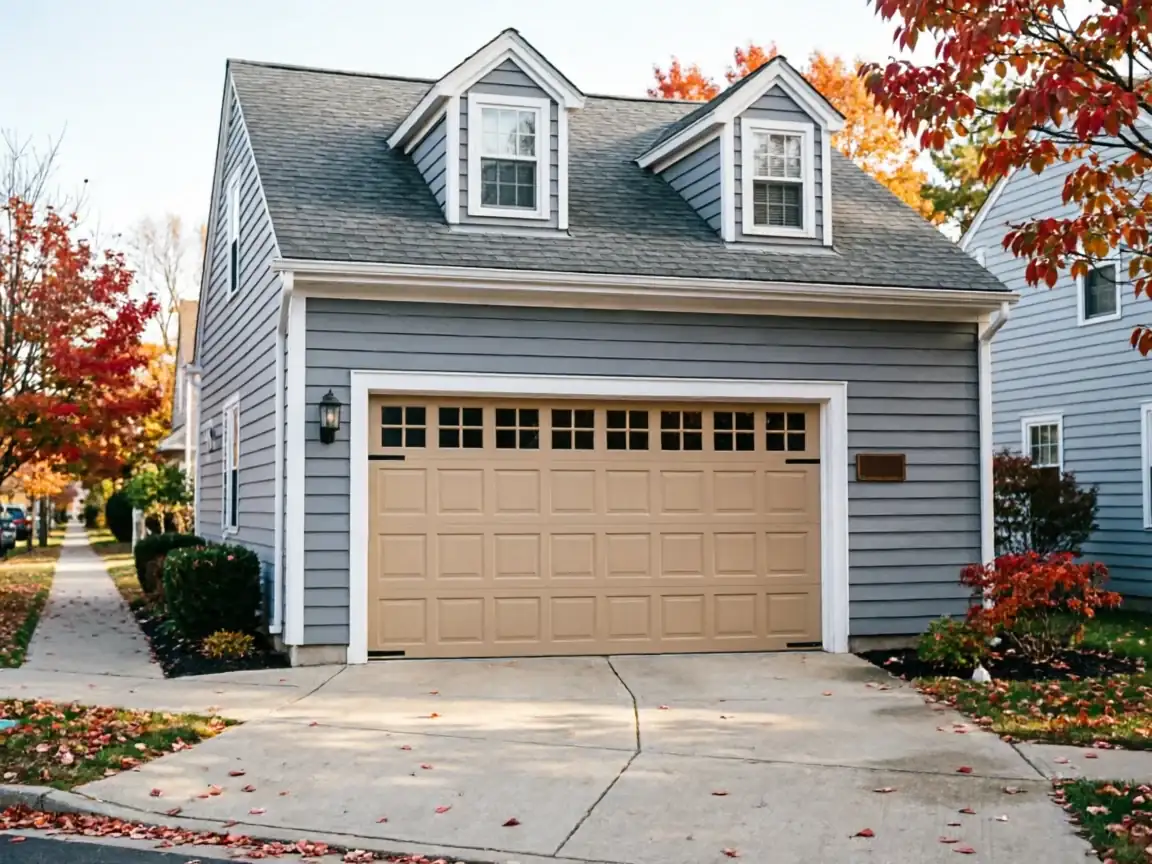
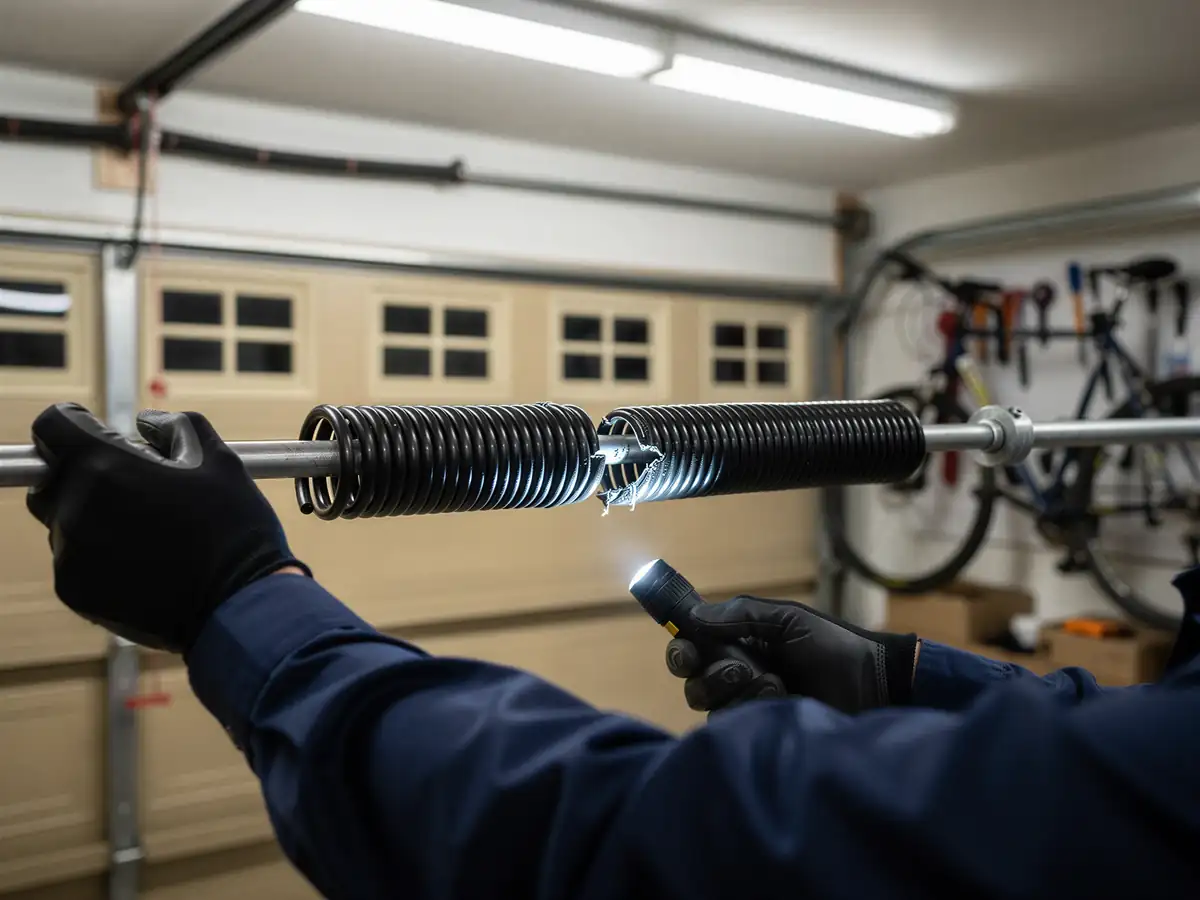
Burlington is a smaller town by household count - about 10,056 of them - which means the fault patterns we see here are narrower than in a bigger suburb. Most of the housing went up around 1971, a touch newer than the 1965 median across the wider service area, so you're less likely to find the original one-piece slab doors we pull out of older stock elsewhere. What you do find a lot of is early torsion-spring setups from the 1970s building boom, installed when steel sectional doors were just becoming standard. Those springs are now solidly past their wind-cycle life no matter how well the door's been kept, and the cold-climate swings we get this far north put extra strain on them every winter. We're 3 miles out from our Woburn shop, so a Burlington call isn't a special trip - it's a short one, and that's really the extent of what distance changes. The fault itself is about the house's age, not the address. A door installed the same year on either side of that 3-mile line is going to fail the same way, for the same reason: steel fatigue, lubrication gone dry, and hardware that was never meant to run this many decades.
Stocked Parts
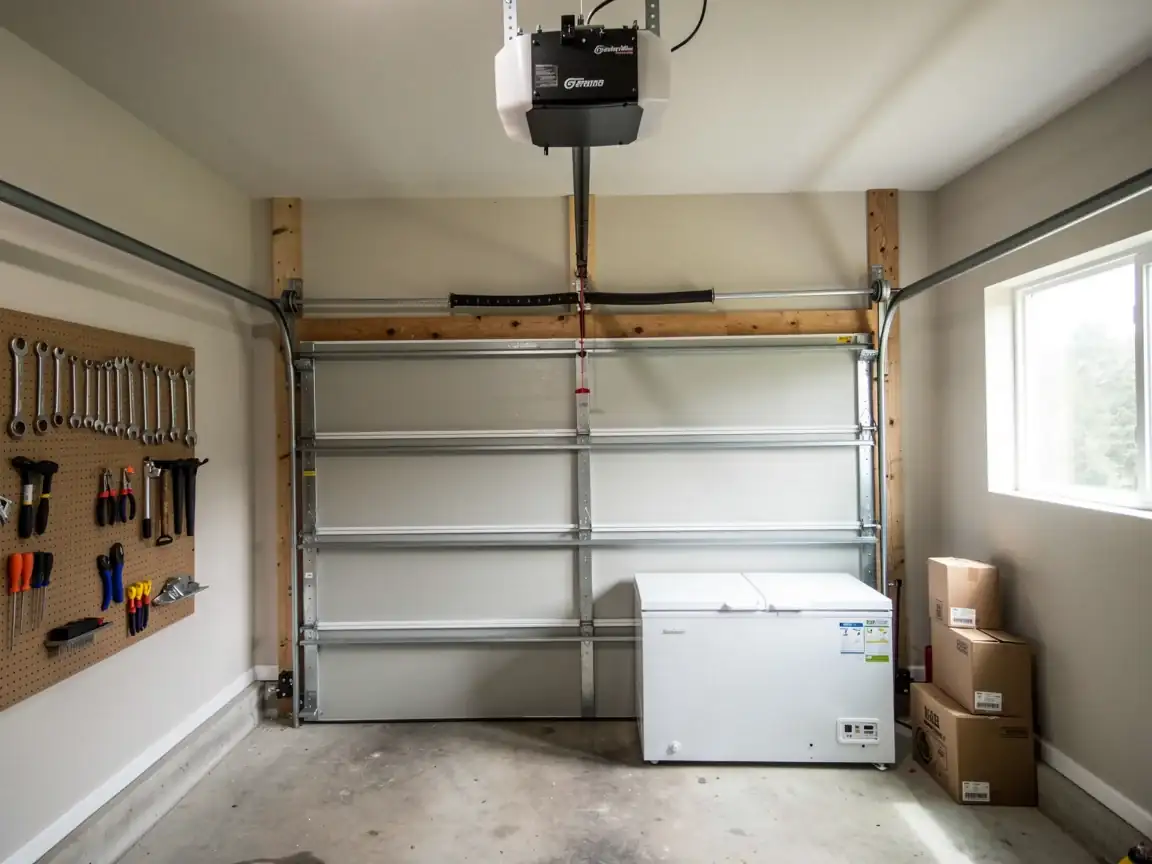
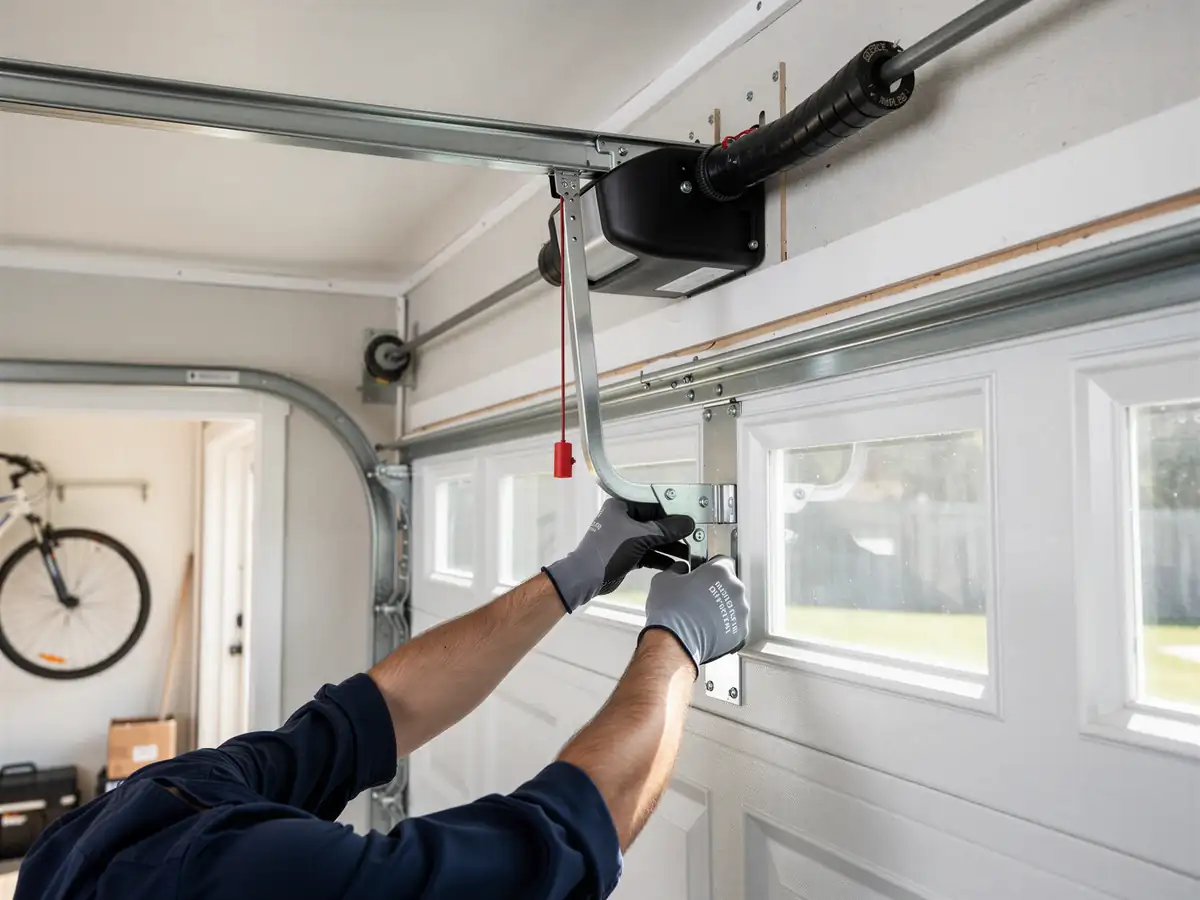
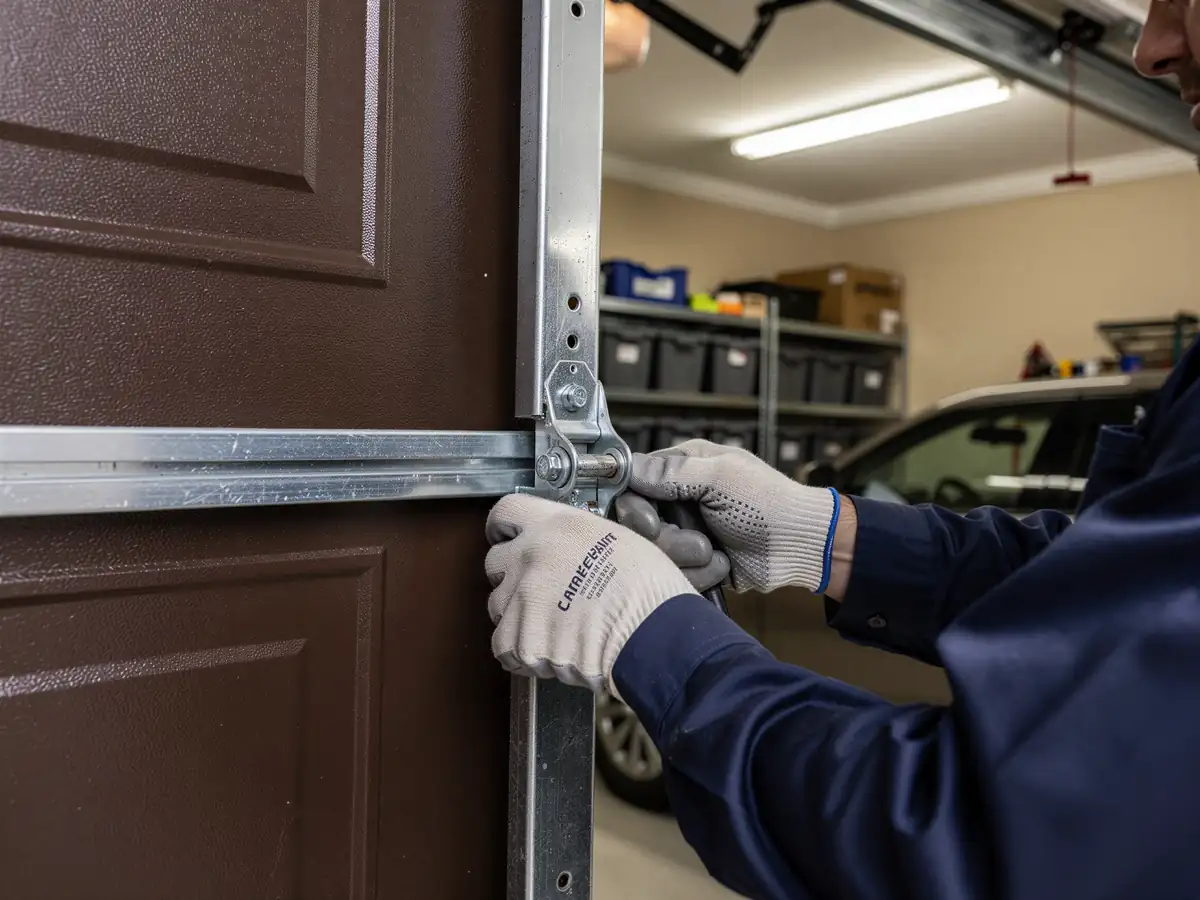
For a town built mostly in the early 1970s, the openers and springs we replace are rarely original - they're usually a second or third-generation swap from a previous repair, which means the sizing is inconsistent house to house even on the same street. We carry standard torsion springs sized for the double and single door openings common to that era's garages, plus the extension-spring hardware that shows up on the smaller single-car bays typical of 1970s construction. What we don't carry on the truck is anything custom - a non-standard track width or a specialty panel order has to be special-ordered, and that's the honest limitation here: if your door was a custom build, expect a lead time on the part, not a same-visit fix. Rollers, cables, and bottom brackets are stock items we always have, because those wear out on a predictable schedule regardless of the house's age. For Burlington specifically, the volume of torsion-spring swaps we run is driven by that early-70s construction wave - it's the single biggest reason a call comes in.
The Symptom
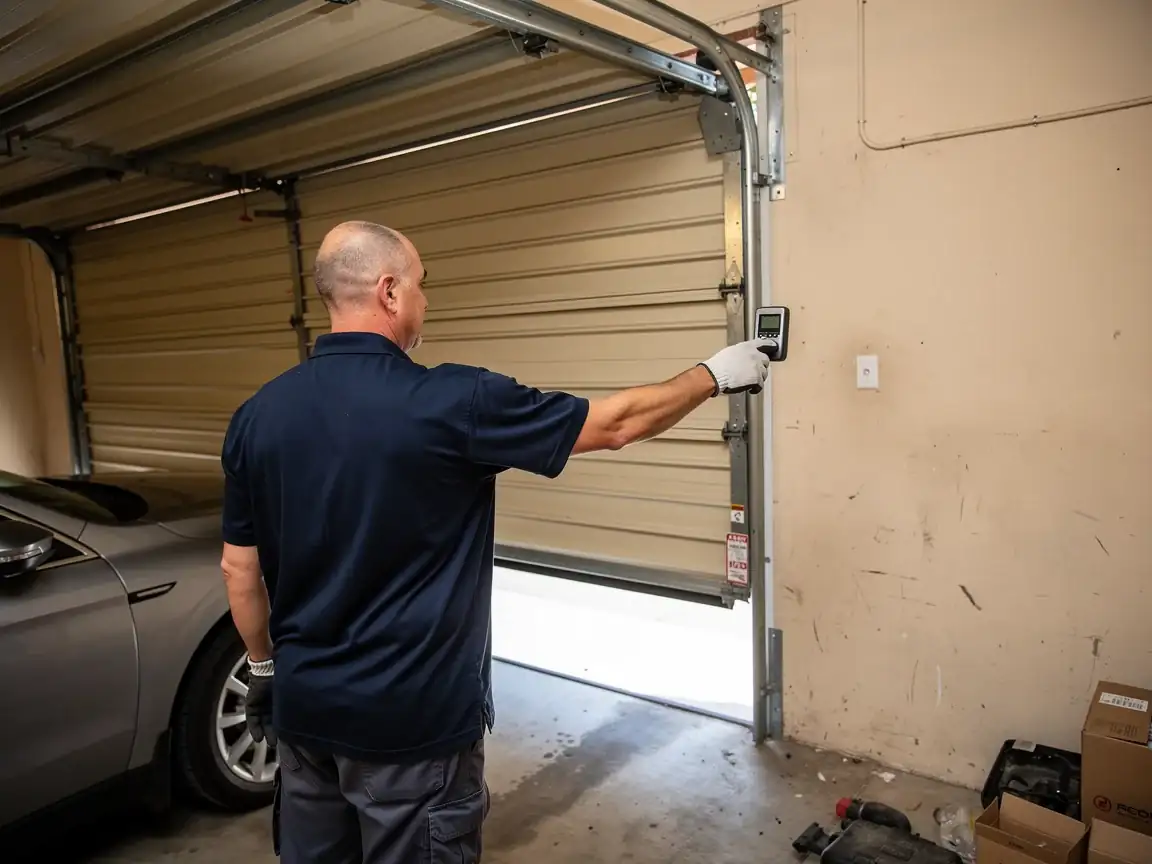
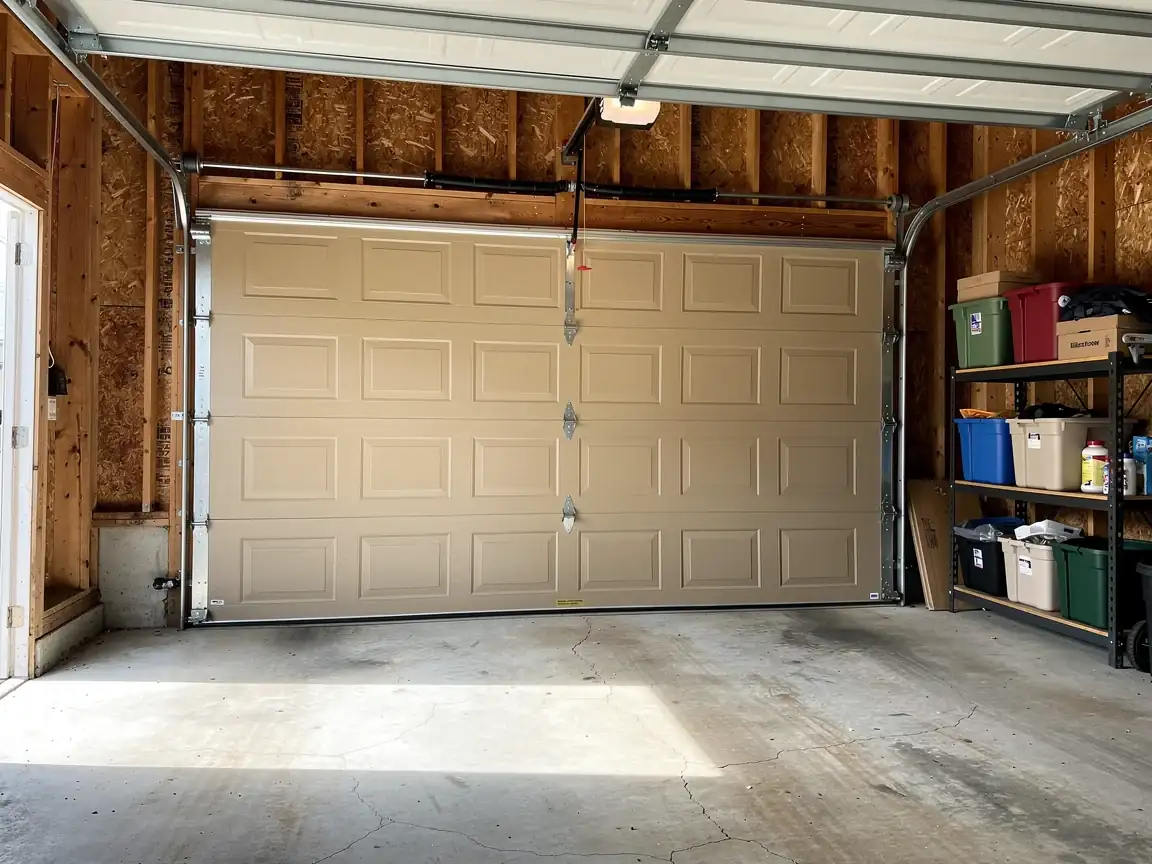
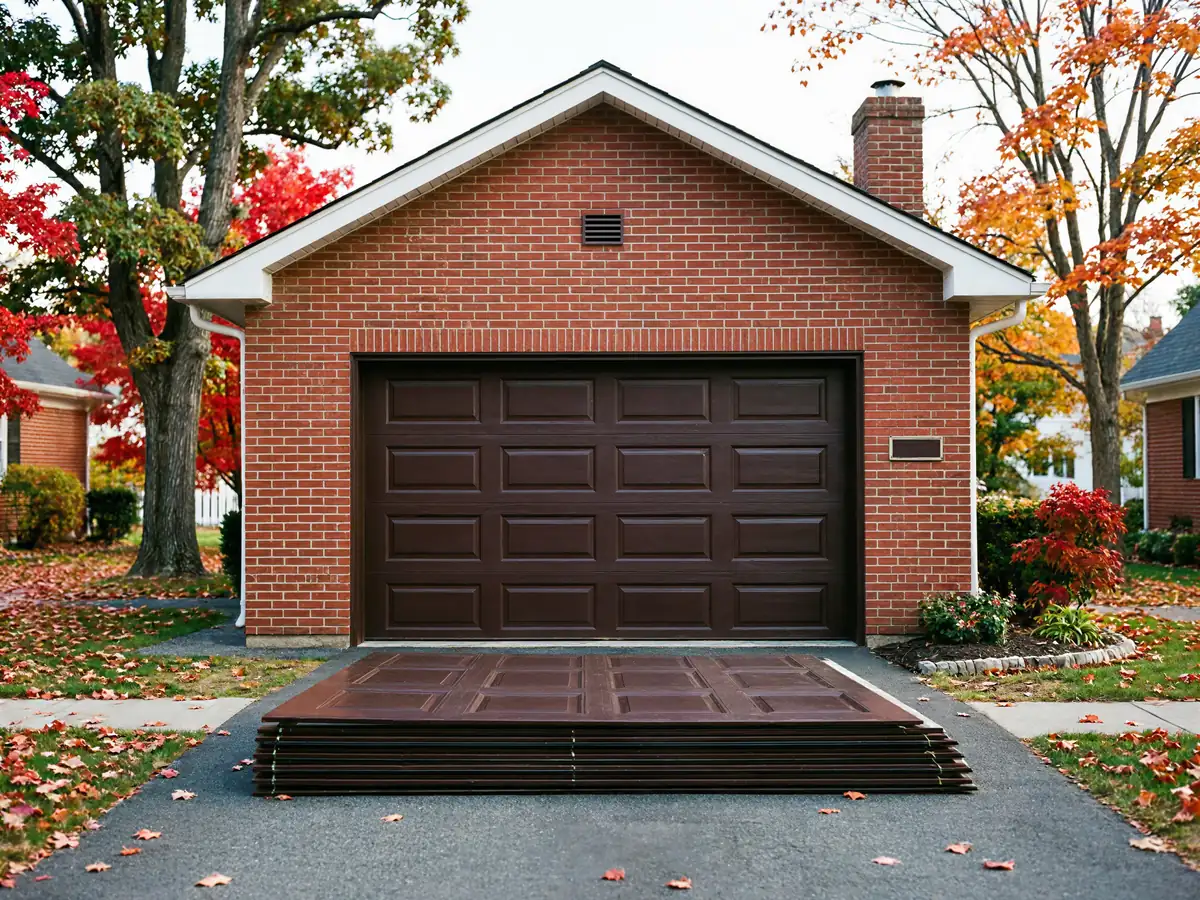
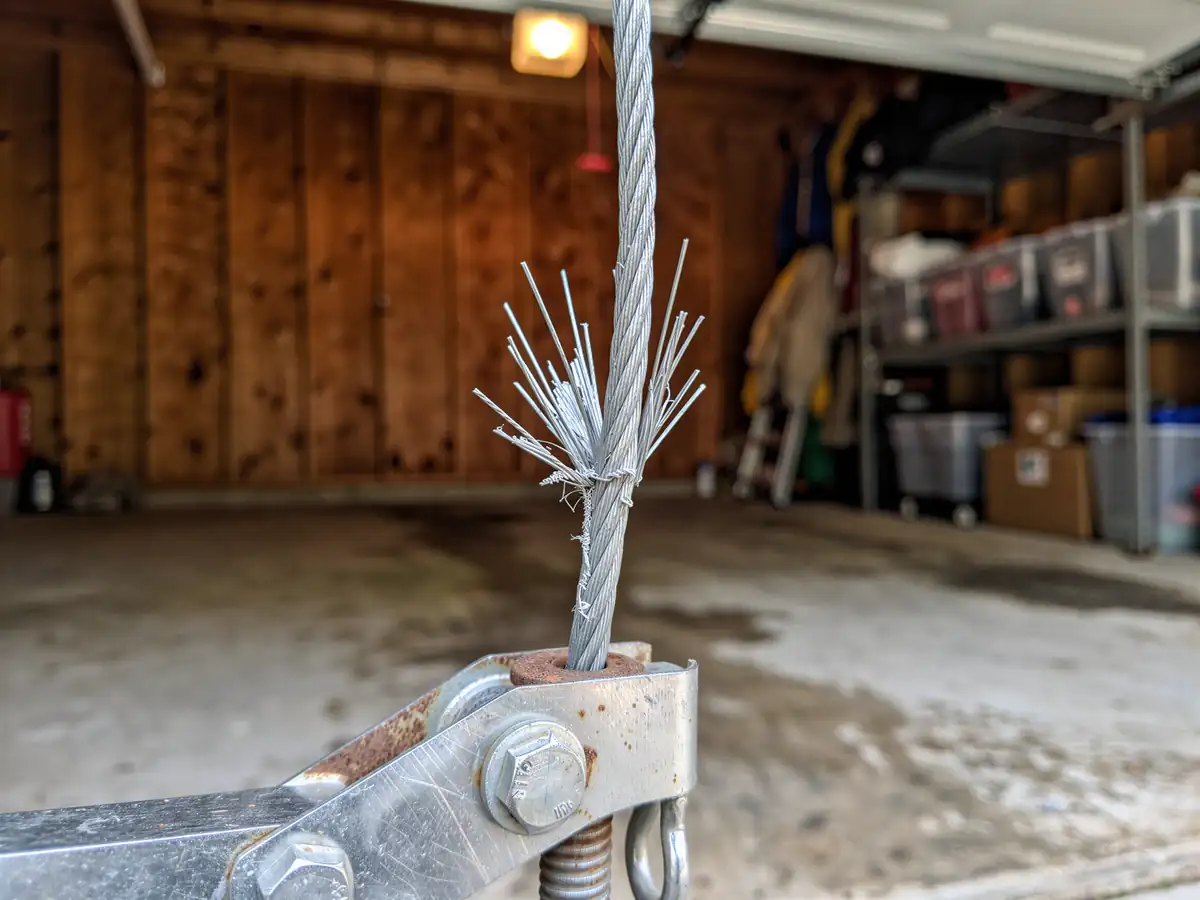
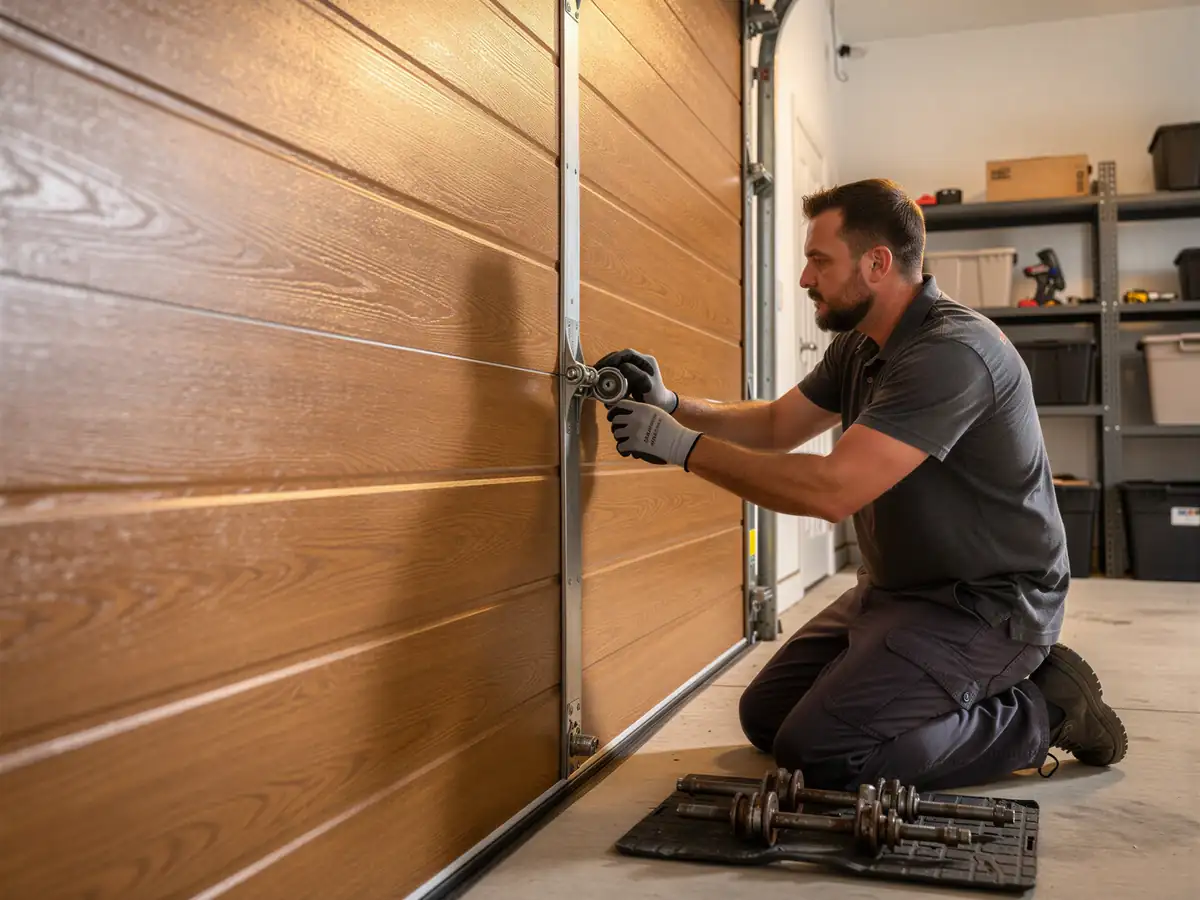
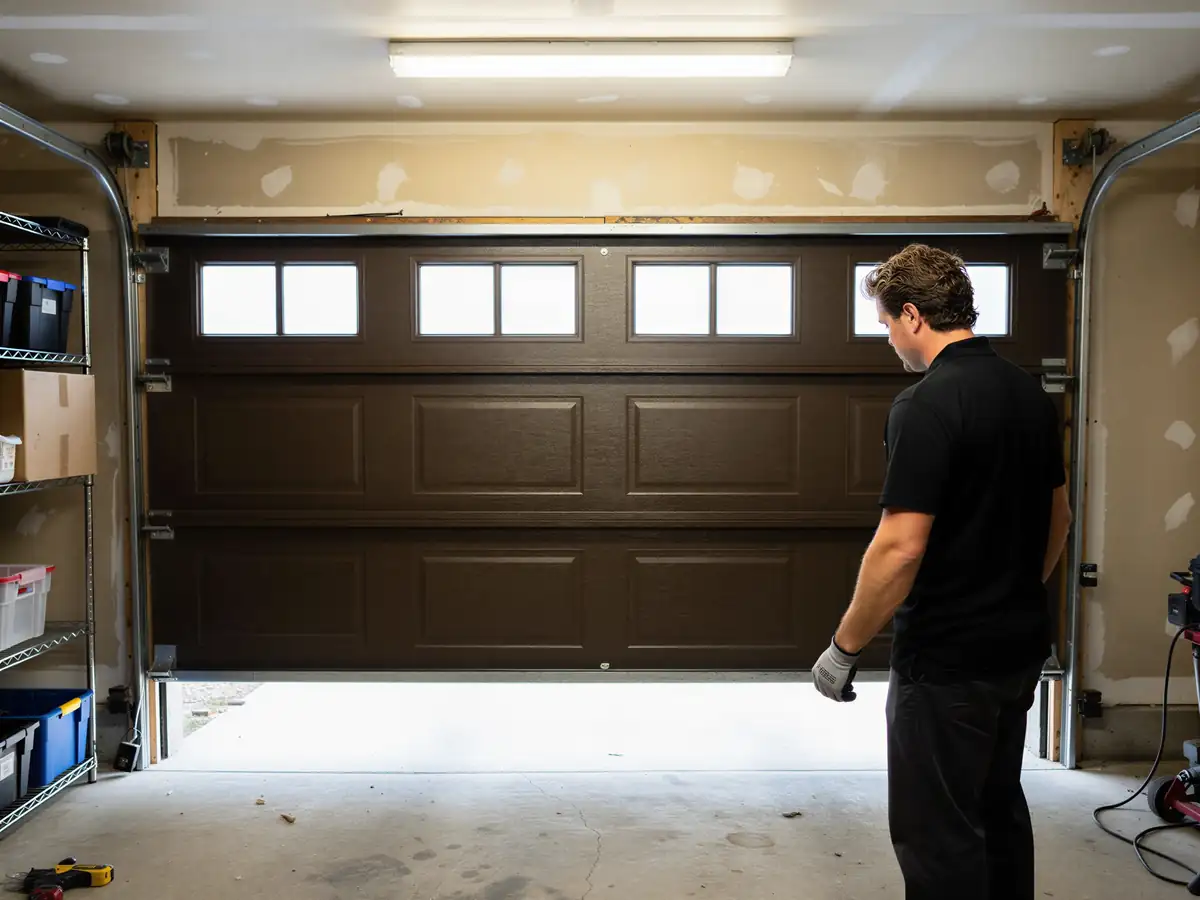
The call we get most from this part of town is a door that reverses right before it closes, or won't close at all - classic signs of a torsion spring losing its wind, which tracks with how many of these houses are now five decades past their original 1971 build date. A door that's noticeably heavier to lift by hand, or an opener straining and clicking without moving the door, points the same direction. Less common but still regular: rollers grinding in the track on the older single-car bays, where the narrower opening wears hardware faster than it does on a standard double. What's rare here, compared to other parts of the service area with older housing, is the full slab-door replacement call - the stock simply isn't old enough yet for that to be the dominant issue. That's a difference worth knowing if you're trying to guess what's wrong before we're even on site.