Why This Fails Locally
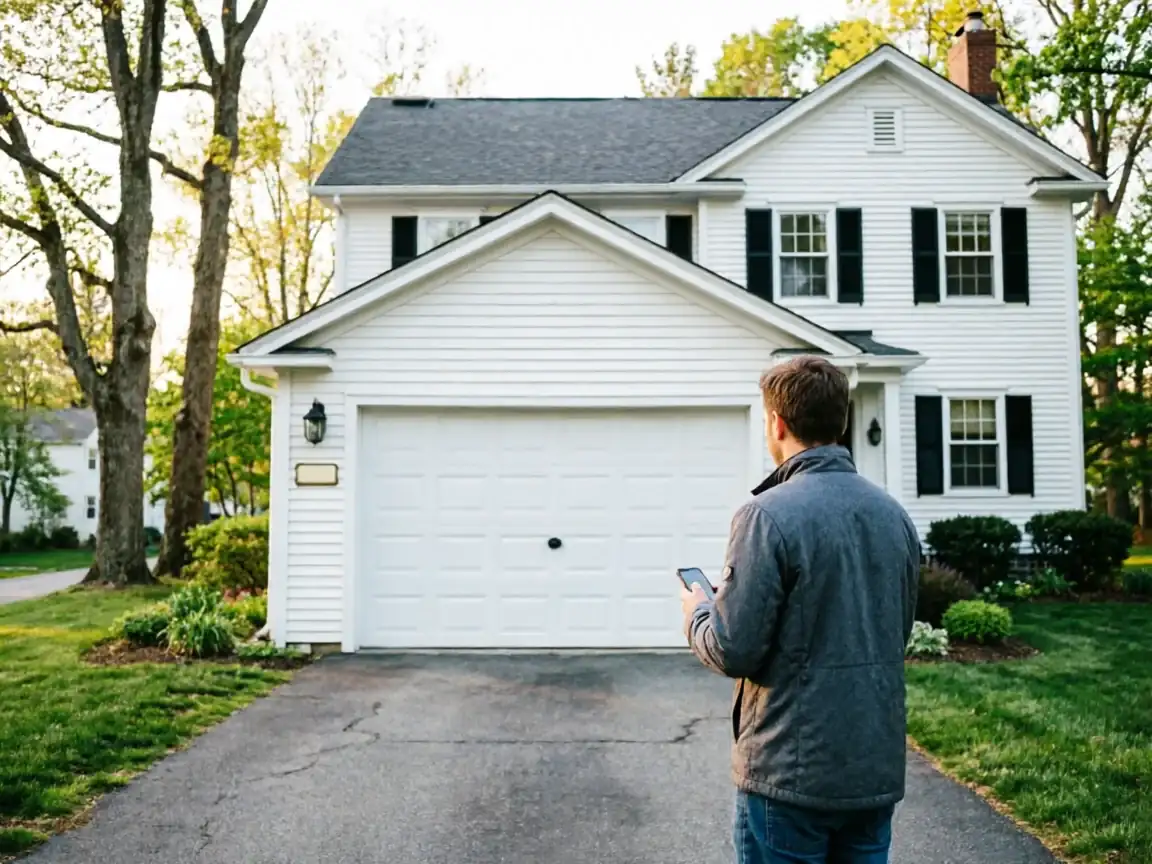
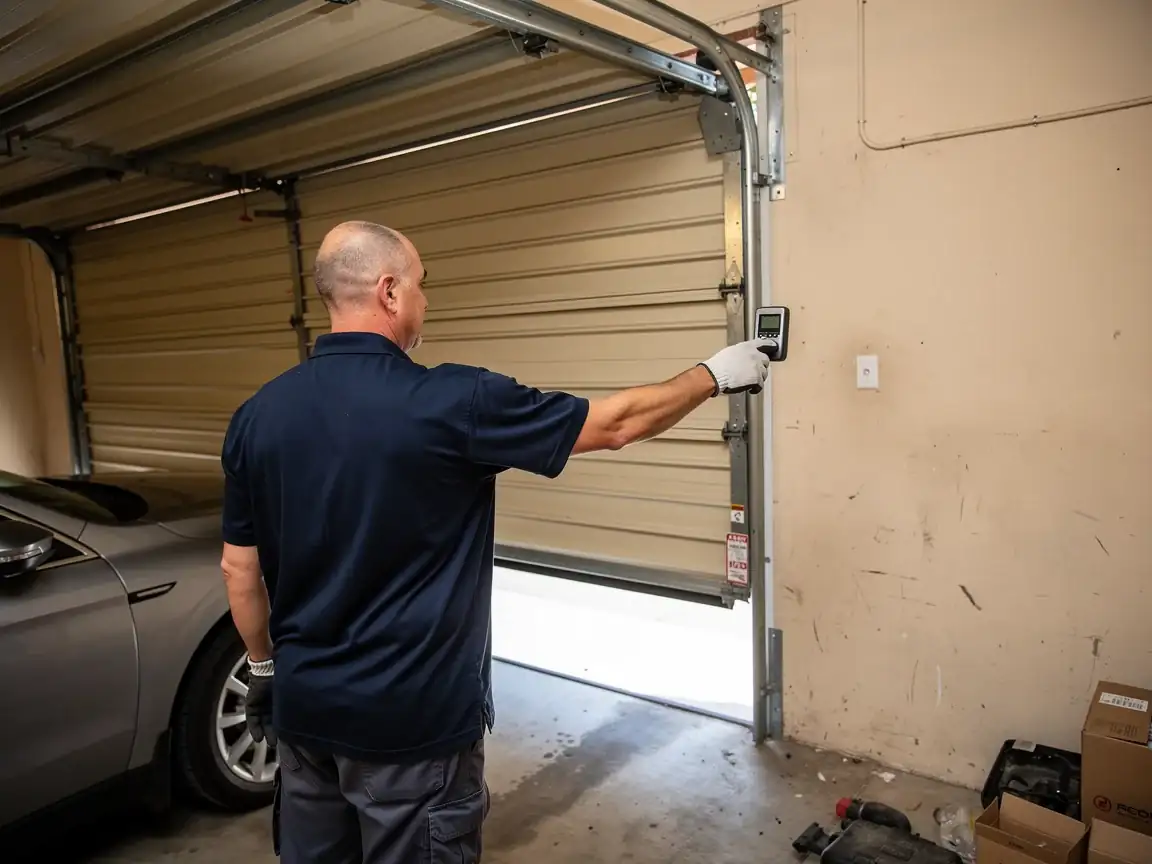
The median home in Burlington went up in 1971, right in the middle of the town's housing boom. That year matters more than it sounds. Openers installed on these garages in the 1970s and 80s were almost always single-speed chain drives wired to a wall button, with no photo-eye safety reversal - that requirement didn't become standard until the early 1990s. A lot of these units are still running, patched together with replacement logic boards that don't match the original motor housing.
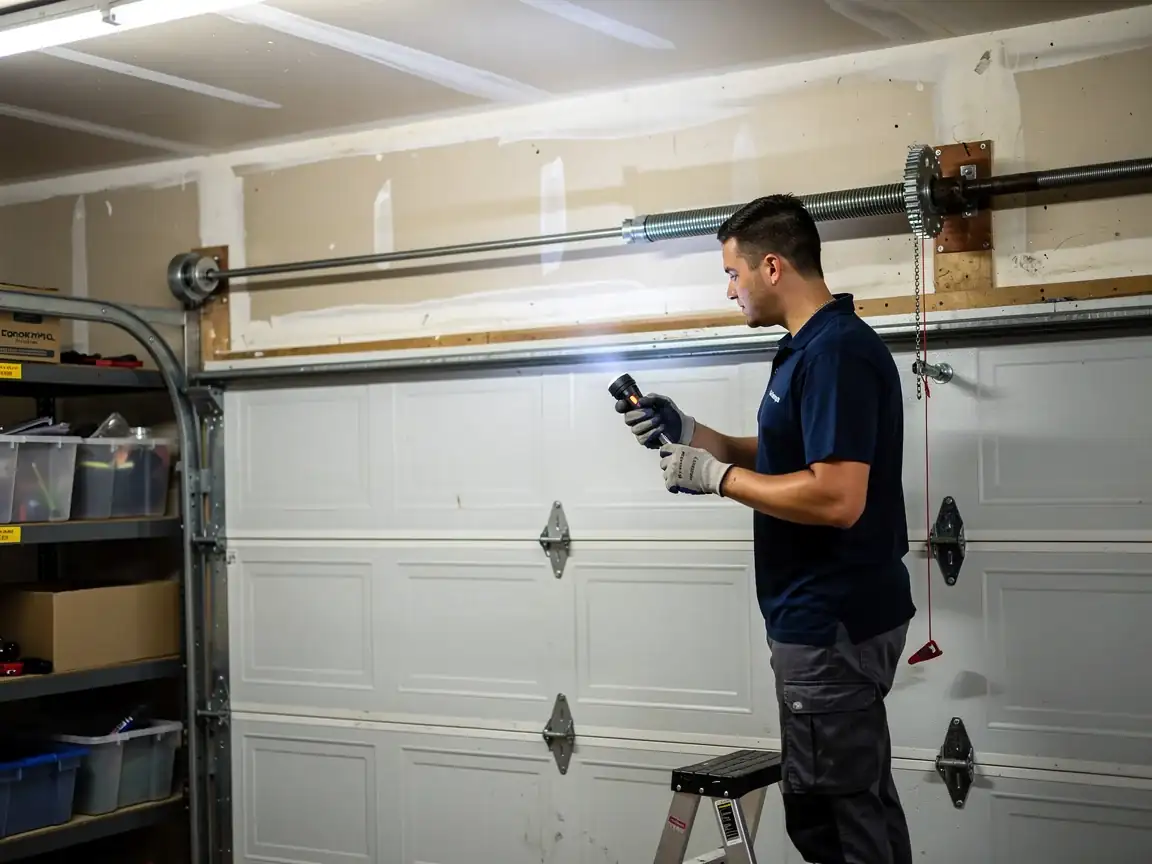
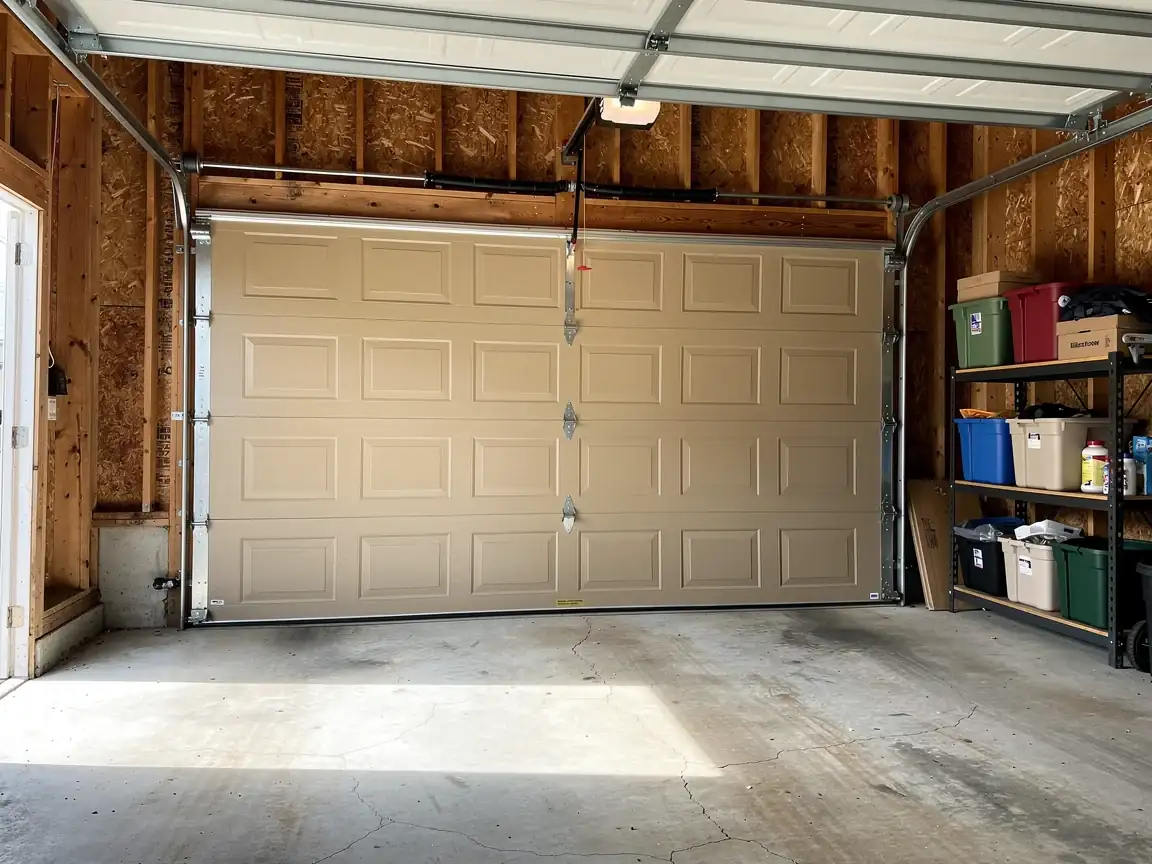
That combination is why calls from this part of town don't look like calls from newer subdivisions. You've got an opener old enough that its safety sensors were an aftermarket add-on, bolted to brackets that were never designed for them. When the opener finally gives out, the fix isn't a straight swap - the rail, the mounting bracket, and sometimes the header above the door all need attention because none of it was built to today's spec.
Burlington's roughly 10,056 households sit mostly on this same build timeline, which means this isn't a one-off problem - it's the norm for the area, not the exception.
Stocked Parts
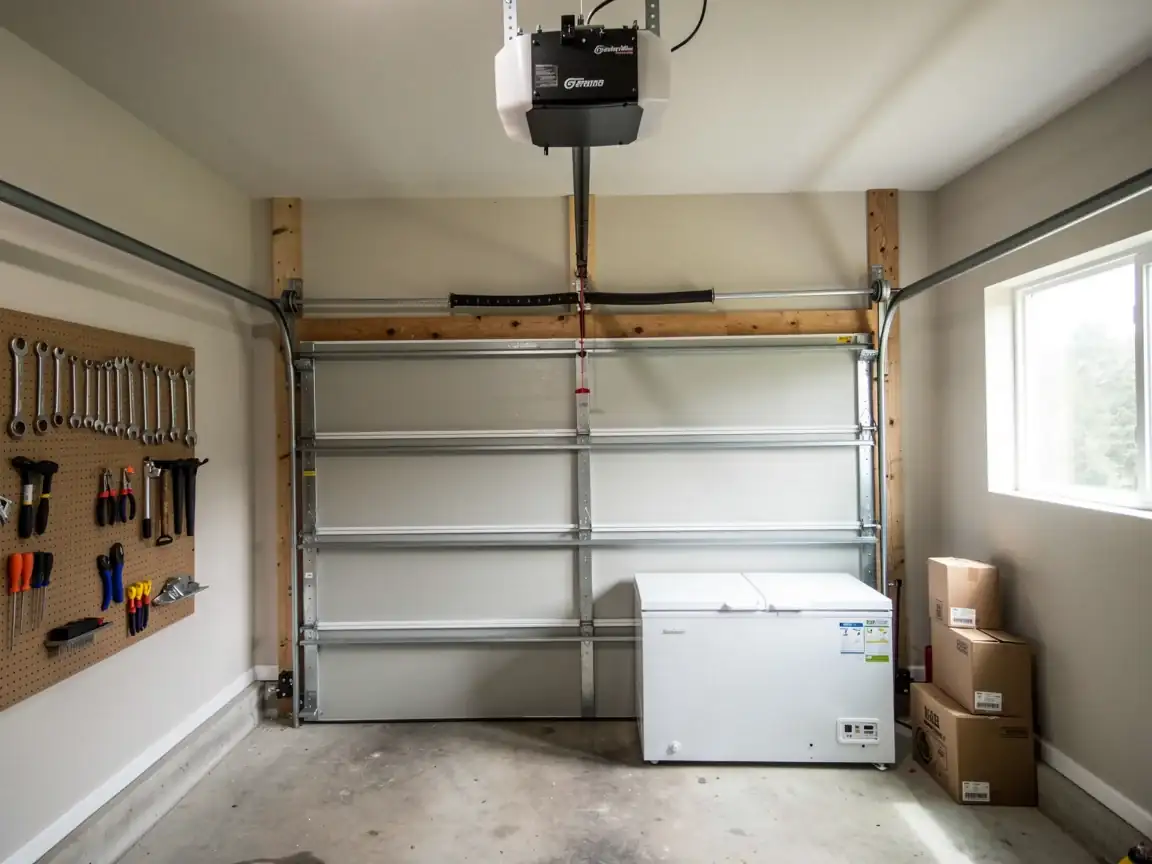
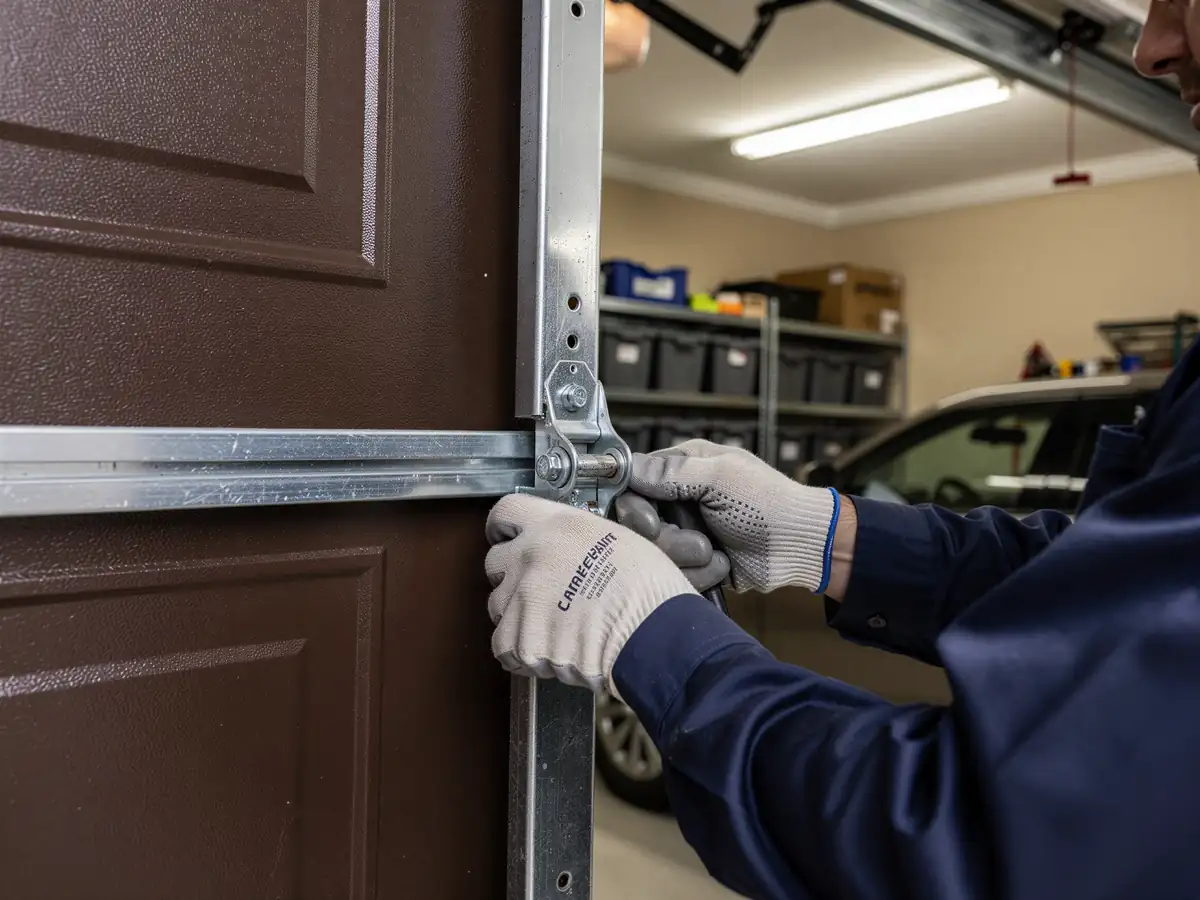
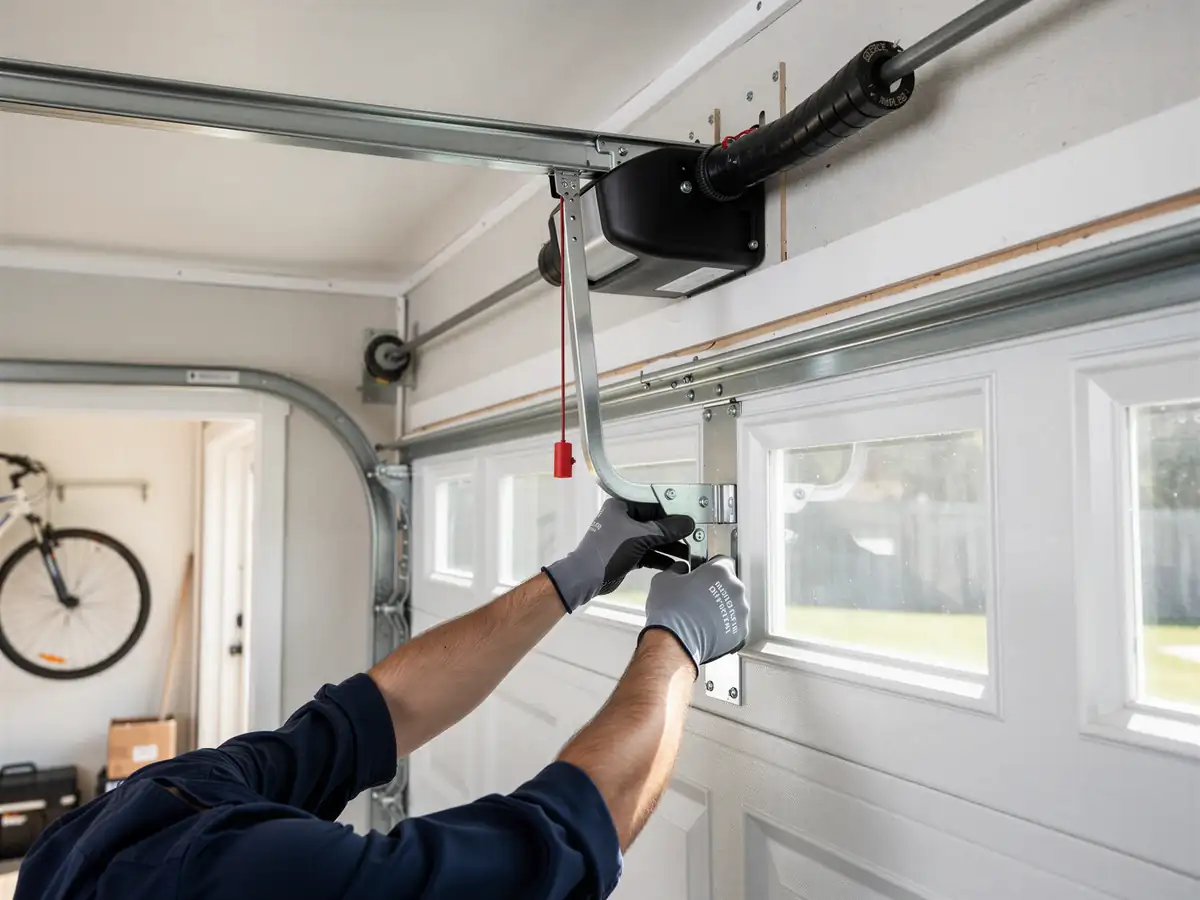
Because Burlington's housing stock clusters so tightly around 1971, the opener hardware that fails here is predictable: worn chain-drive sprockets, cracked plastic drive gears, and wall consoles wired with two-wire systems that don't support modern rolling-code remotes. We carry belt and chain-drive replacement units sized for the header clearance common on these garages, plus the mounting hardware that bridges old bracket spacing to current rail systems.
We don't stock every proprietary logic board from every 1970s manufacturer - some of those parts haven't been made in decades, and chasing one down isn't worth the wait or the cost next to a clean opener swap. On a repair call, if the motor housing is original to the home, we'll usually recommend replacement over trying to source a part that may not exist anymore. That's the honest call more often than not in this part of town.
Time on the Job
A straight swap on a garage with sound rail and bracket hardware is a single visit
Where the header or the mounting points show their age - which happens often enough on 1971-vintage construction - the job runs longer because we're squaring up wood that's moved over fifty years, not just hanging a new motor. We travel the 3 miles from Woburn for these calls, so scheduling runs on the same truck rotation as the rest of the surrounding towns, not a dedicated Burlington route.
- 3 miles
Colder months add their own wrinkle
Winter in this area is cold enough that grease in old chain-drive units thickens and the opener strains on cold starts, which is often the first sign something's about to fail completely rather than just squeak.
The Symptom
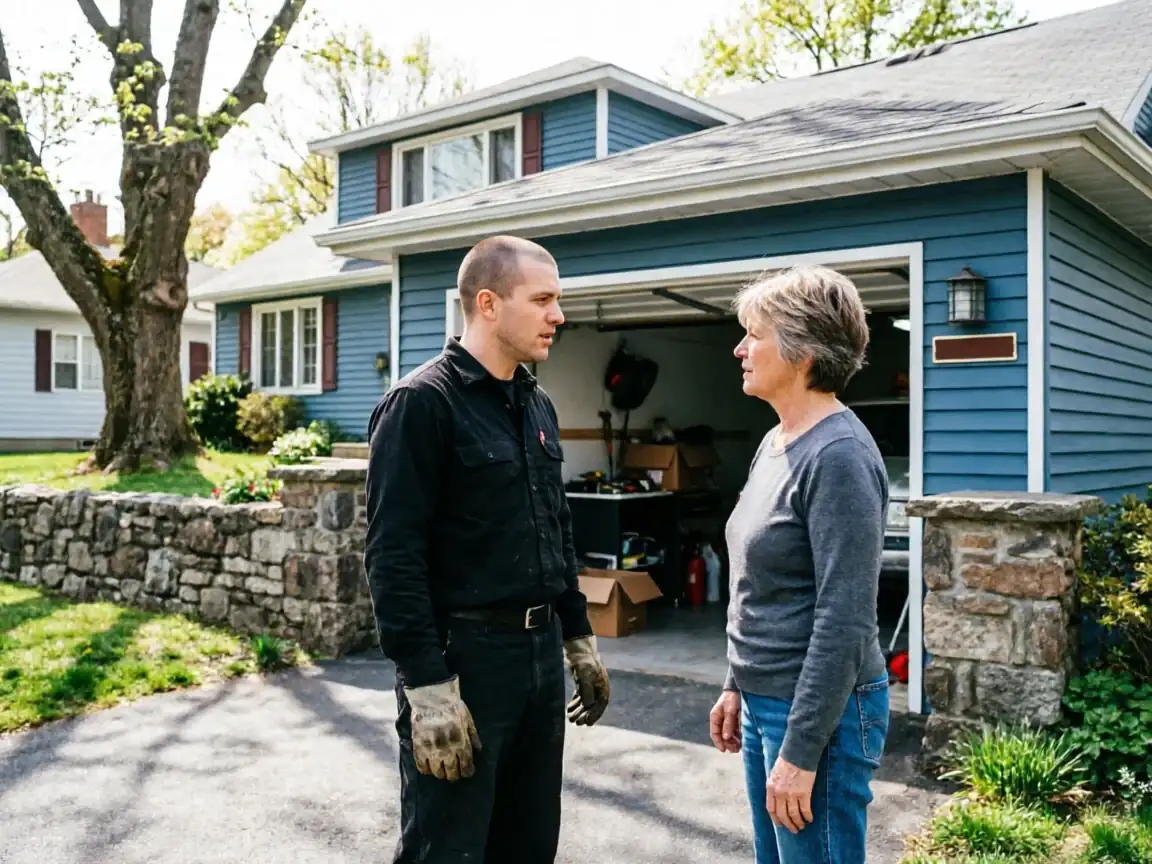
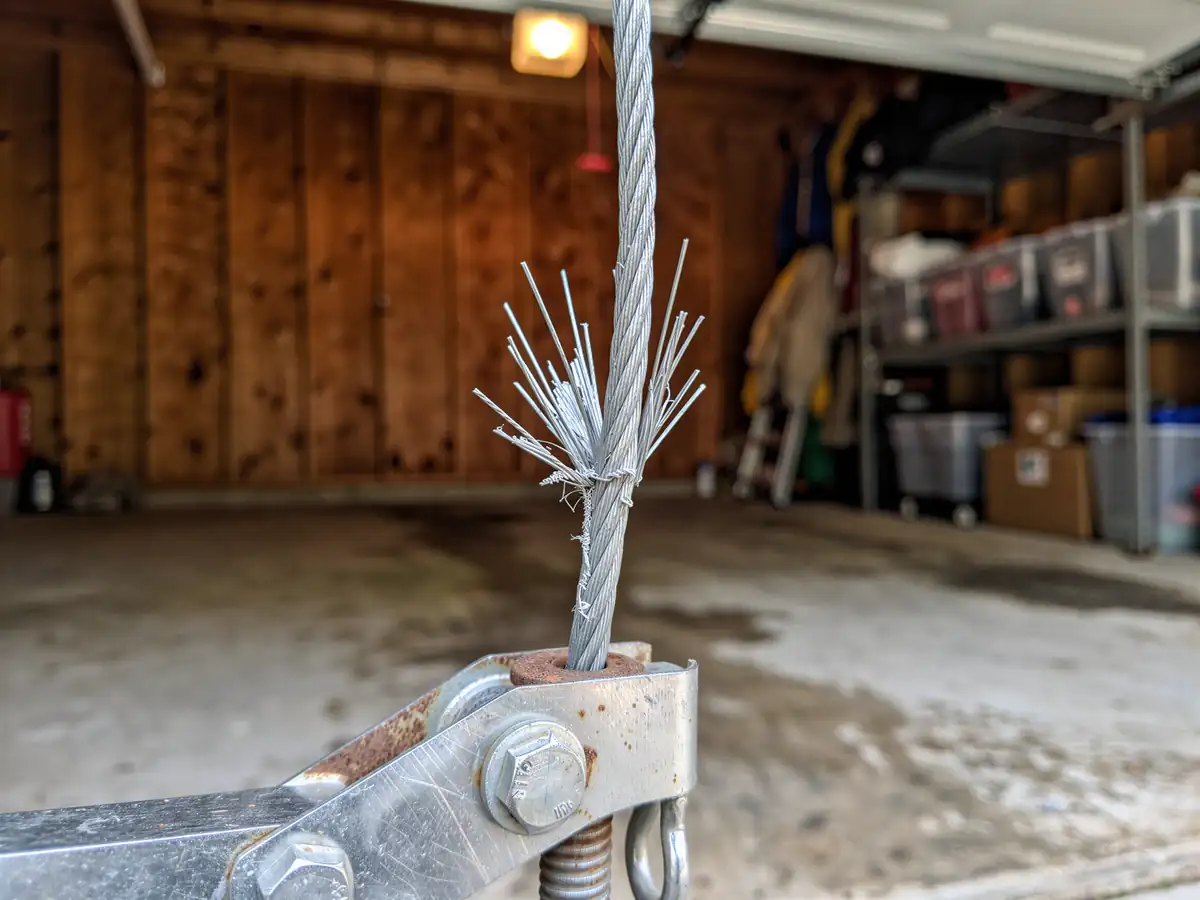
The call we get most from Burlington addresses sounds like this: the opener runs but the door barely moves, or it reverses halfway up for no clear reason. On a 1971-era door, that's almost always the drive gear stripped inside the motor housing, or a chain that's stretched past what the tensioner can take up. It's rarely the remote or the wall button, even though that's usually what people suspect first.
Household income in Burlington runs around $142,207, a bit under the wider service area's $152,014 median - which is part of why we see more repair requests than straight replacements here. People want the existing opener fixed if it can be, and on these builds, it often can be, right up until the gearbox itself is the failure point. Past that, patching it isn't worth the labor, and we'll say so.
More on how we cover the town: service area page. For the broader opener service out of our base, see Woburn opener installation.