Why This Fails Locally
Burlington's median household income sits at $142,207, which is lower than the $152,014 median across the wider service area. That gap matters when a torsion spring snaps or an opener board fries: it's the line where a repair makes more financial sense than a full door swap. At Burlington income levels, replacing a working steel door because the opener died is usually the wrong call. Fix the part that failed and leave the rest alone.
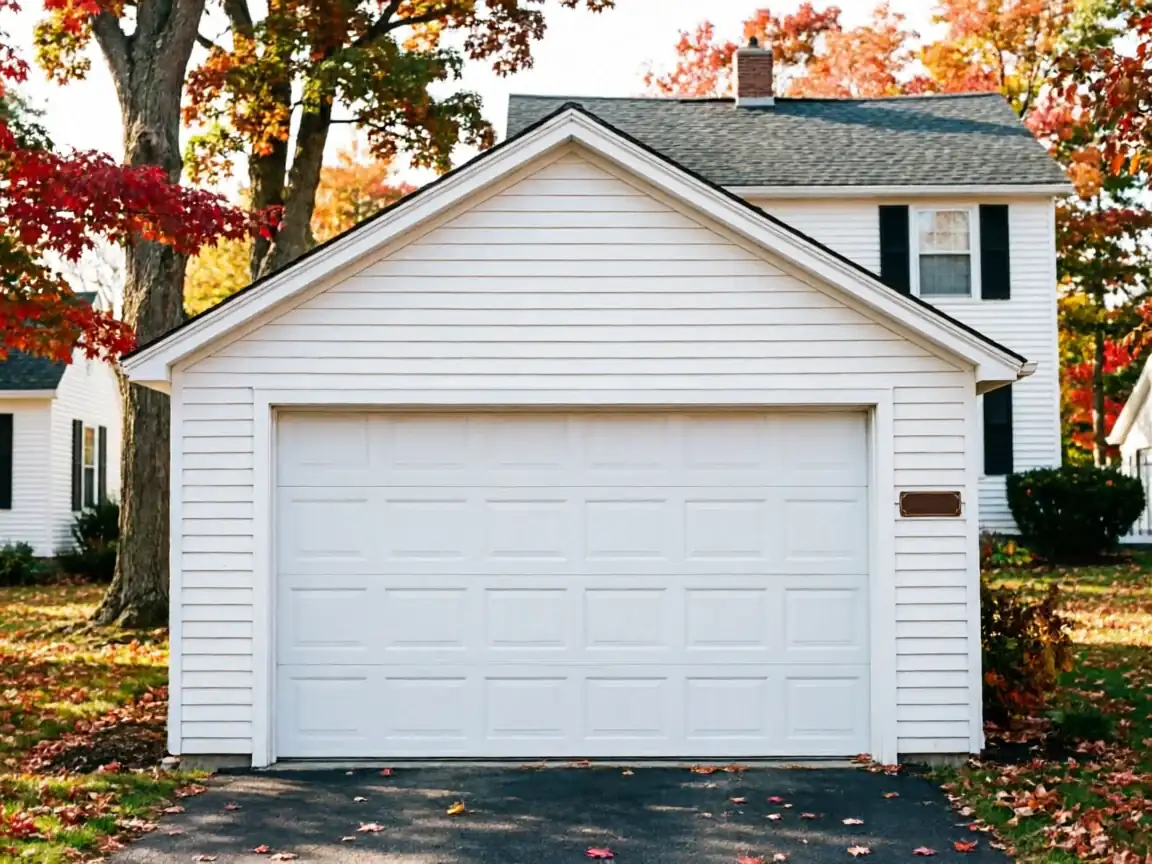
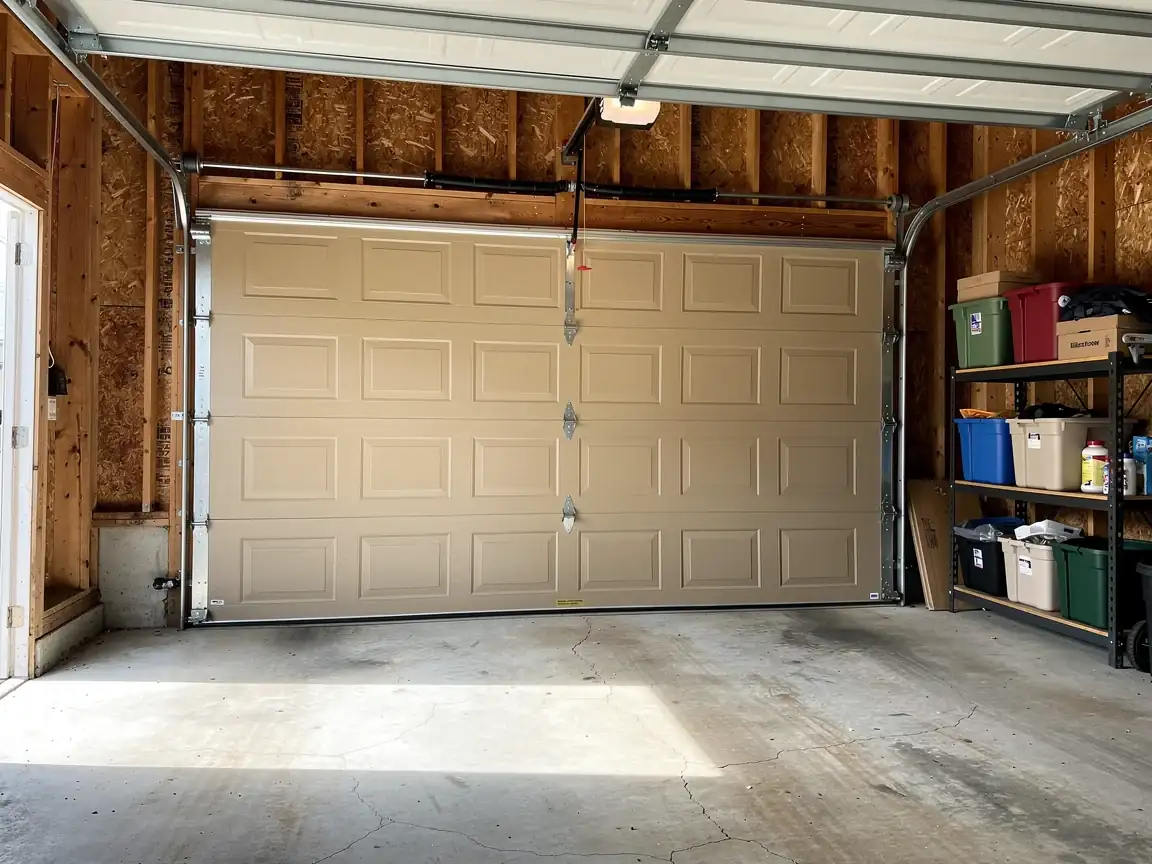
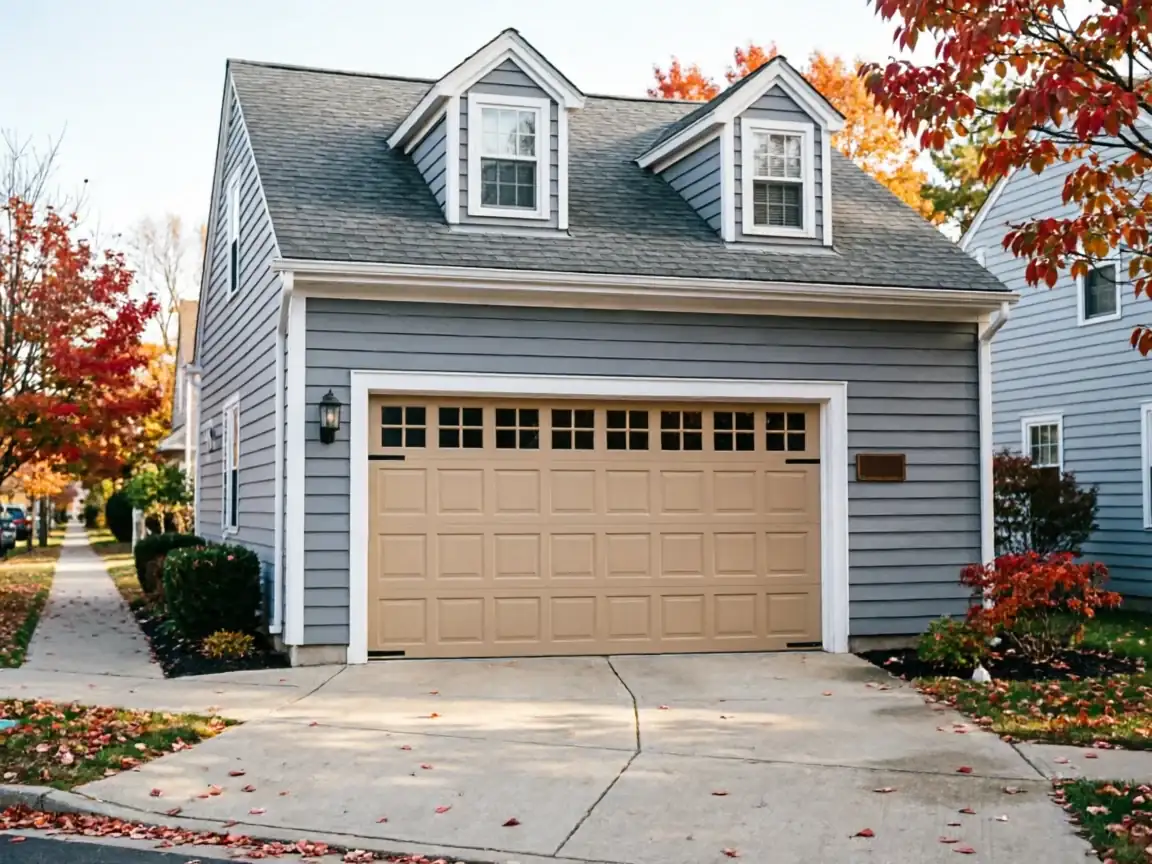
The other number that shapes the work here is the build year. Burlington's housing stock centers on 1971, a touch newer than the 1938-1988 range we see across the broader area (median 1965). That means fewer of the original 1960s one-piece doors and more early-generation sectional doors on chain-drive openers from the first wave of residential automation. Those openers are past their service life by now, and the logic boards inside them aren't something you patch twice.
We come out from Woburn, 3 miles away, so there's no local depot markup built into the job - just the drive.
Stocked Parts
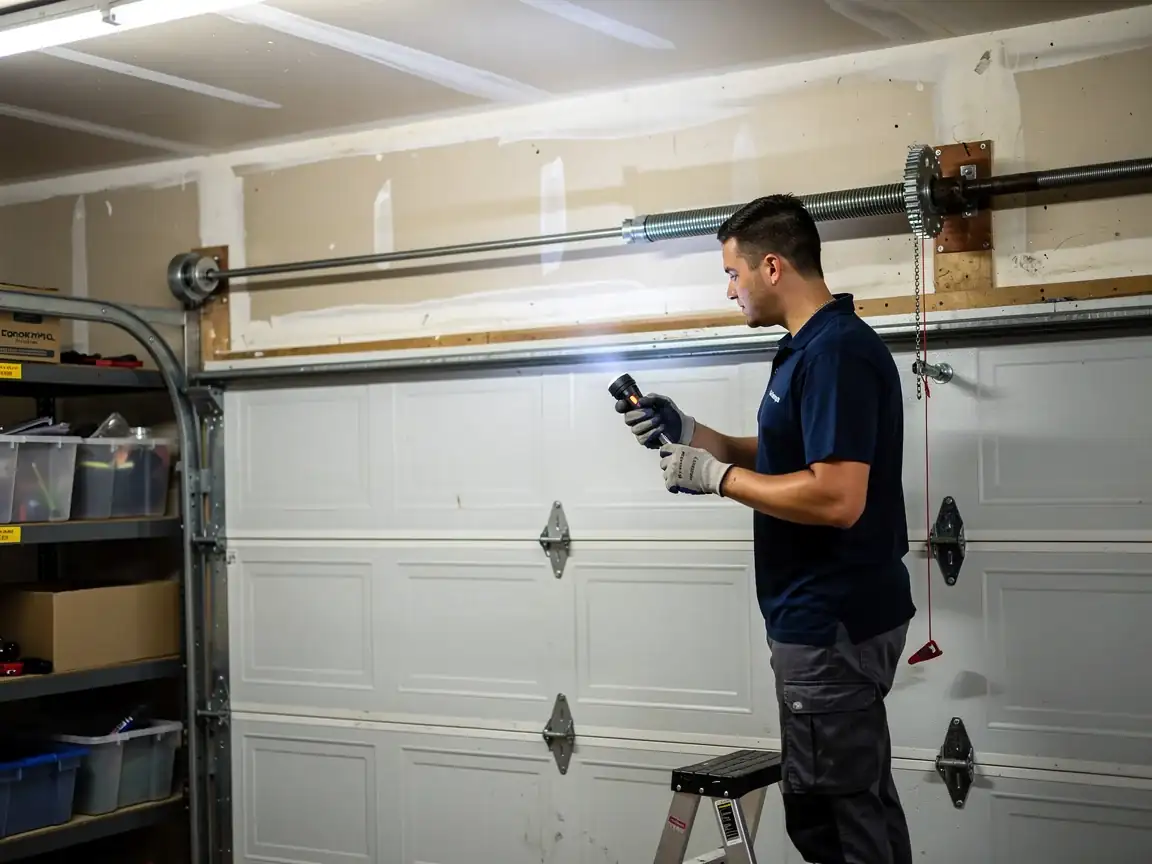
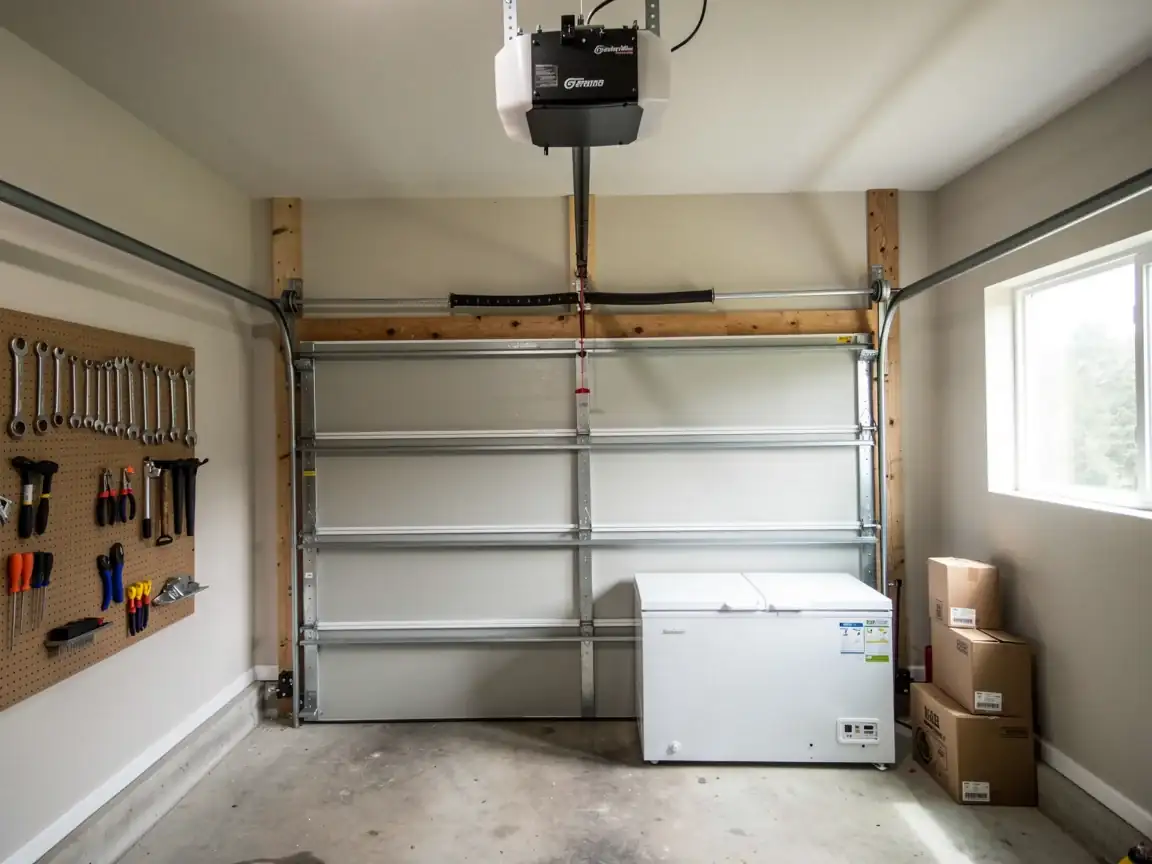
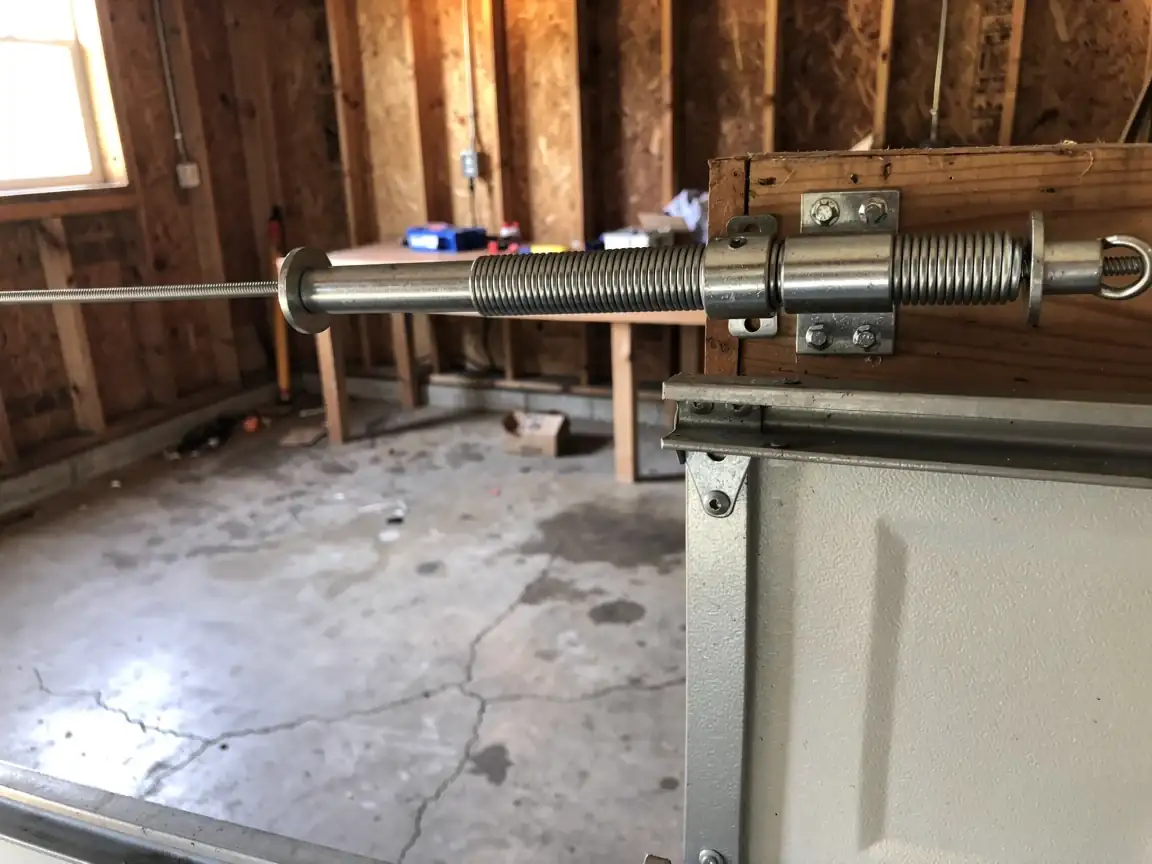
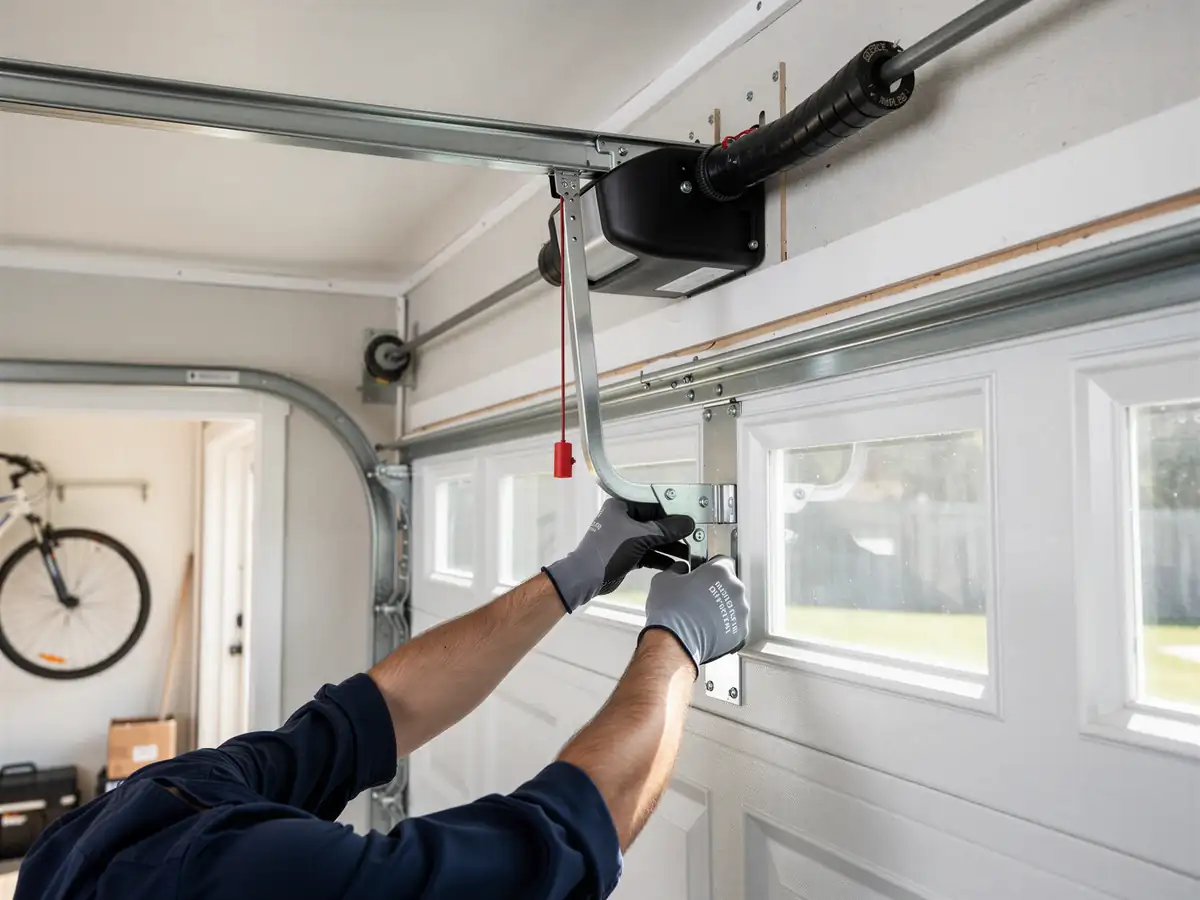
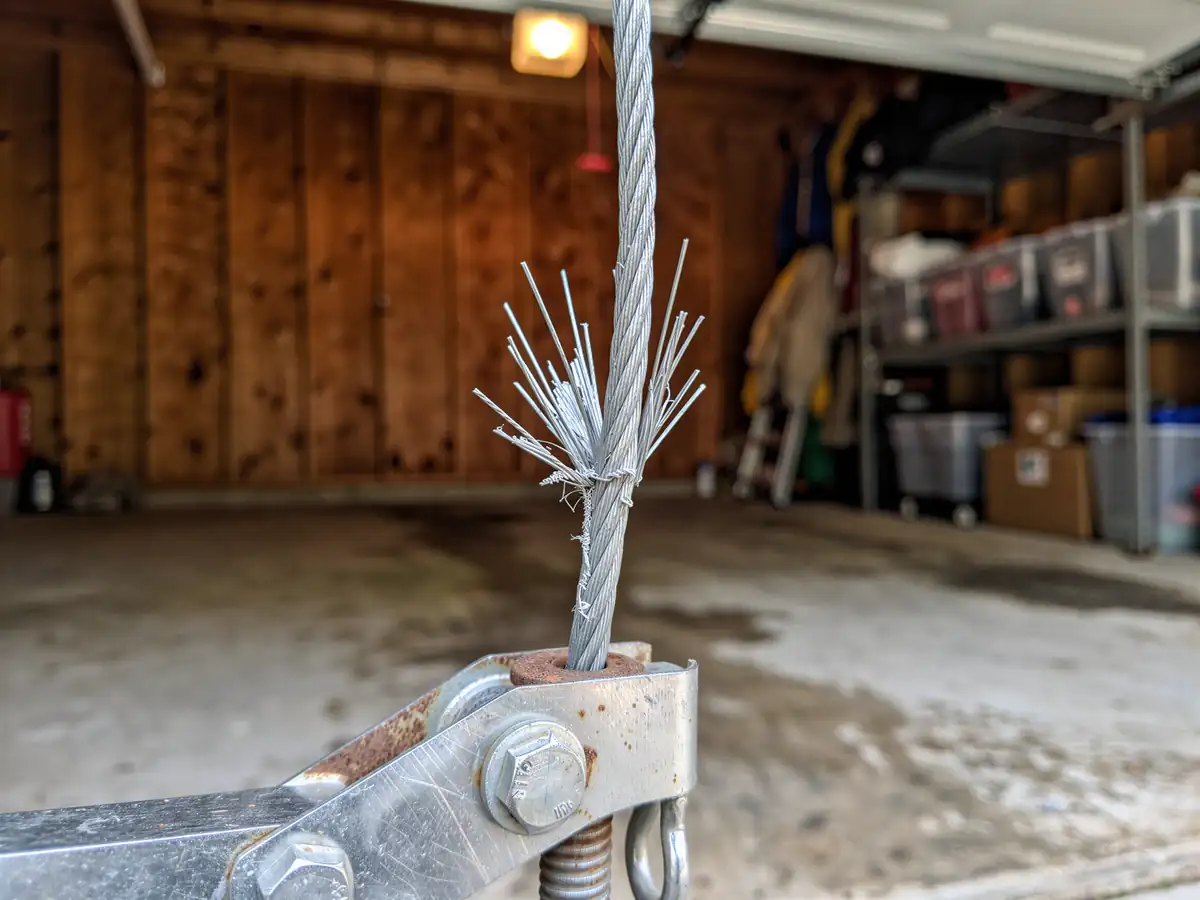
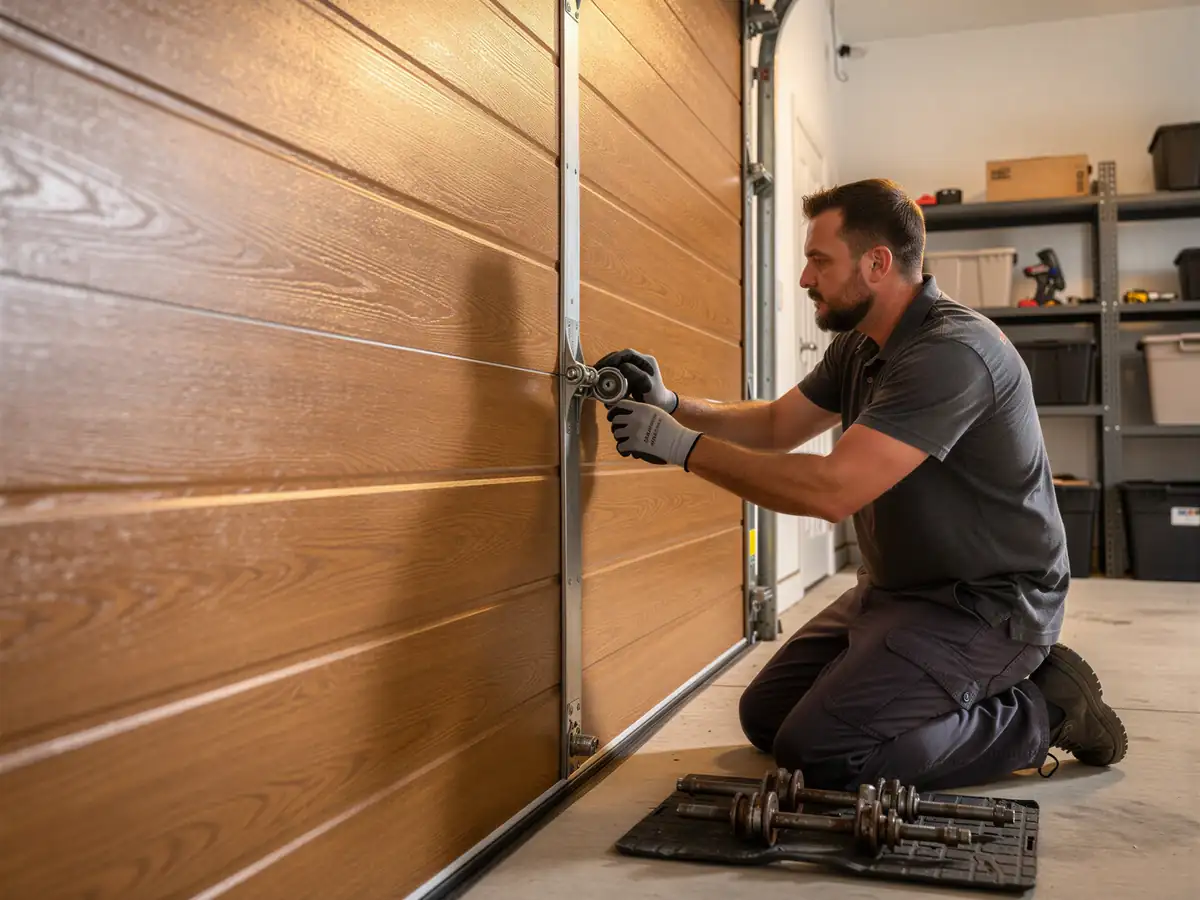
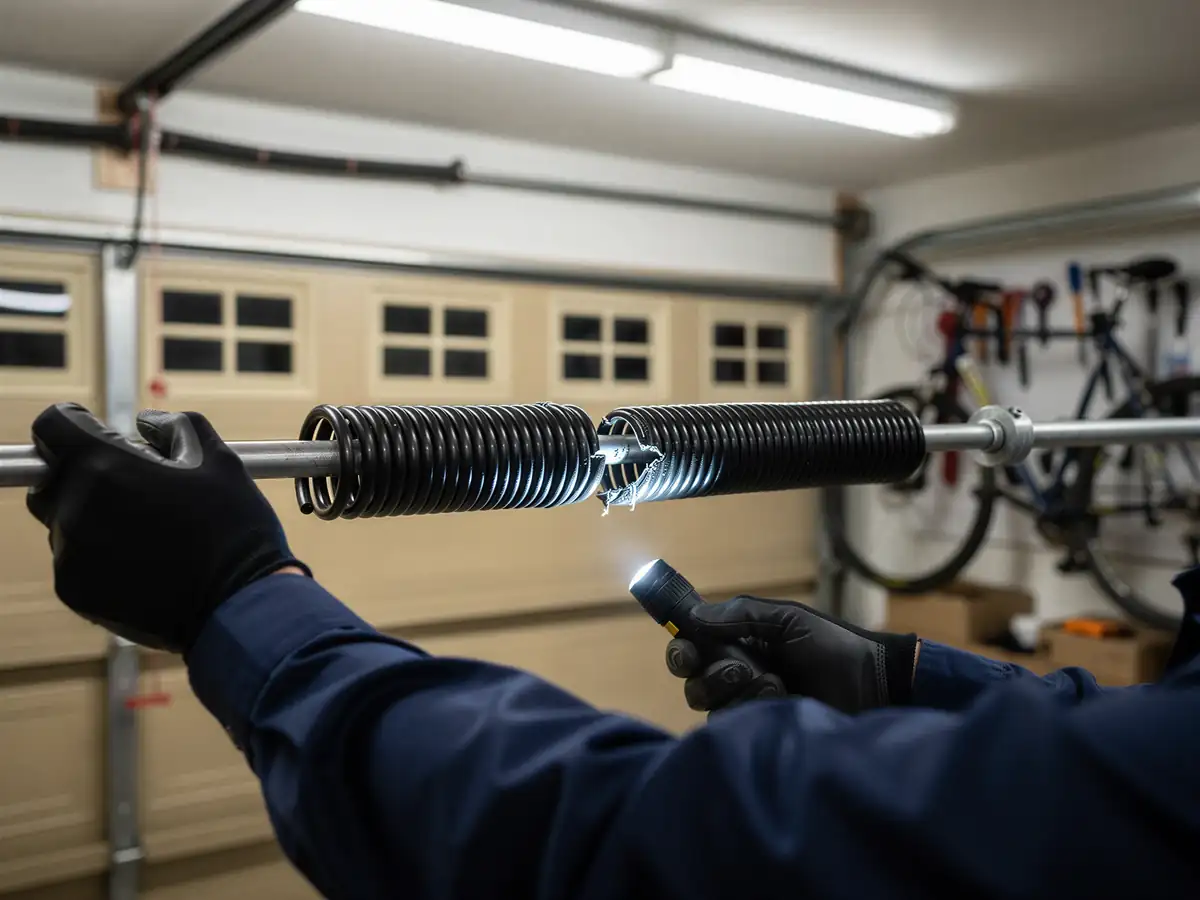
For a 1971-era Burlington house, the truck carries torsion springs sized for mid-weight sectional doors, standard-drum cables, and the steel rollers that replace the nylon ones that shatter in a severe cold winter like this region gets. Chain-drive opener parts - sprockets, drive gears, capacitors - are the other common pull, since that drivetrain was standard on houses built in this window.
What's not always on the truck: parts for doors older than the Burlington norm, like wood-panel doors on side-mounted torsion hardware from the 1940s and 50s. Those show up more in older pockets of the service area, not typically in Burlington. If a job needs something unusual - a discontinued opener board, a non-standard track width - that part may need to be ordered, and that adds a day or two to the job. We'll tell you straight if that's what's happening instead of guessing at a fix.
Time on the Job
Most Burlington calls are opener or spring jobs, not full installs
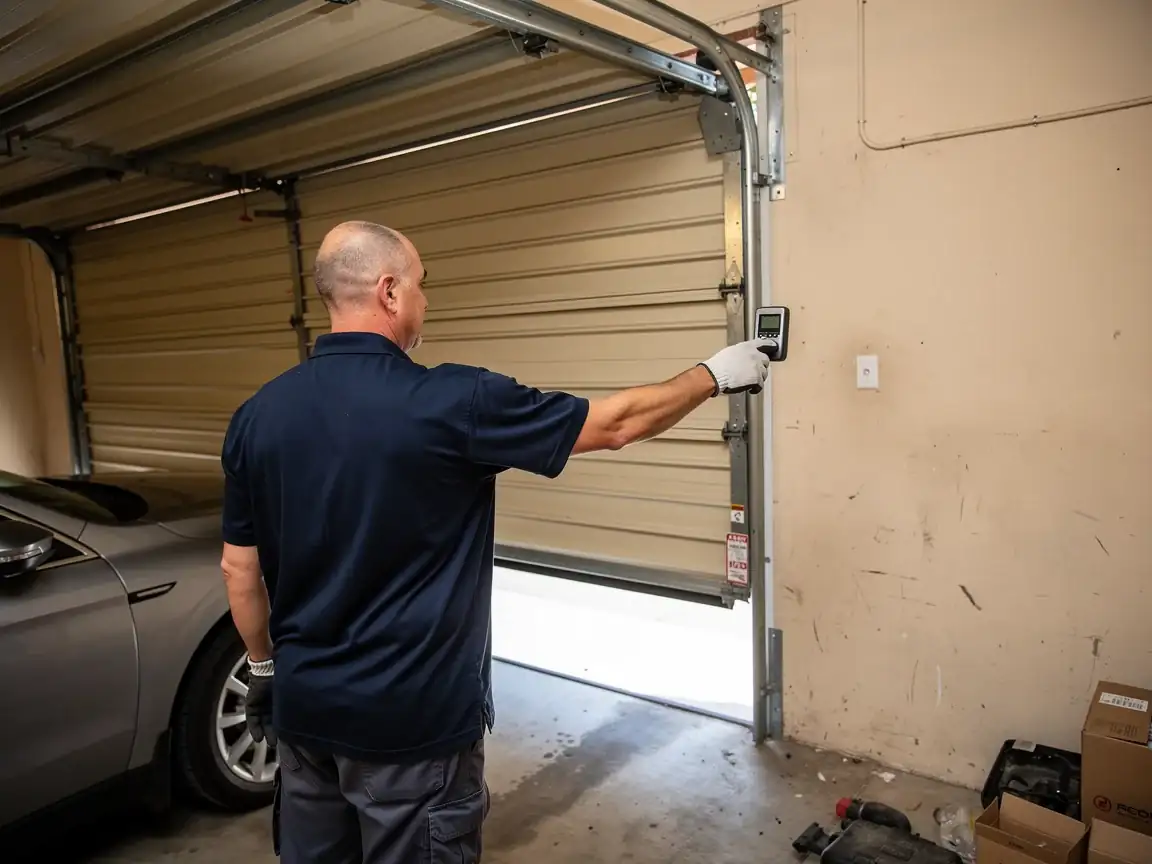
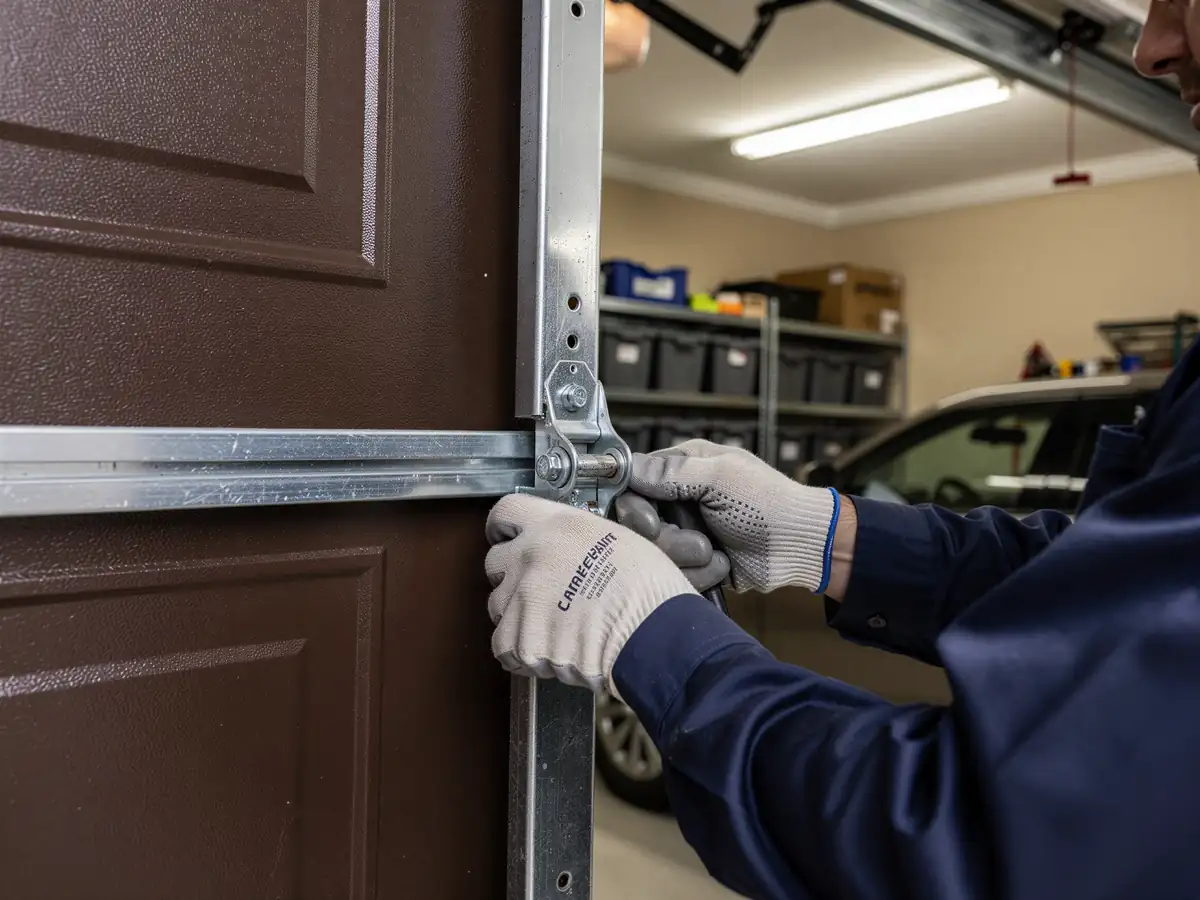
Which keeps the work on-site short once the truck arrives from Woburn. A broken spring swap on a standard sectional door takes less time than diagnosing an intermittent opener fault, where the symptom comes and goes and the tech has to run the door through several cycles to catch it.
The severe cold winters here add friction to every moving part - literally
Grease thickens, metal contracts, and a marginal roller or cable that was fine in October starts binding in January. That's not unique to this one street or that one driveway; it's a function of the climate band this whole region sits in, and it means winter calls often take a little longer than the same repair would in October, because cold metal doesn't want to move.
The Symptom
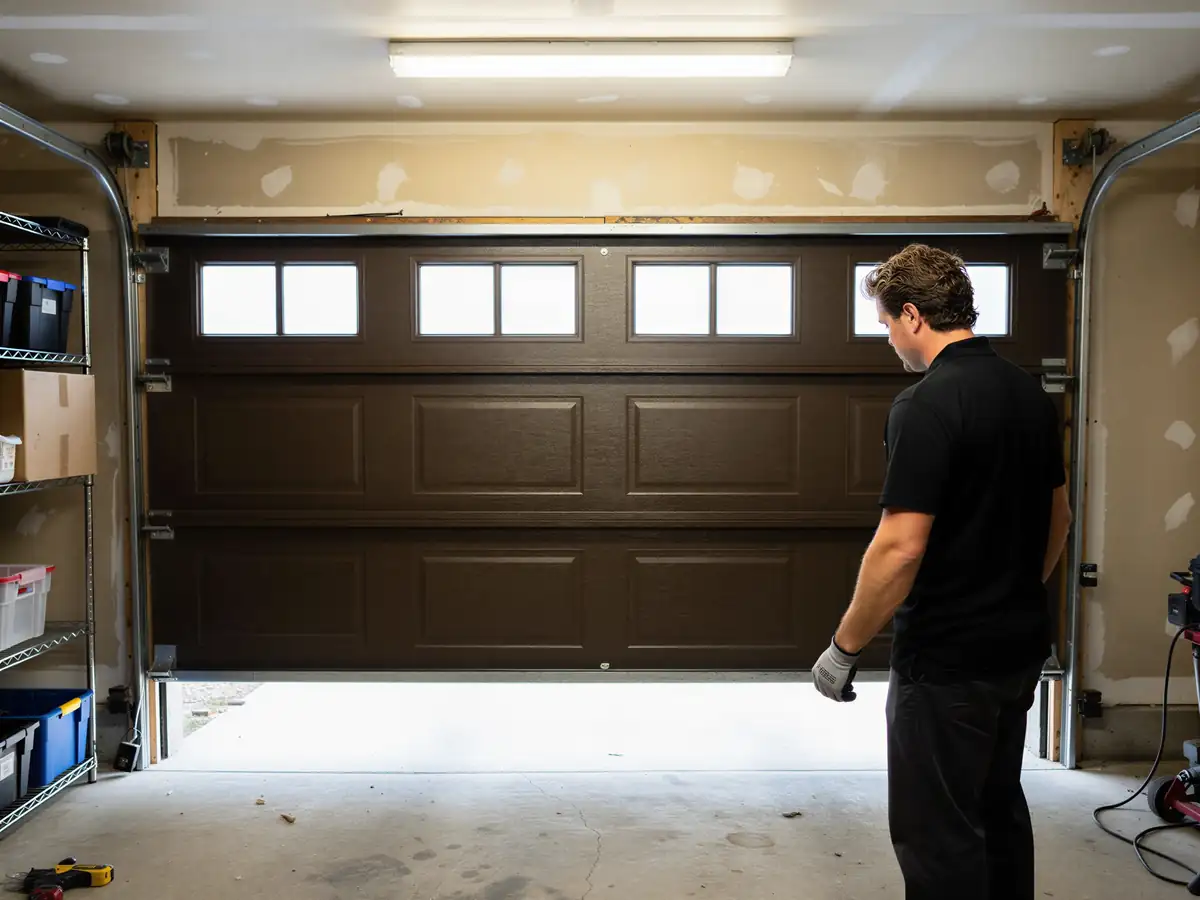
The complaint we hear most from Burlington: the door starts up, gets partway, and reverses or stops. On a house from this era, that's almost always the opener's travel limits drifting, a worn drive gear slipping, or a spring that's lost enough tension that the opener is doing work it was never built to do alone.
A second common one is a door that's noticeably harder to lift by hand in January than it was in August. That's the cold-weather effect on grease and metal tolerances doing exactly what it does across this climate band every winter - not a sign the door is failing, usually just a sign it needs fresh lubrication and a cable check before it does fail.
We don't try to diagnose either of these over the phone beyond the basics. A reversing door or a stiff lift has three or four possible causes, and guessing wrong means a second trip.