Why This Fails Locally
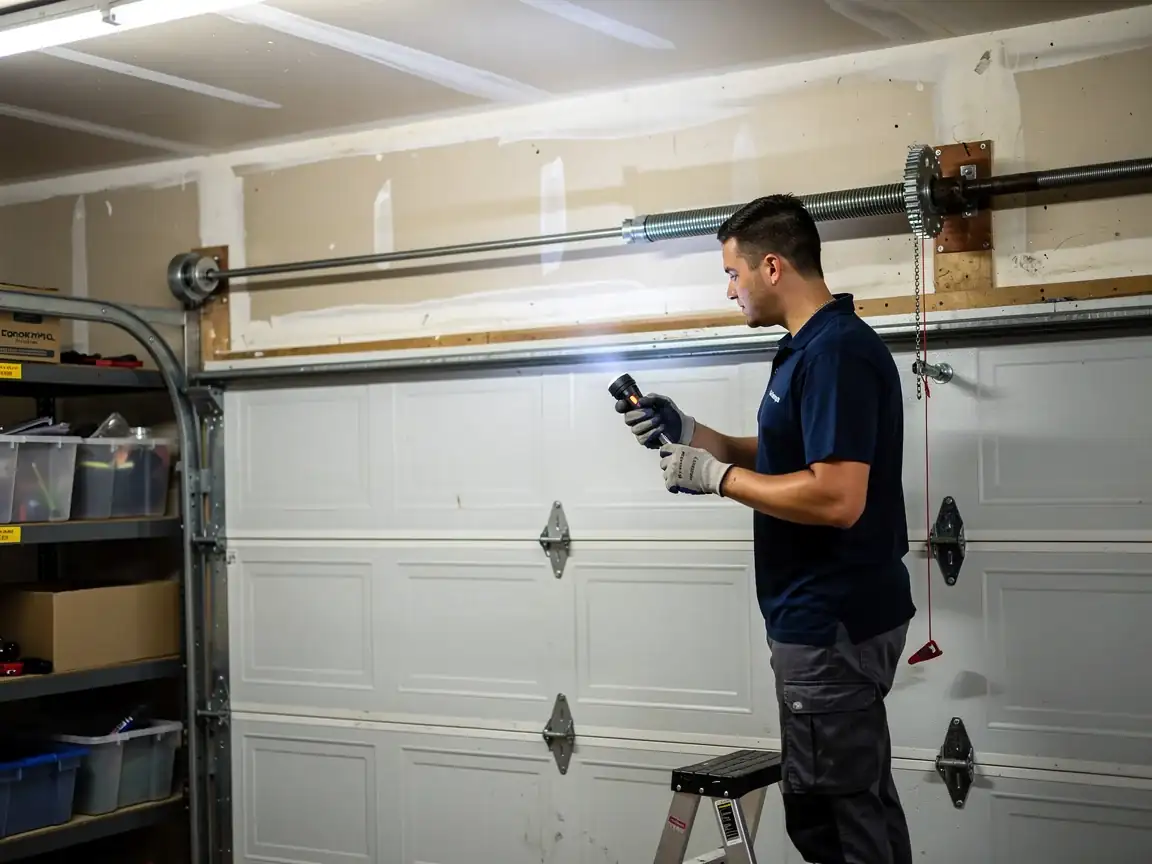
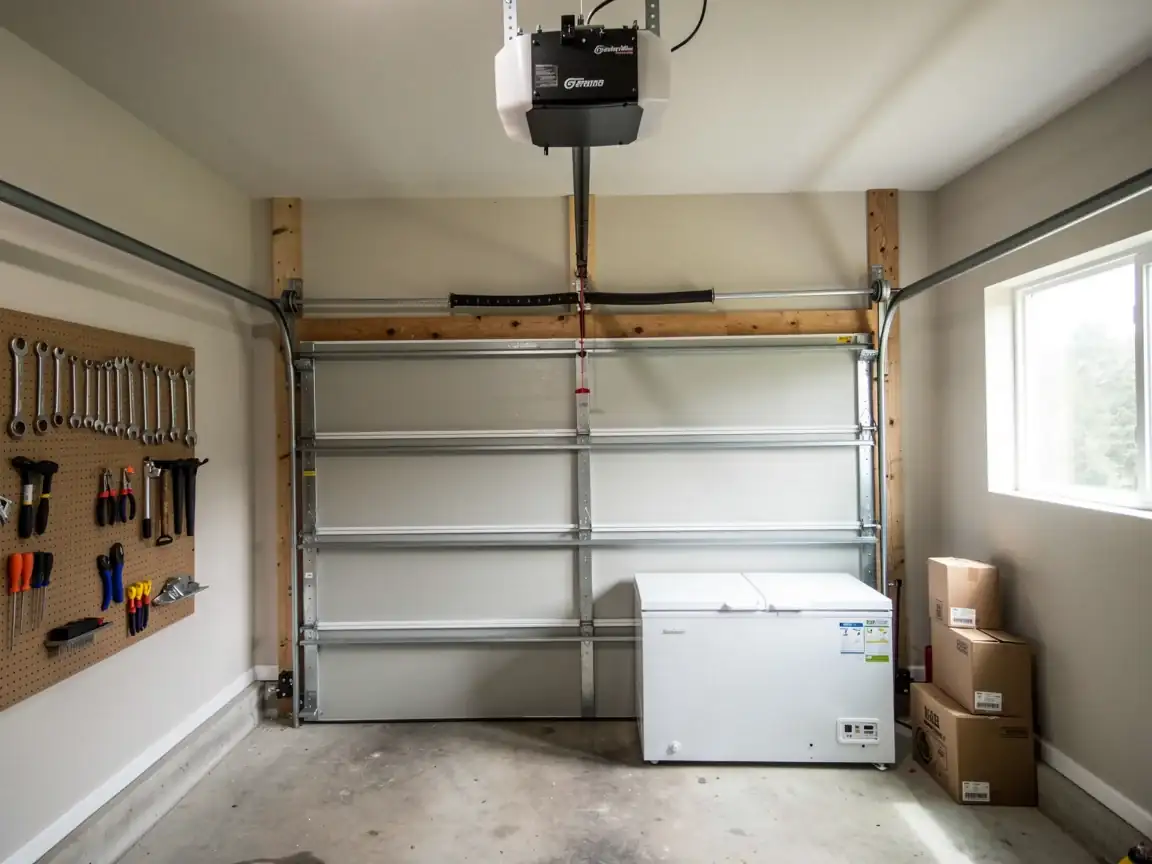
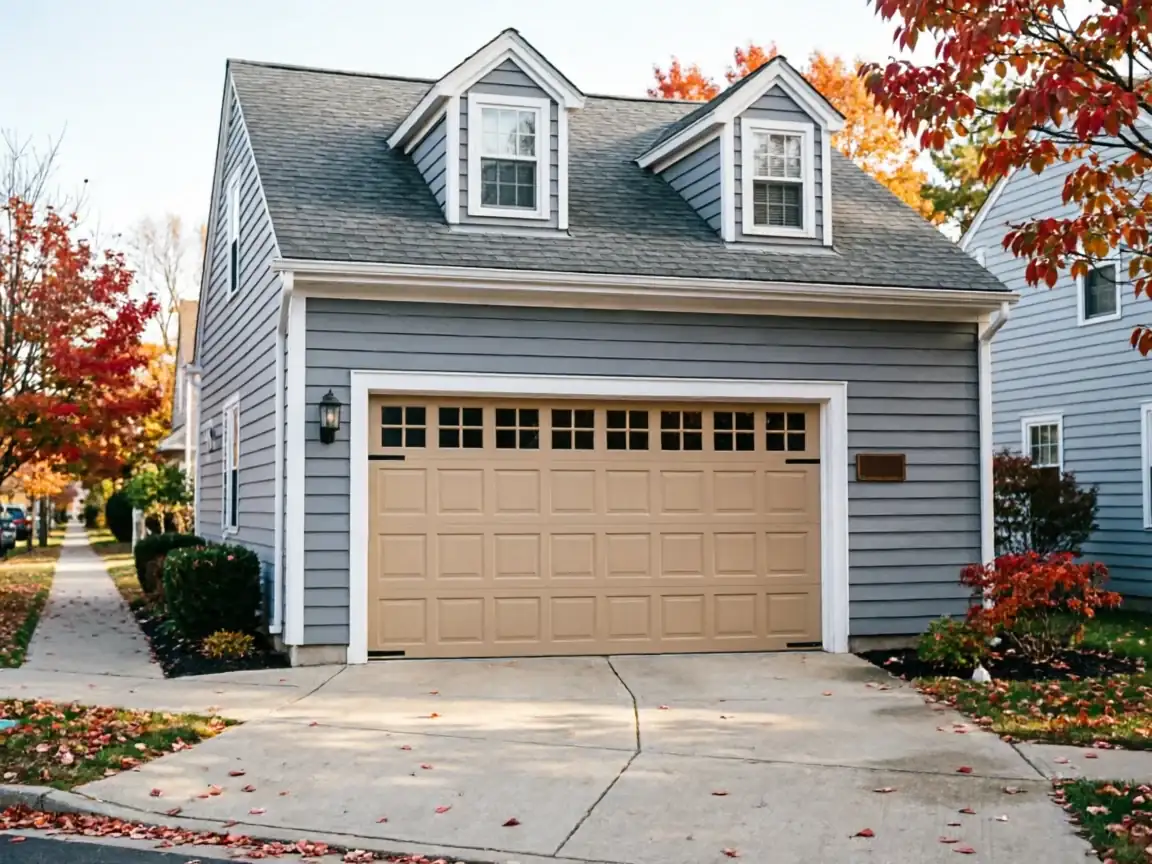
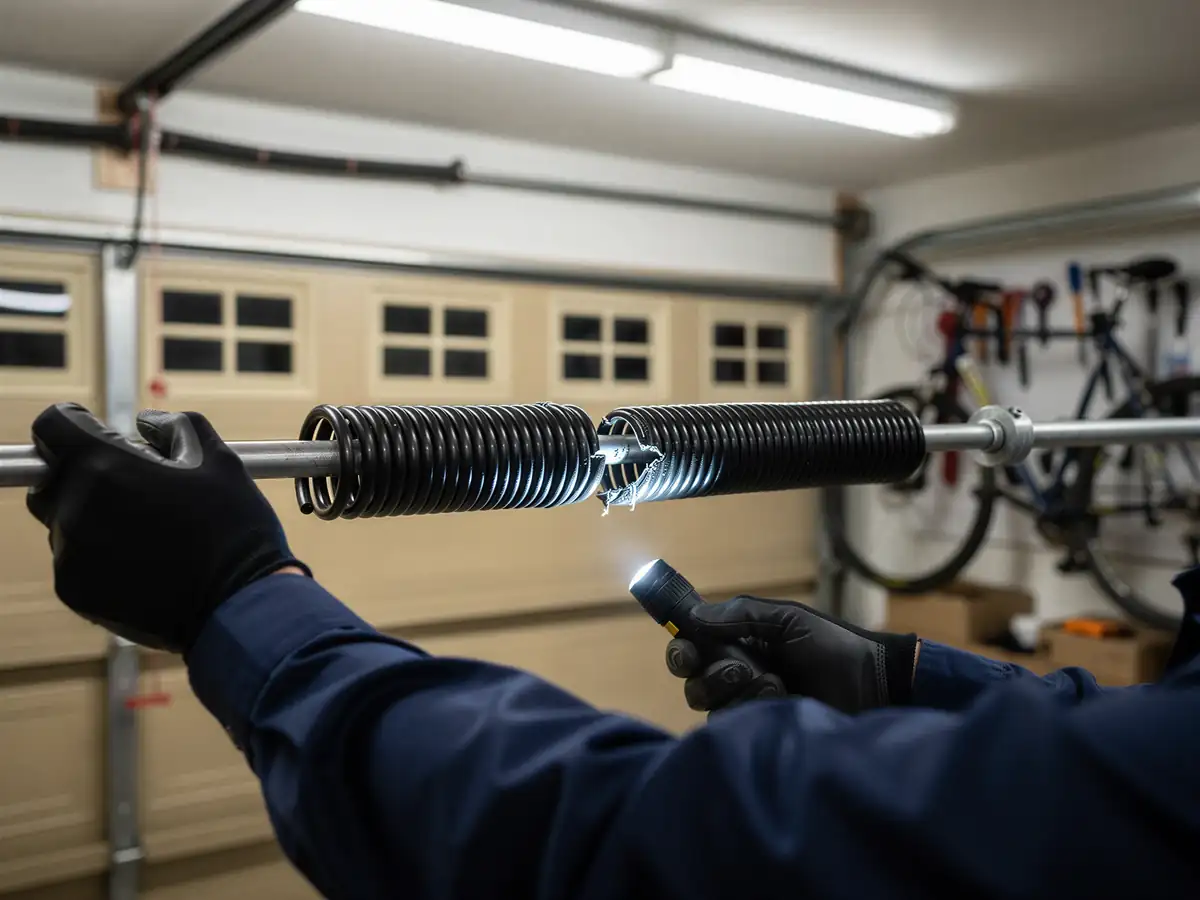
Woburn's housing stock centers on 1965. Burlington's sits a few years later, around 1971, and that gap matters more than it sounds. By the early 1970s, builders here had largely shifted from older extension-spring setups to torsion systems mounted above the opening, and the steel sectional door was replacing the older flush wood panel as the default choice. So a Burlington garage from this era isn't usually hiding the same fault as a Woburn garage from the mid-60s - it's more likely a torsion spring that's simply worn out after fifty-plus years of cycles, or a steel panel that's gone thin and started to oil-can in the cold. We're still coming from Woburn, 3 miles away, but the job we quote once we're inside your garage often looks different than the one next door in Woburn proper, because the door itself was built to a different standard. This region sits in a cold, severe-winter climate zone, and torsion springs from that build era weren't always rated for the cycle count a 50-year-old spring has now racked up. That's the fault we're usually chasing before we even talk about new installation.
Stocked Parts
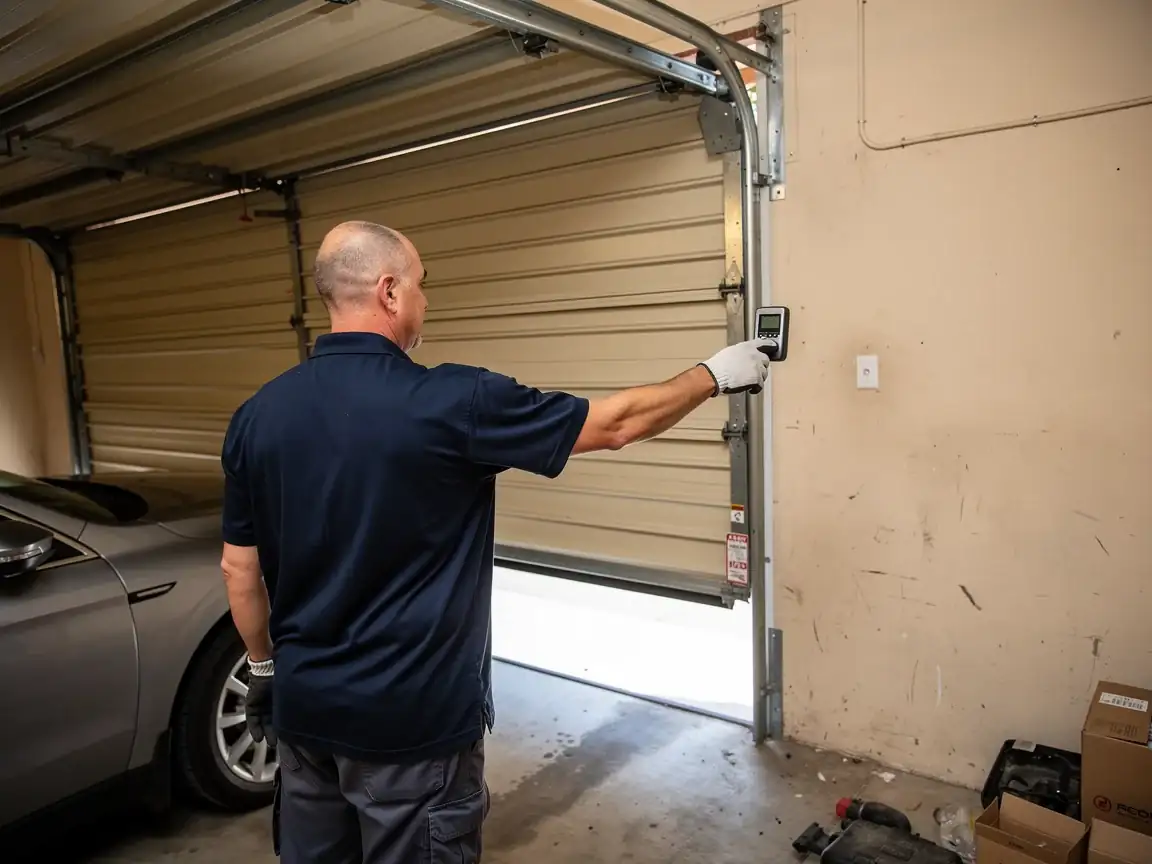
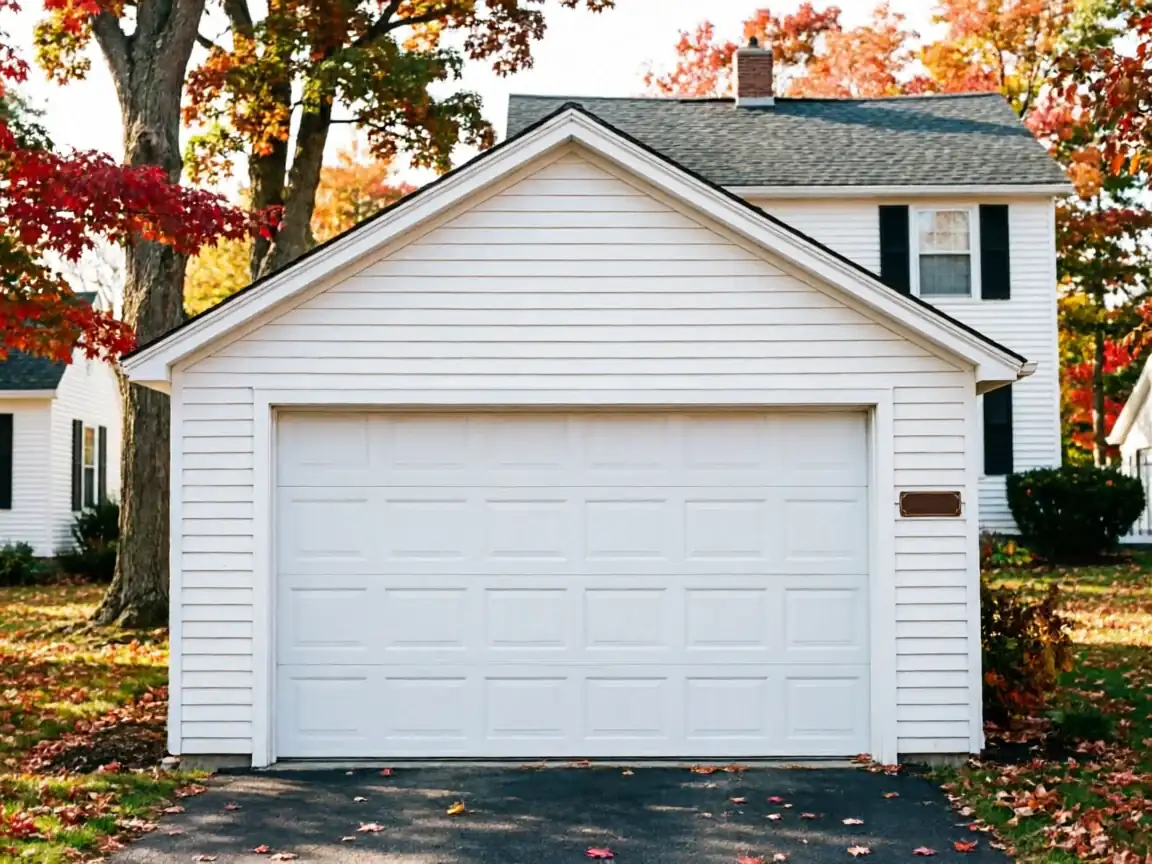
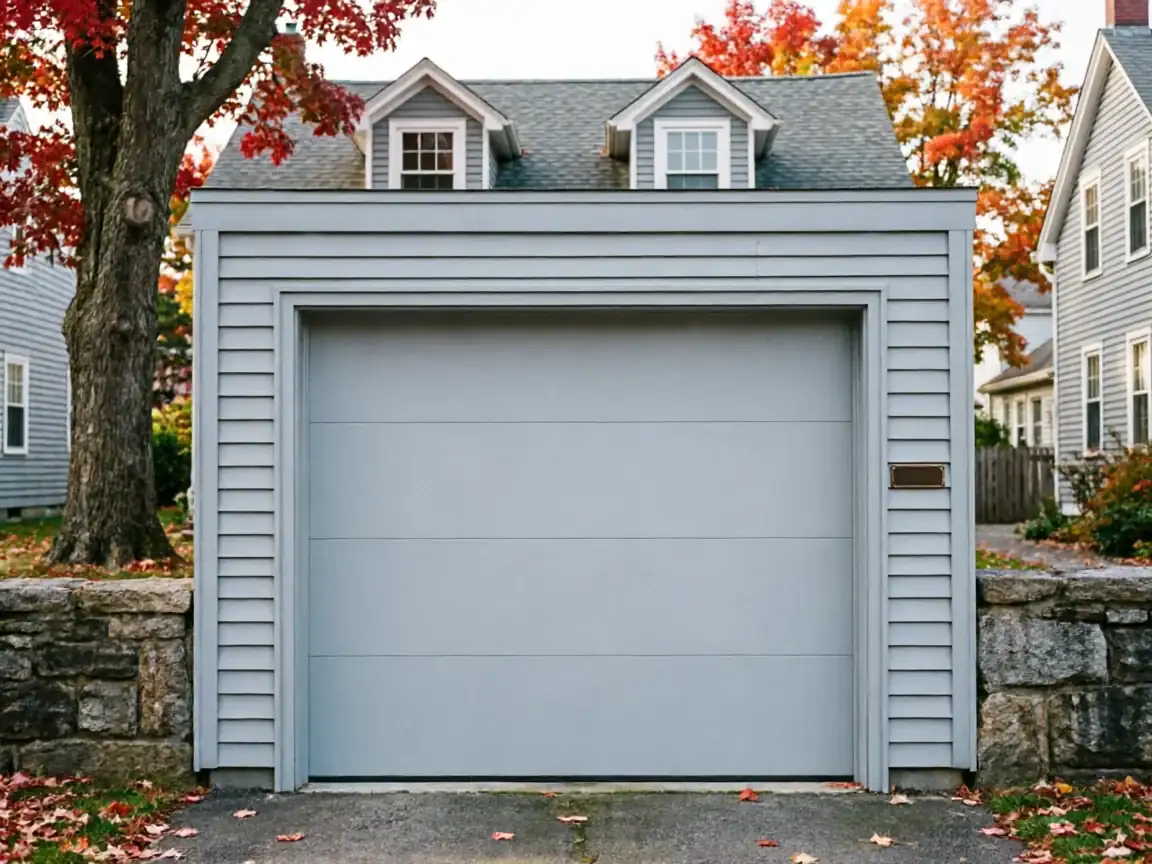
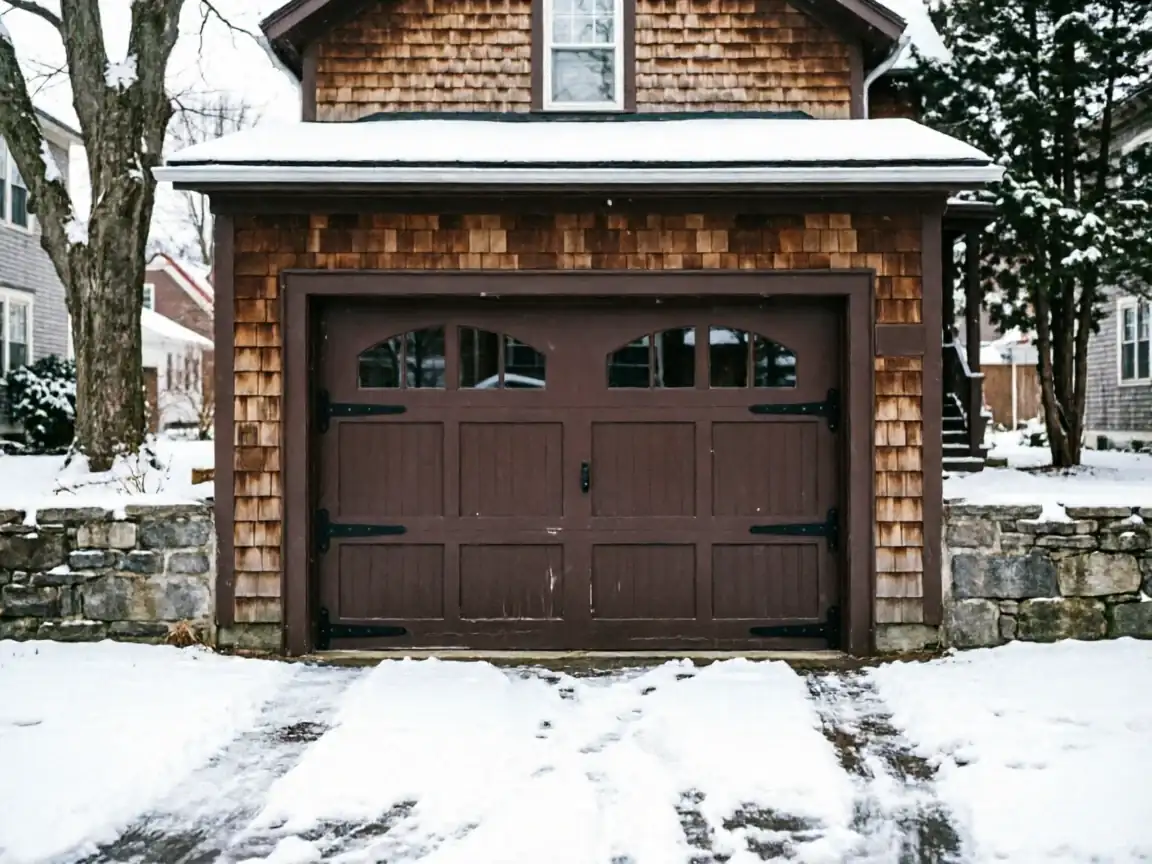
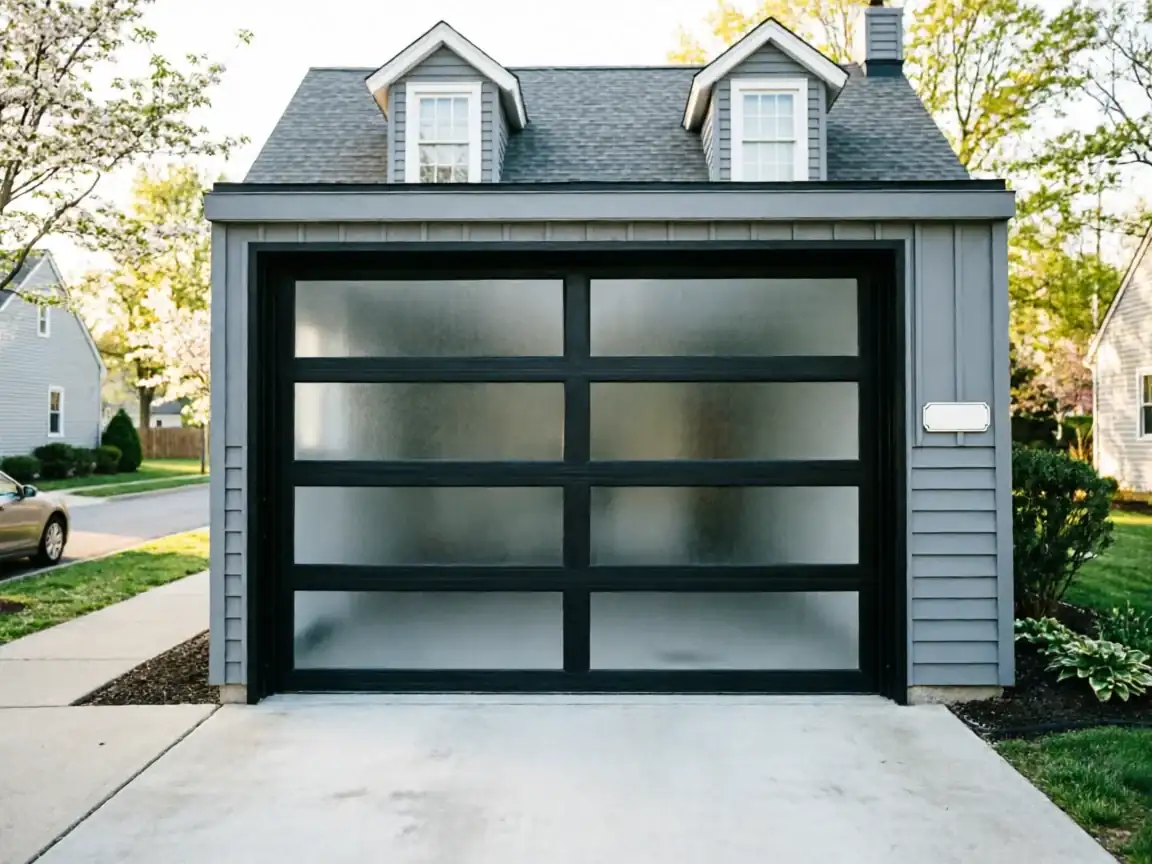
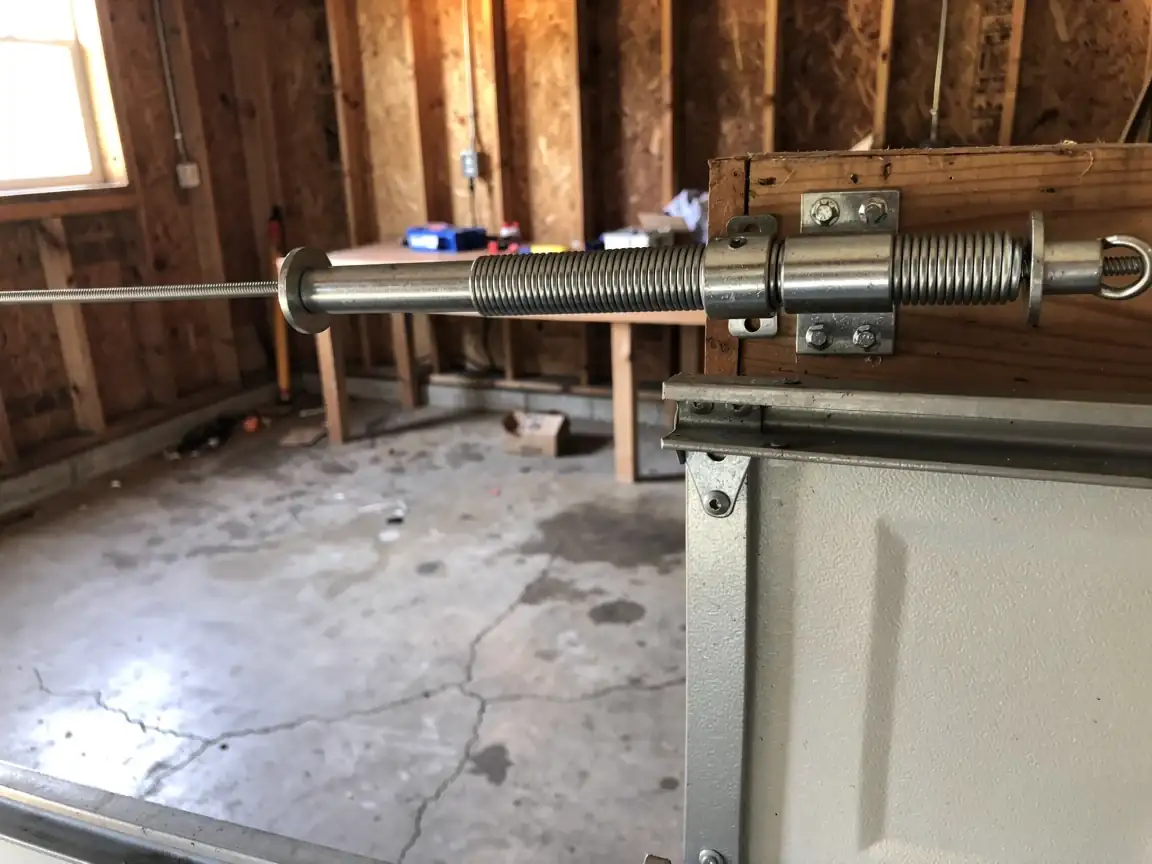
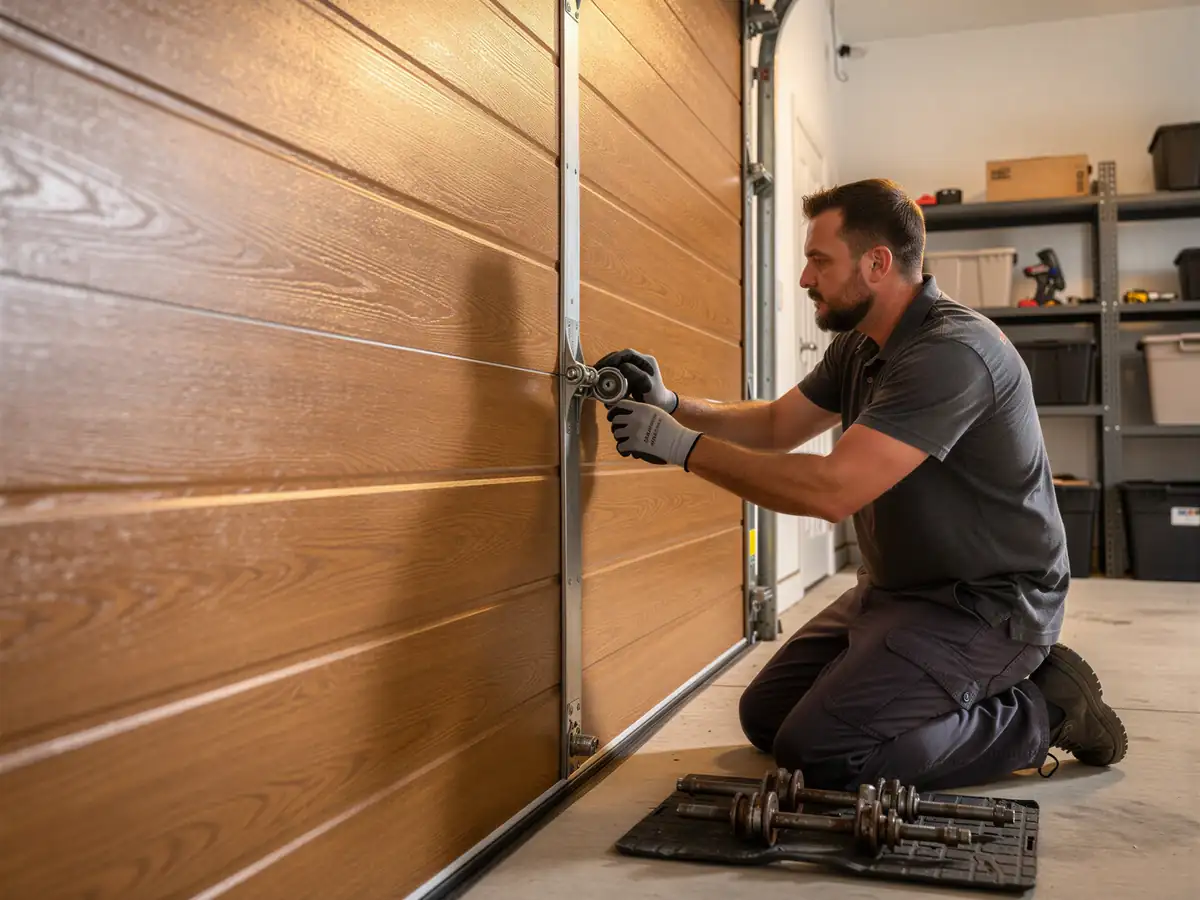
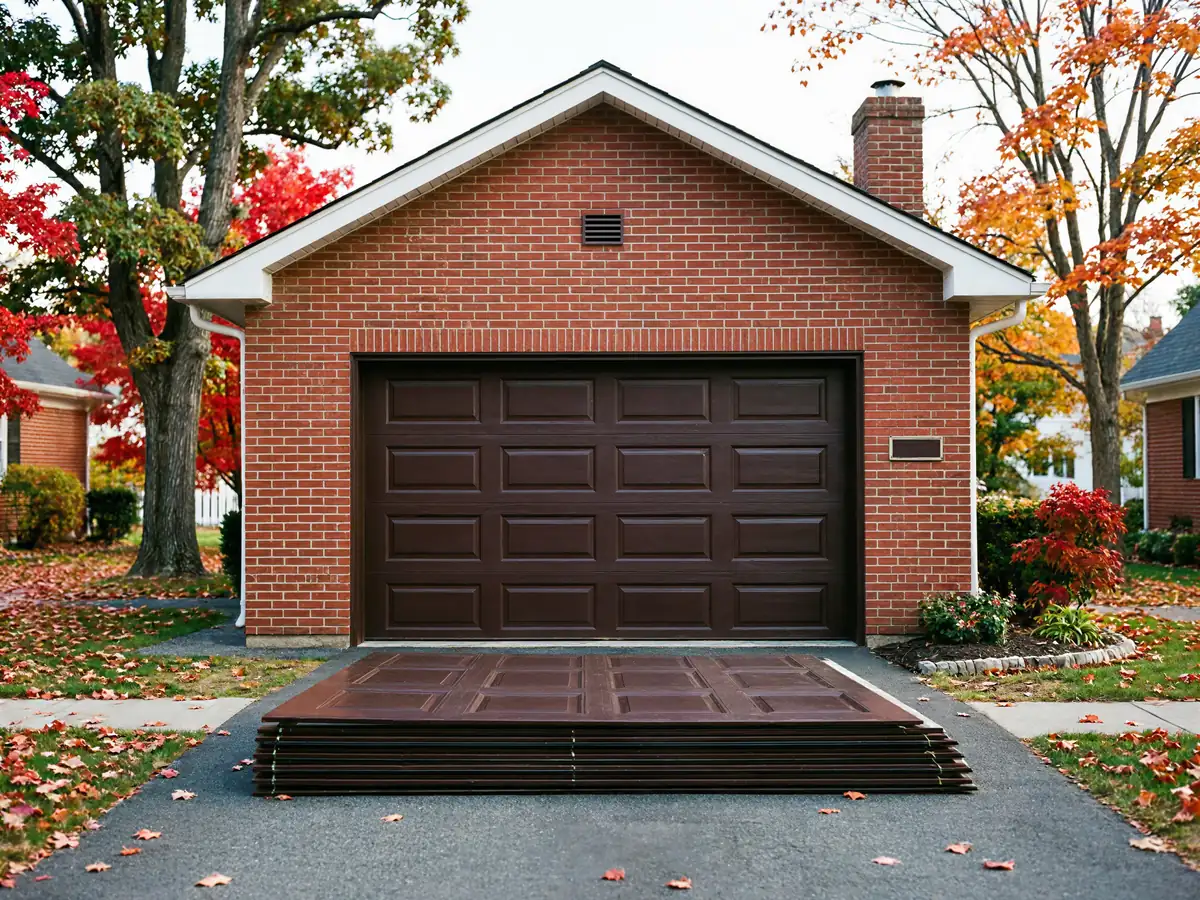
For a new install on a Burlington house from the early-70s stock, we carry torsion springs sized for standard 7-foot and 8-foot openings, steel sectional sections in the common widths from that building era, and galvanized track built for the cold-severe climate this area sits in - track that won't bind up when the temperature drops hard. What we don't stock on the truck is anything custom: oversized carriage doors, odd clearances from a converted garage, or specialty insulated panels outside the standard run. Those get special-ordered, and that adds lead time we can't shrink no matter how close Burlington sits to our Woburn shop. If your opening is standard, which most Burlington garages from this period are, we can usually turn the job around without waiting on a special order.
The Symptom
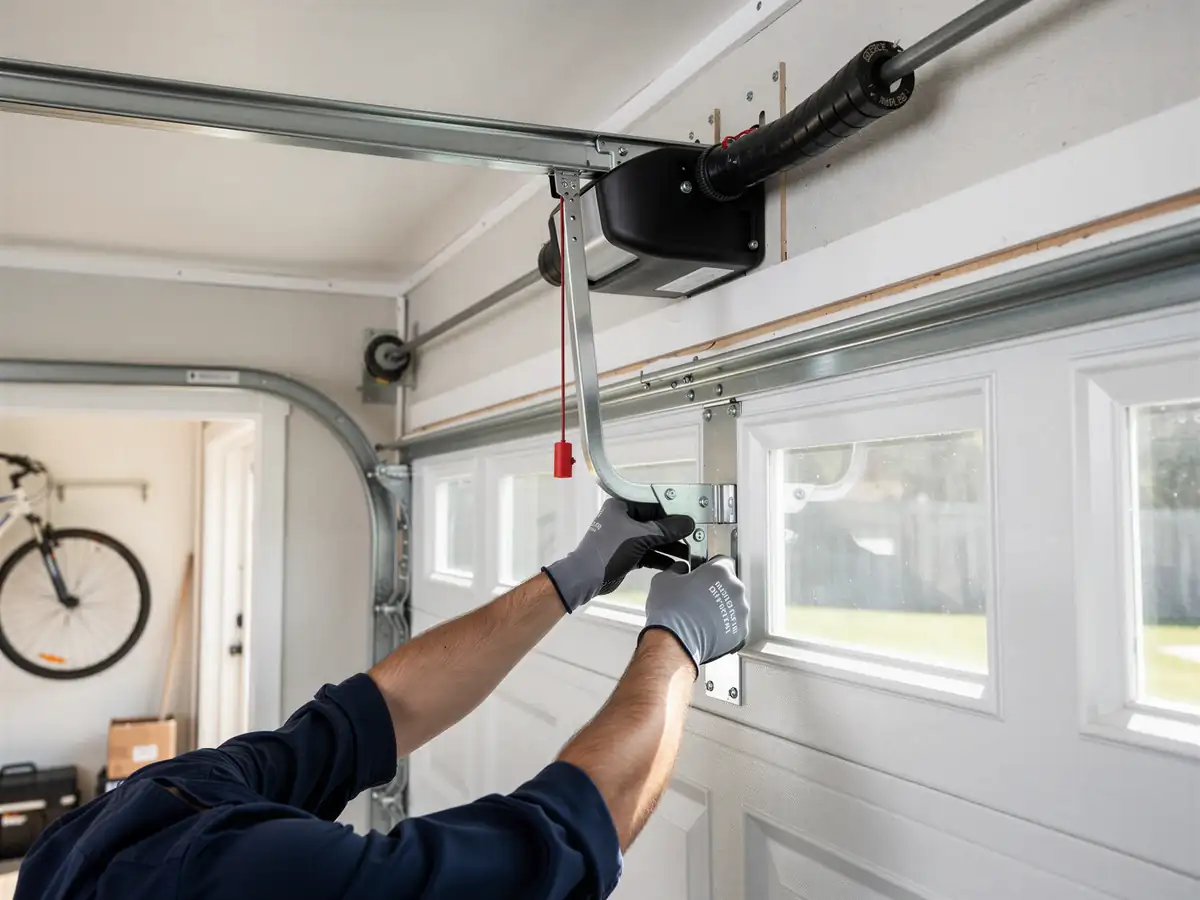
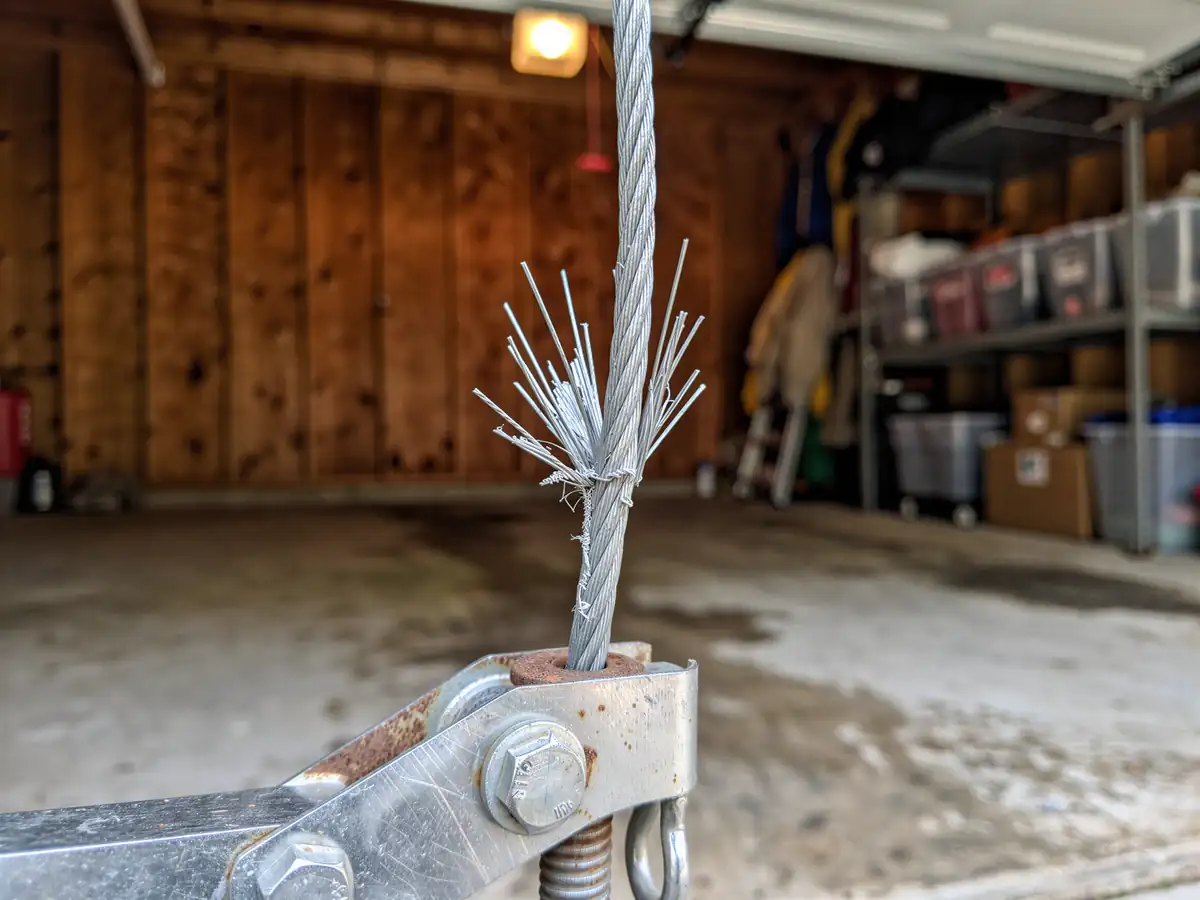
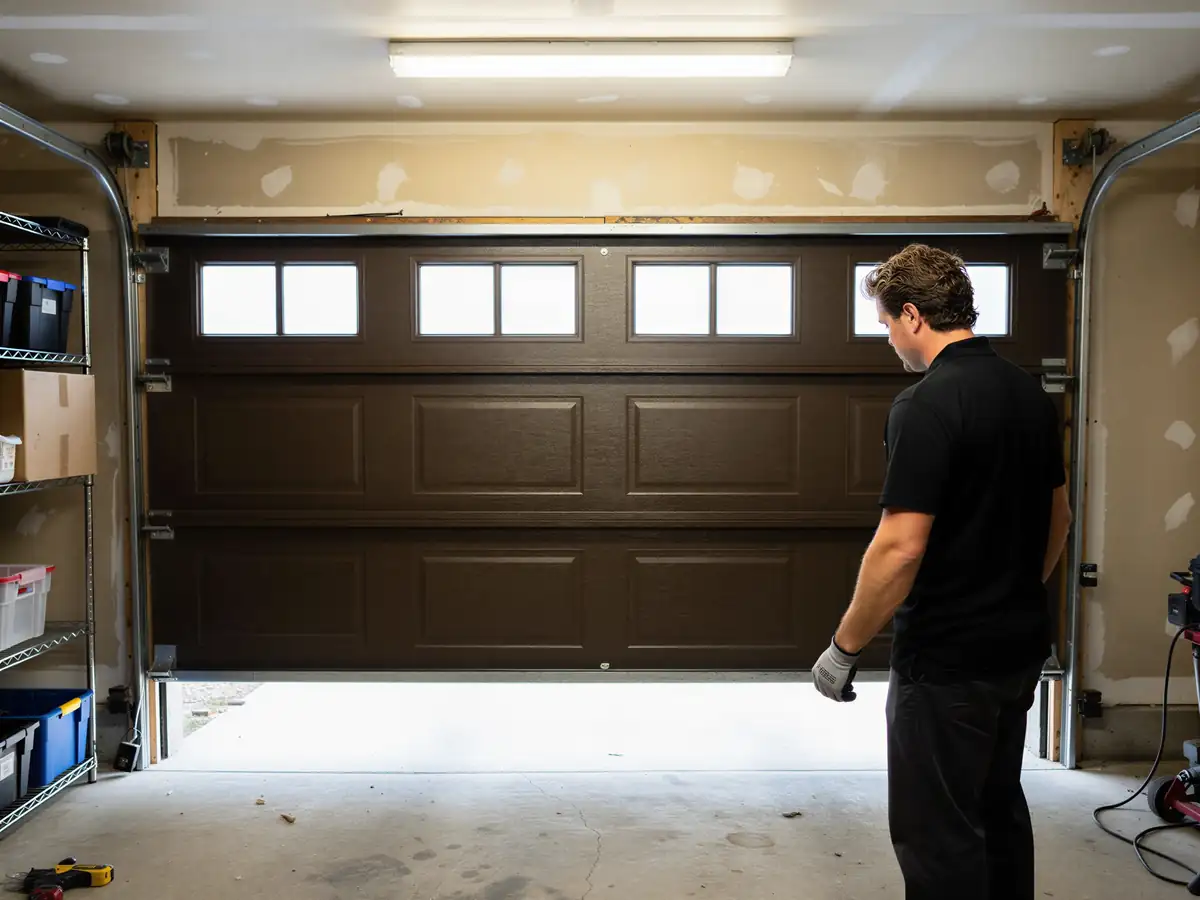
The complaint we hear most from this stretch of Burlington is a door that's gotten heavy to lift by hand, or an opener that strains and reverses partway up. On a door built new around 1971, that's almost always spring fatigue - the torsion spring has lost tension after decades of cold-weather cycling, not a motor problem. A second common one: steel panels that have started to flex or dent along the bottom sections, thinner gauge than what's made today, which is often the point where repair stops making sense and replacement is the better call. We won't talk you into a new door if a spring swap and a panel or two gets you another several years out of it - sometimes that's the honest answer, even on a page about new installs.