Why This Fails Locally
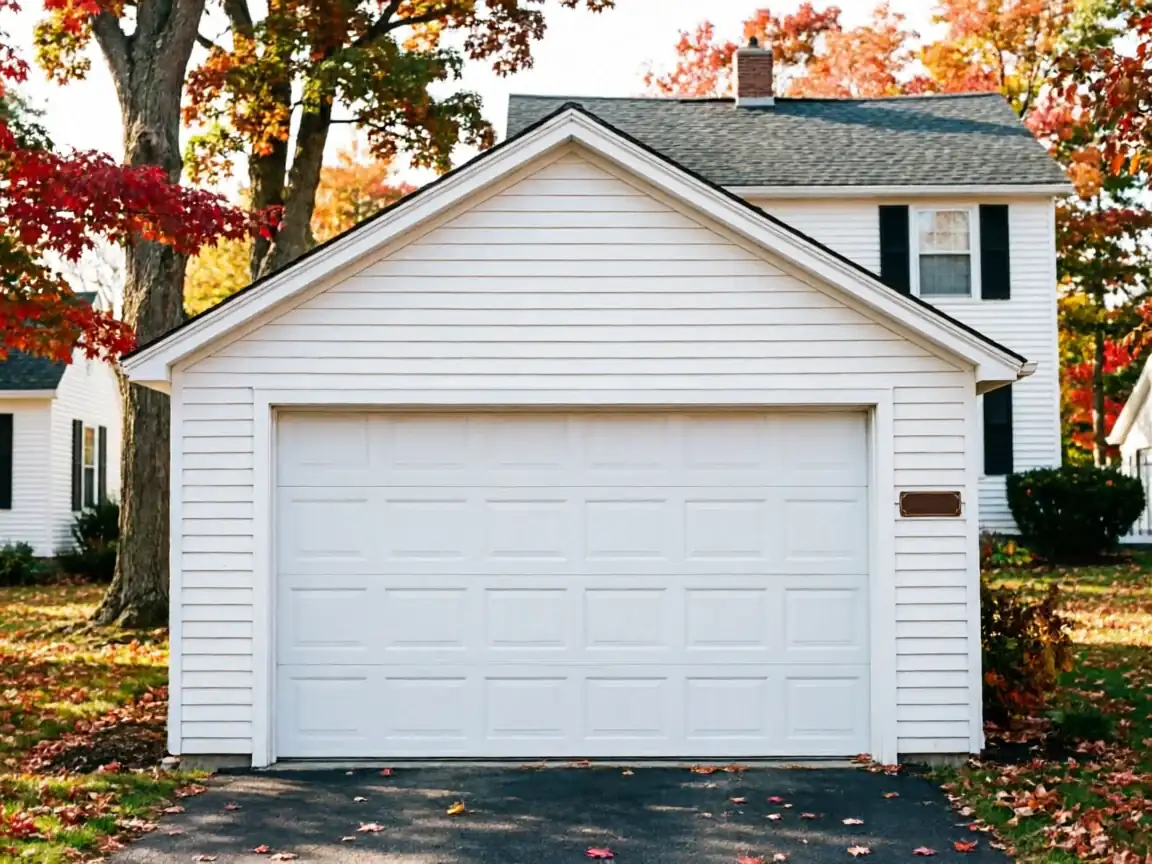
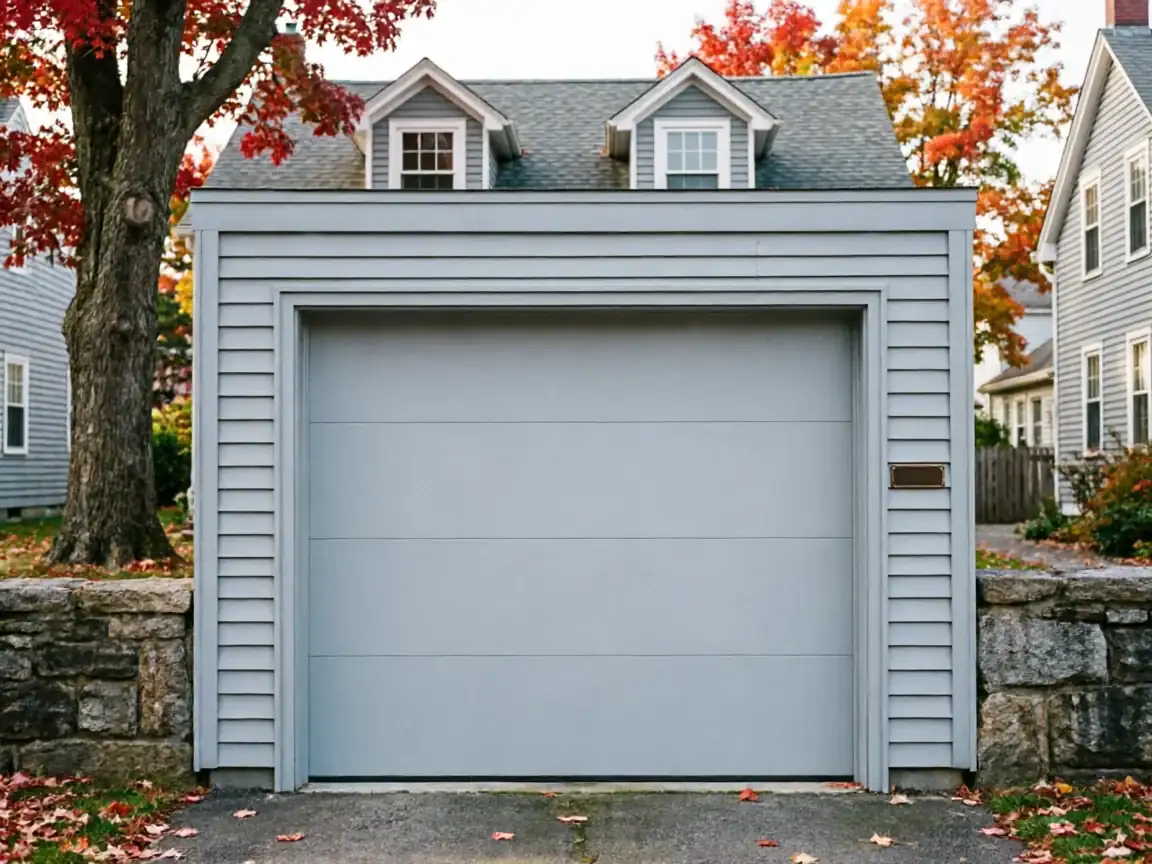
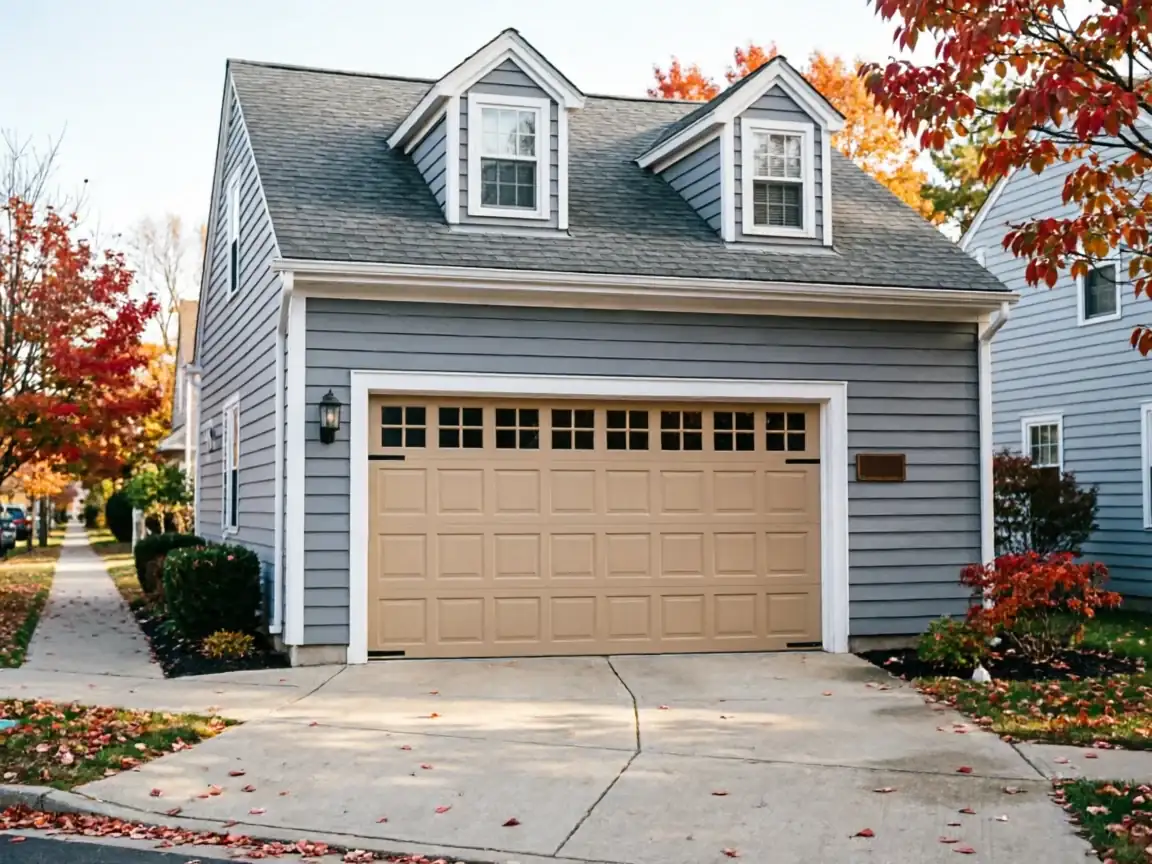
The drive from our Woburn shop to a Burlington roller call is short, about 3 miles, which matters less for how fast we get there and more for what we find when we do. Burlington's housing stock centers on 1971, squarely in the 1960s-70s wave that built out most of this part of the service area. Doors from that build era were almost always hung with steel rollers on steel track, no nylon, no sealed bearings, just raw metal riding in a channel.
That combination does fine for decades until the cold gets into it. This region sits in a severe cold climate band, and steel-on-steel hardware loses what little lubrication it had every winter. The grease gums up, contracts, and the roller starts riding dry against the track. On a 1971-era door in Burlington, that usually shows up as a grinding or shuddering sound right around the top of the travel, where the door changes direction fastest and the worn roller binds hardest.
With roughly 10,056 households in town, most sitting inside that same build window, this isn't a one-off problem. It's the same wear pattern showing up house after house on this side of the service area, just on different timelines depending on how often the door gets used.
Stocked Parts
Because the housing stock here runs 1965-1988 across most of the broader area, we carry both the steel rollers that match original 1971-era hardware and the sealed nylon rollers homeowners usually ask to upgrade to once we're on site. Steel rollers are cheaper and match what's already in the track, but they're also what caused the noise in the first place. Nylon rollers with sealed bearings run quieter and don't need the yearly lubrication steel does, which matters more in a severe cold climate where grease stiffens up every winter.
We don't carry every roller stem length on the truck. Most Burlington doors from this era use a standard stem, but a few custom or heavier commercial-style doors need a part we'd have to order, and we'll tell you on the spot if that's the case rather than guess and come back twice.
Given the median household income here, $142,207, most owners opt for the nylon upgrade across the full set of rollers rather than patching one or two steel ones, since the labor to open the track is the same either way.
Time on the Job
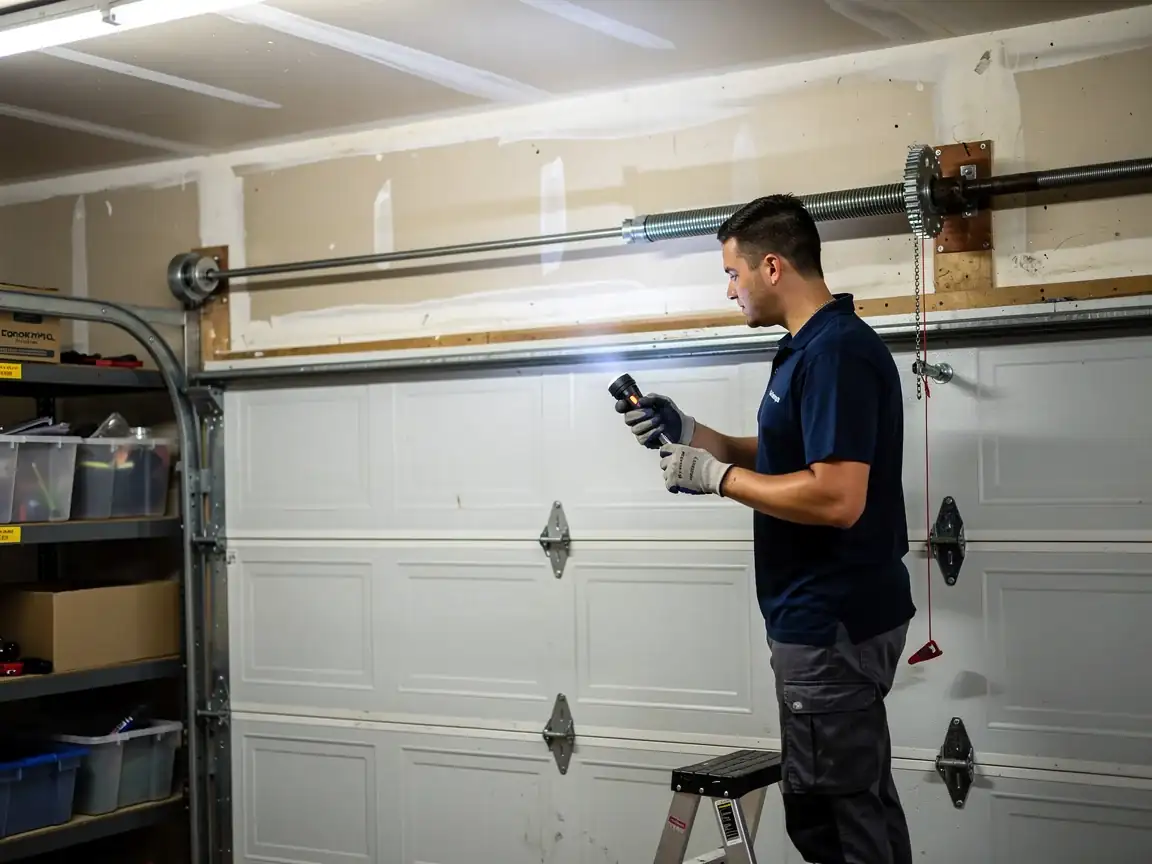
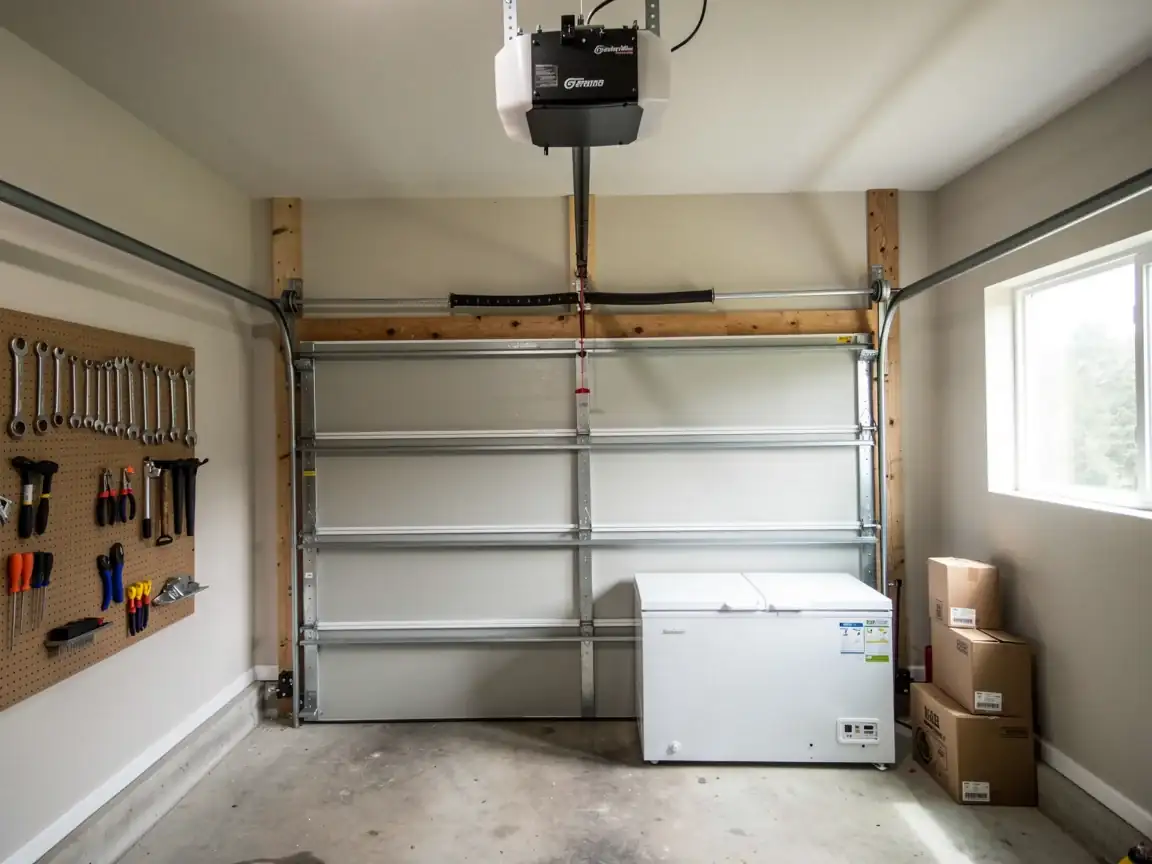
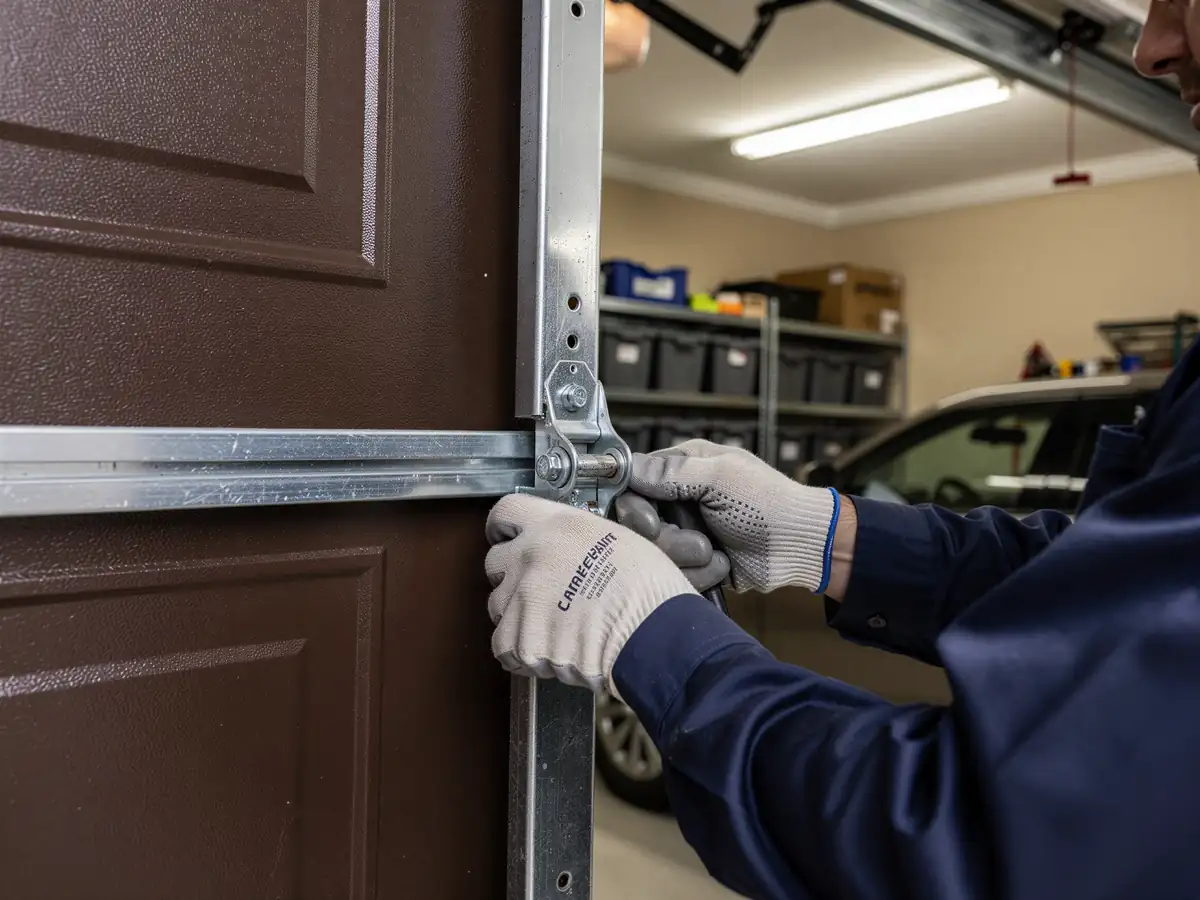
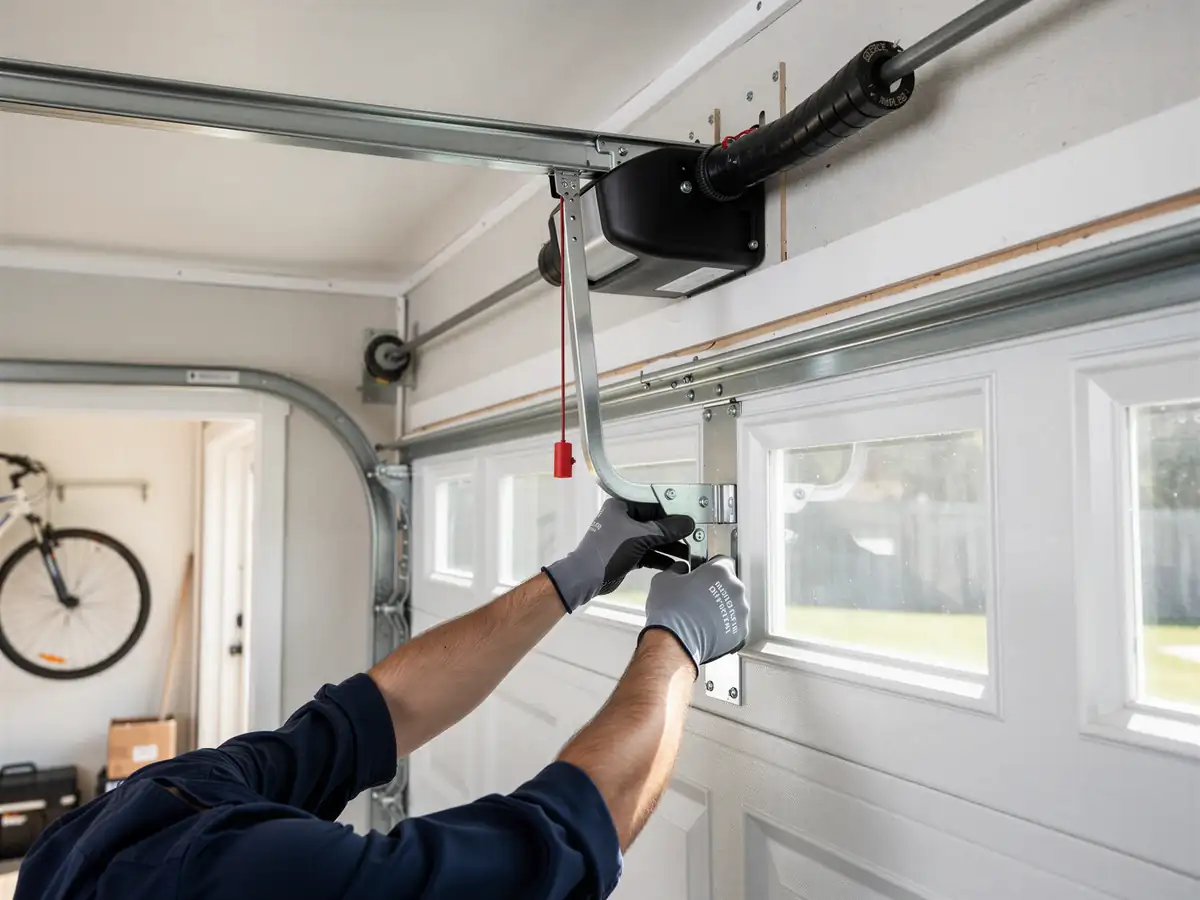
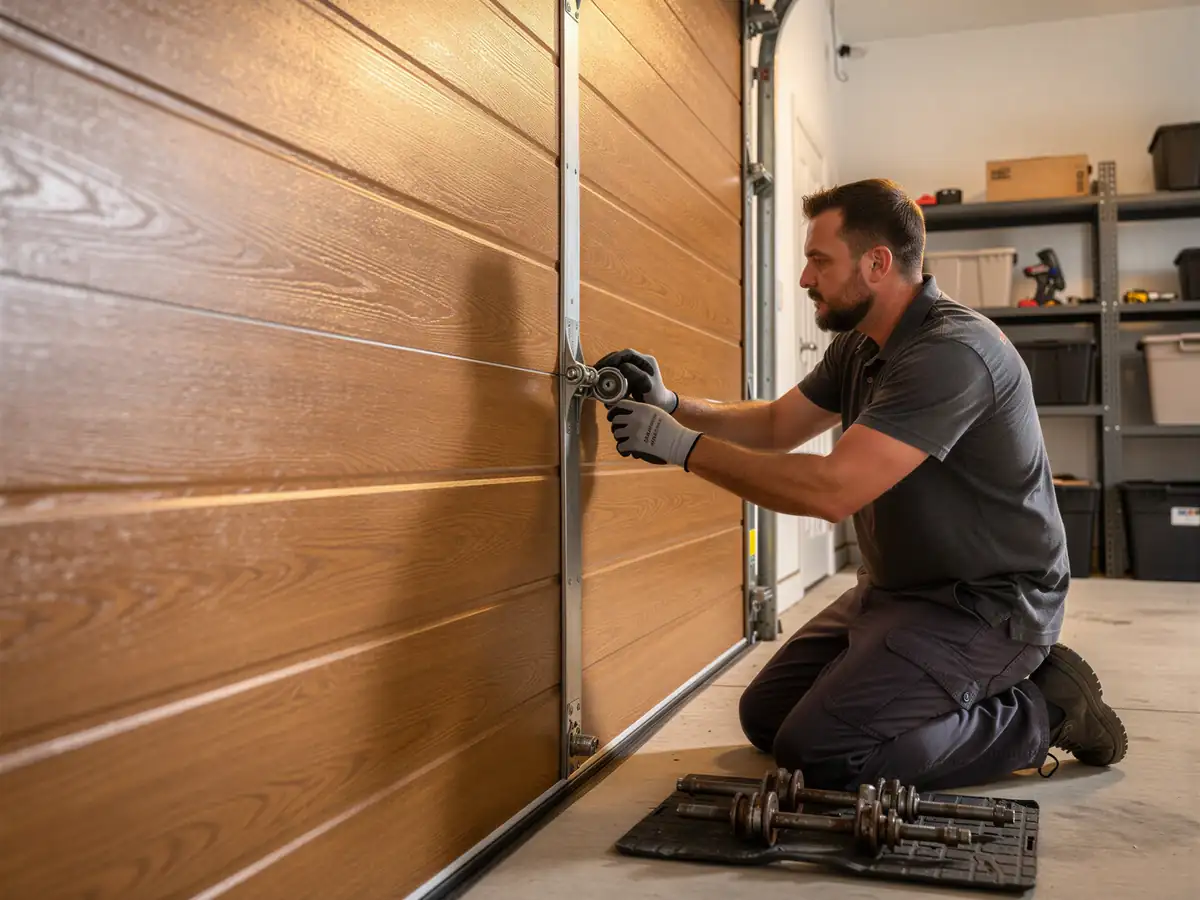
A straight roller swap on a residential door, all ten rollers, steel to nylon, is a track-off job but not a full teardown
The 3-mile run from Woburn means we're not burning half the appointment window on the road, so more of the visit is actual wrench time.
What slows a Burlington job down isn't the drive, it's the hardware
On a 1971-built door, track brackets are often original and slightly bent from 50 years of use, which means some careful realigning before the new rollers will ride smooth. We budget for that rather than rush it, because a roller job that skips track alignment just wears the new rollers the same way it wore the old ones.
- 50 years
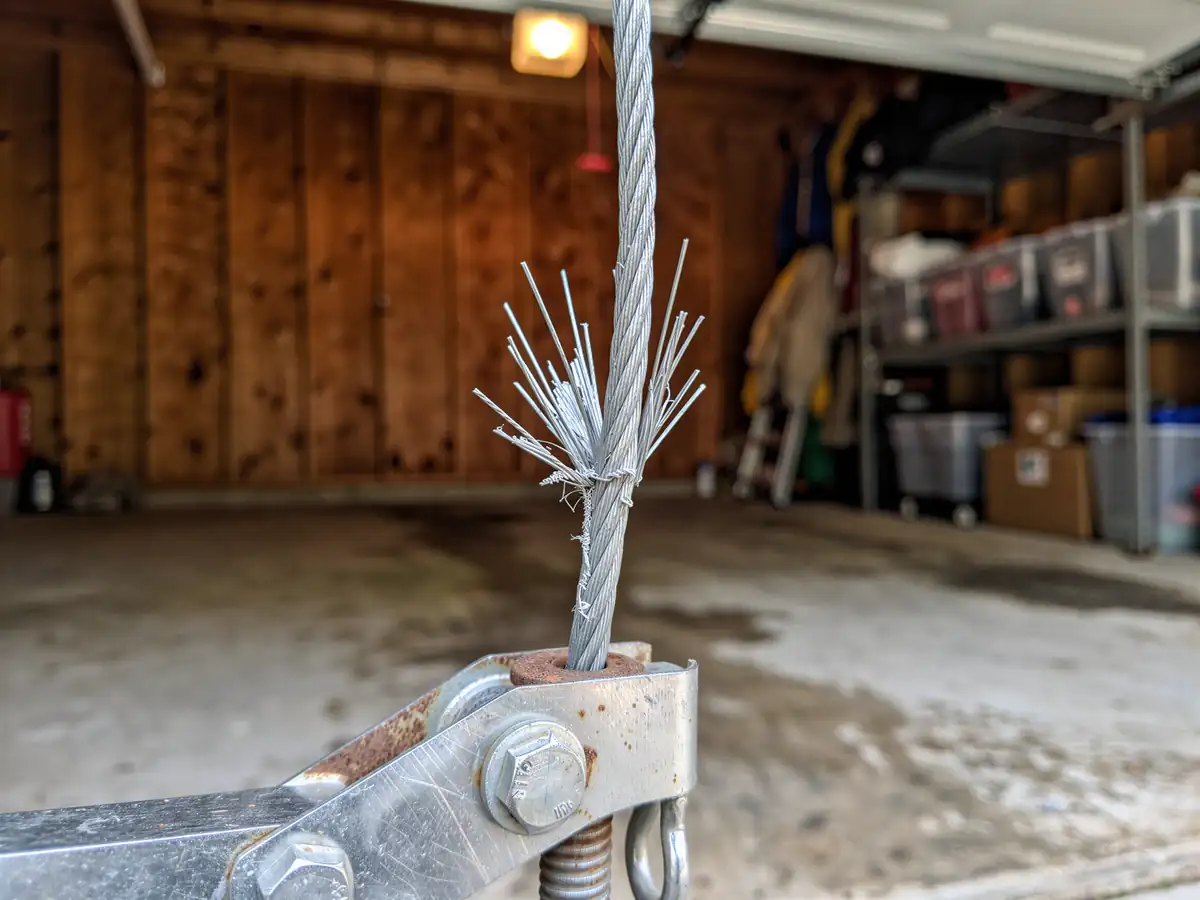
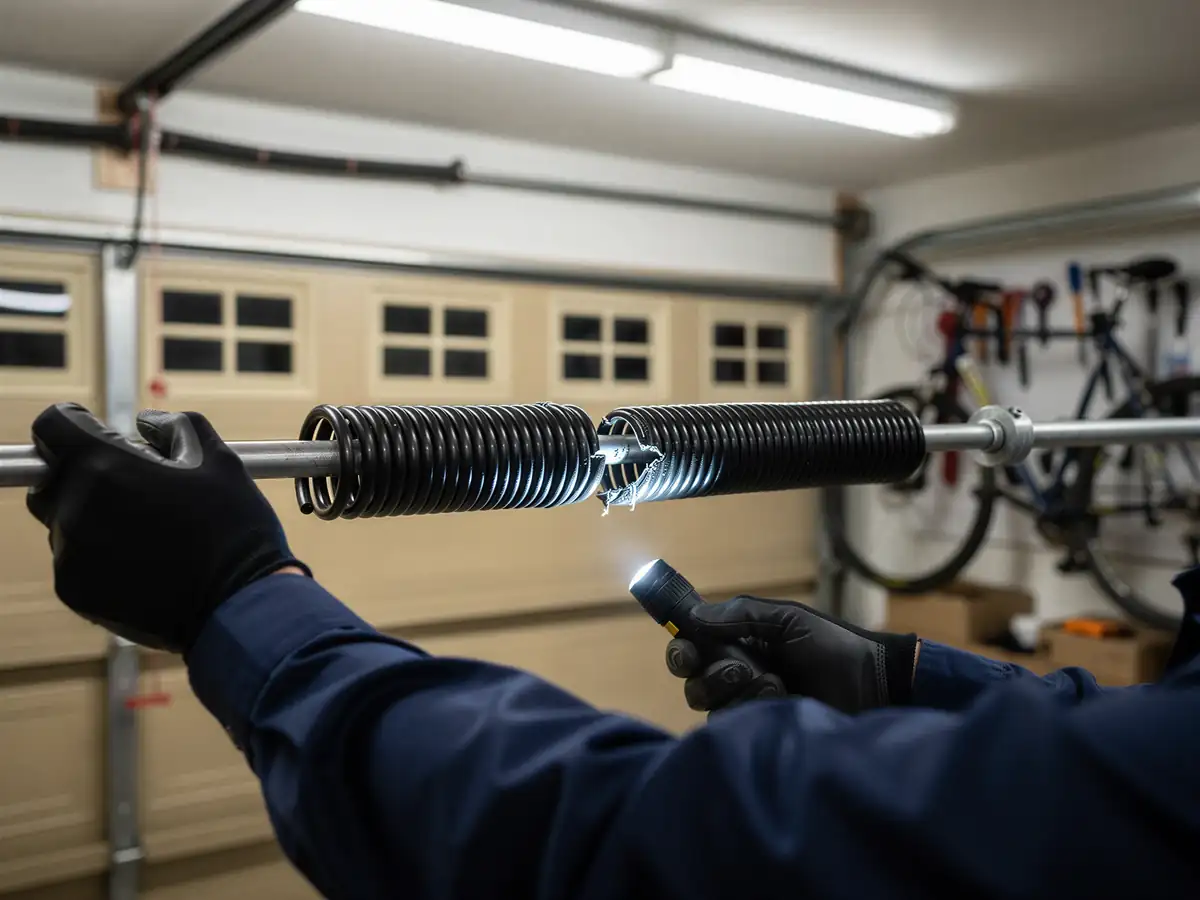
If a spring or cable shows wear while we've got the door open, we'll flag it
We don't open that up as a separate job mid-visit unless you want us to - that's a different repair with its own parts and timing, and cramming it into a roller call rarely does either job justice.
The Symptom
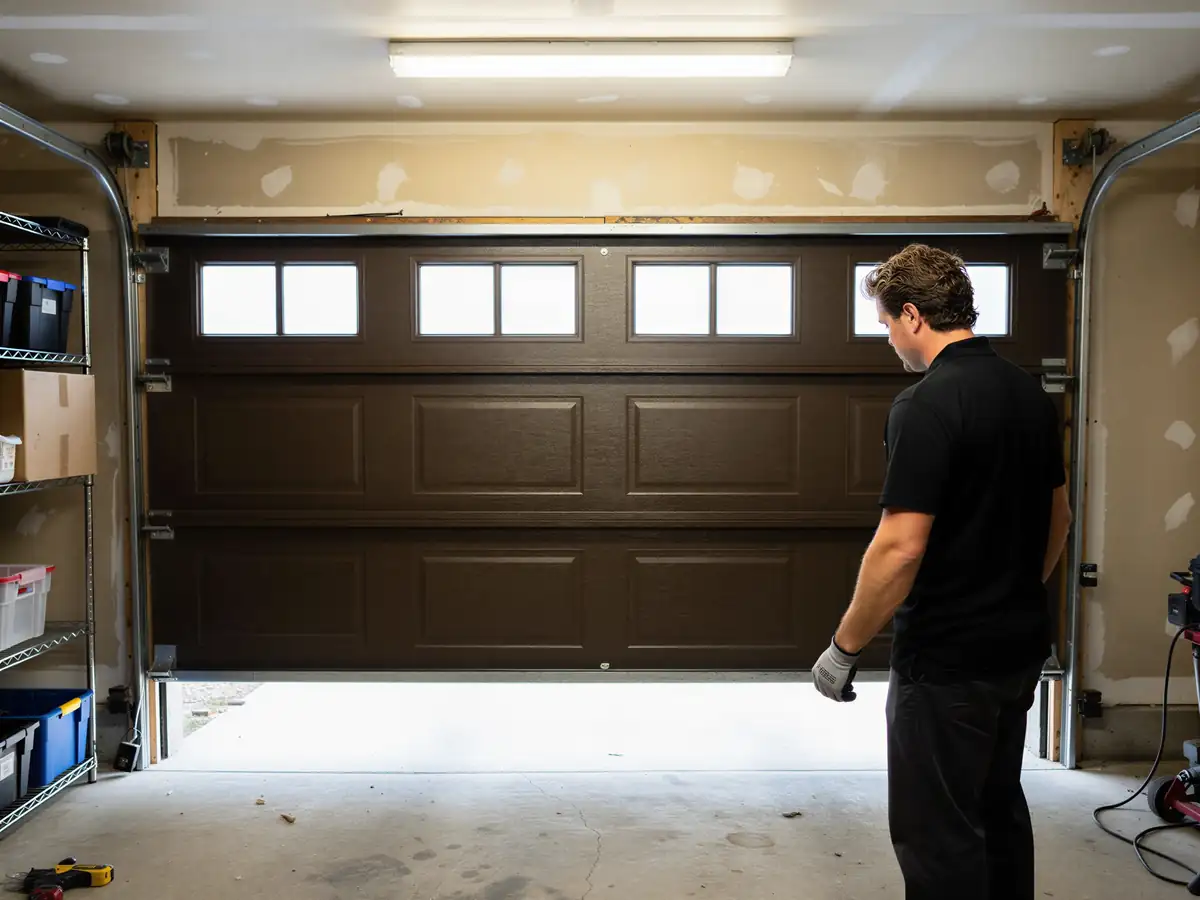
The complaint we hear most from this part of town is a loud grinding or rattling right as the door starts up, easing off once it's moving, then coming back hard near the top. That pattern points to a worn steel roller catching on a track seam or a flat spot worn into the roller itself, both common on doors from the early 1970s that have never had the rollers touched.
A second version shows up specifically in winter: the door seems to stick or hesitate for a second on cold mornings before it frees up. That's steel rollers riding dry in cold-stiffened track, not an opener problem, and it's worth ruling out before anyone replaces a perfectly good motor.
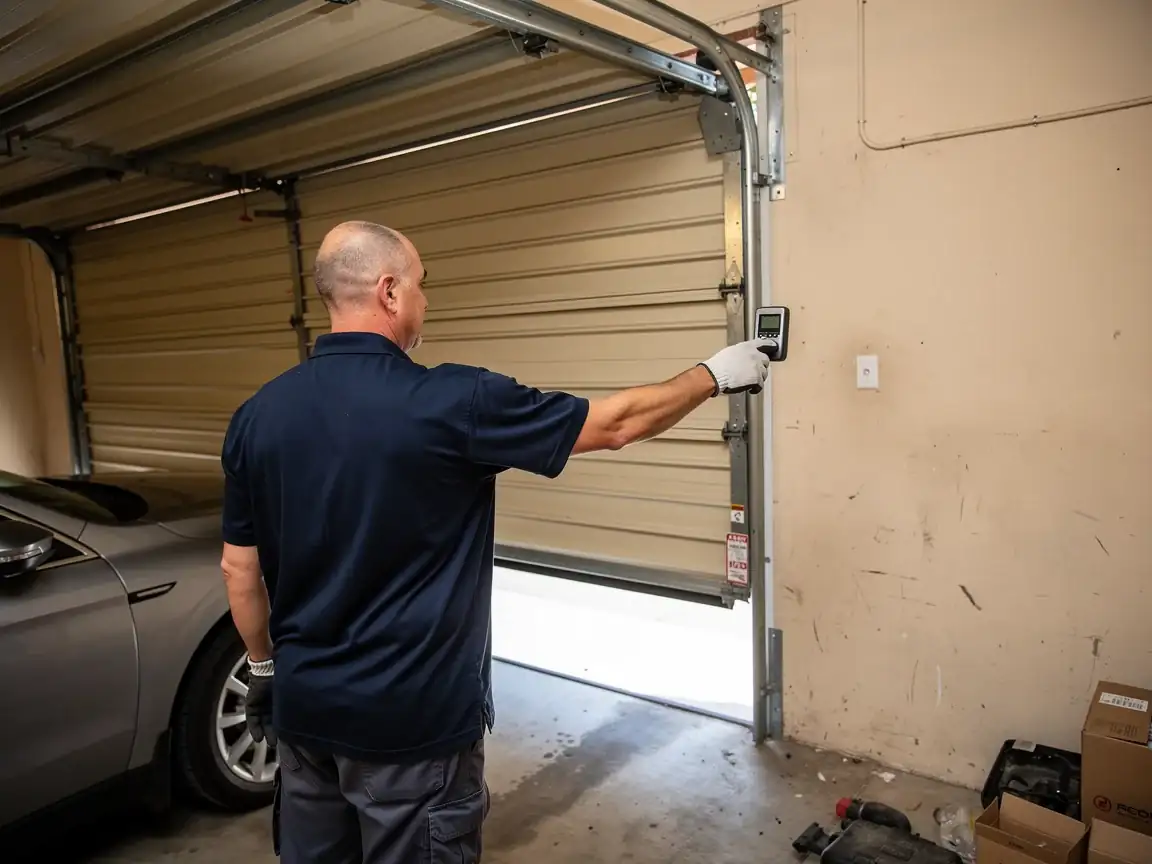
What we won't do is replace rollers on a door where the real issue is a bent track or a dying opener. If the noise is coming from the opener gear or a cracked panel instead, new rollers won't fix it and we'll say so rather than sell a part that doesn't solve the actual symptom.